Running an airline has never been more demanding. Between volatile fuel prices, labour negotiations, aircraft delivery delays, sustainability pressure, and razor-thin margins, airline chief executives operate in one of the most unforgiving industries in global business.
As a result, CEO compensation in aviation is heavily performance-linked, often volatile, and sometimes controversial.
In 2025, the highest-paid airline CEOs are largely concentrated in the United States, where executive compensation structures rely heavily on equity awards and long-term incentives. European and Asian airline chiefs generally earn far less in comparison, reflecting different governance models and shareholder expectations.
Highest Paid Airline CEOs in the World in 2025
Below is a look at the ten highest-paid airline CEOs globally in 2025.
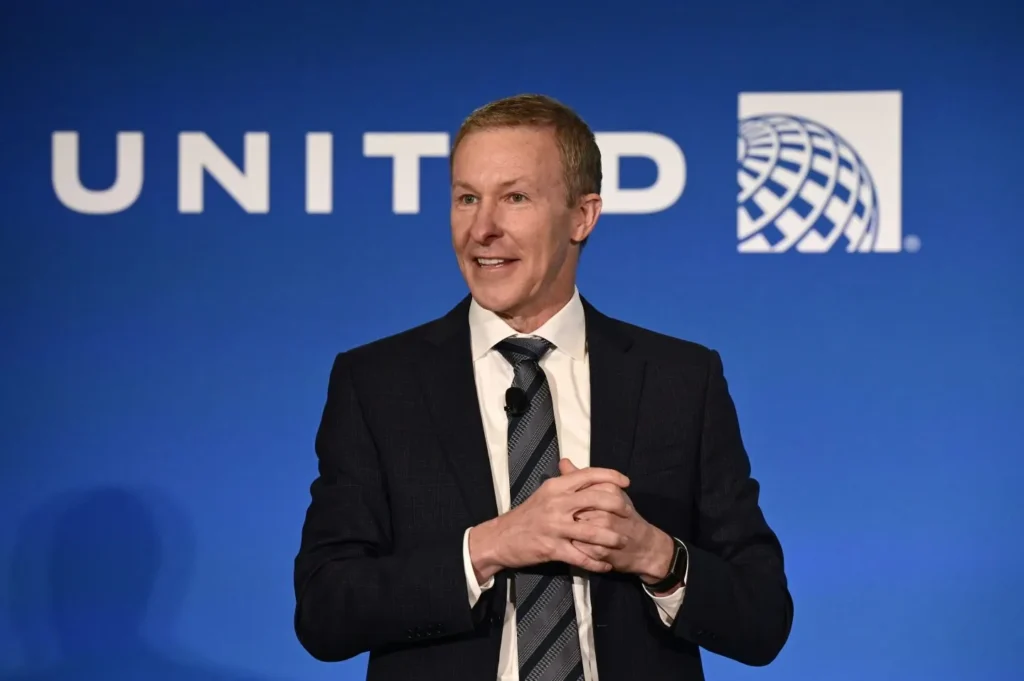
1. Scott Kirby – United Airlines – US$34 million
Scott Kirby sits at the top of the global airline pay scale in 2025. As CEO of United Airlines, he oversees one of the world’s largest international networks and an aggressive fleet expansion programme under the “United Next” strategy.
His compensation is heavily weighted toward stock awards and long-term incentives, including a substantial retention grant designed to keep him in place through United’s massive aircraft renewal cycle. While his base salary remains relatively modest, his equity awards significantly increase his total compensation, placing him well above his peers.
Kirby’s pay reflects both United’s global scale and the airline’s ambition to outpace rivals operationally and financially.
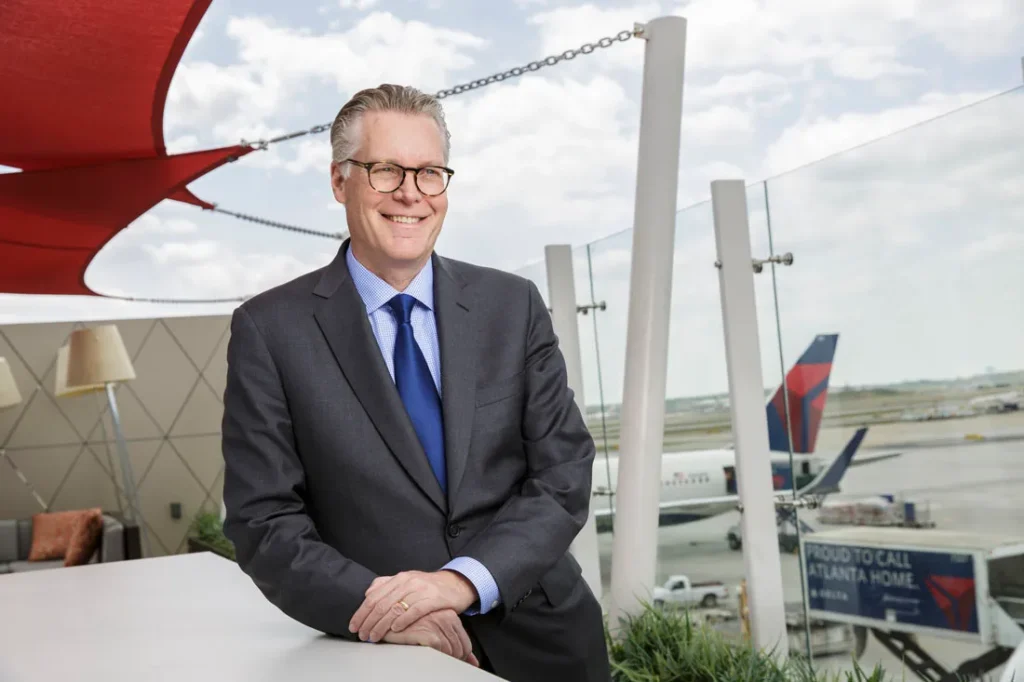
2. Ed Bastian – Delta Air Lines – US$27 million
Delta Air Lines CEO Ed Bastian remains one of the most consistently high-earning executives in aviation. His compensation reflects Delta’s strong profitability, premium positioning, and operational reliability from multiple hubs across the United States.
Unlike some rivals, Bastian’s pay structure places strong emphasis on employee satisfaction, customer metrics, and long-term shareholder value. While still substantial, his package is often viewed as more balanced relative to performance outcomes.
Bastian’s leadership style and long tenure have helped Delta maintain one of the strongest reputations among global carriers.
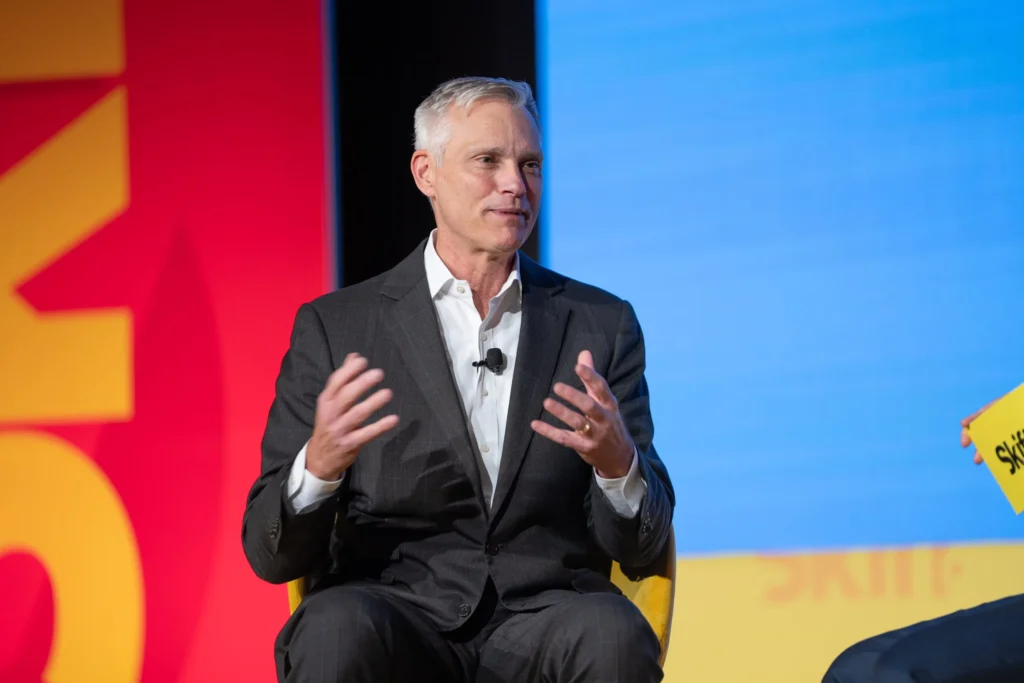
3. Robert Isom – American Airlines – US$9 million
Robert Isom’s compensation places him firmly in the upper tier of airline executives, though below United and Delta. As CEO of American Airlines, he leads the world’s largest airline by fleet size and passenger volume.
American’s financial performance has been more uneven than its peers, which is reflected in a compensation structure that fluctuates significantly year to year. A large portion of Isom’s earnings comes from long-term equity awards tied to operational recovery and debt reduction.
Despite the airline’s scale, American’s executive pay remains more conservative than United’s.
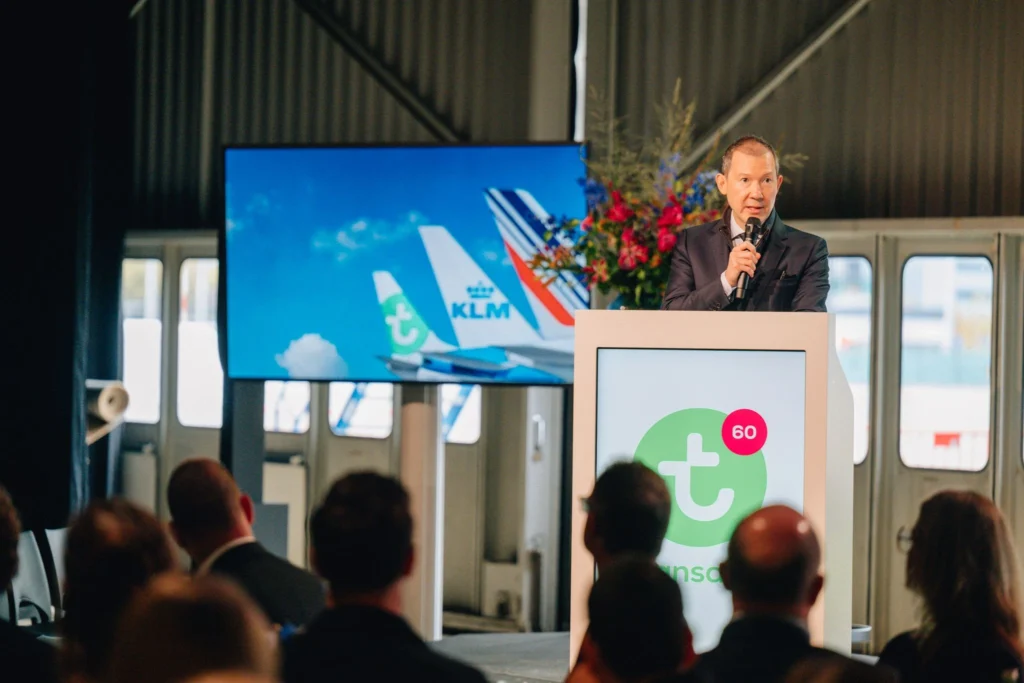
4. Ben Smith – Air France-KLM Group – US$9 million
Ben Smith is the highest-paid airline CEO outside the United States. As head of the Air France-KLM Group, he oversees the Dutch and the French flag carriers, a complex dual-national governance structure, and extensive long-haul operations.
His compensation reflects the size and political complexity of the group rather than pure profitability. European governance standards cap excessive payouts, but Smith’s role places him at the top of the continent’s airline pay hierarchy.
His experience and crisis management credentials continue to command a premium.
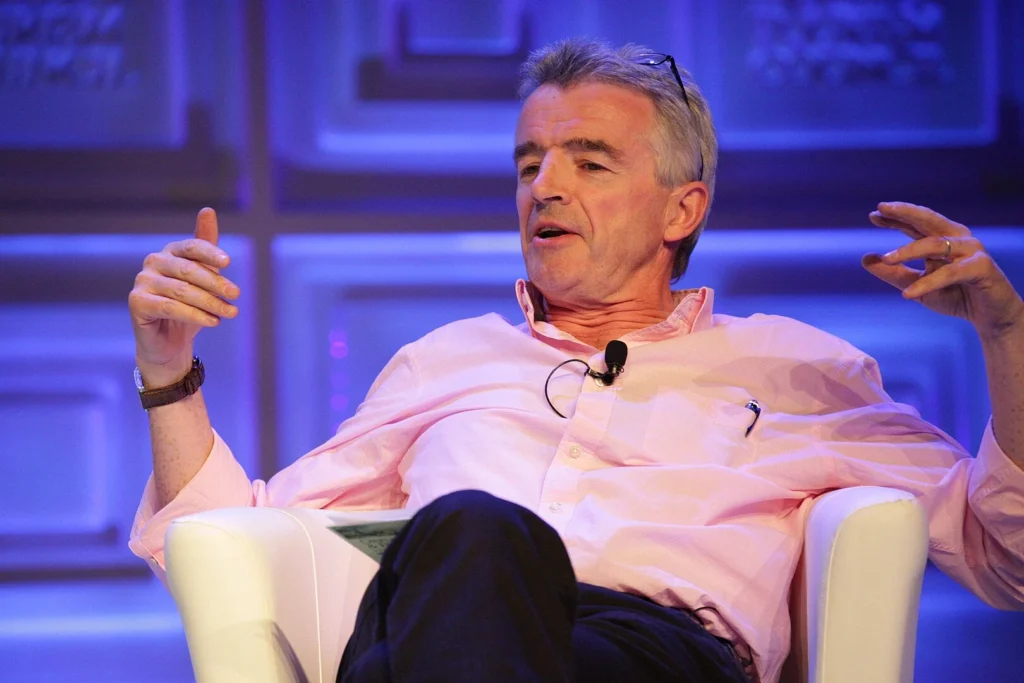
5. Michael O’Leary – Ryanair – US$8 million
Ryanair CEO Michael O Leary remains one of the most influential figures in global aviation. His compensation is almost entirely performance-based, tied closely to profitability, share price targets, and long-term growth benchmarks.
While his base salary is relatively low, incentive payouts can be substantial in strong years. Ryanair’s consistently high margins justify its position among the world’s top-earning airline chiefs.
O Leary’s outspoken leadership style and long tenure continue to define the low-cost airline sector.
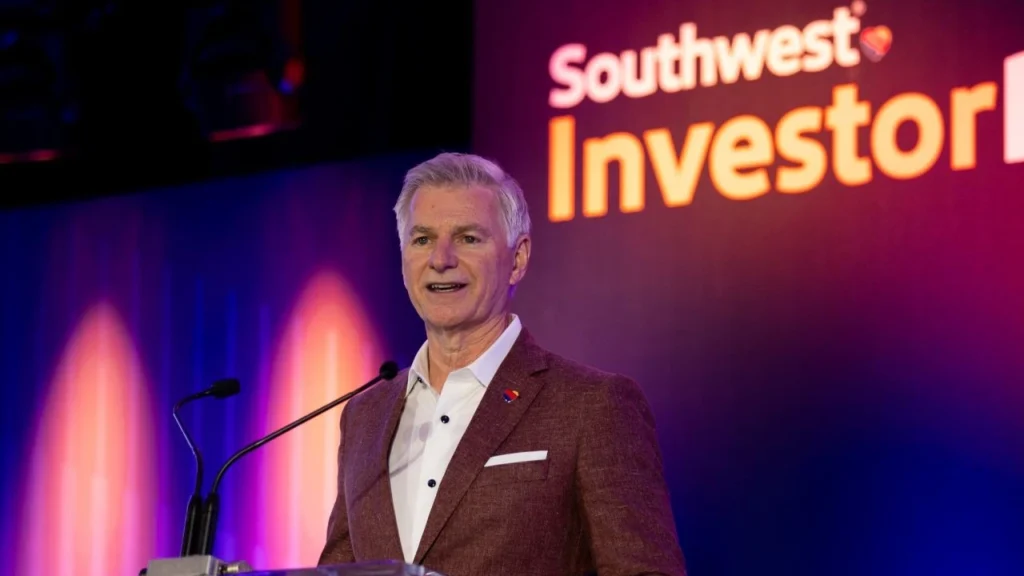
6. Bob Jordan – Southwest Airlines – US$7.5 million
Southwest CEO Bob Jordan earns less than leaders of the big US legacy carriers, but still ranks among the world’s highest-paid airline executives.
His compensation structure reflects Southwest’s low-cost philosophy, with a modest base salary and heavy reliance on long-term incentives. Jordan’s pay is closely tied to operational reliability and employee engagement metrics.
Relative to company size, his compensation is viewed as restrained within the US market.
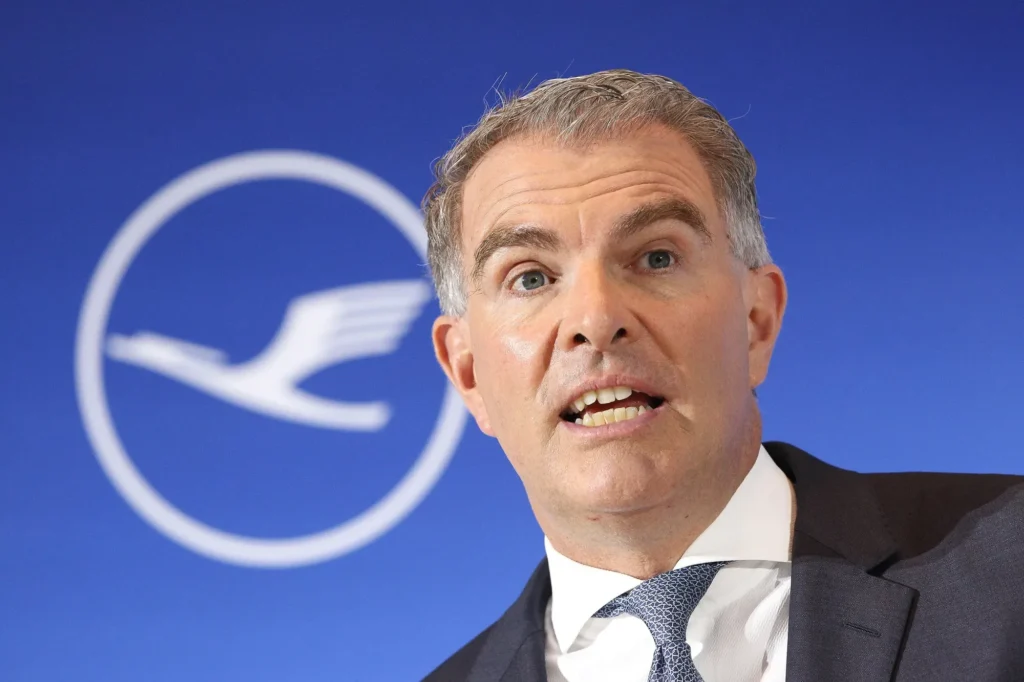
7. Carsten Spohr – Lufthansa Group – US$7 million
Lufthansa CEO Carsten Spohr’s pay reflects the complexity of running a multi-airline group of a number of large European flag carriers, which span passenger travel, cargo, maintenance, and catering. His compensation includes a high target figure, though actual payouts often come in lower depending on performance.
German corporate governance rules impose strict caps and shareholder oversight, which keep realised pay below US levels. Still, Spohr remains among Europe’s highest-paid airline executives.
His technical background as a trained pilot sets him apart from most peers.
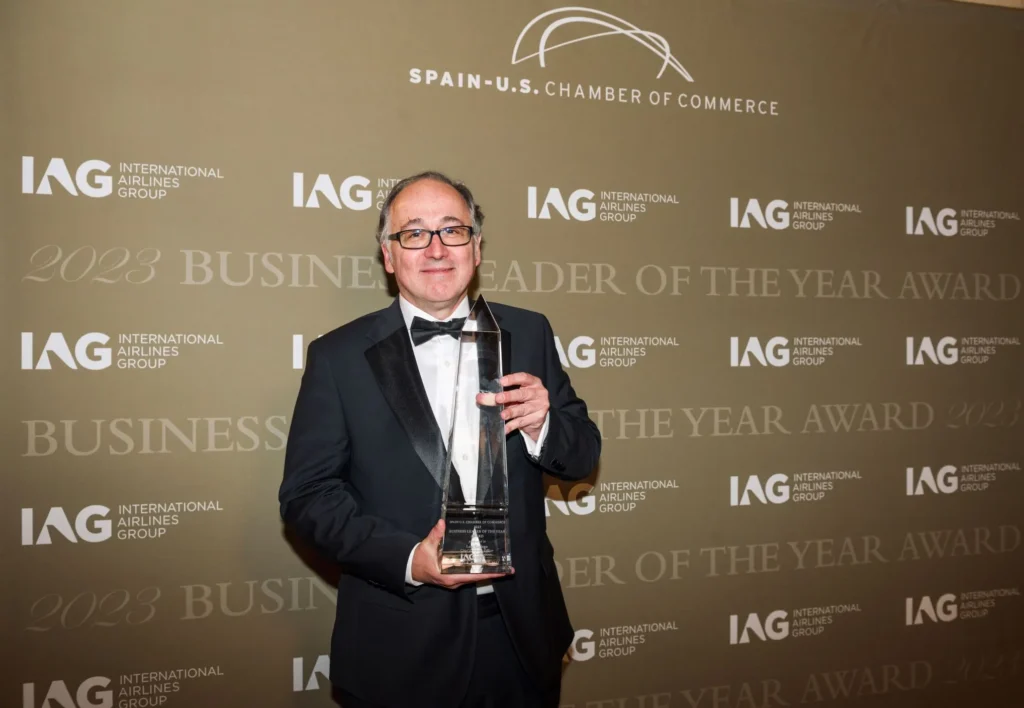
8. Luis Gallego – International Airlines Group – US$6.5 million
As CEO of International Airlines Group, Luis Gallego oversees British Airways, Iberia, Aer Lingus, and Vueling. His pay reflects the multinational scale of the group and its exposure to both premium long-haul and low-cost markets.
Gallego’s compensation is closely tied to group profitability and fleet renewal progress. While lower than US peers, it places him firmly among Europe’s top airline earners.
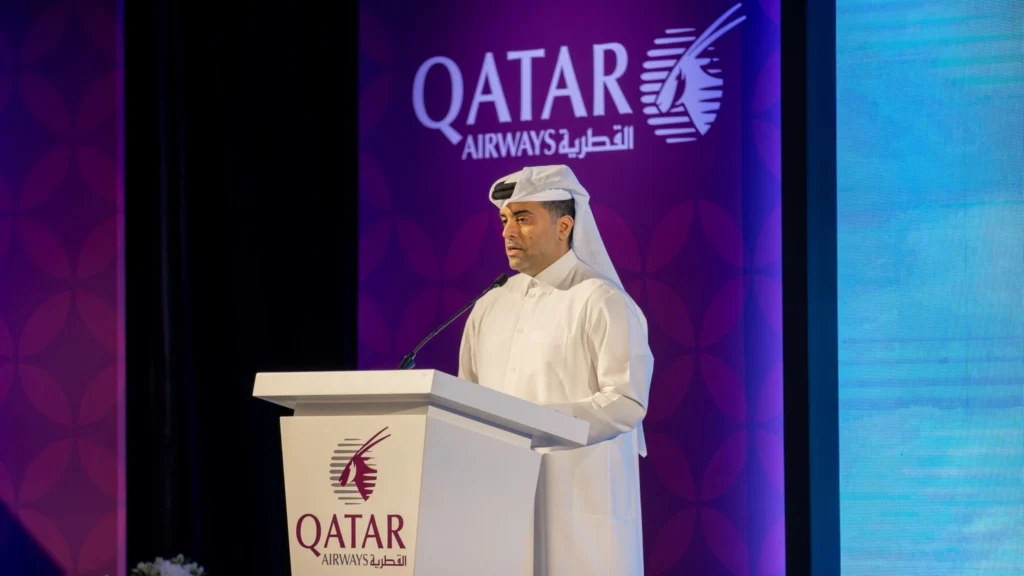
9. Badr Mohammed Al-Meer – Qatar Airways – US$6 million
Qatar Airways CEO Badr Mohammed Al-Meer’s (now former Qatar Airways CEO) compensation is not publicly disclosed in detail, but industry estimates place him among the highest-paid airline leaders globally.
As one of the architects of Qatar Airways’ rapid global expansion and premium reputation, his pay reflects the strategic importance of the airline to the Qatari state. His role combined commercial leadership with national aviation strategy.
Despite stepping back from his involvement in the role at the start of December 2025, his final paycheque bore a significant amount.
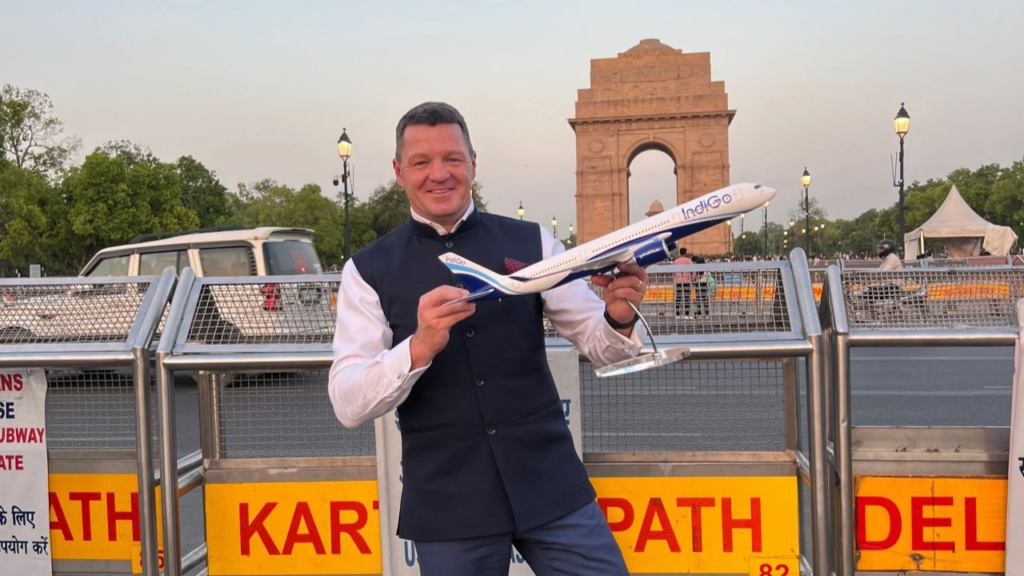
10. Pieter Elbers – IndiGo – US$5 million
IndiGo CEO Pieter Elbers rounds out the top ten. As head of the world’s largest airline by daily departures, his compensation reflects both scale and growth rather than premium margins.
While lower than Western counterparts, Elbers’ pay is high by Asian standards. His role overseeing rapid expansion, fleet growth, and one of the industry’s most disciplined cost structures places him among the most influential airline leaders globally.

Bottom Line
In 2025, airline CEO compensation continues to reflect where the airline is based, how it is governed, and how much risk the executive carries. US airline chiefs dominate the top end of the pay scale due to equity-heavy compensation structures, while European and Asian CEOs operate under stricter caps and shareholder controls.
What remains consistent is that airline CEOs are rewarded less for stability and more for navigating uncertainty. In an industry where margins can evaporate overnight, executive pay remains tightly linked to performance, resilience, and long-term strategy rather than guaranteed income.

Airline CEO Salary FAQs
Airlines operate in a highly complex, capital-heavy, and volatile environment. CEOs are responsible for safety, fleet investment worth billions, labour relations, regulatory compliance and global operations. Much of their pay is linked to performance and long-term results rather than guaranteed cash.
US companies rely heavily on share-based compensation and long-term equity awards, which can significantly increase total pay in strong years. European and Asian airlines operate under stricter governance rules, with tighter caps on executive remuneration and greater shareholder oversight.
Not usually. Most compensation packages include bonuses and long-term incentives that depend on financial, operational, and strategic targets. In weaker years, actual payouts can be far lower than headline figures.
Stay tuned with us. Further, follow us on social media for the latest updates.
Join us on Telegram Group for the Latest Aviation Updates. Subsequently, follow us on Google News