AUCKLAND- Air New Zealand (NZ) has suspended dividends after reporting financial losses, a decision that highlights earlier choices to distribute nearly $500 million to shareholders in recent years.
The airline had previously told investors during its 2022 capital raise that dividends would likely be considered only from FY2026. Air New Zealand later paid significant dividends following strong post-pandemic demand.
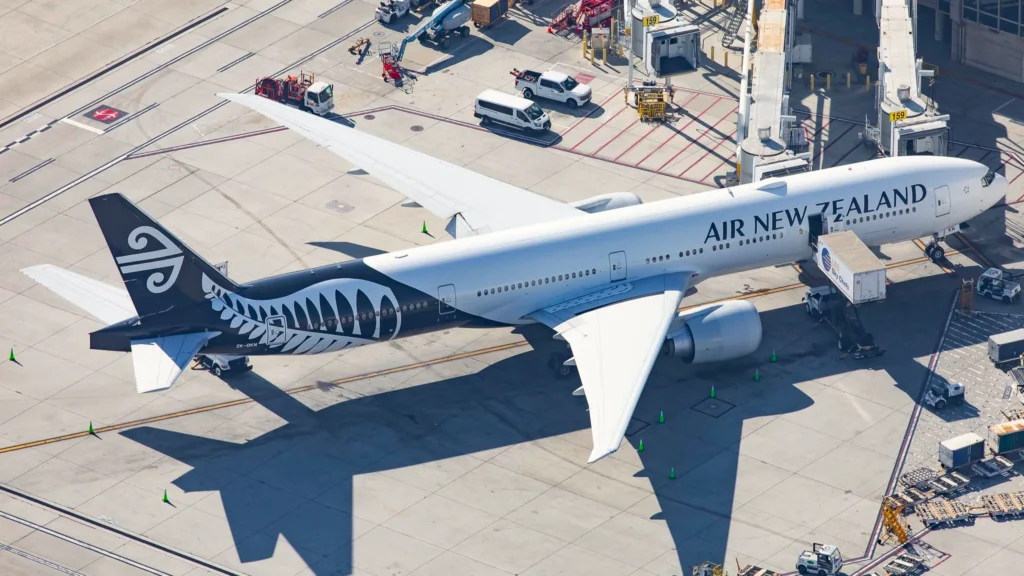
Air New Zealand’s Dividend Policy Reversal
Air New Zealand raised about $1.2 billion in 2022 to stabilize its finances after the COVID-19 pandemic severely disrupted global aviation. During that capital raise, the airline indicated that dividends would not likely be considered until the 2026 financial year, depending on performance.
However, the company later changed course. Between 2023 and 2025, Air New Zealand distributed around $420 million in dividends to shareholders. The airline also spent about $80 million on a share buyback program that supported shareholder returns.
Combined, those measures returned close to $500 million to investors during a period when the airline had earlier indicated it would preserve capital. The New Zealand government, which owns about 51 percent of Air New Zealand, received slightly more than half of those dividend payments, Interest.co.nz reported.
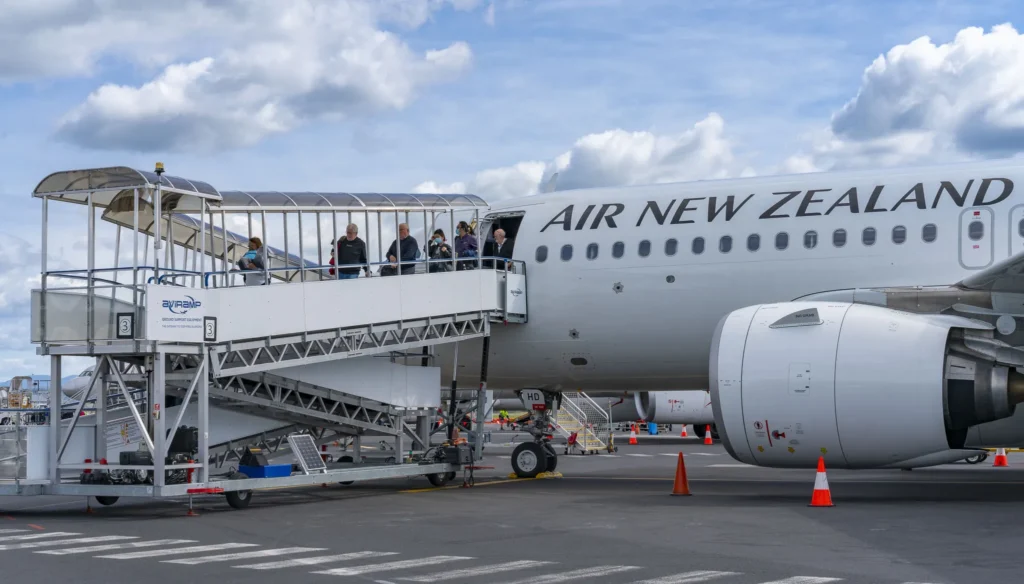
Post-Pandemic Travel Surge Boosted Profits
The airline’s strong financial performance in 2023 played a key role in the decision to restart dividends.
After international travel restrictions ended, passenger demand surged worldwide. Many travelers who had postponed trips during the pandemic began booking flights again. Industry observers widely described the phenomenon as revenge travel.
During that period, airlines faced limited capacity because fleets had been grounded or redeployed during the pandemic. Aircraft needed time to return to service and staffing levels had not fully recovered.
High demand combined with constrained supply pushed airfares higher. Airlines across multiple markets recorded unusually strong yields, a key metric that measures revenue earned per passenger.
Air New Zealand benefited from these market conditions. The airline reported its second-largest profit in history for the 2023 financial year.

https://commons.wikimedia.org/wiki/File:20250402_Airbus_A320-271N_of_Air_New_Zealand_(ZK-NHD)_taxiing_at_SYD.jpg
Special Dividend Triggered Continued Payouts
Following the strong 2023 performance, Air New Zealand paid more than $200 million to shareholders as a special dividend.
Once dividends resumed, the airline continued distributing payments in the following years. This occurred even as profitability began to moderate from the exceptional levels seen in 2023.
As travel demand normalized, consumers became more price sensitive again. Passenger willingness to pay higher fares declined, which reduced airline margins across several markets.
Despite these changing conditions, dividend payments continued until the airline recently decided to suspend them.
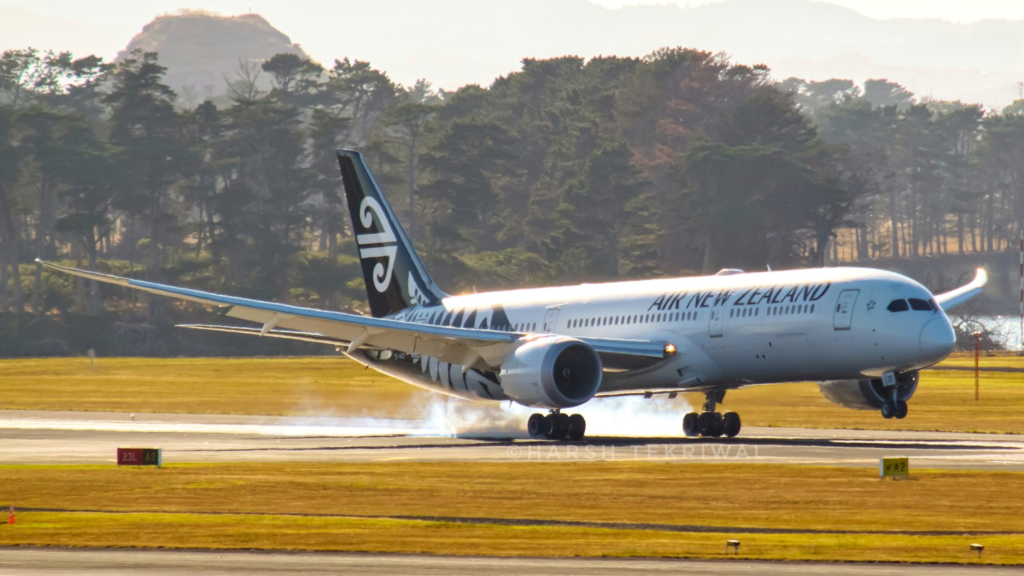
Financial Buffer That No Longer Exists
Critics argue that the airline would be in a stronger financial position today if those funds had remained on its balance sheet.
Keeping the nearly $500 million would have provided additional liquidity during the current period of uncertainty. Airlines operate in a highly cyclical industry where fuel prices, demand shifts, and global events can quickly affect profitability.
Air New Zealand is now conducting a broader strategic review as it navigates the evolving market environment. The airline’s dividend history since 2023 may receive renewed scrutiny as stakeholders assess long-term financial resilience.
Stay tuned with us. Further, follow us on social media for the latest updates.
Join us on Telegram Group for the Latest Aviation Updates. Subsequently, follow us on Google News