Despite its reputation, crossing the Drake Passage is often considered a rite of passage for Antarctic travelers.
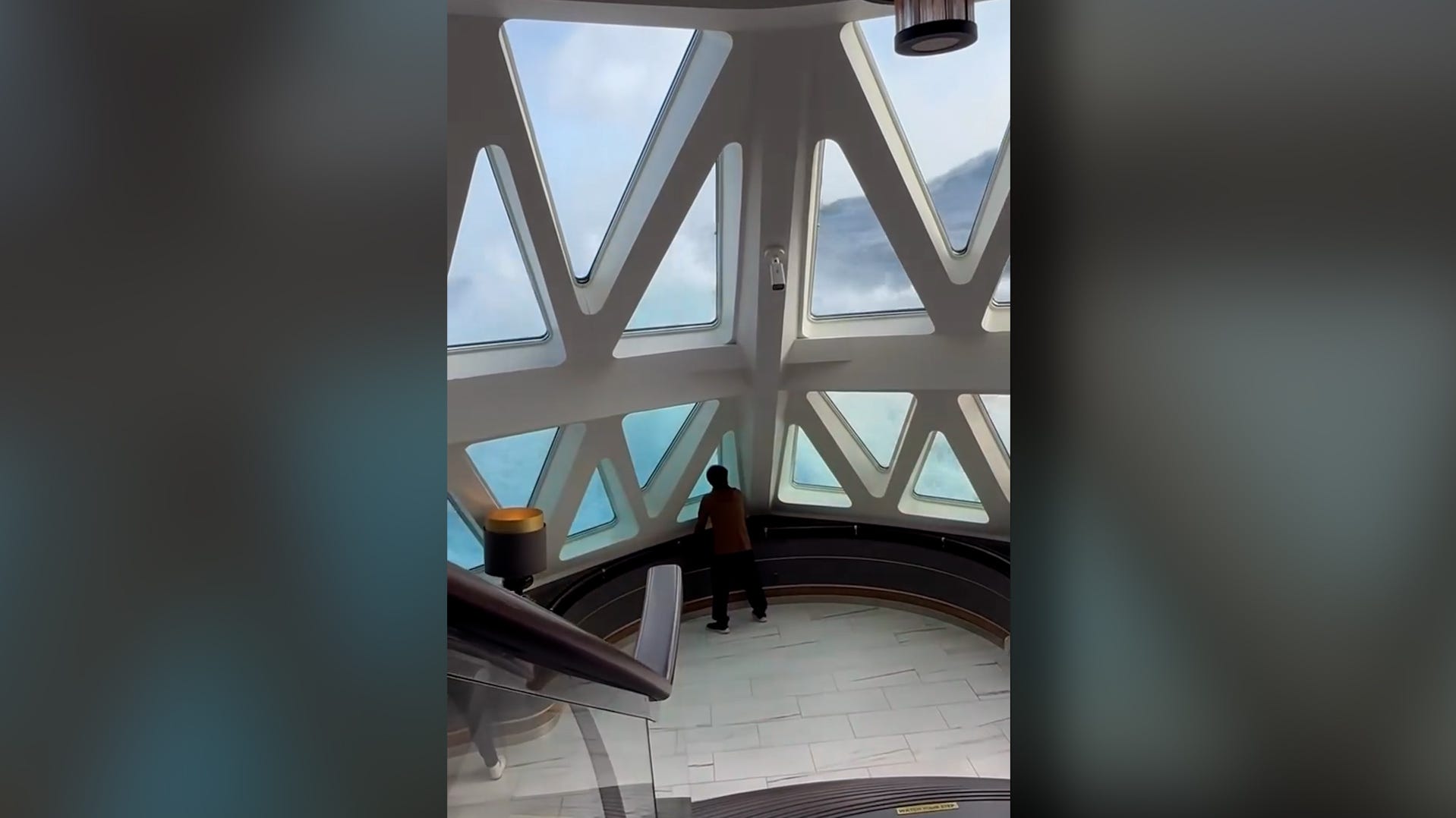

Massive Drake Passage waves pummel cruise ship
Video captured as passengers struggled to stand as a cruise ship encountered rough conditions while passing through the infamous Drake Passage.
- The Drake Passage is a notoriously rough, 500-mile waterway between South America and Antarctica.
- Most Antarctica cruises sail through the passage, which takes about two days each way.
- Travelers can also opt for more expensive fly-cruise itineraries to bypass the crossing.
Videos of cruise guests crossing the Drake Passage seem to go viral every few months: viewers may have seen ships rocking back and forth, massive waves crashing over windows and passengers struggling to hang onto their balance.
It’s not always like that, though. “I always tell people, first off, social media makes the Drake Passage look a lot worse than it is,” Tamatha Frederick, Senior Japan, South America, and Polar Specialist at Audley Travel, told USA TODAY.
If a cruise to Antarctica is on a traveler’s bucket list, they’ll likely need to cross the notoriously treacherous waterway first. Here’s what to know about sailing the Drake Passage.
What is the Drake Passage?
The Drake Passage stretches roughly 500 miles between South America’s southern tip and the northern tip of the West Antarctic Peninsula, according to the U.K.’s National Oceanography Centre. The waterway links the Pacific and Atlantic Oceans, and “is the narrowest stretch of water in the Southern Ocean,” according to its website.
Frederick said it’s “famous because of the convergence of these oceans and the waves that are associated with it.” Named for English explorer and privateer Sir Francis Drake, the area is unpredictable and passengers could experience a smooth “Drake Lake” or a rough “Drake Shake.”
Frederick said waves are often between 10 and 14 feet – though they can range from six-and-a-half to 43 feet, according to expedition cruise operator Swan Hellenic. When I took an Antarctica voyage with Aurora Expeditions in 2023, conditions on the way from Ushuaia, Argentina, fell somewhere between, with waves reaching about 13 feet.
Do all Antarctica cruises go through the Drake Passage?
Most of the ones sailing from South America do. Some cruise operators, such as National Geographic-Linblad Expeditions and Silversea Cruises, offer fly-cruise itineraries that allow guests to bypass the crossing.
“And then there are cruises that go to the Falklands and South Georgia,” added Frederick. “And those are longer itineraries that include the Antarctic Peninsula, and they kind of circumnavigate the Drake Passage one way, but then inevitably you’re going to have to have to go through it the other way.”
Those alternate itineraries also tend to be more expensive than those that sail through the Drake.
How long does it take to cross the Drake Passage?
The waterway takes about two days to sail in each direction.
How to prepare for the Drake Passage
If travelers are concerned about crossing the Drake, there are some steps they can take to prepare.
Before the cruise, Frederick recommended consulting your doctor about which seasickness medications to bring on board, just in case. Many are available over-the-counter, while others require a prescription (click here for USA TODAY’s guide to navigating seasickness on a cruise).
“So I would say, definitely bring something, especially if you are prone to seasickness,” she said.
Cruise ships typically have a supply of medication on board, as well, and medical staff who can advise guests as needed.
Both large, more traditional cruise ships and smaller expedition ships visit Antarctica. While Frederick said passengers may notice the movement less on a bigger ship and face a lower risk of motion sickness, expedition ships are built for those conditions. “… A lot of these bigger cruises, they go all over the world, the staff obviously is experienced, but the expedition teams that go down there that specialize just in polar expeditions are truly the experts in how to navigate to the Drake Passage, because they do it all the time.”
Another important distinction: Ships carrying more than 500 passengers cannot take them on land, according to the International Association of Antarctica Tour Operators. That means bigger ships offer only scenic cruising.
Frederick noted that expedition cruises feature nightly briefings, including before entering the Drake Passage. The crew will “let you know how big the waves are looking (and) when they would advise to take your medication so you have a better understanding of what it’s going to be like,” she said. Cruise operators also generally try to cross the roughest waters while guests are sleeping.
Passengers may notice seasickness bags placed around the ship, just in case, and some programming, such as lectures, could be pared back if the waves get especially choppy. The gym, elevator, and outside decks may close temporarily, as well – though dining venues typically stay open, according to Frederick.
Depending on the weather, cruise companies may even make schedule changes. “That happened to me where there was a storm and some ships went out and there were issues with those, and some ships came back because they knew it was going to be better the next day,” she said. “So they’ll modify it itinerary- wise, or delay it if they need to, and then try to make up the time later on during the itinerary.”
Frederick, who is prone to seasickness herself, said she still recommends sailing across rather than flying – even if it comes with short-term discomfort.
“I do think that doing the Drake is – not only is it a rite of passage, but it also is a really good opportunity for people to get to know each other better, especially if you’re on the smaller expedition cruise,” she said. “You get a lot of safety briefings on the way down, and lectures and learn a lot … You kind of bond with the rest of your folks on board, whether it’s through sickness or not.”
Nathan Diller is a consumer travel reporter for USA TODAY based in Nashville. You can reach him at ndiller@usatoday.com.