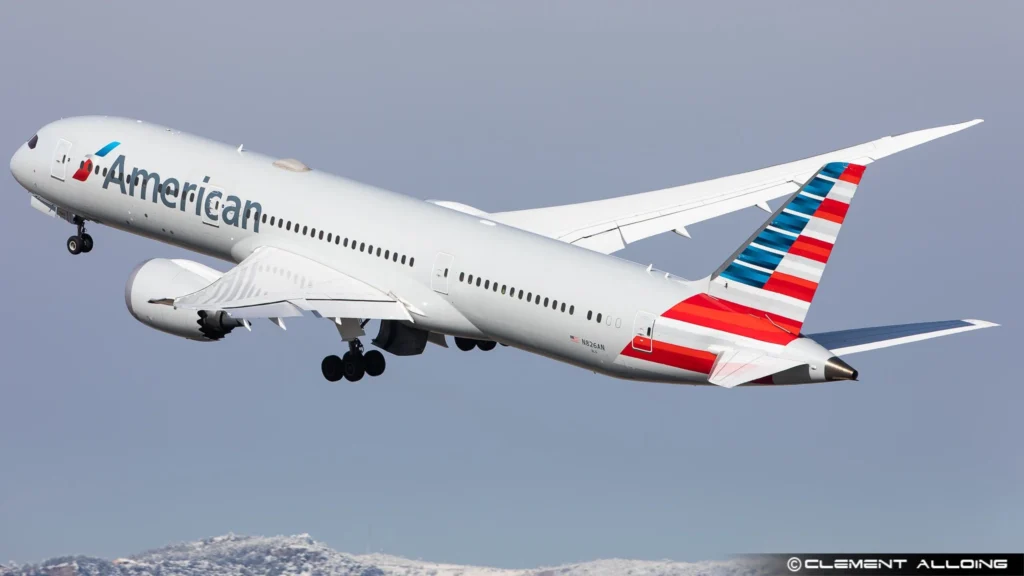
FORT WORTH— American Airlines (AA) is facing customer frustration after implementing a new policy giving deadheading pilots first-class upgrade priority over even top-tier frequent flyers.
The change, effective December 2, 2023, stems from the airline’s latest pilot contract and affects how upgrades are handled within 24 hours of departure. The policy places pilots traveling under A1DP/A3DP codes above Executive Platinum and ConciergeKey members on the upgrade list.
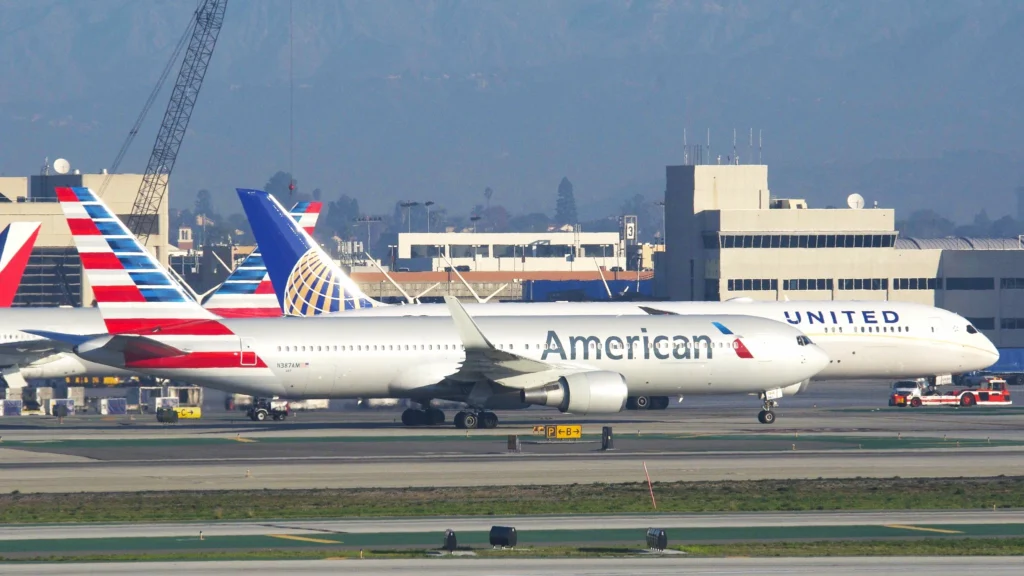
American Airlines Pilot Upgrade
As outlined in an internal Airport Excellence Advisory, American Airlines’ new agreement automatically adds deadheading pilots to the top of the upgrade list at check-in. Their passenger name records (PNRs) are created with A1DP or A3DP priority codes and tagged with a new “Upgrade Priority Code UPG0.”
Pilots who check in via the Travel Planner or American Essentials app are automatically listed for upgrades. However, if check-in occurs through the American Airlines mobile app or AA.com, Customer Care staff must manually apply the code. Once added, the system reclassifies them to UPG0 status, ensuring top priority on the list.
The airline confirmed that standard upgrade procedures for paying customers still apply, with upgrade windows opening 24 hours before departure. However, once pilots enter the list, they are ranked above even the most loyal passengers, regardless of AAdvantage elite tier, ViewfromtheWing reported.

Customer Reaction and Brand Impact
Frequent flyers have expressed strong dissatisfaction, noting that pilots now occupy upgrade slots once reserved for elite customers who spend thousands annually. One passenger’s viral post criticized the policy, saying it undermines loyalty and rewards employees over paying customers.
American Airlines has long positioned its AAdvantage program as a cornerstone of its value proposition.
At the company’s 2022 Investor Day, executives highlighted loyalty revenue as a key growth driver. However, this shift suggests a pivot in priorities — emphasizing labor agreements over customer experience.
Industry Context and Comparisons
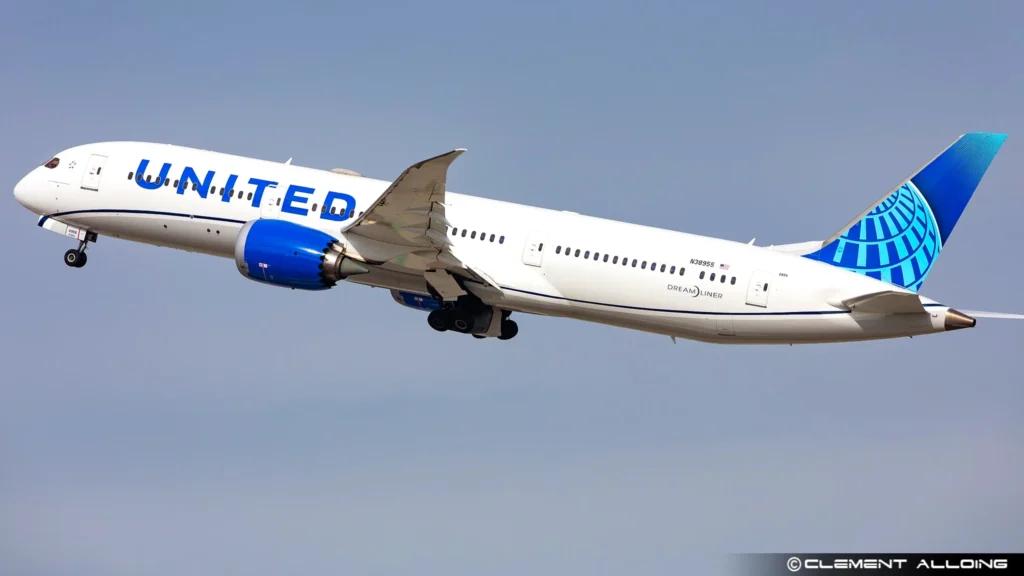
The concept of prioritizing deadheading pilots is not new. United Airlines (UA) adopted a similar policy in 2020, and now American has followed suit. In both cases, the reasoning ties back to pilot contracts rather than operational necessity.
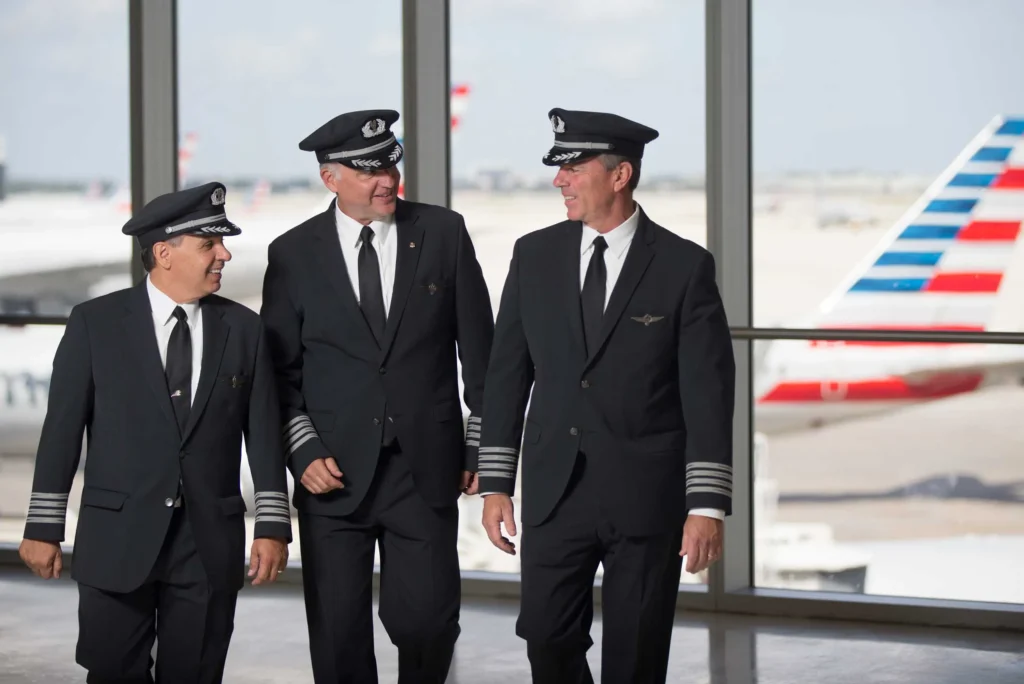
Deadheading, which refers to pilots traveling as passengers between assigned flights, counts as duty time.
It does not involve active flying and, according to safety experts, does not require additional rest benefits such as first-class seating. The change is thus viewed primarily as a contractual concession rather than a safety enhancement.
The Broader Problem with Upgrades
Upgrades across U.S. carriers have become harder to secure due to limited premium seat supply and airlines’ tendency to hold inventory for last-minute sales. This has made complimentary upgrades increasingly rare, even for elite members.
The optics of crew members sitting in first class while loyal customers remain in coach have heightened perceptions of inequality in how benefits are distributed. Many see it as a reflection of management’s struggle to balance employee relations with customer loyalty.
Stay tuned with us. Further, follow us on social media for the latest updates.
Join us on Telegram Group for the Latest Aviation Updates. Subsequently, follow us on Google News


