MADRID- Iberia (IB) is moving forward with Flight Plan 2030 as it expands its long-haul network. The carrier will launch a new nonstop service between Madrid (MAD) and Toronto (YYZ), adding another key link between Europe and North America.
The airline will start five weekly flights to Toronto on June 13, creating more travel opportunities for both leisure and business. The new Madrid Toronto service strengthens Iberia’s (IB) presence in North America while supporting growing demand between Spain and Canada.

Iberia Adds Flights to Toronto
Iberia is positioning the Toronto route as a central piece of its broader transformation plan. The carrier will offer 37,000 seats during the summer season, with flights operating on Monday, Wednesday, Friday, Saturday, and Sunday.
The schedule provides daytime departures from Madrid and convenient evening returns from Toronto, allowing smooth connectivity across Iberia’s European network.
- The service will run with flight IB0367 from Madrid to Toronto at 12:00 and land at 15:00.
- The return flight, IB0368, leaves Toronto at 17:10 and arrives in Madrid at 06:55 the following morning.
These timings support both transatlantic traffic and connecting itineraries across Europe, the Middle East, and Africa.
Flight Plan 2030 outlines Iberia’s long-term investment in fleet growth, digital upgrades, and network expansion.
The plan includes an increase from 48 to 70 long-haul aircraft, a six billion euro investment in modernization, and a commitment to strengthen Europe to the Americas connectivity.
The Toronto launch represents Iberia’s 145th destination and advances its strategic vision for sustainable and efficient international growth.

A321XLR leads Iberia’s transatlantic development
The Toronto route will be flown with the Airbus A321XLR, the most modern and fuel-efficient aircraft currently in Iberia’s long-haul operations.
The airline was the global launch operator for the model, which delivers up to 40 percent lower fuel consumption compared to larger widebody aircraft. This performance enables long-range missions with a narrowbody platform while maintaining comfort standards similar to Iberia’s widebody fleet.
The A321XLR features the new Airspace cabin, offering larger overhead bins, ambient LED lighting, and an upgraded sense of space. The aircraft is configured with 182 seats across Business and Economy cabins.
Iberia has spent the past year using the A321XLR to open new transatlantic opportunities, including the aircraft’s first long-haul flight to Boston on November 14, which marked a turning point in its transoceanic strategy.
Toronto Pearson Gains New Connectivity
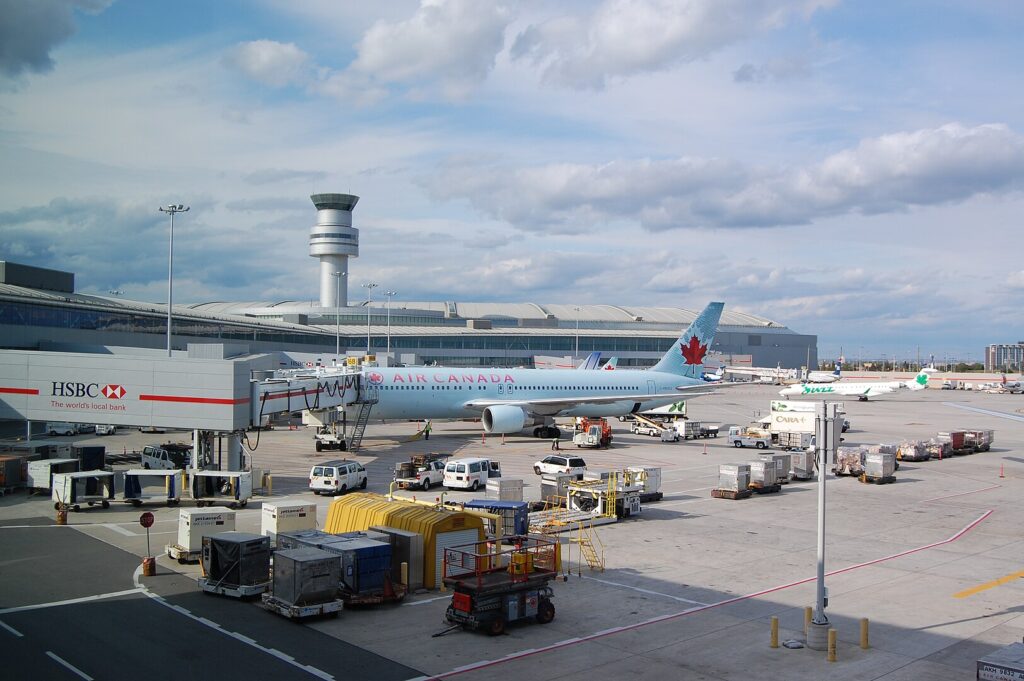
Toronto Pearson International Airport expects strong demand for the new route. Annual traffic between Toronto and Madrid approaches seventy thousand passengers, and the new Iberia service will add connectivity to destinations across Europe through the carrier’s hub at Madrid Barajas.
Airport leadership sees the addition as an important expansion of options for both inbound and outbound travelers.
The introduction of Iberia’s Toronto service signals a broader trend of airlines using modern single-aisle long-range aircraft to unlock new city pairs.
The A321XLR allows carriers to operate thinner transatlantic routes with better operational efficiency while offering passengers expanded choices.
Iberia’s move positions Madrid as a stronger gateway for Canadian travelers heading into Europe, the Middle East, and Africa.

Toronto Travel Guide
Toronto offers a concentrated set of must-see neighborhoods and attractions that suit a 3 to 4-day visit. Air Canada (AC) – Toronto Pearson International Airport (YYZ) and Porter Airlines (PD) – Billy Bishop City Airport (YTZ) are the main arrival options for most visitors.
This guide lists practical travel advice, short transit notes, recommended neighborhoods to stay in, and a prioritized list of 27 attractions and viewpoints to plan an efficient trip. It is aimed at first-time visitors who want a high return on time spent and a realistic sense of what to expect.
Top experiences across the city
Toronto rewards visitors who combine a few iconic sights with neighborhood exploration. Allocate three to four days to see the essentials and leave space for a relaxed neighborhood walk, a museum visit, and time on the waterfront.
Public transit, walking, and short ferries cover most of the city efficiently; renting a car is rarely necessary for downtown-focused itineraries.
Practical timing and climate
Late spring through early fall delivers the most comfortable weather and the longest daylight. May offers fewer crowds and cooling temperatures. June through August brings warm weather and festivals. Mid-September through October provides milder temperatures and smaller crowds, useful for visiting outdoor attractions and parks.
How to arrive and move around
Arrive by flight to Toronto Pearson International Airport (YYZ) for wider international connectivity or Billy Bishop City Airport (YTZ) for a downtown landing.
The Union Pearson Express links YYZ to Union Station in about 25 minutes. Downtown transit relies on the Toronto Transit Commission subway, streetcars, and buses. Ride-hail services and rentable e-bikes supplement transit for shorter hops.
Avoid renting a car unless traveling outside the metropolitan area because parking and traffic add unrewarded time and cost.
Where to stay, by neighborhood
Downtown Yonge is central for first-time visitors. Walkable access to shopping, theaters, Yonge-Dundas Square, and direct subway connections. Good balance of convenience and value.
Bloor-Yorkville is a Midtown luxury and cultural venue. Close to museums, fine dining, and high-end shops. Effective subway access for east-west travel.
The Entertainment District is Best for nightlife, major events, and proximity to sports and theatre venues. Walkable to CN Tower, Rogers Centre, and many downtown hotels.
Prioritized attractions and how to allocate time
This section groups top attractions by proximity and typical time commitment so a visitor can assemble day plans efficiently.
Downtown core, 2 to 4 hours each
CN Tower
Why go: Panoramic views, observation decks, and EdgeWalk for those who want an extreme experience. Time: 1.5 to 3 hours if visiting observation levels.
Ripley’s Aquarium of Canada
Why go: Immersive marine exhibits and the underwater tunnel. Time: 1.5 to 2.5 hours.
Rogers Centre and Scotiabank Arena
Why go: Catch a sports game or major concert. Time: Variable; event dependent.
Union Station and PATH
Why go: Architectural interest and the PATH underground network for shopping and transit connections during inclement weather. Time: 20 minutes to longer depending on shopping.
Harbourfront and Toronto Islands
Why go: Waterfront dining, kayaking, and a 13 minute ferry to islands with beaches, picnic areas, and skyline views. Time: 2 to 4 hours.
Major cultural institutions, half-day visits
Royal Ontario Museum
Why go: Canada’s largest museum for natural history and world cultures. Time: 3 to 3.5 hours.
Art Gallery of Ontario
Why go: Extensive art collections across eras and media. Time: 2 to 3 hours.
Distillery District
Why go: Cobblestone streets, galleries, boutiques, and seasonal markets. Time: 2 to 3 hours; highly atmospheric at holiday markets.
University of Toronto, St. George Campus
Why go: Historic collegiate Gothic architecture and public courtyards. Time: ~1 hour for a concise walk.

Neighborhoods and shopping, half to full day
Bloor-Yorkville
Why go: Luxury shopping and cultural venues, compact and walkable. Time: 2 to 4 hours.
Queen Street West and Graffiti Alley
Why go: Trendy shops, cafes, street art, and nightlife. Time: 3 hours or more for a slow exploration.
Toronto Eaton Centre and Yonge-Dundas Square
Why go: Central shopping hub and lively public square with frequent street entertainment. Time: 1.5 to 3 hours.
Parks, viewpoints, and relaxed outings
High Park
Why go: Largest public park with trails, gardens, and seasonal cherry blossoms. Time: 2 to 3 hours.
Polson Pier skyline viewpoint
Why go: Unobstructed sunset and skyline photography. Time: 30 minutes to an hour.
Casa Loma
Why go: Historic castle, gardens, and themed activities. Time: 2 to 2.5 hours.
Polson Pier and Toronto Islands pair well with a waterfront day that includes Harbourfront dining and a sunset viewpoint.
Entertainment and group activities
The REC Room
Why go: Large-scale indoor games, food, and social entertainment. Time: 2 to 3 hours.
Medieval Times
Why go: Dinner show entertainment in a castle setting for families and groups. Time: 2 to 3 hours.
Steam Whistle Brewing and The Well
Why go: Brewery tours near the stadium corridor and a newer mixed-use retail and dining complex for shopping and events. Time: 1 to 2 hours per stop.
Seasonal events
Canadian National Exhibition
Why go: Large summer fair with rides, food, and concerts, typically mid-August through early September. Time: 4 hours or longer.
Stay tuned with us. Further, follow us on social media for the latest updates.
Join us on Telegram Group for the Latest Aviation Updates. Subsequently, follow us on Google News