NEW DELHI- Air India (AI) cancelled its Delhi–Haneda flight AI358 on Monday (November 24, 2025) after the aircraft rejected its take-off roll and returned to the parking bay due to a suspected technical issue. The decision was taken strictly in line with established safety and operational procedures at Indira Gandhi International Airport (DEL).
An alternate aircraft was arranged by Air India; however, the assigned crew reached their mandatory Flight Duty Time Limitations (FDTL), making it impossible to operate the service without violating regulatory constraints.
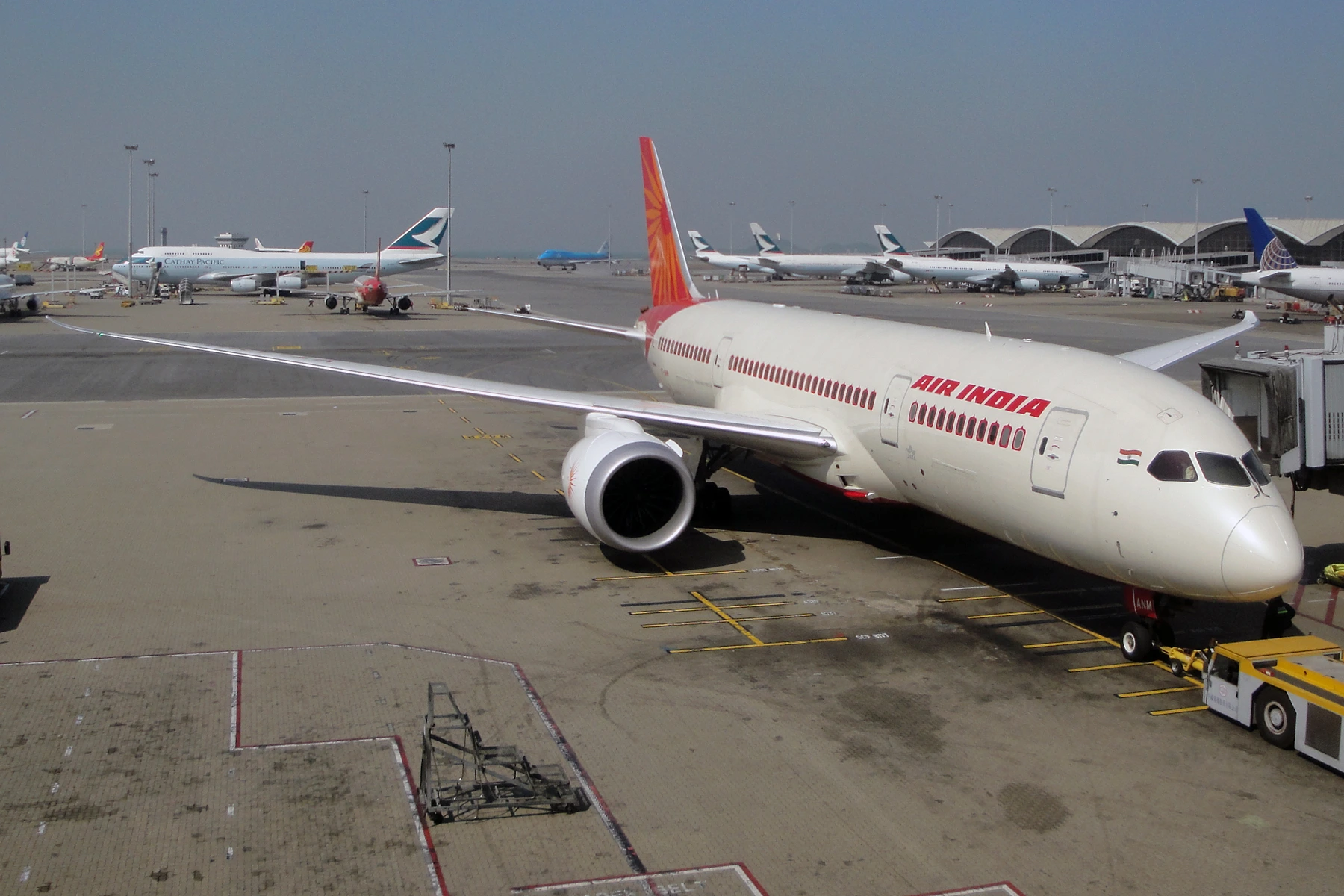
CC BY 2.0, https://commons.wikimedia.org/w/index.php?curid=58290529
Air India Pilots Reject Takeoff at Delhi Airport
Air India Flight AI358 was scheduled to operate to Tokyo Haneda Airport (HND), and initial assessments prompted the crew to discontinue the take-off roll as a precaution.
Air India informed passengers about the cancellation soon after operational checks were completed.
The airline’s ground team in Delhi provided support at the terminal, offering hotel accommodation to affected travelers along with the choice of a full refund or free rescheduling.
The carrier said it is working to rebook passengers on the earliest available flights to Haneda and other connecting destinations. The priority remains to minimize delays and ensure safe onward travel.
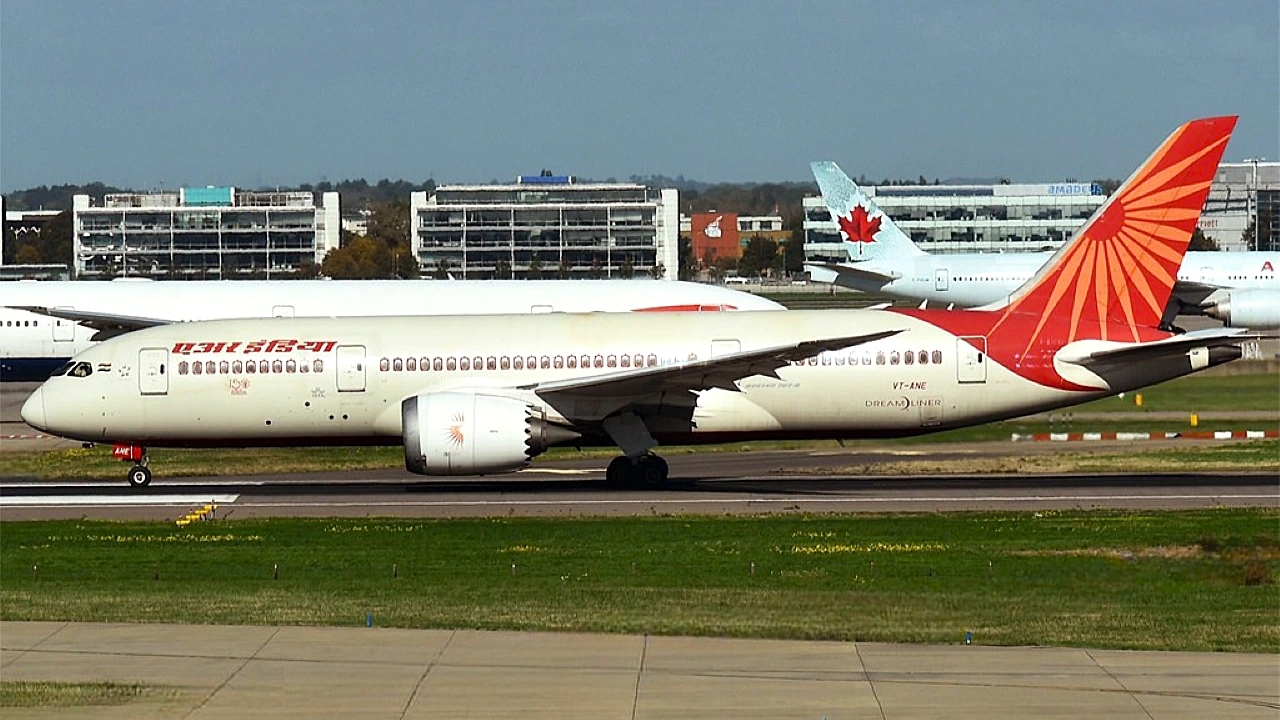
Parallel of Volcanic Ash Advisory
On the same day, the Directorate General of Civil Aviation issued a safety advisory for all Indian airlines after volcanic ash from Ethiopia’s Hayli Gubbi eruption drifted across segments of the Middle East.
The ash cloud affected routes passing through the Muscat Flight Information Region. The DGCA confirmed that a Volcanic Ash Advisory and an ASHTAM had already been released by the Toulouse VAAC and the Airports Authority of India.
Airlines were instructed to avoid affected regions and altitudes until further notice.
The advisory also directed operators to revisit operational manuals related to ash encounters. Flight crews were told to follow prescribed procedures, with operators required to brief cockpit and cabin teams on hazards associated with volcanic ash ingestion and visibility impairment.
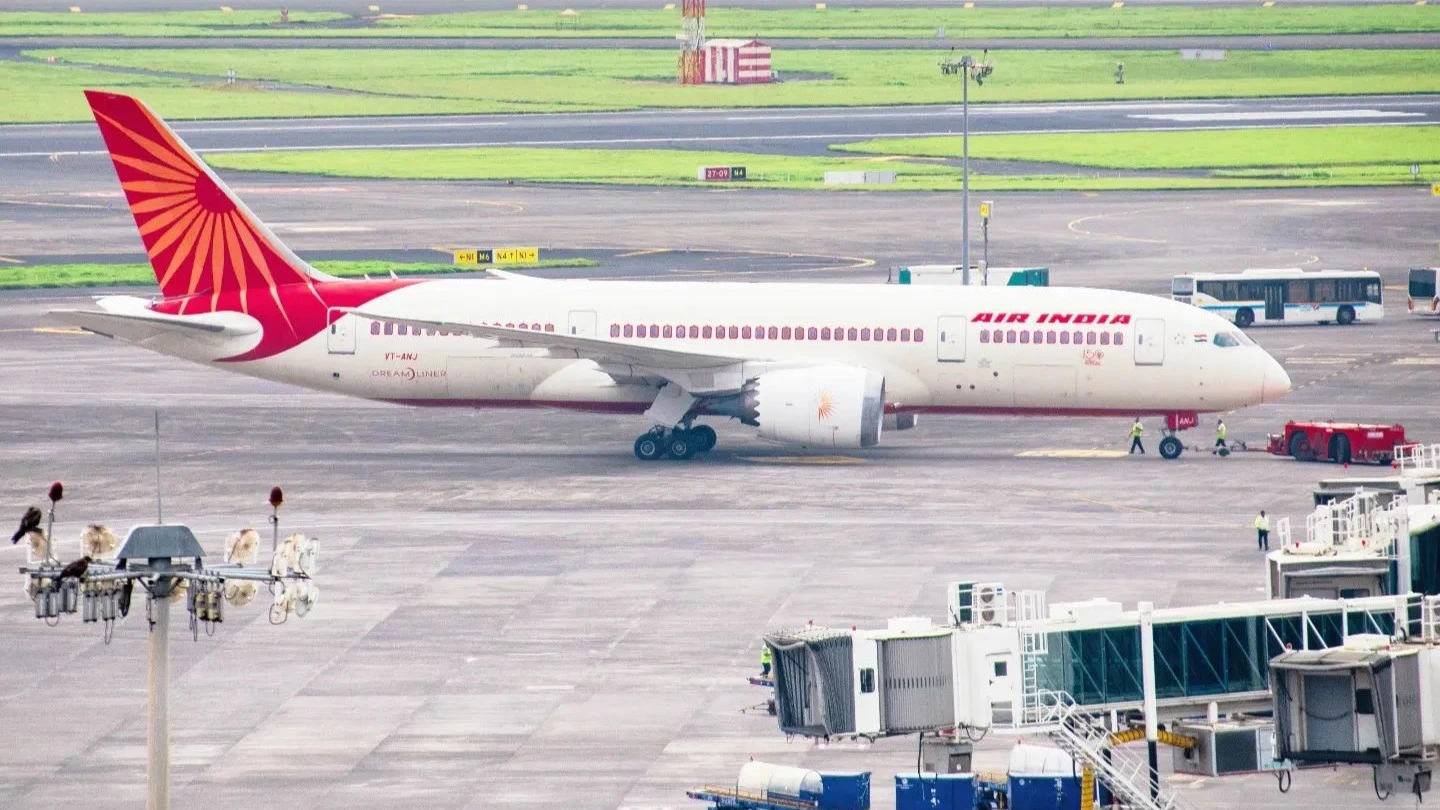
Operational Measures for Indian Airlines
Airlines have been told to update flight planning and routing to align with the latest NOTAM and meteorological information.
Any suspected ash encounter—such as unusual engine parameters, cabin odour or smoke-like haze—must be reported immediately to authorities.
The DGCA further required operators to modify dispatch procedures where needed and conduct post-flight inspections for aircraft that may have flown over ash-impacted corridors.
Airports were instructed to evaluate runways, aprons, and taxiways if ash deposits were detected, suspending operations if contamination exceeded safe limits.
The regulator urged continuous monitoring of satellite data, VAAC bulletins, and forecast models to maintain operational safety.
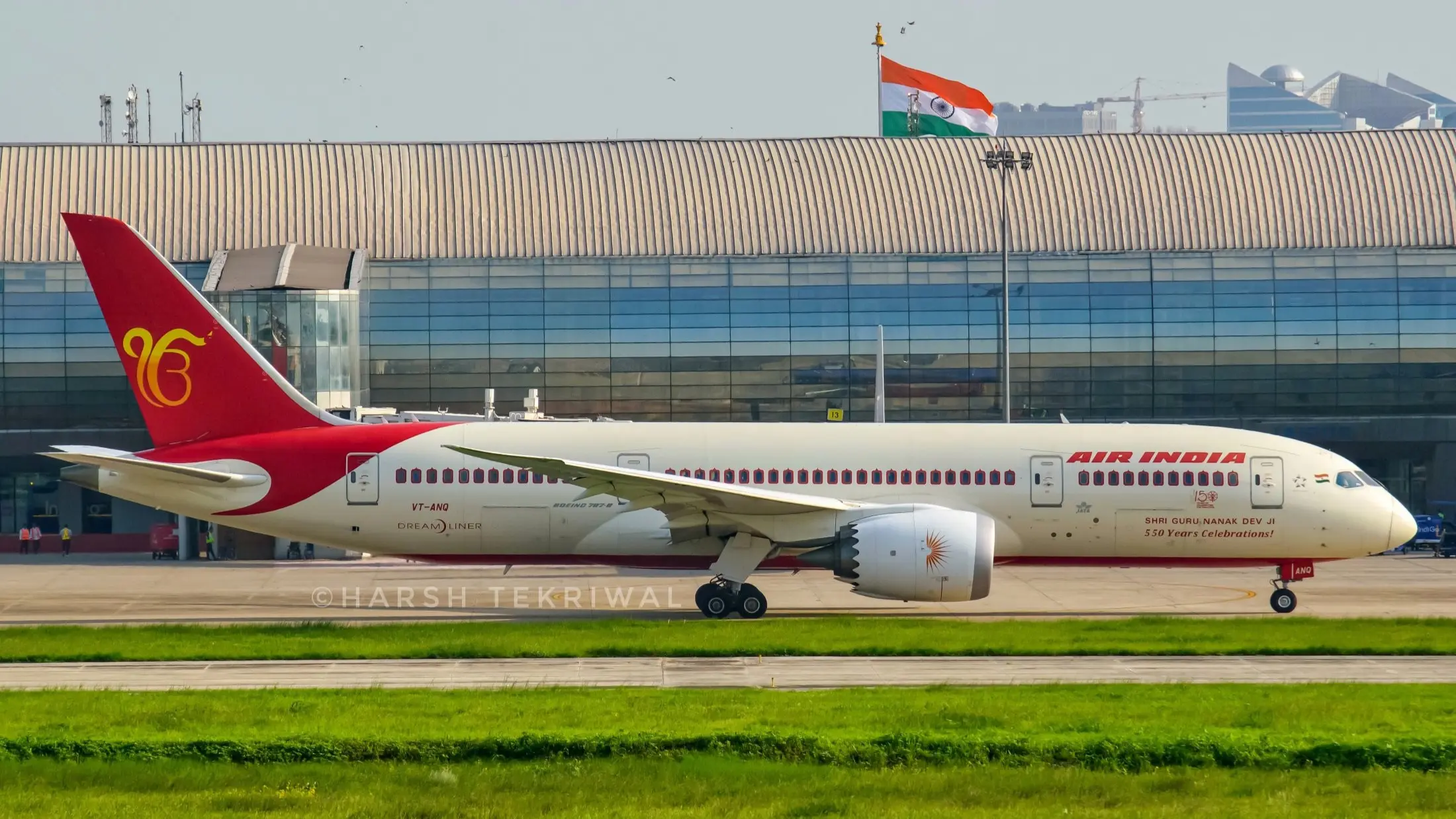
Bottom Line
Air India’s cancellation of its Delhi–Haneda service followed a safety-first approach after a technical snag prompted a rejected take-off.
While passengers experienced disruption, immediate assistance and rebooking options were made available.
The DGCA’s separate volcanic ash advisory underscores the wider operational challenges airlines face this week as ash movements influence multiple regional routes.
Stay tuned with us. Further, follow us on social media for the latest updates.
Join us on Telegram Group for the Latest Aviation Updates. Subsequently, follow us on Google News


