LONDON- British Airways (BA) passengers on flight BA243 from London Heathrow Airport (LHR) to Mexico City Airport (MEX) experienced a 9-hour journey, returning to its origin after a critical radio altimeter failed mid-flight.
The British flag carrier turned the Boeing 787 Dreamliner back once pilots confirmed the instrument was required for Mexico City’s high-terrain night landing conditions.
The aircraft crossed the Atlantic, reached Canada’s northeast, and initiated a full U-turn near Newfoundland after attempts to restore the instrument failed.
According to PYOK, the malfunction triggered major disruption, hotel accommodation needs, and significant compensation exposure for the airline.
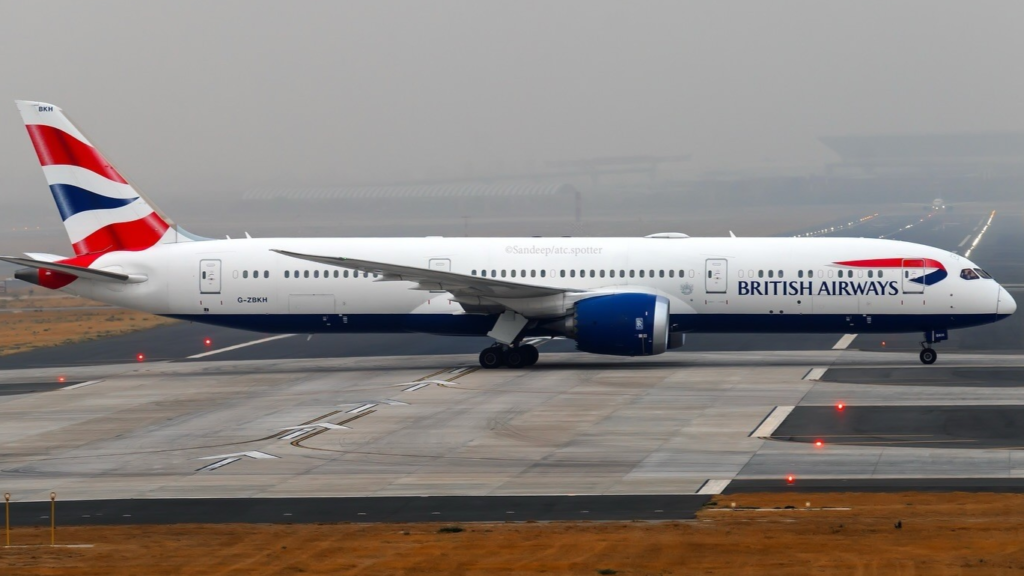
British Airways 787 Returns to London
British Airways Flight BA243 departed London Heathrow at about 1:20 PM on December 10, running roughly 40 minutes behind schedule.
The 7-year-old Boeing 787 climbed to a cruising altitude of 36,000 feet and flew north toward Scotland before heading west across the Atlantic.
All systems appeared stable until the aircraft neared the far northeast coast of Newfoundland. Here, flight tracking data showed a sudden reversal on nearly the same route back to London.
The issue was tied to the radio altimeter, which measures exact height above terrain by sending radio waves to the ground and receiving their reflections.
While not essential for every airport, this system is critical for Mexico City due to its mountainous surroundings, elevated altitude, and the added complexity of night operations.
As pilots assessed landing requirements, they determined the aircraft could not safely continue.
The aircraft returned to Heathrow, landing at about 10:10 PM, approximately nine hours after departure. Passengers had been in the air only two hours short of the original full flight time to Mexico City.
All 216 passengers were deplaned and provided hotel accommodations while British Airways arranged alternative travel plans.
A British Airways spokesperson stated: “The flight landed safely and customers disembarked normally following reports of a technical issue with the aircraft.”
The spokesperson added: “We’ve apologised to our customers for the delay, and our teams are working to get their journeys back on track.”
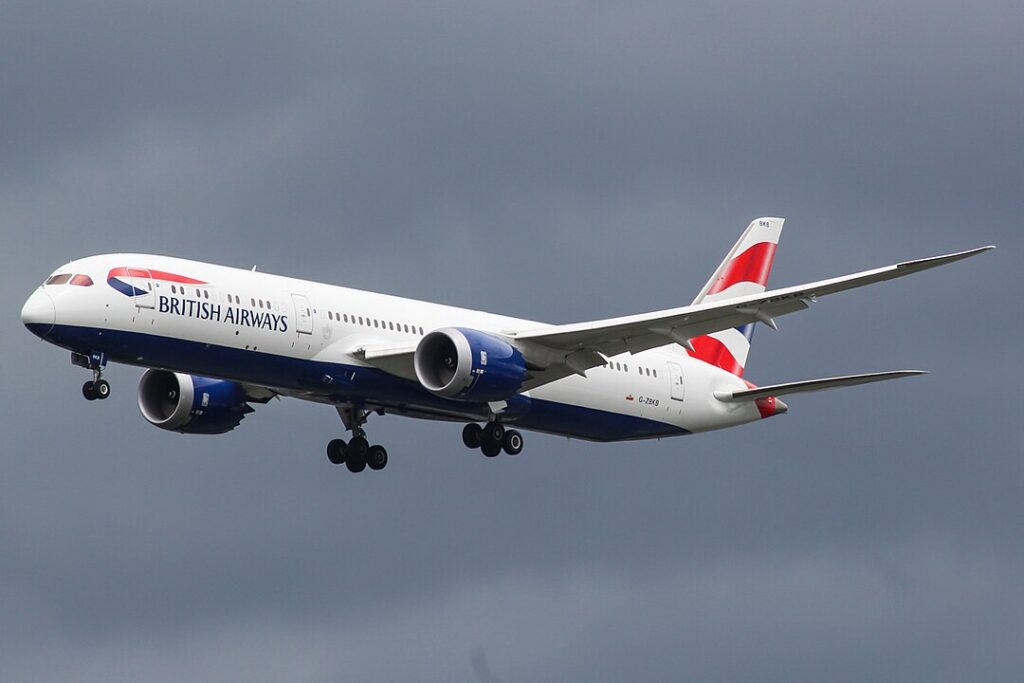
Why BA Did Not Divert to a Closer Airport
Many passengers question why long-haul flights in distress do not divert to the nearest available airport.
Airlines often avoid such diversions because non-hub locations typically lack the airline’s own engineers, dedicated spare parts, and trained ground staff.
These gaps can leave an aircraft grounded longer than necessary and complicate support for disrupted travelers.
Returning a damaged aircraft to a major hub helps airlines restore operations swiftly and avoid prolonged out of service time.
Since compensation is owed once delays exceed regulatory thresholds, the direction of the diversion does not change compensation liability. For BA243, sending passengers back to London simplified logistics while ensuring the aircraft received immediate technical attention.
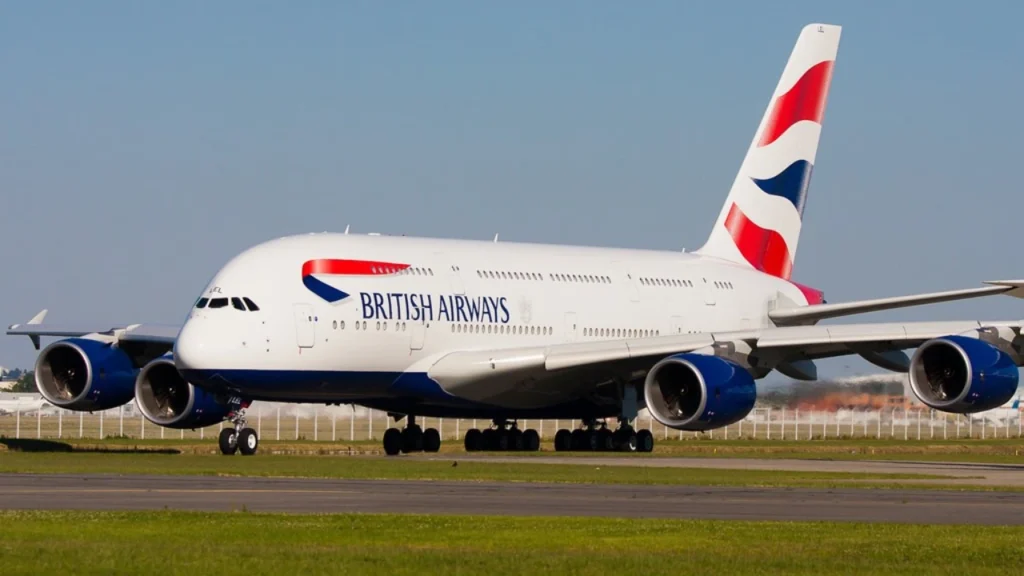
Similar Diversions Strategies
British Airways has recently become known for unconventional diversion strategies. In one case, a heavily delayed Johannesburg service departed despite pilots lacking sufficient legal duty time to reach London.
The airline diverted the Airbus A380 to Madrid, where two smaller aircraft collected passengers for the final leg to Heathrow.
Another incident involved a Nassau flight diverted to Gander due to a medical emergency. When crew duty limits made further progress impossible, BA flew the aircraft to Iceland, where a fresh crew, transported in by BA, took control of the final sector.
These examples reflect the carrier’s adaptive approach to operational challenges.
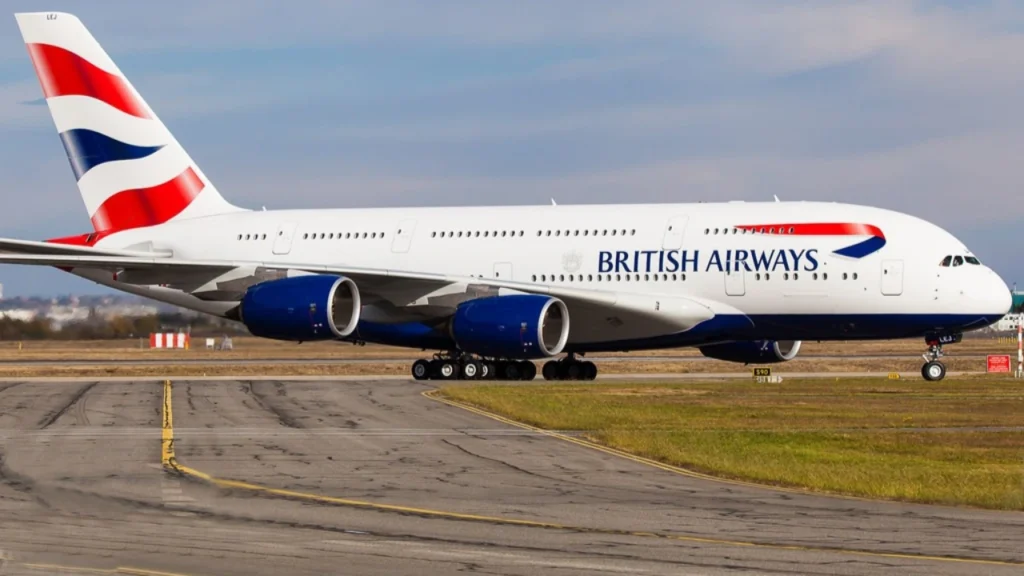
Compensation, Costs, and Passenger Impact
Passengers aboard BA243 faced an unexpected return and overnight delay after nearly completing an intercontinental journey.
Based on UK air passenger rights regulations, long-haul passengers delayed more than 4 hours are entitled to £520 each. With 216 passengers, BA faces an estimated compensation bill of £112,320, excluding hotel, meal, and fuel costs.
While the incident is not the longest flight to nowhere in recent years, it highlights how travel plans can be disrupted even after reaching cruise altitude.
Because the fault involved an onboard technical failure within the airline’s control, British Airways will be required to process compensation claims accordingly.
Stay tuned with us. Further, follow us on social media for the latest updates.
Join us on Telegram Group for the Latest Aviation Updates. Subsequently, follow us on Google News