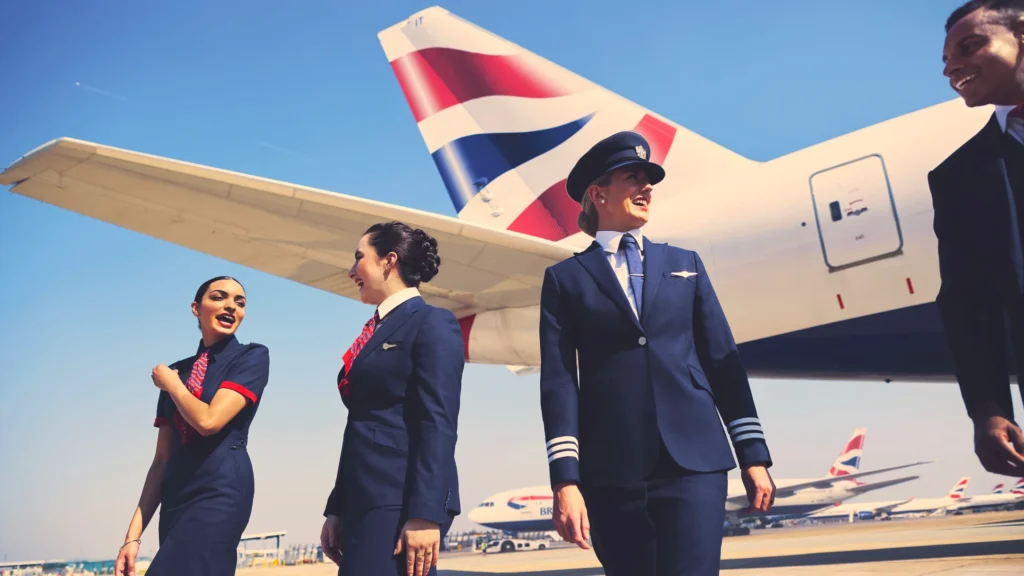
LONDON- British Airways (BA) briefly enforced an immediate ban on hot water bottles used by cabin crew, triggering widespread backlash and union intervention.
The decision affected crew operating long-haul flights from London Heathrow Airport, London (LHR).
The ban, introduced without consultation and reversed within two days, exposed ongoing concerns around crew welfare, safety processes, and internal decision-making at the airline. According to PYOK, the episode reflects a growing pattern of abrupt policy reversals.
British Airways Bans Hot Water
British Airways informed cabin crew last week that hot water bottles were banned with immediate effect.
Health and safety managers stated that because the airline could not individually inspect every hot water bottle brought onboard by crew, their safety could not be guaranteed, leaving a total ban as the only option.
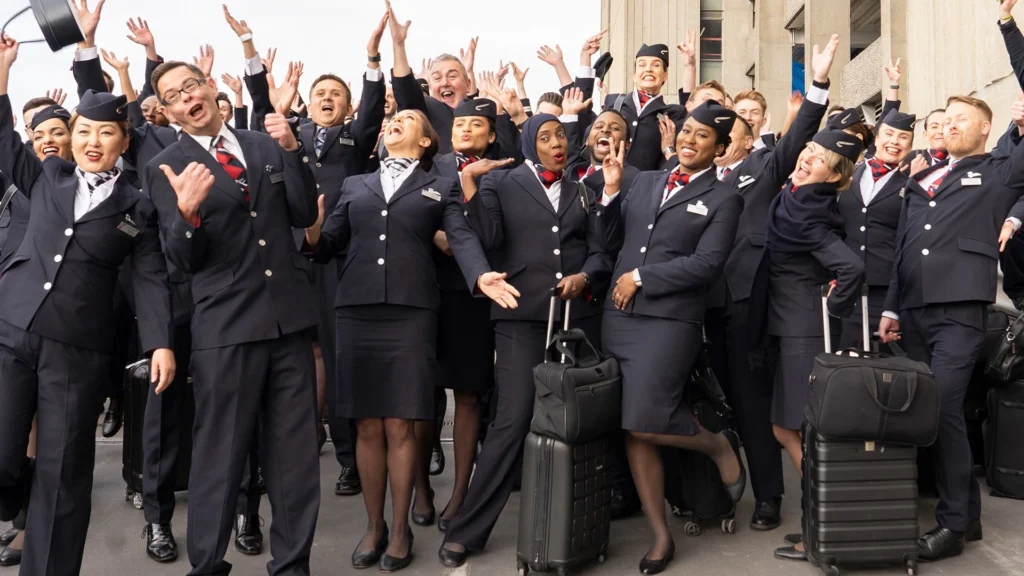
The announcement shocked cabin crew and their union. On many British Airways long-haul aircraft, there are no hidden or dedicated crew rest facilities.
Crew members are routinely expected to rest and sleep on jumpseats positioned near aircraft doors.
These areas are known to become particularly cold during long night flights. Fatigue and jet lag further reduce body temperature tolerance, increasing discomfort for crew members already working extended duty periods.
Medical Concerns And Union Exclusion
Cabin crew also raised health-related concerns. Hot water bottles are commonly used to relieve period pain and manage muscle discomfort during flights.
Several crew members warned management that removing access to hot water bottles would leave them with no option but to call in sick for duties they could not physically tolerate.
This raised the prospect of increased sickness absence and operational disruption, intensifying pressure on airline management to reconsider the decision.
The British Airlines Stewards and Stewardesses Association, which represents most British Airways cabin crew, stated the ban was introduced outside of regular health and safety meetings held with airline management.
The union said there had been no prior discussion, consultation, or risk assessment shared before the mandate was issued.
Union representatives moved quickly to challenge the decision. Within hours of engagement, and less than two days after the ban was announced, British Airways rescinded the policy and restored permission for cabin crew to use hot water bottles onboard.
Hot Water Bottle Safety Onboard Aircraft
British Airways acknowledged that hot water bottles can pose a genuine safety risk. Incidents have occurred where bottles split or stoppers leaked, causing severe burns.
To reduce risk, standard safety guidance includes:
- Purchase hot water bottles from reputable retailers only
- Replace hot water bottles every two years
- Check the manufacture date using the daisy wheel on the neck
- The center number shows the year of manufacture
- The petals indicate the month of manufacture
- Never fill a bottle with boiling water
- Always use a protective cover
- Fill no more than two-thirds full
- Gently squeeze out excess air before sealing
- Secure the stopper firmly and check for leaks
- Never sit or lie on a filled hot water bottle
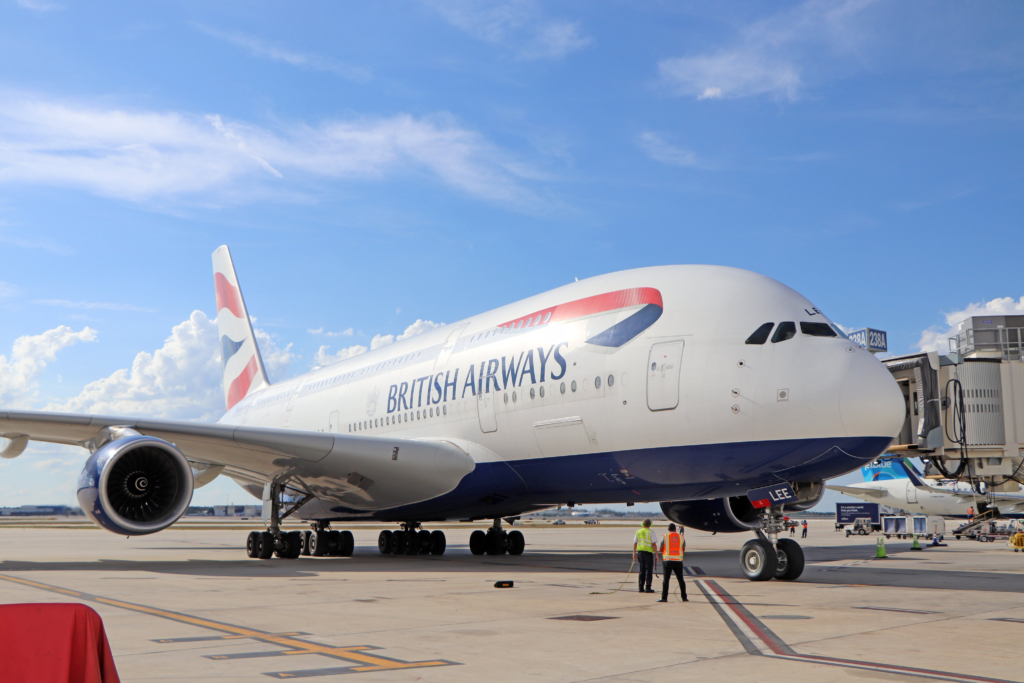
British Airways Policy U-turn
The hot water bottle incident adds to a series of recent British Airways reversals. Earlier this year, the airline introduced new appearance and conduct guidelines for cabin crew.
These rules restricted holding coffee cups in public areas, using hotel pens, and even drinking water in front of passengers.
The guidelines were reportedly based on internal feedback but were withdrawn within days following strong backlash from staff.
In another case, British Airways replaced long-haul Business Class lunch service with cheaper breakfast-style dishes rebranded as brunch.
The cost-cutting change was introduced in October 2024 and fully reversed by January after negative passenger feedback.
Stay tuned with us. Further, follow us on social media for the latest updates.
Join us on Telegram Group for the Latest Aviation Updates. Subsequently, follow us on Google News


