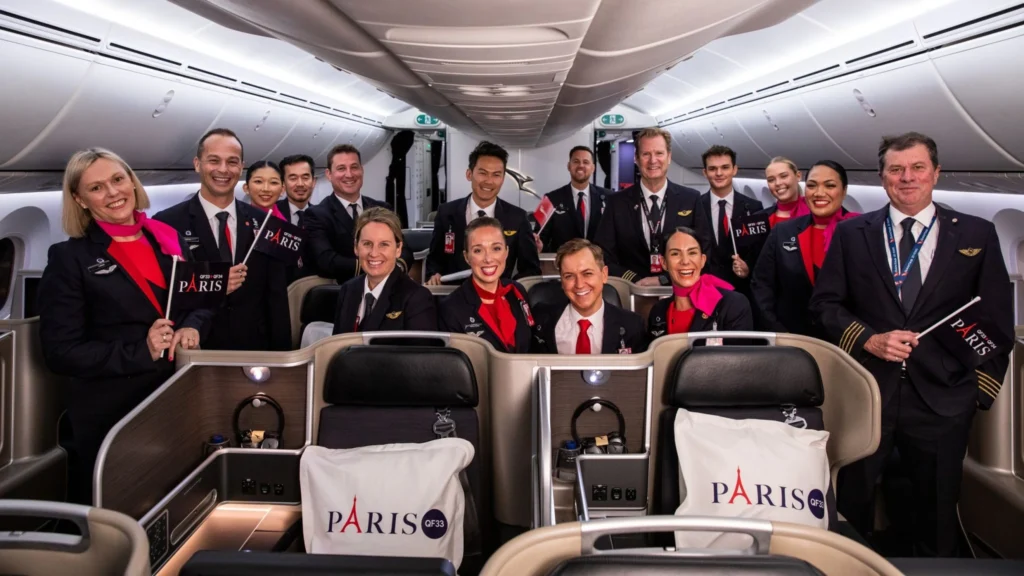
SYDNEY- Qantas Airways (QF) is approaching a key cabin decision as its original Airbus A330 Business Suite crosses the ten year mark and new Boeing 787 aircraft enter the fleet.
The airline must now balance product consistency, certification limits, and aircraft performance as it plans for future Dreamliner deliveries.
Qantas New 787 Business Class Update
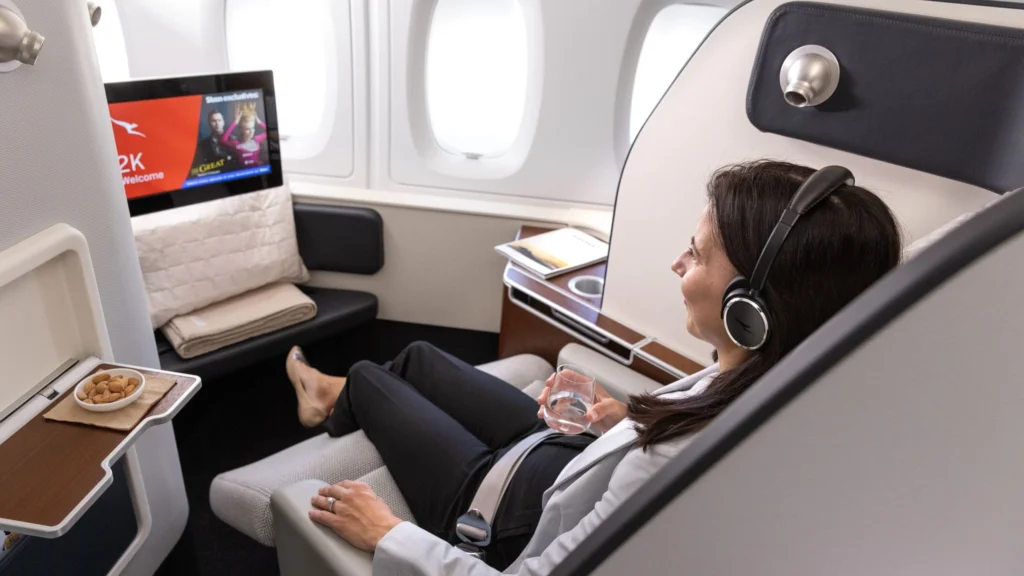
In 2014, Qantas introduced its Airbus A330 Business Suite at a critical moment in its competition with Virgin Australia for premium travellers. The product set a high benchmark, offering direct aisle access, a fully lie flat bed, generous personal space, large touchscreens, and multiple power options for work and relaxation.
The seat was widely viewed as world-class when it launched. Its success later led to an updated version debuting on the Boeing 787-9 in 2017, followed by installation on the Airbus A380 fleet. According to Executive Traveller, the suite helped Qantas regain credibility among long-haul business flyers during a highly competitive period.
Fleet Renewal Forces Hard Choices
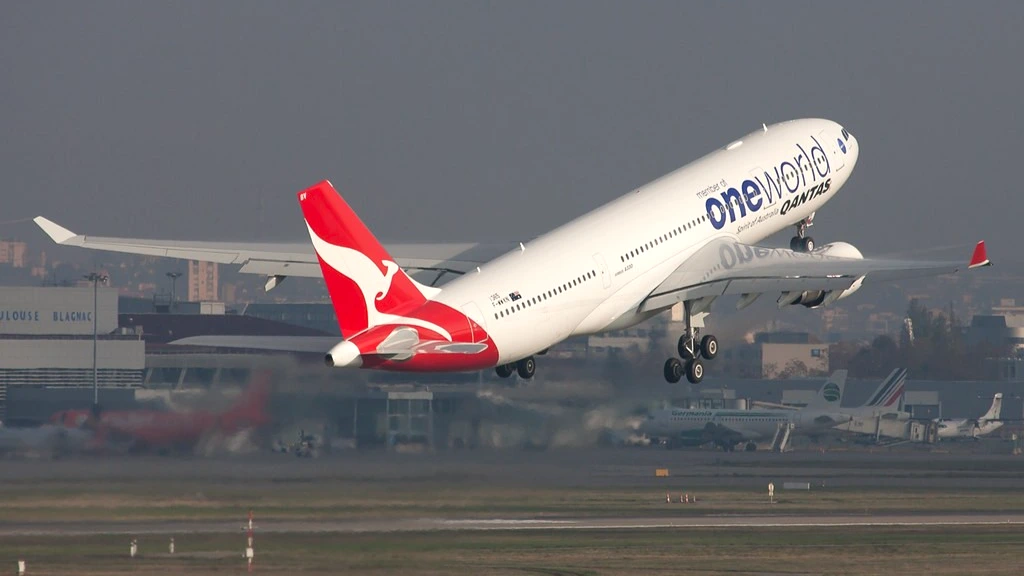
Qantas is now preparing to retire its ageing A330s as it takes delivery of four additional Boeing 787-9s and eight larger 787-10s from 2028 onward. By that time, the core Business Suite design will be more than twelve years old.
The current seat is based on the Vantage XL platform from Thompson Aero Seating. Since its original launch, the platform has evolved to include features such as sliding privacy doors, USB-C charging, wireless power, and an enhanced front row configuration often marketed as business plus.
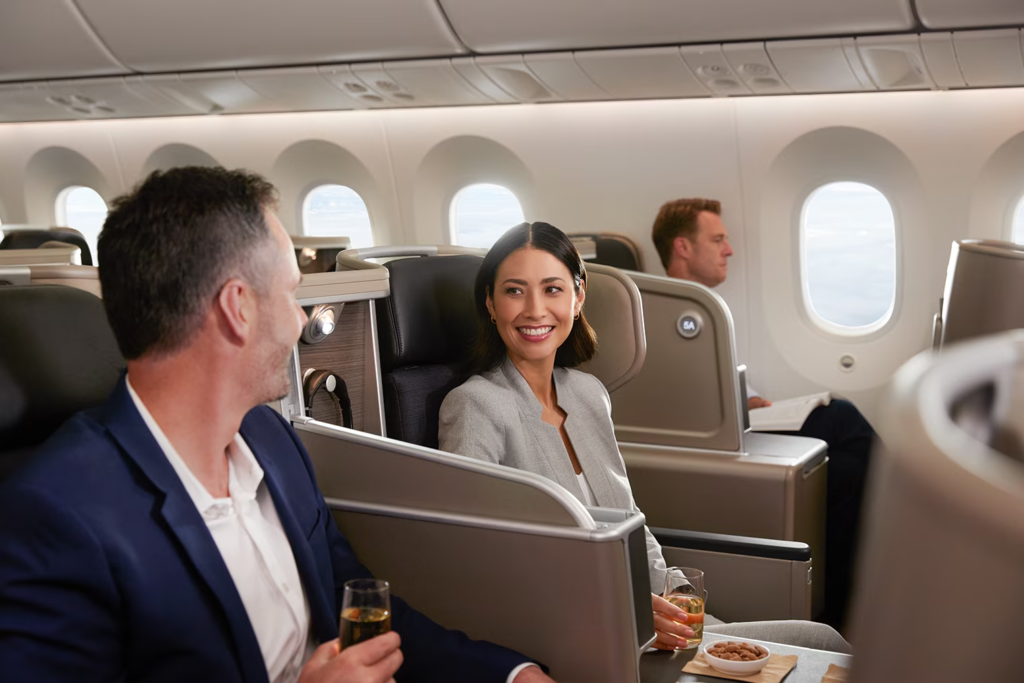
Despite these advancements, introducing a revised seat across the 787 fleet is not straightforward. New seating designs require full safety certification and add complexity to fleet planning. Qantas leadership has repeatedly stressed the importance of having interchangeable aircraft with identical cabin layouts to maintain operational flexibility.
Why Consistency Still Matters to Qantas
Qantas International CEO Cam Wallace highlighted to Executive Traveller that the growing challenges facing aircraft seat manufacturers include supply chain disruptions and tighter regulatory requirements. Any additional features, including privacy doors, also introduce weight penalties that directly affect aircraft range.
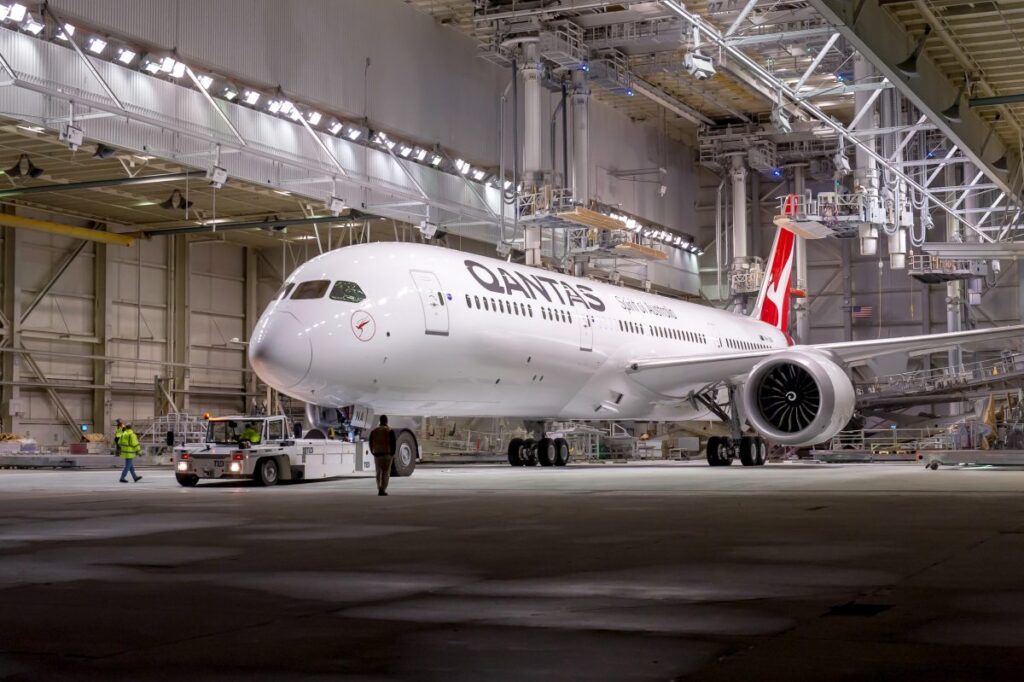
The Boeing 787-9 fleet has been carefully configured to maximise long-haul performance. Even minor increases in cabin weight can limit payload or route capability. For this reason, Qantas has confirmed that the next four 787-9 aircraft will enter service with the same Business Suite already flying today.
This decision also rules out the installation of the newer Airbus A350 business class suites or the latest generation premium economy seats on incoming 787-9s.
The 787-10 Remains the Wildcard
While cabin consistency is locked in for the 787-9s, the longer 787-10 presents a separate opportunity. Its different mission profile and capacity may allow Qantas to revisit the business class layout when deliveries begin.
Executives have indicated the airline is actively reviewing its options for the 787-10, including whether a refreshed Business Suite could finally appear. Any change, however, will need to align with certification timelines, weight limits, and long-term fleet strategy.
For now, Qantas passengers can expect continuity rather than transformation. The familiar Business Suite will remain a defining feature of the airline’s Dreamliner experience until at least the next phase of fleet evolution.
Stay tuned with us. Further, follow us on social media for the latest updates.
Join us on Telegram Group for the Latest Aviation Updates. Subsequently, follow us on Google News


