
Expressways play a critical role in shaping economic growth and regional mobility. They help move people, goods, and services faster while reducing travel fatigue and fuel costs. For countries with vast landmasses and difficult terrain, expressways act as lifelines, connecting remote regions to urban centres. They also improve emergency access, tourism flow, and trade efficiency. One such groundbreaking expressway tunnel has just opened to the public.

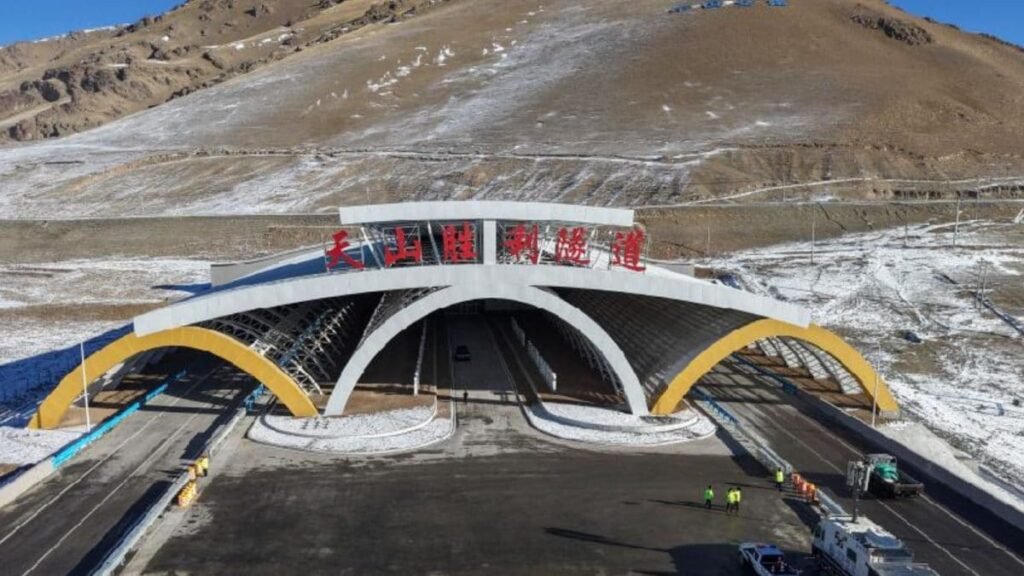
China has officially opened the Tianshan Shengli Tunnel, now the world’s longest expressway tunnel at 22.13 kilometres. Located in the Xinjiang Uygur Autonomous Region, the tunnel cuts through the Tianshan mountain range and forms part of the Urumqi–Yuli Expressway. The project opened to traffic in late December 2025 after more than five years of construction. Song Hailiang, chairman of China Communications Construction Company, told state broadcaster CCTV in a statement that the tunnel set two world records. Song said, “It is the longest expressway tunnel in the world and has the deepest vertical shaft for a highway tunnel.”
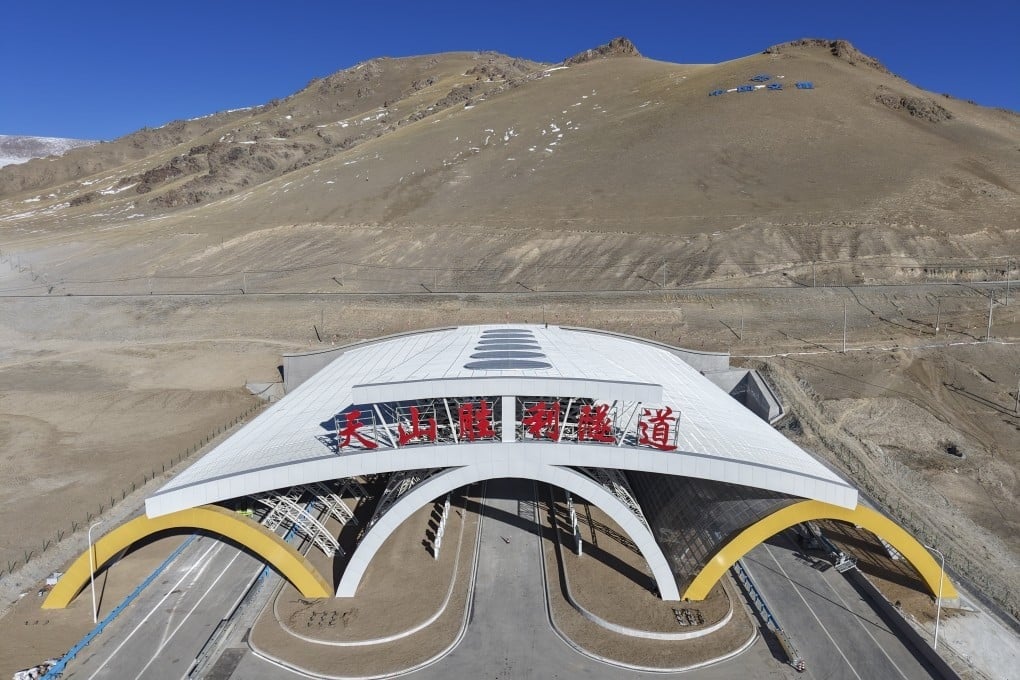
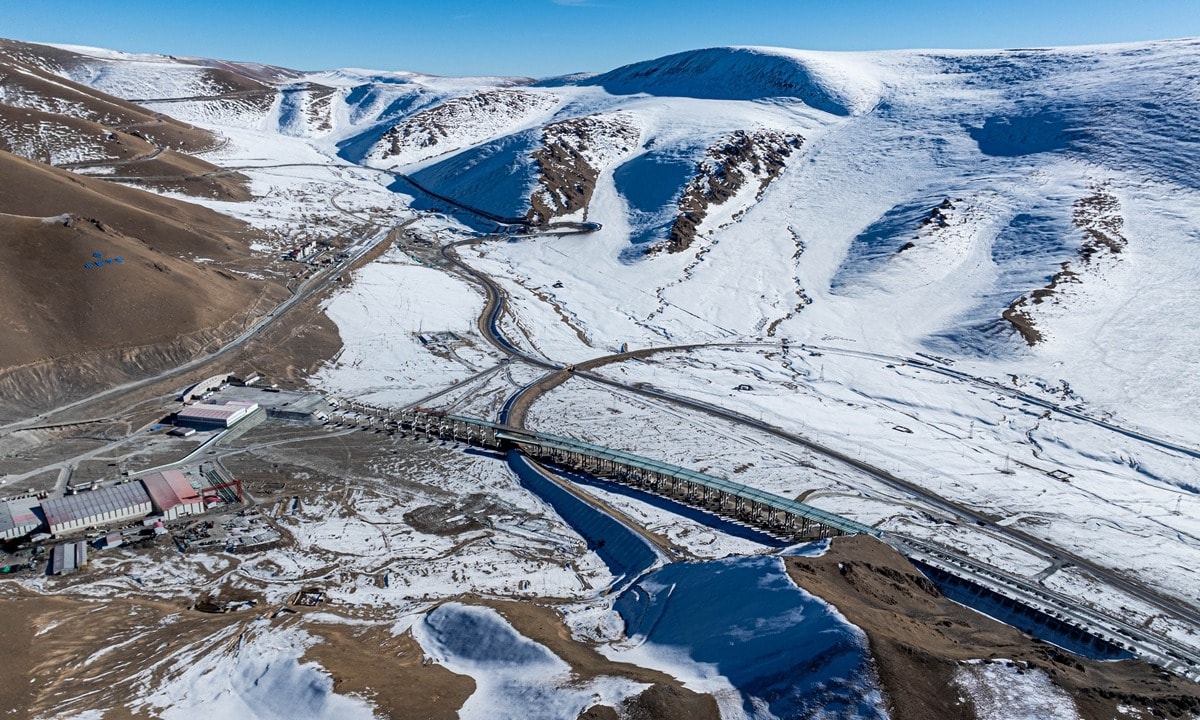
The tunnel runs beneath the central section of the Tianshan Mountains, a natural barrier that historically made north-south travel in Xinjiang slow and risky. Before this project, earlier, drivers had no choice but to take narrow, winding mountain roads that were frequently shut during snowfall or after landslides. The new tunnel now offers a direct link between Urumqi in northern Xinjiang and southern regions such as Korla and Yuli, cutting straight through the Tianshan range. Given the terrain and weather conditions in this part of China, the tunnel’s location plays a key role in improving everyday mobility across one of the country’s toughest landscapes.
Much of the groundwork for the project began years before actual construction. Engineers carried out detailed geological studies of the Tianshan Mountains, a region known for fractured rock, seismic movement, and sharp temperature swings. These surveys helped decide how deep the tunnel should go, where it should run, and how it needed to be reinforced. To handle unstable sections, teams relied on heavy-duty boring machines and real-time monitoring, allowing them to adjust work on the go and reduce long-term risks.
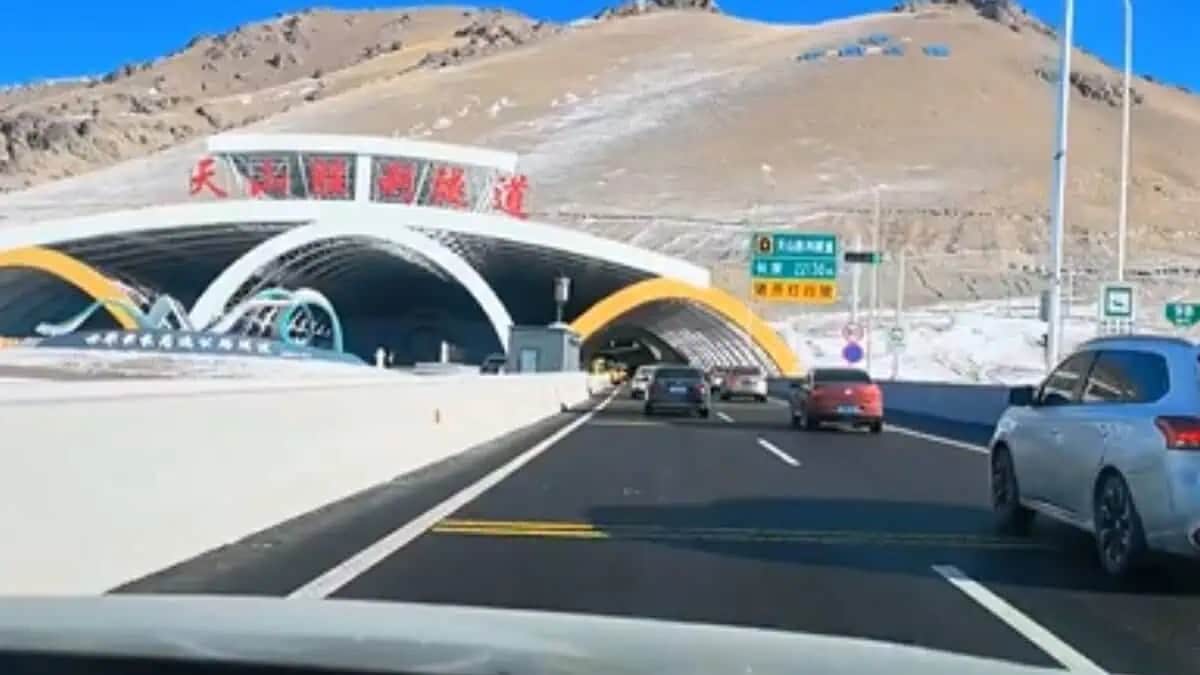
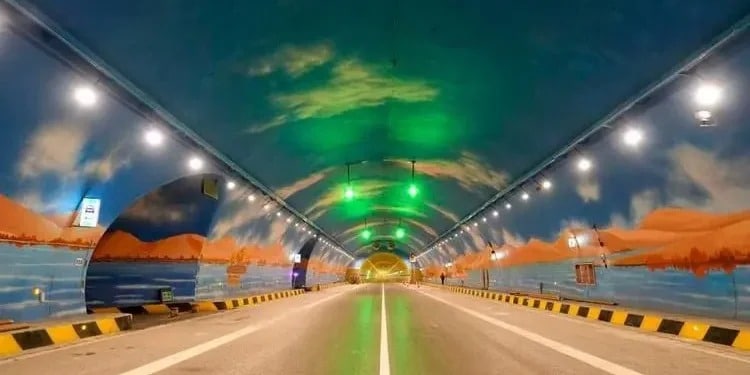
Inside, the tunnel has been built as two separate tubes, each carrying traffic in one direction. Engineers added 11 vertical shafts to improve air circulation and provide emergency exits. Lighting inside the tunnel automatically adjusts to reduce eye strain, while constant airflow keeps oxygen levels stable. Fire safety equipment, surveillance cameras and emergency bays are placed at regular intervals, making long drives underground far less intimidating for both daily commuters and freight operators.

The 22.13 km expressway tunnel passes through mountains at nearly 3,000 m above sea level, where temperatures dropped to −42 °C. Its deepest point lies 1,112 m below the entry, with vertical shafts over 700 m deep to transport workers and equipment, showcasing a remarkable feat of engineering under extreme conditions.
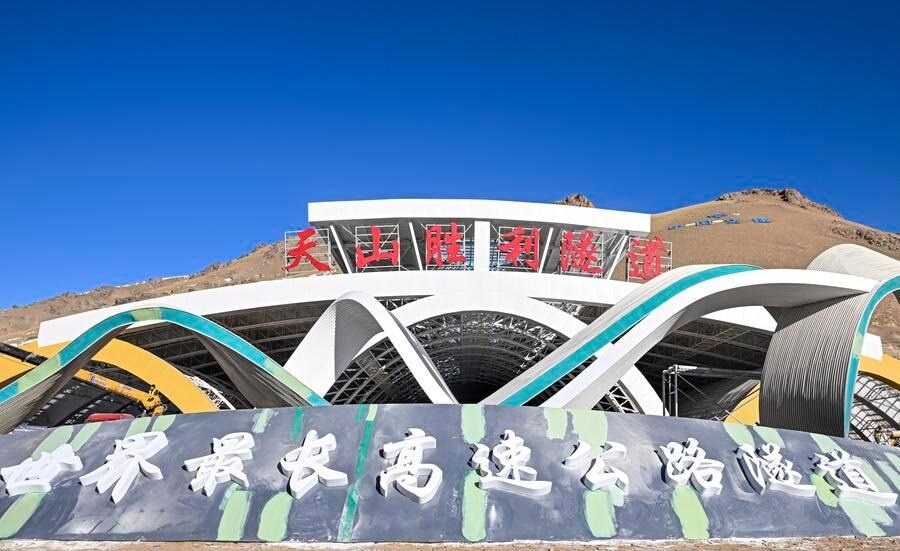
The impact on travel time has been immediate. What once took six to seven hours across the mountains can now be done in about three hours, with the tunnel stretch itself taking roughly 20 minutes. For transport and logistics operators moving goods between northern and southern Xinjiang, this time saving translates directly into faster deliveries and lower costs.
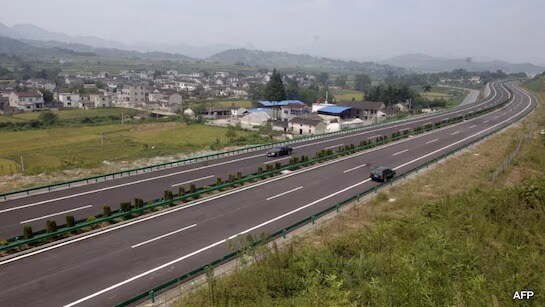
Officials believe the expressway will bring lasting economic benefits. Farmers can now send fresh produce to markets quicker, tourism is expected to pick up, and investment may reach towns that were earlier considered too remote. A local resident told China News Service that the tunnel has made cross-mountain travel far easier, especially for herders who can now transport livestock without long detours.
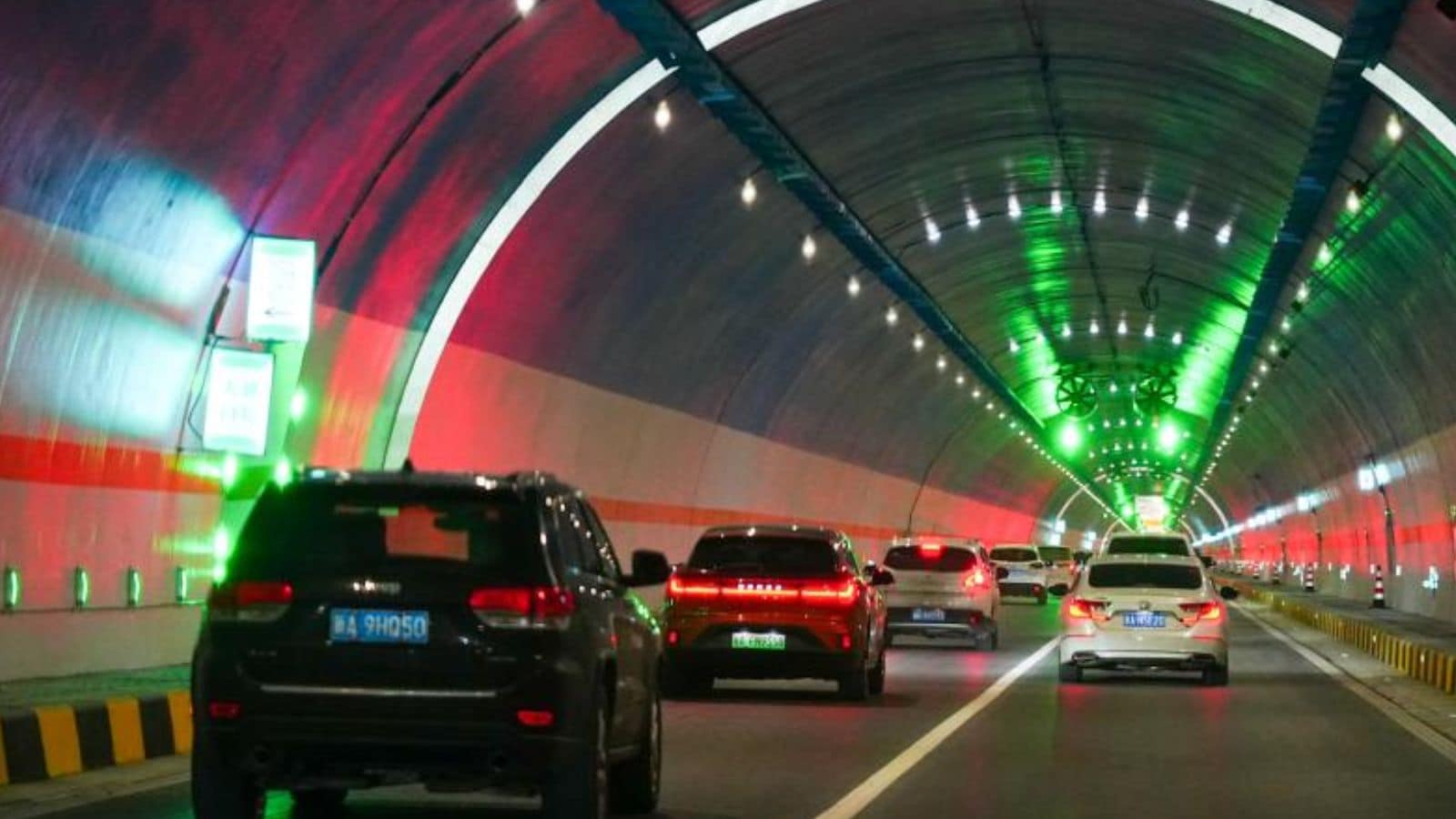
Environmental concerns were also part of the planning. By going underground instead of cutting new surface roads, the project helped limit damage to forests and wildlife habitats. Construction teams closely monitored water sources and alpine ecosystems, while the shorter route is expected to reduce fuel use and vehicle emissions over time.
The Tianshan Shengli Tunnel fits into China’s wider push to improve transport links in its western regions. By strengthening infrastructure in Xinjiang, authorities aim to narrow development gaps, improve regional integration, and build a more connected national highway network. At over 22 kilometres long, the tunnel now stands as a global benchmark. More than just an engineering record, it shows how careful planning and persistence can turn some of the world’s most difficult terrain into a vital transport link.