A newly published study released on January 7, 2026, suggests that global aviation emissions could be reduced by around 50% through efficiency improvements alone, without cutting flight volumes. Co-led by the University of Oxford, the analysis examined tens of millions of commercial flights worldwide. The findings also reveal a stark imbalance: roughly 1% of the global population generates half of aviation-related emissions. This disparity is intensifying debate over whether high-end and luxury air travel should face tighter regulatory scrutiny.
The study arrives as governments and regulators continue to grapple with aviation’s growing climate impact amid rising passenger demand. While long-term solutions, such as sustainable aviation fuels and next-generation aircraft, remain limited in scale, the researchers focused on changes that could be implemented immediately. By highlighting both operational inefficiencies and emissions inequality, the report reframes the climate conversation around responsibility rather than access. For the industry, this raises uncomfortable questions about whether luxury flying can coexist with climate targets.
New Study Finds Aviation Emissions Could Be Halved Without Cutting Flights

According to the study, emissions reductions of 50% to 75% could be achieved by prioritizing the most fuel efficient aircraft, increasing passenger load factors, and removing premium seating configurations. These measures focus on how aircraft are deployed, not on reducing the number of flights operated. Researchers estimate that reallocating existing aircraft more efficiently could deliver an immediate 11% reduction in emissions . Importantly, all proposed changes rely on currently available technology.
The data revealed dramatic differences in emissions intensity between routes, with some flights producing nearly 30 times more CO₂ per passenger than others. Aircraft type, seating density, and occupancy levels were identified as the primary drivers of this variation. Premium cabins, including business and first class, significantly increase per-passenger emissions due to reduced seating density. Regional differences were also evident, with North America and Oceania ranking among the least efficient markets. The research leader, Prof Stefan Gössling from Linnaeus University in Sweden, said:
“We are currently stuck with a global situation where there is no hope that aviation will reduce its emissions.”
Report Highlights Emissions Gap Between Frequent Flyers And The Wider Public

Beyond operational findings, the study’s most provocative conclusion centers on CO2 Emissions inequality. It estimates that just 1% of people are responsible for approximately 50% of aviation emissions, largely driven by frequent flying and premium travel. In contrast, a significant portion of the global population rarely flies or not at all. This imbalance has become a focal point for climate advocates pushing for more targeted aviation policies.
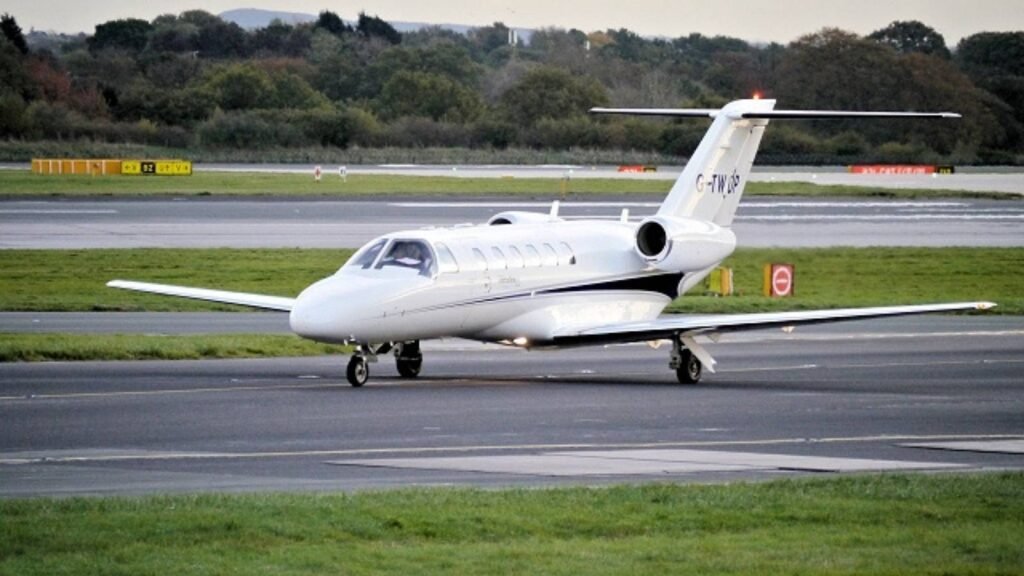
Luxury travel, particularly private aviation and premium commercial seating, has drawn increasing criticism due to its outsized carbon footprint. Private jets, while accounting for a small share of total flights, produce far higher emissions per passenger and have seen rapid growth in recent years. Analysts argue that without addressing this segment, broader aviation decarbonization efforts risk being undermined. As a result, proposals such as frequent flyer levies and emissions-based charges are gaining renewed attention.
While the study stops short of calling for bans on premium travel, it does suggest that market signals and regulation could play a larger role. Options under discussion include efficiency-linked airport fees, stricter emissions reporting, and incentives for high-density seating on short- and medium-haul routes. These approaches aim to shift industry behavior without restricting access to air travel for occasional passengers. The underlying message is clear: emissions reductions may depend as much on who flies as on how aircraft are powered.

Business travelers account for a large portion of carbon emissions.
Luxury Travel And Private Aviation Face Growing Regulatory Pressure

Operational efficiency is only one part of aviation’s broader decarbonization roadmap. Sustainable aviation fuels continue to attract investment but still account for a very small share of global fuel use. Meanwhile, technologies such as hydrogen propulsion and electric aircraft remain largely confined to experimental or regional applications. This makes near-term efficiency gains especially valuable as interim solutions.
Non-CO₂ impacts, including contrail-induced warming, are also receiving increased attention from researchers. Some studies suggest that minor route or altitude adjustments could significantly reduce these effects, offering another potential emissions lever. However, widespread implementation would require coordination between airlines, air traffic control, and regulators. These complexities highlight the layered nature of aviation’s climate challenge.
With air traffic volumes now exceeding pre-pandemic levels and private jet activity continuing to rise, pressure is mounting on policymakers to act quickly. The Oxford study reinforces the idea that meaningful emissions cuts are possible today, even without technological breakthroughs. Whether those cuts will come from voluntary industry changes or enforced regulation, particularly for high-end flyers, remains an open question.


