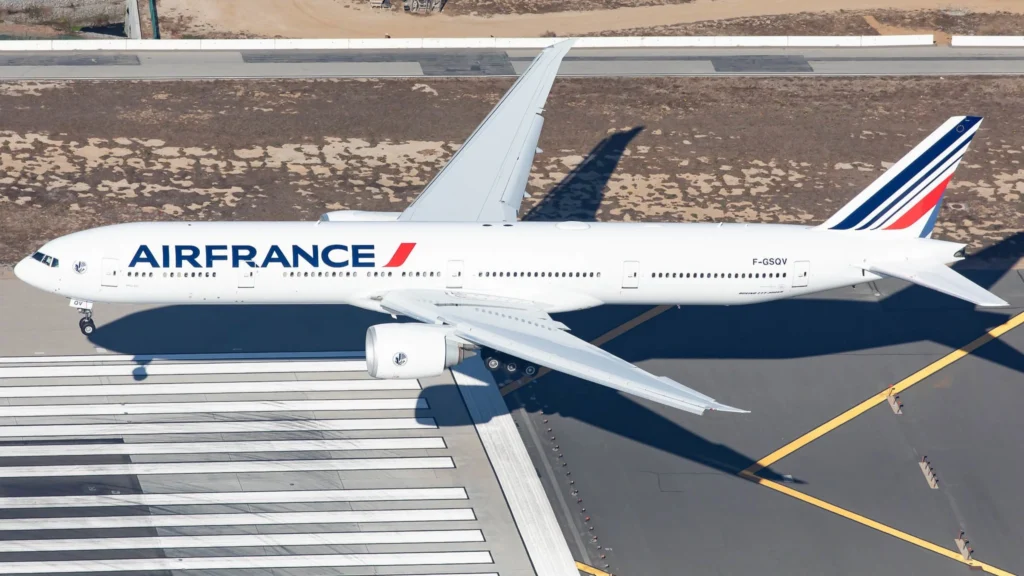
PARIS- Air France (AF) diverted its Bengaluru to Paris flight after reporting an engine-related technical issue, forcing an unscheduled landing in Turkmenistan.
The aircraft, operating from Bengaluru Kempegowda International Airport (BLR) to Paris Charles de Gaulle Airport (CDG), landed safely at Ashgabat International Airport (ASB), with passengers delayed for over 15 hours.
Air France Diverted to Ashgabat
The Air France flight, identified as AF191A, departed Bengaluru at 11:22 pm IST and was operated using a Boeing 777 aircraft. While en route to Paris, the flight crew detected an issue with one of the aircraft’s two engines.
Following standard operating procedures and manufacturer guidelines, the crew decided to divert the aircraft to Ashgabat. The plane landed normally at Ashgabat International Airport at 3:37 am local time, according to an official airline statement.
Air France confirmed that the diversion decision was taken purely as a safety measure and aligned with company protocols.
Passenger Situation and Ground Handling in Turkmenistan
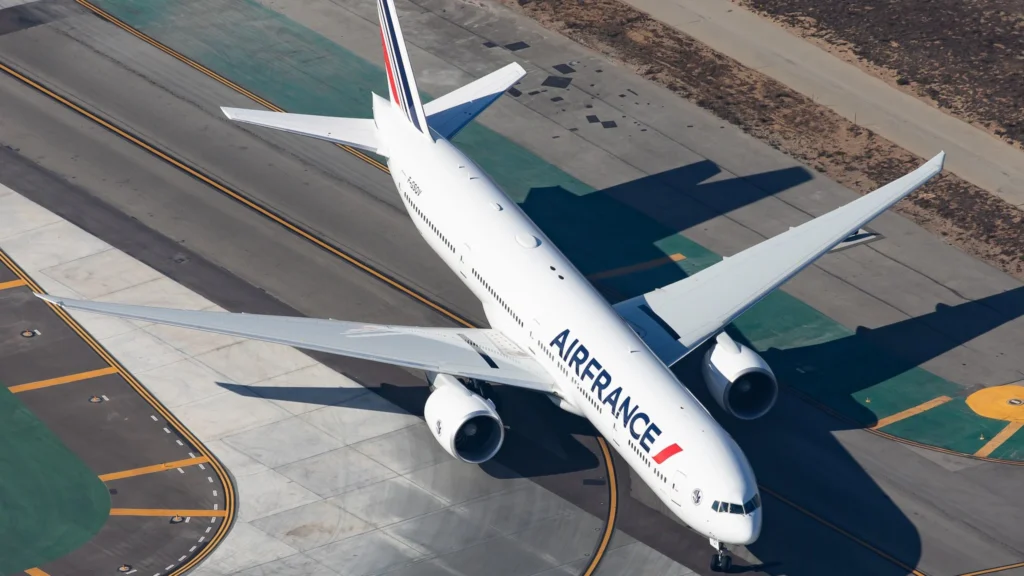
Due to Turkmenistan’s entry requirements, passengers and crew initially remained onboard the aircraft after landing. Disembarkation was allowed later once local clearances were secured.
Airport authorities assisted passengers after they were allowed to exit the aircraft. Air France arranged hotel accommodation near the airport for those affected. The airline expressed regret for the inconvenience caused by the disruption.
The exact number of passengers onboard the diverted flight was not disclosed.
To resume operations, Air France deployed a special recovery flight, AF386V, to Ashgabat. The aircraft was en route to Turkmenistan to operate the onward journey to Paris.
The airline stated that the flight was scheduled to depart Ashgabat later the same day, with an estimated arrival at Paris Charles de Gaulle Airport at 2:40 am local time on January 14, 2026. Timings remain subject to operational conditions.
Similar Incident
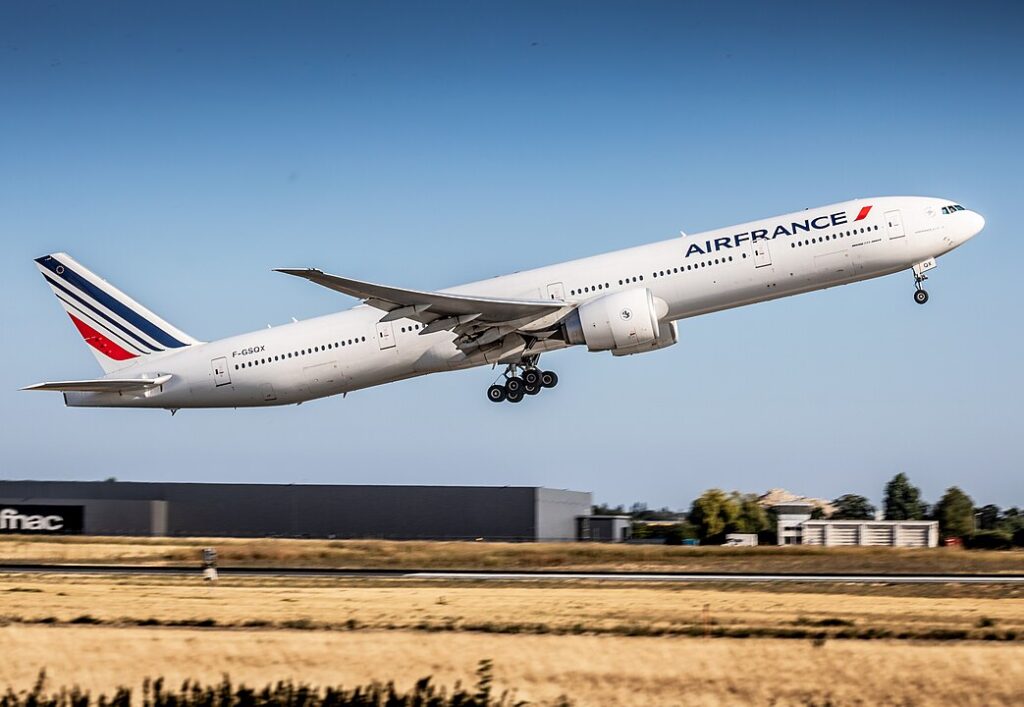
Air France was forced to turn back a Boeing 777 operating a long-haul service after an uncontrolled rise in cabin temperature created unsafe conditions onboard.
The aircraft departed Paris Charles de Gaulle Airport (CDG) for Saint-Denis, Réunion (RUN), but returned less than two hours later following an in-flight emergency declaration.
Emergency Return on Réunion-Bound Service
Flight AF652 left Paris Charles de Gaulle (CDG) at around 6:00 p.m. local time on October 24, scheduled for an eleven-hour journey to Saint-Denis Roland Garros Airport (RUN). The service was operated by a Boeing 777-300 that had been in service with Air France since 2009.
While cruising at 31,000 feet over Switzerland, flight crews detected a rapid and uncontrolled increase in cabin temperature. Initial troubleshooting attempts did not stabilize the situation, prompting the pilots to issue a pan-pan call, signaling a serious technical issue that was not yet life-threatening.
As cabin conditions continued to worsen, the crew upgraded the alert to a Mayday call. French aviation procedures require a full distress declaration to authorize fuel dumping, which was necessary due to the aircraft carrying fuel for a long-haul sector.
After receiving clearance, the aircraft jettisoned fuel to reduce landing weight and diverted back to Paris. The jet landed safely less than two hours after departure. Passengers were deplaned without incident and transferred to the terminal.
Aircraft, Crew Actions, and Passenger Handling
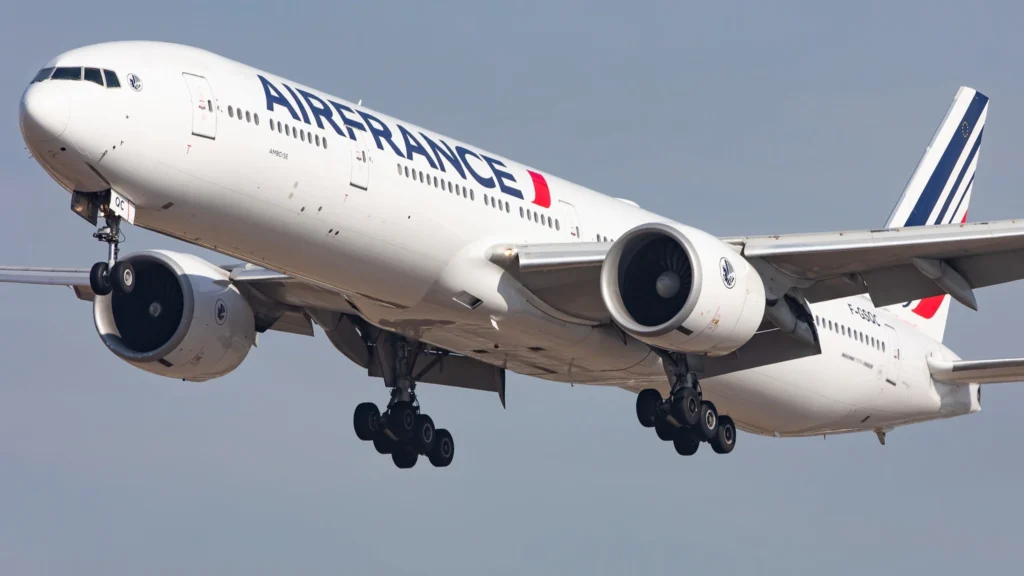
The aircraft involved was a 16-year-old Boeing 777-300 configured to carry 472 passengers across three cabin classes. No injuries were reported during the event.
Air France arranged a replacement Boeing 777-300, which departed approximately seven hours later than the original schedule to complete the journey to Réunion. The airline confirmed that maintenance teams immediately began inspections to identify the exact cause of the malfunction.
Cabin Temperature Control and Operational Risk
Cabin temperature management remains a sensitive operational factor on widebody aircraft. Standard guidelines typically target a range of 70°F to 72°F, but complex airflow systems can lead to uneven distribution across different cabin zones.
Preliminary information suggests the air conditioning system on the aircraft became locked in heating mode, preventing temperature regulation. While passenger discomfort complaints are common in commercial aviation, this case demonstrates how a system fault can escalate into a safety-critical situation during cruise.
Stay tuned with us. Further, follow us on social media for the latest updates.
Join us on Telegram Group for the Latest Aviation Updates. Subsequently, follow us on Google News