DALLAS- American Airlines (AA) and Southwest Airlines (WN) have moved to make inflight Wi-Fi free, removing one of the last paid digital services onboard. The shift places both carriers alongside Delta and JetBlue, where complimentary connectivity is already standard.
American Airlines, headquartered in Fort Worth with major operations at Dallas-Fort Worth International Airport (DFW), and Southwest Airlines, based in Dallas and centered at Dallas Love Field (DAL), are now facing patent infringement lawsuits that could add hidden costs to that free service.
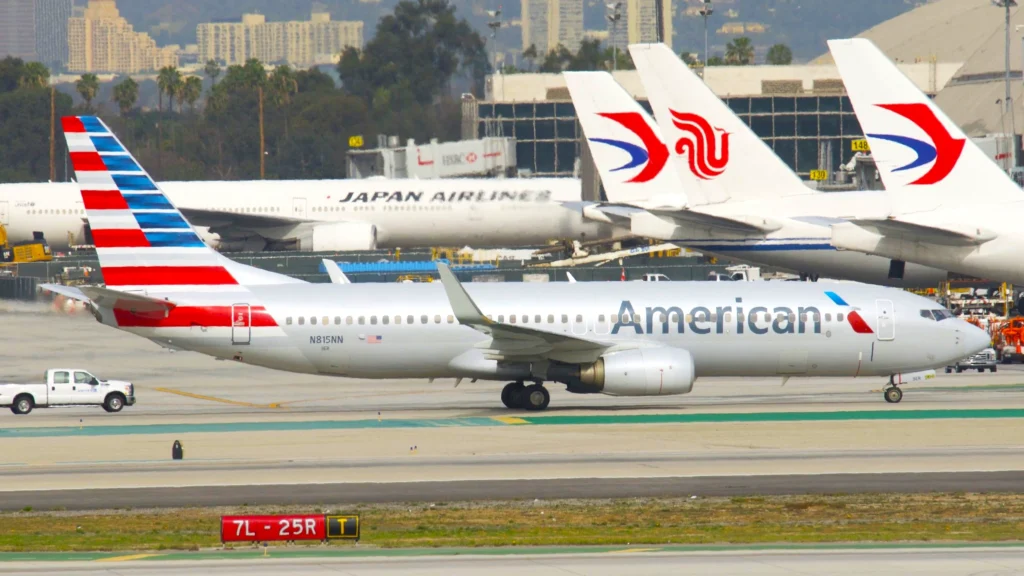
American and Southwest Patent Litigation
The lawsuits were filed by Intellectual Ventures, a patent aggregation firm that licenses and enforces large patent portfolios.
The company alleges that the airlines’ inflight connectivity systems and supporting backend infrastructure infringe multiple patents covering wireless networking, satellite internet delivery, and cloud-based computing methods.
The core issue is financial exposure. When Wi-Fi is sold to passengers, licensing fees can be absorbed into the purchase price. With Wi-Fi now offered at no charge, any royalty payments or damages would come directly from airline operating budgets.
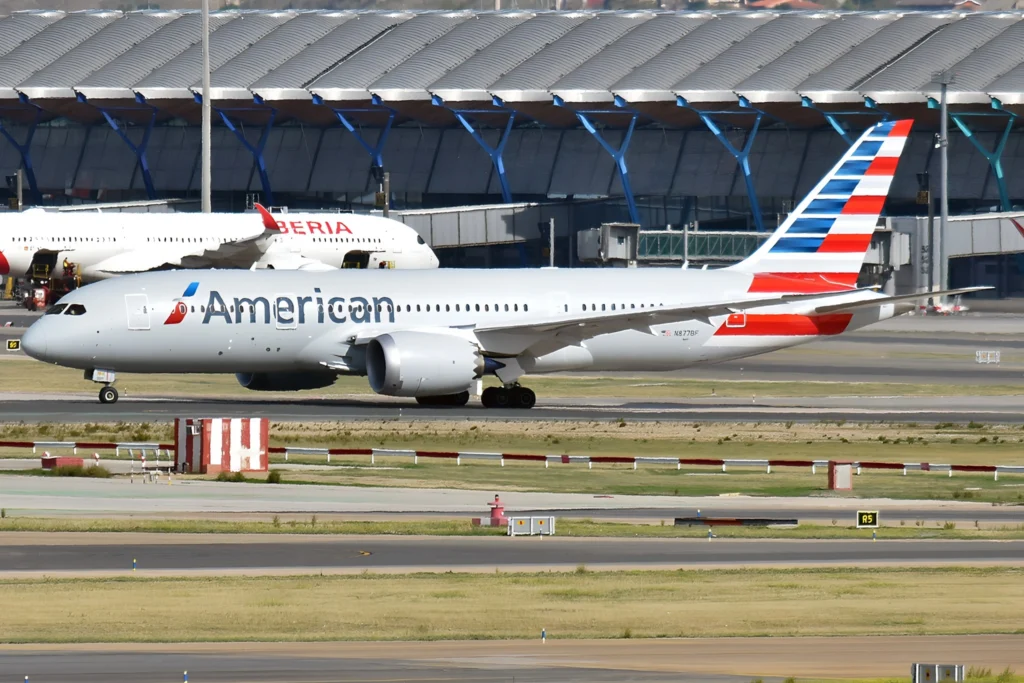
Details of the American Airlines Lawsuit
The case against American Airlines was filed on November 2, 2024, in the Eastern District of Texas. The original complaint asserted six patents. An amended complaint filed in September 2025 expanded that number to twelve.
The asserted patents include technologies related to high data rate onboard wireless networks, satellite-fed internet access, passenger authentication systems, and distributed cloud computing processes such as load balancing and asynchronous messaging.
American filed a partial motion to dismiss, which the court denied. The airline also sought to stay claims tied to Viasat-provided inflight connectivity equipment, arguing vendor responsibility. The court rejected that request.
A federal judge has now ordered American to produce pre-suit technical documents and source code within seven days, allowing Intellectual Ventures to pursue claims for past damages.
The complaint does not publicly disclose a specific dollar amount for damages. Court filings indicate the plaintiffs are seeking compensation for alleged past infringement and ongoing use of the technologies, ViewfromtheWing reported.

Parallel Case Against Southwest Airlines
Intellectual Ventures filed a separate lawsuit against Southwest Airlines on the same day as the American case. That lawsuit is proceeding in the Northern District of Texas.
The Southwest complaint mirrors many of the same allegations. It focuses on how bandwidth is delivered to aircraft, distributed across the cabin, and managed through passenger login and access systems.
The patents asserted overlap in subject matter, though court filings do not fully confirm whether the same patents are being asserted against both airlines.
As with the American case, no specific damages figure has been disclosed.
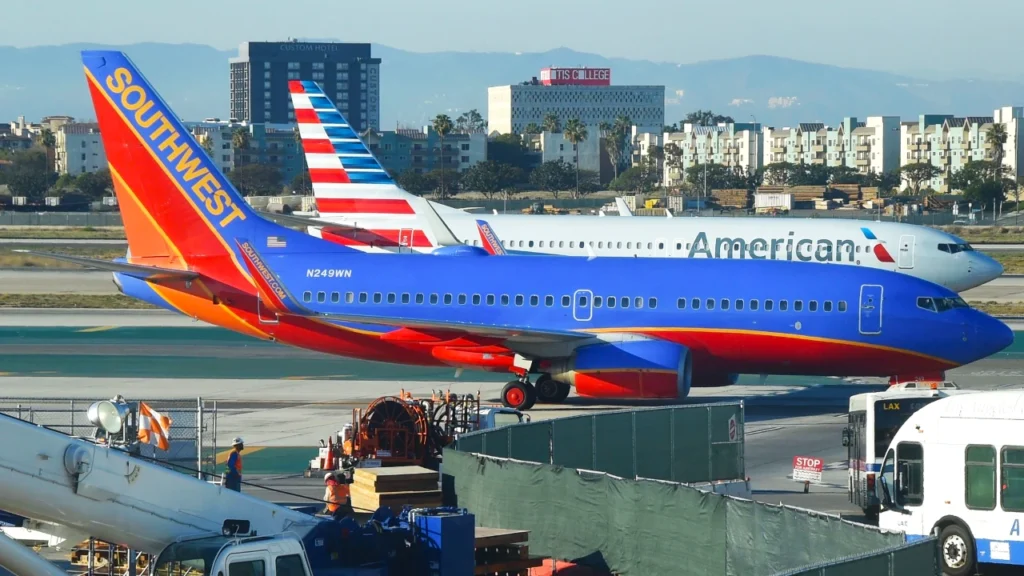
Role of Connectivity Vendors and Indemnification
The lawsuits raise questions about vendor responsibility. Inflight connectivity systems are typically supplied by third-party providers such as Viasat, Panasonic Avionics, or Thales, with airlines operating the passenger-facing software and access portals.
Airline contracts often include indemnification clauses, but the scope of those protections varies. Courts may still require airlines to produce internal systems and code if the alleged infringement involves airline-managed software layers. At this stage, there is no public confirmation that any vendor has assumed legal responsibility for the claims.
As of the latest filings, neither American Airlines nor Southwest Airlines has issued a public statement addressing the lawsuits. Court documents indicate both carriers deny infringement and are contesting the validity and applicability of the asserted patents.
There is no indication that either airline plans to suspend or reverse free Wi-Fi availability while the cases proceed.
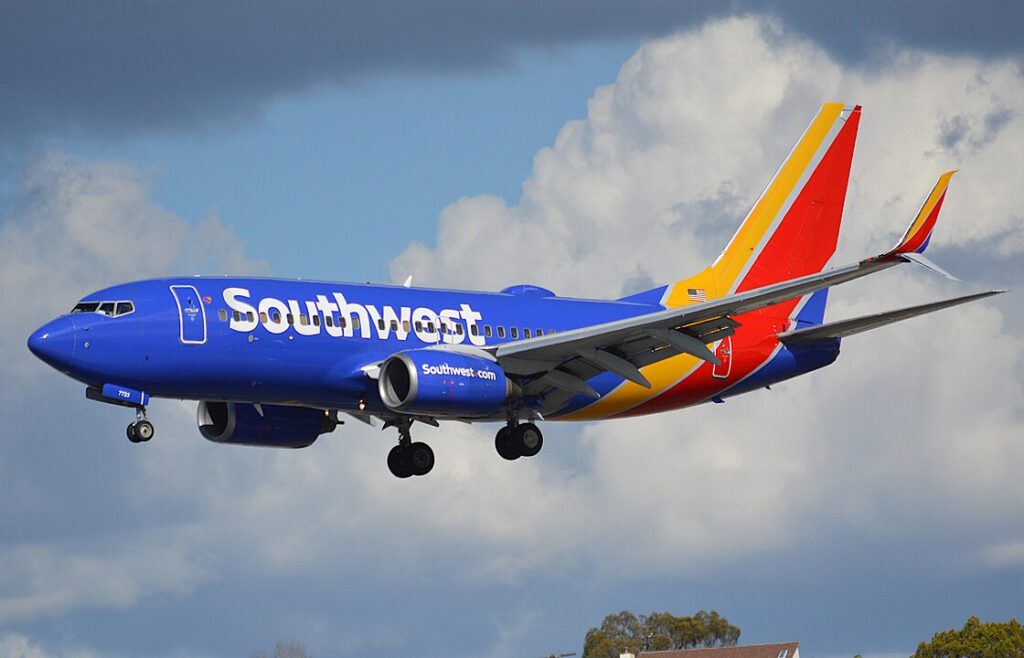
Potential Impact on Passengers and the Industry
For passengers, free inflight Wi-Fi remains available on both carriers. The lawsuits do not seek injunctions that would require service shutdowns.
For airlines, a successful claim could introduce recurring licensing costs tied to aircraft connectivity systems. That could influence future Wi-Fi sponsorship models, vendor negotiations, or long-term operating costs rather than immediate passenger experience.
Patent litigation involving inflight connectivity is not new, but these cases arrive as free Wi-Fi shifts from a differentiator to a baseline expectation across major US carriers.
What Comes Next
Both cases are in early procedural stages. Discovery is now underway in the American Airlines case, while the Southwest case is still moving through preliminary motions. Trial dates have not been set, and settlements remain a common outcome in patent litigation of this type.
There is no direct regulatory involvement from the FAA or FCC at this stage, though broader standardization of inflight connectivity could increase future patent scrutiny across the industry.
Stay tuned with us. Further, follow us on social media for the latest updates.
Join us on Telegram Group for the Latest Aviation Updates. Subsequently, follow us on Google News


