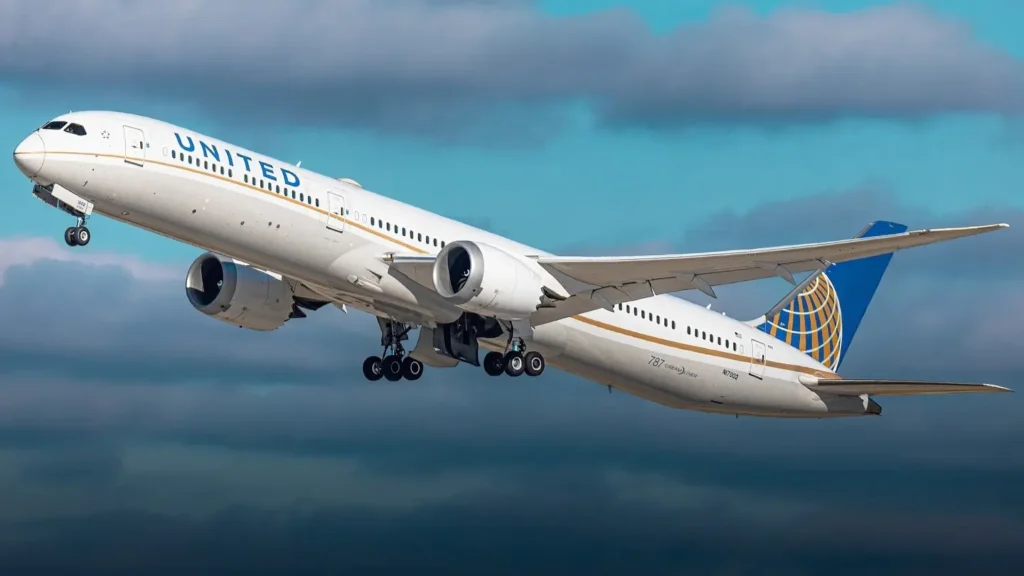
CHICAGO- United Airlines (UA) has converted a significant portion of its Boeing 787-9 orders to the larger 787-10, reinforcing its focus on capacity growth and per-seat efficiency. The decision directly impacts long-haul operations from major hubs such as Chicago (ORD).
The order conversion aligns with United’s international strategy across Europe, South America, and parts of North Asia, where range requirements are lower, but demand density is higher. These markets form the core of United’s long-haul network from key gateway airports.
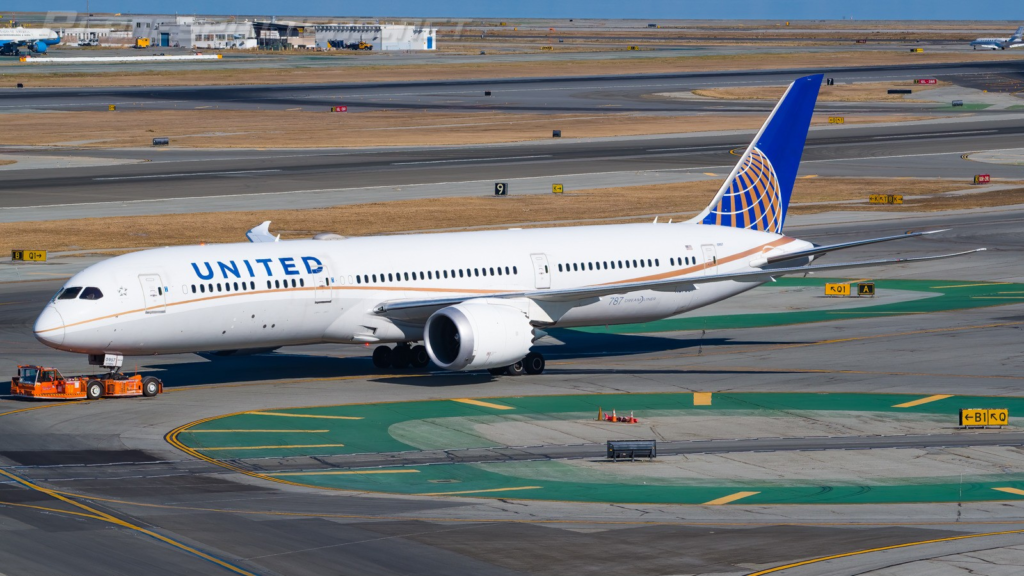
United Major Dreamliner Upgauge with 787-10
United Airlines operates an all-Boeing widebody fleet comprising the Boeing 767, Boeing 777, and Boeing 787 families.
The Boeing 767 fleet is expected to retire first, while the Boeing 777 fleet is projected to remain in service for a decade or more.
As a result, the Boeing 787 Dreamliner is central to United’s long-term widebody renewal strategy.
The airline currently operates 80 Boeing 787 aircraft across all three variants. This includes 12 Boeing 787-8s, 47 Boeing 787-9s, and 21 Boeing 787-10s.
Prior to the latest update, United had 141 Dreamliners on order, all of which were for the 787-9 variant, with no plans to acquire additional 787-10s beyond the existing fleet.
That has now changed. As reported by The Air Current, United has converted 56 Boeing 787-9 orders into Boeing 787-10s, with deliveries scheduled to begin in 2028.
According to OMAAT, this marks a long-anticipated adjustment given the aircraft’s economics and network suitability.
Following the conversion:
- United now has 85 Boeing 787-9s on order, bringing the eventual total to 132 aircraft, including those already in service.
- United now has 56 Boeing 787-10s on order, bringing the eventual total to 77 aircraft, including the 21 currently operating.
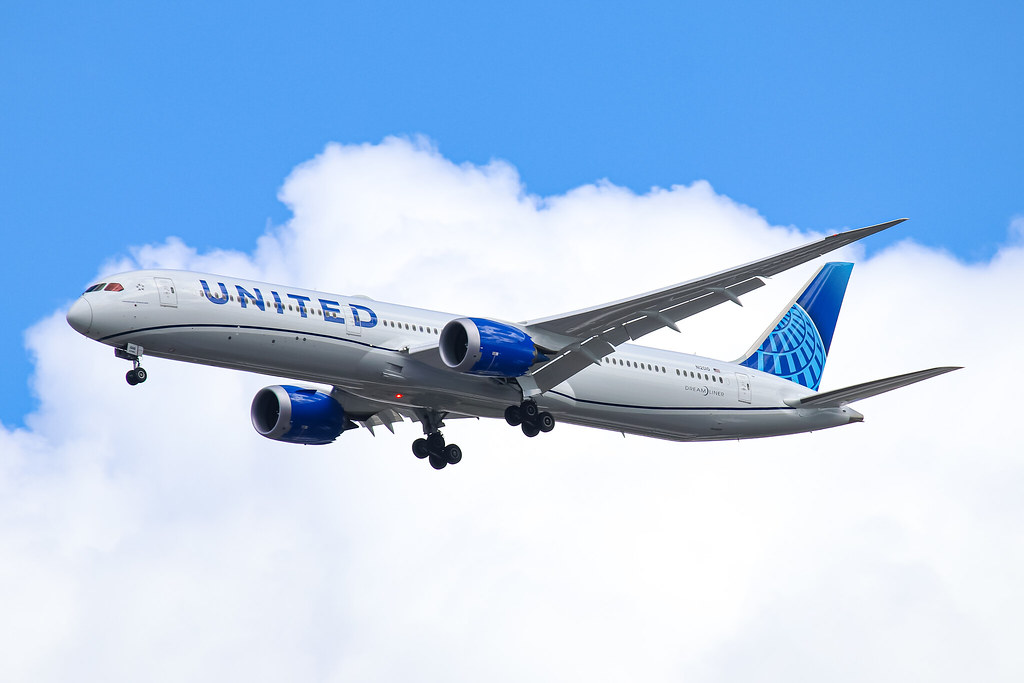
Role of the 787-9 Versus the 787-10 in United’s Network
The Boeing 787-9 remains critical to United’s ultra long haul strategy. United operates by far the most ultra long haul routes of any US carrier, requiring aircraft with maximum range and strong fuel efficiency over extended distances.
However, the Boeing 787-10 offers clear advantages across the rest of the network. While it lacks the extreme range of the 787-9, it can operate United’s entire European network, all South American routes, and many destinations in North Asia.
For these missions, the incremental operating cost compared to the 787-9 is minimal, while the capacity increase is substantial.
This capacity advantage allows United to improve unit costs without adding frequencies. Even where passenger growth is constrained, the 787-10 can be configured with premium-heavy layouts.
United has already demonstrated this approach on its latest Boeing 787-9 aircraft, some of which feature just 222 seats, prioritizing business class and premium economy over total seat count.
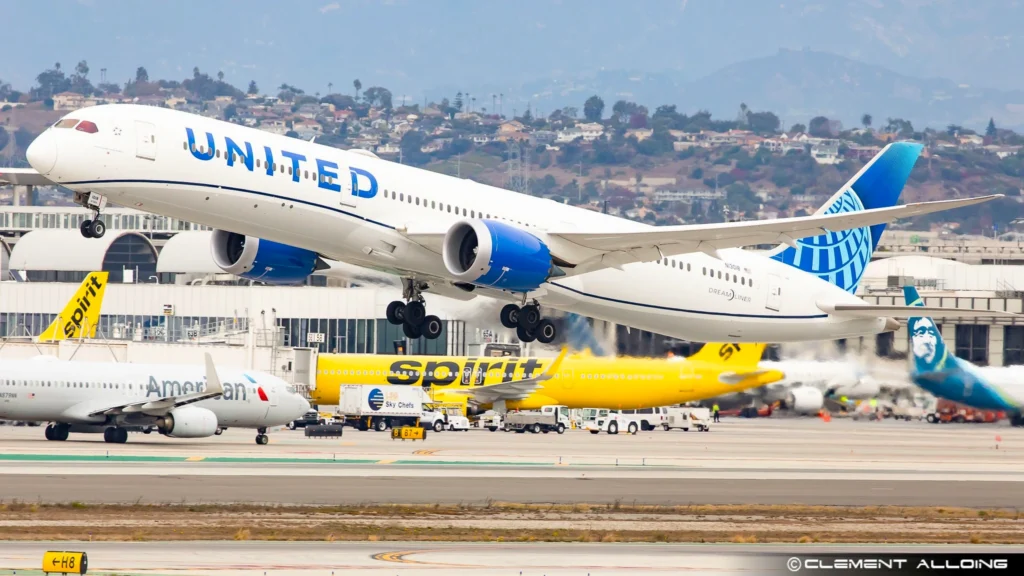
Replacing 767s on Transatlantic Routes
The expanded Boeing 787-10 fleet is well positioned to replace Boeing 767 aircraft on transatlantic services.
Routes to Frankfurt Airport (FRA), and London Heathrow Airport (LHR), are within the 787-10’s performance envelope and benefit from its improved efficiency, cargo capability, and passenger experience.
This transition supports fleet simplification while reducing reliance on aging aircraft types that carry higher maintenance and operating costs.
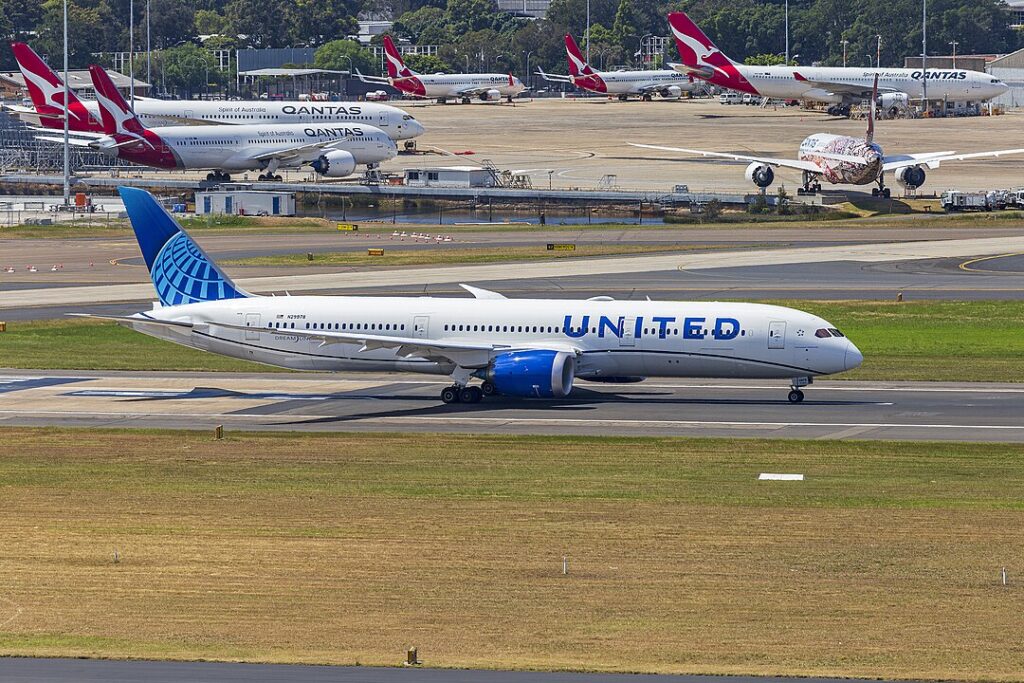
Open Questions in United’s Fleet Renewal
Beyond the Boeing 787 family, uncertainty remains around United’s future widebody acquisitions.
The Boeing 777X appears unlikely given its size and the airline’s multi-hub network structure, where extremely large aircraft are less flexible.
The Airbus A350 remains a more plausible option in the long term. In particular, the Airbus A350-1000 offers strong economics and range that could complement United’s network if the airline chooses to diversify its widebody fleet in the future.
Bottom Line
United Airlines has converted 56 Boeing 787-9 orders to the higher-capacity Boeing 787-10, a move that reflects a clearer alignment between aircraft size and network demand.
While the 787-9 remains indispensable for ultra long haul routes, the 787-10 provides superior per-seat economics across Europe, South America, and parts of North Asia.
The decision strengthens United’s long haul fleet strategy while preparing the airline for the retirement of older widebody aircraft.
Stay tuned with us. Further, follow us on social media for the latest updates.
Join us on Telegram Group for the Latest Aviation Updates. Subsequently, follow us on Google News


