LONDON- British Airways (BA) is under scrutiny after a passenger reported severe disruption caused by an intoxicated seatmate on a long-haul flight, allegedly following excessive alcohol service by cabin crew.
The incident occurred on a British Airways flight from Johannesburg (JNB) to London Heathrow (LHR), prompting debate over airline accountability, alcohol service policies, and the adequacy of customer compensation.
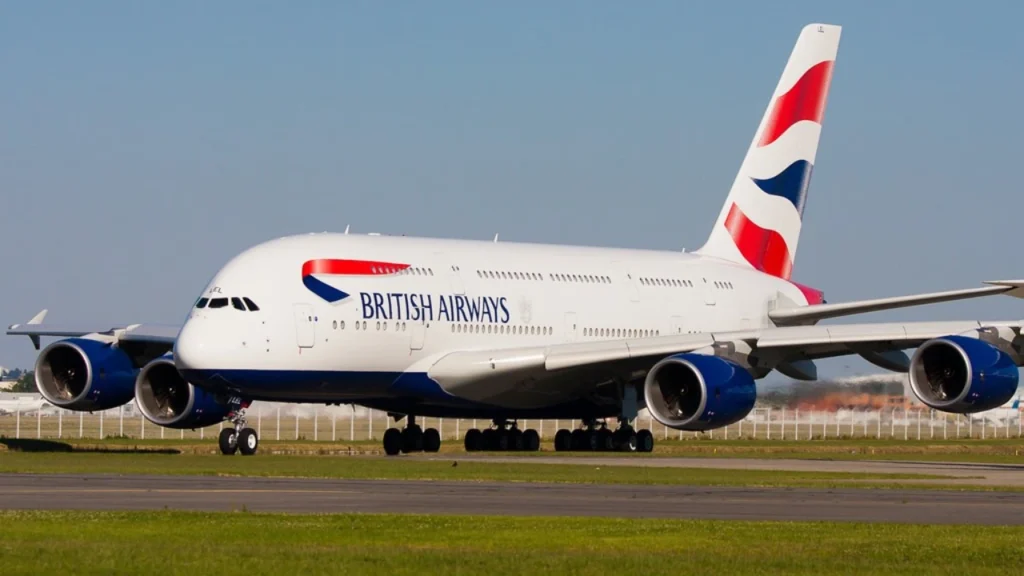
British Airways Overserved Alcohol
The incident took place on an 11 hour overnight service when the passenger seated next to the complainant was served approximately 10 Bacardi mini bottles within the first few hours of the flight. The quantity and pace of alcohol service reportedly led to extreme intoxication.
As the flight progressed, the intoxicated passenger became physically unwell and vomited on himself, the surrounding seats, the cabin floor, and both adjacent passengers. The aircraft was fully occupied, leaving no opportunity for reseating.
Although cabin crew attempted to clean the affected area, the hygiene conditions and overall environment remained distressing for the remainder of the journey.
According to PYOK, the complainant asserted that this was not an isolated case of random passenger misconduct but a foreseeable outcome of excessive alcohol service at altitude.
British Airways Response
Following the flight, the affected passenger submitted a formal complaint to British Airways, citing loss of dignity, personal discomfort, and failure to control alcohol consumption on board.
In response, British Airways issued a written apology acknowledging the distress caused by the incident.
The airline stated that cabin crew follow strict internal procedures regarding alcohol service and the management of disruptive behavior.
However, it also noted that certain situations can escalate despite crew intervention. British Airways emphasized that while the behavior of the intoxicated individual was unacceptable, it did not attribute fault to its operational practices.
As a gesture of goodwill, British Airways offered the passenger a choice between 10,000 Avios loyalty points or a £50 eVoucher toward a future booking.
The compensation was framed explicitly as a voluntary apology rather than a remedy tied to liability.
Dispute Over Responsibility
At the center of the dispute is the question of fault. The passenger maintained that the cabin crew were complicit in the outcome by continuing to serve alcohol at a rapid pace, directly contributing to the intoxication that caused the disruption.
From this perspective, the vomiting incident was preventable and operational in nature.
British Airways, by contrast, positioned the matter as a case of individual passenger misconduct. Its response reflected a “sorry this happened” stance rather than an acknowledgment of institutional responsibility.
This distinction is critical, as airlines typically align compensation levels with their assessment of fault.
Where responsibility is accepted, compensation may include refunds or substantial service recovery.
Where responsibility is denied, remedies are often limited to goodwill gestures that require future spending with the airline.
Behavioral Warnings and Yellow Card Policy
British Airways maintains a formal warning system, often referred to as a Yellow Card or Final Warning Notice, used to address threatening, abusive, insulting, or disorderly conduct.
These notices warn passengers that continued behavior may lead to police involvement or refusal of carriage, even if the airline has already issued a boarding pass.
In this case, critics argue that the intoxicated passenger met multiple criteria that typically justify such intervention.
The absence of a visible warning or escalation has fueled criticism that authorities did not adequately apply available enforcement tools.
Industry Standards and Alcohol Consumption
Many airlines use observable indicators to decide when to stop alcohol service.
These commonly include difficulty maintaining balance, impaired fine motor control, inappropriate speech volume or pace, delayed responses, inability to focus, strong odor of alcohol, and erratic or argumentative behavior toward passengers or crew.
Industry peers have moved toward clearer thresholds. For example, American Airlines’ (AA) flight attendants’ union has publicly advocated for a 2-drink service limit, citing safety and conflict prevention concerns.
Such measures aim to reduce ambiguity and protect both passengers and crew before situations deteriorate.
The incident also highlights an important distinction between alcohol quantity and passenger conduct.
High consumption does not automatically lead to disruption. In documented cases, premium cabin passengers on other carriers have consumed large amounts of alcohol over multiple sectors without causing disturbance, underscoring the role of monitoring and judgment rather than volume alone.
This comparison reinforces the argument that responsible service management, not prohibition, is central to maintaining safety and comfort on long-haul flights.
Accountability and Compensation Outcomes
Ultimately, the compensation dispute reflects a broader industry issue. When airlines classify incidents as individual misconduct, compensation remains symbolic.
When organizations acknowledge operational decisions as contributing factors, they tend to implement more substantive remedies.
In this case, British Airways’ response made clear that it viewed the event as an unfortunate passenger behavior issue rather than a service failure.
That determination directly shaped the £50 voucher offer and continues to drive debate over whether the outcome met reasonable expectations for passenger care.
Stay tuned with us. Further, follow us on social media for the latest updates.
Join us on Telegram Group for the Latest Aviation Updates. Subsequently, follow us on Google News


