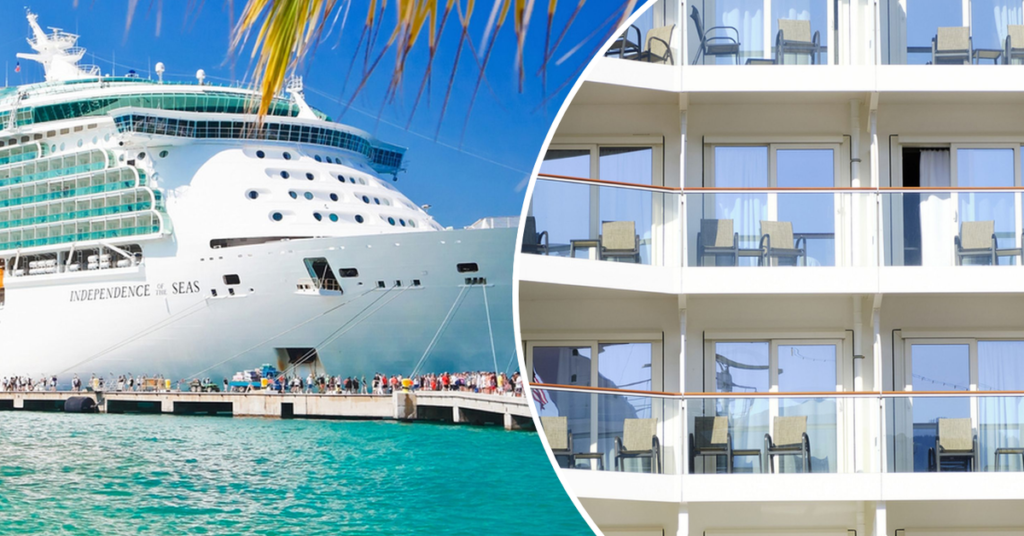
Cruising is one of those styles of holidays where there truly is something for everyone.
From mega ships with waterparks and swim-up bars to boutique cruises with culinary-focused itineraries, there’s really no limit to what’s on offer.
So it’s no surprise that a cruise has become such a popular holiday.
READ MORE: These are the countries where your Aussie dollar will go furthest in 2026

One-third of Australians say they’re considering going on a cruise this year, according to new research from the Tourism & Transport Forum.
But it’s not just veteran cruisers looking to hit the high seas.
The latest booking data from Travel Associates shows that first-time cruising has grown by a massive 36 per cent in the past year.

Inside Discovery Princess cruise ship that’s arrived in Australia for the first time
Cruising is seeing a boom among travellers who want stress-free holidays that can also be cost-effective.
“At a time when household budgets are under pressure, cruising bundles accommodation, meals, activities and transport into a single package,” says TTF CEO Margy Osmond.
READ MORE: Why a bigger suitcase isn’t always better, according to Qantas flight attendant
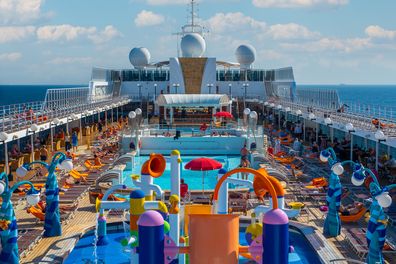
However, experts strongly urge first-time cruisers to splash a little extra cash where necessary.
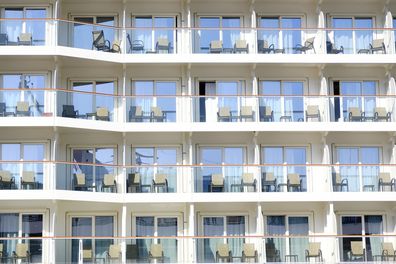
Your room can really make or break your first cruise, Adam Crossman, cruising specialist at Travel Associates, tells 9Travel.
It’s worth it to spend a little extra on a mid-ship balcony cabin.
“Focusing purely on price can mean feeling confined to a smaller space, which can immediately turn people off cruising,” he says.
Having that access to fresh air and natural light can help first-time cruisers feel more comfortable and connected to their surroundings, he explains.
READ MORE: Expert’s easy packing trick that eliminates wrinkles on your holiday outfits
Adam also really recommends starting out with a longer cruise for your first time.
Though some might assume a 2-3 night “taster cruise” is a good introduction, he says this can give you a skewed impression.
“Short cruises tend to attract a narrower demographic and don’t allow enough time to experience life at sea,” Adam explains.
Instead, he recommends 7-10 nights as the sweet spot, allowing travellers to enjoy sea days, onboard experiences and shore excursions in a more balanced, relaxed way.
Prepaying for as much as possible is another key tip that Adam recommends for first-timers.
“Many people focus on the upfront cost and then feel disappointed when they’re paying extra for drinks, Wi-Fi or specialty dining onboard,” he says.
Choosing a more inclusive package also often delivers better overall value and creates a more seamless, stress-free experience once onboard.

Experts unveil the best places to go in 2026 – including two Aussie icons


