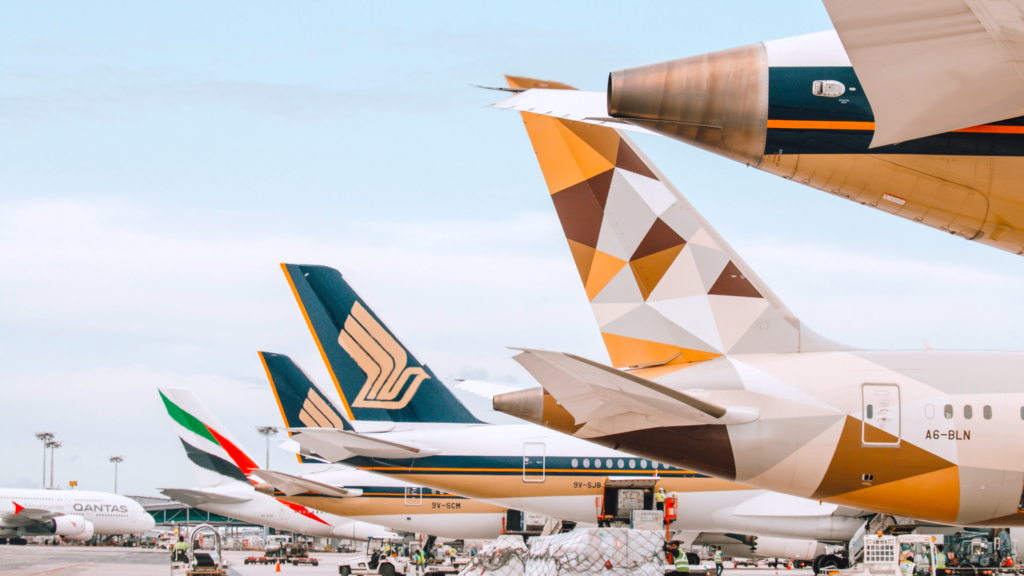
Long-haul flying places sustained pressure on airlines to deliver comfort, reliability, and consistent service over extended hours. A new industry study assessing global carriers shows that passenger satisfaction depends less on punctuality alone and more on how well airlines balance seat comfort, service quality, and onboard experience.
The ranking evaluates popular intercontinental airlines serving major hubs such as Doha Hamad International Airport (DOH) and London Heathrow Airport (LHR), using a composite score that reflects real passenger experiences rather than marketing claims.
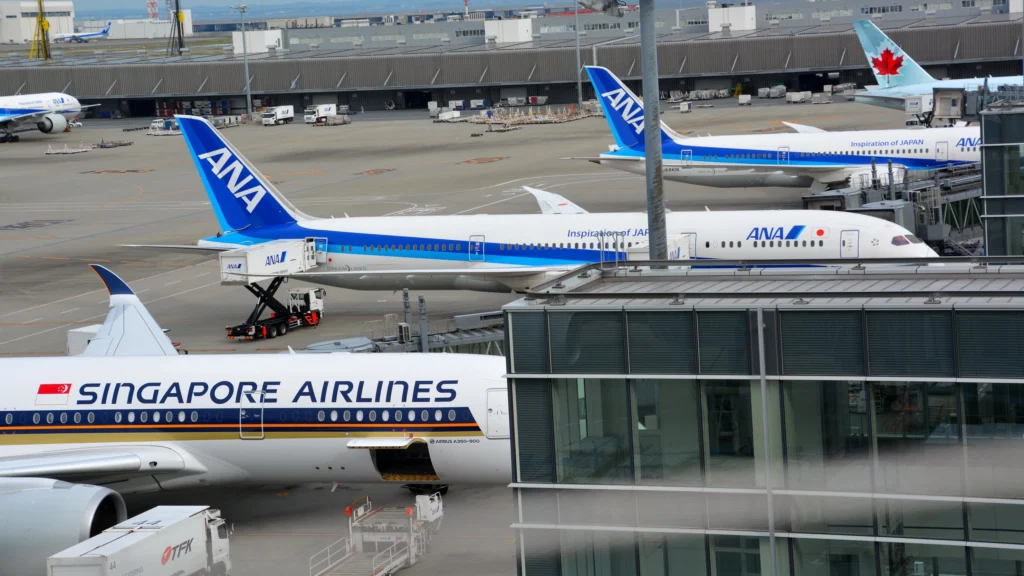
Best long-haul airlines
The index ranked airlines on a total score out of 50, combining ten equally weighted categories that cover reliability, value for money, and onboard comfort.
Singapore Airlines led the table by scoring four out of five or higher across nearly every metric, including food quality, seat comfort, and overall in-flight experience. It was also the only carrier to achieve a top-tier value-for-money rating.
Qatar Airways (QR) secured second place, reflecting strong performance in service consistency and cabin standards across its long-haul network. Cathay Pacific (CX) followed in third, supported by solid customer ratings and dependable operations on transcontinental routes.
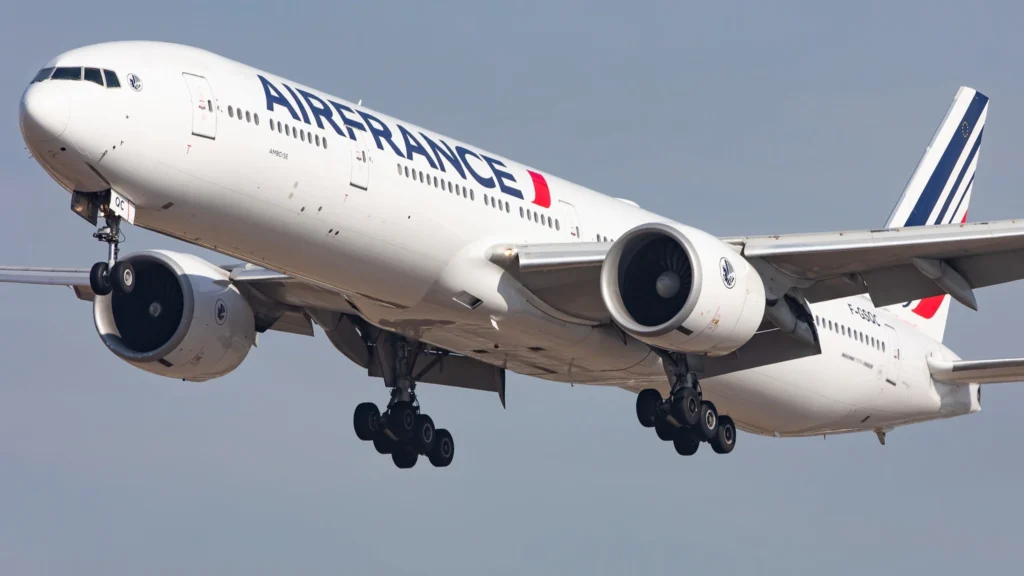
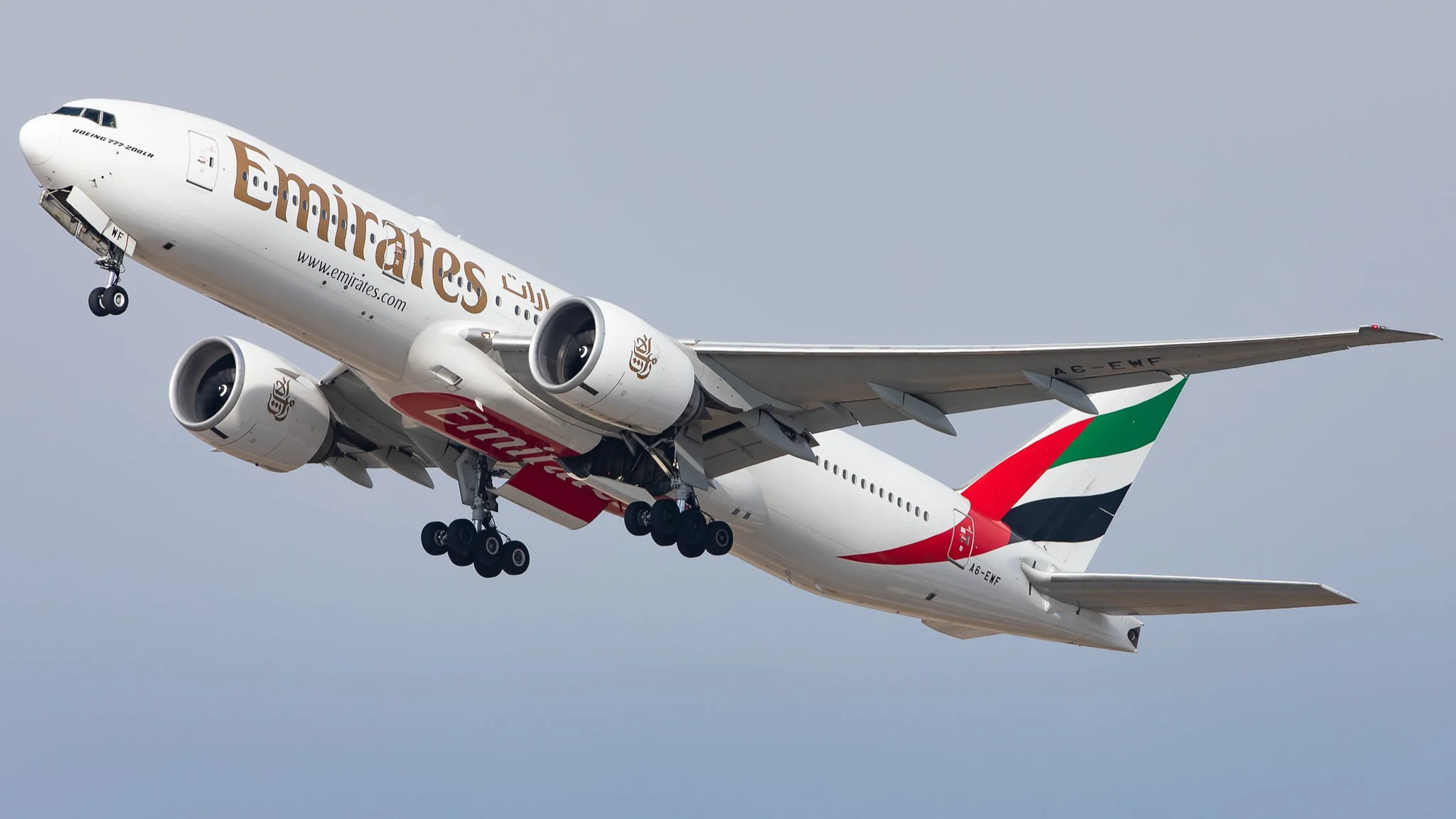
European and Asia-Pacific carriers dominated the top half of the ranking. TUI (BY) placed fourth, while Emirates (EK) ranked fifth, driven by strong inflight entertainment scores and broad cabin appeal. Qantas (QF), Malaysia Airlines (MH), Virgin Atlantic (VS), Delta Air Lines (DL), and Air France (AF) completed the top ten, each delivering balanced results across comfort and operational reliability.

Passenger experience factors
The findings underline that long-haul satisfaction depends on consistency across the journey rather than isolated strengths. Airlines that invest evenly in seat space, staff service, catering, and entertainment tend to outperform competitors that focus narrowly on schedules.
Long flights magnify discomfort, making seat design and cabin atmosphere critical to overall perception.
American Airlines (AA) ranked lowest among major long-haul carriers in the study. While it performed reasonably well for timeliness, weaker scores in seat comfort, food and beverage quality, and customer reviews significantly reduced its overall standing.
The results suggest that punctual departures cannot compensate for subpar onboard conditions on flights lasting ten hours or more.
The analysis also shows that passengers weigh value carefully on long-haul routes. Higher fares can still represent good value when airlines deliver reliable operations and a comfortable cabin environment throughout the journey.
Travel planning advice
Industry experts advise travelers to research airlines carefully before booking long-haul flights, especially for journeys exceeding 10 to 12 hours.
Families, older passengers, and travelers with health concerns often benefit most from airlines that prioritize cabin comfort and attentive service.
Cost considerations remain important, but the study highlights that cheaper tickets may lead to reduced comfort over extended periods. Selecting the right airline can materially improve rest, wellbeing, and overall trip satisfaction on intercontinental routes.
Travel insurance also plays a key role in long-haul planning. Even top-ranked airlines face disruptions from weather, technical issues, or medical emergencies. Comprehensive coverage can protect passengers against delays, cancellations, and unexpected expenses far from home.
What defines quality
Long-haul flight quality is shaped by how consistently an airline delivers comfort and service over extended durations. Seat ergonomics, cabin noise levels, and inflight catering play a larger role on journeys lasting over ten hours, where small discomforts compound over time.
The study shows that airlines ranking highly tend to perform well across multiple experience-related categories rather than excelling in just one area. Reliable operations matter, but sustained cabin comfort and attentive service have a stronger influence on overall passenger satisfaction.
Carriers that align operational efficiency with a well-designed onboard product are more likely to retain customer trust on long-distance routes. This balance has become a defining factor in how travelers judge long-haul airlines globally.
Top 10 Long-Haul Airlines Ranking
| Rank | Airline | IATA Code |
|---|---|---|
| 1 | Singapore Airlines | SQ |
| 2 | Qatar Airways | QR |
| 3 | Cathay Pacific | CX |
| 4 | TUI Airways | BY |
| 5 | Emirates | EK |
| 6 | Qantas | QF |
| 7 | Malaysia Airlines | MH |
| 8 | Virgin Atlantic | VS |
| 9 | Delta Air Lines | DL |
| 10 | Air France | AF |
Data: Money Supermarket

Bottom Line
The long-haul airline rankings highlight a clear shift in what passengers value most on extended flights. Comfort, consistency, and service quality now outweigh punctuality alone when journeys stretch across continents.
Singapore Airlines’ top position reflects an ability to deliver strong performance across all measured categories, setting a benchmark for long-haul travel standards. Other leading carriers followed closely by maintaining balanced scores rather than relying on a single competitive advantage.
For travelers, the findings reinforce that airline choice remains a critical factor in long-haul journeys. Airlines that invest in the full passenger experience continue to stand out in an increasingly competitive global market.
Stay tuned with us. Further, follow us on social media for the latest updates.
Join us on Telegram Group for the Latest Aviation Updates. Subsequently, follow us on Google News


