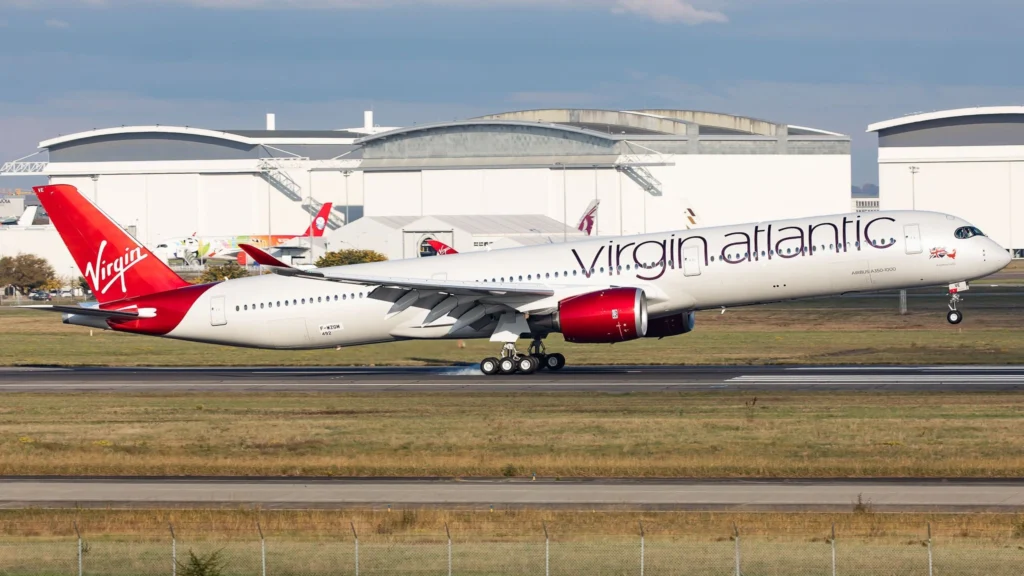
LONDON- Virgin Atlantic (VS) flight from London (LHR) to Delhi (DEL) diverted to Baku (GYD) after a passenger suffered a serious medical emergency mid-flight.
The Airbus A350 landed safely, and airport medical teams immediately provided treatment to the affected passenger.
Virgin Atlantic Flight Emergency Landing
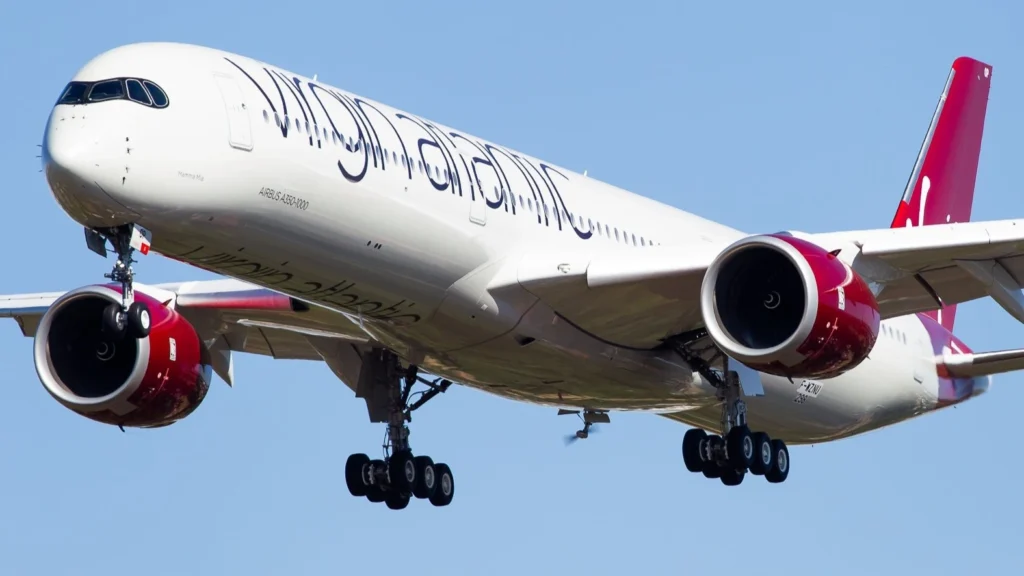
A Virgin Atlantic Airbus A350 operating from London to Delhi on February 8 was forced to divert after a passenger’s health condition suddenly worsened during the journey. The flight crew requested an emergency landing to ensure immediate medical attention.
The aircraft safely landed at Heydar Aliyev International Airport in Baku at 21:26 local time. Medical personnel boarded the aircraft immediately after arrival and provided first aid to the passenger before continuing treatment at the airport’s medical facility.
According to News.Az, airport authorities coordinated rapid response procedures to ensure passenger safety and operational efficiency throughout the emergency.
The flight departed London as scheduled and was en route to Delhi when the incident occurred. After assessing the situation, the captain decided that diverting to the nearest suitable airport was necessary.
Baku was selected due to its proximity and readiness to handle wide-body aircraft operations along with emergency medical services. The landing proceeded without incident, ensuring safety for all passengers and crew.
Heydar Aliyev International Airport activated its emergency response system immediately upon receiving the diversion request. Medical teams, ground operations staff, and aviation safety units coordinated their response in line with international aviation safety standards.
Airport authorities confirmed that all relevant services remained on standby, allowing medical assistance to begin without delay after landing.
Similar Incident
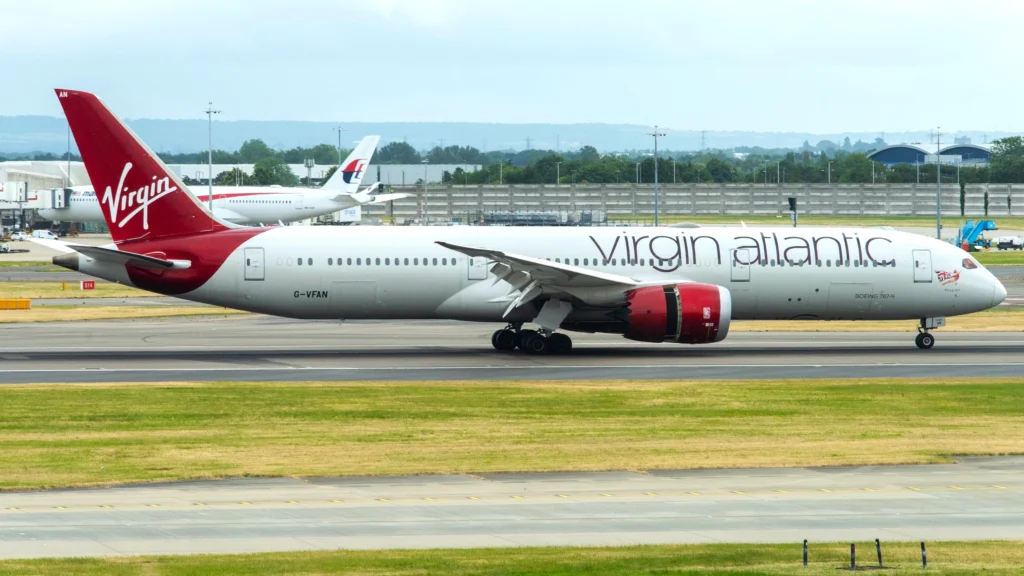
Virgin Atlantic confirmed that one of its transatlantic flights landed safely at London Heathrow after a medical emergency was reported onboard.
The flight operated normally despite an onboard medical situation and an Auxiliary Power Unit fault that required additional support on arrival.
Virgin Atlantic flight VS42 departed San Francisco at 21:20 local time on September 1, 2025, operating a Boeing 787-9 Dreamliner service to London Heathrow. The aircraft completed the Atlantic crossing without major disruption and landed at Heathrow at 15:36 local time after 9 hours and 16 minutes of flight.
Before landing, the crew informed air traffic control that a passenger required urgent medical assistance. Standard safety procedures require crews to alert airport authorities when immediate medical support may be needed on arrival.
Heathrow’s emergency response teams prepared paramedics to meet the aircraft at the stand so assistance could begin as soon as doors opened. Details about the passenger’s condition were not publicly released.
At the same time, the crew also reported that the aircraft’s Auxiliary Power Unit was not functioning, requiring external electrical support after landing.
APU Failure and Ground Support Requirement
The Auxiliary Power Unit, commonly known as the APU, is a small engine located in the aircraft’s tail. It provides electrical power and air conditioning when the main engines are not running and is also used to start engines during ground operations.
Since the APU was unavailable, Heathrow ground staff prepared a Ground Power Unit at the assigned gate. A GPU is a mobile generator that supplies electricity to aircraft systems after engine shutdown.
This support ensured cabin lighting, ventilation, and onboard systems remained operational during passenger disembarkation and servicing of the aircraft.
Boeing 787 System Redundancy Explained
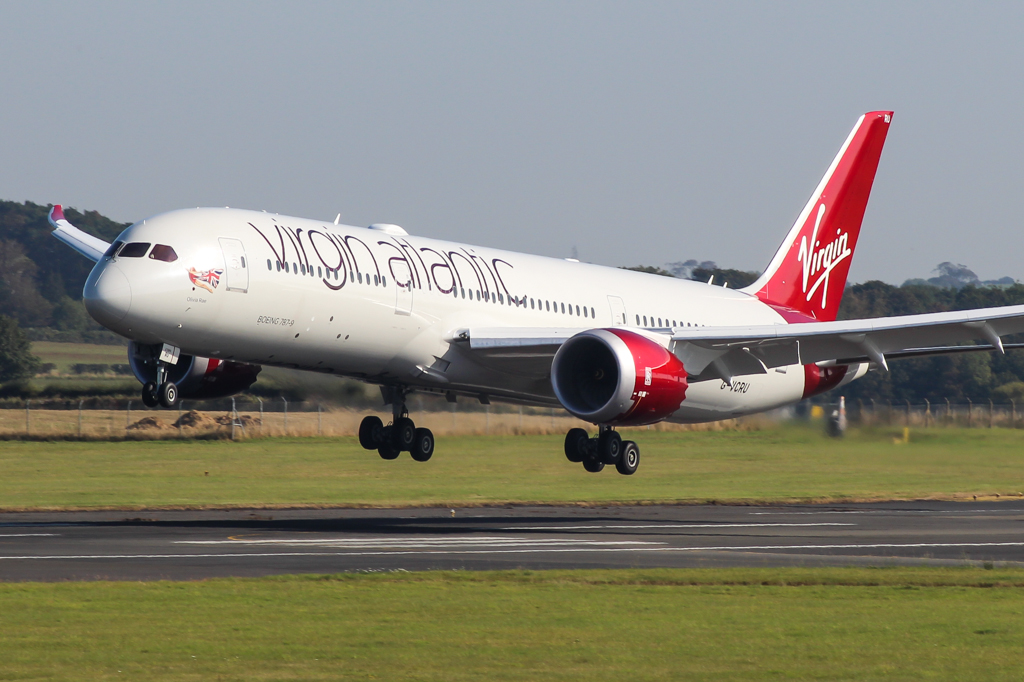
The Boeing 787 Dreamliner uses an advanced electrical architecture compared with older aircraft models. Multiple onboard generators can supply critical systems even when the APU is unavailable.
This redundancy allows aircraft to continue long-distance operations safely under ETOPS regulations, which govern twin-engine flights over remote areas.
However, aviation regulations still require the APU to remain available for emergency situations and engine restarts, making ground support necessary when it becomes inoperative.
In this case, the APU issue did not affect the flight’s safety but required additional arrangements after arrival.
Coordinated Response Ensures Safe Arrival
Despite facing both a passenger medical emergency and a technical limitation, flight VS42 completed its journey safely. Medical teams boarded immediately after arrival, while ground crews connected external power to the aircraft.
The event demonstrates how flight crews, airport operations, and emergency responders coordinate to maintain safety and minimize disruption during unexpected situations.
Stay tuned with us. Further, follow us on social media for the latest updates.
Join us on Telegram Group for the Latest Aviation Updates. Subsequently, follow us on Google News


