ADELAIDE– A disabled American passenger has criticized a crew member after being asked to vacate an emergency exit row seat on a recent flight operated by Jetstar Airways (JQ). The incident occurred after the traveler departed from Adelaide following a major sporting event.
The passenger, identified as Matt Hubbard, had booked an extra legroom seat in the self-help exit row but was later reassigned by the flight attendant. Jetstar is the low-cost subsidiary of Qantas (QF), and operates domestic services across Australia using narrowbody aircraft.
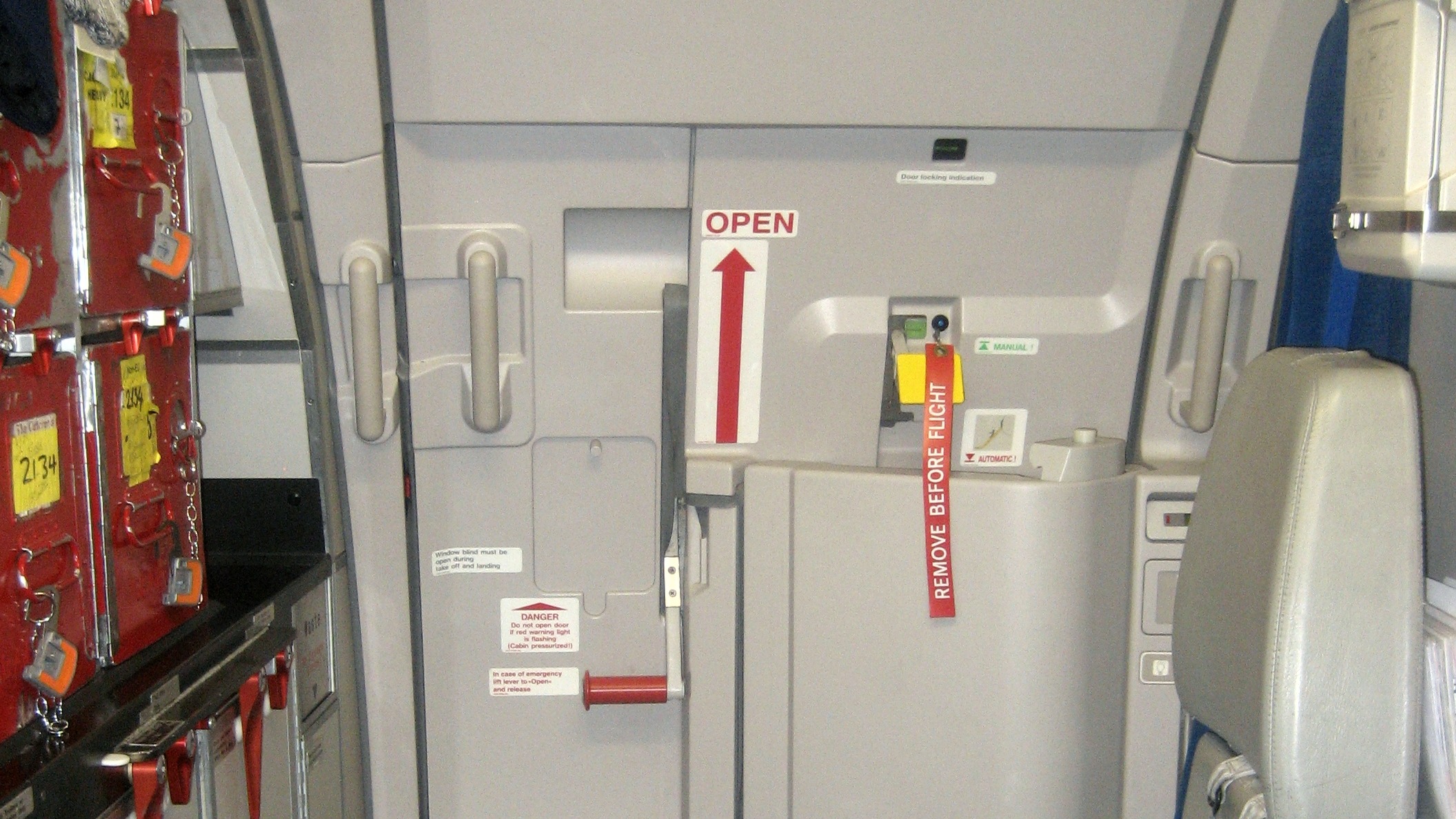
https://commons.wikimedia.org/wiki/File:A320_Door_2L.jpg
Jetstar Exit Row Dispute
Hubbard, an associate producer with NBC Sports and The Golf Channel, stated on social media that the crew member required him to move because he has one hand. He alleged that the decision was based on concerns about his ability to assist in an emergency evacuation.
Emergency exit rows on single-aisle aircraft such as the Airbus A320 and Boeing 737 are classified as self-help exits. Passengers seated in these rows must be capable of operating the exit and assisting crew members during an evacuation.
Australian travelers responded online, with many defending the flight attendant. Commenters noted that airlines require passengers to confirm they meet exit row eligibility criteria during booking or check-in.
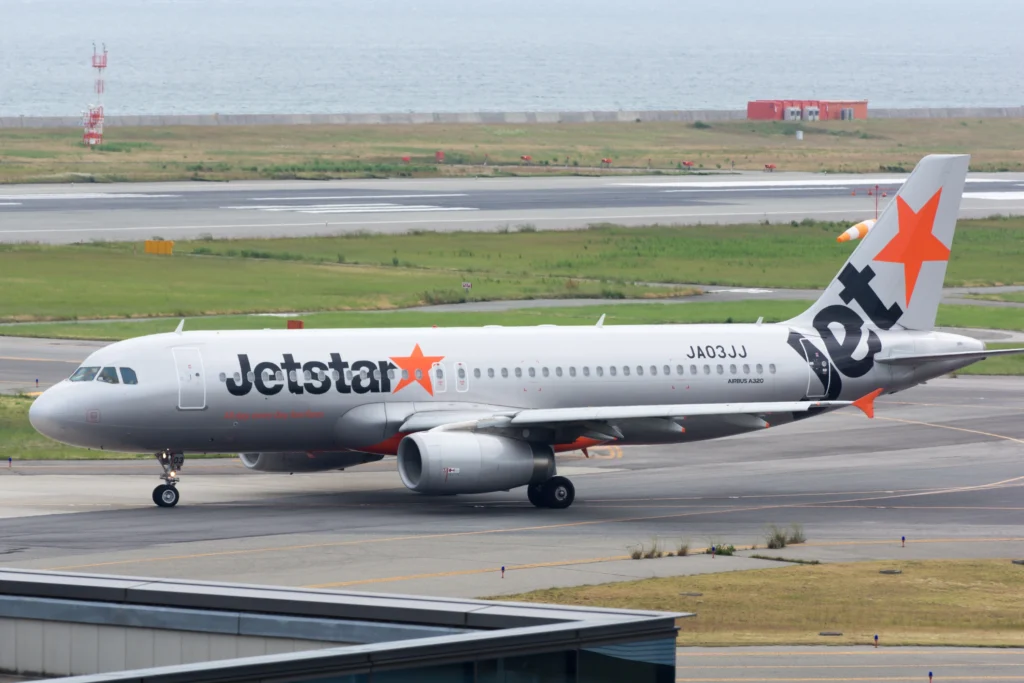
Safety Regulations Explained
In Australia, exit row seating rules are governed by the Civil Aviation Safety Authority. The authority mandates strict eligibility standards for passengers occupying self-help exits.
Passengers must be at least 15 years old, physically capable, and able to understand and follow safety instructions. Regulations also prohibit seating individuals with certain physical limitations, including amputated or prosthetic limbs, in exit rows.
These policies were introduced after investigations into past accidents revealed that some passengers struggled to operate emergency exits. In several historical cases, difficulty opening heavy hatch-style exits contributed to evacuation delays.
A Jetstar spokesperson stated that safety remains the airline’s top priority and that crew members enforce national aviation requirements. The airline added that abusive behavior toward staff, whether online or in person, is unacceptable.
Modern Aircraft Debate
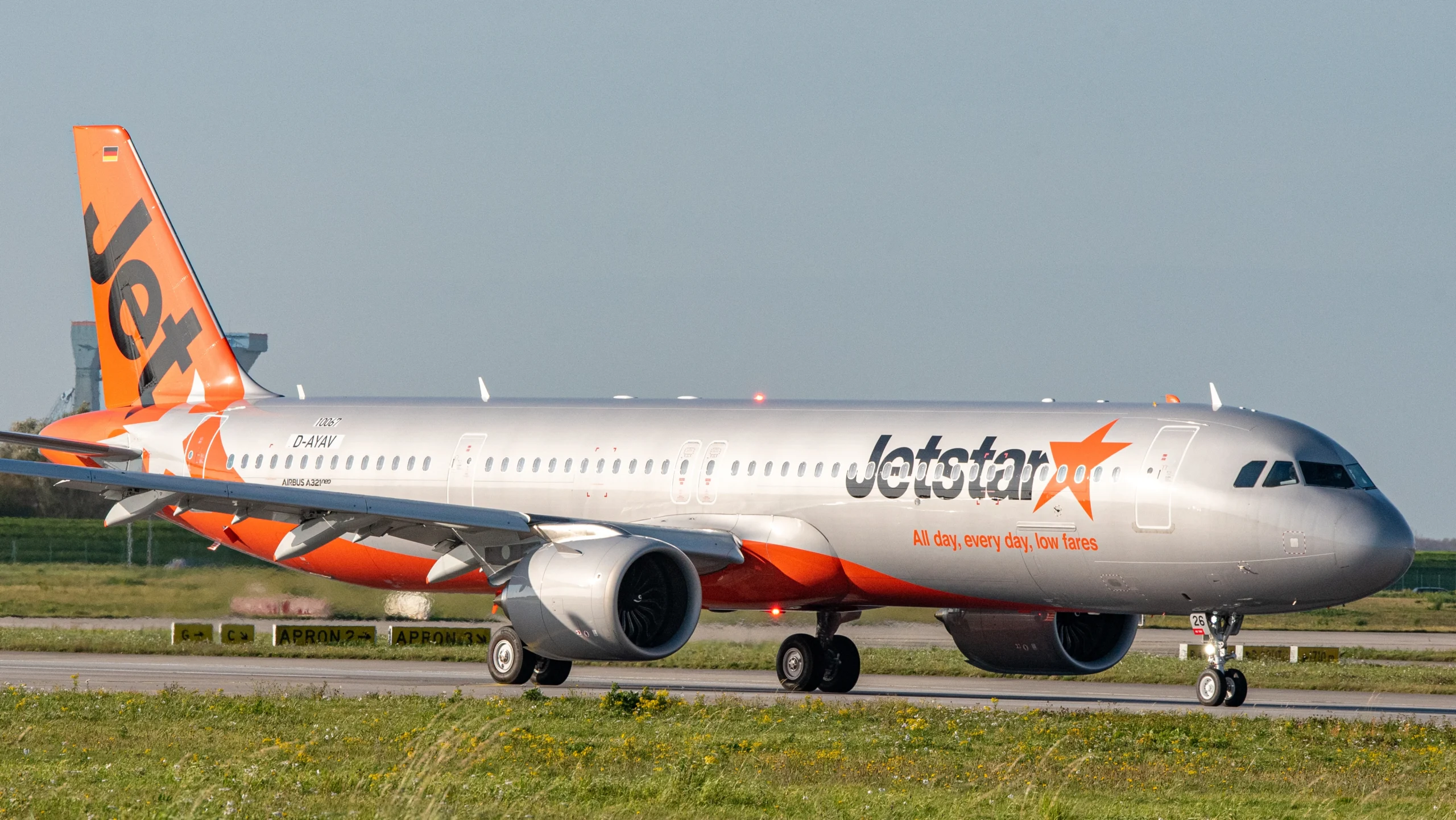
The controversy has renewed debate over whether exit row regulations reflect modern aircraft design.
Older Airbus A320 exit doors can weigh around 15 kilograms and require significant upper-body strength to remove and maneuver, PYOK reported.
However, newer aircraft models feature redesigned exits that open through a single-handle mechanism, reducing physical effort. Industry observers argue that advancements in engineering may warrant a review of eligibility criteria.
At present, airlines operating in Australia must comply with existing safety directives. Crew members have limited discretion when regulations explicitly define who may occupy a self-help exit row.
Bottom Line
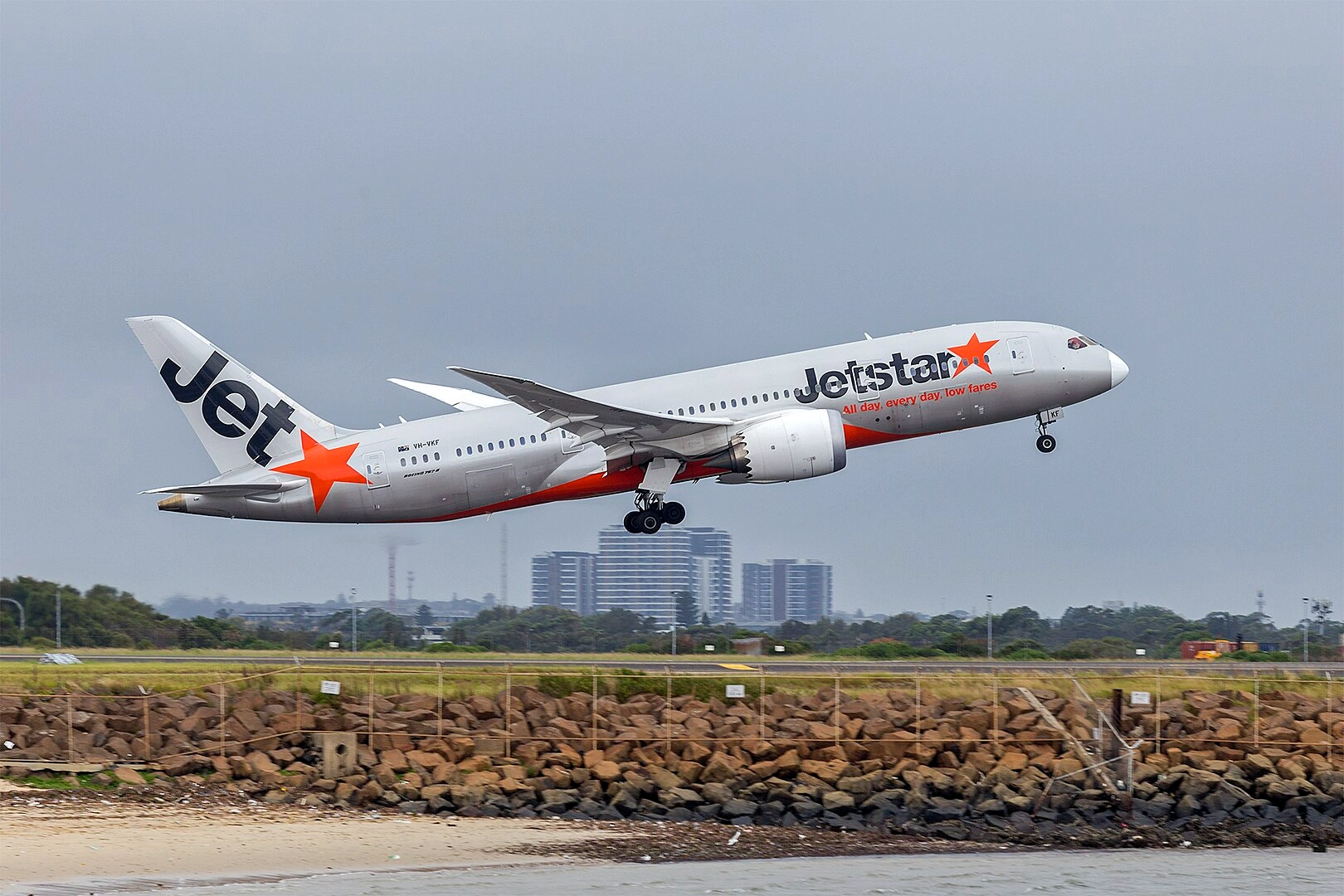
The incident highlights the tension between accessibility and aviation safety standards.
While some advocate for updated policies that account for technological improvements, regulators continue to prioritize uniform compliance to ensure rapid evacuations under emergency conditions.
Stay tuned with us. Further, follow us on social media for the latest updates.
Join us on Telegram Group for the Latest Aviation Updates. Subsequently, follow us on Google News


