Carrier seeing ‘overwhelming’ demand as well as surging fuel prices
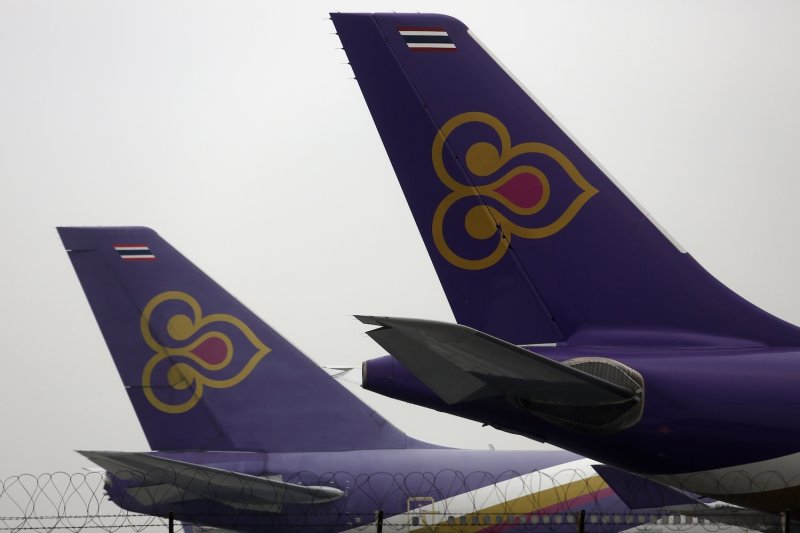
Thai Airways International will raise ticket prices by 10% to 15% to offset surging fuel costs as the carrier grapples with “overwhelming” demand from customers shifting travel plans from the Middle East to Europe, said chief financial officer Cherdchom Thetsathirasak.
Most of the flag carrier’s flights to Europe this month reached about 90% of seat capacity, Ms Cherdchom said in an investor video conference on Wednesday. THAI has room to raise the fuel surcharge further if oil prices continue to climb, she said.
“Passengers planning to travel should secure their tickets as soon as possible before fares rise further,” she said. “Over the next two weeks, tickets will be extremely limited across both European routes and other destinations.”
Airlines globally are under mounting pressure from higher jet fuel prices, one of the industry’s largest operating costs, as crude oil remains volatile amid the Middle East conflict, which is threatening supply.
Carriers have responded by raising fares and fuel surcharges, testing travellers’ willingness to absorb higher ticket prices even as international travel demand remains resilient.
It’s too early to give an outlook for second-quarter passenger demand because of the volatile situation in the Middle East, she said.
THAI posted a full-year net profit of 30.9 billion baht in 2025, reversing a net loss of 26.9 billion a year earlier. Revenue rose 1.3% to 190 billion baht, indicating a more gradual recovery from court-supervised debt restructuring initiated during the pandemic.
Other airlines
Below is a list of other airlines that have announced increases to fares and fuel surcharges as of March 11:
AirAsia: Southeast Asia’s biggest budget carrier has raised fares and adjusted fuel surcharges, but without specifying by how much. It said it would “dynamically monitor market conditions and react proactively as and when needed”.
Air India: Air India and Air India Express will phase in fuel surcharges across domestic and international routes from March 12:
- From March 12 a surcharge of 399 rupees ($4.35) will be added to domestic flights and services to South Asia, West Asia and the Middle East. Surcharges to Southeast Asia will rise to $60 from $40, and for Africa to $90 from $60.
- From March 18, the surcharge for Europe will rise $25 to $125, and to North America and Australia by $50 to $200.
- Surcharges to Hong Kong, Japan and South Korea to be announced later.
Air New Zealand: The airline said on March 10 it would raise fares by an unspecified amount, and may need to take further pricing action and adjust its network and schedule if fuel costs remain elevated.
Cathay Pacific: The Hong Kong airline says it will raise fuel surcharges on flights imminently to cover its costs.
Finnair: In the aftermath of Russia’s invasion of Ukraine, the Finnish carrier pivoted to relying on a long-haul network that flew to Doha and Dubai. The airline has cancelled all flights through those cities at least through the end of this month, and it says the current turmoil in oil markets will be reflected in ticket prices. Thus, there’s no need for a separate fuel charge.
Hong Kong Airlines: Hong Kong Airlines increased fuel surcharges, starting March 12, on a range of routes, including a 35% increase, or HK$100 (US$K12.80), to the Maldives, Nepal and Bangladesh. The levy on long-haul destinations including Australia and North America will rise by HK$150 to HK$739.
Japan Airlines: JAL, which already applies a fuel surcharge on international routes, said it has no plans to bring forward changes to levies before April 1.
Qantas: Australia’s largest carrier is raising fares on international routes by around 5% on average. Jet fuel prices have risen by as much as 150% in the past two weeks, which is driving up costs across the business, Qantas said. Flights on European routes, including Perth-London, Perth-Paris and services via Singapore, are more than 90% full this month, up from a typical load factor of 75% at this time of year.
SAS: The Scandinavian carrier introduced what it’s calling temporary fuel-related price adjustments given the rapid increase in oil prices.


