An exodus of major foreign airlines from routes serving Israel due to the war with Iran has led to sky-high prices and rampant uncertainty for Israelis attempting to book Passover travel or plan for summer trips abroad.
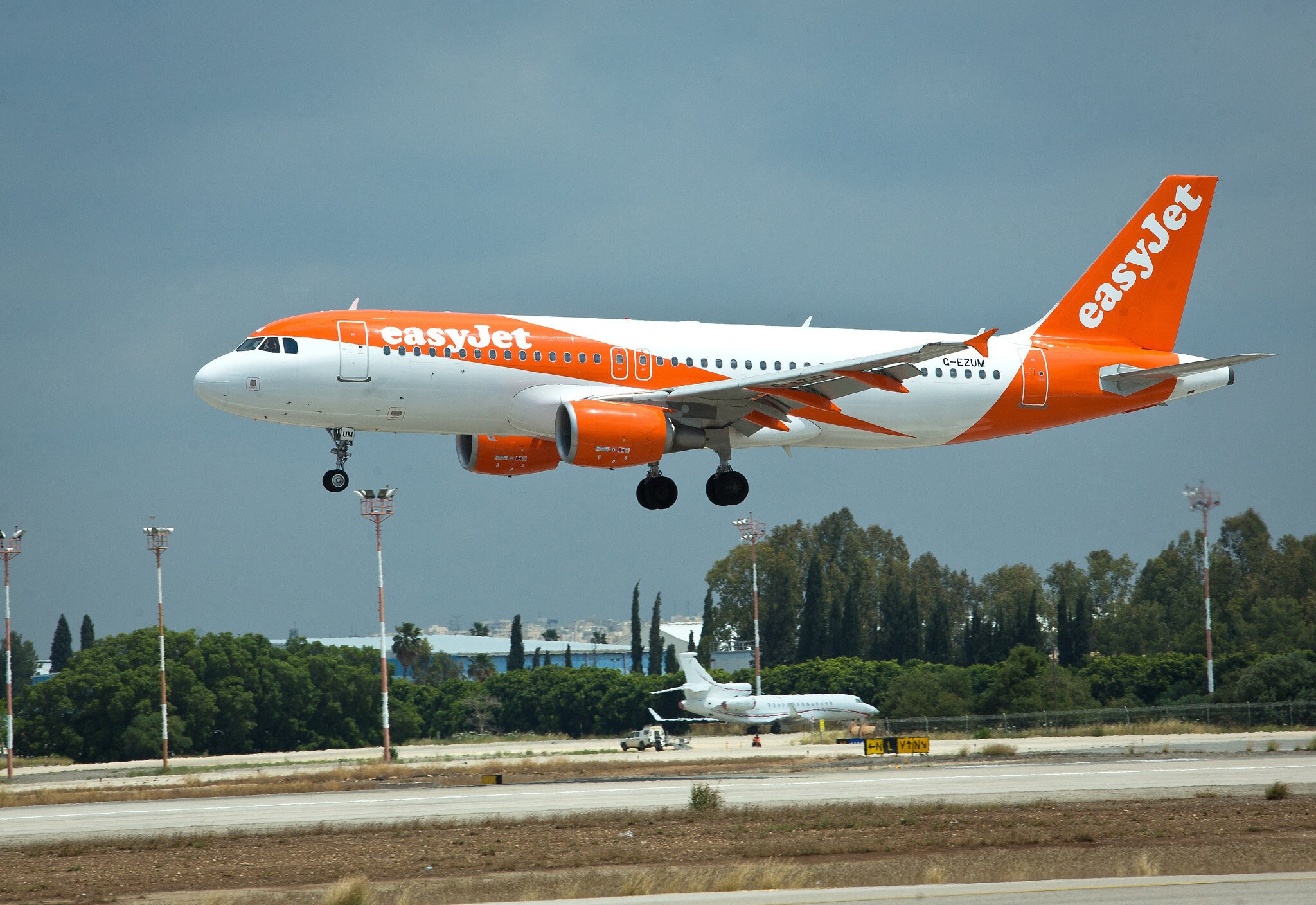
On Tuesday, British low-cost carrier easyJet said it will stay away from Ben-Gurion Airport until the fall, while other carriers have voided the route for the coming weeks. It’s unclear when they will return, if at all.
Local carriers, which are the only airlines reliably flying in and out of Israel into the near future, are taking advantage of the cloudy horizon for air travel by charging customers exorbitant sums. That includes flagship carrier El Al, which has been repeatedly accused of price gouging during wartime since October 7, 2023.
“Every day that we are at war means another foreign carrier is going to delay its return until it’s quiet in the skies over Israel,” Mark Feldman, CEO of Ziontours Jerusalem, told The Times of Israel.
Feldman said carriers who have abandoned Ben Gurion Airport would seek to return when they could, but are dealing with the same uncertainty as everyone else over how much longer the war will last.
“Most foreign carriers want to come back and fly to Israel as they don’t want to lose all of their revenue, since they have already booked and sold tickets,” he said. “But we don’t know if the war is going to last three days or another three weeks.”
Yet even if there were to be a ceasefire with Iran and quiet on the northern front with Hezbollah, many foreign carriers are likely to “step into the water cautiously,” with a return of limited flight services, Feldman cautioned.
Just over two weeks before the beginning of the Passover break, visitors who are already booked to travel to and from Israel are, for now, left in limbo.
“We have many customers booked for Passover, and they are worried and scared about whether they will be able to come,” said Feldman. “They have already bought flights, booked their hotel or Airbnb, and they are aware that if they cancel now, they are going to have to face huge cancellation fees.”
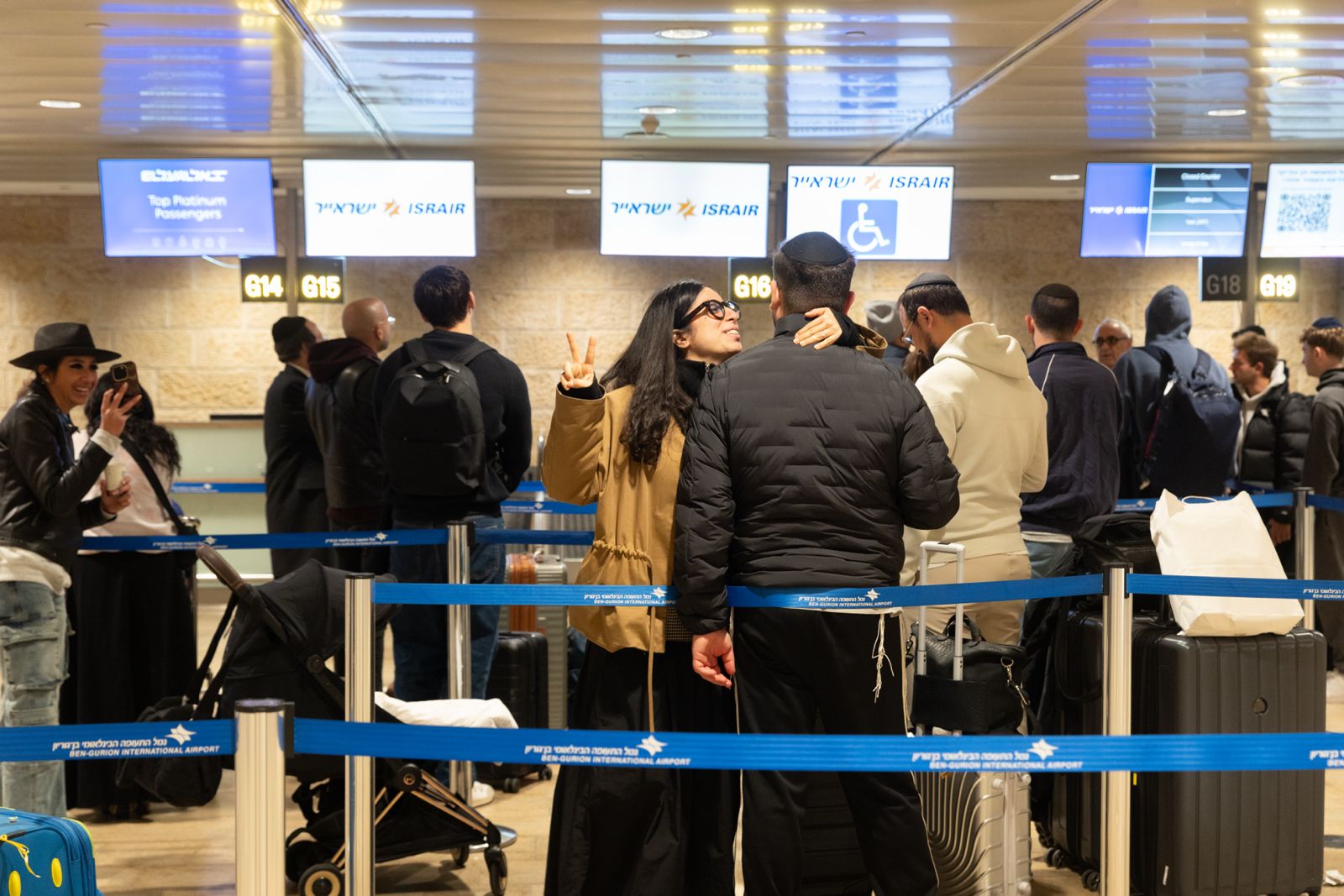
Israel’s airspace has been shut to most commercial traffic since February 28, when joint attacks with the US on Iran began. In recent days, the airport has gradually reopened, but only for inbound flights operated by Israeli airlines El Al, Arkia, Israir, and Air Haifa to repatriate some of the 100,000 Israelis stuck abroad. El Al sold seats to the general public on its repatriation flights at a fixed price, though those have since sold out.

The country’s main gateway has also partially reopened for a restricted service of outbound flights, but only by local carriers with no more than 100 passengers per flight.
With no easy way out of the country, Israelis looking for R&R, or at least respite from the missile attacks and air raid sirens that have become a daily reality in the center and north, are planning vacations closer to home.
“Over the past few days, we have been seeing a daily increase in bookings for vacations at hotels across Israel,” said Eshet Tours VP Shirley Cohen-Orkaby. “At a time when traveling abroad is not possible and the education system is closed, with studies already taking place remotely, Israelis prefer to get away on a short vacation in Eilat, the Dead Sea, and also in Jerusalem — areas where the number of sirens is significantly lower than in other parts of the country.”
The majority of European and US carriers have suspended Tel Aviv services through March and into April, though the cancellations could be extended if the war drags on.
Citing the military situation in the Middle East, Air Canada has suspended all flights to and from Tel Aviv through May 2. American Airlines has pushed back the resumption of flights to and from the country to April 23, while Delta has cancelled through March 23, and United Airlines through March 21.
The Lufthansa group — which includes Lufthansa, SWISS, Austrian Airlines, Brussels Airlines, and Eurowings — and ITA Airways have canceled all services to and from Ben Gurion through April 2.
Other European airlines, such as British Airways, have extended suspensions until the end of March and French carrier Air France said the earliest it could return is March 16.
Easyjet, which has repeatedly postponed a resumption of flight services since the last war with Iran in June, had been scheduled to start flying to and from London Luton, Amsterdam, and Milan Malpensa on March 29.
But on Tuesday, the low-cost carrier said it was extending the cancellation until October.
Rival Wizz Air, based in Hungary, has also postponed a resumption of flight services to at least March 29. The budget carrier had been poised to set up an operational aviation hub in Israel as early as April, boosting competition and bringing down sky-high fares for travelers.
El Al has canceled all regular scheduled flights through March 21. It and other local carriers are charging higher prices than other airlines, banking that consumers will be willing to pay a premium to book a flight that is less likely to get canceled.
“We have seen a 15% increase in ticket prices for the spring and summer to almost all destinations, relative to just 10 days ago,” said Feldman.
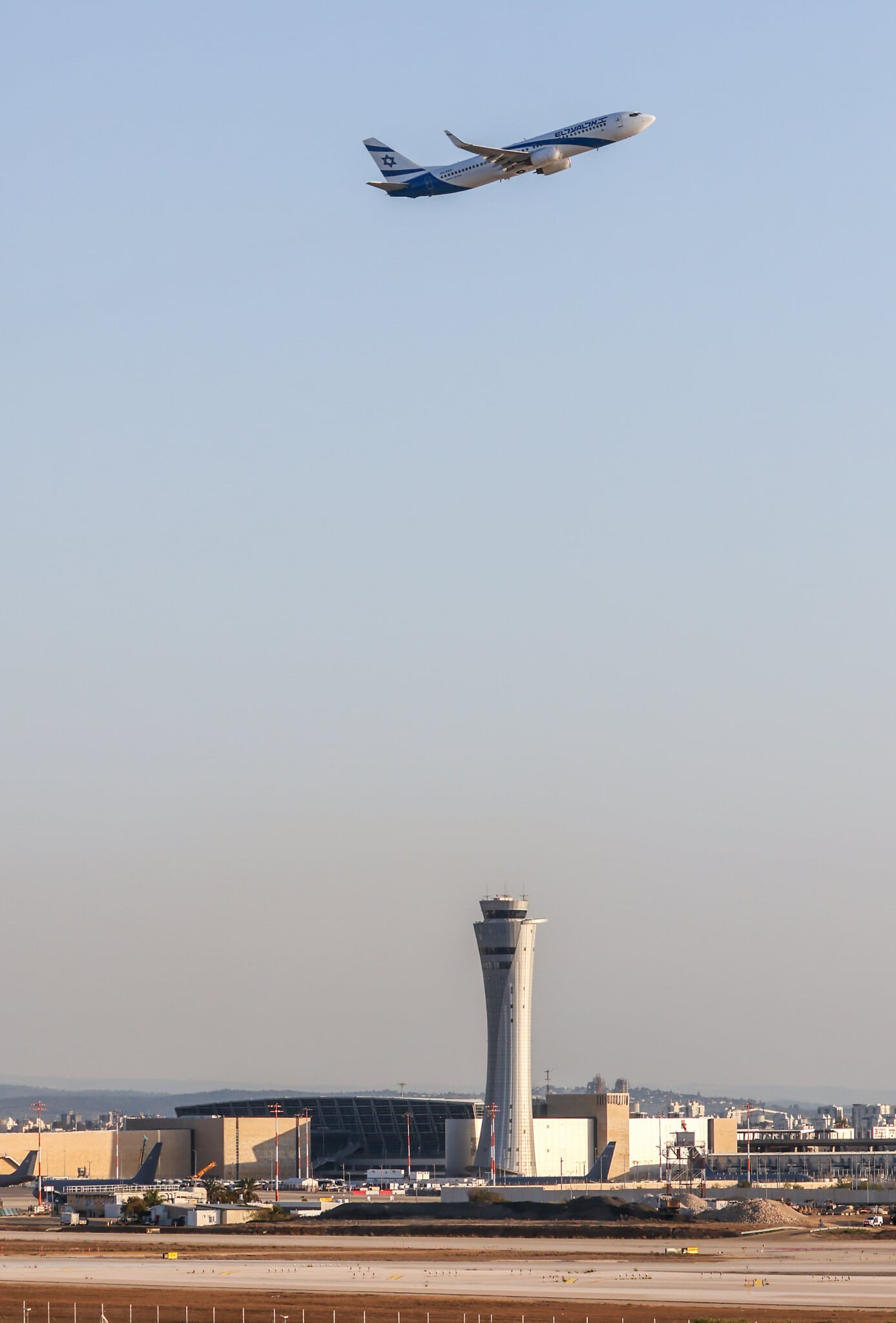
El Al is already facing an NIS 121 million ($39 million) fine after Israel’s competition watchdog last month alleged that the airline exploited its monopolistic power and charged “excessive and unfair” fares during the two-year war with Hamas in Gaza.
Over the course of the war, foreign airlines repeatedly halted flight services to and from Israel due to heightened regional tensions, leaving travelers largely dependent on Israeli carriers.
A limited number of flights allowed El Al to raise airfares by 16% on average, a situation that seems poised to repeat.
“Most bookings we are getting are almost exclusively on El Al, which reinforces, once more, why El Al will have a dominant position, and reap the benefits from a near monopoly on its routes,” said Feldman.
Round-trip tickets for flights to New York in the last week of May currently sell for $1,990 with El Al and for $1,700 with United Airlines, said Feldman. Flights to and from New York operated by the smaller Israeli carrier Arkia for the same period are selling between $1,550 and $2,448, depending on the dates, and in the summer prices start around $1,800.
“People booking their holidays abroad are prepared to pay more and book with El Al because they want to know that they will be able to fly,” said Feldman. “This is a short-term gain for El Al, as once there is peace and a few months have gone by with quiet, foreign carriers’ market share will go up again.”


