WASHINGTON, D.C.- The Federal Aviation Administration (FAA) has ordered inspections and fixes for faulty transponders on Boeing 787 Dreamliners, a move expected to cost U.S. airlines nearly $8 million.
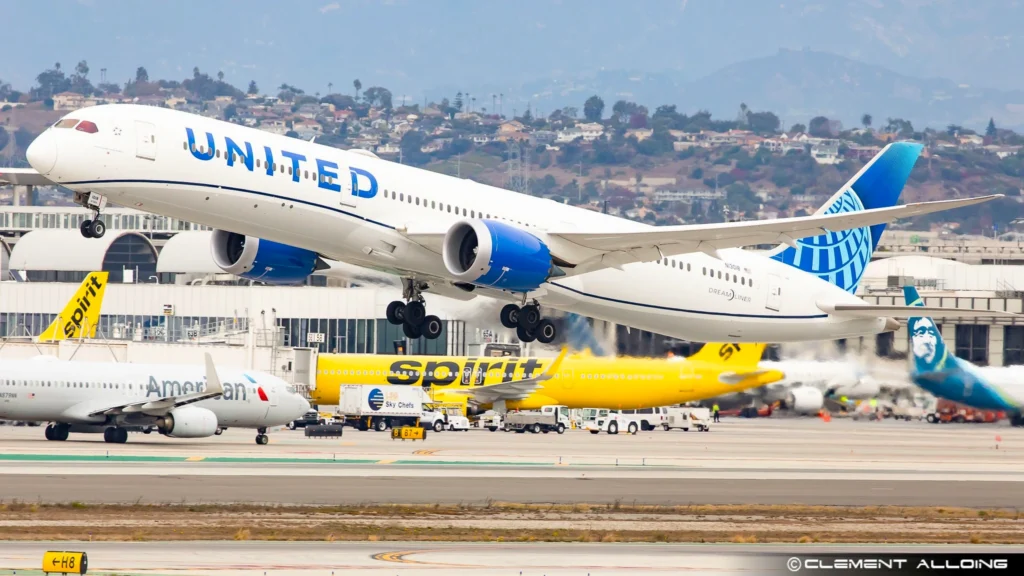
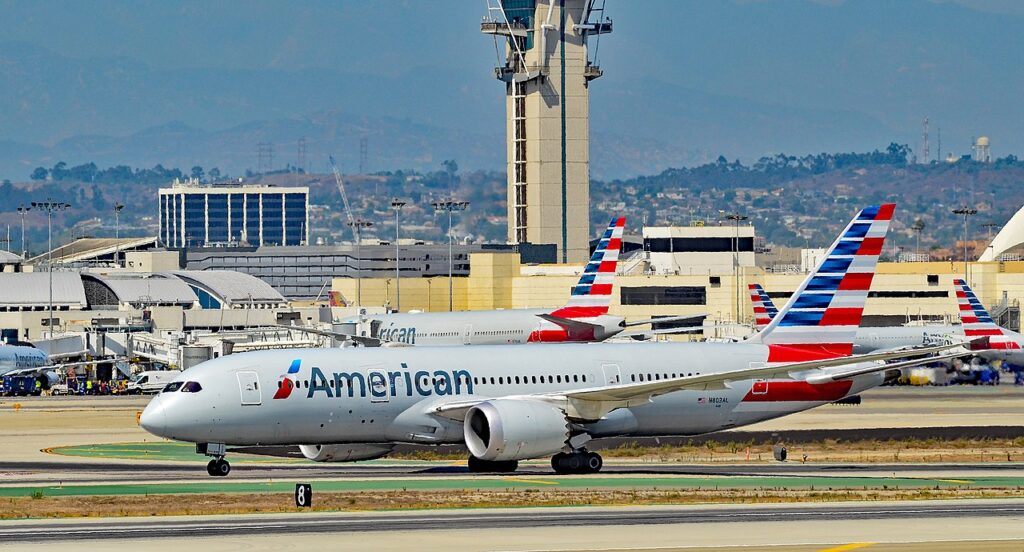
The issue affects aircraft operated by carriers including United Airlines (UA), American Airlines (AA), and Alaska Airlines (AS), operating from major hubs such as Chicago O’Hare International Airport (ORD) and Los Angeles International Airport (LAX), where reliable radar communication is critical for safe operations.
FAA Mandates Fix After 787 Transponder Interference
The FAA issued an Airworthiness Directive after discovering that certain Boeing 787 transponders can fail when exposed to continuous-wave radio interference. This type of interference includes Morse code signals, military transmitters, and amateur ham radio transmissions.
When affected aircraft encounter these signals, the Mode S transponder may fail to respond to radar interrogations. Air traffic control systems depend on these responses to track aircraft positions accurately.
If the transponder does not reply, controllers may temporarily lose visibility of the aircraft on their radar displays. In addition, the onboard Traffic Collision Avoidance System (TCAS) may not generate alerts correctly, reducing a critical safety safeguard designed to prevent mid-air collisions.
FAA testing showed the malfunctioning transponder failed to respond to nearly 90 percent of radar interrogation attempts in environments with continuous-wave interference. This prompted regulators to require a corrective solution.
According to PYOK, the directive follows several reported incidents where aircraft entering certain airspace experienced unexpected transponder signal loss.
Airlines and Manufacturers Respond to the Directive
The FAA circulated the proposed directive to industry stakeholders before finalizing the rule.
Boeing supported the directive and raised no objections to the required fix. The Air Line Pilots Association also backed the measure, emphasizing the importance of maintaining reliable surveillance and collision avoidance systems.
Some airlines expressed operational concerns. Kenya Airways requested that the compliance deadline be delayed until investigators fully identify the root cause of the interference.
United Airlines (UA) and KLM Royal Dutch Airlines also raised concerns regarding the availability of replacement components from the transponder manufacturer, Collins Aerospace.
Another industry comment suggested accelerating the compliance timeline due to speculation that the interference could be linked to 5G cellular networks. The FAA rejected that claim, confirming the issue is unrelated to 5G signals.
Estimated $7.95 Million Cost for U.S. Airlines
The FAA estimates the directive will cost U.S. operators approximately $7.95 million to implement.
The directive applies globally to Boeing 787 aircraft equipped with the affected transponder model. However, the FAA’s financial assessment only covers aircraft registered in the United States.
Airlines have up to four years to complete the required inspections and modifications.
Separate FAA Proposal Targets Structural Inspection Issues
Alongside the transponder directive, the FAA has proposed another airworthiness rule involving structural inspections on certain Boeing 787 aircraft.
The proposed directive addresses potential fatigue cracks caused by manufacturing discrepancies known as shim gaps. These gaps occur between major structural components of the aircraft’s fuselage and wing assemblies.
Boeing’s internal investigation found that some aircraft may have experienced excessive preload forces during assembly. When shim gaps exceed engineering limits, stress around fastener holes can lead to fatigue cracking over time.
The affected components include lower side-of-body splice plates, which connect fuselage sections to wing structures.
If cracks develop in these areas, the structural integrity of the wing assembly could gradually weaken and potentially fail to sustain required load limits.
Boeing and FAA Safety Measures
Boeing issued an Alert Bulletin in August 2025 instructing operators to inspect specific structural areas on certain 787 aircraft. These inspections cover splice plates, spar terminal fittings, structural chords, and jack pads.
The FAA now plans to make those inspections mandatory through a formal rule.
The proposed directive applies to 17 U.S.-registered Boeing 787 aircraft, primarily based on their manufacturing timeline.
The regulator has opened a 45-day public comment period before finalizing the rule.
Boeing maintains that the Dreamliner fleet remains safe for normal operations. The company says it has already identified the root cause of the manufacturing issue and implemented corrections in its production process.
Full-scale fatigue testing involving approximately 165,000 simulated flights showed no evidence of structural fatigue in the aircraft’s composite structure.
How Shim Gaps Occur During Aircraft Assembly
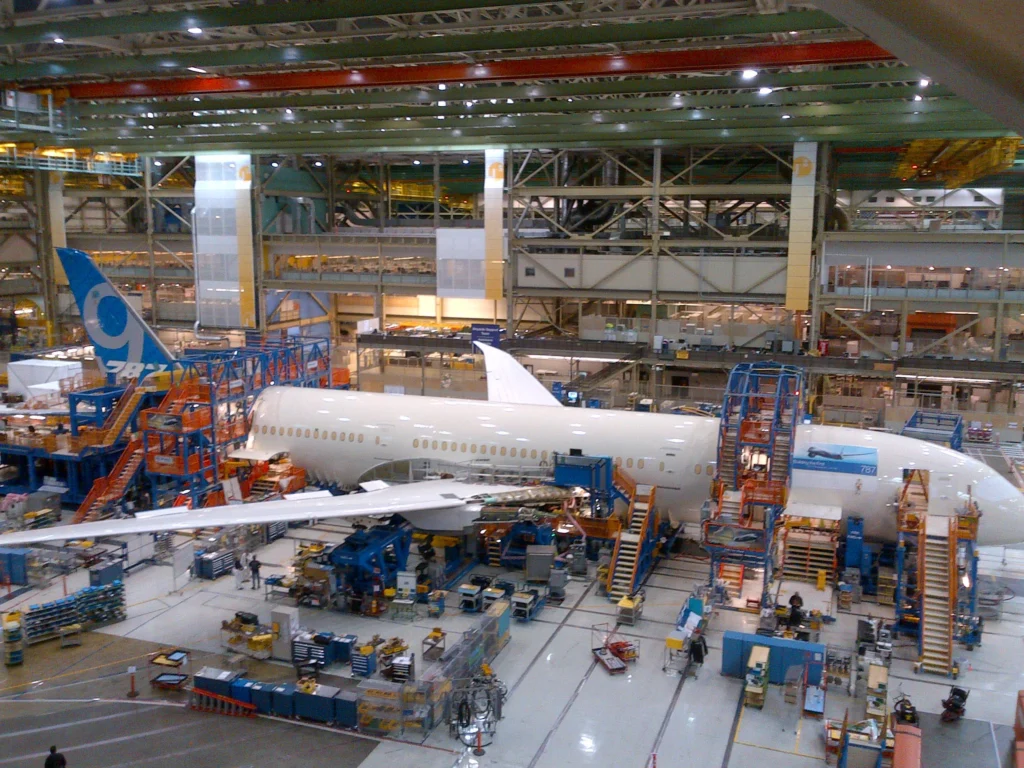
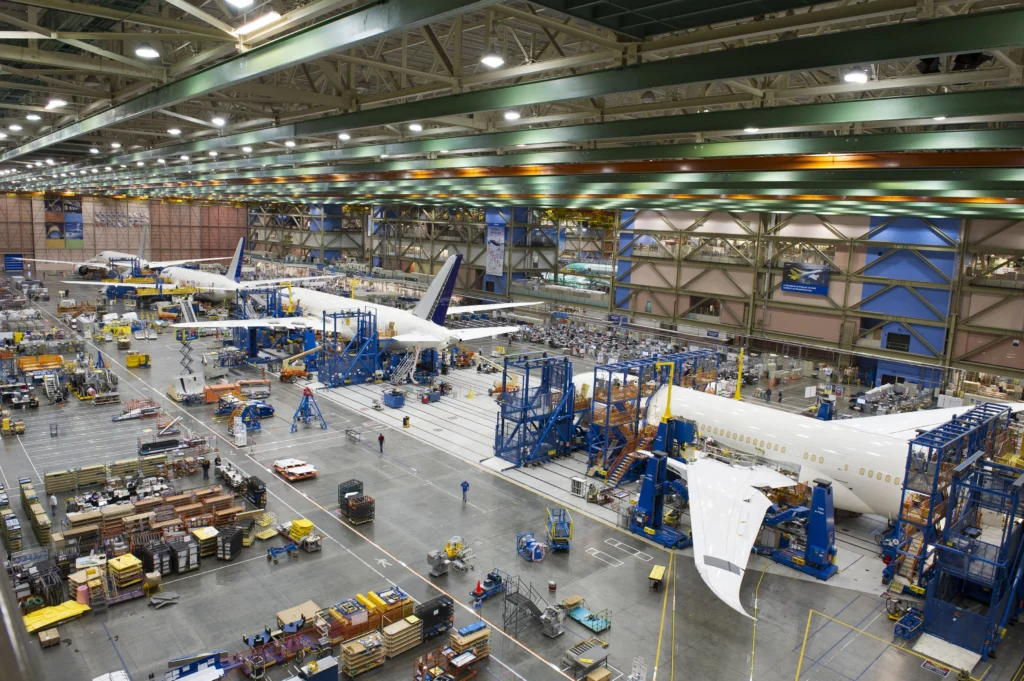
During Boeing 787 production, workers join large composite fuselage sections using a process that relies on precise alignment.
Technicians first apply a fit-up force to bring the sections together. If small gaps remain, workers insert shims to fill those spaces.
After shimming, additional pull-up force aligns the sections for final assembly. Splice straps and fasteners then permanently secure the structure.
If shim gaps exceed engineering limits, excessive force may concentrate around fastener holes. Over time, this stress can initiate fatigue cracks.
The FAA believes existing structural inspection programs may not reliably detect these cracks early enough, which is why additional inspections are being considered.
Stay tuned with us. Further, follow us on social media for the latest updates.
Join us on Telegram Group for the Latest Aviation Updates. Subsequently, follow us on Google News


