Published on
March 20, 2026

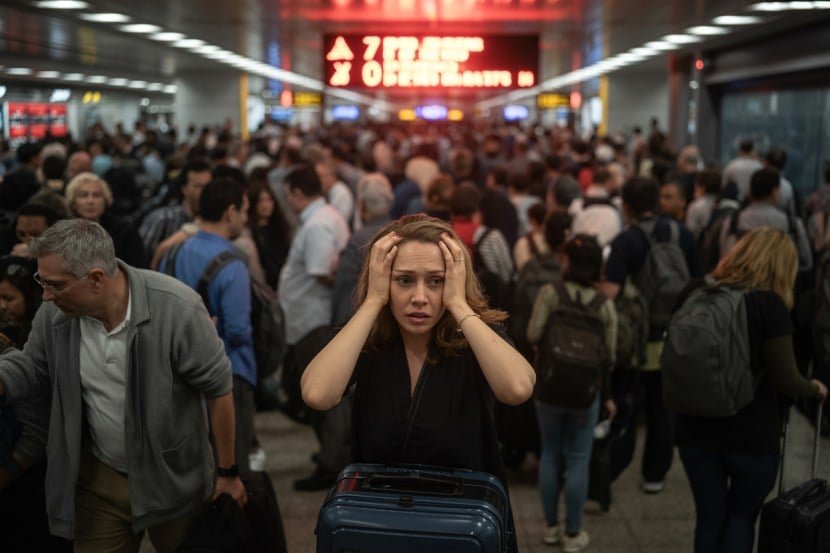
Image generated with Ai
Thousands of passengers stranded across Asia today as widespread aviation disruption was recorded across Thailand, Japan, Singapore, India, Malaysia, UAE, and Qatar, with a combined 2,186 delays and 134 cancellations reported.
The affected airports include Indira Gandhi International Airport (565 delays, 7 cancellations) in Delhi, Chhatrapati Shivaji Maharaj International Airport (250 delays, 8 cancellations) in Mumbai, Tokyo Haneda Airport (249 delays, 3 cancellations) in Tokyo, Suvarnabhumi Airport (253 delays, 3 cancellations) in Bangkok, Kuala Lumpur International Airport (372 delays, 4 cancellations) in Kuala Lumpur, Singapore Changi Airport (152 delays, 3 cancellations) in Singapore, Hamad International Airport (55 delays, 27 cancellations) in Doha, Dubai International Airport (71 delays, 56 cancellations) in Dubai, Abu Dhabi International Airport (44 delays, 13 cancellations) in Abu Dhabi, Fukuoka Airport (112 delays, 6 cancellations) in Fukuoka, and Osaka Itami Airport (63 delays, 4 cancellations) in Osaka.
The most affected airlines included IndiGo (209 delays, 2 cancellations), Air India (196 delays, 1 cancellation), AirAsia (172 delays), Japan Airlines (112 delays, 1 cancellation), All Nippon Airways (79 delays, 1 cancellation), and Qatar Airways (54 delays, 13 cancellations). Other major carriers such as Singapore Airlines (35 delays), Scoot (35 delays, 1 cancellation), Thai Airways (59 delays), Malaysia Airlines (84 delays, 4 cancellations), and Emirates (47 delays, 6 cancellations) also recorded disruptions.
Cities affected include Delhi, Mumbai, Tokyo, Bangkok, Kuala Lumpur, Singapore, Doha, Dubai, Abu Dhabi, Fukuoka, and Osaka, spanning countries such as India, Japan, Thailand, Malaysia, Singapore, Qatar, United Arab Emirates.
- Updated today: 2,186 delays and 134 cancellations recorded across major Asian airports
- Delhi recorded the highest delays (565), making it the most disrupted hub
- Kuala Lumpur (372 delays) and Bangkok (253 delays) followed as high-delay centers
- Mumbai (250 delays) and Tokyo Haneda (249 delays) showed similar disruption levels
- Dubai recorded the highest cancellations (56) among all airports
- IndiGo and Air India together accounted for over 400 delays
- AirAsia led disruptions in Kuala Lumpur with 172 delays
- Japan Airlines and ANA dominated delays in Tokyo
- Qatar Airways accounted for nearly all delays in Doha
- Most airports showed delay-heavy patterns with minimal cancellations
Most Affected Asian Airports
Indira Gandhi International Airport (Delhi)
Delhi recorded the highest disruption levels, with 565 delays and 7 cancellations, largely driven by IndiGo and Air India operations.
Kuala Lumpur International Airport
Kuala Lumpur saw 372 delays and 4 cancellations, with AirAsia contributing nearly half of all delays.
Suvarnabhumi Airport (Bangkok)
Bangkok experienced 253 delays and 3 cancellations, with disruptions spread across multiple regional carriers.
Advertisement
Advertisement
Chhatrapati Shivaji Maharaj International Airport (Mumbai)
Mumbai reported 250 delays and 8 cancellations, dominated by IndiGo and Air India.
Tokyo Haneda Airport
Tokyo recorded 249 delays and 3 cancellations, with Japan Airlines and ANA accounting for the majority.
Advertisement
Advertisement
Singapore Changi Airport
Singapore saw 152 delays and 3 cancellations, with Scoot and Singapore Airlines leading disruptions.
Hamad International Airport (Doha)
Doha reported 55 delays and 27 cancellations, with Qatar Airways driving most delays.
Advertisement
Advertisement
Dubai International Airport
Dubai recorded 71 delays and 56 cancellations, the highest cancellation count among all hubs.
Airlines Most Affected by Asia Flight Cancellations and Delays
IndiGo
IndiGo reported 209 delays and 2 cancellations, making it the single largest contributor to delays, especially in Delhi and Mumbai.
Air India
Air India recorded 196 delays and 1 cancellation, with significant disruption across major Indian hubs.
AirAsia
AirAsia saw 172 delays, dominating operations at Kuala Lumpur and contributing heavily to regional congestion.
Japan Airlines
Japan Airlines logged 112 delays and 1 cancellation, primarily impacting Tokyo Haneda and domestic Japanese routes.
All Nippon Airways (ANA)
ANA recorded 79 delays and 1 cancellation, closely following Japan Airlines in Tokyo disruptions.
Qatar Airways
Qatar Airways reported 54 delays and 13 cancellations, driving the majority of disruption at Doha.
Malaysia Airlines
Malaysia Airlines saw 84 delays and 4 cancellations, contributing significantly to Kuala Lumpur disruptions.
Emirates
Emirates recorded 47 delays and 6 cancellations, impacting operations primarily through Dubai.
What Can Impacted Passengers Do?
- Check real-time flight status before heading to the airport
- Arrive early to accommodate possible delays and long queues
- Stay in contact with airlines for rebooking or schedule updates
- Keep essential items in carry-on baggage
- Monitor airport announcements and airline notifications
- Consider alternative flights or nearby airports if disruptions persist
Overview of Asia Flight Cancellations
The scale of disruption across Asia highlights significant operational pressure on major aviation hubs, particularly in Delhi, Mumbai, Tokyo, Bangkok, Kuala Lumpur, and Singapore. Airports in Delhi, Mumbai, Tokyo, and Kuala Lumpur repeatedly emerged as key disruption centers, with high delay volumes driven by major carriers such as IndiGo, Air India, AirAsia, Japan Airlines, ANA, and Malaysia Airlines.
Cities including Delhi, Mumbai, Tokyo, Bangkok, Kuala Lumpur, Singapore, Doha, Dubai, Abu Dhabi, Fukuoka, and Osaka saw widespread operational strain, with repeated delay clusters indicating network-wide congestion. In particular, Delhi, Mumbai, Tokyo, and Kuala Lumpur stood out multiple times as major bottlenecks affecting regional travel flows.
Countries impacted include India, Japan, Thailand, Malaysia, Singapore, Qatar, and the United Arab Emirates, reflecting a broad regional disruption pattern across Asia’s busiest aviation corridors. The data shows that airlines largely opted to continue operations despite delays, resulting in significantly higher delay counts compared to cancellations across all affected airports.
Source: Different airports and FlightAware



