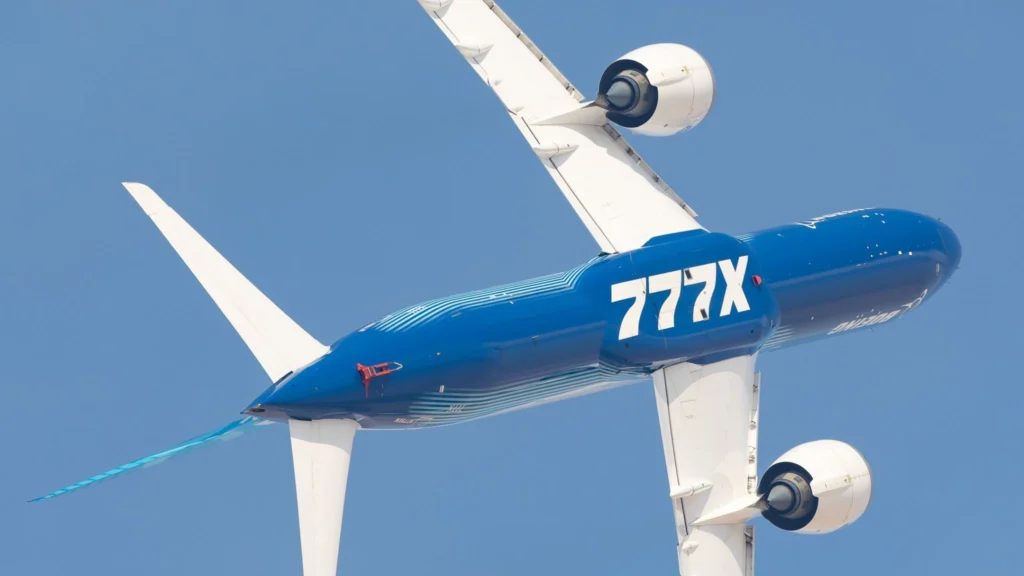
SEATTLE- The Boeing 777X program has moved closer to 777-9 certification after receiving approval from the Federal Aviation Administration (FAA) to enter the next testing phase. Lufthansa (LH) at Frankfurt Airport (FRA) is expected to be the launch customer when deliveries begin.
The aircraft’s prolonged delay has impacted major operators, including Emirates (EK) at Dubai International Airport (DXB), forcing airlines to retain older fleets and invest in upgrades while awaiting delivery, TAC reported
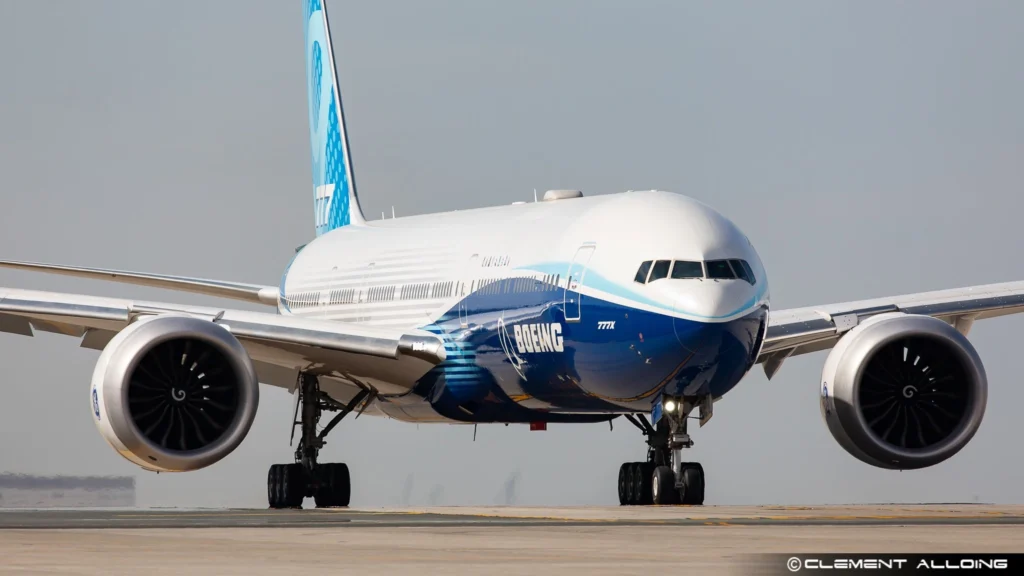
FAA Certification Progress Moves Into Critical Phase
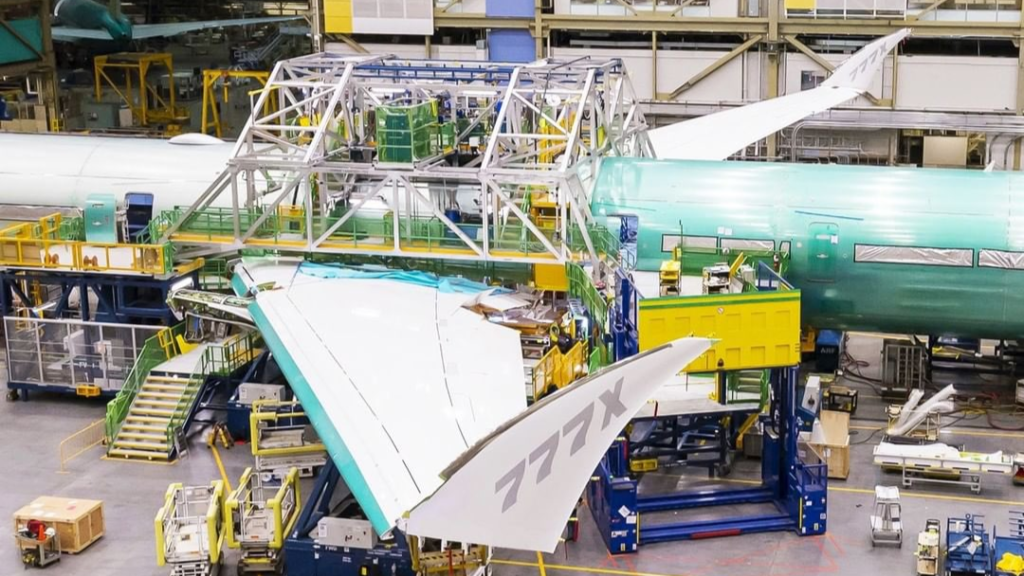
Boeing has received clearance from the Federal Aviation Administration to proceed with Phase 4A of the Type Inspection Authorization process for the 777-9. This marks the fourth stage in a five-phase certification framework required before commercial entry.
The approval follows earlier progress in Phase Three, with Boeing now conducting multiple certification phases in parallel using separate test aircraft. Although more than two dozen 777-9 aircraft have been built, only four are actively used for certification testing.
Phase Four is divided into two parts, 4A and 4B, and involves a testing workload comparable to Phase Three. This stage began in November and focuses on validating system performance, operational reliability, and compliance under varied conditions.
Despite this progress, certification remains a multi-step process. Additional tests will be required after all five phases are completed, particularly on production-standard aircraft. Boeing continues to target 2027 for entry into service, Simple Flying flagged.
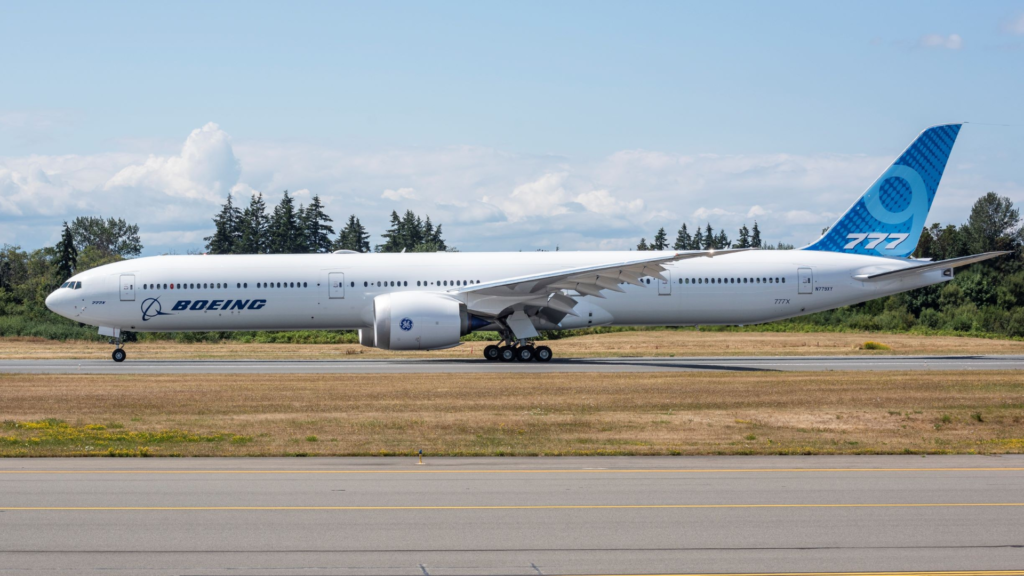
Lufthansa Positioned as Launch Customer
Lufthansa (LH) is expected to become the first airline to receive the Boeing 777-9, with deliveries projected in early 2027. The airline has ordered 20 aircraft and plans to use them as part of a broader fleet modernization strategy.
Delays in the 777-9 program forced Lufthansa to reactivate older aircraft, including Airbus A340s, Boeing 747-400s, and Airbus A380s, to meet rising travel demand. These aircraft were initially scheduled for retirement.
The 777-9 is intended to replace aging Boeing 747 fleets, offering similar passenger capacity with improved fuel efficiency due to its twin-engine design. Lufthansa plans to retire its 747-400 fleet by the end of the decade, followed by gradual phase-outs of other widebody aircraft into the early 2030s.
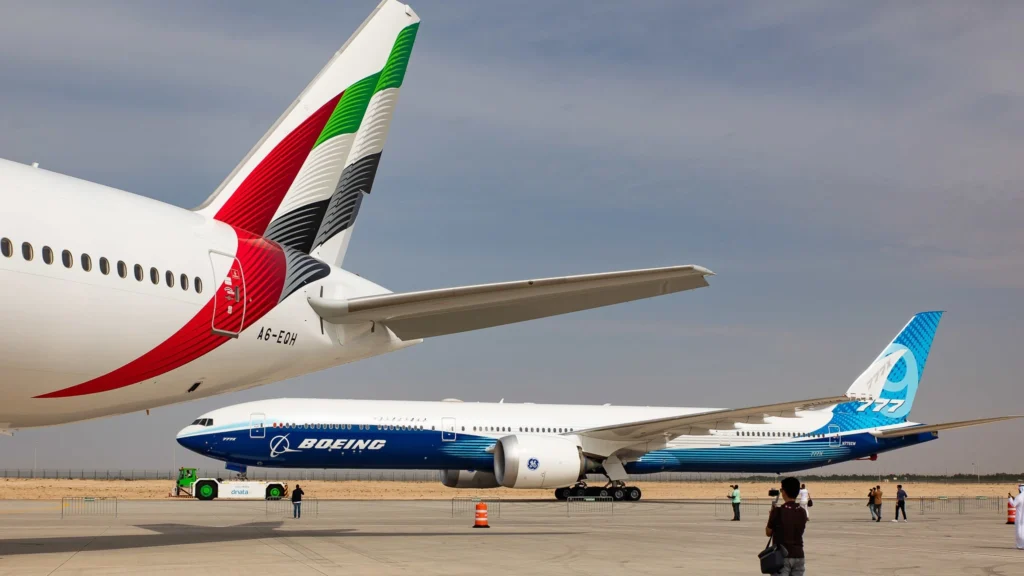
Emirates Adjusts Strategy Amid Delays
Emirates (EK), the largest customer for the 777X family, has also faced operational challenges due to delivery delays. The airline has placed orders for 270 aircraft, including both the 777-8 and 777-9 variants.
To manage capacity and maintain product standards, Emirates launched a large-scale retrofit program across its Boeing 777 and Airbus A380 fleets. The upgrades include new cabin interiors and expanded premium economy offerings.
This approach allows Emirates to remain competitive while extending the life of its existing fleet. The airline is expected to be among the early recipients of the 777-9 once deliveries begin.
Long Delays Continue to Shape Airline Fleets
The six-year delay in the Boeing 777-9 program has had significant financial and operational consequences for airlines. Carriers have been required to retain less efficient aircraft longer than planned or invest heavily in refurbishments.
The aircraft remains central to long-term fleet planning for multiple global airlines. Its combination of high capacity and improved efficiency positions it as a key replacement for older widebody jets, particularly four-engine aircraft.
While certification progress signals forward momentum, the program still faces several milestones before entering commercial service.
Stay tuned with us. Further, follow us on social media for the latest updates.
Join us on Telegram Group for the Latest Aviation Updates. Subsequently, follow us on Google News