MELBOURNE– Qantas Airways (QF) has reaffirmed that its long-standing hub-based flight model will continue alongside its upcoming ultra-long-haul operations. The airline’s international division emphasized that stopovers through key global transit points remain critical to its long-term network strategy.
Speaking in Melbourne, Qantas International CEO Cam Wallace clarified that while Project Sunrise will introduce non-stop flights to cities like New York and London, these routes will complement rather than replace existing services via hubs such as Singapore.
Qantas Long Haul Strategy
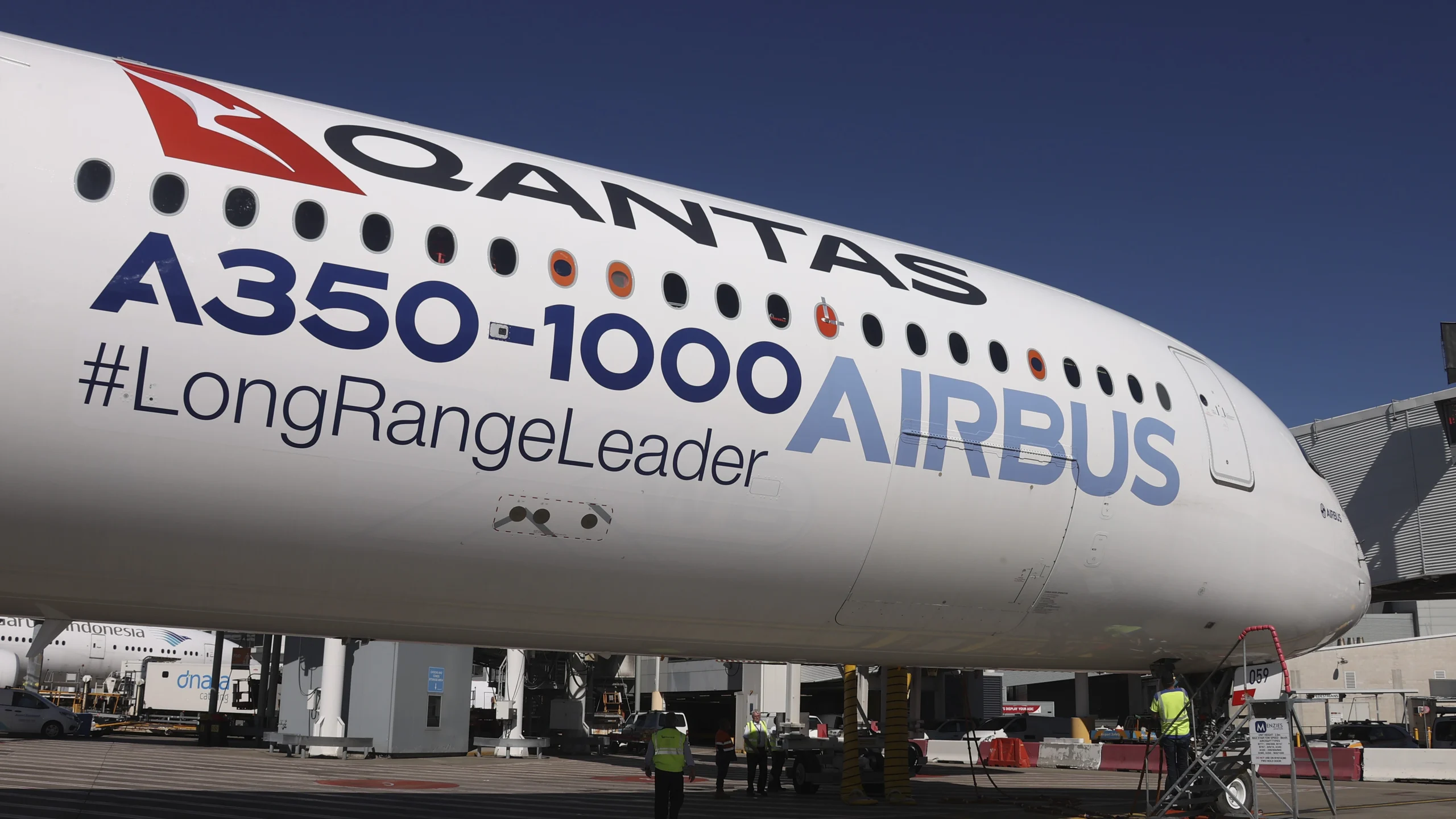
Qantas is progressing with Project Sunrise, a flagship initiative aimed at connecting Australia directly with major global cities. The program will enable non-stop flights exceeding 20 hours, marking a significant shift in long-haul travel capabilities.
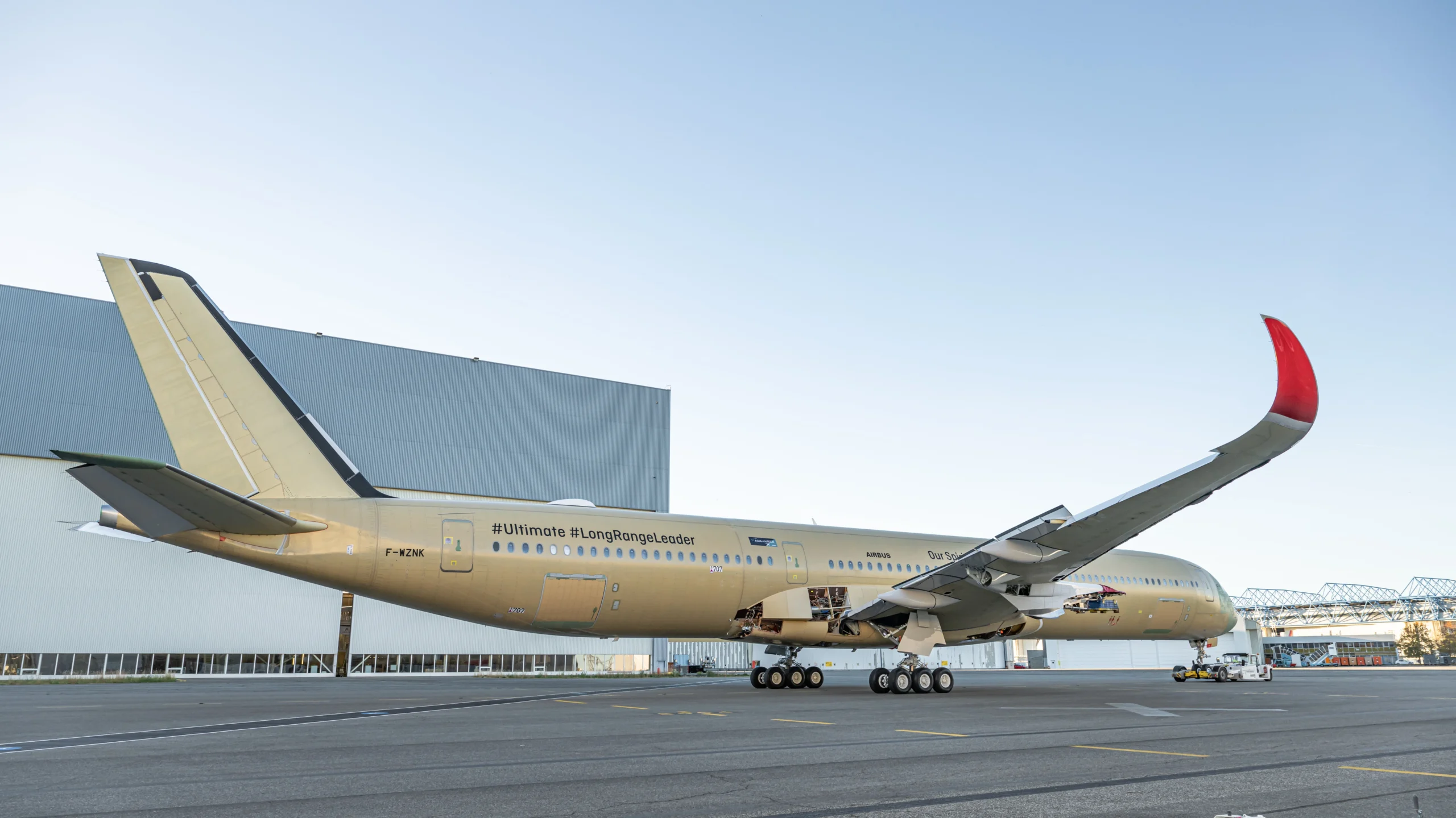
The first A350-1000ULR aircraft is currently undergoing ground testing in Toulouse, while a second aircraft is already in final assembly. These aircraft are expected to enter service by 2027, initially operating routes from Australia’s east coast.
Wallace noted that these next-generation aircraft will allow the airline to redefine long-distance travel. He explained that the aircraft will turn Australia’s geographic remoteness into a competitive advantage rather than a limitation.
Hub Strategy Continues
Despite the excitement surrounding non-stop flights, Qantas has made it clear that hub operations will remain essential. Routes via Singapore and other transit points will continue to support connectivity and network flexibility.
Wallace stated that hubs will not disappear, as they play a complementary role in the airline’s broader strategy. They allow Qantas to serve multiple destinations efficiently while maintaining frequency and capacity across key markets.
The airline believes that a hybrid model combining direct and hub-based services will deliver the best outcomes. This approach ensures it can adapt to varying passenger demand and operational requirements.
Fleet Renewal Impact
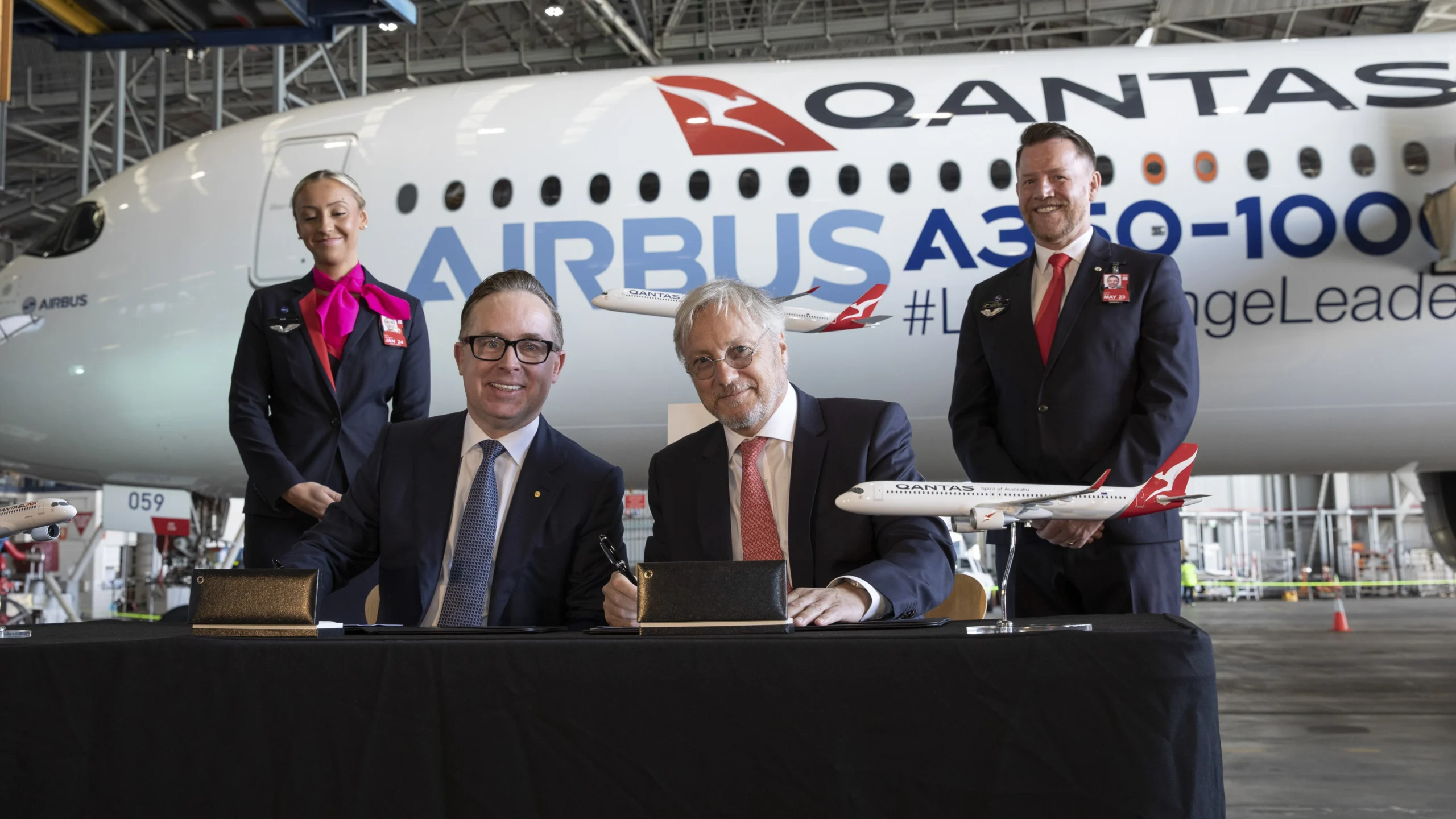
According to Australian Aviation, Qantas is currently undertaking one of the largest fleet renewal programs in its history, involving more than 200 aircraft. This transition will gradually shift the airline from a predominantly Boeing fleet to a more Airbus-focused operation.
The introduction of Boeing 787 and Airbus A350 aircraft will provide greater operational flexibility. These aircraft enable Qantas to operate more point-to-point routes while maintaining cost efficiency.
Wallace highlighted that passengers increasingly prefer direct flights, especially on routes exceeding 15 hours. He added that such services consistently rank among the airline’s top-performing routes in terms of customer satisfaction.
Initial operations of the A350-1000ULR may include short-haul flights to New Zealand for crew training. However, Qantas has not yet confirmed whether London or New York will be the first destination for its ultra-long-haul launch.
Stay tuned with us. Further, follow us on social media for the latest updates.
Join us on Telegram Group for the Latest Aviation Updates. Subsequently, follow us on Google News


