DUBAI- An Iranian drone strike near Dubai International Airport (DXB) exposed how close commercial aviation operates to active conflict zones. Emirates (EK) flights continued despite rising missile and drone activity across the region.
The incident highlights growing safety concerns as airlines, including Emirates (EK), Etihad Airways (EY), and Flydubai (FZ), maintain operations through high-risk airspace. Nearby hubs like Abu Dhabi (AUH) and Sharjah (SHJ) remain active despite repeated alerts, WSJ exclusively reported.
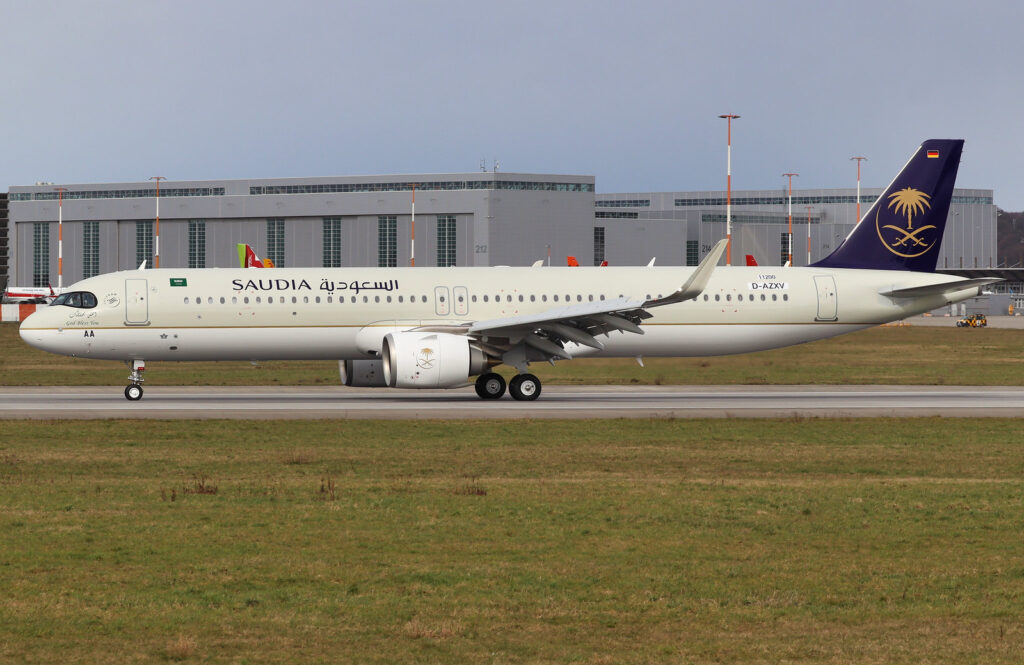
Emirates A380, Saudia A321 Damaged
A drone strike on March 16, 2026, hit a fuel tank near Dubai International Airport just minutes after an Emirates flight departed for Beijing. The explosion forced aircraft on approach to divert, while several others had already taken off within a short window before the attack.
Flight data analysis shows how narrow the margins have become. At least 39 flights at Dubai operated within five minutes of official warnings about incoming threats. When expanded to a 10-minute window, that number rises sharply across Dubai, Abu Dhabi, and Sharjah airports.
This pattern reflects a broader operational reality. Airlines continue to fly through contested airspace even as missile and drone activity intensifies. Many incidents are not accompanied by official warnings, which increases uncertainty for flight crews and dispatch teams.
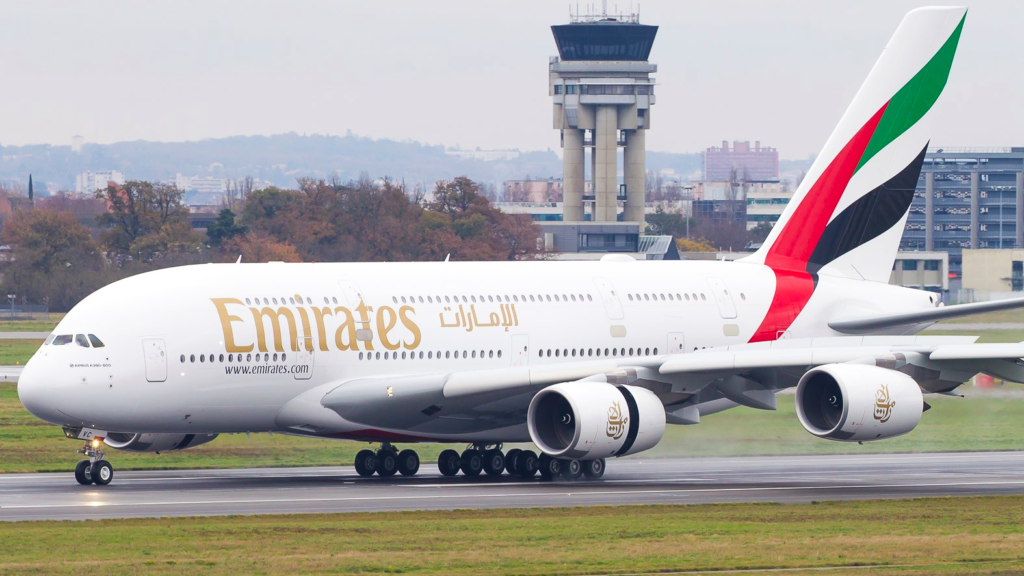
Aircraft Damage and Near-Miss Incidents
No commercial aircraft has been shot down in the current conflict. However, several planes have sustained damage on the ground.
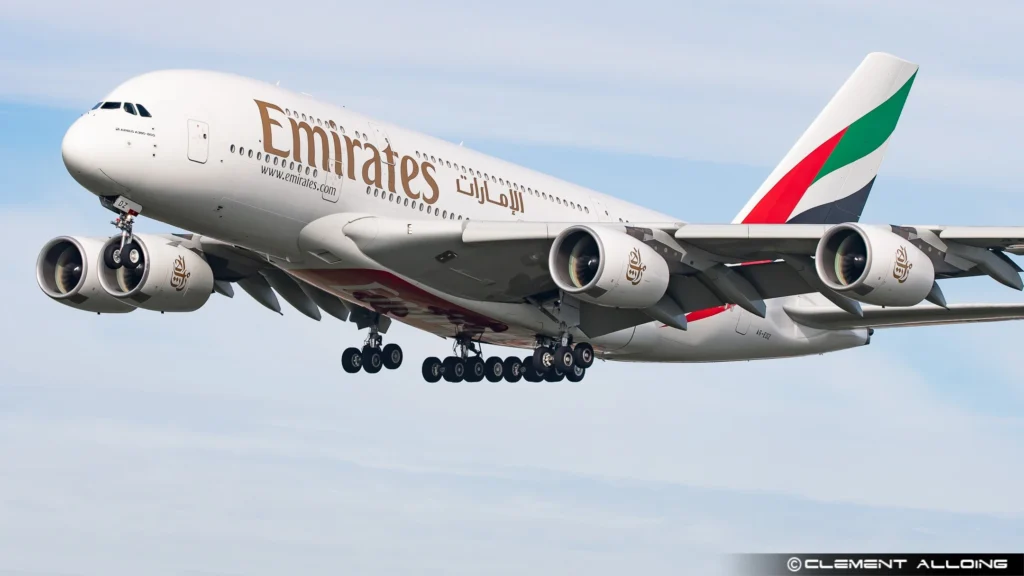
An Emirates A380 and a Saudia Airbus A321 were among the aircraft reportedly hit at Dubai International earlier in the conflict.
Additional cases include private jets damaged by missile debris near Israel’s Ben Gurion Airport. These incidents underline the unpredictable nature of aerial threats, even when aircraft are not airborne.
Limited Reaction Time and High Threat Levels
The United Arab Emirates faces extremely short response windows. Authorities have roughly two minutes to react to ballistic missiles and up to 15 minutes for incoming drones. Despite this, the country has experienced more aerial threats than any other nation in the region.
Osprey Flight Solutions classifies much of the Gulf’s active airspace as “extreme risk,” placing it on par with conflict zones like Ukraine and western Russia. This rating reflects both the frequency of attacks and the limited margin for error.
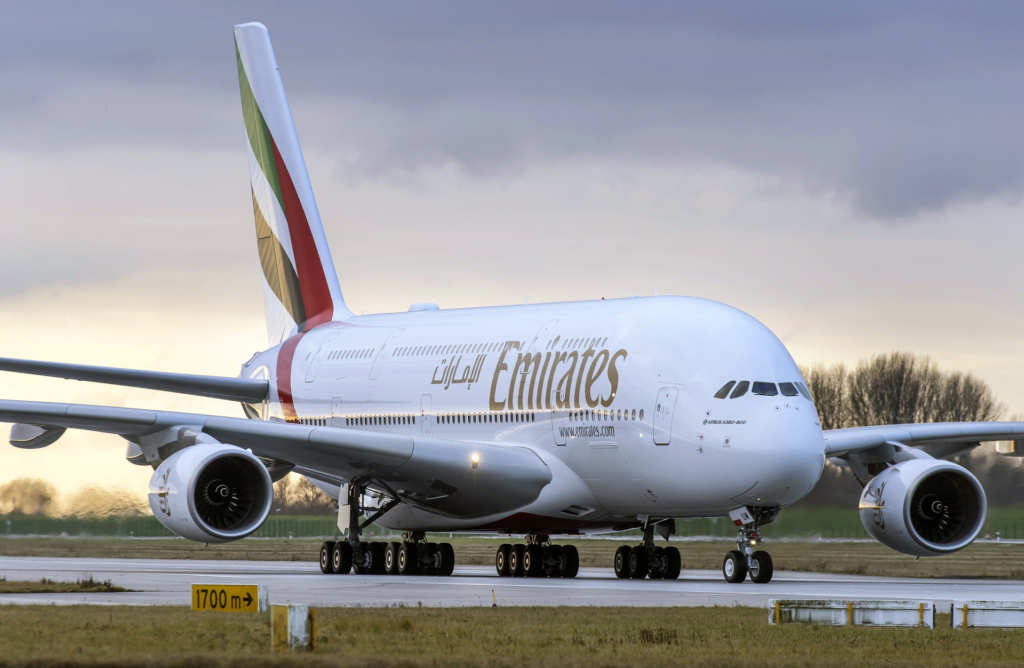
Airlines Maintain Operations Despite Risks
Airlines based in the UAE continue to scale operations. Emirates alone operates around 300 daily flights, reaching about 60% of its pre-conflict capacity. Combined activity from Etihad, Flydubai, and Air Arabia has exceeded 11,000 flights since the conflict began.
Aviation remains central to the UAE economy, with Dubai serving as a major global transit hub. Authorities have implemented specific flight corridors and rapid diversion protocols. Military assets, including fighter jets, are also used to monitor and respond to aerial threats.
Airlines state that all flights undergo safety assessments before departure. However, these decisions rely on a mix of intelligence sources, regulatory guidance, and internal risk evaluations.
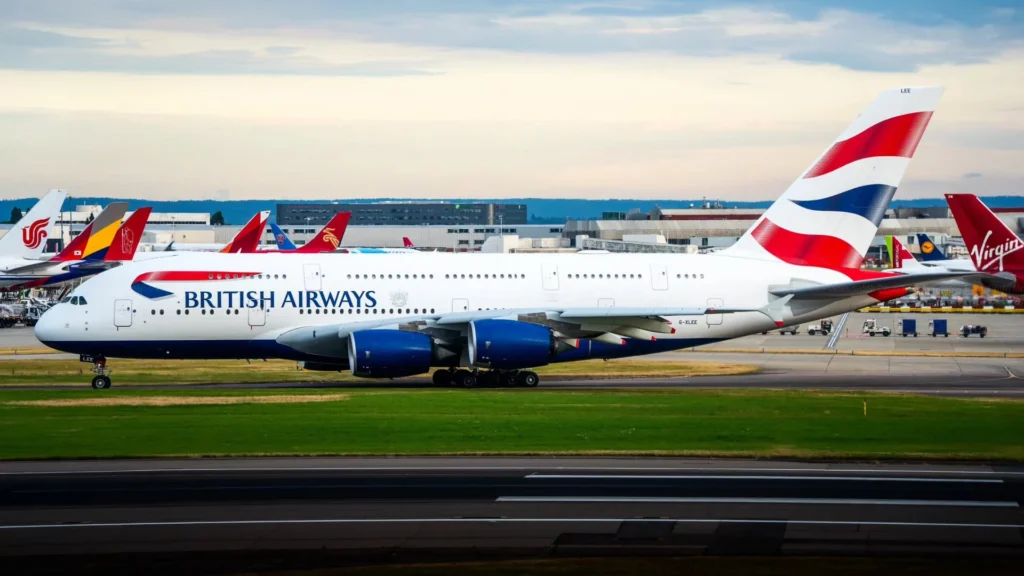
Global Airlines Pull Back From the Region
In contrast, several international carriers have suspended or reduced operations across the Middle East. Airlines such as Delta Air Lines (DL), British Airways (BA), and Cathay Pacific (CX) have extended cancellations due to safety concerns.
There is no unified global standard defining safe operations in conflict zones. Each airline makes independent decisions based on risk tolerance, financial impact, and available intelligence.
Pilots and aviation groups are increasingly vocal about safety risks. Some crew members have invoked contractual clauses allowing them to refuse assignments in high-risk areas. Others have opted out through informal means.
Industry representatives warn that the likelihood of misidentification or accidental targeting increases as more flights operate in contested airspace. Past incidents, including the 2020 downing of Ukraine International Airlines Flight PS752, continue to shape these concerns.
Regulatory Gaps and Industry Challenges
Despite repeated incidents, international aviation bodies have not established binding rules for flights over conflict zones. Safety standards exist for aircraft design, but not for operational risk in war-affected airspace.
Airlines must weigh operational continuity against the potential cost of a catastrophic event. This includes financial liability, reputational damage, and loss of passenger confidence.
Stay tuned with us. Further, follow us on social media for the latest updates.
Join us on Telegram Group for the Latest Aviation Updates. Subsequently, follow us on Google News


