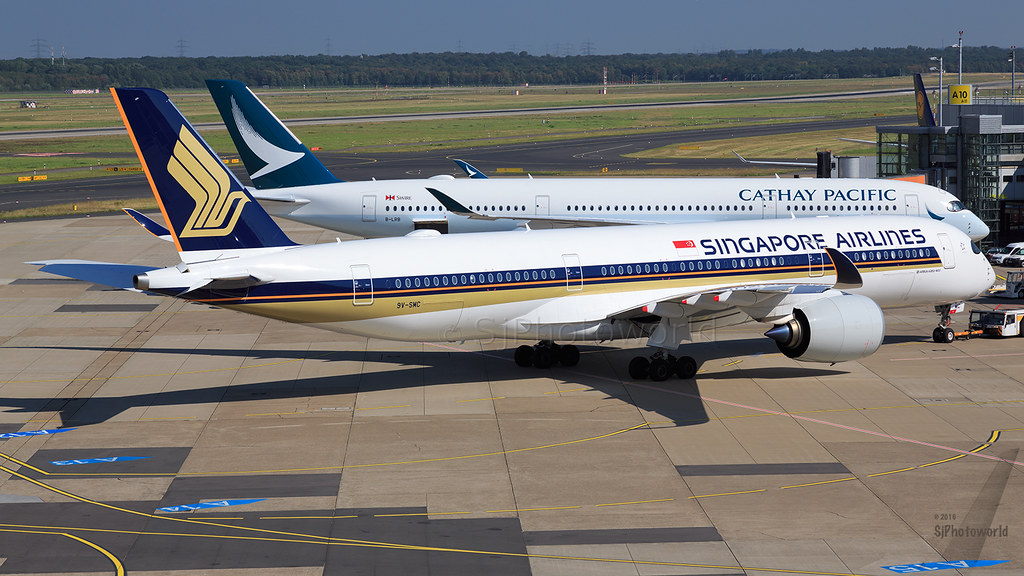
SINGAPORE— Cathay Pacific (CX) and Singapore Airlines (SQ) are expanding Europe-bound operations as ongoing disruptions linked to the Iran conflict reshape global air travel demand.
The shift follows large-scale capacity cuts by major Gulf carriers, creating new opportunities for Asian airlines to capture long-haul traffic.
The changing dynamics have affected key hubs, including Singapore Changi Airport (SIN) and Hong Kong International Airport (HKG), as airlines respond to reduced connectivity through the Middle East.
Carriers are adjusting schedules, deploying larger aircraft, and adding flights to maintain capacity on high-demand European routes.
Asian Airlines’ Europe Demand Surge
Asian airlines have recorded a noticeable increase in demand for travel to Europe, particularly to major cities such as London, Paris, and Zurich. Singapore Airlines has suspended services to Dubai while introducing additional frequencies to London Gatwick to absorb displaced passengers.
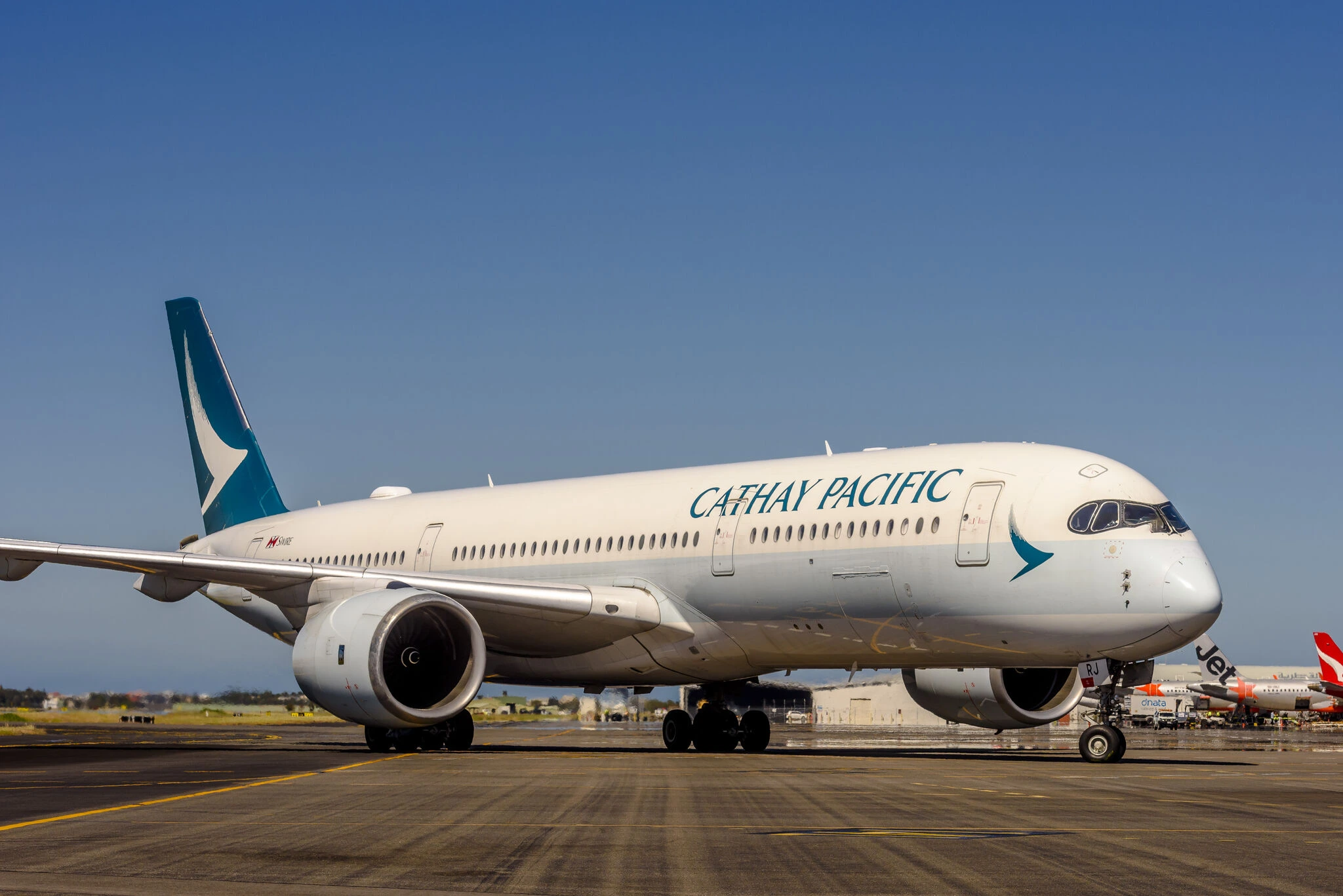
Cathay Pacific has also increased flights to London and boosted capacity to Zurich. These adjustments reflect a broader trend among global airlines seeking to offset reduced operations from Gulf-based carriers.
European airlines, including British Airways and Air France, have similarly expanded select routes. However, most capacity increases remain temporary and subject to regulatory approvals.
Middle East Disruption due to Iran Conflict
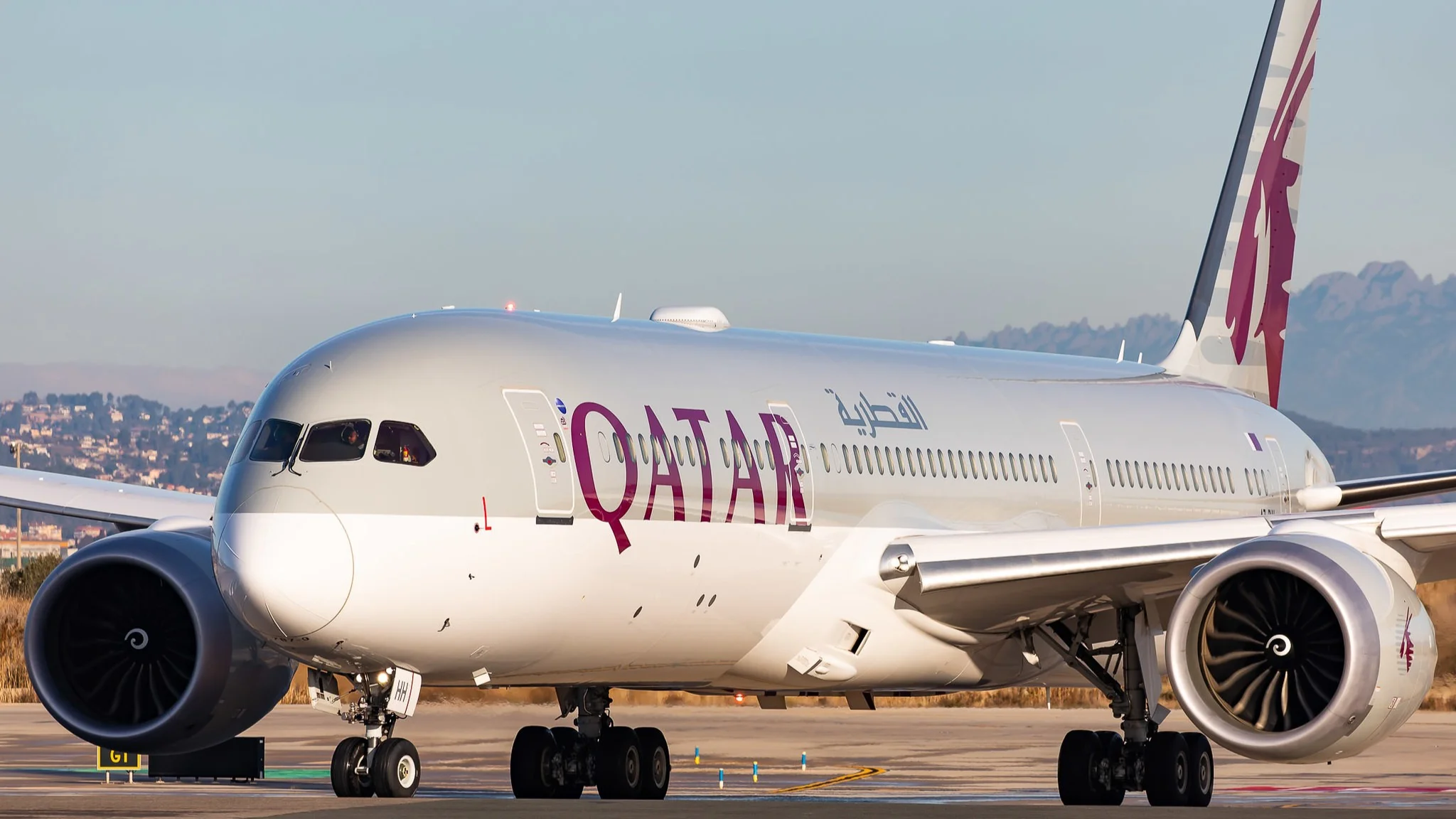
The ongoing Iran conflict has forced major Middle Eastern carriers to scale back operations significantly. Airlines such as Emirates, Qatar Airways, and Etihad Airways have canceled or reduced hundreds of flights due to airspace risks and regional instability.
This reduction has created a gap in connectivity between Asia and Europe, as Gulf hubs traditionally serve as key transit points.
As a result, passengers are increasingly booking direct or alternative routes offered by Asian and European carriers, reported Nikkei Asia.
Airlines are also rerouting flights to avoid conflict zones, which increases travel time and operational complexity. These changes continue to disrupt established global aviation networks.
Iran War is Raising Fuel Costs
Fuel prices have surged amid the conflict, adding financial pressure on airlines already adjusting to shifting demand patterns. Jet fuel costs have risen sharply, particularly in Asia, where supply chains depend heavily on Middle Eastern energy routes.
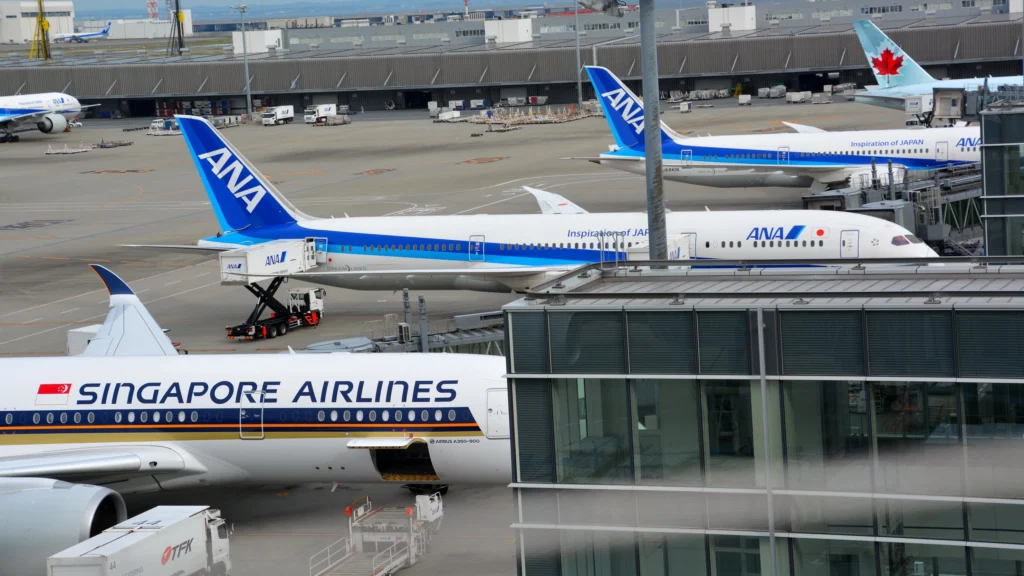
Airlines are responding by increasing ticket prices and introducing fuel surcharges to maintain profitability. Some carriers have opted to deploy larger aircraft, such as wide-body jets, instead of adding more flights.
Japan Airlines and Vietnam Airlines have both increased aircraft capacity on key European routes. This strategy allows them to accommodate more passengers while managing operational costs more efficiently.
Despite these measures, industry analysts warn that sustained high fuel prices could reduce overall air traffic. Airlines may face further challenges if the conflict continues to disrupt energy markets and travel demand.
Stay tuned with us. Further, follow us on social media for the latest updates.
Join us on Telegram Group for the Latest Aviation Updates. Subsequently, follow us on Google News