Published on
March 25, 2026

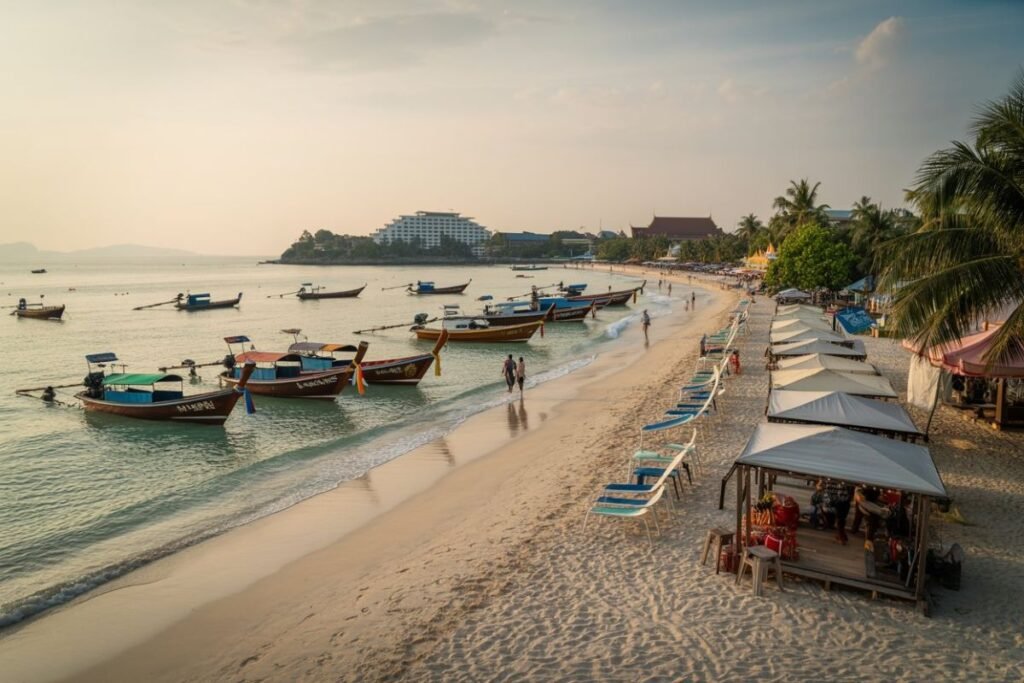
Image generated with Ai
Thailand, one of the world’s most popular travel destinations, is taking proactive steps to address a potential downturn in its tourism sector. With global uncertainties, changing travel patterns, and economic pressures affecting international movement, Thai authorities are implementing strategic measures to maintain visitor confidence and protect the country’s tourism-dependent economy. These actions are aligned with official policies and frameworks promoted by government bodies such as the Tourism Authority of Thailand (TAT) and the Ministry of Tourism and Sports.
Emerging Challenges Affecting Thailand’s Tourism
Thailand’s heavy reliance on international tourism makes it particularly sensitive to global disruptions. Recent developments show that increasing fuel prices and geopolitical tensions are significantly influencing travel decisions. Airlines operating in the region are facing higher operating costs, which are being passed on to travellers through increased airfares.
Additionally, ongoing airspace restrictions and rerouting of flights—especially between Europe and Asia—are increasing travel time and costs. These disruptions are expected to reduce demand, particularly among long-haul and budget-conscious travellers.
Energy-related challenges are also contributing to uncertainty. Thailand’s dependence on imported fuel makes it vulnerable to global price fluctuations and supply disruptions, which can directly impact travel and tourism operations.
Advertisement
Advertisement
Government-Led Crisis Monitoring and Response
To address these risks, Thailand has activated a comprehensive tourism monitoring system led by government authorities. A dedicated crisis monitoring centre has been established to track real-time developments such as flight availability, booking trends, fuel costs, and traveller sentiment.
This system enables authorities to respond quickly to emerging issues and adjust policies accordingly. By using data-driven insights, Thailand aims to identify early warning signs and minimise the impact of external disruptions on its tourism industry.
Advertisement
Advertisement
In addition, authorities are working closely with airlines, airports, and private stakeholders to ensure operational continuity. Efforts include adjusting flight schedules, improving airport capacity management, and maintaining efficient travel flows.
Strategic Shift Toward Regional Markets
Recognising the risks associated with long-haul travel markets, Thailand is increasingly focusing on nearby countries within Asia. Regional travellers are less affected by high airfare costs and flight disruptions, making them a more stable source of tourism demand.
Advertisement
Advertisement
Countries such as China, India, Malaysia, and other ASEAN nations are becoming key targets for tourism promotion. This diversification strategy is designed to reduce dependency on distant markets and strengthen resilience against global uncertainties.
Economic Importance of Tourism
Tourism plays a critical role in Thailand’s economy, contributing significantly to national income and employment. The sector supports millions of jobs and generates substantial revenue across hospitality, transportation, and service industries.
Any slowdown in tourist arrivals can therefore have widespread economic consequences. Businesses such as hotels, airlines, and tour operators are particularly vulnerable to fluctuations in demand.
Impact on Tourists
For travellers, the current situation presents both opportunities and challenges. Rising airfares and longer travel times may increase the overall cost of visiting Thailand, particularly for long-haul tourists. This could lead some travellers to delay or reconsider their trips.
However, government efforts to improve safety, communication, and travel support systems are expected to enhance the overall visitor experience. Tourists can benefit from better access to real-time information, improved infrastructure, and coordinated assistance across destinations.
Additionally, as Thailand shifts toward quality tourism, visitors may enjoy more personalised and culturally immersive experiences, with a stronger emphasis on sustainability and local engagement.
Impact on the Tourism Industry
The tourism industry is already feeling the effects of these challenges. Rising operational costs, especially for airlines and transport providers, are putting pressure on profit margins. At the same time, hotels and tour operators are preparing for possible declines in international bookings.
Fuel-related uncertainties are also affecting domestic travel. Concerns about fuel availability and rising prices may discourage both local and international tourists from travelling within the country.
Despite these challenges, the situation is also encouraging innovation. Businesses are exploring new strategies such as digital services, targeted marketing, and sustainable tourism offerings to adapt to changing market conditions.
Long-Term Outlook and Government Strategy
Thailand’s long-term tourism strategy focuses on resilience, sustainability, and diversification. Authorities are investing in systems that enhance crisis preparedness, improve communication, and strengthen coordination across sectors.
Initiatives such as promoting domestic tourism, offering incentives for travellers, and supporting airlines and tourism operators are being considered to maintain stability.
By addressing both immediate challenges and long-term risks, Thailand aims to maintain its position as one of the world’s leading travel destinations.
Conclusion
Thailand’s tourism sector is facing a complex set of challenges driven by global fuel costs, geopolitical tensions, and changing travel behaviour. However, the government’s proactive response—supported by real-time monitoring, strategic planning, and market diversification—demonstrates a strong commitment to protecting the industry.
While uncertainties remain, these measures are expected to help Thailand navigate the current situation and emerge more resilient, ensuring continued appeal for travellers worldwide.



