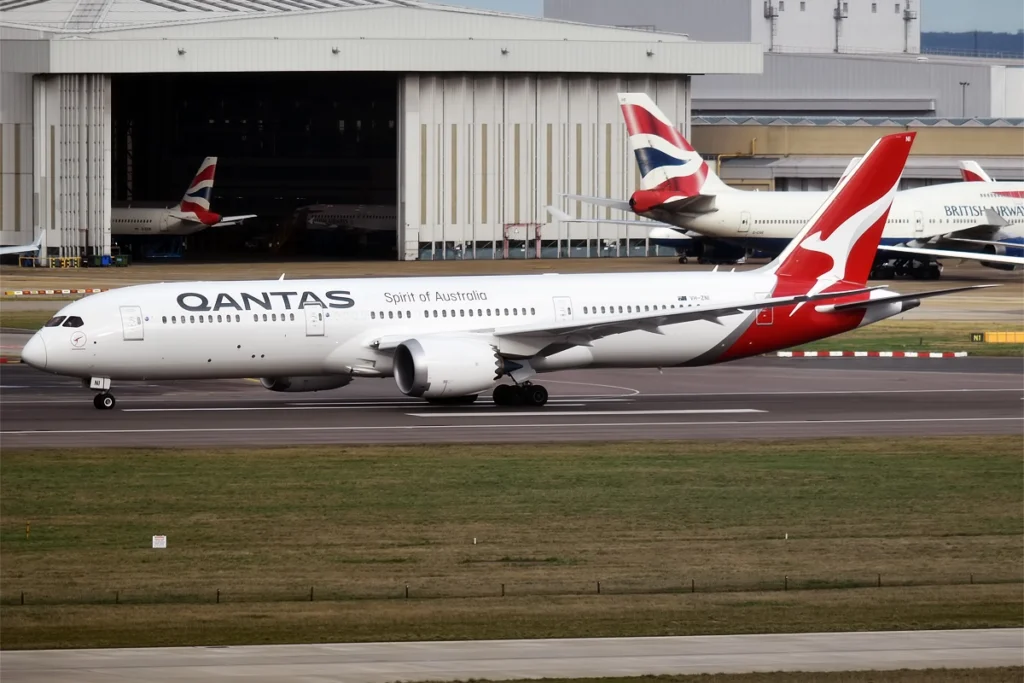
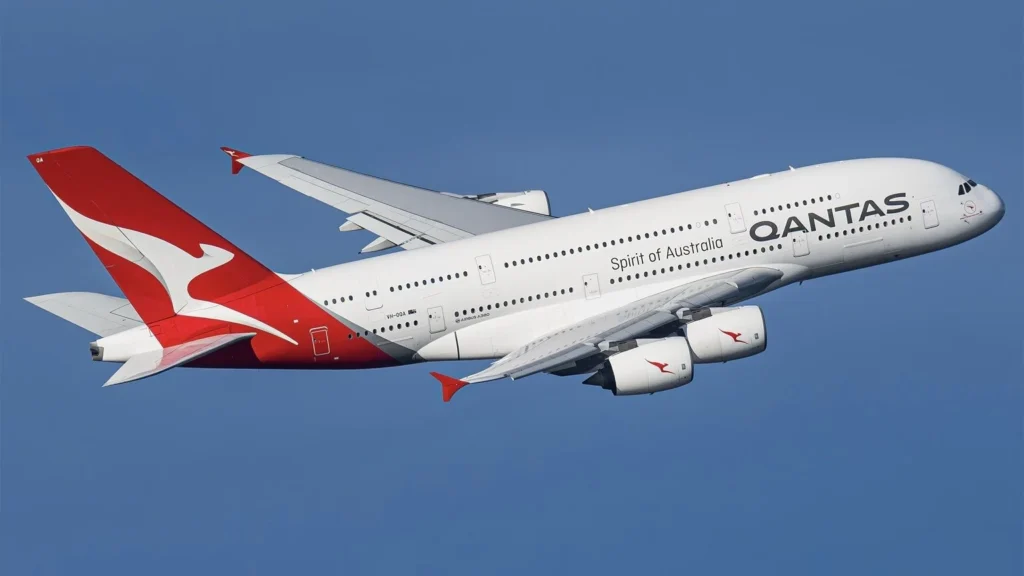
SYDNEY- A Qantas (QF) rerouting decision left an Australian family facing a $10,000 expense after refusing travel via Dubai (DXB).
The case highlights safety concerns linked to government warnings and limited airline rebooking options during disruptions.
Qantas Pays $10,000 to Avoid Dubai
An Australian family travelling from Victoria encountered a costly disruption after missing a connecting flight to Turkey. The delay, attributed to Qantas (QF), forced the airline to offer alternative travel arrangements with limited availability, the Herald Sun reported exclusively.
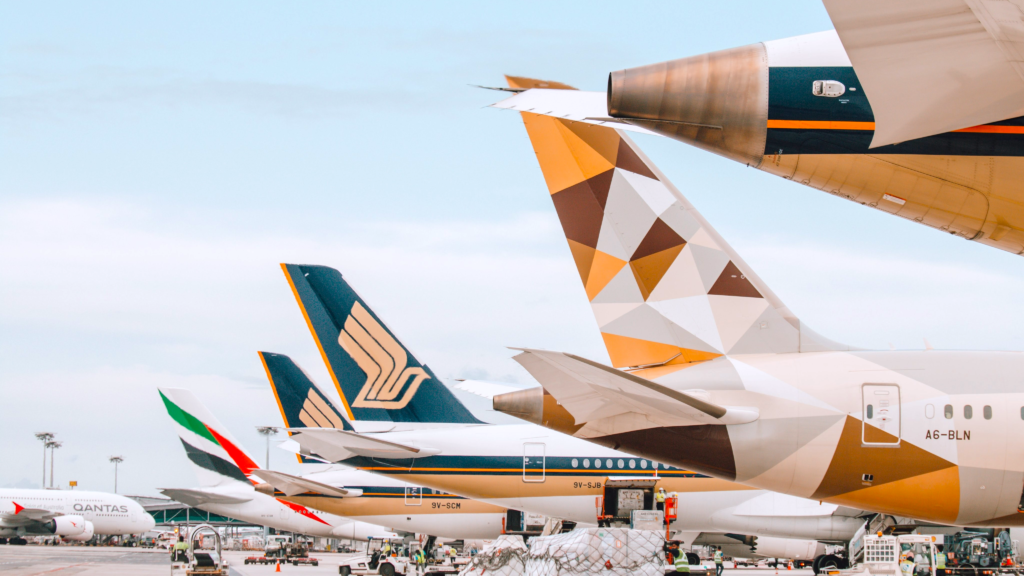
Qantas rebooked the family on an Emirates (EK) flight via Dubai (DXB), citing a lack of immediate alternatives. However, this routing conflicted with official Australian government guidance. The Smartraveller advisory had warned against travel to the United Arab Emirates (UAE) due to an escalating regional conflict involving Iran.
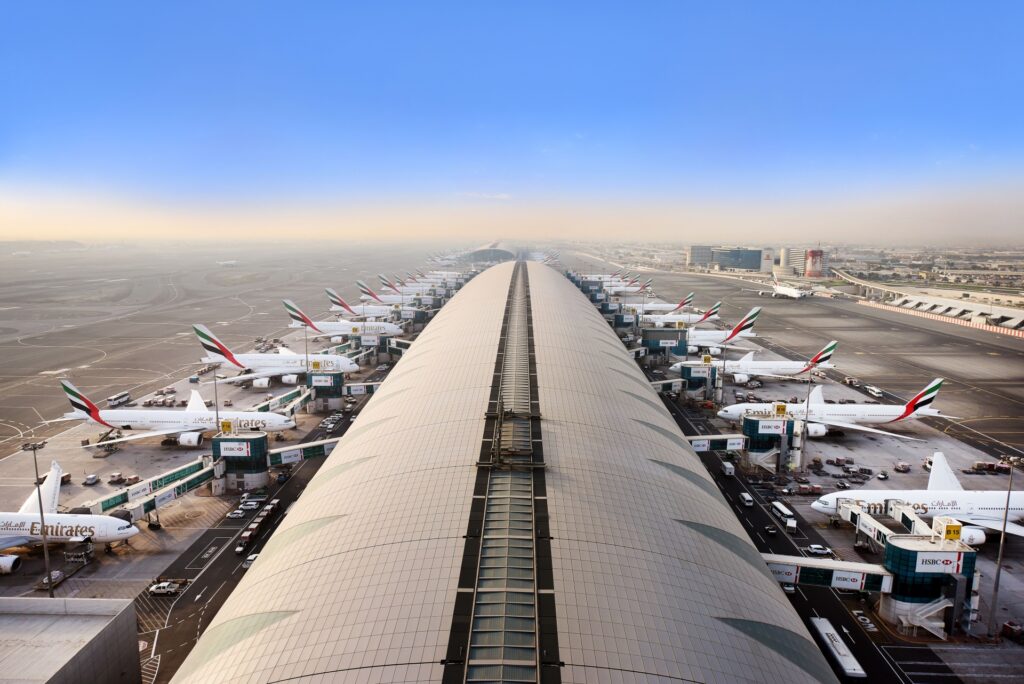
The passenger, Paul Furtado, declined the Dubai option based on safety concerns. Reports of drone strikes and instability near Dubai International Airport (DXB) influenced the decision. Instead, the family arranged independent travel via Paris (CDG), incurring an additional cost of $10,000.
Qantas stated that the rebooking was processed while the passengers were in transit, with the aim of minimizing delays. The airline maintained that alternative routes were unavailable for several days, making Dubai the only viable immediate option.
Safety Concerns Drive Passenger Decisions
The refusal to transit through Dubai was driven by escalating security risks. Since late February, the UAE has experienced missile and drone activity linked to regional tensions. Incidents have included fires near infrastructure and casualties, raising concerns among international travelers.
Australian government advisories explicitly warned against travel to the UAE, citing a volatile security environment. This created a conflict between airline operational decisions and passenger risk tolerance.
The situation also highlights a broader issue in aviation disruption management. Airlines often prioritize route availability and operational efficiency, while passengers may weigh geopolitical risks differently.
Airline Policy and Passenger Rights
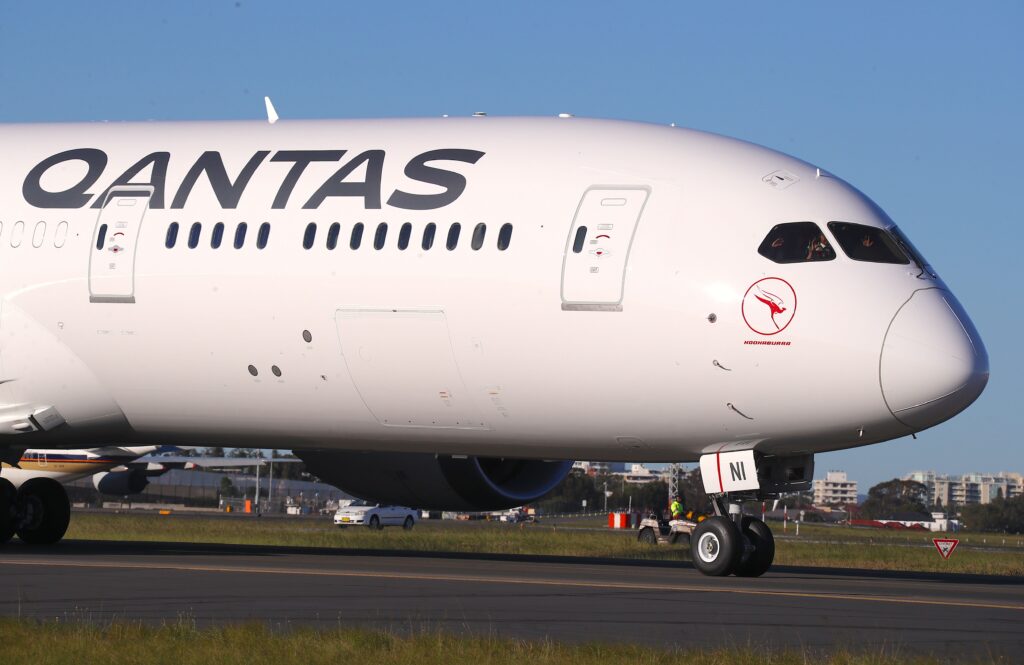
According to Qantas policy, customers booked on flights via the UAE before March 6 were eligible for fee-free refunds, credits, or changes. However, real-time disruptions can create gaps between policy coverage and immediate passenger needs.
In this case, the family opted for self-arranged travel rather than accepting the provided reroute. The passenger has since sought reimbursement, citing safety concerns and government advisories as justification.
This incident underscores the importance of clear communication and flexible rebooking policies during geopolitical crises. It also raises questions about how airlines balance duty of care with operational constraints.
Broader Implications for International Travel
The case reflects increasing complexity in global air travel planning. Conflict zones and rapidly changing advisories can disrupt even well-planned itineraries.
Airlines must navigate airspace restrictions, limited seat availability, and safety considerations. At the same time, passengers are becoming more aware of geopolitical risks and may reject routes deemed unsafe.
Travelers are advised to monitor official government advisories and review airline policies before departure, especially when transiting through sensitive regions.
Stay tuned with us. Further, follow us on social media for the latest updates.
Join us on Telegram Group for the Latest Aviation Updates. Subsequently, follow us on Google News