Published on
March 27, 2026

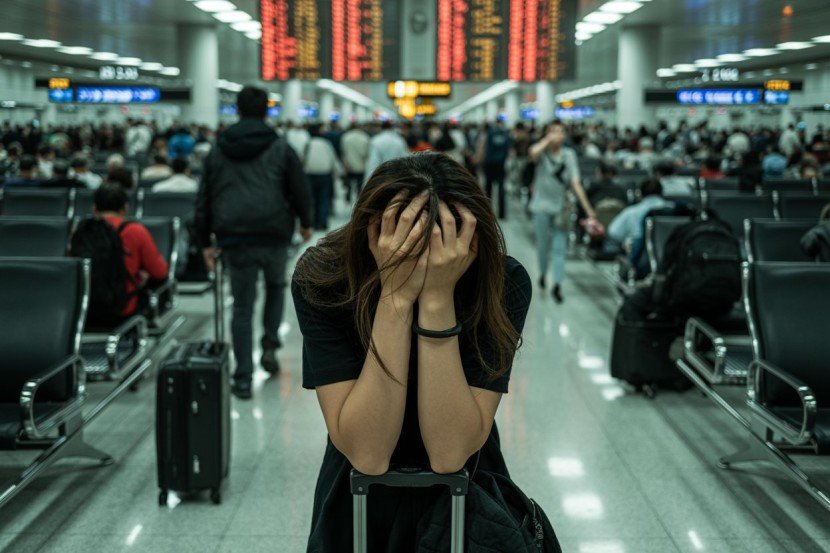
Image generated with Ai
Thousands of passengers stranded in Asia today as widespread flight disruptions across Thailand, Singapore, Japan, Malaysia, UAE, China, South Korea, and Indonesia resulted in over 1,900 delays and cancellations across Dubai International Airport (176 delays, 26 cancellations), Suvarnabhumi Airport (207 delays, 6 cancellations), Singapore Changi Airport (167 delays, 8 cancellations), Kuala Lumpur International Airport (302 delays, 14 cancellations), Abu Dhabi International Airport (68 delays, 10 cancellations), Soekarno–Hatta International Airport (287 delays, 9 cancellations), Chongqing Jiangbei International Airport (133 delays, 7 cancellations), Guangzhou Baiyun International Airport (215 delays, 4 cancellations), Haneda Airport (181 delays, 2 cancellations), and Incheon International Airport (156 delays, 2 cancellations).
The most affected airlines included AirAsia (137 delays), Malindo Air (120 delays, 18 cancellations), Emirates (109 delays), Super Air Jet (78 delays), Indonesia AirAsia (72 delays), Japan Airlines (67 delays), FlyDubai (14 cancellations), and Gulf Air (12 cancellations).
Other major carriers such as Singapore Airlines, Thai Airways, Korean Air, and China Southern Airlines also recorded notable delays.
The affected cities include Dubai, Abu Dhabi, Bangkok, Singapore, Kuala Lumpur, Jakarta, Chongqing, Guangzhou, Tokyo, and Incheon, spanning countries such as the United Arab Emirates, Thailand, Singapore, Malaysia, Indonesia, China, Japan, and South Korea.
- Updated Today: Asia recorded 1,892 delays and 88 cancellations across 10 major airports
- Kuala Lumpur (302 delays) and Jakarta (287 delays) saw the highest disruption volumes
- AirAsia (137 delays) and Malindo Air (120 delays, 18 cancellations) led overall airline impact
- FlyDubai (14 cancellations) and Gulf Air (12 cancellations) drove most cancellations
- Disruptions remained heavily delay-dominant across all hubs
- Southeast Asian airports showed higher delay concentration than East Asian hubs
- Cancellations were limited and airline-specific rather than system-wide
Most Affected Asian Airports
Kuala Lumpur International Airport
Kuala Lumpur experienced the highest disruption levels, with 302 delays and 14 cancellations, driven largely by AirAsia and Malindo Air operations.
Soekarno–Hatta International Airport
Jakarta followed closely with 287 delays and 9 cancellations, with Super Air Jet and Batik Air contributing significantly.
Guangzhou Baiyun International Airport
Guangzhou recorded 215 delays and 4 cancellations, with China Southern Airlines leading delay volumes.
Suvarnabhumi Airport
Bangkok saw 207 delays and 6 cancellations, with Thai Airways and Thai VietJet Air heavily impacted.
Haneda Airport
Tokyo reported 181 delays and 2 cancellations, largely concentrated among Japan Airlines and All Nippon Airways.
Advertisement
Advertisement
Dubai International Airport
Dubai registered 176 delays and 26 cancellations, the highest cancellation count among all airports.
Singapore Changi Airport
Singapore experienced 167 delays and 8 cancellations, with Scoot and Singapore Airlines contributing to delays.
Airlines Most Affected by Asia Flight Cancellations and Delays
AirAsia
AirAsia recorded the highest delay volume with 137 delays, primarily concentrated at Kuala Lumpur and Singapore, reflecting heavy operational pressure.
Malindo Air
Malindo Air emerged as the most disrupted airline overall, with 120 delays and 18 cancellations across multiple hubs including Kuala Lumpur, Dubai, Jakarta, and Singapore.
Emirates
Emirates saw 109 delays, all concentrated at Dubai, making it one of the most impacted full-service carriers.
Super Air Jet
Super Air Jet reported 78 delays, largely driven by operations at Jakarta.
Indonesia AirAsia
Indonesia AirAsia recorded 72 delays across Jakarta, Kuala Lumpur, and Singapore, showing consistent disruption across multiple markets.
Japan Airlines
Japan Airlines faced 67 delays, primarily at Tokyo Haneda, making it the most affected Japanese carrier.
FlyDubai
FlyDubai recorded 14 cancellations, the highest among all airlines, concentrated at Dubai.
Gulf Air
Gulf Air reported 12 cancellations across multiple airports, indicating broader operational disruptions.
What Can Impacted Passengers Do?
- Check real-time flight status through airline apps or airport websites
- Contact airlines directly for rebooking or refund options
- Arrive early at airports to accommodate schedule changes
- Keep travel documents and notifications easily accessible
- Monitor announcements for gate changes or delays
- Consider alternative flights if disruptions persist
Overview of Asia Flight Cancellations
Flight disruptions across Asia today highlight a delay-dominant operational pattern, with major hubs such as Kuala Lumpur, Jakarta, Bangkok, Guangzhou, and Dubai experiencing the highest volumes. Airlines including AirAsia, Malindo Air, Emirates, Japan Airlines, FlyDubai, and Gulf Air were among the most affected, while other major carriers like Singapore Airlines, Thai Airways, and Korean Air also reported delays.
Cities such as Kuala Lumpur, Jakarta, Bangkok, Guangzhou, and Dubai appeared repeatedly as key disruption centers, alongside Singapore, Tokyo, and Incheon. Countries including Malaysia, Indonesia, Thailand, China, the United Arab Emirates, Singapore, Japan, and South Korea were all impacted.
The concentration of delays, particularly in Kuala Lumpur and Jakarta, combined with relatively low cancellations, indicates that operational strain across Asia’s aviation network today was widespread but not severely disruptive in terms of flight terminations, with most services continuing under delayed schedules rather than being canceled outright.
Source: Different airports and FlightAware
Advertisement
Advertisement



