Published on
March 27, 2026

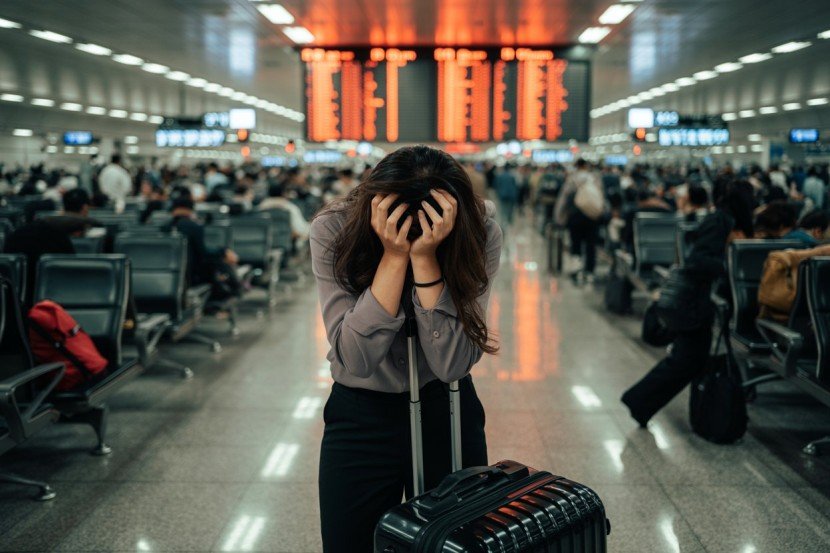
Image generated with Ai
Hundreds of passengers stranded in the UAE today as Dubai, Abu Dhabi, and Sharjah recorded over 300 cancellations and delays, impacting Dubai International Airport (179 delays, 26 cancellations), Abu Dhabi International Airport (79 delays, 10 cancellations), and Sharjah International Airport (54 delays, 2 cancellations).
Among airlines, Emirates (109 delays) and FlyDubai (48 delays, 14 cancellations) led disruption volumes, followed by Etihad Airways (62 delays, 2 cancellations) and Air Arabia (44 delays). High cancellation rates were also recorded by Gulf Air (7 cancellations) and Egypt Air (4 cancellations across airports). Other carriers including Air France (3 cancellations), SunExpress (2 cancellations), Airblue (1 cancellation), and IndiGo (2 delays) contributed to operational strain.
These disruptions affected major transit cities in the UAE such as Dubai, Abu Dhabi, and Sharjah, with spillover impacts on routes connecting to global destinations across Europe, Asia, and the Middle East.
- Updated today: UAE airports recorded 312 delays and 38 cancellations across Dubai, Abu Dhabi, and Sharjah.
- Dubai International Airport reported the highest disruption with 179 delays and 26 cancellations.
- Emirates (109 delays) accounted for the largest share of delays across all airports.
- FlyDubai (48 delays, 14 cancellations) emerged as one of the most impacted airlines overall.
- Etihad Airways (62 delays) dominated delay figures at Abu Dhabi.
- Sharjah International Airport remained relatively stable with 54 delays and only 2 cancellations.
- Gulf Air and Egypt Air recorded notably high cancellation rates despite smaller volumes.
Most Affected Airports
Dubai International Airport
Dubai saw the most severe disruption levels, with 179 delays and 26 cancellations, making it the primary hotspot. The majority of delays were driven by Emirates and FlyDubai, indicating pressure on high-frequency international operations.
Abu Dhabi International Airport
Abu Dhabi recorded 79 delays and 10 cancellations, with Etihad Airways contributing significantly to delay volumes. While cancellations were lower than Dubai, several airlines showed high cancellation percentages.
Sharjah International Airport
Sharjah experienced comparatively lighter disruption, with 54 delays and 2 cancellations. Air Arabia dominated delay figures, reflecting its central operational role at this airport.
Airlines Most Affected by Flight Cancellations and Delays
Emirates
Recorded 109 delays, the highest among all airlines, primarily affecting operations through Dubai.
FlyDubai
Reported 48 delays and 14 cancellations, making it one of the most disrupted carriers overall.
Advertisement
Advertisement
Etihad Airways
Logged 62 delays and 2 cancellations, dominating delay activity at Abu Dhabi.
Air Arabia
Accounted for 44 delays, mainly concentrated at Sharjah.
Gulf Air
Faced 7 cancellations, reflecting one of the highest cancellation counts relative to operations.
Egypt Air
Recorded 4 cancellations across airports, alongside minor delay contributions.
What Can Affected Passengers Do?
- Check real-time flight status updates before heading to airports like Dubai or Abu Dhabi.
- Stay in contact with airline support teams for rebooking or compensation options.
- Arrive early at busy hubs such as Sharjah during disruption-heavy periods.
- Keep digital and physical copies of travel documents readily accessible.
- Monitor announcements for gate changes or revised boarding times.
- Consider flexible travel plans if flying through high-traffic airports.
Overview of Flight Cancellations And Delays
Today’s disruption pattern highlights operational pressure across major UAE aviation hubs, particularly in Dubai, Abu Dhabi, and Sharjah, where combined delays exceeded 300. Airlines such as Emirates, FlyDubai, Etihad Airways, Air Arabia, Gulf Air, and Egypt Air were among the most impacted, with delays dominating overall disruption trends while cancellations remained comparatively lower.
The concentration of delays in Dubai and Abu Dhabi underscores the strain on primary international gateways, while Sharjah maintained relatively stable operations despite notable delays from Air Arabia. Across these cities—Dubai, Abu Dhabi, and Sharjah—passengers experienced varying levels of disruption depending on airline and route density, reflecting broader scheduling and operational challenges across the region’s aviation network.
Source: Different airports and FlightAware
Advertisement
Advertisement



