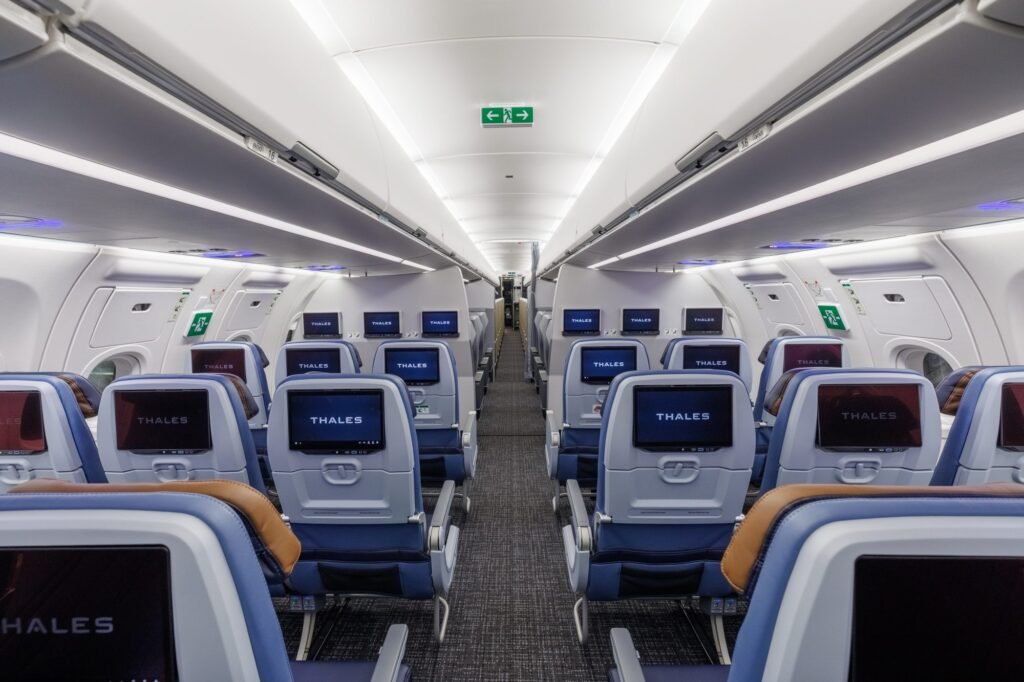
Looking back, during Kirby’s time at American, new aircraft deliveries did include seatback screens, and several fleets were equipped with them. At the same time, planning was underway for what would become American’s “standard domestic interior,” a cost-focused redesign that reduced seat pitch, increased seat density, and ultimately removed seatback screens from most narrowbody aircraft in favor of streaming to personal devices.
The implementation of that strategy, however, occurred after Kirby left for United in 2016, as part of a broader fleet harmonization effort.
Critics, including aviation analysts cited by Leff, argue that while Kirby did not oversee the removals themselves, the framework for those decisions was developed during his tenure. They describe his public framing as technically accurate but incomplete, noting that the shift away from embedded screens did not emerge in isolation.
What is clear is that the top three airlines in the country split along two distinct paths. United and Delta leaned into seatback screens as a core element of their product, while American moved toward a lighter, more cost-focused cabin built around streaming.
That divergence is now being revisited.


