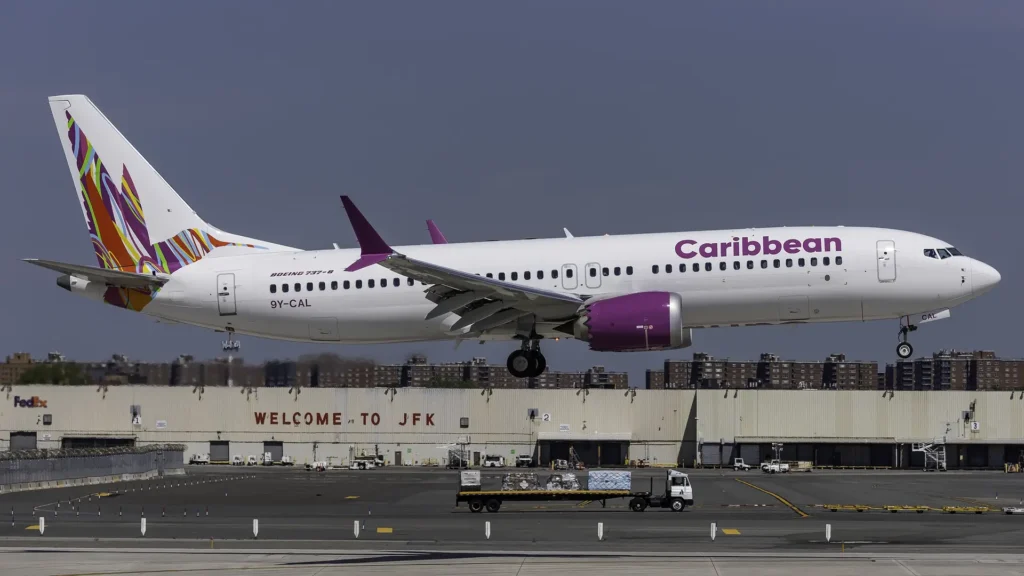
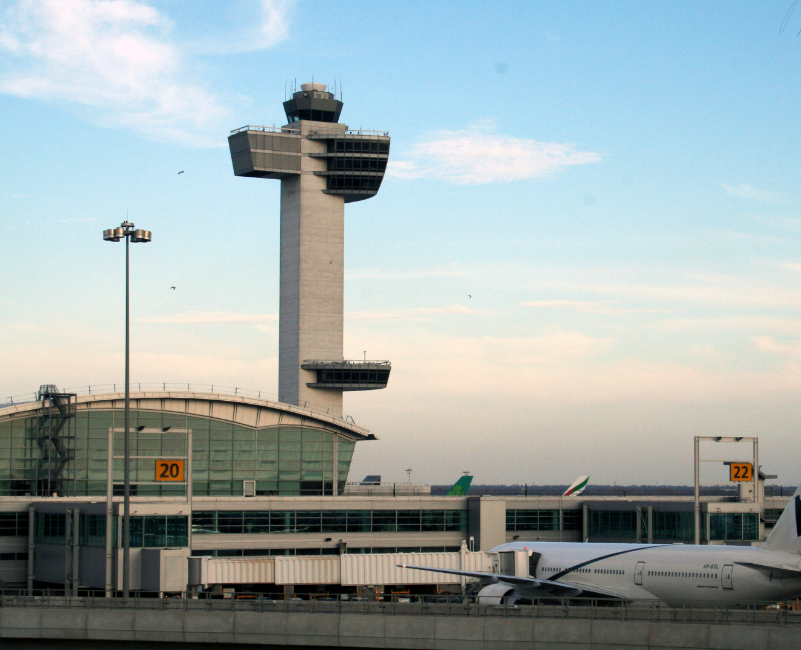
NEW YORK- A Caribbean Airlines (BW) flight witnessed a rare mid-air birth during its final descent into New York (JFK), prompting expedited handling by air traffic control.
Air traffic control prioritized the aircraft with direct routing and immediate landing clearance, while a controller humorously suggested naming the newborn “Kennedy.”
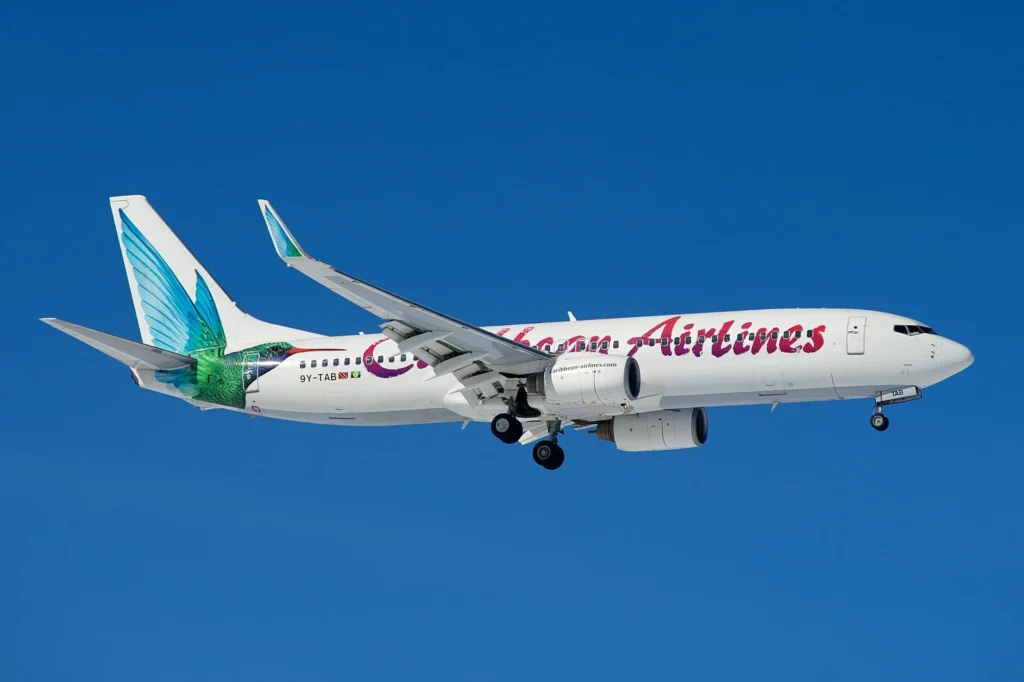
Baby Born on Caribbean Airlines Flight at JFK
A passenger aboard Caribbean Airlines (BW) Flight BW 005 went into labor as the aircraft approached New York (JFK).
The flight crew informed air traffic control (ATC) during descent, requesting priority handling and a more direct routing to reduce airborne time.
Controllers responded by issuing a “direct ZETAL” clearance and stepping the aircraft down from 3000 feet to 2000 feet.
The aircraft was given priority landing clearance on Runway 04R at JFK, with medical personnel arranged at the arrival gate.
The child was delivered before the aircraft reached the gate. During post-landing communication, a ground controller asked if the baby had been delivered and then suggested naming the child “Kennedy.”
According to View from the Wing, the exchange reflected both operational efficiency and a human touch in aviation communication.
Complete ATC and Pilot Communication
The full exchange highlights standard aviation phraseology and coordination across approach, tower, and ground control.
Air traffic control: Caribbean 005, descend and maintain 3000.
Pilot: Descend and maintain 3000, Caribbean 005, and we have a passenger that’s going into labor at this time, and we’d like to continue direct Zetal.
Air traffic control: Okay, Caribbean 5, proceed direct Zetal, and I missed it, you said sick passenger?
Pilot: We have a passenger, a pregnant passenger, who’s going into labor at this time, requesting direct Zetal.
Air traffic control: Caribbean 5, roger that, proceed direct Zetal, maintain 2000.
Pilot: Descend maintain ZETAL, descend 2000, Caribbean 005.
Air traffic control: And Caribbean 005, would you like the, uh, medical personnel at your gate?
Pilot: Yes sir, thank you.
Air traffic control: Okay, do you happen to know your gate at this time?
Pilot: Negative
Air traffic control: Okay sir, we’ll figure it out and have them there.
Pilot: thank you very much.
Pilot: Kennedy Tower, Caribbean Airlines 005, descending through 2,200 for 2,000 direct ZETAL, with one woman in labor in board.
Air traffic control: Caribbean 005, uh yes we have been advised we’ve called the appropriate authorities, runway 04R cleared to land.
Pilot: Cleared to land 4 Right, 005.
Air traffic control: Caribbean zero zero five, they’re indicating a Golf entry if you, for uh Alpha 3, if you can confirm.
Pilot: Yes sir, confirm, golf alpha three, thank you very much.
Air traffic control: Okay, yep, cross runway four left at foxtrot, left on alpha, you can monitor ground, point niner, if you need anything just let him know.
Pilot: Wilco Caribbean zero zero five.
Air traffic control: Caribbean five, ground.
Pilot: Yes sir, go ahead.
Air traffic control: Is it out yet?
Pilot: Yes, sir.
Air traffic control: All right. Tell her she’s got to name it Kennedy.
Pilot: Ahh Kennedy. Will do.
Air traffic control: Alright. Have a good day.
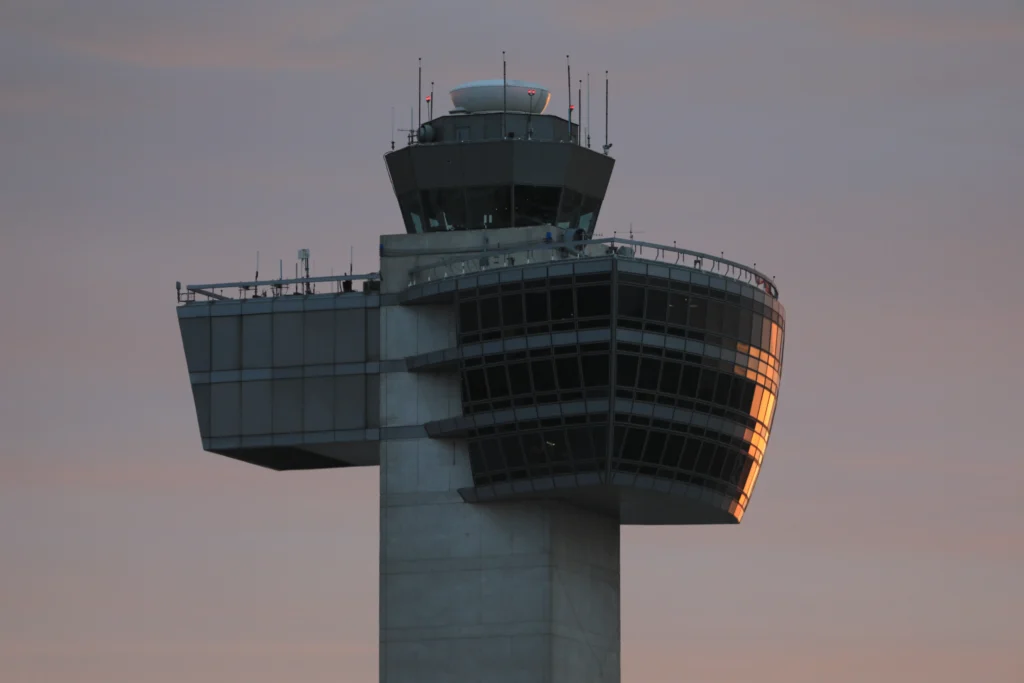
Operational Handling Without Emergency Declaration
The crew did not declare a formal emergency. Instead, they informed ATC of the medical situation and requested operational priority. This approach is consistent with aviation protocols when conditions remain stable.
Controllers ensured:
- Direct routing to reduce flight time
- Priority descent and landing clearance
- Coordination with medical teams on arrival
- Seamless transition between ATC sectors
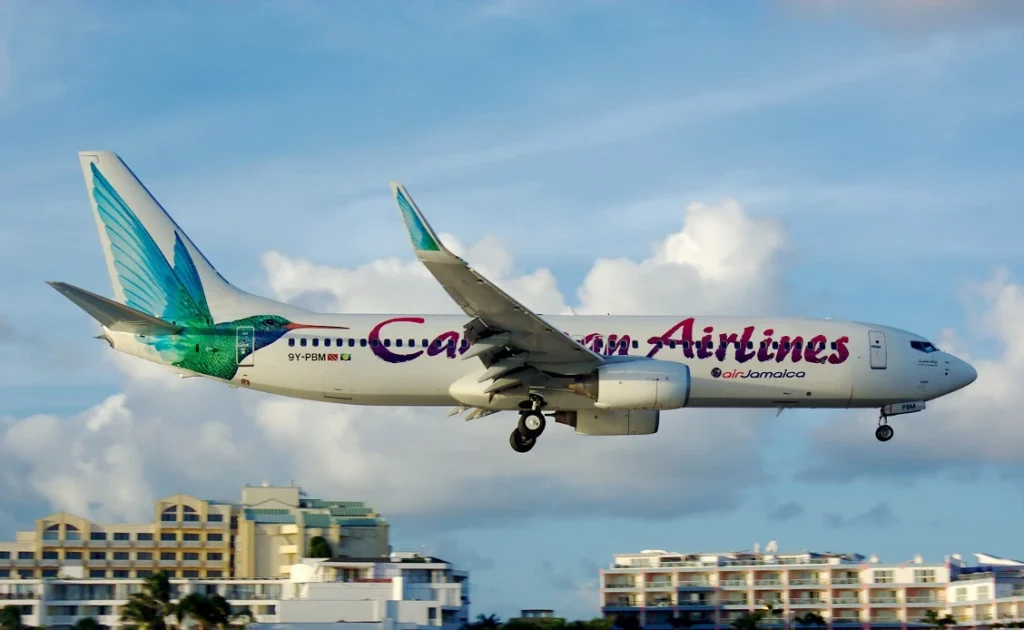
Aircraft and Flight Identification
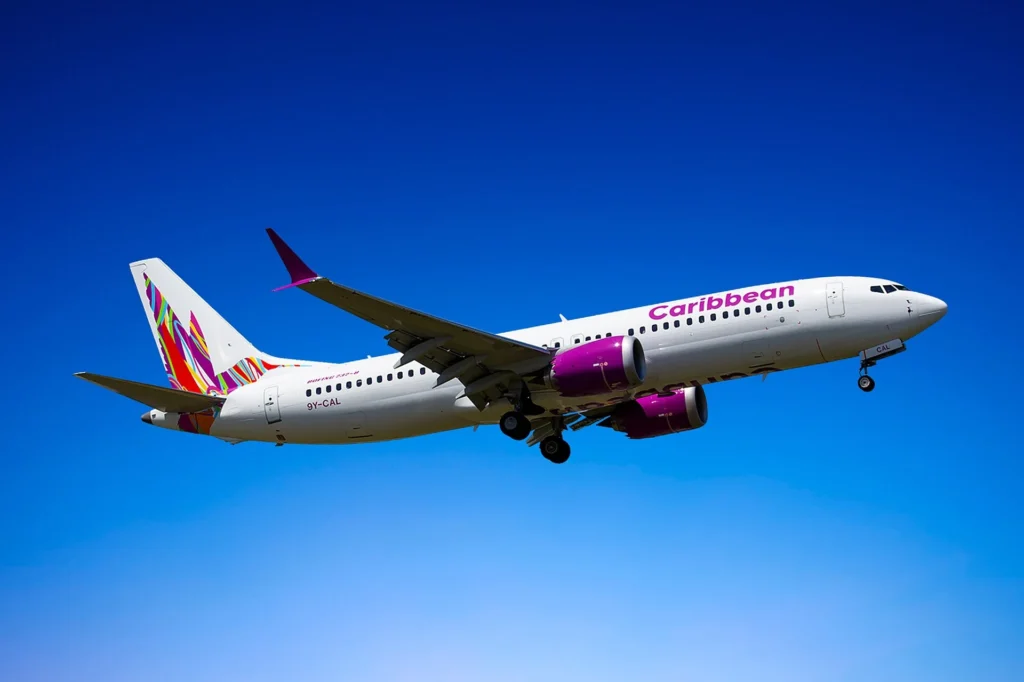
The aircraft involved is identified as a Boeing 737 MAX 9 registered as 9Y-SUR. The flight landed just before noon local time on April 4, 2026.
This aircraft type is widely used for regional and international routes and is equipped with standard onboard medical kits, though childbirth relies on crew response and passenger assistance.
Inflight Births and Citizenship Implications
Inflight births remain rare, with fewer than 100 recorded cases in commercial aviation.
A similar case occurred in July 2005 involving BWIA West Indies Airways, where a passenger delivered a baby approximately 10 minutes before landing at JFK.
Other global cases include diversions, onboard deliveries, and airline-issued benefits such as frequent flyer miles or travel privileges.
Under the Fourteenth Amendment to the United States Constitution, individuals born within U.S. jurisdiction are generally granted citizenship.
This includes births occurring in:
- US airspace over land
- Territorial waters extending 12 nautical miles
Legal interpretations have been debated in recent years, but current guidance continues to recognize such births as qualifying under existing law.
Airline Policies on Pregnancy Travel
Airlines set guidelines to manage risks associated with late-stage pregnancy:
- Travel is typically permitted up to 36 weeks
- Medical certificates are often required after 28 weeks
- Higher risk of spontaneous labor after 37 weeks
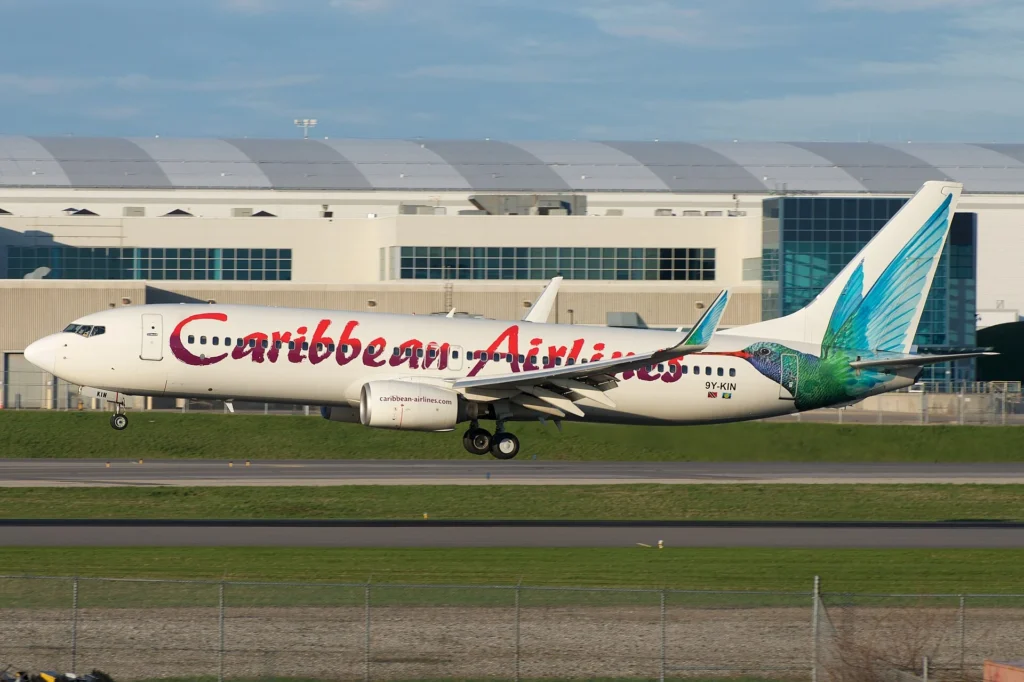
Caribbean Airlines allows expectant mothers to travel without medical clearance up to approximately 32 weeks. However, unexpected early labor remains a possibility in aviation.
Bottom Line
This incident highlights the unpredictability of air travel and the effectiveness of aviation systems in handling medical events.
It also creates a unique life story for the newborn, symbolically linked to one of the world’s busiest airports.
Stay tuned with us. Further, follow us on social media for the latest updates.
Join us on Telegram Group for the Latest Aviation Updates. Subsequently, follow us on Google News


