Airline crews and frequent travelers may accumulate higher radiation exposure during long-haul and polar flights.
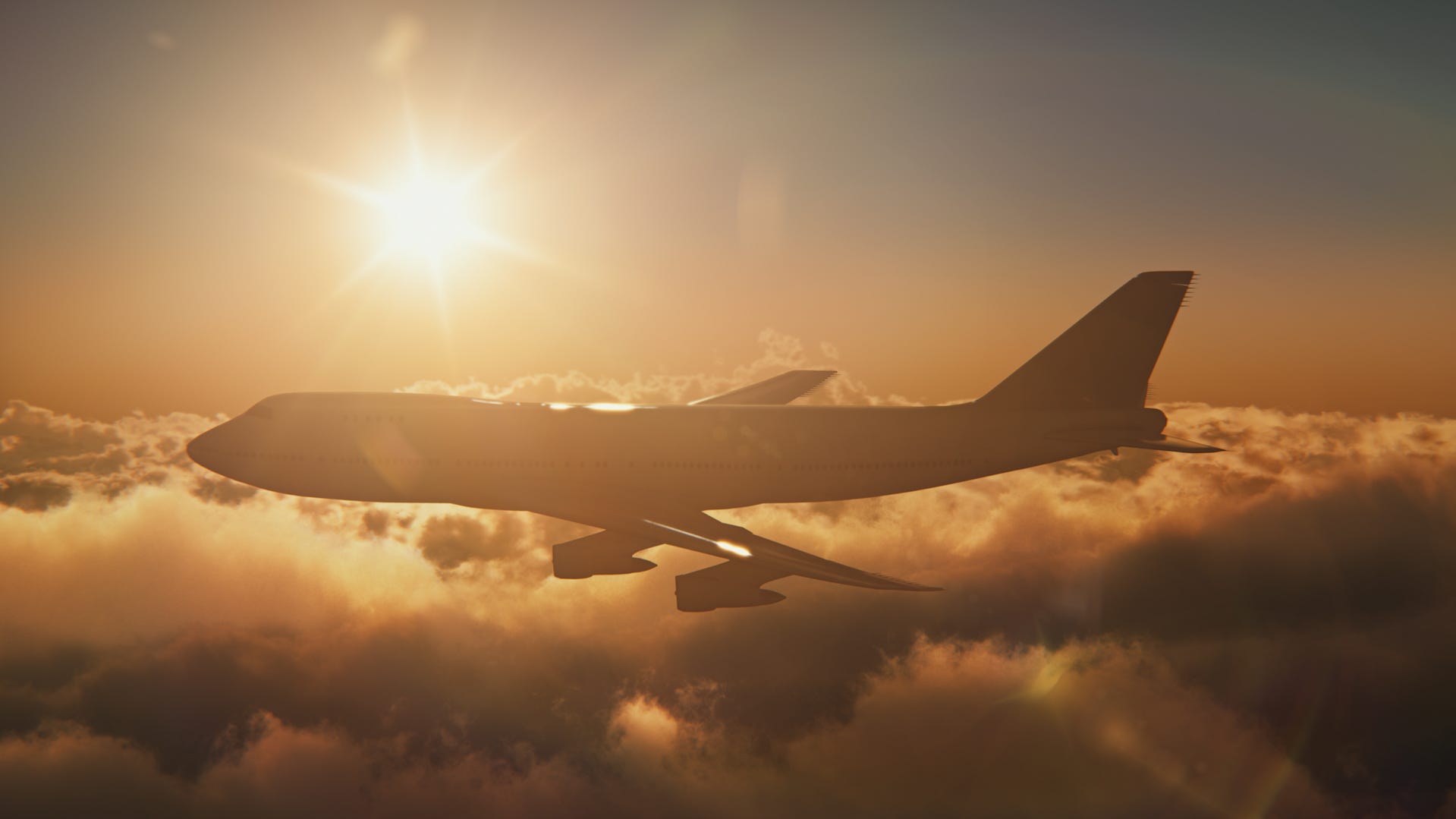

The hidden radiation risk of flying over the poles
Flying is safe, but radiation exposure at high altitudes can affect frequent flyers, flight crews, and pregnancy, especially on polar routes.
- Frequent flyers and airline crews face a higher risk of radiation exposure from the sun.
- The risk is greatest on flights at high altitudes, over the poles or during solar events.
- Radiation exposure can increase the risk of cancer and pregnancy complications.
Cruising Altitude is a weekly column about air travel. Have a suggestion for a future topic? Fill out the form or email me at the address at the bottom of this page.
Flying is generally thought of as the safest way to travel, but there’s a hidden danger to it. Lurking on every flight, there’s one variable that could cause long-term damage to passengers and crews alike.
I’m talking about the sun. Radiation exposure is rarely the first thing that comes to mind as a risk in air travel, but as new generations of planes fly at higher altitudes, according to the Association of Flight Attendants, and over-the-pole flights continue as a common routing on intercontinental itineraries, passengers – and especially crews – have an increased chance of radiation exposure.
“More frequent travelers and airline crews need to understand that they have a high exposure to radiation and there are tools to track that exposure to radiation and make individual decisions based on that,” Sara Nelson, president of the Association of Flight Attendants (AFA), told me.
Who is at risk?
The good news is there’s very little risk to those who fly only occasionally, but frequent travelers and flight crews could face radiation as a greater hazard.
The risk is especially low for travelers taking domestic flights in the continental United States, because radiation exposure is more common closer to the poles.
“If they are taking a few trips domestically, this is probably not something they need to be super worried about,” Nelson said. “If they are taking flights to Asia or Europe or crossing an ocean, it’s more likely that one of those flights is going to fly through a solar particle event.”
According to experts, the average radiation dose experienced on a coast-to-coast flight in the U.S. is equivalent to the radiation received from one chest X-ray.
Routine exposure to radiation can lead to increased risk of cancer and other health-related issues, including pregnancy complications.
“It’s tricky to say that this particular radiation at this dose causes this effect in this individual because that trajectory isn’t one conclusive trajectory. It’s very personalized,” Amber Paul, an assistant professor of Aerospace Physiology and Immunology at Embry-Riddle Aeronautical University, told me. “Biologically, we’re all different. Age, sex, all of these things change how we respond to radiation, and certain tissues are more sensitive than other tissues.”
Nelson warned that passengers and flight crews who are pregnant or trying to become pregnant need to be especially careful about radiation exposure while flying. That includes men who are planning families with their partners.
How can you calculate your radiation dose?
According to Nelson, one of the biggest issues with radiation exposure while flying in the U.S. is that regulators haven’t taken up the topic as those in Europe and Canada have. That means it’s up to individual flyers to track their own radiation exposure here.
“You can find out when flights are going to fly through these major events,” she said. “These are some of the things that the EU has determined they should monitor and advise flight attendants and crew and pay particular attention to flight attendants who are pregnant and (may) be affected by the viability of the pregnancy.”
The National Oceanic and Atmospheric Administration’s Space Weather Prediction Center has information about upcoming solar events that could result in radiation spikes on Earth.
The Federal Aviation Administration also had a radiation exposure calculator, but the link to that tool is currently inactive. The Environmental Protection Agency has its own radiation exposure calculator, which includes non-flight exposure as well, but does not take flight altitude, latitude or duration into account.
Nelson recently participated in an investigation on radiation exposure while flying with Scripps News, the Howard Center for Investigative Journalism and Arizona State University. That publication includes a tool to calculate radiation exposure from past flights, but not for predicting future exposure.
Keep in mind, as Paul said, that radiation doses will not have the same effect on every traveler.
How can you avoid radiation exposure?
The best thing to do if you’re an at-risk flyer, particularly if you’re pregnant or trying to become pregnant, is to check the space weather forecasts and avoid flying during high-intensity radiation events.
Beyond that, it’s important to emphasize that risk is low for most travelers, but basic precautions can still help lessen the effects of any exposure you do experience.
“People should wear sunscreen. They should drink lots of water on the plane; stay hydrated. There are things you can do to make the exposure have less of an impact,” Nelson said.
While sunscreen won’t protect you from radiation exposure directly, skin cancer is one of the common complications of radiation exposure while flying, and sunscreen can help prevent some of the ultraviolet radiation effects, according to Nelson.
What else can be done?
For Nelson and the AFA, the most important next steps are for regulators in the U.S. to acknowledge the radiation risks to flight crews and implement an education and notification campaign about the exposure events.
“Identifying flight attendants and pilots as radiation-exposed crews will assist with on-the-job injury reports and coverage,” Nelson said. “There’s a lot of protections that come with identifying officially that crews are radiation-exposed workers.”
She added that airplane manufacturers should be innovating more to help address the radiation risks at altitude with new technologies. Some solutions, like radiation-shielding paint, are already in development, according to Nelson.
“This is a major safety and health risk, so we challenge Airbus and Boeing to get busy innovating and figuring out what they can do with aircraft design,” she said.
Zach Wichter is a travel reporter and writes the Cruising Altitude column for USA TODAY. He is based in New York, and you can reach him at zwichter@usatoday.com.


