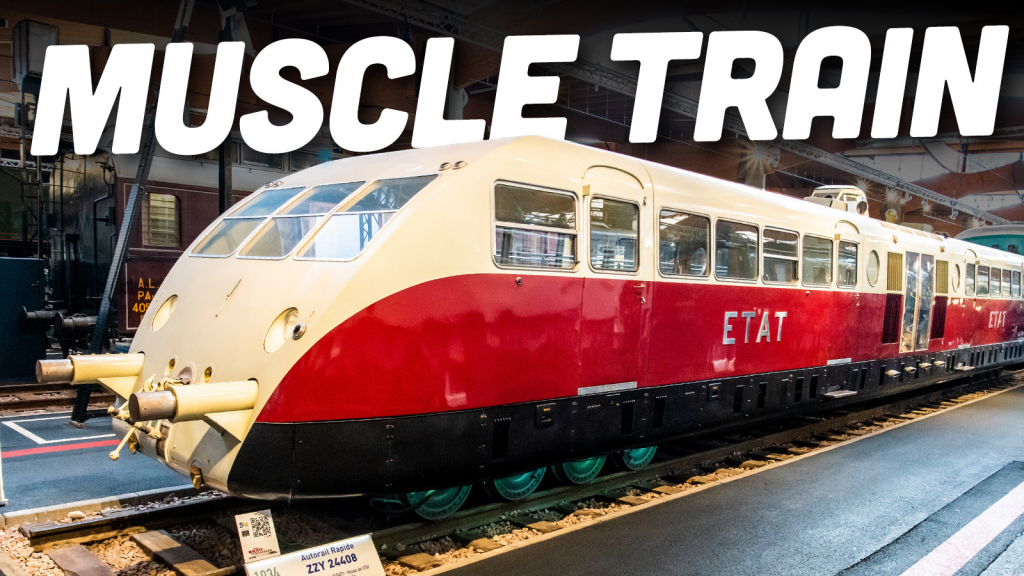
Trains and cars don’t often mingle with one another, with exceptions for oddities like the versatile hi-rail truck. While automakers have owned divisions that built rail equipment, usually, the cars and the trains are kept separate. But that hasn’t always been the case, and sometimes, bringing car design to trains has resulted in fascinating and sort of terrible results. Over 90 years ago, Ettore Bugatti put his car technology to work in a train. The Bugatti Autorail used four car engines and featured car-inspired aerodynamics to achieve speeds that were twice as fast as France’s existing passenger trains.
Rail travel dominated land-based transportation throughout much of the first half of the 20th century. This was especially true in the 1920s and the 1930s when competing forms of transportation were coming to power. While cars and aircraft made innovative strides each and every year, they were still in their infancy.


In those early decades, cars relied on road networks that were sporadic, unimproved, and slow. That’s assuming there was something resembling a road where you wanted to go, and you could figure out how to get there. Journeys that the average person could complete in only a handful of hours in their car today took substantially longer back then, if you even made it to your destination in one piece.

Planes were another wonderful technology that was getting off the ground. Aviation had also progressed beyond the daredevil barnstorming of its earliest days to something a bit more formal with the establishment of airlines. If you were lucky enough to score a ticket on one of the baby airlines that existed back then, you boarded a cramped aircraft that had no pressurization, couldn’t fly above the weather, and was generally pretty rickety, loud, and uncomfortable. Also, since aviation safety was barely more than a suggestion and engine reliability was low, some flights back then were likely terrifying.
Yet, passenger rail was still in its golden era. Steam locomotives were getting faster while the heavy steel carriages they pulled were getting more luxurious and more comfortable. There was a reasonable expectation that trains that left their departing stations actually reached their destinations roughly on schedule. If you needed to get from Chicago to San Francisco, a train was almost certainly going to be your choice.
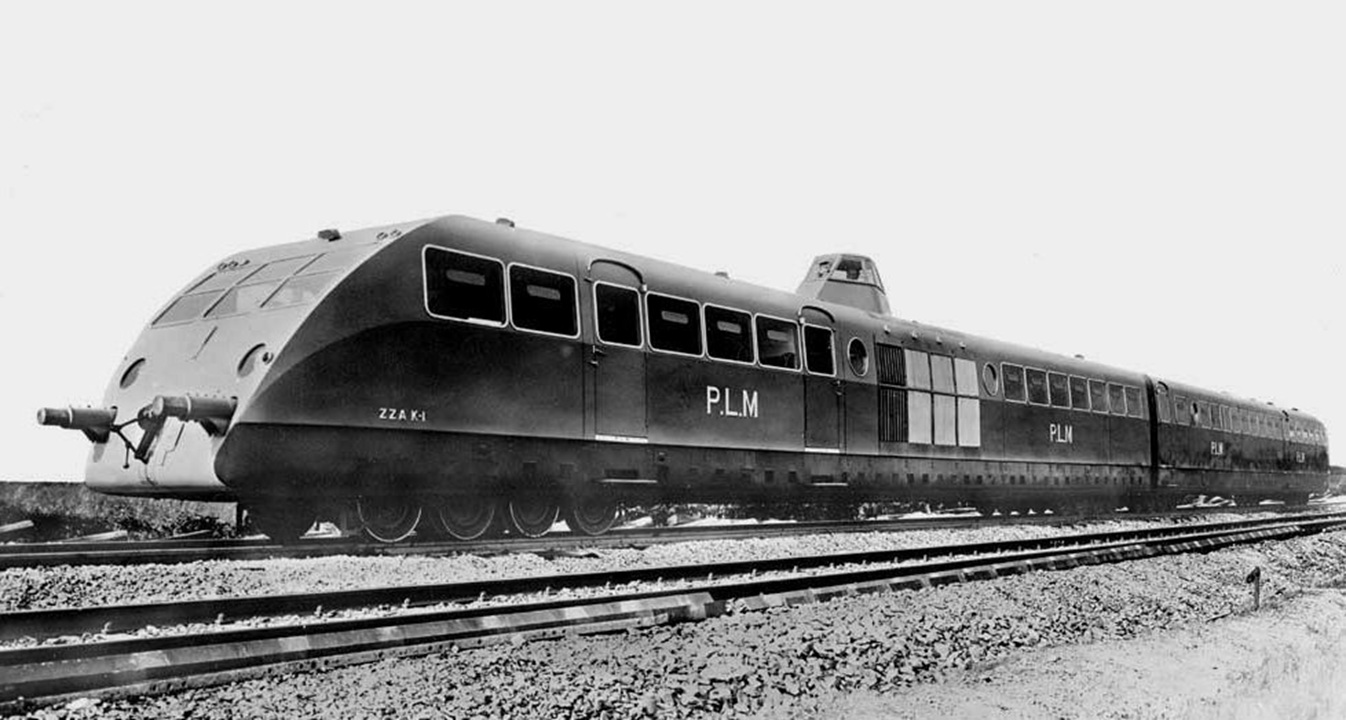
But even trains had their limitations. Steam locomotives needed to be refueled frequently along long routes, causing travel times to creep up as crews dumped coal and water into the stores of their iron horses. That trip from Chicago to San Francisco took days, and while there were stretches where locomotives could exceed 80 mph, trains still had to slow down elsewhere. Trains in Europe had similar challenges, and Ettore Bugatti would build a train that, for a sliver of time in rail history, would solve the problem with French steam trains being too slow.
France Needed Better Trains, And Automakers Needed Money
As today’s Bugatti explains, multiple technologies were jockeying for the position of the dominant form of travel in France in the 1920s. The automobile and the bus emerged as viable transportation in French cities. France already had a mature and reliable rail network. However, as Bugatti notes, passenger routes were operated by slow steam locomotives. If France’s national network wanted to keep pace, it had to modernize. As Autoweek notes, the average steam train back then topped out at around 60 mph.
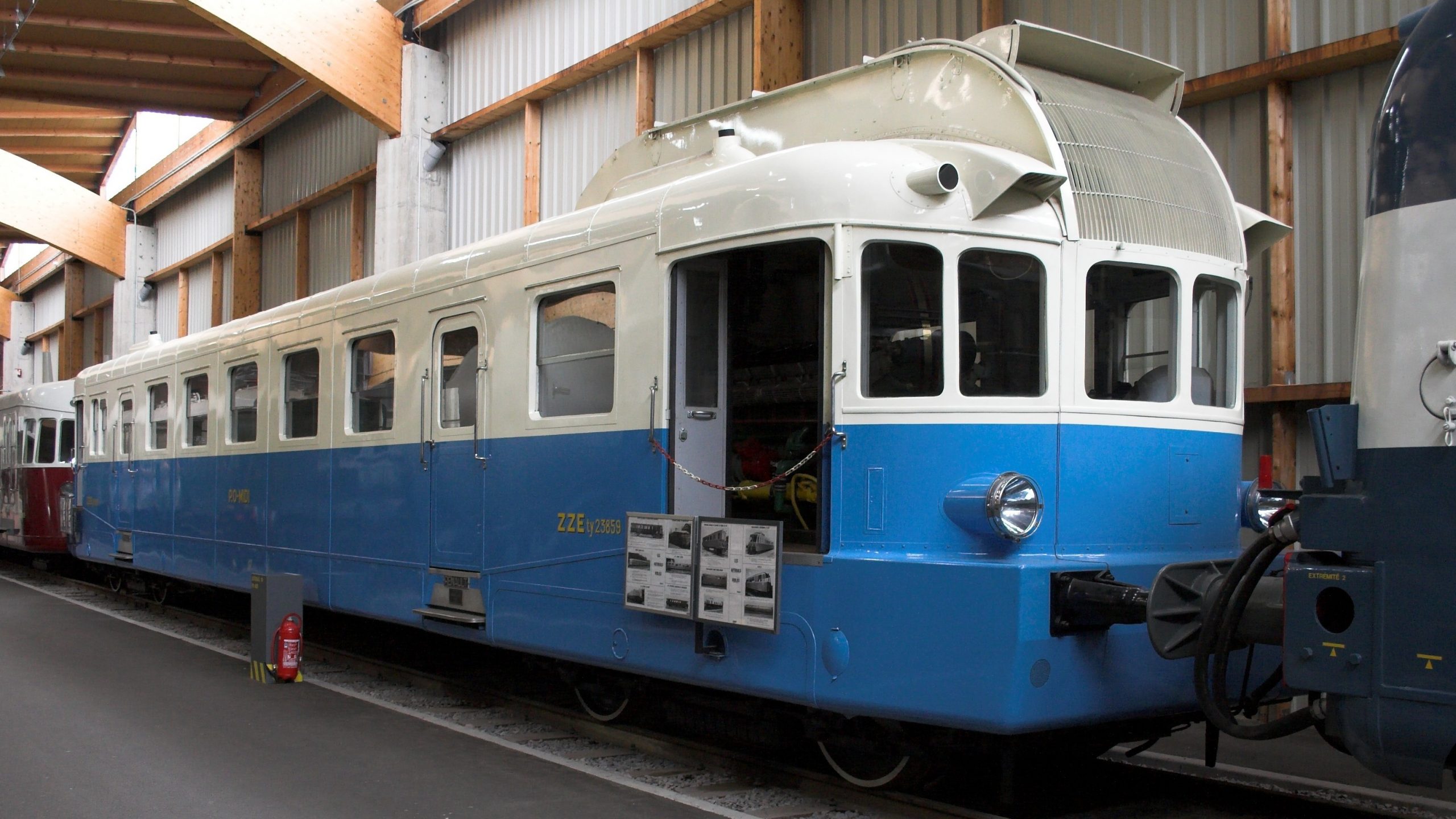
As Retours magazine mentions, one major advancement in French rail was the automotrice and the autorail, which were self-propelled buses and railcars. In the early 1930s, this pushed some car manufacturers to build self-propelled railcars. After all, they already had access to drivetrains, had the ability to fabricate bodies, and knew how to make self-propelled vehicles. Further, while car sales sank during the Great Depression, railroads were still ordering new trains.
In 1933, Renault responded to this demand with the VH autorail (above), which was powered by a Renault 12-A-130 V12 aircraft engine, which delivered power to the railcar’s wheels through a mechanical transmission.
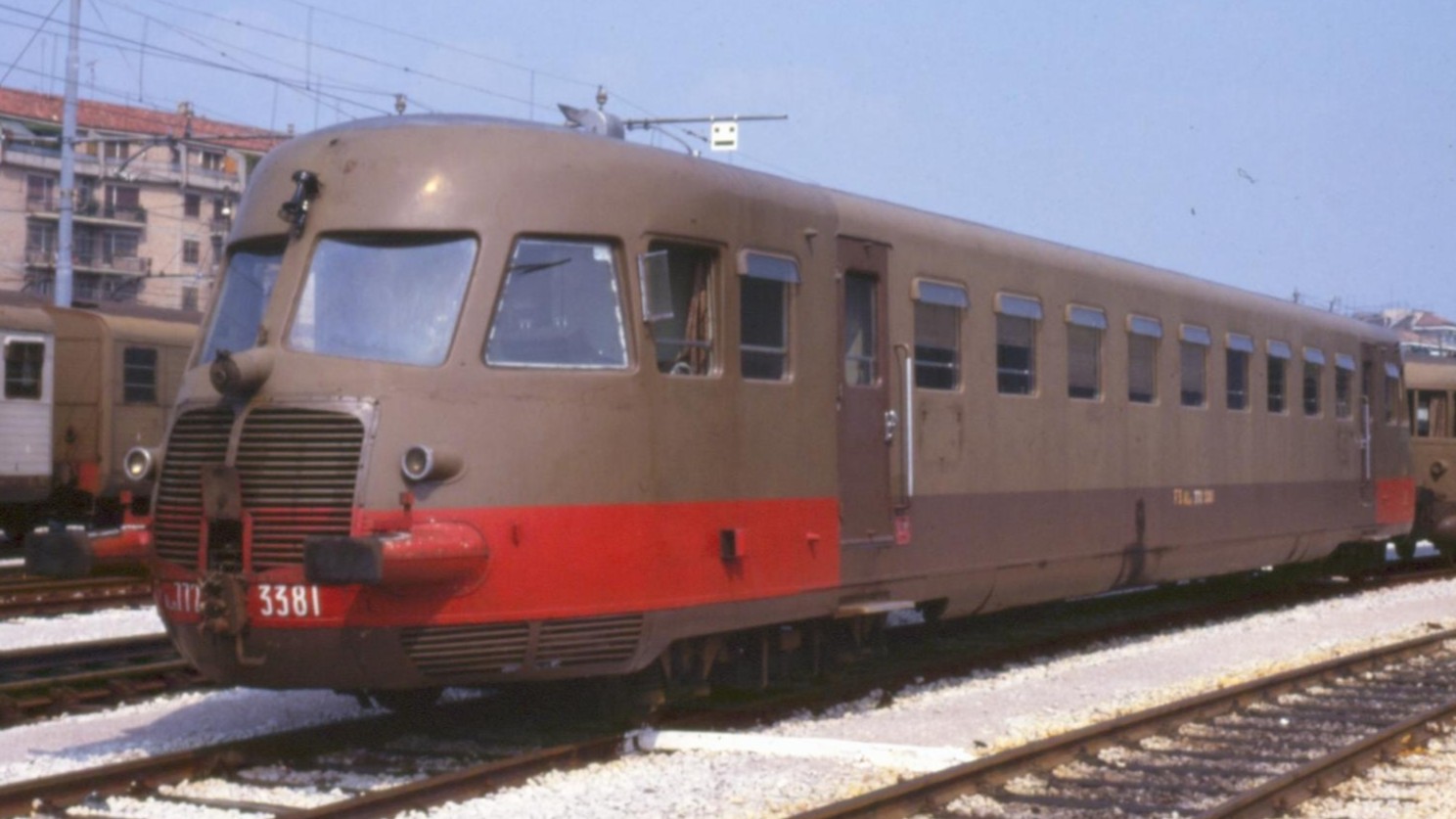
Over in Italy, Fiat introduced the ALn 772 ‘Littorina’ railcar (above), which had automobile-derived coachwork and twin license-built Adolph Saurer AG straight-six engines.
Even Michelin got in on the action and developed the Micheline railcar (below) that ran on rubber tires, fitting for a tire manufacturer. The Micheline was known for its incredibly smooth ride, but the railcars weren’t able to carry a lot of weight, and the tires proved to be more maintenance-intensive than steel wheels. However, the idea of the Micheline never died, and now France runs rubber-tired trains in Paris.
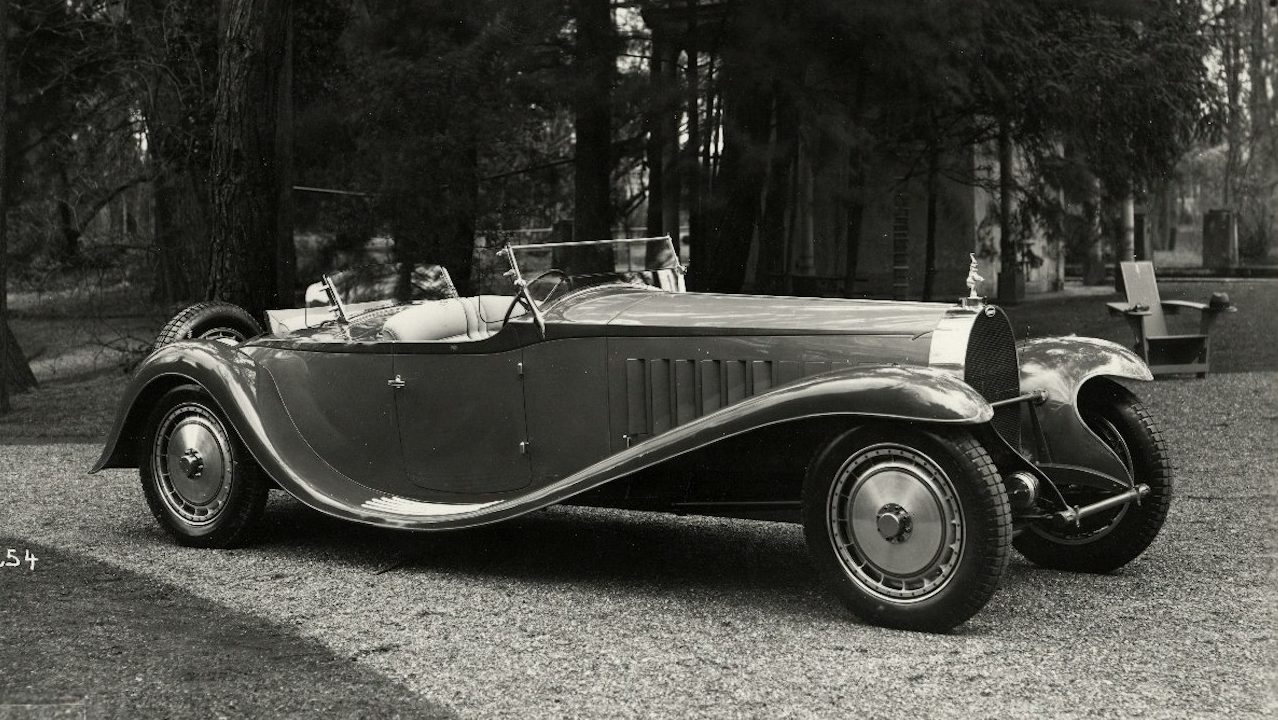
The Great Depression presented an interesting opportunity for Ettore Bugatti, whose own cars were suffering from a slump in sales. More specifically, Bugatti’s lavish Type 41 was a commercial failure, from Bugatti:
Unmatched presence. Prodigious power. Unrivalled refinement. When Bugatti revealed the Type 41 in 1926, it immediately set a new benchmark. Envisioned by company founder Ettore Bugatti as a car fit for royalty, this masterpiece possessed a specification unlike anything that had ever gone before, and one wholly befitting its more-widely known name of the ‘Bugatti Royale’. More than six meters long, the Bugatti Type 41 featured an extraordinary 12.8-litre inline eight-cylinder engine beneath its long, louvred hood. The Type 41 is testament to the craftsmanship Bugatti is renowned for to this day. Such was its arrangement that the hood required two people to lift it, while the car’s wheelbase spanned 4.3-meters.
Developing up to 300 HP at 1,800 rpm, the extraordinary Type 41 engine was capable of accelerating the 3.5-tonne Type 41 up to an incredible maximum speed of 200 km/h. Among the engine’s advanced features were overhead camshafts driving three valves per cylinder, combustion chambers each with two spark plugs instead of one (an arrangement that was far more common at the time), and an advanced dry-sump lubrication system typically used in race cars.
The first production model, featuring an elegant, coachbuilt, roadster body, was sold in 1932 but despite the exceptional features of the Royale, it did not go on to be an economic success. The Great Depression – a global economic crisis which dragged on throughout the decade – and its aftermath made prospective buyers hold back. Up until 1933, six models of the car and 25 engines were already built, but only four of the Bugatti Type 41 Royale were sold.
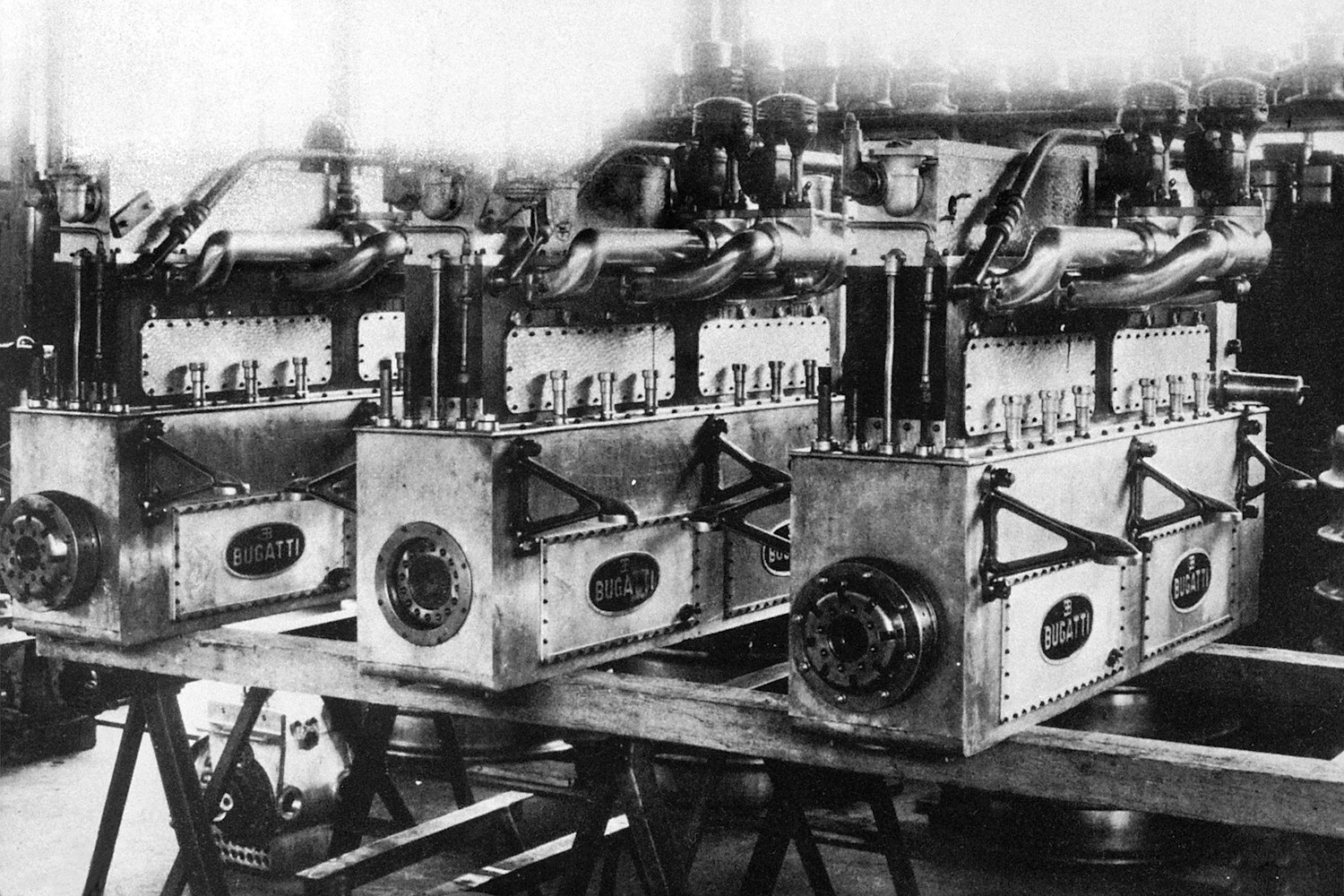
Something that Bugatti didn’t note up there is that the Type 41 had a curb weight that was over 7,000 pounds, and it rode on 24-inch wheels. It’s not exactly clear what motivated Ettore Bugatti to use the spare engines in a railcar, but it was a decision that would later be credited with saving his company from ruin during the period.
The Bugatti Autorail
Bugatti would join forces with his son, Jean, to implement automotive technology into trains. Their build, the Wagon Rapide, as they called it, was something that France hadn’t seen before. The railcar started with the body, which would derive its streamlined shape from Bugatti’s experience in building racecars like the Type 32 in 1923. This body was said to be semi-modular and was produced in segments. These segments were secured to an oak wood floor and featured compressed rubber strips between each section to allow the body some flexibility. Under this body sat a riveted steel chassis reinforced with cross beams.
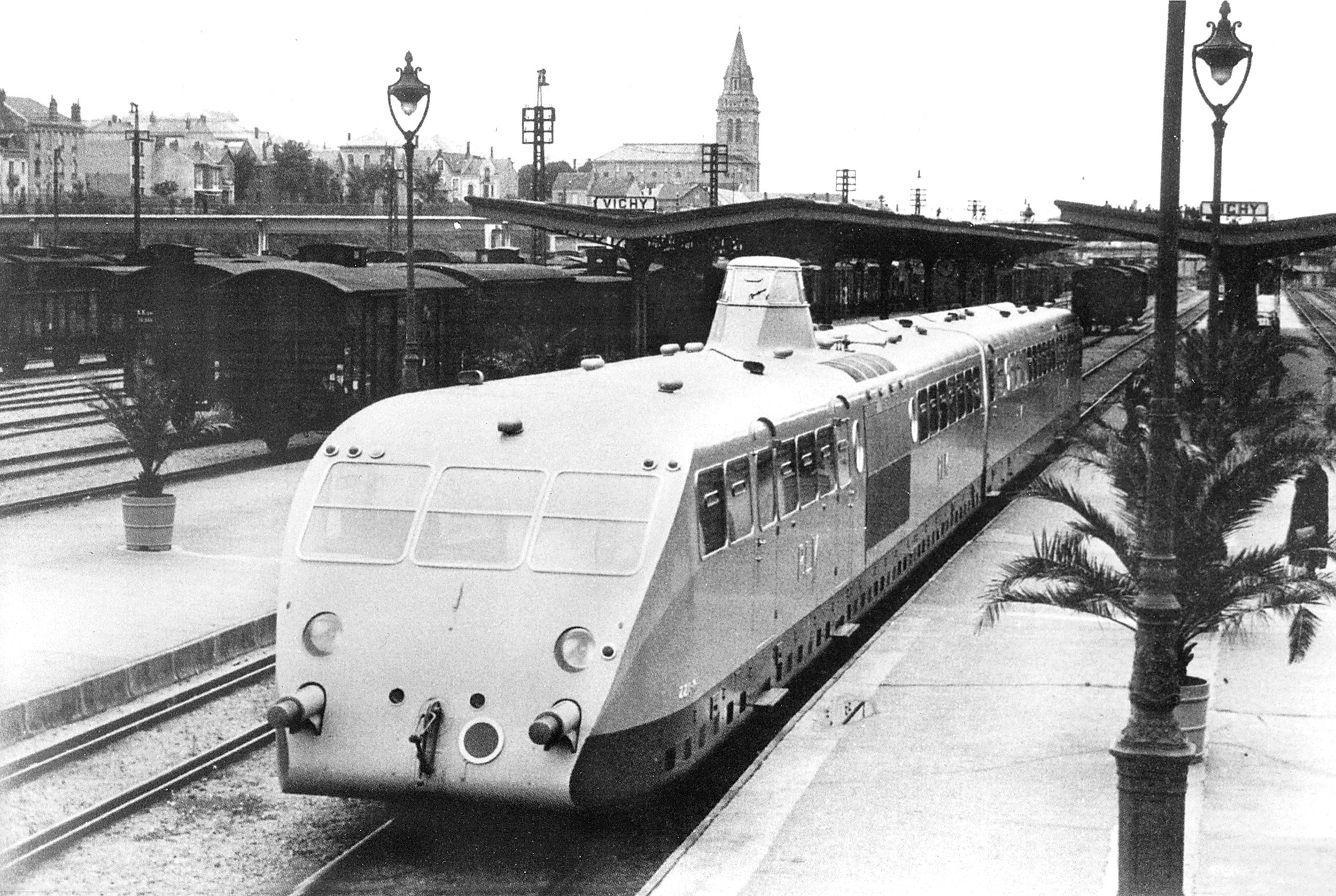
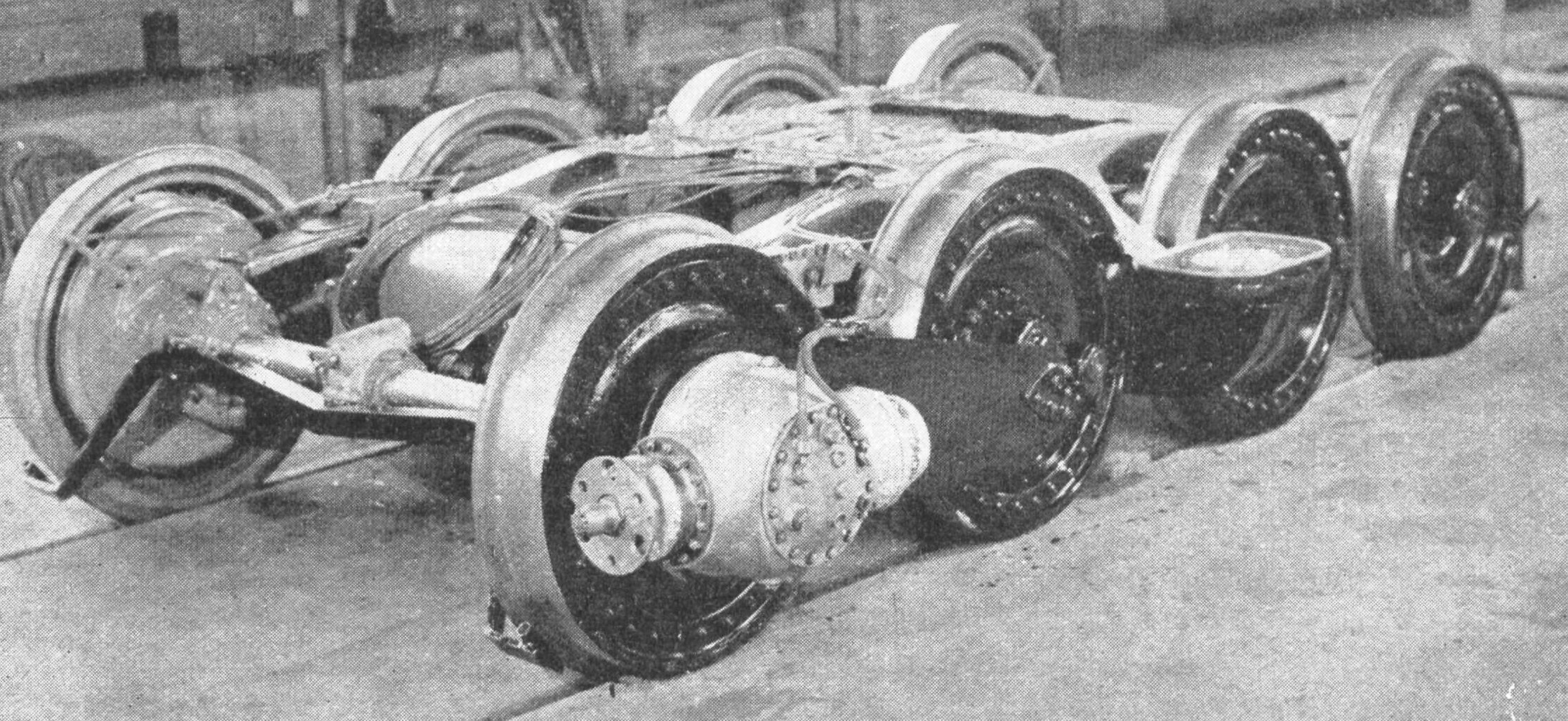
Under the body of a complete Wagon Rapide sat a set of two bogies. As Retours writes, these bogies each featured two sets of two axles for four total axles on each bogie. Pairing up the axles on the bogies meant that the bogies could handle sharper turns more easily than they did if the bogies simply had four axles in a line. Reportedly, derailing a Wagon Rapide was “virtually impossible.”
Additionally, as Retours says, each wheel was made out of three layers with rubber between each layer to isolate vibration. Bugatti also designed a shock absorber suspension system to handle high speeds while providing a comfortable ride.
At the heart of the Bugatti Autorail was four 12.8-liter straight-eight engines from the Type 41. These engines were placed in the direct center of the railcar, right under the driver’s cabin.
Unlike some diesel railcar designs, these engines were not under the floor. Instead, they were installed at and above floor level. They also sat on a steel floor rather than a wood floor like the rest of the railcar.
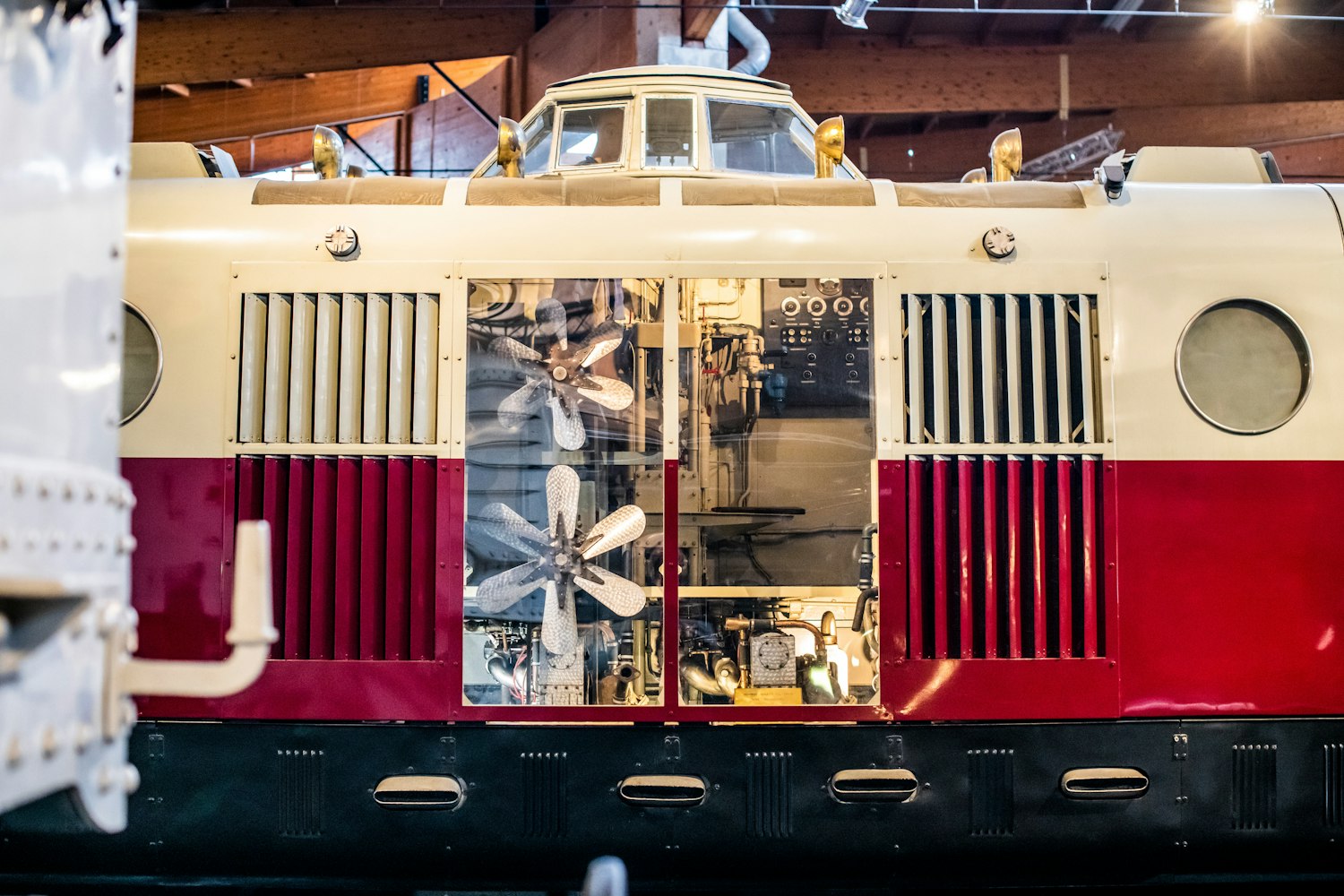
Bugatti didn’t leave these engines entirely stock. He would modify the straight-eights to drink a mix of gasoline, benzene, and alcohol fed from a pair of Zenith carburetors per engine. Output was adjusted to 200 HP per engine for a total system output of 800 HP per railcar. This power reached two axles on each bogie through hydro-mechanical transmissions.
These units featured bevel gears in a gearbox and a hydraulic clutch. Each gearbox had a lever to set the direction to forward, reverse, or neutral. Since there were multiple gearboxes, it was possible to put one or more gearboxes in neutral and still keep the train moving in case one or more of the engines failed.
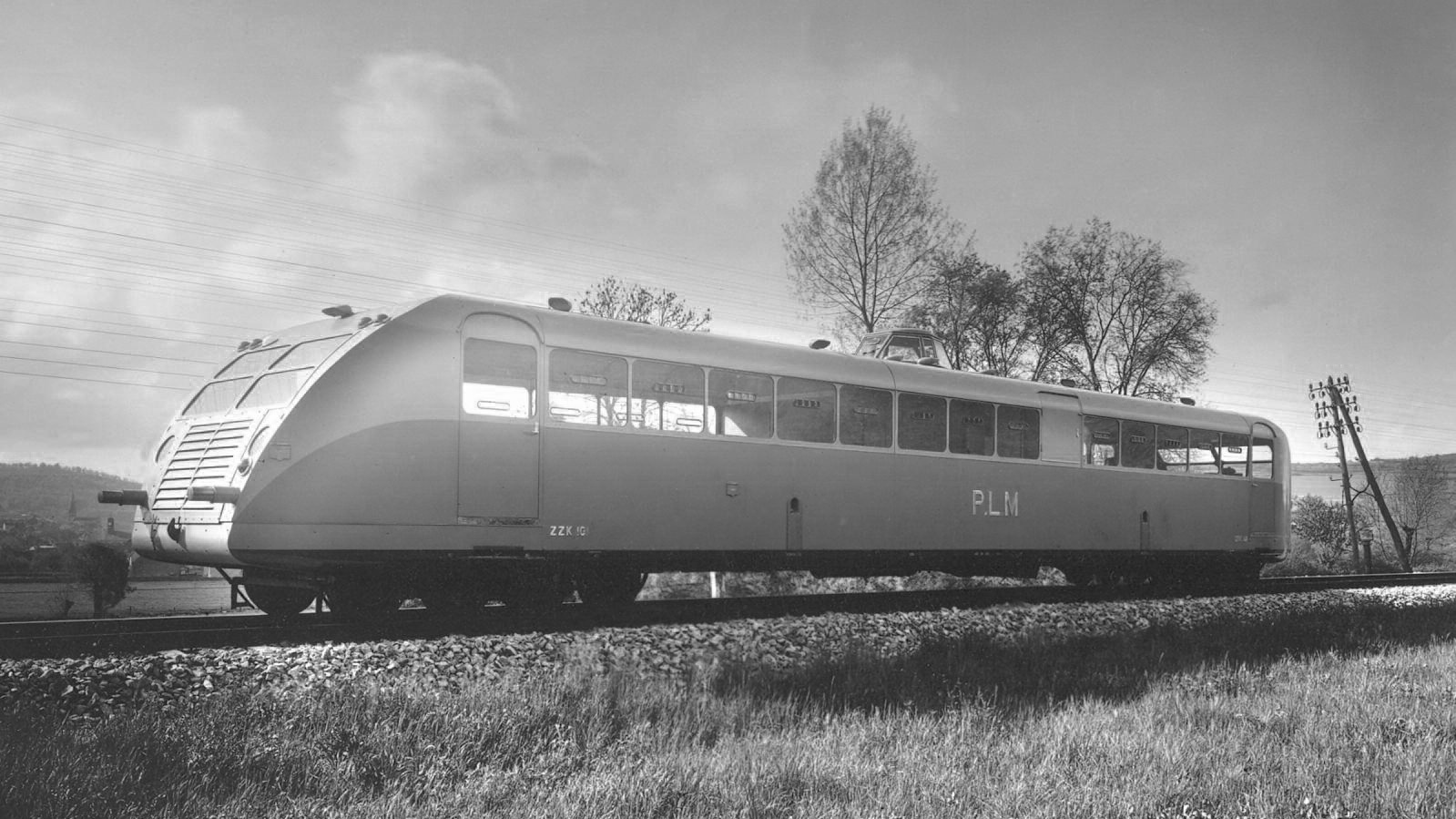
Bugatti would build six different variations of the Autorail. Depending on the version, the engines are cooled either from radiators placed at the front of the railcar or from engine fans on the sides of the railcar where the engines live.
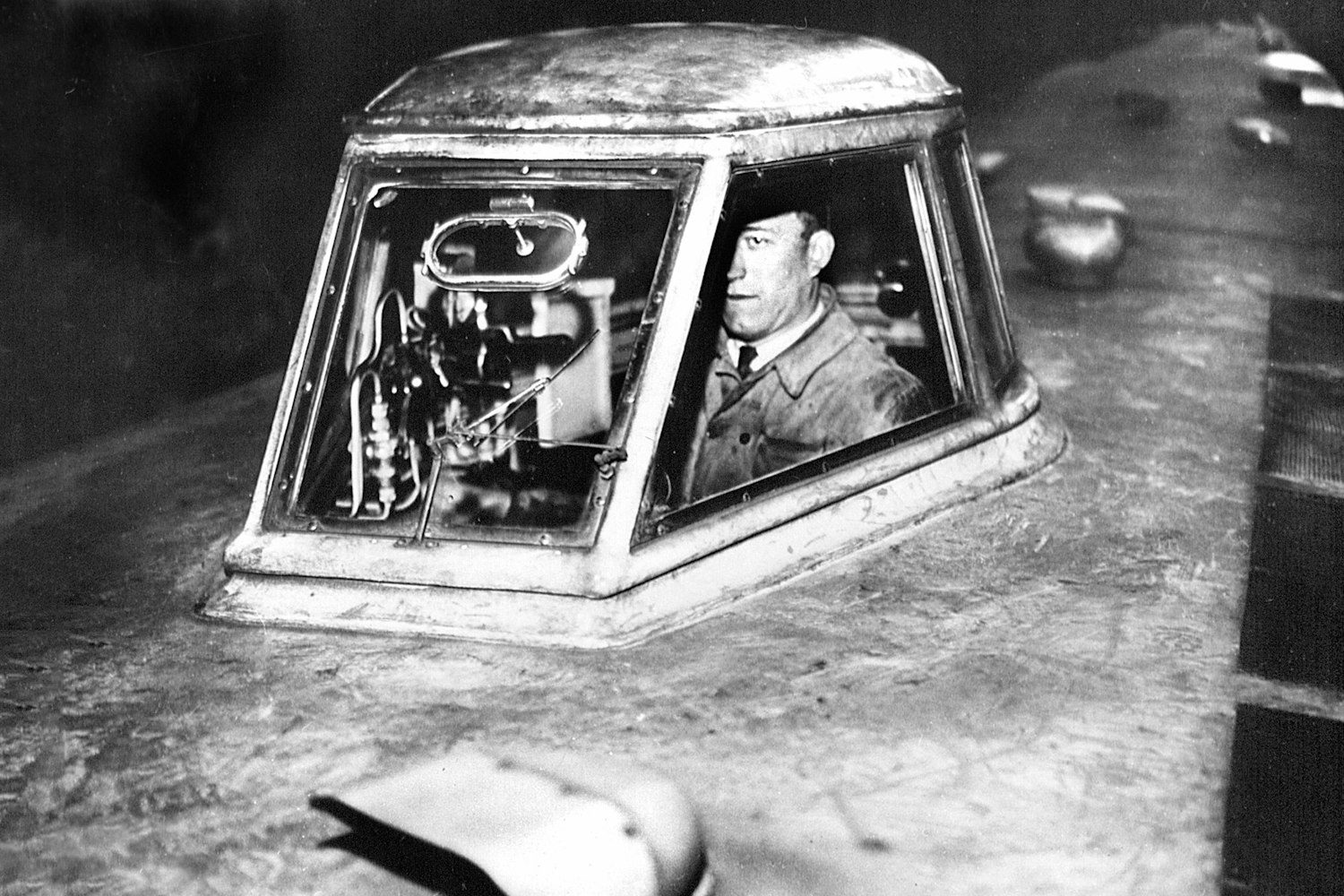
Bugatti claims that the driver’s cabin above the engines makes the Wagon Rapide the first train in the world “to position the conductor in a specific, centrally located cabin.” Indeed, the driver of the railcar sat in what resembles a turret or a conning tower. Bugatti says that this was done so that the driver had a 360-degree view of what was going on around the train. It also meant that, when the train changed direction, the driver could just stay in one place. Some other railcar designs would follow a similar idea.
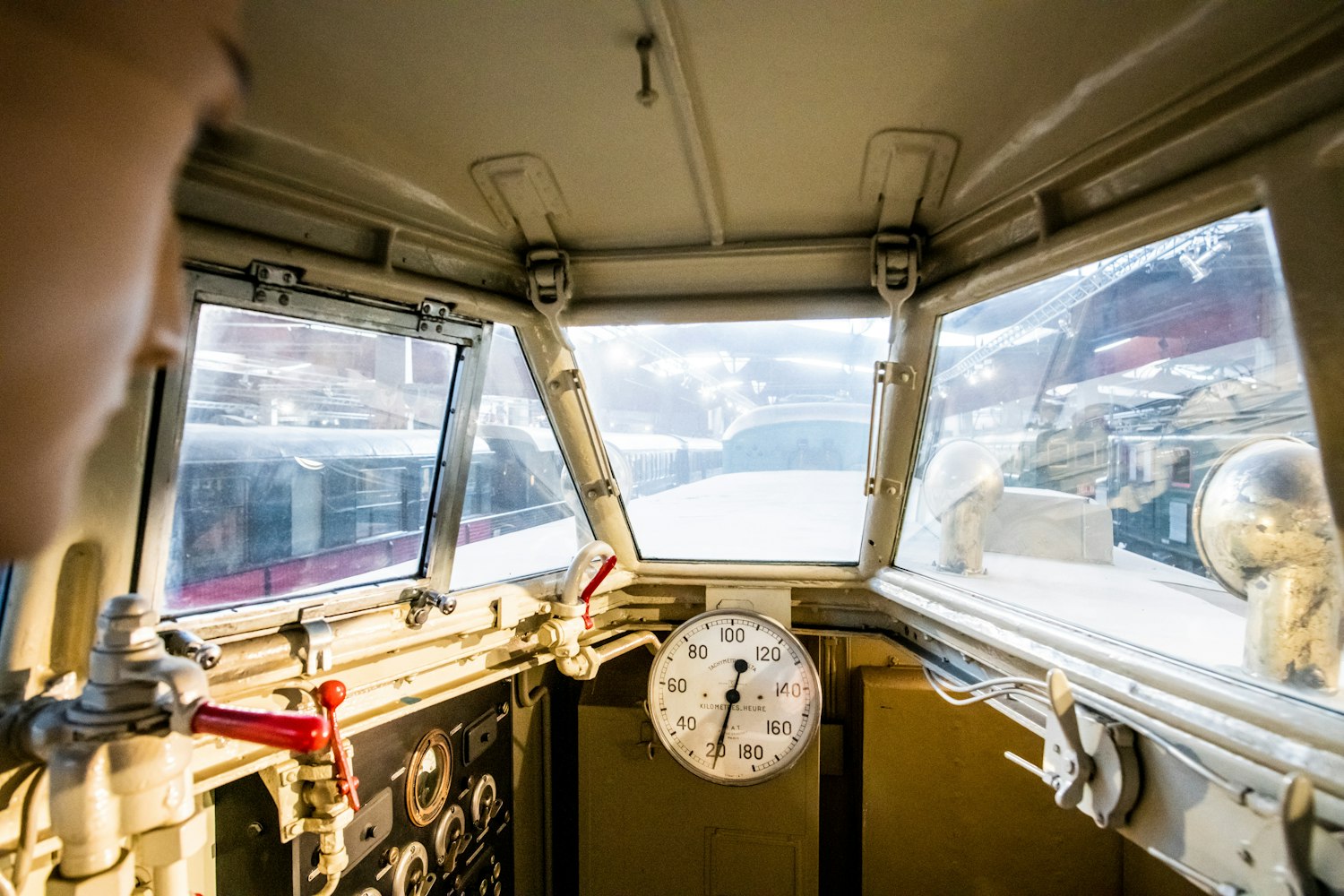
However, while Bugatti touted the high visibility of the driver’s location, it had its limitations.
If the driver needed to slow down or otherwise react to a changing situation, being several feet, or an entire coach car, behind the front of the train was less than ideal for reaction times. Likewise, the central position made coupling up railcars difficult, and the driver’s visibility was reduced when the railcars were doubled or tripled. Thus, a conductor sat at the front of a Bugatti Autorail to monitor what the driver might not be able to see in time.
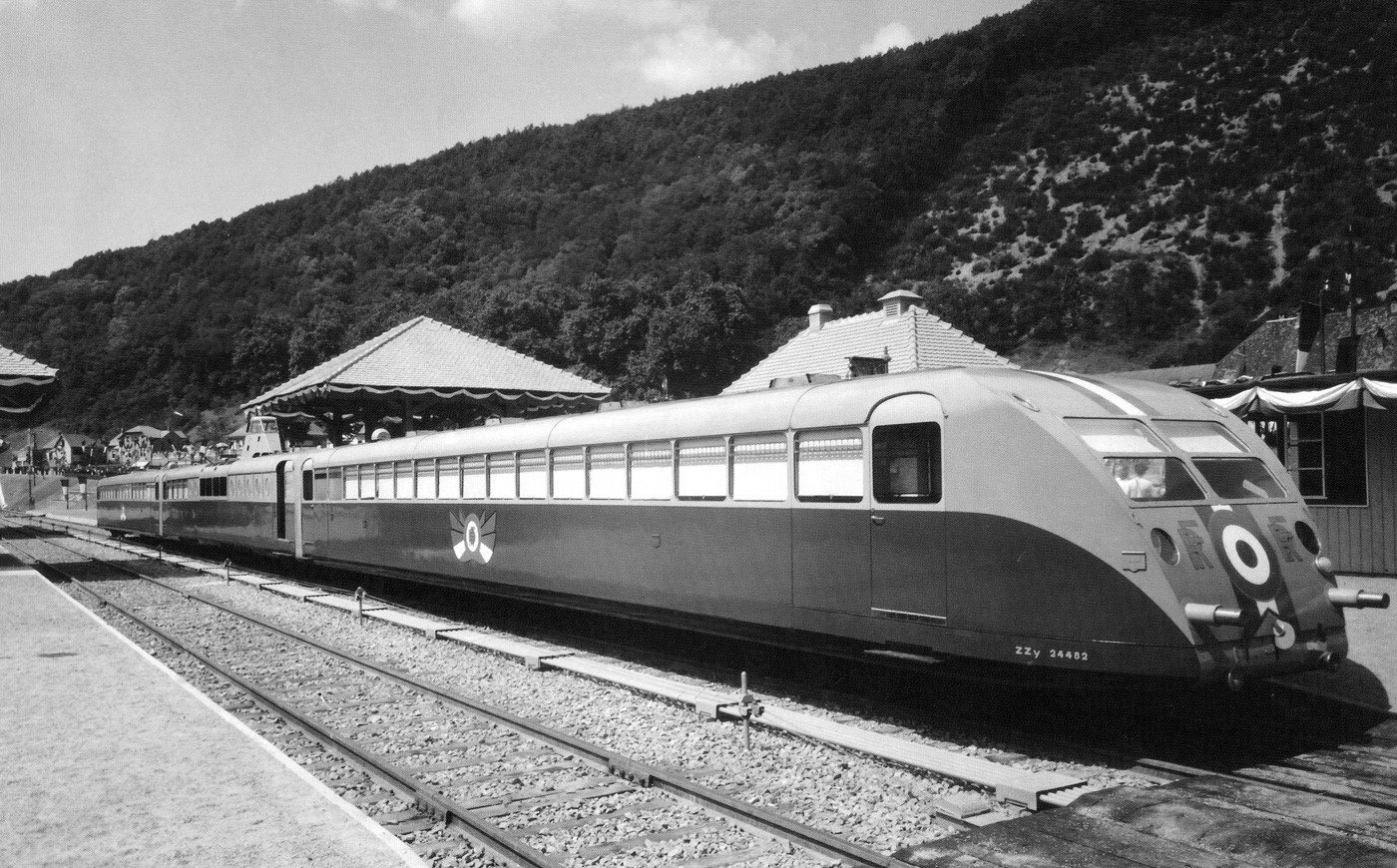
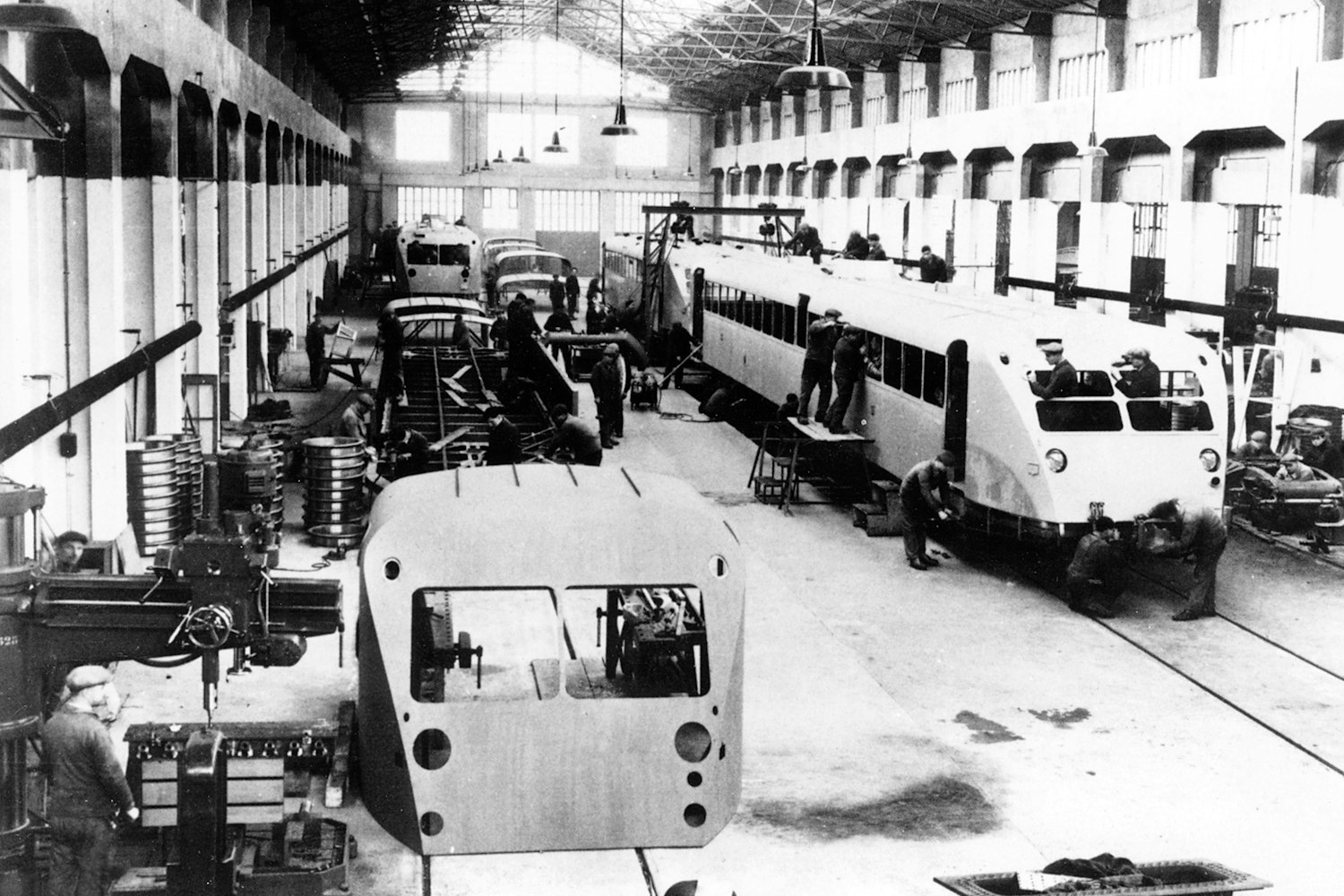
Bugatti would become so obsessed with the Autorail that he focused all of his company’s resources on building it. He even had racecar drivers involved in the Autorail program. But it also paid off, because when the Autorail was built and tested in 1933, it broke records. From Hemmings:
In the Summer 1967 issue of Automobile Quarterly, the brilliant Grand Prix champion Rene Dreyfus writes about the Autorail’s creation: “All work stopped; a big shed was hastily built–everything else was too small–and everyone in the factory, racing personnel included, was put to the task…. Completed, the automotrice was a big, impressive vehicle–too big, unfortunately, to get through the gate, which was the only means of entrance and exit from the factory. This didn’t bother M. Bugatti a bit. To get it out of the factory and down to the rail at the Molsheim, station, he simply ordered that a hole be made in the wall and then suggested that everyone–and he meant everyone–join him one evening and push the automotrice the mile down to the station. It was a night to remember.”
The Autorail was tested near the Bugatti factory in Alsace, France, in 1933, and proved a success, scorching the rails at 108.9 mph. Eventually, six versions of the Autorail were built, accommodating up to 144 passengers; some versions were powered by four Royale engines, such as the posh, 48-seat Presidential that carried French President Albert Lebrun to the inauguration of the new harbor station at Cherbourg in 1933. Autorails would serve on the Etat, PLM, Alsace-Lorraine and SNCF systems. Sources disagree on how many Autorails were built, with estimates ranging from just under 90 to more than 150. What is not in dispute is that an Autorail set a rail speed record of 121.8 mph over a 10-kilometer, or 6.2-mile, stretch, and blasted the 312 miles from Strasbourg to Paris in 3 hours, 53 minutes, an average speed of 80.8 mph.
Versions of the Autorail included a light model that had two engines, a lavish Présidentiel model for the State Railways Administration (État), two different stretched versions, a version that had two joined railcars, and a version that had three railcars. The interiors of these trains were supposed to be a bit like a living room, from Bugatti:
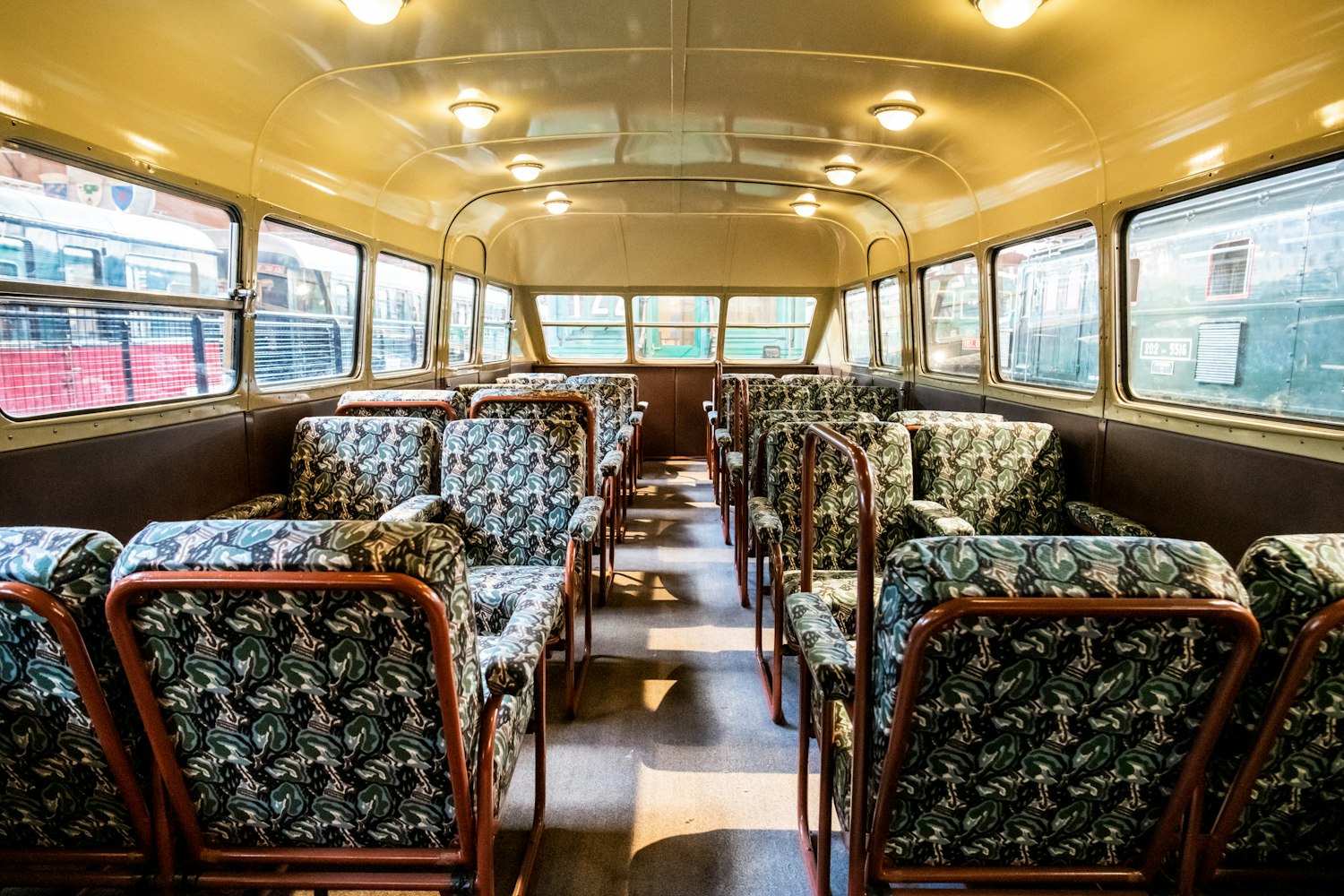
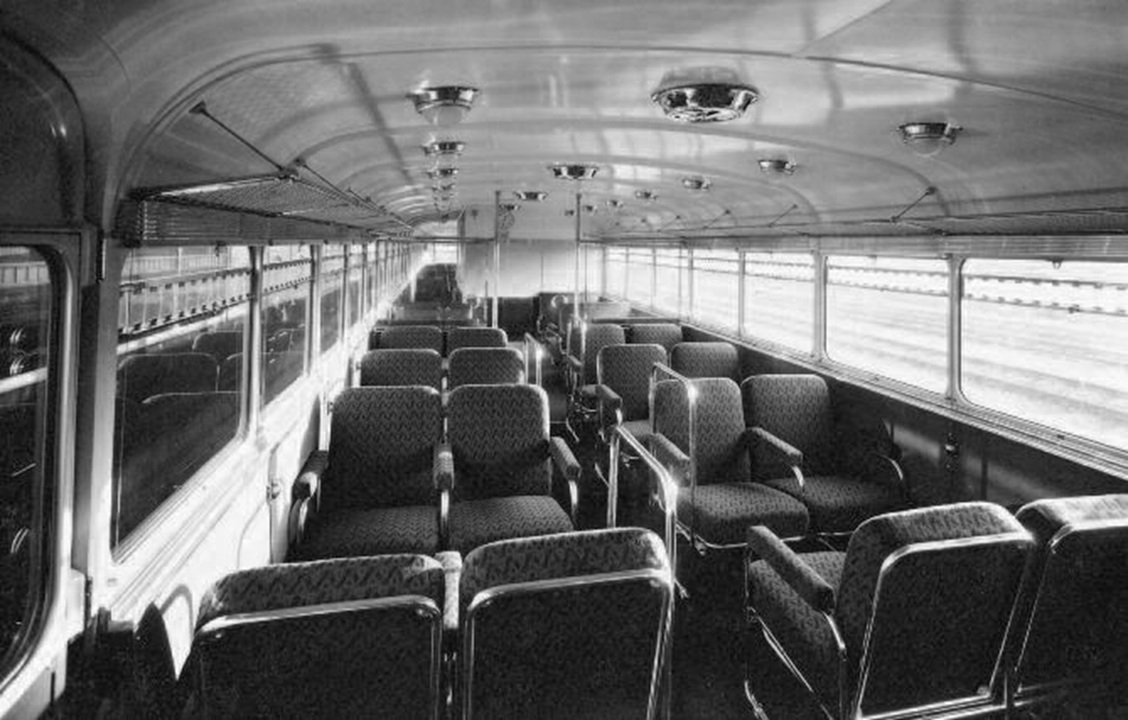
The interior style and functionality of the Bugatti trains were just as radical, allowing passengers to create a personalized environment from a fully flexible configuration arrangement. The configuration allowed the seats to rotate, enabling passengers to choose between facing the direction of travel or being seated facing the opposite way. Such flexibility allowed passengers to create a small and intimate living room environment that enhanced comfort and convenience. As with every Bugatti creation, Ettore was determined that the aesthetic ambience of the interior of the train – and the design of the exterior – was of the very highest quality to truly embody the “Art, Forme, Technique” philosophy.
Those seated in first class got seats with headrests and, like you get in an airliner today, food service to their seats. Not every cabin was like this. Autorails were also configured as rather normal-looking commuter trains.
The Autorails Had Some Quirks
Despite all of the glitz and glamour, the Bugatti Autorail did have some issues. One was that the engines had a voracious thirst for fuel. According to some accounts, each engine drank at a rate of about 2 mpg, and the train had a range of 310 miles thanks to a 33-gallon fuel tank for each engine. Later examples would get a longer range thanks to 300-gallon fuel tanks.
There were also some quirks. Bugatti didn’t really believe in hydraulic brakes back then, and thus the railcars were fitted with air-actuated drum brakes. Apparently, the brakes were very effective and could stop a railcar from 93 mph in only 1,970 feet. However, the downside is that the Autorails wore through brake linings quickly, and the unique design of the bogies made brake replacements harder.
There’s more. Depending on the speed and wind conditions, the positioning of the driver’s cab directly above the engines meant that the driver sometimes got to breathe in exhaust fumes.
But that did not matter, at least not at first. Building the Autorails would turn Bugatti’s Molsheim factory into an industrial powerhouse. The business of building trains became large enough that Ettore passed the reins of the business to Jean. Ultimately, the Autorail would become a smashing commercial success, even if the car it got some of its bones from was an infamous failure.
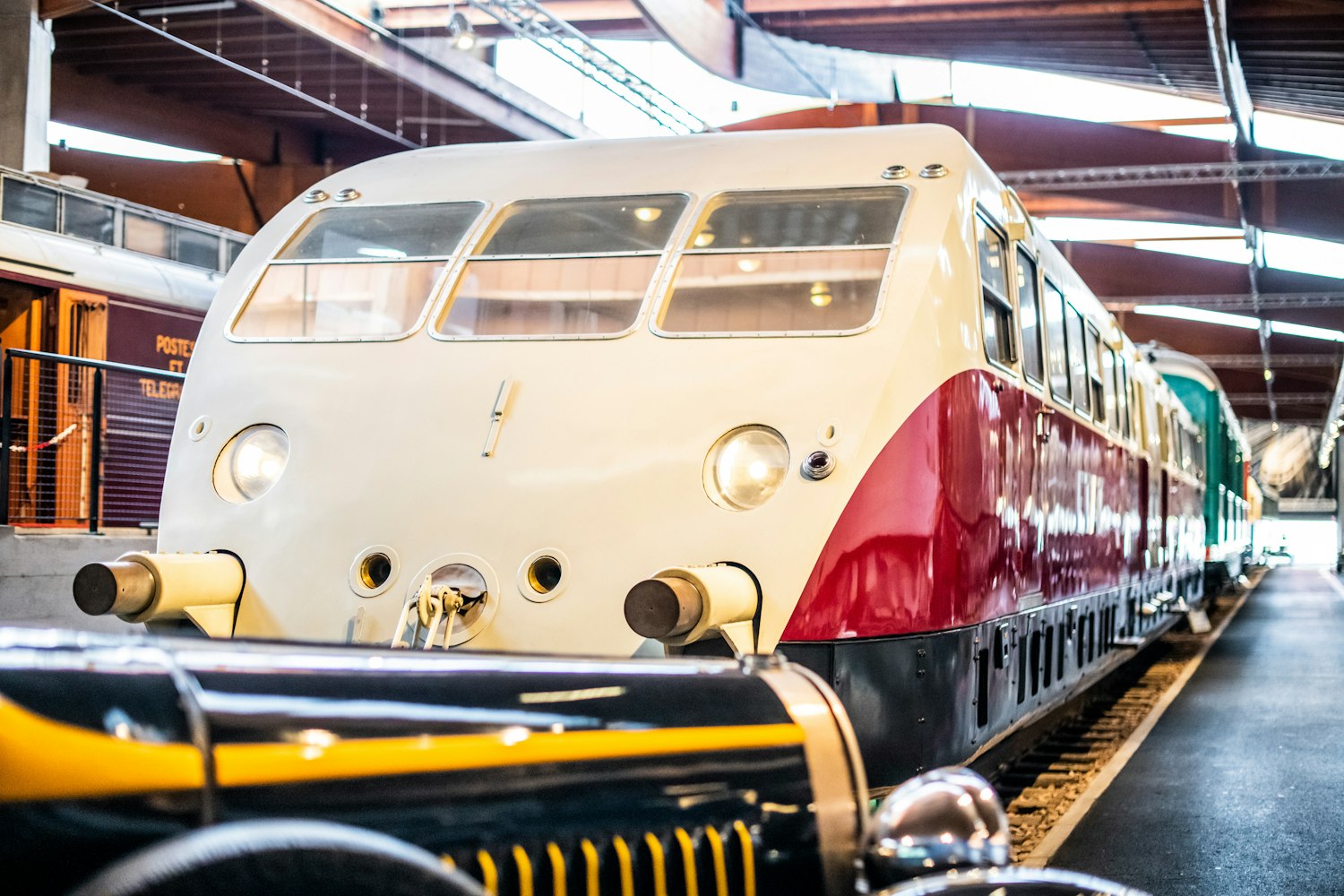
Tragically, Jean would pass in a vehicle testing accident in 1939. Then, World War II would destroy Bugatti’s factory. The Autorails were directly impacted by the war, either due to being destroyed by munitions or being unable to run due to fuel rationing. In total, 88 Bugatti Autorails were built in all varieties, with most being built between 1933 and 1938. Bugatti himself would pass in 1947, and the original Bugatti company would cease trading in 1952.
The End Of The Bugatti Autorail
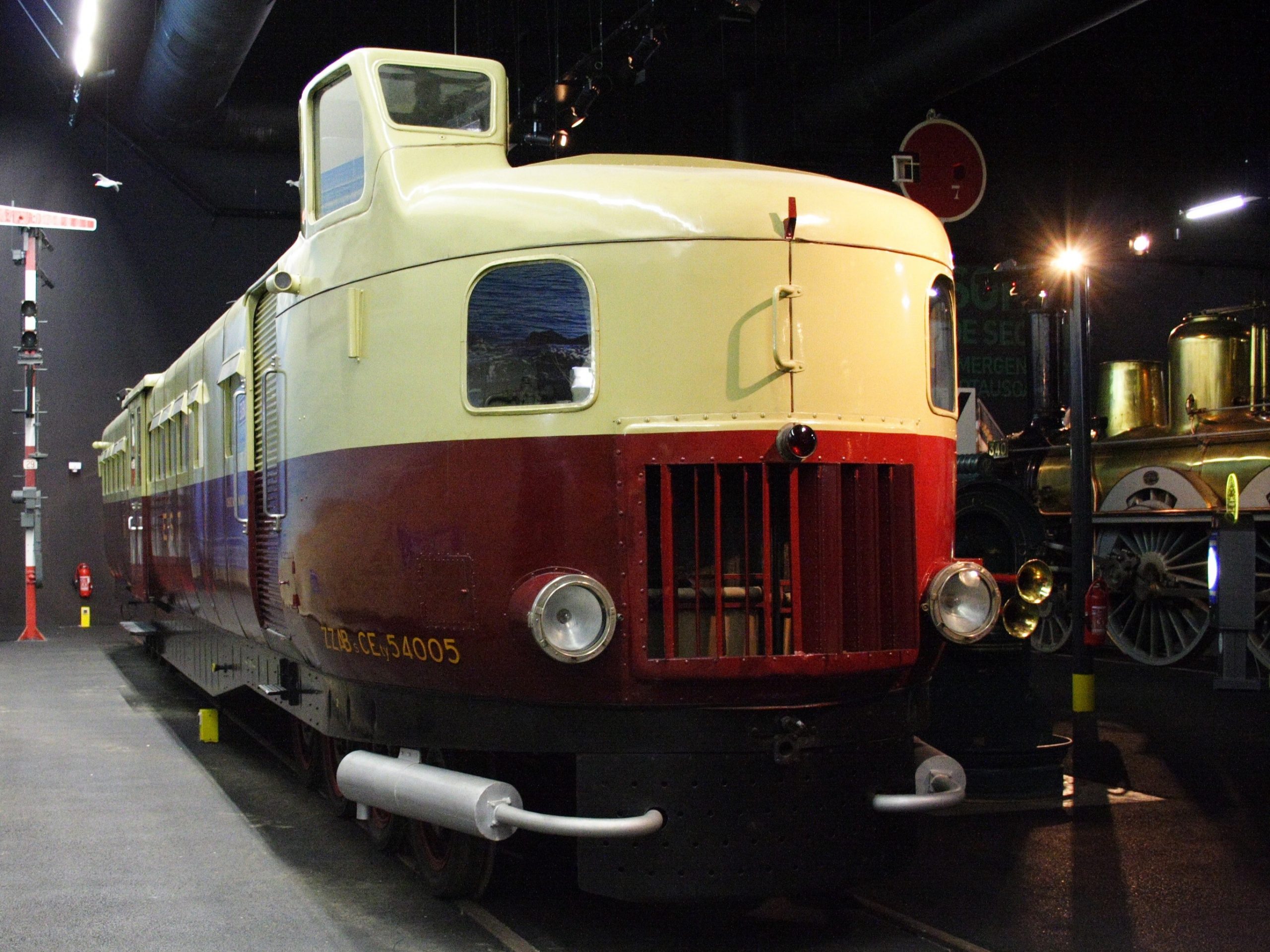
Few Bugatti Autorail examples would survive after the war. The last Autorails ran on the French Riviera until 1958, when even they were retired. Ultimately, what did these trains in was their poor fuel economy, as well as sometimes poor reliability. All examples but a single one were eventually scrapped. The only survivor was the fourth trainset of the original Présidentiel railcars. It’s preserved by the Cité du Train museum in Mulhouse. Sadly, the railcar does not run under its own power, but it is brought out for the public to enjoy.
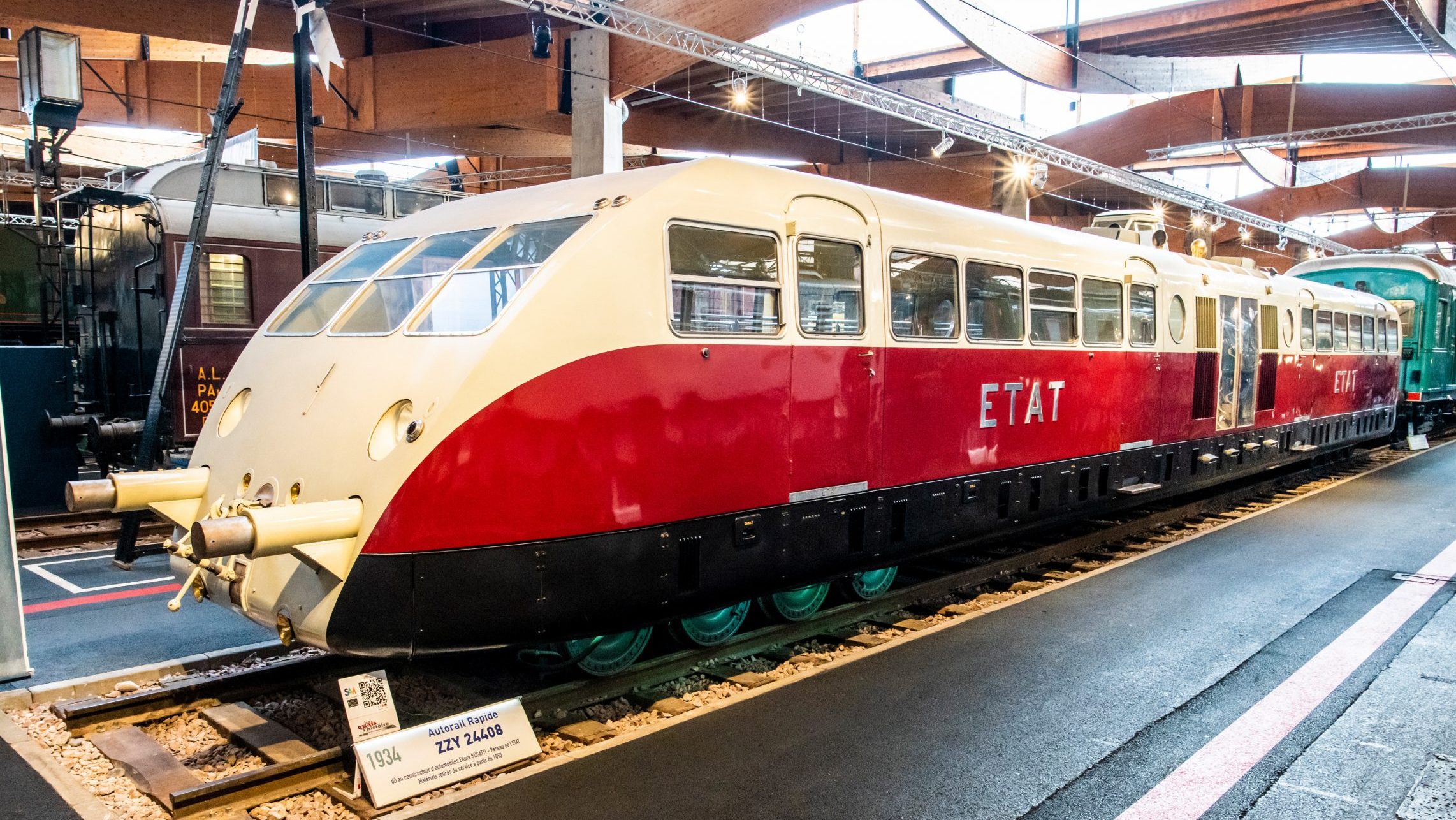
While the Bugatti Autorail was a short-lived endeavor, it was a successful experiment during an era when Bugatti struggled to survive. At the same time, it also had the impact of drastically cutting travel times between French cities. Bugatti more or less built a TGV decades before there was a TGV.
If you want to see this beauty in person, you’ll want to travel to France and visit the Cité du Train museum. The sweet thing is that Mulhouse, France, is also where you’ll find the Musee National de l’Automobile, so you can get a train fix and a car fix in the same day. Reportedly, the car museum even has two Type 41s that you can see.
Today, Bugatti takes credit for being one of the predecessors to today’s bullet trains, and I think it’s a fair claim to make. In trying to revolutionize transportation and make some money, Bugatti made what was the fastest train of the early 1930s. I suppose that’s not too far off from what Bugatti likes to do today. The train was even just as thirsty as something like a Veyron would be. But that’s what could happen when you get a car company to make a train.
Top graphic image: Bugatti





