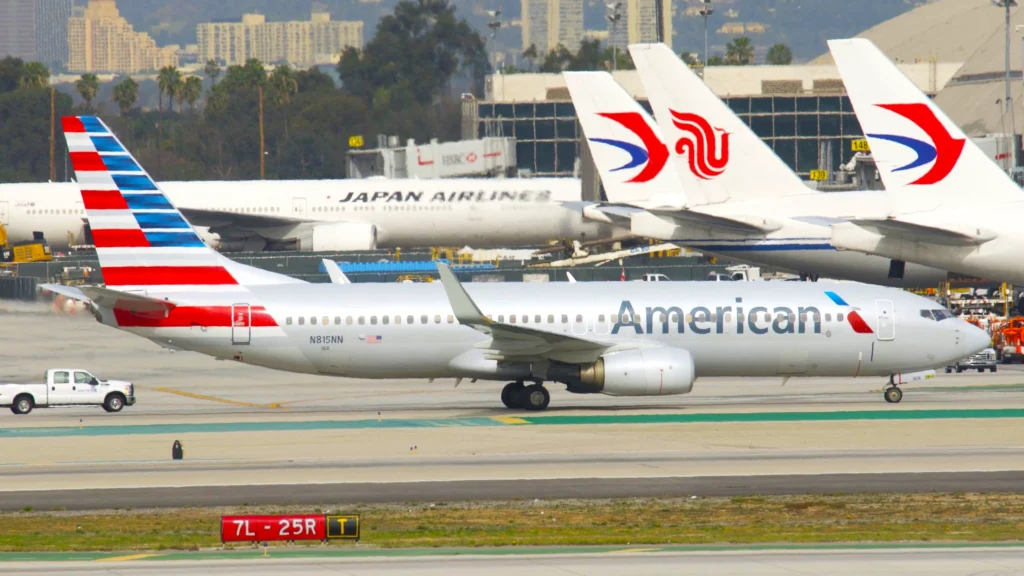
FORT WORTH- American Airlines (AA) faced an embarrassing moment when a pilot delayed a flight from Charlotte Douglas International Airport (CLT) to Daniel Oduber Quirós International Airport (LIR) in Liberia, Costa Rica, because he was stuck in a Starbucks line inside the terminal.
The incident highlights a long-standing gap in the airline’s inflight coffee quality that directly affected its operational reliability.
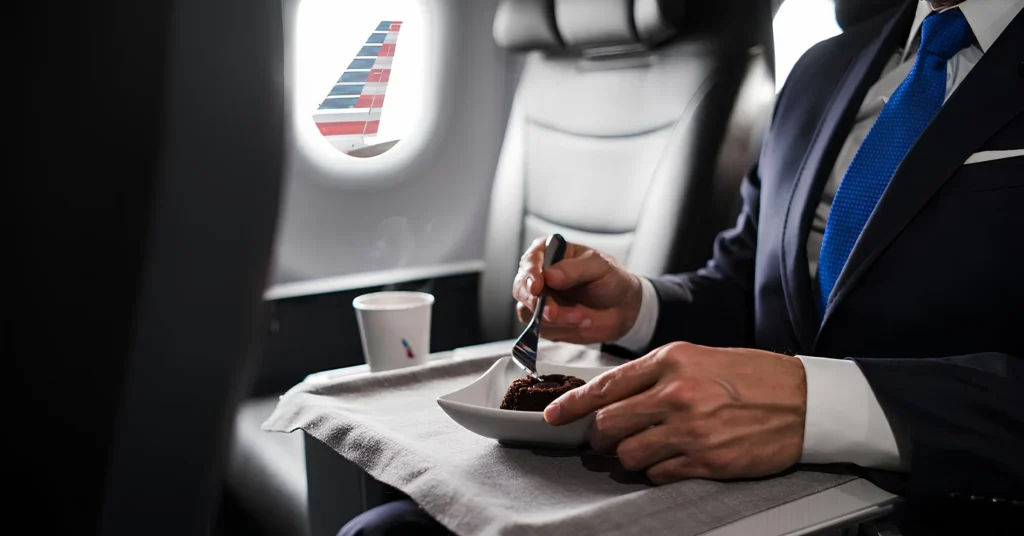
The story, shared by a passenger at the gate, captures a problem aviation insiders have flagged for years. American Airlines knowingly served low-grade coffee onboard, which routinely sent pilots and crew to terminal coffee shops before flights, causing delays and setting the tone for a poor customer experience.
Poor Coffee Quality Cost American Airlines More Than Just Taste
A passenger waiting at the gate heard gate agents repeatedly paging the captain over the intercom. Several minutes passed with no resolution. When the passenger returned from the restroom, they found themselves walking alongside the captain, who had been delayed in the Starbucks queue inside the terminal.
Upon arrival at the gate, the captain and the gate agent exchanged a laugh, but the passengers waiting onboard did not find the situation amusing.
The passenger who witnessed the incident noted that the delay reflected not just poor planning but poor respect for the customer. However, the root cause was not pilot negligence. It was an airline that failed to provide quality coffee onboard, effectively pushing crew members to seek it elsewhere during the pre-departure window.
This behavior is a predictable consequence of cost-cutting on in-cabin beverages. When airlines serve low-quality coffee, crew members, who typically have a brief window before boarding, use terminal time to grab a better cup. That terminal stop, even if only minutes long, can cascade into a delayed pushback, a missed departure slot, and a chain of downstream schedule disruptions.
The cost economics of airline coffee are more significant than most assume. Analysts have previously estimated American Airlines’ annual coffee expenditure at roughly $10 million or more.
That figure covers millions of cups served across thousands of daily flights. Cutting corners on that cost delivers minimal savings while generating measurable operational risk, View from the Wing reported.

Competitive Landscape That Pushed American Airlines to Act
American Airlines (AA) was not alone in recognizing the problem late. Industry observers had long pointed to United Airlines (UA) as the benchmark for getting this right.
United dropped its generic FreshBrew product and moved to the Italian premium brand Illy, a decision that was praised as the first clear signal of a genuine airline turnaround.
Delta Air Lines made a similar move by switching from Seattle’s Best to Starbucks, a transition that came at a higher cost but delivered a stronger brand signal to passengers.
United Airlines reported serving approximately 72 million inflight cups of Illy coffee annually, underscoring just how central the beverage is to the passenger experience at scale.
Delta Air Lines acknowledged that its Starbucks transition cost more but declined to share the specific figure.
Both decisions reflected a broader industry recognition that premium coffee is not just a beverage. It is a signal of operational seriousness and brand positioning.
American Airlines was late to follow. For years, the airline absorbed the reputational cost of average coffee while pilots quietly voted with their feet, stopping at terminal Starbucks locations before boarding. The delay incident at Charlotte Douglas International Airport (CLT) made that reality visible to passengers in real time.
American Airlines and Lavazza: What the Partnership Means
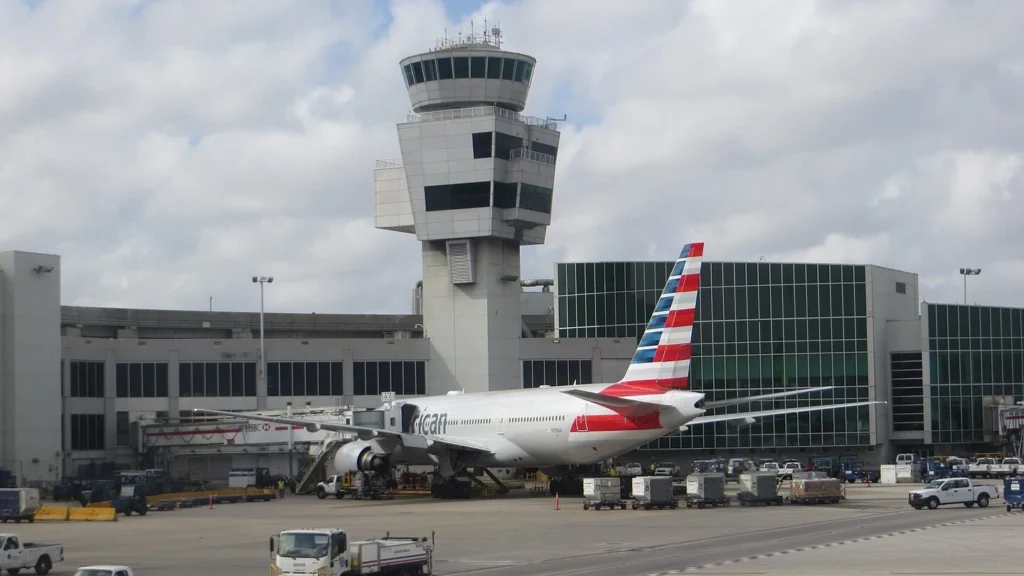
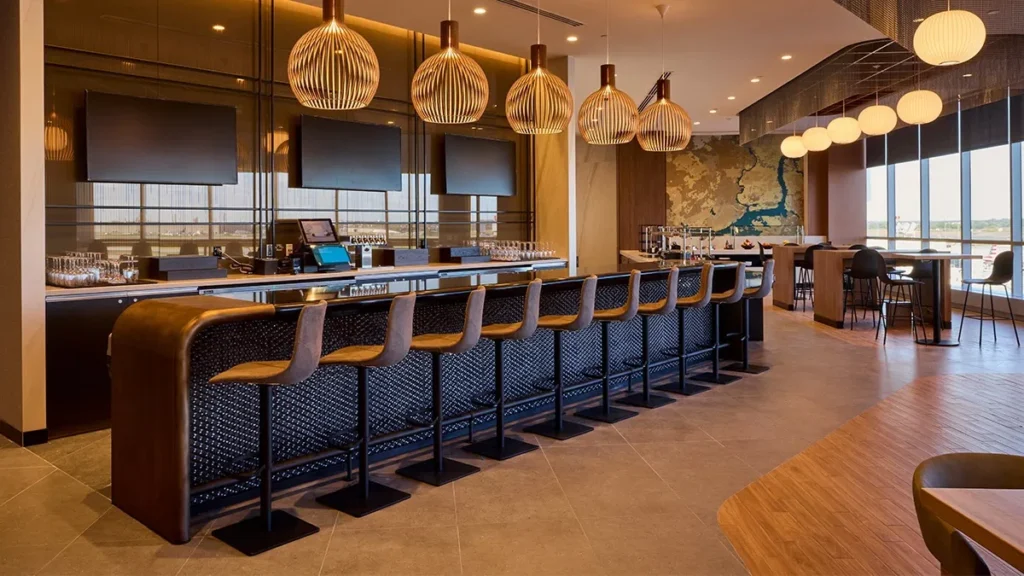
American Airlines announced a partnership with Lavazza, a globally celebrated Italian brand, to bring premium coffee blends to all cabins inflight and at its Flagship and Admirals Club lounges, with the rollout beginning in early 2026.
For the first time, American customers will receive a consistent coffee experience both on the ground and in the air.
Lavazza, founded in Turin in 1895 and still family-owned across four generations, has grown into a leading global coffee brand present in 140 markets, producing over 30 billion cups annually.
Its blends are served in top-tier hotels and restaurants worldwide, making the partnership a meaningful step up in quality for American Airlines passengers across every cabin class.
Heather Garboden, American’s Chief Customer Officer, stated that the airline is focused on every aspect of the customer experience, and that a quality cup of coffee is an important part of that journey.
Lavazza’s Americas President, Hossam Ashraf, described the partnership as an opportunity to bring the true Lavazza experience to travelers around the world, while also helping strengthen Lavazza’s footprint in the U.S. market.
That last point matters from a commercial standpoint. Because Lavazza gains significant brand exposure through the partnership, it meets a strategic objective for the Italian company, which likely results in more favorable economics for American Airlines.
The airline is not simply buying coffee. It is buying premium brand association at a per-cup cost that is modest relative to the brand value it receives.
Why This Goes Beyond a Beverage Upgrade
The operational benefit of better onboard coffee is straightforward. When crew members trust the coffee available on their aircraft, they have no reason to make a terminal detour before departure.
That eliminates a category of avoidable delay that, while seemingly trivial, contributes to schedule slippage at a hub like Charlotte Douglas International Airport (CLT), where hundreds of connecting flights depend on on-time departures.
There is also a crew morale dimension. Flight attendants who serve a recognizable, respected coffee brand face fewer passenger complaints about beverage quality. That reduces friction during service and contributes to a more positive cabin environment. Crew pride in the product they serve is a soft but real factor in the overall customer experience.
American Airlines previously served FreshBrew, a Houston-based brand. Other major U.S. airlines have already moved to well-known names: Delta Air Lines (DL) serves Starbucks, JetBlue (B6) serves Dunkin’, and Southwest (WN) serves Peet’s.
The Lavazza partnership positions American Airlines (AA) as the only major U.S. carrier offering an internationally recognized Italian premium brand across all cabins and lounges simultaneously.
The spend required to make this shift is not dramatic relative to overall airline revenue. But the return, measured in operational reliability, crew morale, and premium brand signaling, is disproportionately high. Airlines that have made the move earlier have seen benefits that extend well beyond the beverage cart.
Stay tuned with us. Further, follow us on social media for the latest updates.
Join us on Telegram Group for the Latest Aviation Updates. Subsequently, follow us on Google News