New Zealand, an island nation in the southwestern Pacific Ocean, is known for its diverse landscapes, from rolling green hills and high mountains to white-sand beaches and large cities. While its natural beauty often steals the spotlight, New Zealand’s small towns offer equally compelling experiences. Rich in history, culture, and scenery, they provide a glimpse into the country’s heart and soul. These 11 charming small towns in New Zealand are definitely worth a visit.
Wanaka

Wanaka, nestled beside Lake Wanaka in the Otago region of New Zealand’s South Island, has a history intertwined with both Māori culture and European exploration. The area was originally inhabited by the Māori, who utilized the lake and surrounding valleys for food and resources. The town itself was established during the gold rush era of the 19th century, with European settlers drawn to the region by the prospect of gold in the nearby Cardrona Valley. Over time, Wanaka transitioned from a mining hub to a tranquil holiday destination, known for its lake and mountain scenery.
Hiking the Roys Peak Track offers sweeping views of Lake Wanaka and the Southern Alps, making it a rewarding adventure for those eager to explore the area’s rugged landscape. At Rippon Vineyard, visitors can enjoy tasting locally produced wines and learn about the region’s agricultural history, all set against scenic lake views. For a peaceful outing, the Wanaka Lavender Farm features vast lavender fields and provides insights into local farming techniques.
Akaroa

Akaroa, located on Banks Peninsula, is a town with a French and British colonial history. Originally settled by the Ngāi Tahu Māori tribe, Akaroa’s European chapter began when French settlers arrived in 1840, intending to establish a French colony. However, upon their arrival, they found that the British had already claimed sovereignty over New Zealand. The resulting blend of French and British influences is still evident in Akaroa’s architecture, street names, and cultural events, making it a distinctive spot in New Zealand’s South Island.
A trip to the Akaroa Museum offers an in-depth exploration of the town’s colonial history, featuring exhibits on Māori and European heritage. Nature lovers can hike through the Hinewai Reserve, a private conservation area with trails showcasing the native plants and animals of the peninsula. Visitors can also tour the Akaroa Lighthouse, a historic site offering scenic views of the harbor.
Te Anau

Te Anau, on the eastern shore of Lake Te Anau, is the gateway to the Fiordland National Park. This town’s history dates back to its original Māori settlers, who valued the area for its natural resources. The name “Te Anau” is derived from the Māori language, meaning “cave with a current of swirling water,” referencing the many limestone caves in the area. European settlers arrived in the mid-19th century, drawn by the opportunities for farming and tourism.
The Te Anau Glowworm Caves provide an intriguing underground experience, with guided tours navigating limestone tunnels lit by thousands of glowworms. For hiking enthusiasts, the Kepler Track offers a well-kept trail through varied scenery, such as beech forests and alpine ridges, featuring views of nearby fjords. Moreover, the Fiordland Vintage Machinery Museum showcases a range of historic agricultural and industrial equipment.
Kaikoura

Kaikoura, located on the east coast of New Zealand’s South Island, is known for its abundant marine life and coastal scenery. The town’s history is deeply connected to the Māori tribe Ngāti Kuri, who named it Kaikoura, meaning “meal of crayfish,” highlighting the area’s seafood resources. European whalers and settlers arrived in the 19th century, establishing Kaikoura as a center for whaling, which has since evolved into a major eco-tourism destination.
Whale watching tours are essential for the chance to see enormous sperm whales and diverse marine life in their natural environment. The Kaikoura Peninsula Walkway provides a picturesque coastal route where visitors can spot fur seals and take in sweeping ocean vistas. Furthermore, the Kaikoura Museum features exhibits on the town’s whaling past and cultural history, offering visitors a richer insight into this coastal community.
Arrowtown

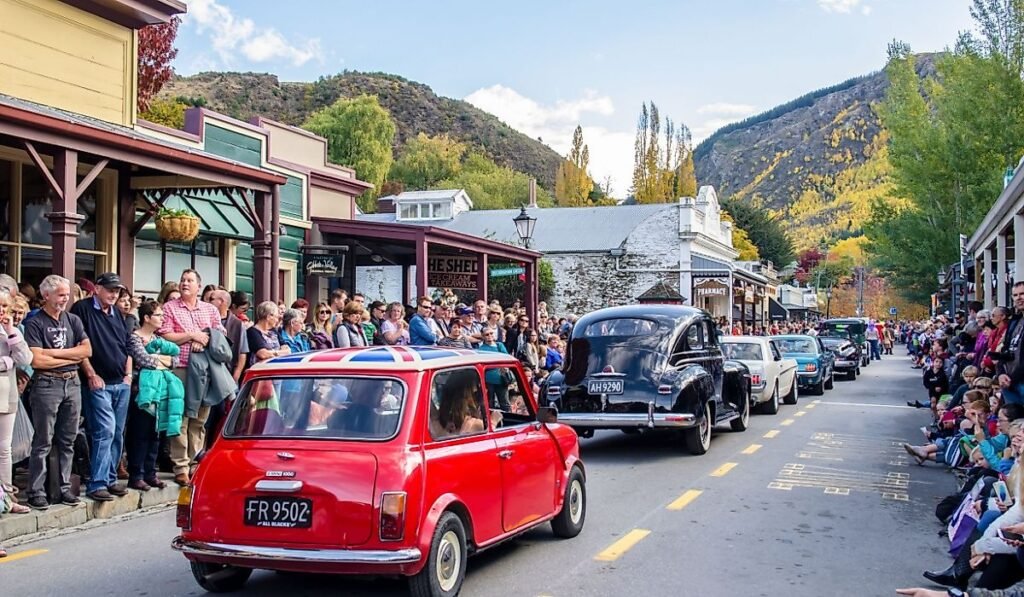
Arrowtown, situated near Queenstown, is a historic gold mining town that has preserved much of its 19th-century charm. Established during the Otago gold rush in the 1860s, Arrowtown attracted miners from around the world. The town’s well-preserved buildings and tree-lined streets reflect its prosperous past. The Arrow River, which runs through the town, was the site of extensive gold mining, and remnants of this era are still visible today.
The Lakes District Museum showcases the town’s gold mining history through exhibits and artifacts that vividly bring the past to life. The Arrowtown Chinese Settlement offers insight into the lives of Chinese miners who contributed to the town’s growth. For a more immersive experience, hikers can follow the Arrow River Trail, which offers stunning views and traces the paths once walked by miners.
Russell

Russell, located in the Bay of Islands, holds a significant place in New Zealand’s history as one of the country’s earliest European settlements. Originally named Kororareka, it was a bustling port and trading post in the early 19th century, infamous for its rowdy and lawless atmosphere. Despite its turbulent beginnings, Russell has transformed into a peaceful town that retains much of its historical charm, with preserved colonial buildings.
The Pompallier Mission and Printery, a French Catholic mission from the 1840s, offers guided tours that provide insights into the area’s early missionary activities and printing history. The Russell Museum features exhibits on the town’s Māori and European heritage, including artifacts from its early days as a port. For a scenic experience, a walk to Flagstaff Hill offers views of the Bay of Islands and the site of the famous flagstaff that played a role in New Zealand’s early colonial history.
Raglan

Raglan, a coastal town on New Zealand’s North Island, is celebrated for its surf breaks and arts scene. The area was originally settled by the Māori tribe Tainui, who valued its coastal resources and location. European settlers arrived in the mid-19th century, establishing Raglan as a farming and timber community.
Manu Bay is renowned for its lengthy left-hand surf break, drawing surfers worldwide and providing scenic coastline views. Visitors can visit the Bridal Veil Falls, a 55-meter waterfall nestled among native forest, accessible via walking tracks that lead to lookout points. For history and nature lovers, the Te Toto Gorge Track offers a picturesque hike through historic Māori garden terraces and native bush.
Hokitika

Hokitika, situated on the West Coast of New Zealand’s South Island, has a history rooted in gold mining and greenstone (pounamu) carving. The town was founded during the West Coast gold rush of the 1860s, quickly growing into a bustling settlement. Hokitika was also an important site for Māori, who gathered greenstone from the nearby rivers and mountains.
The Hokitika Gorge, with its turquoise waters and native bush, has walking tracks and viewpoints that highlight the area’s natural beauty. The Westland Industrial Heritage Park looks into the town’s gold mining past, with exhibits of vintage machinery and historical artifacts. Additionally, a walk along Hokitika Beach allows visitors to experience the town’s waterfront and view the driftwood sculptures that dot the shoreline.
Oamaru

Oamaru, located on the east coast of New Zealand’s South Island, is known for its well-preserved Victorian architecture. The town flourished in the late 19th century, driven by the agricultural and limestone industries. Oamaru’s grand buildings, constructed from locally quarried limestone, reflect its past. The town is also known for its colony of little blue penguins, which come ashore each evening.
The Oamaru Blue Penguin Colony hosts guided tours that provide an up-close look at the penguins as they return to their nests each evening. The Victorian precinct is where guests can explore the Whitestone City heritage and learn about the town’s historical development. Additionally, the Oamaru Public Gardens is a peaceful retreat with landscaped grounds, historic features, and a variety of plant species.
Picton

Picton, located at the head of Queen Charlotte Sound in the Marlborough region, is the gateway to New Zealand’s South Island. The town has a maritime history, with European settlers arriving in the 19th century to establish a key port for shipping and transportation. Picton’s natural harbor made it a crucial point for trade and travel.
The Edwin Fox Maritime Museum explores one of the world’s oldest surviving merchant ships, featuring exhibits about its history. Visitors can hike the Queen Charlotte Track, a walking trail offering views of the sounds and native bush. Additionally, the Kaipupu Wildlife Sanctuary provides opportunities to see native birds and plants in a predator-free environment, emphasizing the region’s dedication to conservation.
Whitianga

Whitianga, located on the Coromandel Peninsula, is another town steeped in maritime history. The area was originally settled by the Ngāti Hei Māori tribe, who named it Te Whitianga-o-Kupe after the Polynesian navigator Kupe. European settlers arrived in the early 19th century, establishing a timber and shipbuilding industry.
The Mercury Bay Museum explores the town’s Māori and European history, featuring exhibits on pirates and Captain Cook’s visit. Visitors can enjoy Hot Water Beach, where natural hot springs come through the sand at low tide, allowing guests to dig their own hot pools. A trip to Cathedral Cove offers stunning coastal views, with a scenic walk leading to the rock archway and beach.
In Summary
Discovering New Zealand’s small towns is an intimate look at the country’s varied history and natural splendor. In Kaikoura, visitors can embark on whale-watching tours to see marine giants up close, while in Hokitika, they can explore the turquoise waters of the gorge and learn about the town’s gold mining heritage. Each of these 11 charming small towns, whether it’s the picturesque vineyards of Wanaka or the geothermal wonders of Whitianga’s Hot Water Beach, offers a distinct and memorable experience, embodying the diversity and beauty that define New Zealand.


