FORT WORTH, TEXAS— The Federal Aviation Administration (FAA) has proposed a $255,000 civil penalty against American Airlines (AA), accusing the Fort Worth-based carrier of permitting 12 flight attendants to resume safety-sensitive work after testing positive for drugs or alcohol without completing required follow-up testing. The alleged lapses occurred between May 2019 and December 2023.
These proposed fines against American Airlines (AA) and Southwest Airlines (WN) come amid broader efforts by the FAA to maintain rigorous oversight of drug and alcohol testing programs across the industry. Both airlines now have 30 days to respond to the agency’s enforcement letters, PYOK flagged.
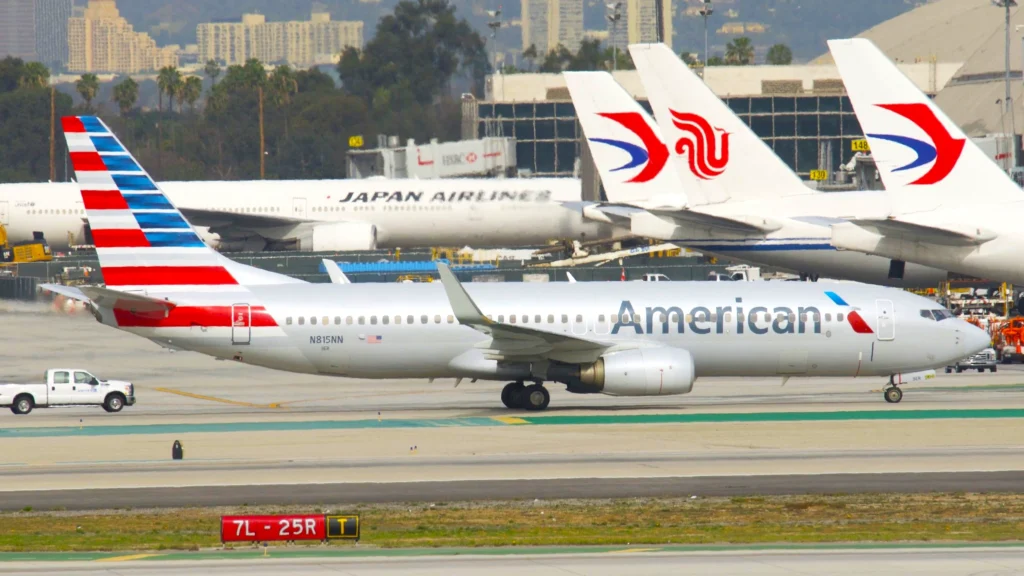
American Airlines Fined $255K by FAA
The substances involved in American Airlines’ (AA) case include amphetamines, cocaine, marijuana, and methamphetamine. Individual infractions can each incur a penalty of over $100,000, and the six-digit fines targeted at American and Southwest represent combined totals of multiple violations.
The FAA has also warned that it is looking at further increasing penalty fees.
During various periods between August 2021 and July 2024, Southwest Airlines (WN) employees performed safety-sensitive functions without being subjected to the required follow-up testing, as Aviation A2Z reported earlier.
The 11 employees included pilots, flight attendants, and aircraft mechanics who had previously tested positive for alcohol or drugs, including marijuana, cocaine, and amphetamines.
The FAA claims Southwest Airlines (WN) allowed employees to perform critical duties without full compliance with federal testing rules, raising serious concerns about oversight and operational safety at one of the country’s largest carriers.
In a statement, Southwest said: “Southwest Airlines takes seriously its drug-and-alcohol testing responsibilities and continues to engage with the FAA. We took immediate action more than two years ago to enhance our procedures and to strengthen oversight and accountability.”
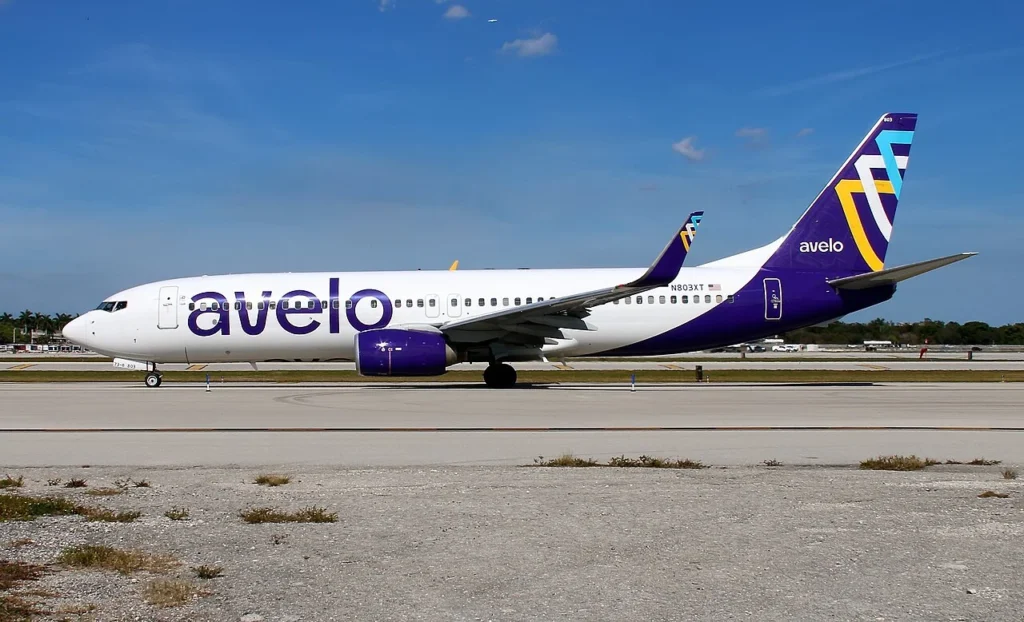
Avelo Also Faces FAA Penalty
American Airlines (AA) and Southwest Airlines (WN) are not the only carriers under scrutiny.
The FAA also proposed a $65,000 civil penalty against Avelo Airlines (XP) after the carrier failed to include 10 of its flight attendants in its drug and alcohol testing pool during various periods between April 2024 and November 2024.
This pattern of violations across multiple airlines signals a broader compliance gap that the FAA is now actively addressing.
What Federal Regulations Require
Under Title 14 of the Code of Federal Regulations Part 120 (14 CFR Part 120), all safety-sensitive airline employees — including pilots and flight attendants — must be subject to random drug and alcohol testing. For 2026, airlines must select 25% of safety-sensitive workers for drug testing and 10% for alcohol testing.
Under FAA regulations, employees who test positive must complete a Substance Abuse Professional (SAP) evaluation, pass a return-to-duty test, and then undergo follow-up testing that can span up to five years, all conducted under direct observation. Follow-up testing must include at least six tests in the first 12 months after an employee returns to a safety-sensitive role.
A positive test does not automatically result in termination. Many airlines operate rehabilitation programs that allow employees to return to work after completing a compulsory recovery plan, but follow-up testing remains a non-negotiable federal requirement after reinstatement.
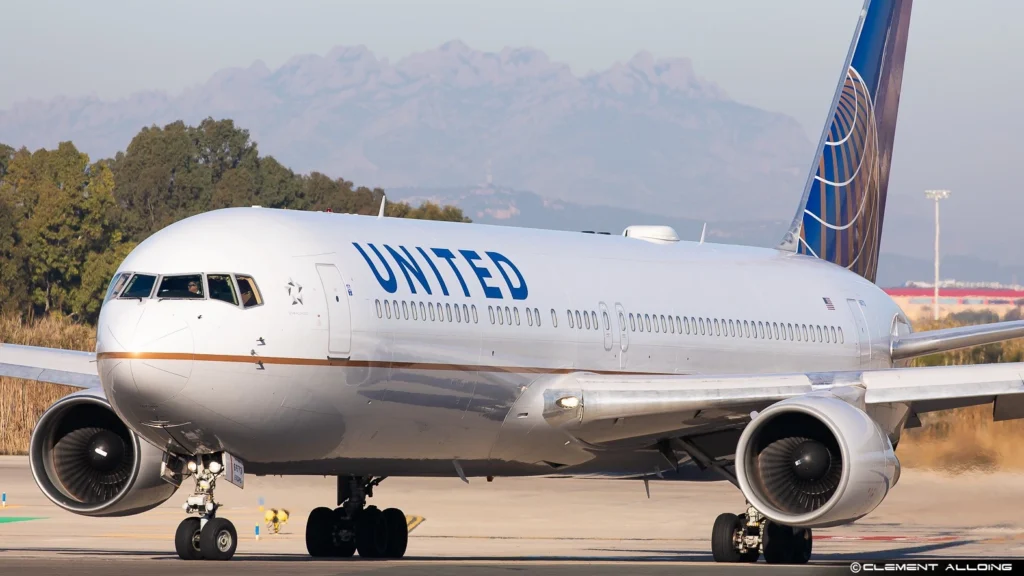
The United Airlines HIMS Program and Religion Lawsuit
Substance abuse programs in aviation are not without controversy. In 2022, United Airlines (UA) agreed to pay $305,000 to settle a lawsuit brought by the Equal Employment Opportunity Commission (EEOC) on behalf of an alcoholic Buddhist pilot.
The pilot had requested to replace the Christian-based Alcoholics Anonymous program with a Buddhism-based peer support group, but United Airlines (UA) reportedly declined to accommodate his religious objection.
While United Airlines (UA) settled the suit, the airline maintained confidence in its pilot substance abuse program — the HIMS (Human Intervention Motivation Study) program. The HIMS program reports a high success rate, with up to 90% of enrolled pilots successfully returning to the cockpit.
Stay tuned with us. Further, follow us on social media for the latest updates.
Join us on Telegram Group for the Latest Aviation Updates. Subsequently, follow us on Google News