Across the board, we’ve seen a lot of inflation in recent years, particularly since the start of the pandemic. Admittedly inflation hasn’t impacted all parts of the economy equally.
In this post, I’d like to address what we’ve seen in recent years when it comes to luxury hotel prices in popular leisure markets. In many places, luxury hotels are charging more than ever before, in a way that has massively outpaced inflation. What is actually driving this trend?
Luxury hotel rates have gone up a lot in recent years
At the very top end of the market, it’s pretty incredible how much hotel room rates have gone up. It’s not the same in all markets, but let me give some examples.
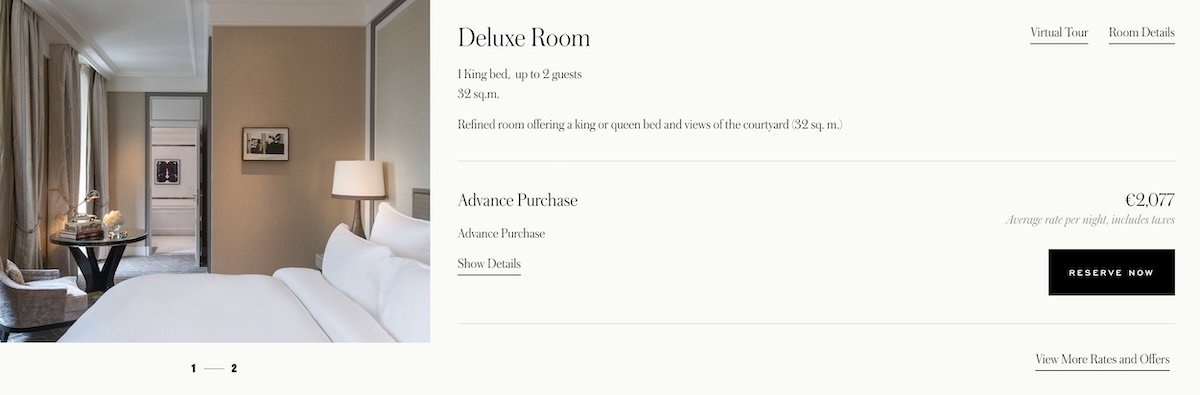
It used to be that the top hotels in Paris cost well under €1,000 per night, while now the city’s top tier of hotels (like Rosewood’s Hotel de Crillon) retail for around €2,000 per night for a standard room on any random night.
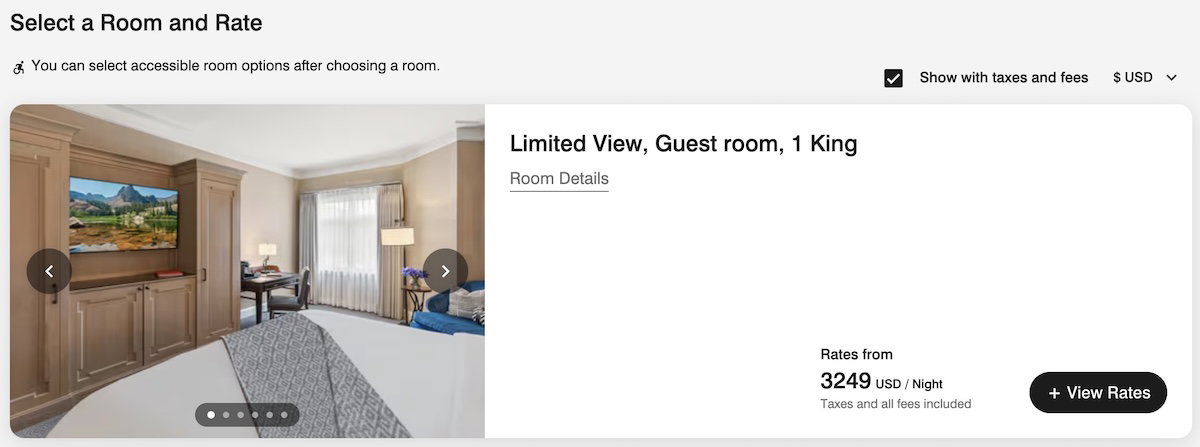
When you look at ski resorts in the United States, it’s pretty shocking what’s being charged nowadays. For example, take a look at the St. Regis Deer Valley, where a $3,000+ nightly rate is just the norm nowadays in peak season. Admittedly this property is a bit of a “points farm,” and I’d assume a majority of rooms aren’t actually being sold at those rates. But those people paying those amounts are really… not looking to maximize value.
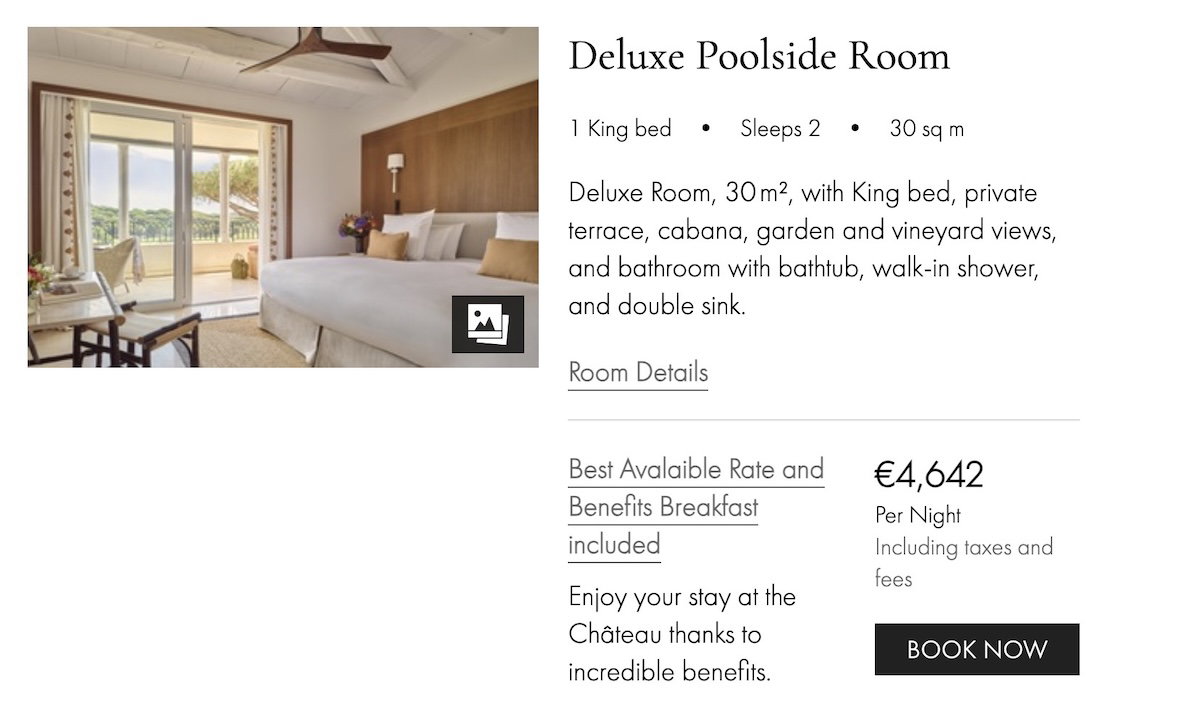
Also, admittedly the South of France is a hot destination in summer, and Airelles Chateau de la Messardiere is the new “it” hotel (and is even where White Lotus will be filmed), but it’s pretty wild to see a rate of over €4,600 per night for a standard(ish) room.
The funny thing is that by comparison, the types of vacations that used to be considered by far the most expensive now represent a much better value. For example, we haven’t seen the same level of inflation to luxury safari costs. So while they’re still more expensive than many of the above, it’s a truly special experience that includes virtually everything, so you at least feel like you’re getting some “value.”
What’s driving this trend, and what we can make of it
The obvious answer is that supply and demand is driving this trend, but I think it’s a bit more nuanced than that. We constantly hear about the K-shaped economy, especially when it comes to airlines and hotels.
Based on conversations I’ve had with folks in the hotel industry (particularly in luxury leisure markets in “hotspots”), demand for luxury hotels in many markets is just highly inelastic, and they find their demand doesn’t fluctuate that much even with big swings in pricing. Admittedly that’s a slight oversimplification, but the idea is that for places like Paris, the South of France, the Amalfi Coast, this has increasingly become the reality.
What’s causing this, specifically?
- It’s clear that more than ever before, people value travel experiences; we see this on all ends of the market, including when you look at the growth in summer transatlantic demand in recent years
- People feel the need to keep up, to visit hotels that are on every list, to see their Upper East Side neighbors in Saint-Tropez, etc.
- Wealth (especially when it comes to people spending big money on hotels) is so heavily concentrated in the United States, in terms of the total number of hundred millionaires, billionaires, etc.
- Americans are known for their limited vacation time, so when they only have one or two weeks per year where they can unwind, many people don’t care how much it’ll cost to have the “best” experience
So from a revenue management standpoint, my understanding is that at many of these properties, they’re essentially trying to skim the market. While some hotels will always be booked out in peak season, there are just as many hotels that are happy with a marginally lower occupancy level but with much higher rates, since that’s ultimately the most profitable.
Keep in mind that hotels are typically real estate investments, and the goal is for hotel operations to make it profitable to hold onto land, as it appreciates over time.
This means “value” has to be judged relatively, largely
For those of us who appreciate value, the issue is that this rate inflation makes many people believe that because a hotel charges X amount per night, it’s going to be amazing. After all, if a hotel is going to be charging a fortune, you expect a great experience — if you order a $100 steak at a restaurant, you don’t expect to be served a Big Mac.
I think this is really a challenge the industry is facing in terms of managing expectations. To a billionaire, it doesn’t matter whether the hotel costs $1,000 or $3,000 per night, or whether a cocktail costs $15 or $40. To someone splurging on a honeymoon or anniversary trip, that does make a big difference, and I think high prices also come with high expectations.
Often when I write about hotel openings and share the prices that are being charged, people will point out the pricing is ridiculous, and isn’t worth it. I can’t disagree with the “worth it” argument, if the goal is to feel like you’re getting value for your money. You’re ultimately paying for the popularity of a place, and on some level, for its proximity to major wealth centers of the United States.
When you look at the very top end of the hospitality market, it’s easier to come away with a great impression if you travel further from the United States:
- While there are exceptions, the United States’ hospitality industry is pretty sad, with the biggest focus being short term profits, maximizing revenue, and minimizing costs; you really feel that in the guest experience, and often I don’t enjoy staying at hotels in the United States
- In Europe, luxury hotels can be really expensive, but at least they often have a great sense of place, a high level of service, nice facilities, and good dining
- Asia is still where you can no doubt get the most value; while Asia’s most expensive properties have gone up in price over the years, it’s still relatively reasonable, and aside from places like Kyoto, you can get a hotel at the top end of the market without dropping four figures per night
The other issue here is that luxury hotels are more differentiated than pre-pandemic. This isn’t so much about improvements at luxury properties, but instead, about negative changes at other hotels. We’ve seen so many service cuts at more mid-range properties, with concepts like daily housekeeping, room service, etc., no longer being things consumers can expect.
I think ultimately the value of hotels also has to be judged on a relative basis, rather than in absolute terms. For example, if you’re going to drop $3K per night at a ski resort, you can stay at the 173-room St. Regis Deer Valley, where almost is nothing included, and service isn’t very attentive.
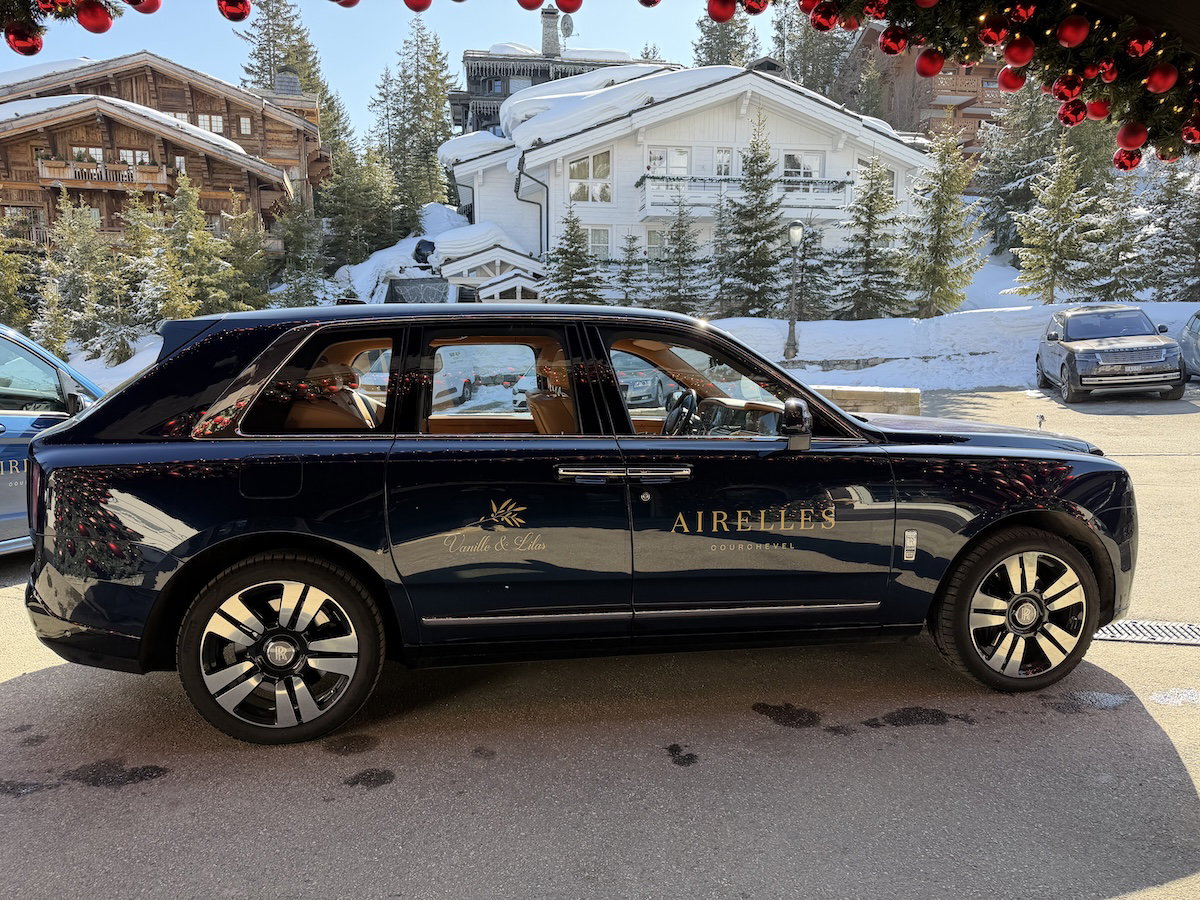
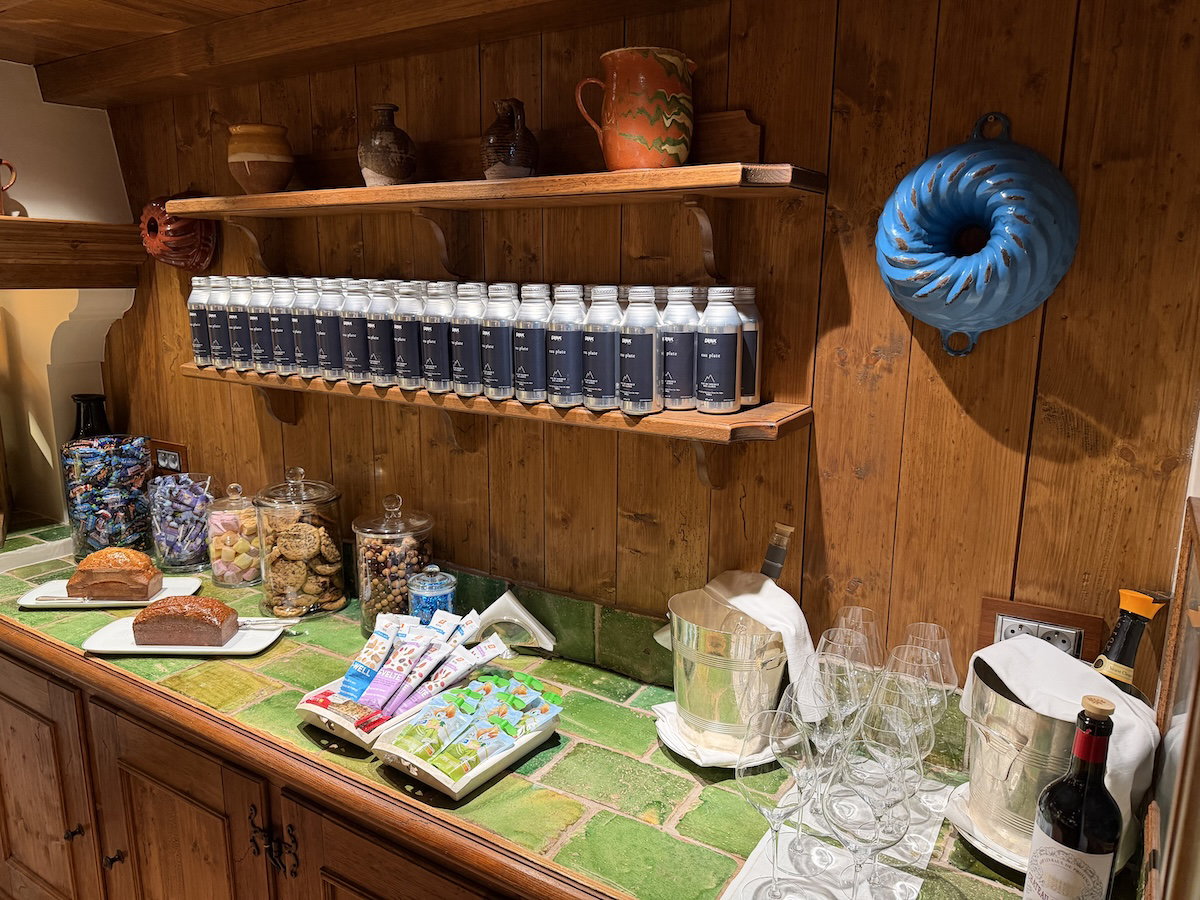
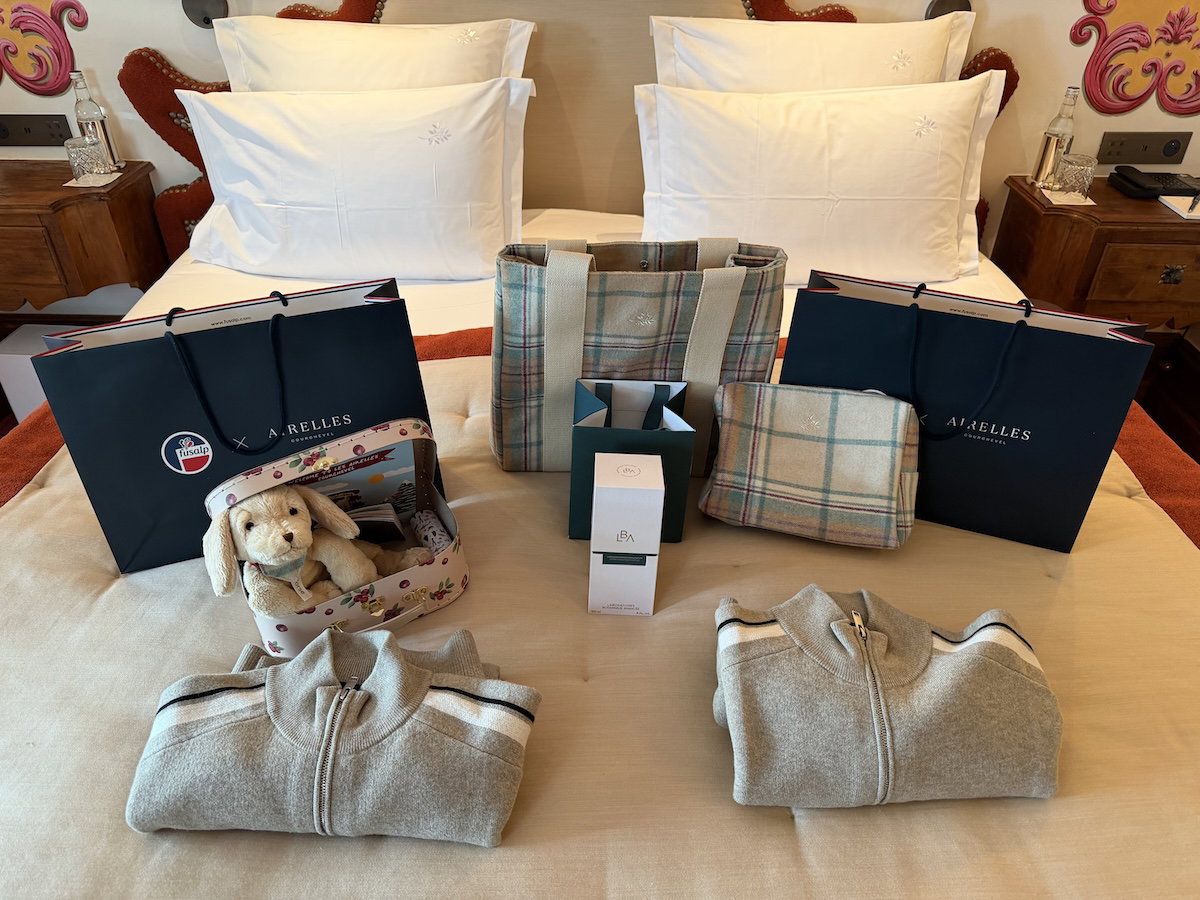
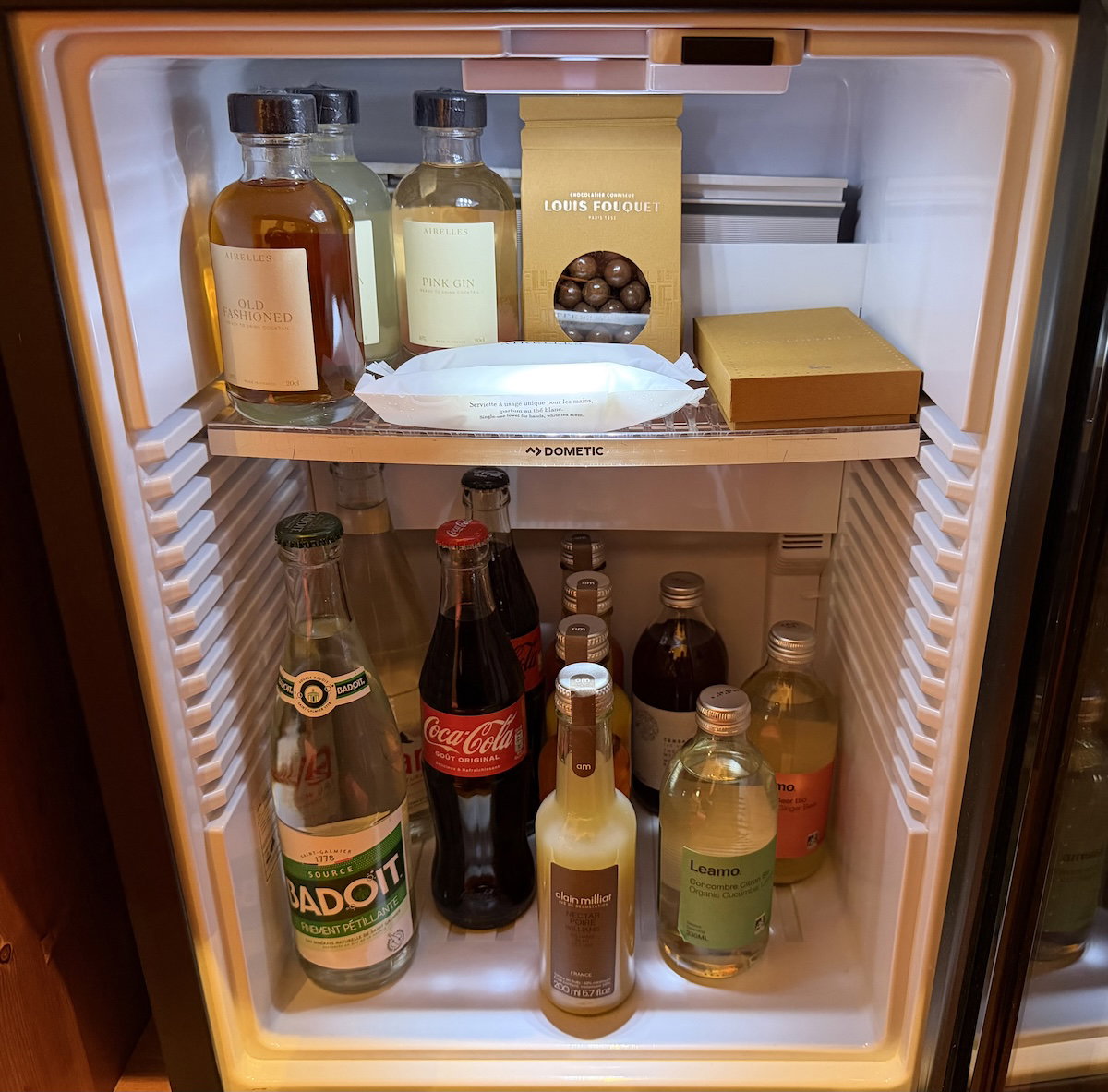
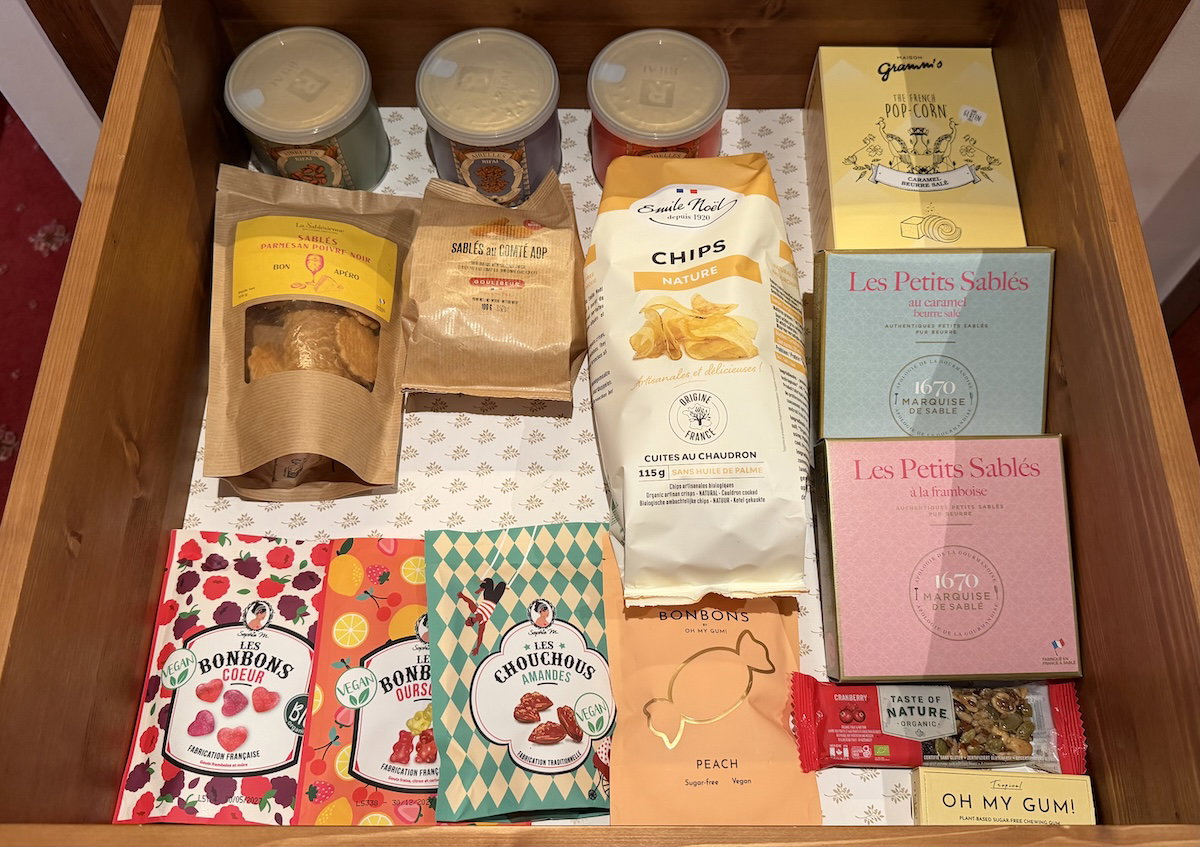
Or you can stay at the 44-room Les Airelles Courchevel, and use the Rolls Royce hotel car, sip on unlimited Veuve Clicquot in the ski room, and receive generous welcome gifts and a large complimentary minibar. It’s just a different experience.
Bottom line
At the very top end of the market, luxury hotel rates have gone up massively in recent years, in some cases doubling and tripling. This is an understandably frustrating trend, given that the experience hasn’t necessarily improved proportionally.
What’s happening is that demand is inelastic at popular “premium leisure” destinations, and luxury hotels are finding that consumers maybe aren’t as price sensitive as they used to be, at least on the very high end. There’s not much that can be done there, and you’re unlikely to feel like you’re getting some amazing value at one of these hotels.
But ultimately if you want to have that experience, it’s the only option. I do think it’s worth also considering value on a relative basis, assuming you have flexibility with where you can travel. An expensive hotel in Asia or Europe is almost always going to offer more special of an experience than an expensive hotel in the United States.
Where do you stand on the general trend of luxury hotel rate inflation?