NEW YORK- JetBlue Airways (B6) founder David Neeleman has expressed deep pessimism about the airline’s future, warning that rising fuel costs could push the carrier toward $1.3 billion in losses and potentially into bankruptcy. Neeleman, who now leads Breeze Airways (MX), shared his concerns with Breeze pilots on April 14, 2026.
The comments come at a time when merger speculation around JetBlue (B6) continues to intensify. United Airlines (UA) has reportedly shown interest, though concerns over JetBlue’s debt load remain a significant hurdle.
Industry analysts and executives, including Delta Air Lines (DL) CEO Ed Bastian, have signaled that airline consolidation may accelerate before the midterm elections.
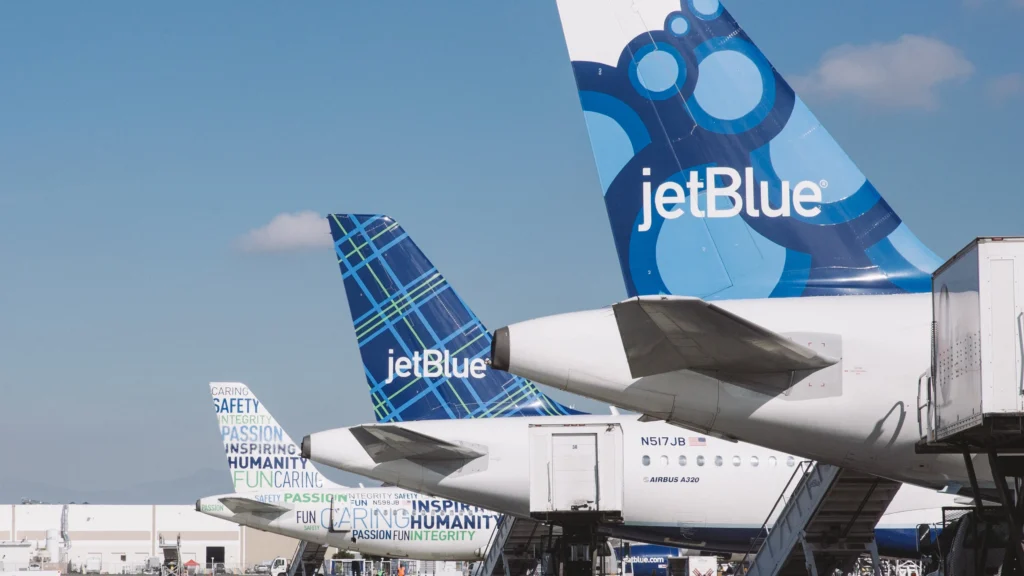
JetBlue Founder Neeleman Flags $9 Billion Debt
David Neeleman founded JetBlue in 1998 but has not been involved with the airline since 2008. He is a serial aviation entrepreneur with ties to Breeze Airways (MX), Azul Brazilian Airlines (AD), and WestJet (WS). His comments do not represent the views of JetBlue’s current leadership.
Neeleman referenced JP Morgan analyst Jamie Baker’s estimates based on $4.50 fuel prices. Under that scenario, JetBlue would lose $1.3 billion in 2026, pushing its total debt to $9 billion.
The carrier currently pays over $600 million annually in interest, a figure Neeleman said could climb to $800 million.
He added that JetBlue doubled down on its Fort Lauderdale (FLL) operations and managed to stay afloat when fuel was under $2.50 per gallon, especially after Spirit Airlines went under. However, the current fuel environment has changed that calculus entirely, OMAAT reported.
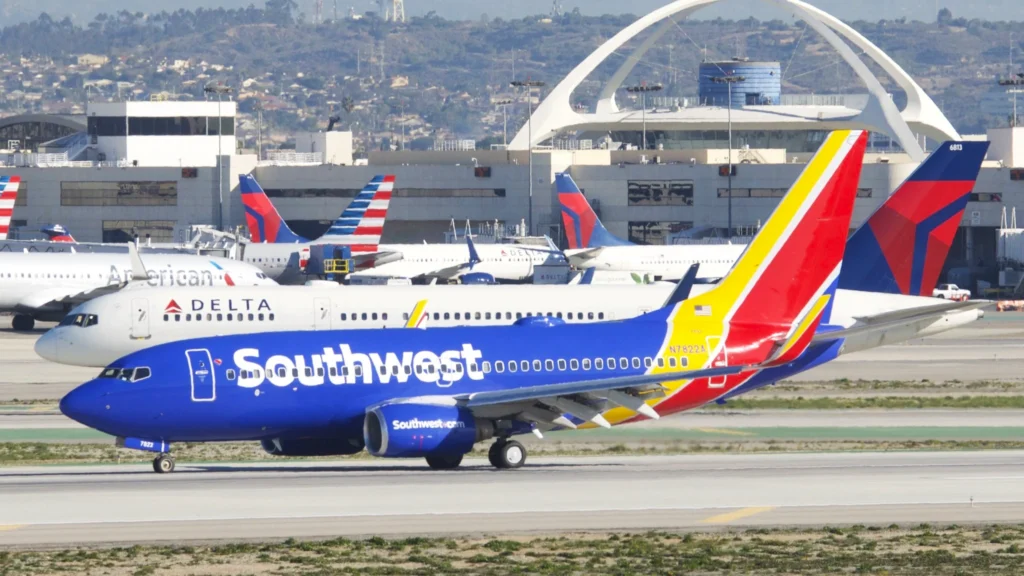
Merger Interest Complicated by Debt Concerns
Neeleman stated that he has heard from sources inside United Airlines (UA) that the carrier is wary of absorbing JetBlue’s debt. He also suggested that Southwest Airlines (WN) is not interested, and Alaska Airlines (AS) has ruled out a deal.
Recent reports indicate that United CEO Scott Kirby has explored multiple consolidation scenarios, including pitching the idea of an American Airlines (AA) merger to the Trump administration.
Some industry observers believe United’s interest in an American deal may be a strategic move to clear a path toward acquiring JetBlue later.

Regulatory Window Creates Urgency for Consolidation
Despite the debt concerns, several factors work in JetBlue’s favor as a merger target. The current regulatory environment under the Trump administration appears more favorable toward airline consolidation than in previous years.
Multiple airline executives believe the window for deal approvals will narrow after the midterm elections.
Delta CEO Ed Bastian has publicly predicted that multiple airline mergers will take place in the near future. This broader consolidation trend could benefit JetBlue, as acquirers may view the carrier’s slot holdings at John F. Kennedy International Airport (JFK) and its loyalty program as strategically valuable assets.
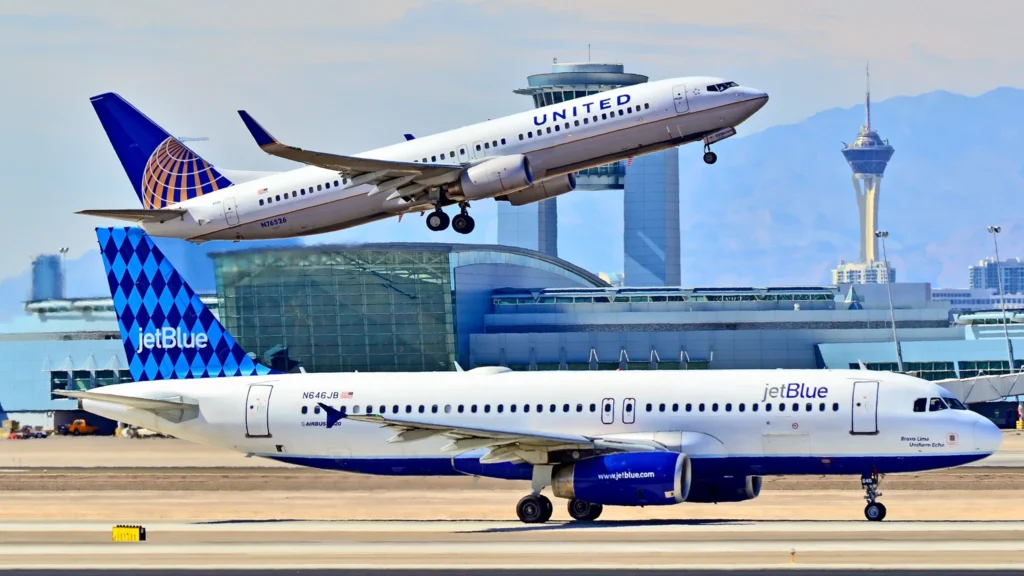
Bankruptcy vs. Acquisition: The Timeline Dilemma
Some analysts have suggested that JetBlue should first shed debt through Chapter 11 bankruptcy before becoming an acquisition target. While this approach would reduce the financial burden for a potential buyer, it would significantly delay any merger timeline.
JP Morgan analyst Jamie Baker, whom Neeleman himself referenced, argued in late October 2025 that an acquisition remains more likely for JetBlue than bankruptcy.
The competitive dynamics also add pressure. American Airlines (AA) continues to struggle with its strategic direction, while United Airlines (UA) is racing to close the financial performance gap with Delta Air Lines (DL).
An acquisition of JetBlue could provide meaningful network advantages, particularly at JFK, for whichever carrier moves first.
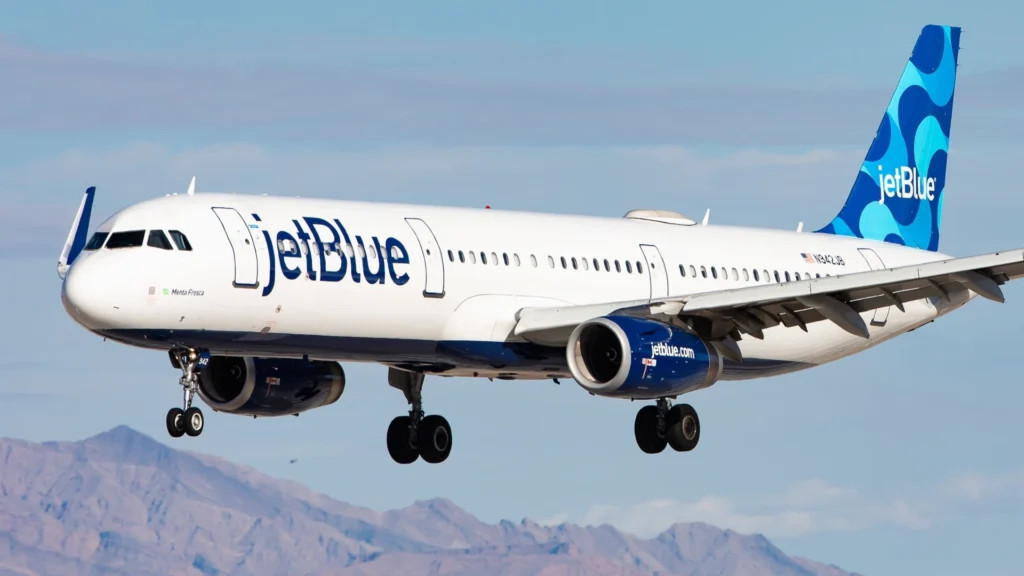
What Lies Ahead for JetBlue
JetBlue’s future remains uncertain, caught between a heavy debt load and significant strategic value. The carrier’s slot portfolio, loyalty base, and East Coast presence make it an attractive target despite the financial challenges.
The coming months will determine whether merger talks advance or whether rising costs force a more difficult path.
Stay tuned with us. Further, follow us on social media for the latest updates.
Join us on Telegram Group for the Latest Aviation Updates. Subsequently, follow us on Google News


