CHICAGO- United Airlines (UA) has quietly expanded free inflight Wi-Fi access beyond its Starlink-equipped aircraft. Multiple passengers report that MileagePlus members can now connect at no cost on planes equipped with Viasat and Panasonic Wi-Fi systems, which cover a significant portion of the carrier’s fleet, including long-haul international routes.
The move comes days after UA and T-Mobile ended their longstanding inflight Wi-Fi partnership on April 13, 2026. Previously, T-Mobile subscribers enjoyed complimentary connectivity on UA flights.
With Starlink installation not expected to cover the full fleet until the end of 2027, this unannounced expansion appears to bridge the gap and match free Wi-Fi offerings already available on Delta Air Lines (DL) and American Airlines (AA).
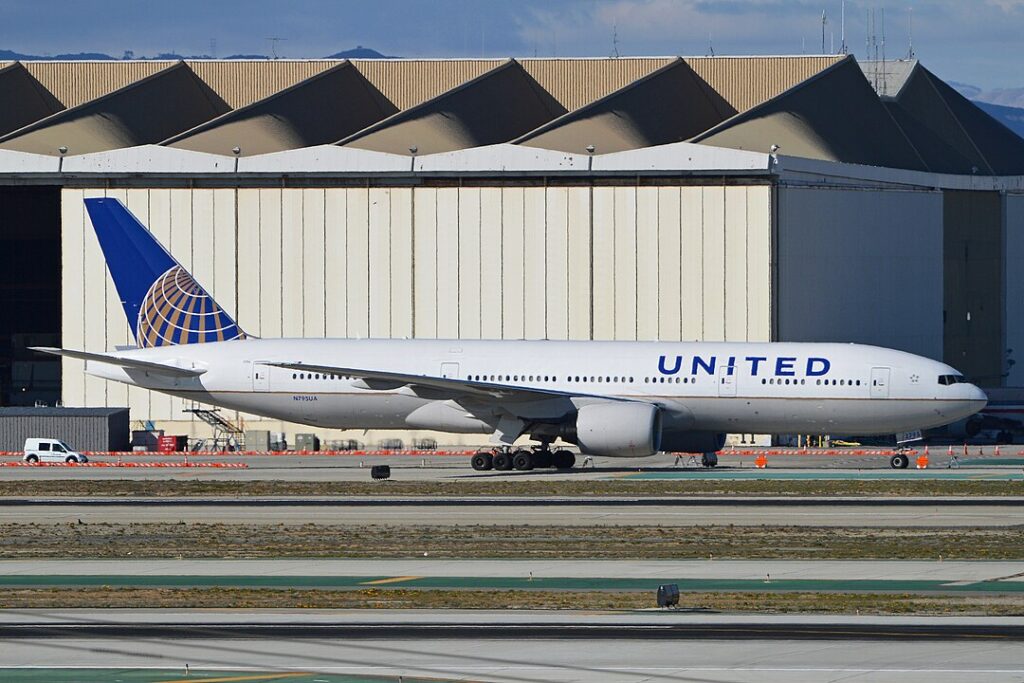
United Extends Free Wi-Fi
United Airlines has not issued any official announcement about this change. However, a growing number of passengers have confirmed free Wi-Fi access on non-Starlink aircraft through online forums and social media. When passengers log into the Wi-Fi portal using their MileagePlus accounts, the streaming package displays a price of $0.00.
Free access appears to be available regardless of cabin class or elite status tier. Passengers on Boeing 737 MAX aircraft with Viasat connectivity and Boeing 777-200ER jets with Panasonic systems have both reported complimentary access.
UA’s website still lists Wi-Fi pricing at $8 for MileagePlus members and $10 for non-members on non-Starlink flights, suggesting the rollout may still be in a testing phase.
Some reports indicate the expansion may have been unintentional, with certain sources describing it as a possible system glitch rather than a deliberate policy change.
Several passengers also report that paid Wi-Fi was still required on select flights, indicating that the rollout is not yet consistent across the entire fleet.
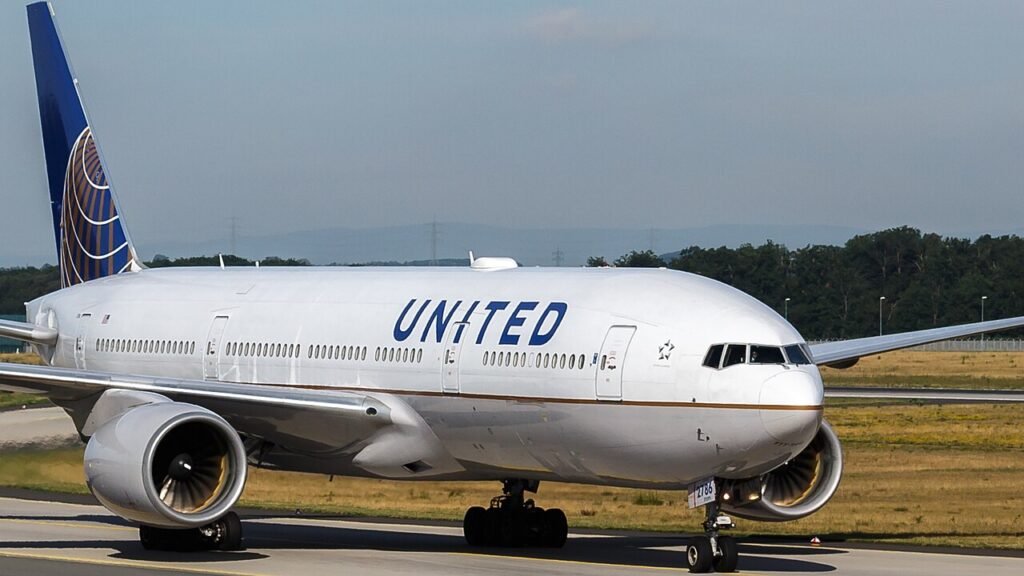
T-Mobile Partnership Ends at a Critical Time
The timing of this development is significant. T-Mobile’s free inflight Wi-Fi benefit on UA flights ended abruptly on April 13, 2026. T-Mobile confirmed that airline-specific Wi-Fi partnerships are winding down as carriers shift toward offering sponsored connectivity through their own loyalty programs.
T-Mobile continues to provide free inflight Wi-Fi on Delta Air Lines (DL), Alaska Airlines (AS), Hawaiian Airlines (HA), and Southwest Airlines (WN).
American Airlines (AA) had already removed the T-Mobile benefit weeks earlier and replaced it with an AT&T-sponsored free Wi-Fi service across its narrowbody fleet.
For UA passengers who relied on T-Mobile for free connectivity, the abrupt end left a notable gap. Only aircraft equipped with SpaceX Starlink offered free Wi-Fi through MileagePlus, and that covers a limited share of the fleet at present.
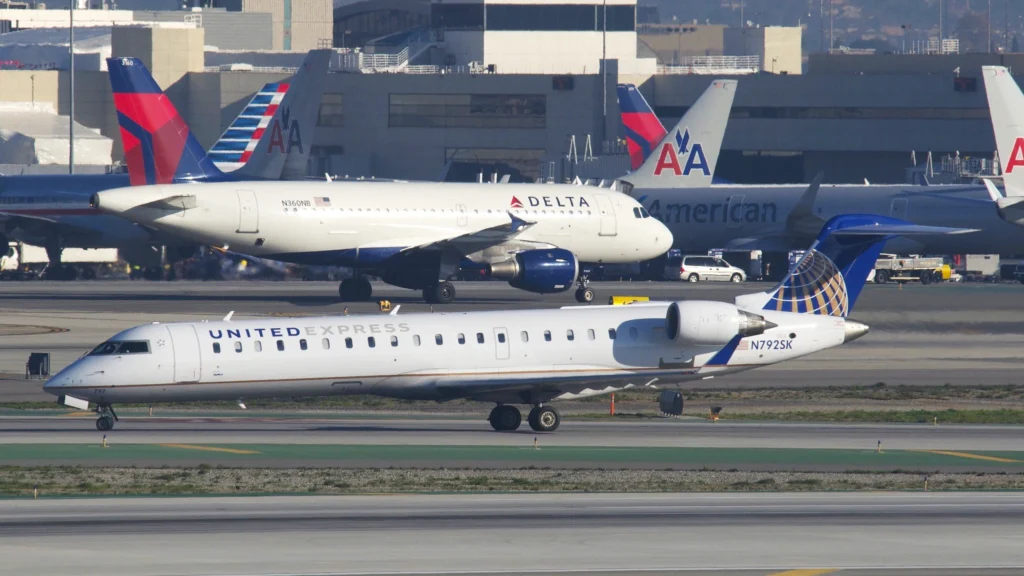
Starlink Rollout Progress and Timeline
United Airlines continues its aggressive Starlink installation program. As of early 2026, more than 300 regional jets already carry Starlink equipment. The airline plans to equip over 500 mainline aircraft by the end of 2026, with full fleet coverage targeted for late 2027.
Starlink delivers significantly faster speeds compared to the Viasat and Panasonic systems currently installed on most UA planes. Passengers on Starlink-equipped flights consistently report speeds comparable to home broadband connections.
Once complete, the Starlink rollout positions UA ahead of its major competitors in inflight connectivity. Delta Air Lines (DL) plans to introduce Amazon’s Project Kuiper (Leo) Wi-Fi service, but that rollout is not expected to begin until 2028 at the earliest and will initially cover only a portion of the fleet, OMAAT reported.
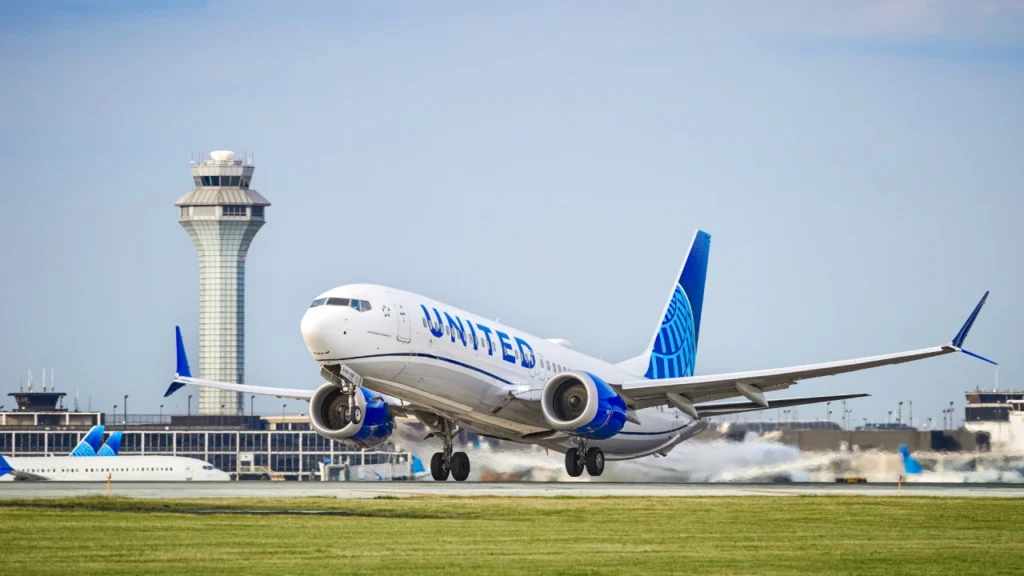
The Bandwidth Trade-Off With Free Wi-Fi
Offering free Wi-Fi on non-Starlink aircraft introduces a practical challenge. Viasat and Panasonic systems operate with limited bandwidth compared to Starlink. When Wi-Fi is free, more passengers connect simultaneously, which can significantly reduce speeds for all users.
This issue has already surfaced on other carriers. Airlines that transitioned from paid to free Wi-Fi on legacy satellite systems have reported noticeable speed reductions during peak usage.
The paid model, where passengers pay $8 to $10 per flight, naturally limits the number of connected users and preserves bandwidth for those willing to pay.
UA faces a balancing act between meeting passenger expectations for free connectivity and maintaining a usable Wi-Fi experience until Starlink covers the full fleet.
Competitive Landscape in Inflight Connectivity
The U.S. airline industry has shifted rapidly toward free inflight Wi-Fi as a standard offering. American Airlines (AA) now provides AT&T-sponsored free Wi-Fi on 100% of its narrowbody fleet and roughly 80% of its regional jets.
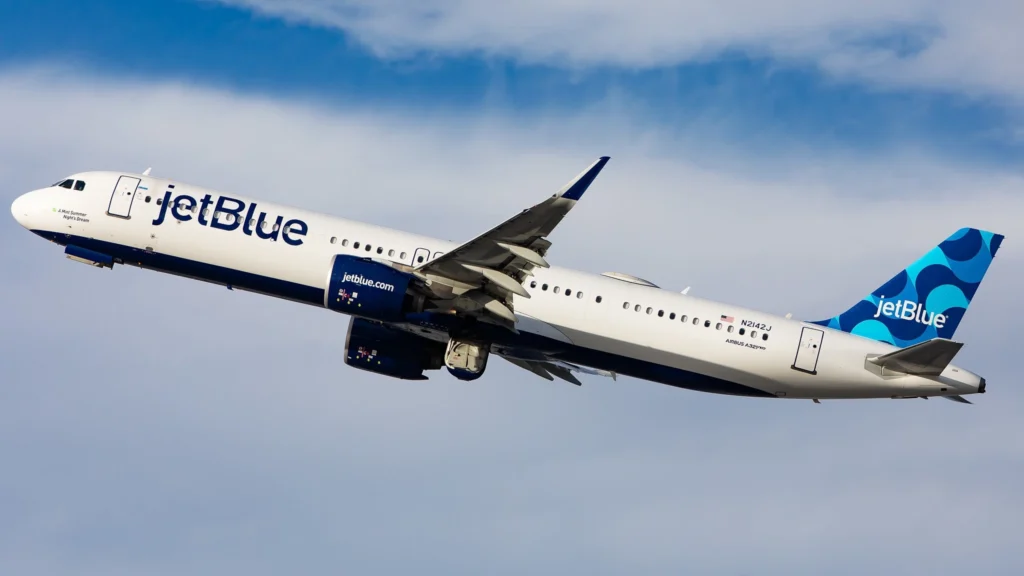
Delta Air Lines (DL) offers T-Mobile-powered free Wi-Fi on most domestic and many international flights. JetBlue Airways (B6) has offered free Wi-Fi for years across its fleet.
With this expansion, UA closes a competitive gap that had placed it behind its three largest rivals on a feature passengers increasingly view as essential. Whether the free access on non-Starlink planes remains permanent or reverts to a paid model will depend on UA’s official decision, which the airline has yet to communicate publicly.
Stay tuned with us. Further, follow us on social media for the latest updates.
Join us on Telegram Group for the Latest Aviation Updates. Subsequently, follow us on Google News


