As one of the most iconic properties in the Hyatt portfolio, the Park Hyatt Tokyo needs little introduction.
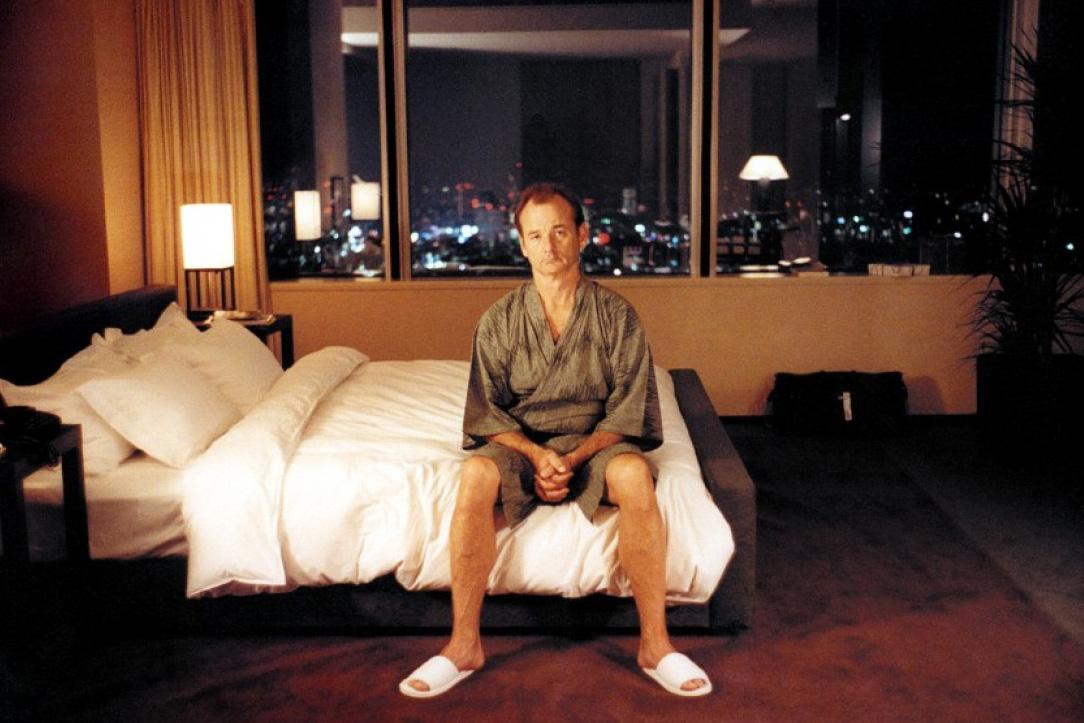
Opened in 1994, the hotel quickly became a Tokyo landmark with its soaring glass atriums, intimate John Morford-styled residential interiors, and panoramic city views. It was later immortalised in Lost in Translation, Sofia Coppola’s treatise on solitude (though I’m told most people just watch the first 36 seconds and skip the rest).
But with the hotel entering its third decade, it was in dire need of an update. This was entrusted to Paris-based design studio Jouin Manku, and the 19-month renovation that wrapped in December 2025 marked the most comprehensive makeover in the property’s history.
I recently spent three nights at the revamped Park Hyatt Tokyo, and enjoyed the experience overall, from the breathtaking views and extensive wellness facilities, to the wonderful breakfast (especially the pastries) every morning.
However, the location remains love-it-or-loathe-it, and some aspects of the renovation felt overly conservative, like the bland swimming pool, which doesn’t quite match the rest of the hotel’s ambition. The service can range from excellent to forgettable, and while I definitely feel it’s the kind of place you have to visit once, a repeat visit may not be essential.
| 🏨 tl;dr: Park Hyatt Tokyo | |
| The Park Hyatt Tokyo’s renovation keeps all the things that made this property iconic, while gently coaxing its rooms into the contemporary era. However, there’s a nagging feeling that it might not go far enough. | |
| 👍 The Good | 👎 The Bad |
|
|
Booking the Park Hyatt Tokyo
The Park Hyatt Tokyo is a World of Hyatt Category 8 property, where award nights cost 35,000 to 45,000 points per night.
| Off-Peak | 35,000 points |
| Standard | 40,000 points |
| Peak | 45,000 points |
I visited during the cherry blossom season, so my rate was 45,000 points per night for all three nights. Mind you, this will get a whole lot more expensive once World of Hyatt introduces its new award chart with five pricing tiers per category. During periods of so-called “top” pricing, this hotel will cost a whopping 75,000 points per night!
| Lowest | 35,000 points |
| Low | 45,000 points |
| Moderate | 55,000 points |
| Upper | 65,000 points |
| Top | 75,000 points |
I also applied a Guest of Honour (GoH) certificate to this booking, which conferred Globalist benefits including:
- Complimentary daily breakfast for two guests
- Room upgrades up to and including standard suites, subject to availability
- Club lounge access
- Waived parking fees on award stays
- Waived resort fees on award and paid stays (not that the Park Hyatt Tokyo has any)
- Guaranteed 4 p.m late check-out (except at casino and resort properties)
It was just my luck that my arrival coincided with the day the Park Hyatt Tokyo reclassified itself as a resort, meaning it was no longer required to honour the guaranteed 4 p.m late check-out. This is a highly controversial decision, because it feels like a bad faith attempt to take advantage of a loophole in the World of Hyatt rules. Is this hotel really enough of a destination in itself to warrant the “resort” label?
In any case, I’ve already shared my thoughts on that decision in the post below, so I won’t belabour the point.
The Park Hyatt Tokyo is now a resort, because of course it is
Park Hyatt Tokyo: Arrival and Check-in
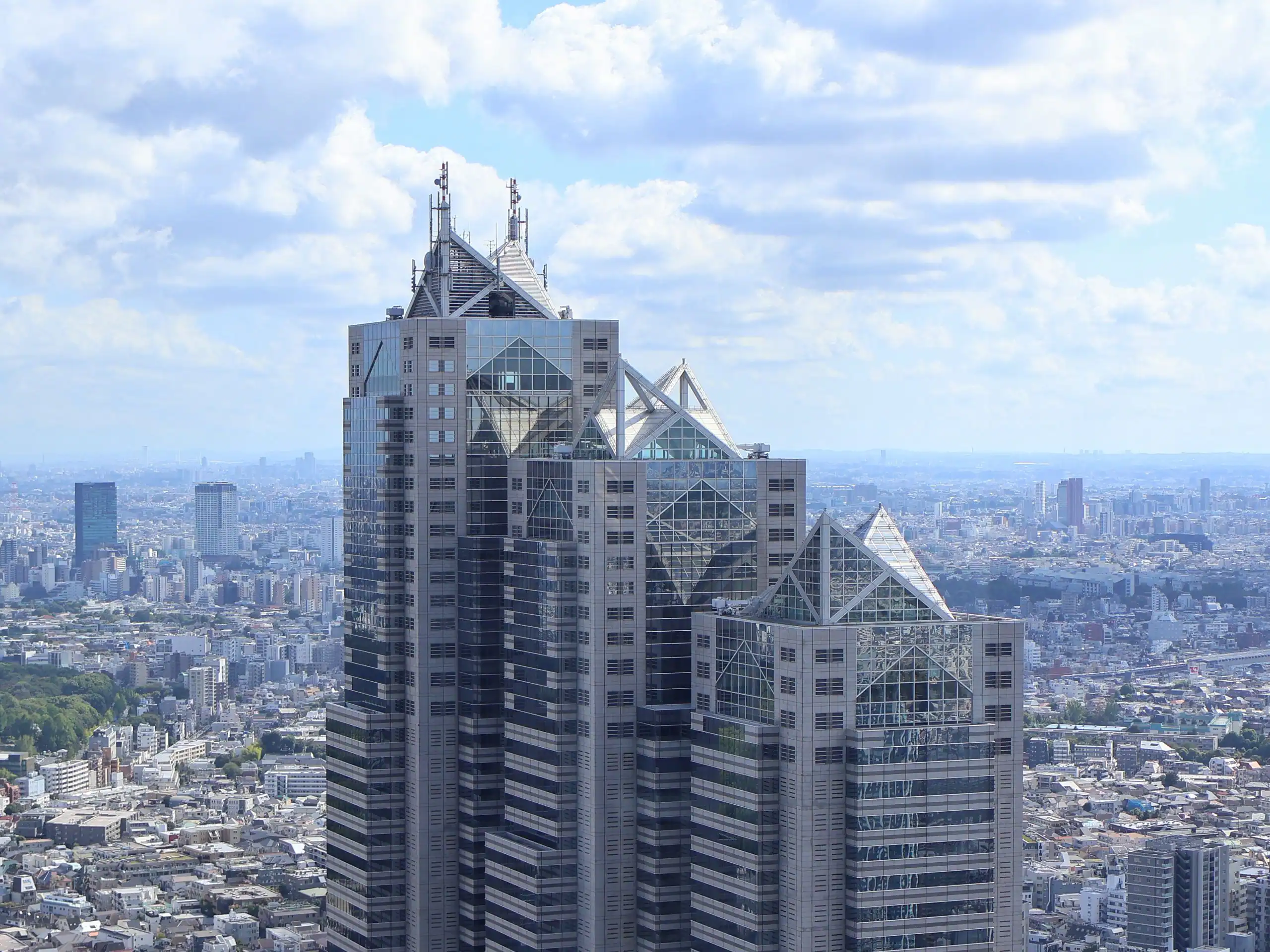
The Park Hyatt Tokyo is located in Nishi-Shinjuku, on the western side of central Tokyo, and housed on the top floors of Shinjuku Park Tower. This trio of grey monolithic towers was designed by Kenzo Tange, whose portfolio also includes One Raffles Place and UOB Plaza in Singapore.
I’ll be honest: if this is your first visit to Tokyo, I don’t think I’d recommend this hotel just based on its location alone. There are many other hotels which are much closer to the action, or are more proximate to rail lines.
While it sits in one of the city’s busiest districts, the immediate neighbourhood is surprisingly secluded and tranquil — which might either be a bug or a feature. You’ll need to walk about 10-15 minutes before you find any kind of shops, entertainment or nightlife, though those with children will be happy to know there’s a well-equipped public playground directly opposite the hotel. There’s also a Lawson and FamilyMart just steps away, so at least the basics are covered.
In terms of public transport accessibility, the JR Shinjuku Station and Tochomae Station on the Toei Oedo Line are roughly 10 minutes away by foot.
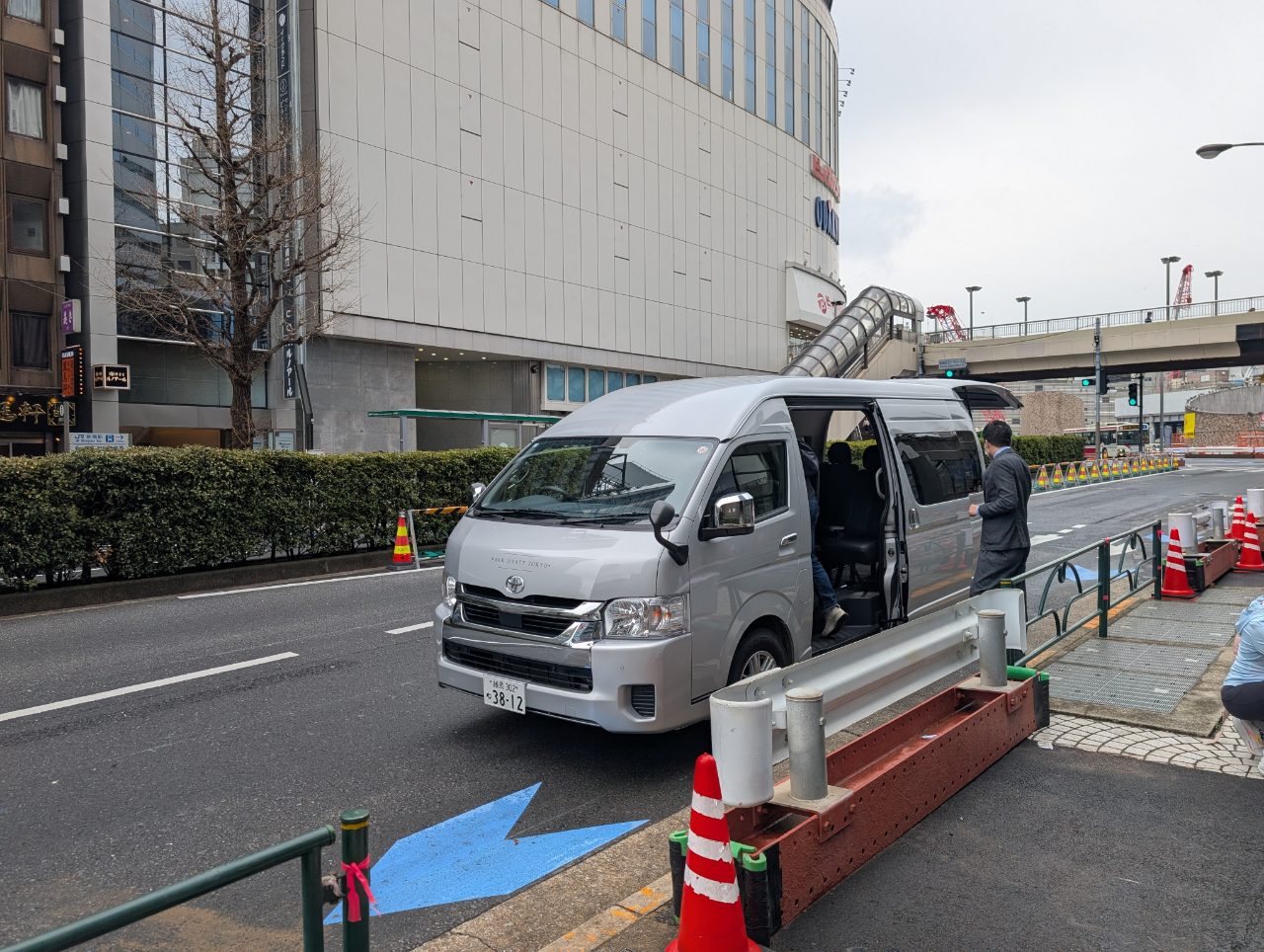
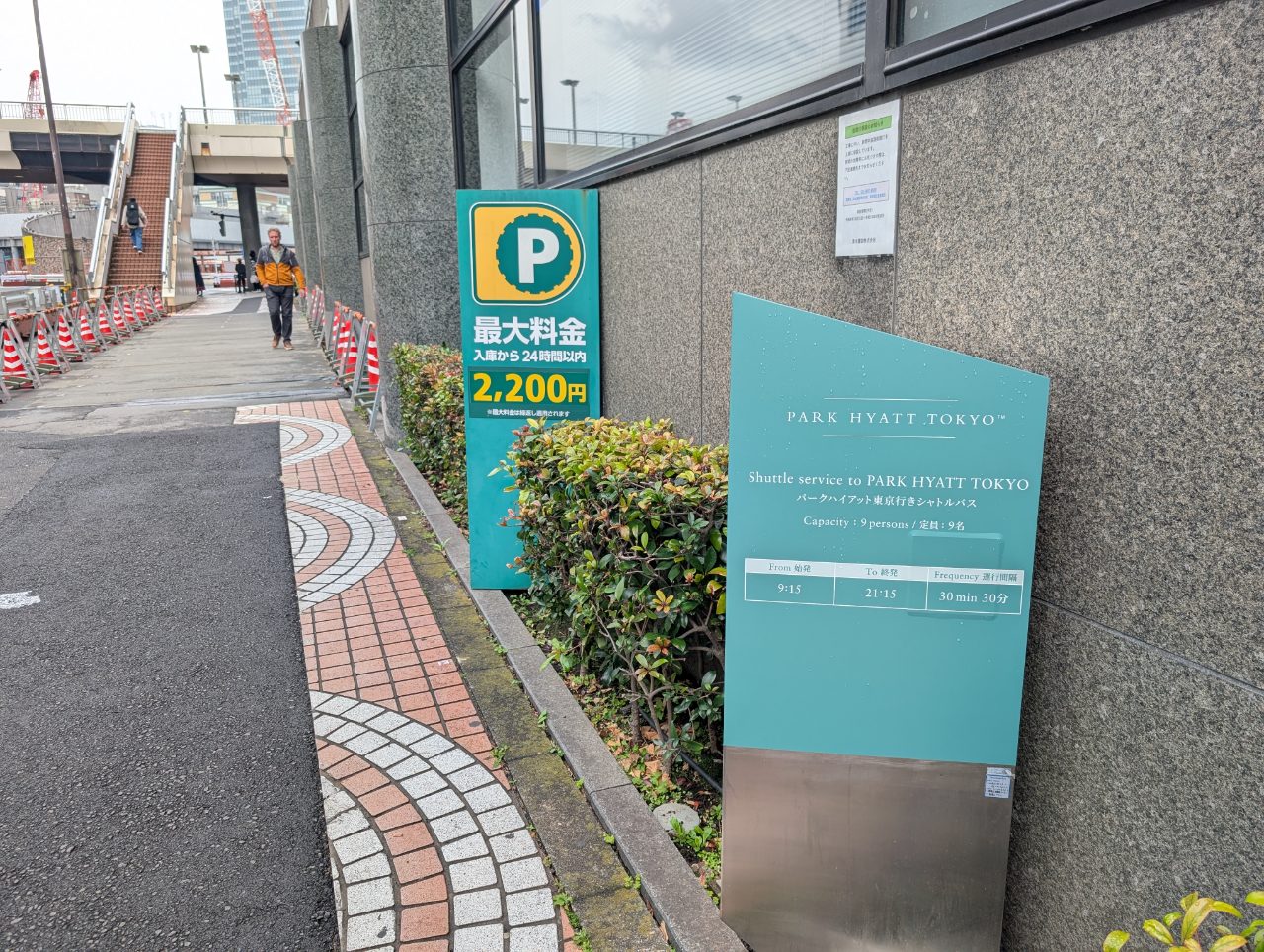
It’s not a sheltered walk, so if it’s raining, or if you have plenty of luggage, you’ll want to take advantage of the complimentary shuttle bus which runs every 30 minutes to and from Shinjuku Station (the exact drop-off point can be found here).
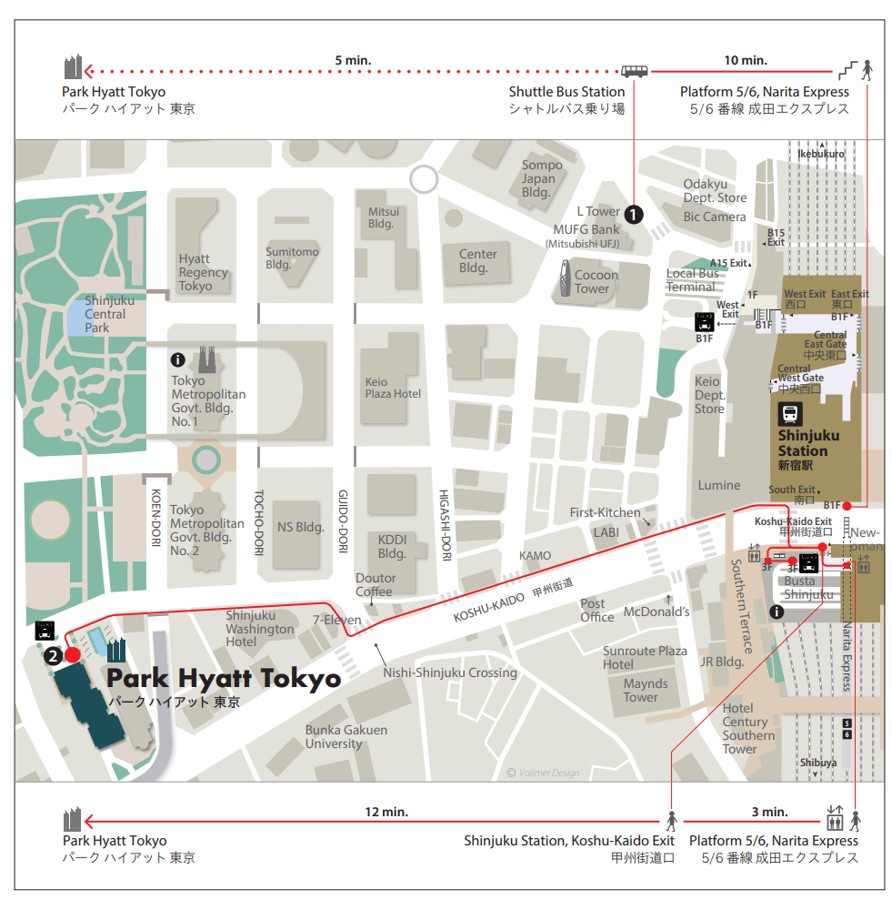
The bus is small, however, and only has capacity for nine people. If you’re heading from the hotel to Shinjuku, you might want to make a reservation during peak hours (it’s not possible to make a reservation for the return journey, as far as I know).
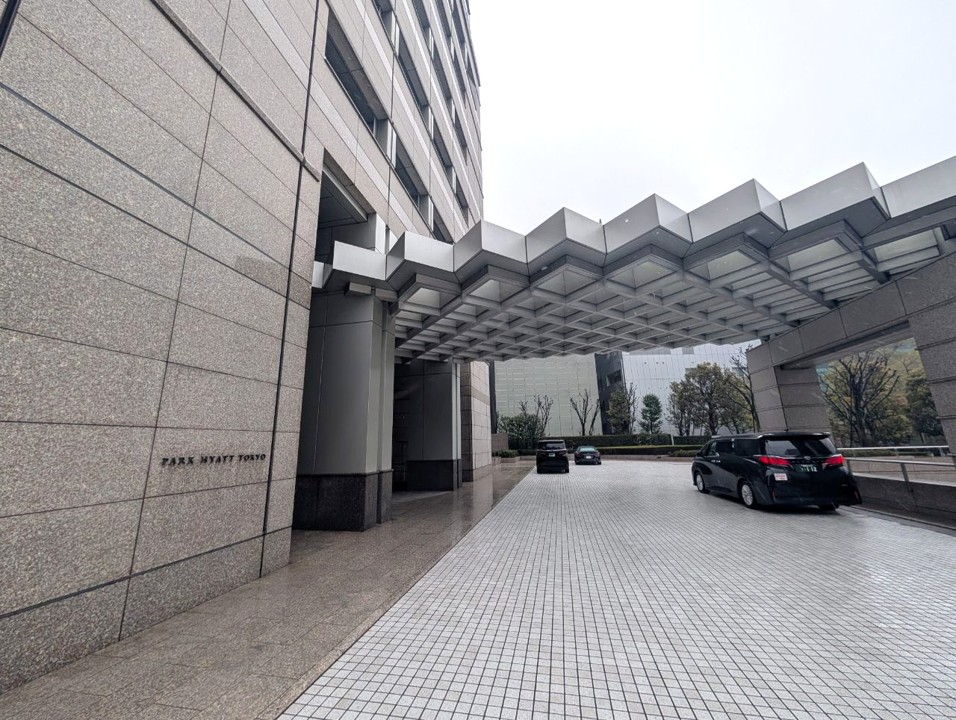
We flew in from Tokyo Narita, and reached the hotel late in the evening. On arrival at the driveway, our bellhops helped unload and tag our bags.
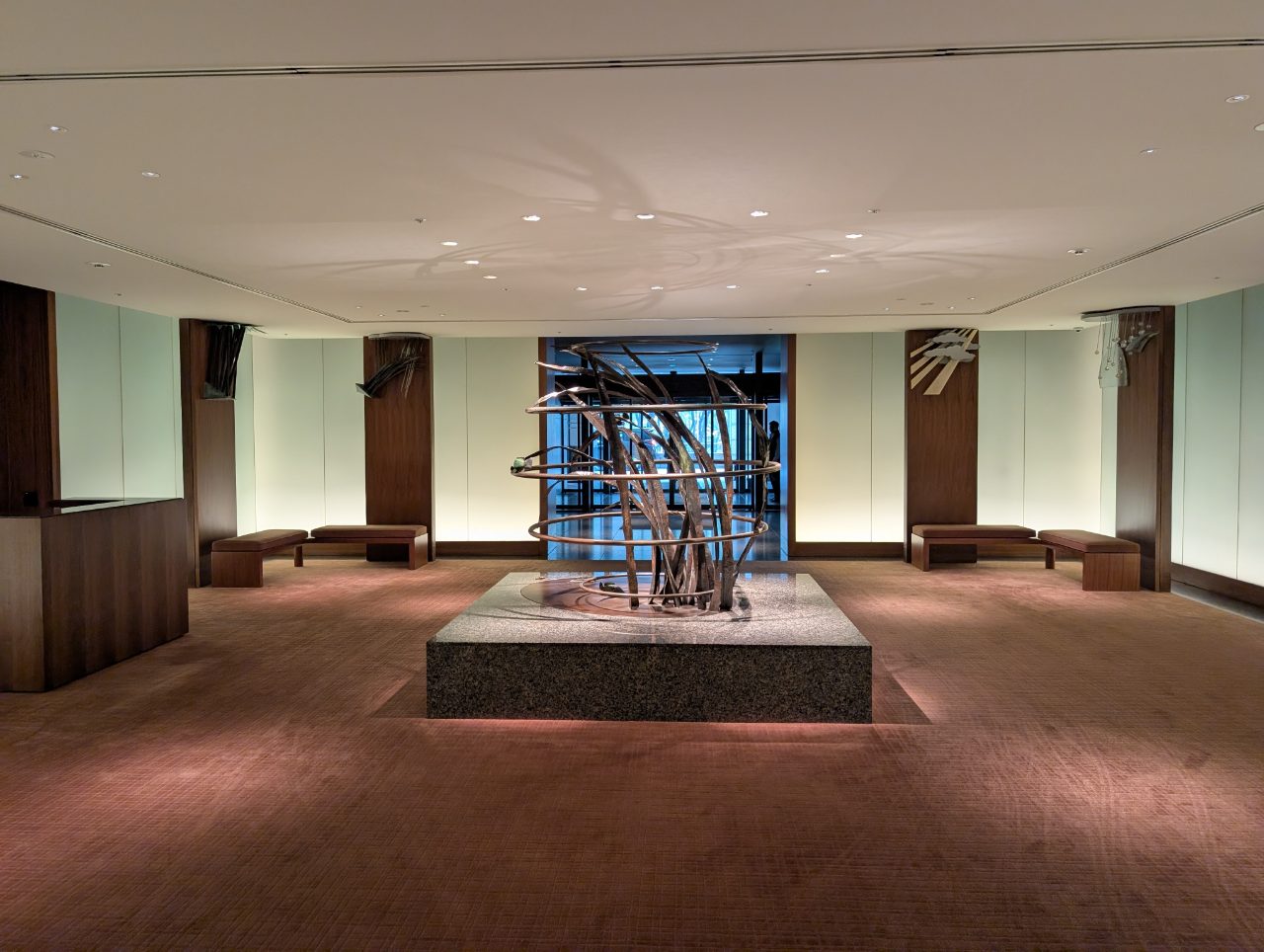
The ground floor lobby offers a rather muted welcome, but the true drama awaits on the 41st floor, where a soaring glass-panelled ceiling bathes the Okinawan bamboo grove beneath it in natural light. Guests are treated to wraparound views of the surrounding neighbourhoods, and on a clear day, you can spot Mount Fuji in the distance.
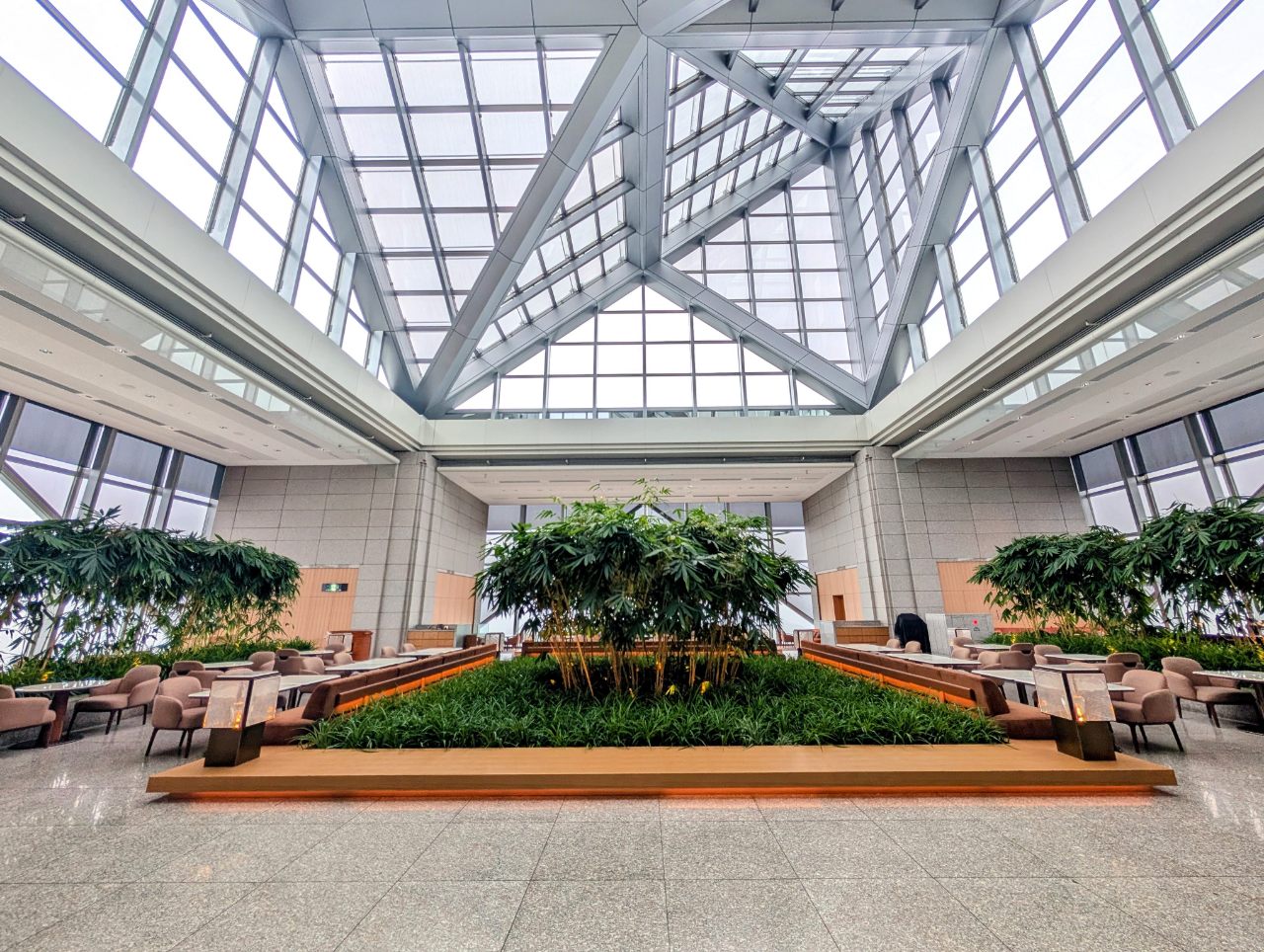
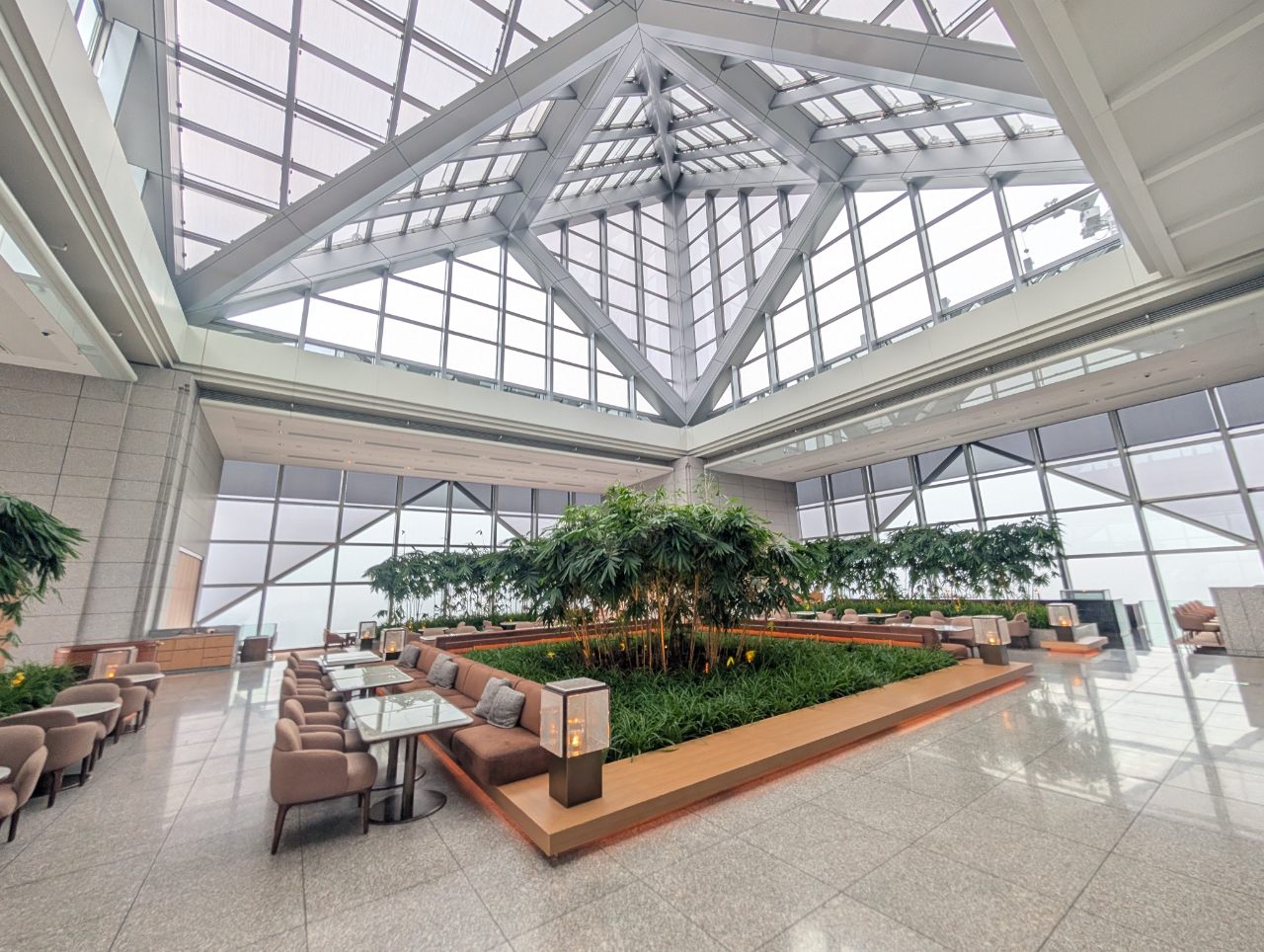
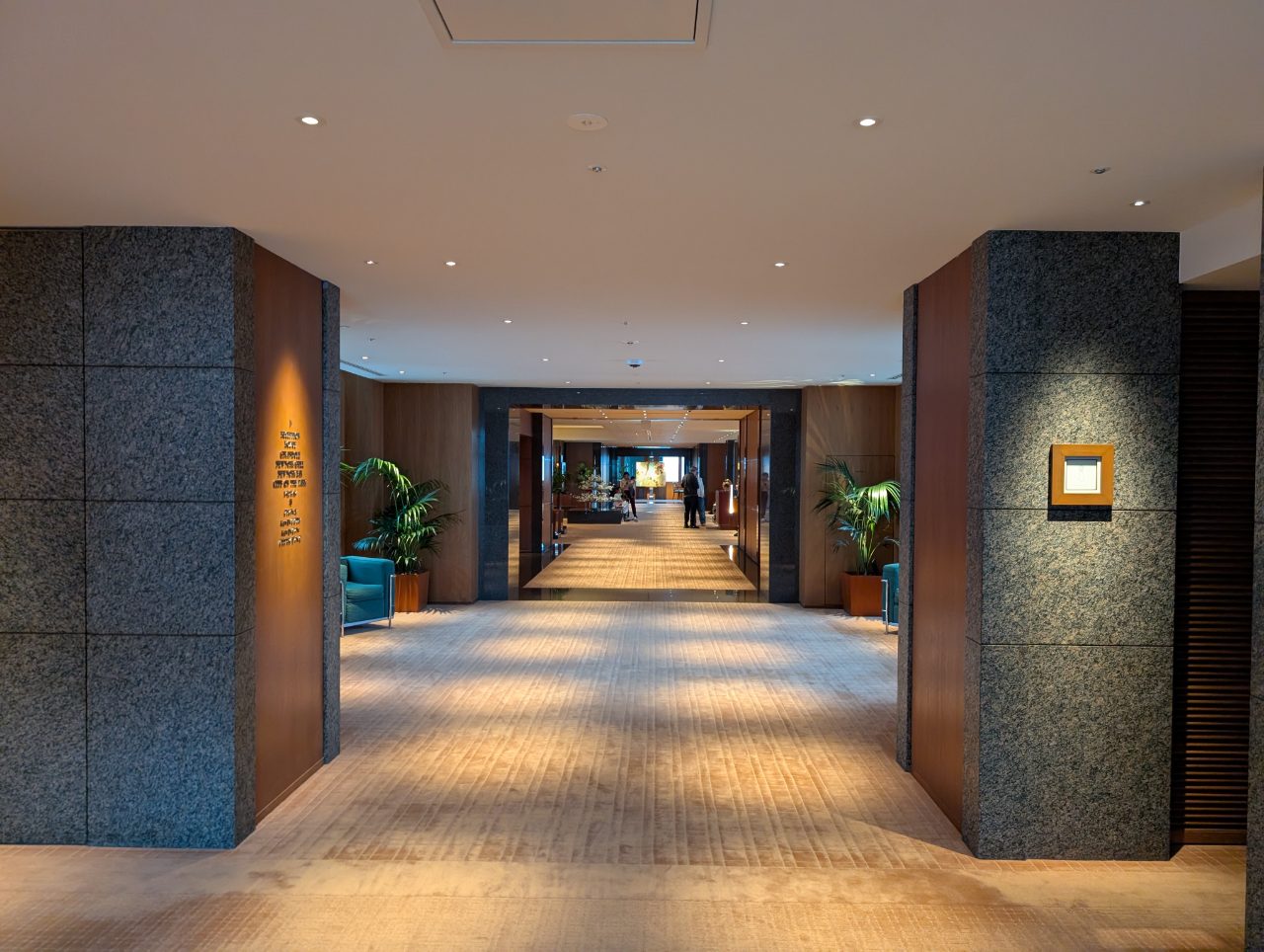
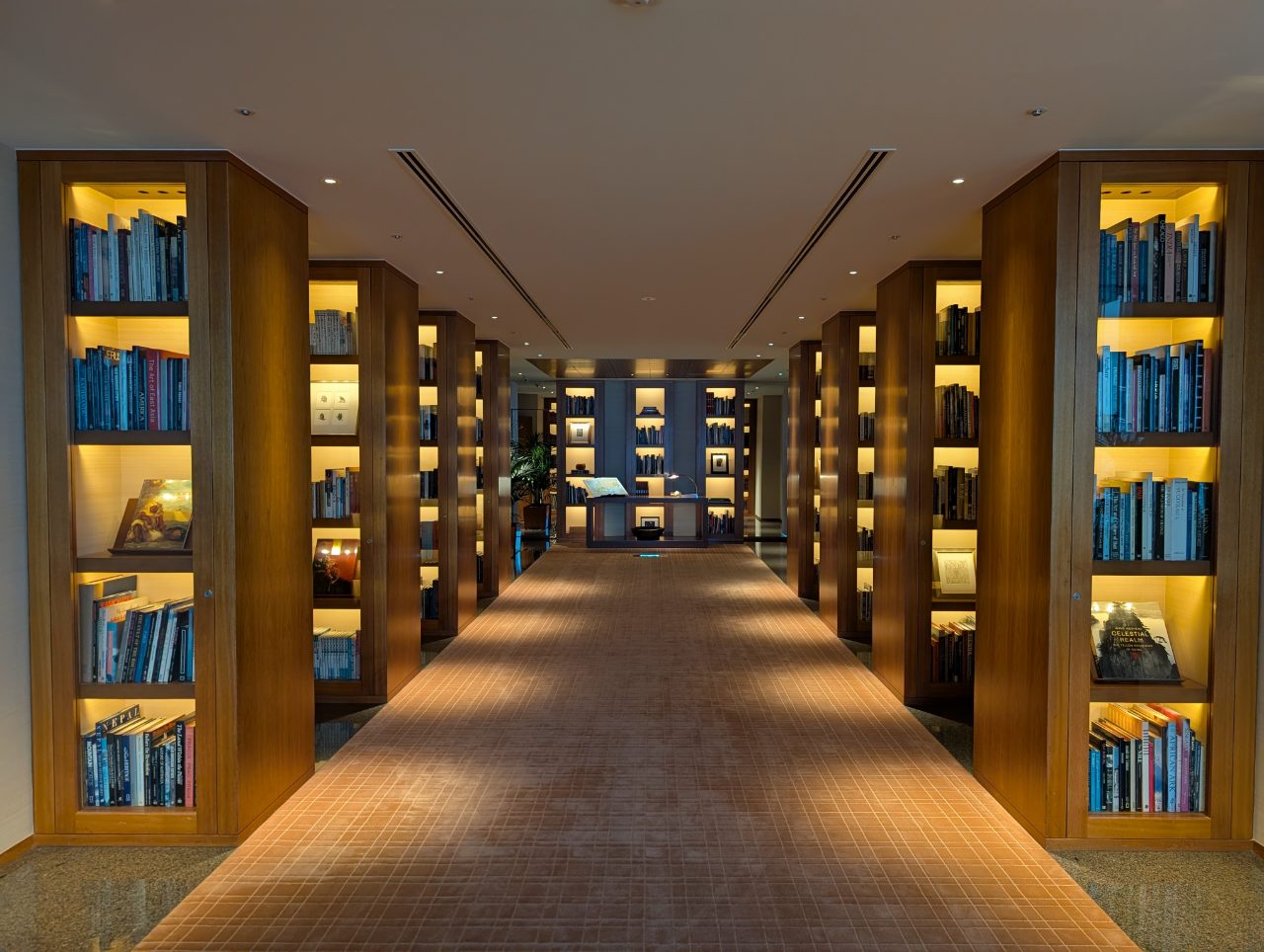
And then just like that, the hotel transitions back to hushed elegance, with a series of dimly-lit corridors leading past the Alain Ducasse restaurant, through a library (with 2,000 volumes), to the windowless check-in area.
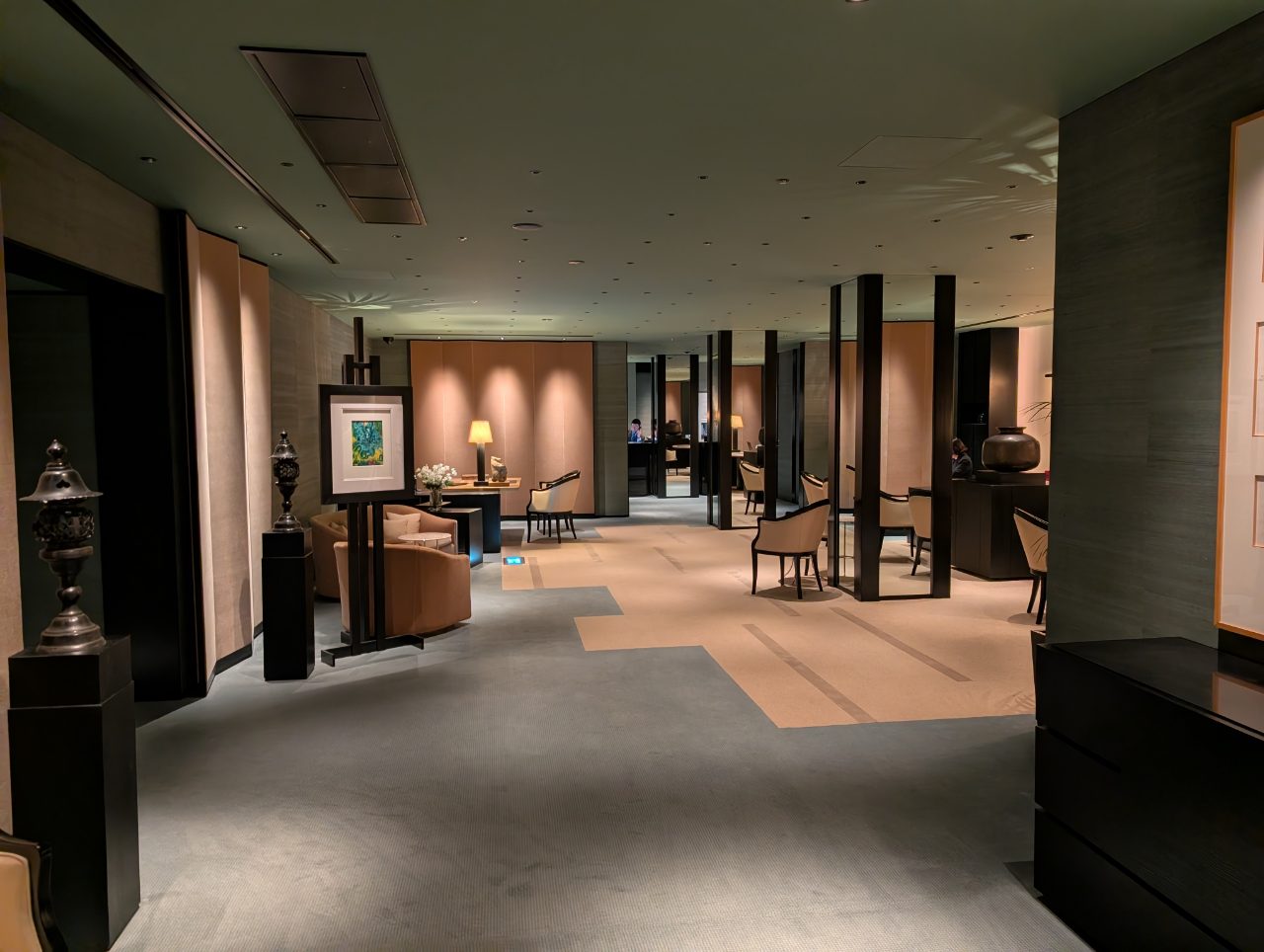
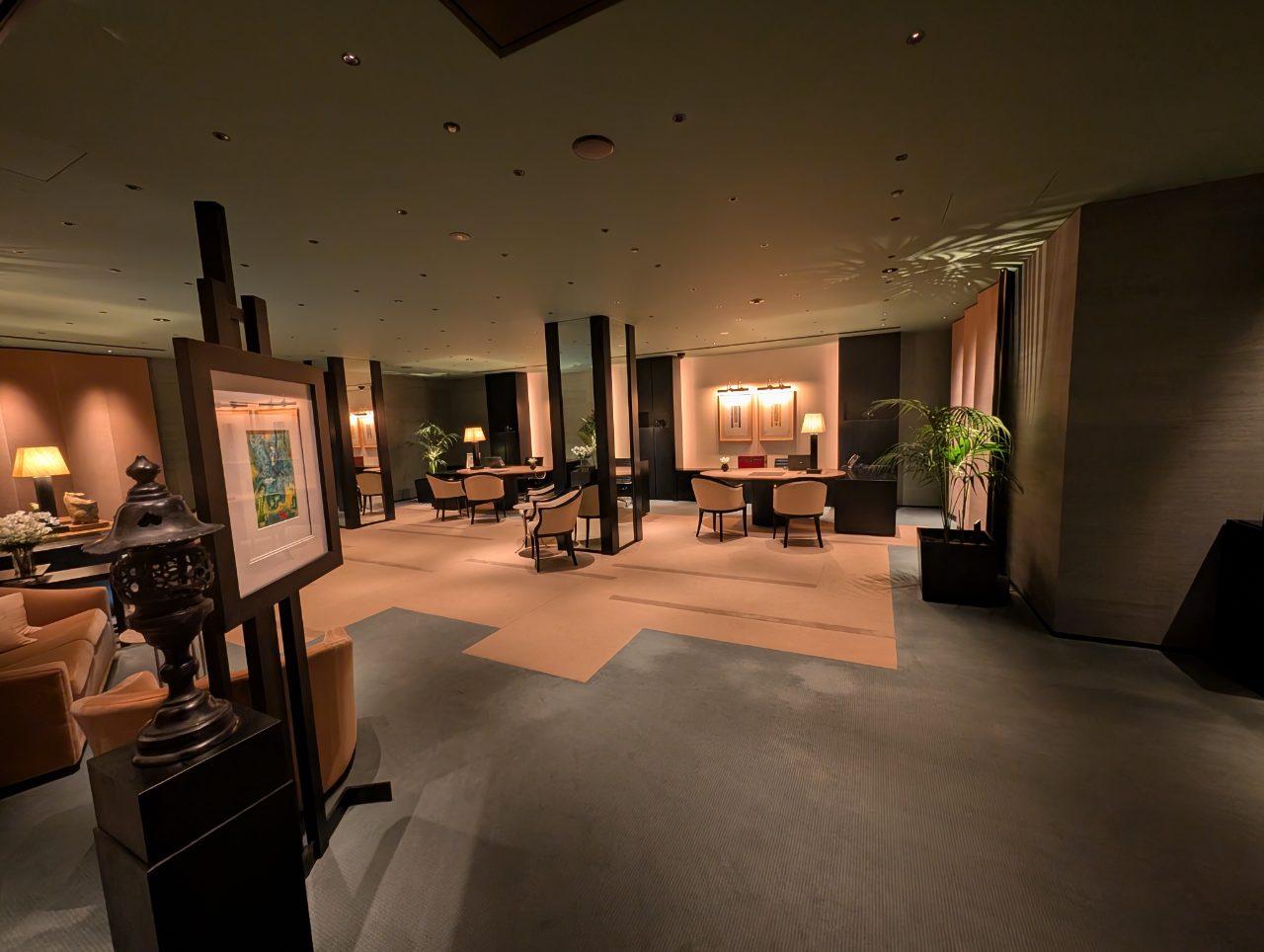
The check-in process was uneventful, if a little mechanical. No hot towels or welcome drinks here (guests used to be greeted with a glass of champagne, but that was apparently a limited-time gesture meant to mark the property’s reopening), just the formalities.
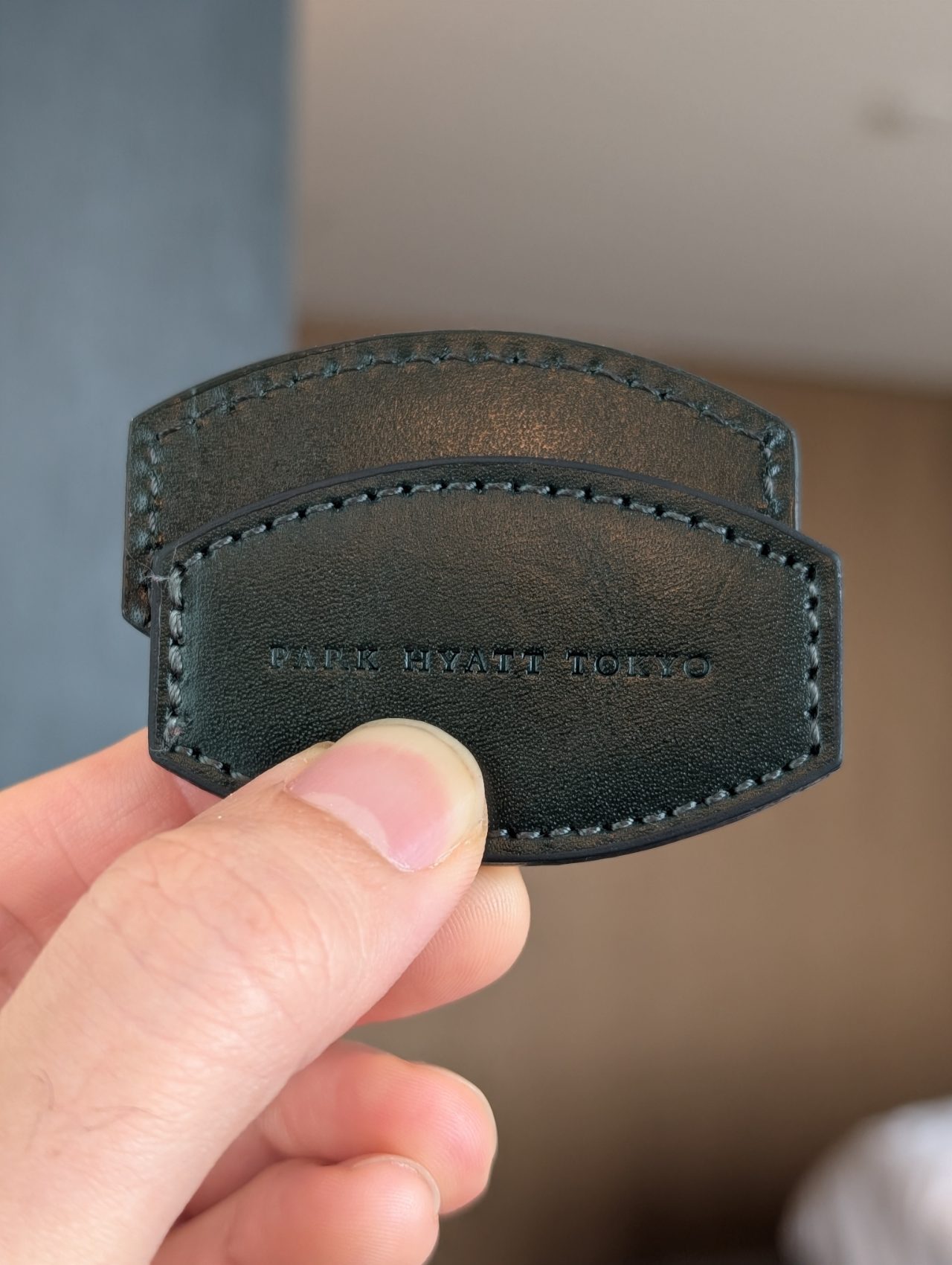
As an aside, the room keys here are among the most interesting I’ve seen. Forget regular plastic, or even wood. Guests receive leather fobs with the property’s name embossed on them. Granted, it’s not as easy to fit into a wallet, and you probably shouldn’t be swimming with it in your pocket, but how’s that for presentation?
Park Hyatt Tokyo: King Deluxe Room
The Park Hyatt Tokyo has a total of 171 guestrooms, including 29 suites. Guest rooms are located on the 42nd to 51st floors, but such is the building’s elevation that you’re pretty much guaranteed good views regardless of where you end up.
| Standard Room | 45-50 sqm |
| Deluxe Room | 55 sqm |
| Premier Room | 60-65 sqm |
| Park Suite | 85 sqm |
| Park Deluxe Suite | 95 sqm |
| Ambassador Suite | 115 sqm |
| Governor’s Suite | 140 sqm |
| Diplomat Suite | 160 sqm |
| Tokyo Suite | 220 sqm |
| Presidential Suite | 290 sqm |
My award booking was for a lead-in Standard Room, and while my GoH certificate could theoretically get me upgraded to a suite (the Park Suite is the designated Standard Suite at this hotel), I ended up with a 55 sqm Deluxe Room.
To be fair, the hotel was almost full when I stayed, and in any case, the room was huge by Tokyo’s standards — on the last night, the three of us squeezed into a 22 sqm room at the DoubleTree Ariake, so believe me, I appreciate any extra space!
Immediately upon entering, there’s a long corridor with the wardrobe and bathroom to the left, and the bedroom straight ahead. This provides further noise isolation from the outside corridor (not that this was much of an issue in the first place).
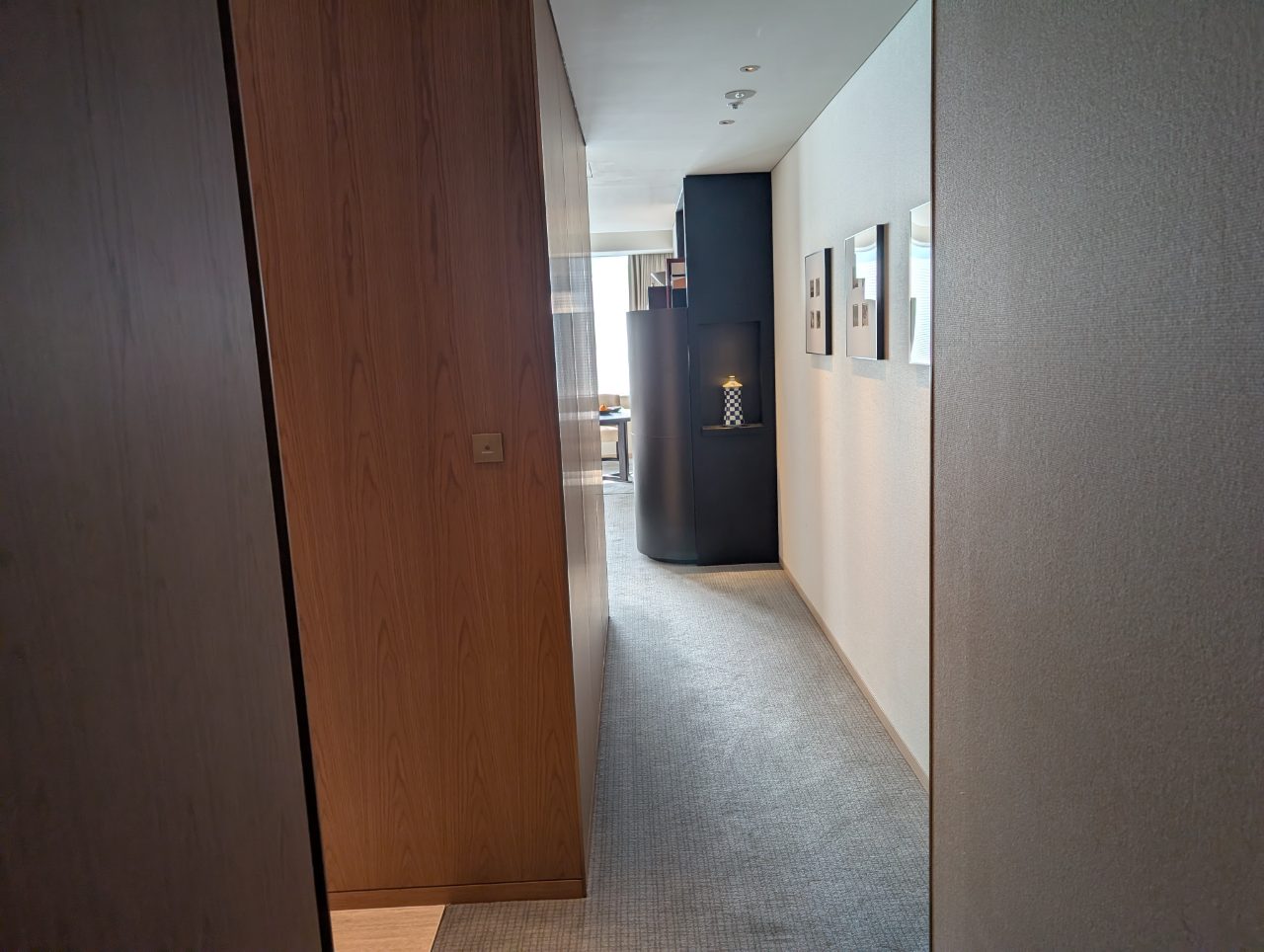
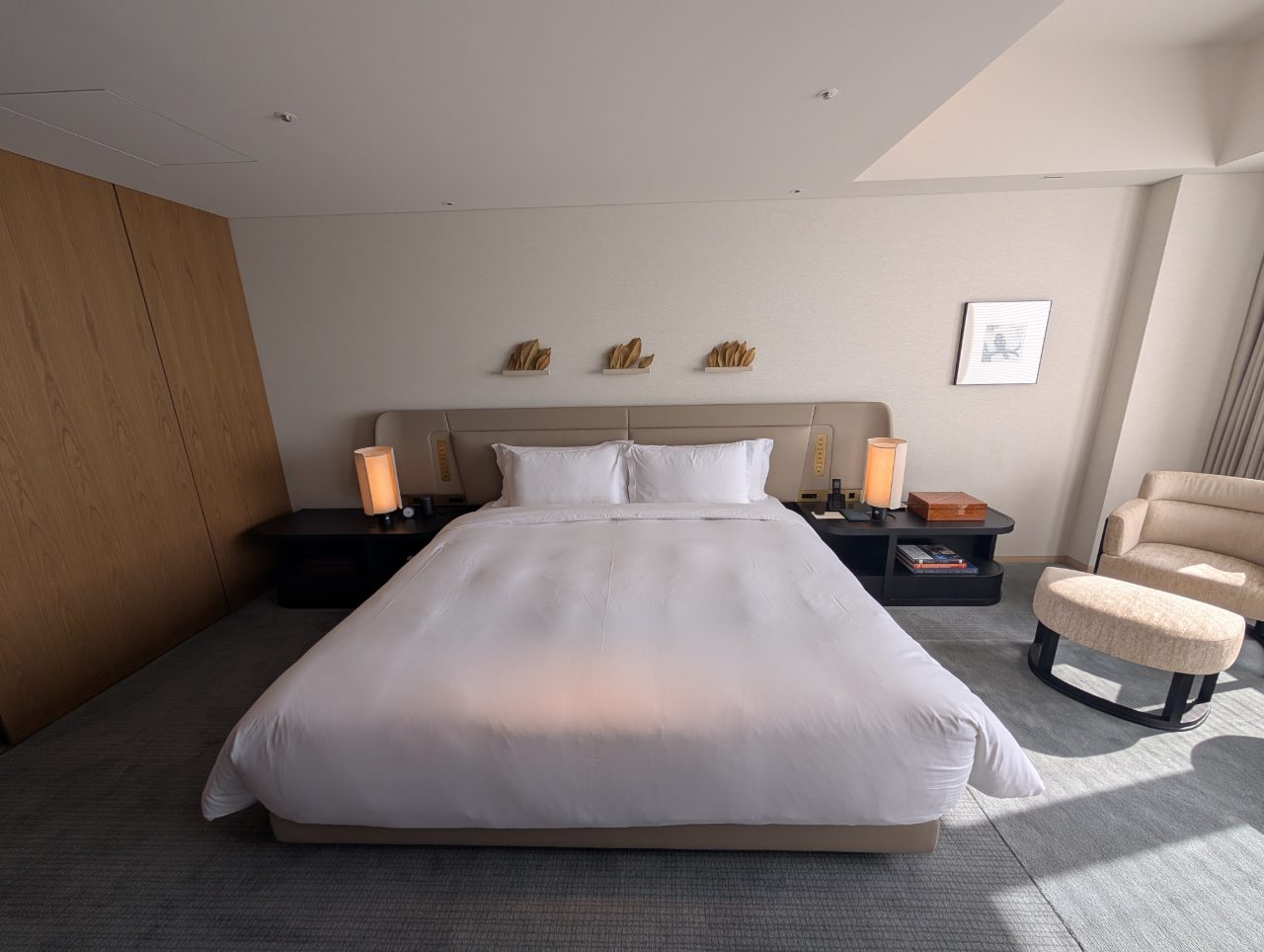
The renovated rooms are certainly a breath of fresh air compared to the old photos I’ve seen, where everything looks jaundiced and tired. That said, Jouin Manku definitely erred on the side of caution here, with a decidedly minimalist design which may not be for everyone.
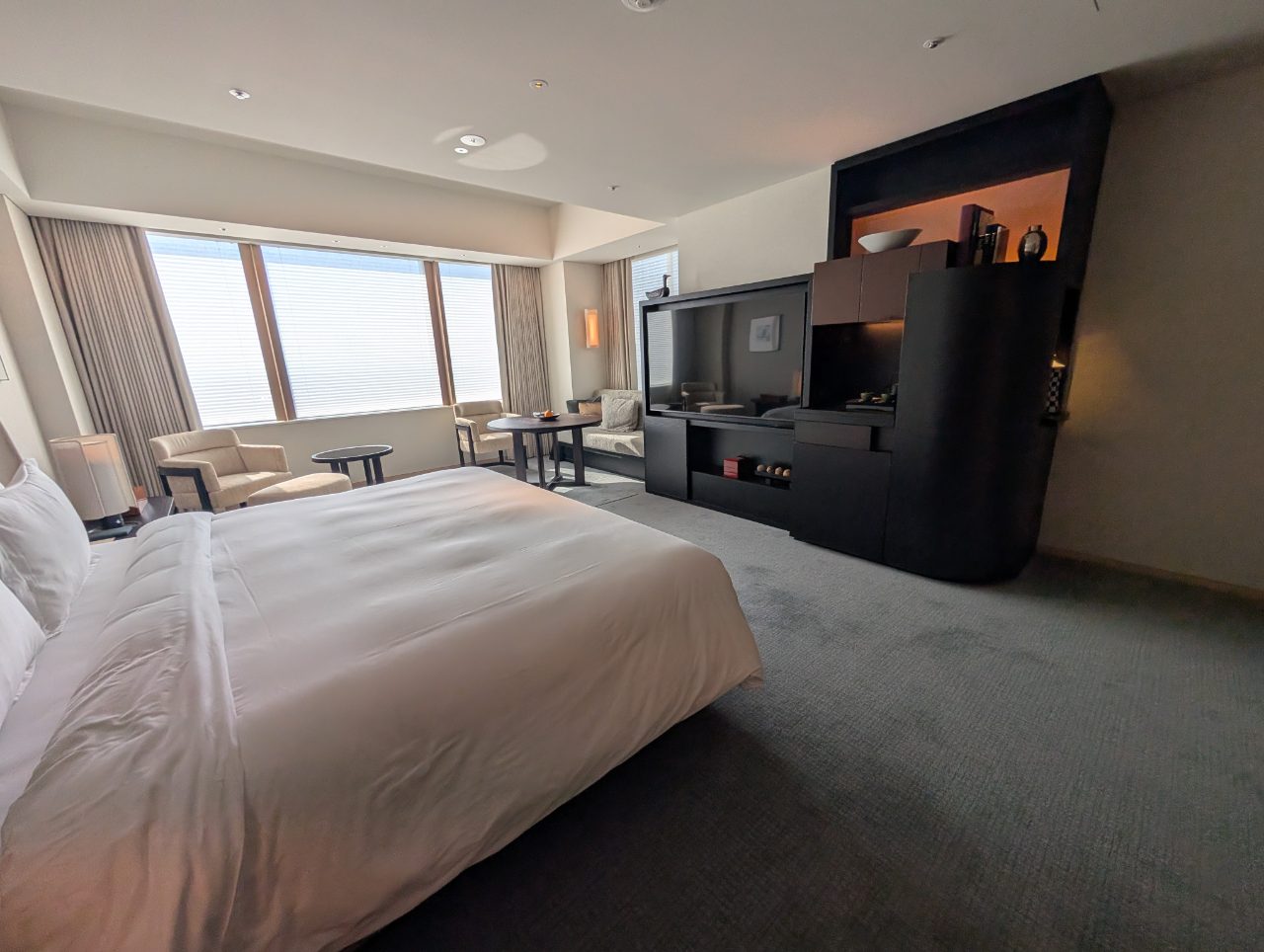
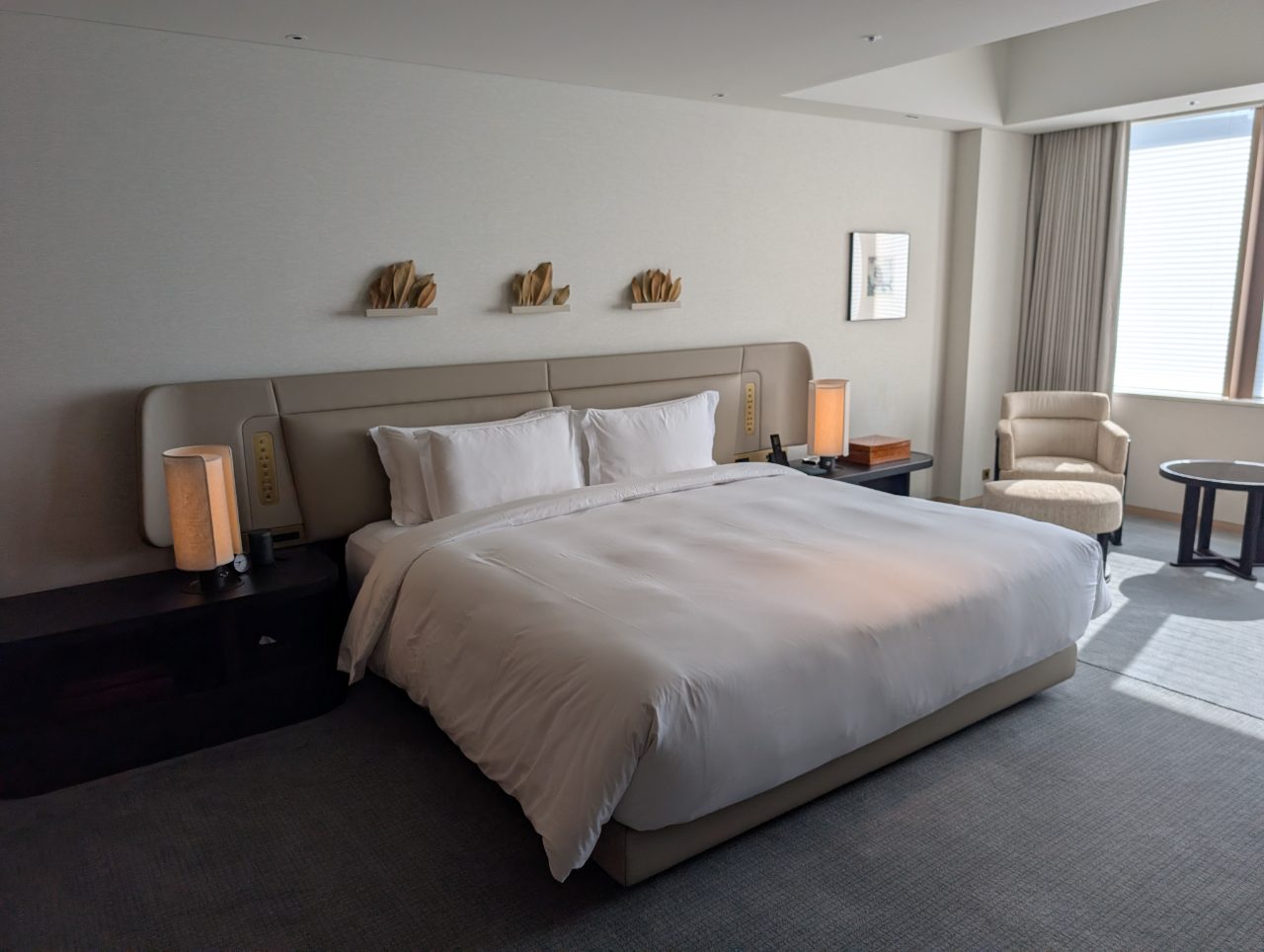
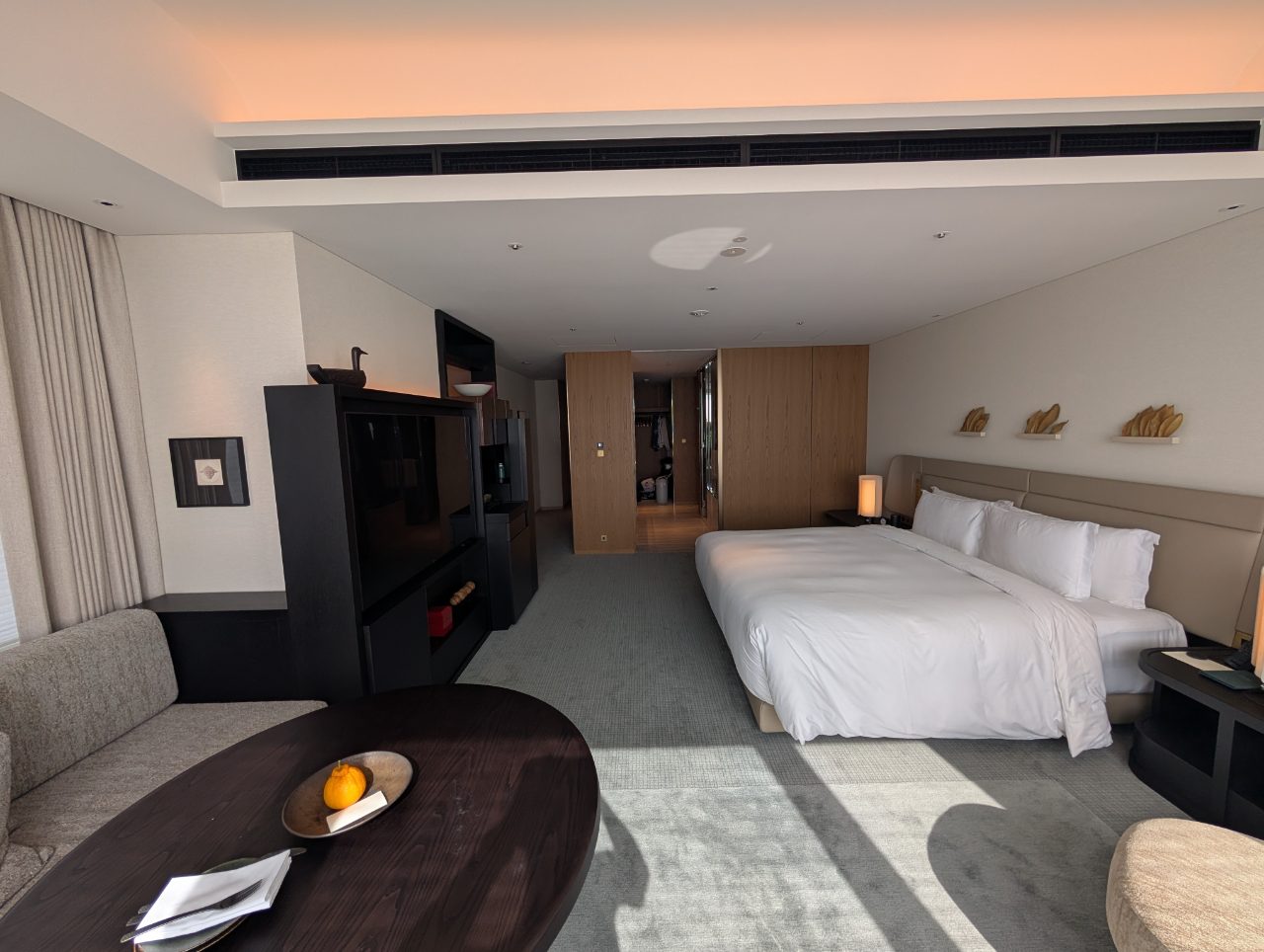
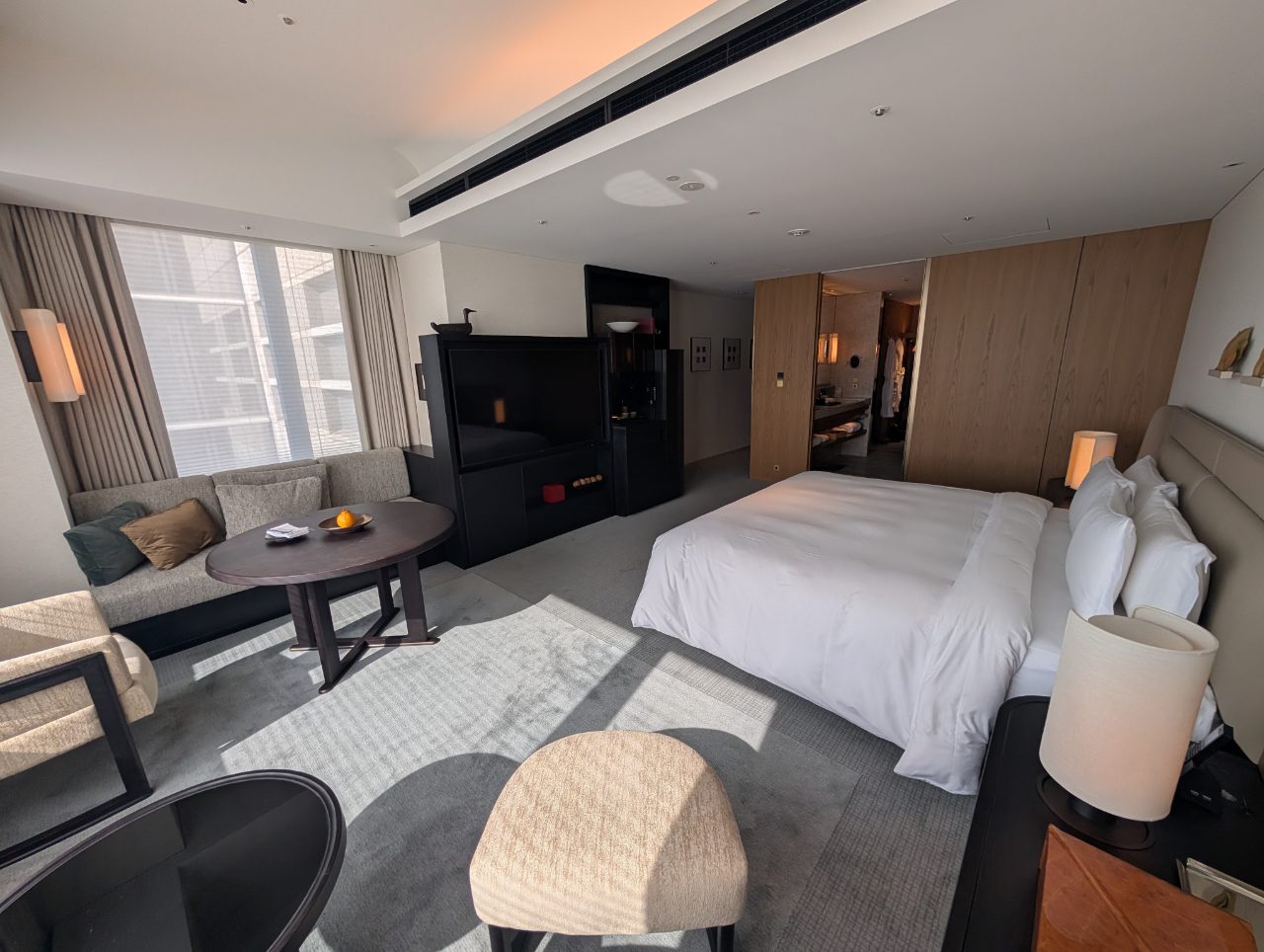
Here’s how Park Hyatt describes the new room vibe.
Originally designed to embody modern Japan’s dynamic spirit and timeless traditions, the redesigned guestrooms spotlight contemporary Japanese art.
The suites feature Yoshitaka Echizenya’s contemplative, dreamlike works, while newly commissioned lithographs enhance standard rooms. Signature elements—magnolia leaf decoration and Isamu Noguchi’s iconic washi lamps—remain integral to the hotel’s narrative of art, light, and texture.
Custom furnishings maintain the black-anthracite palette accented by softer green carpeting for a contemporary feel.
The king-sized bed was everything you’d expect from a hotel of this calibre: plush duvets, high thread count sheets, and fluffy pillows. The electrically-operated blackout curtains kept the room pitch black any hour of the day.
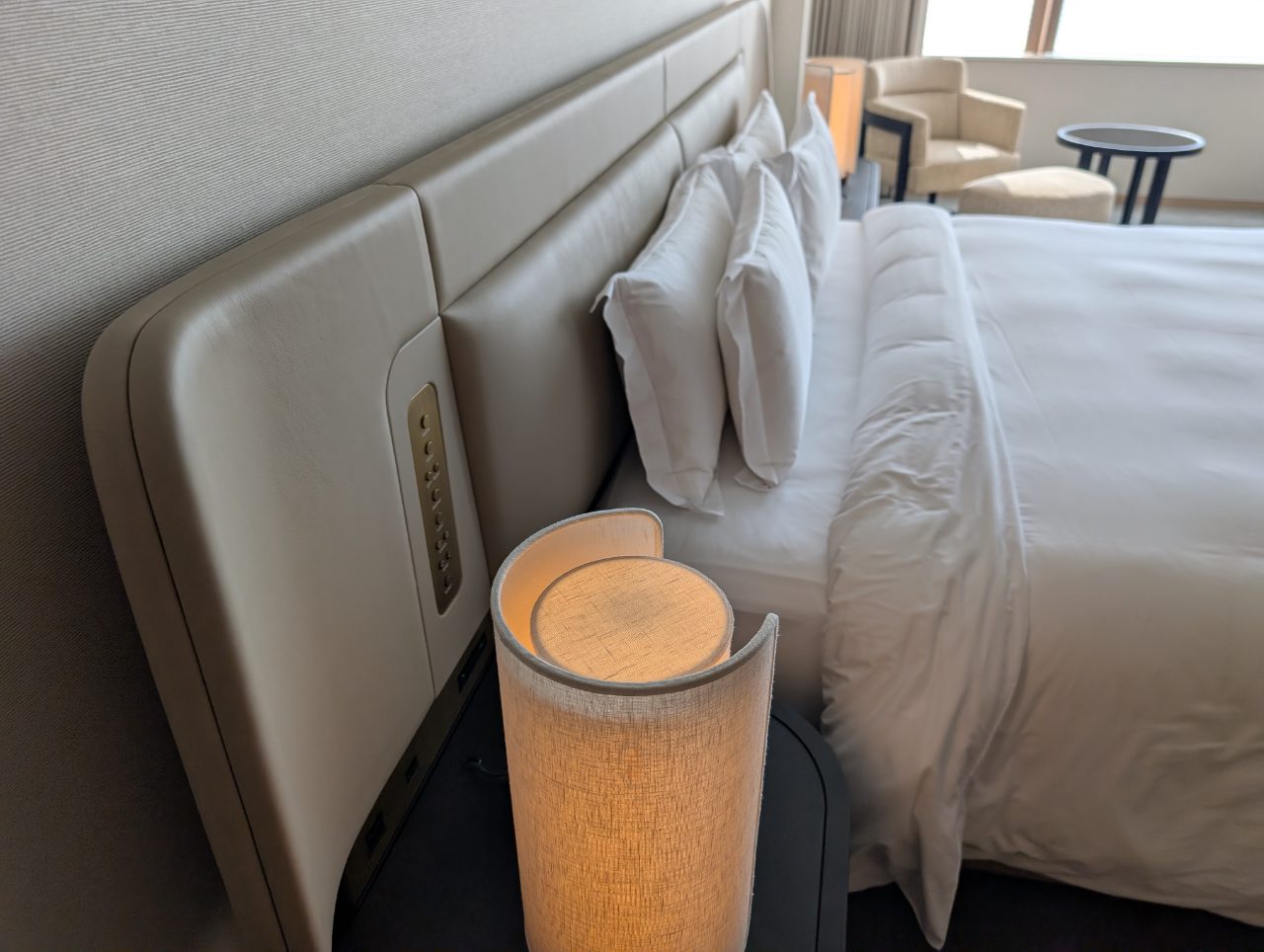
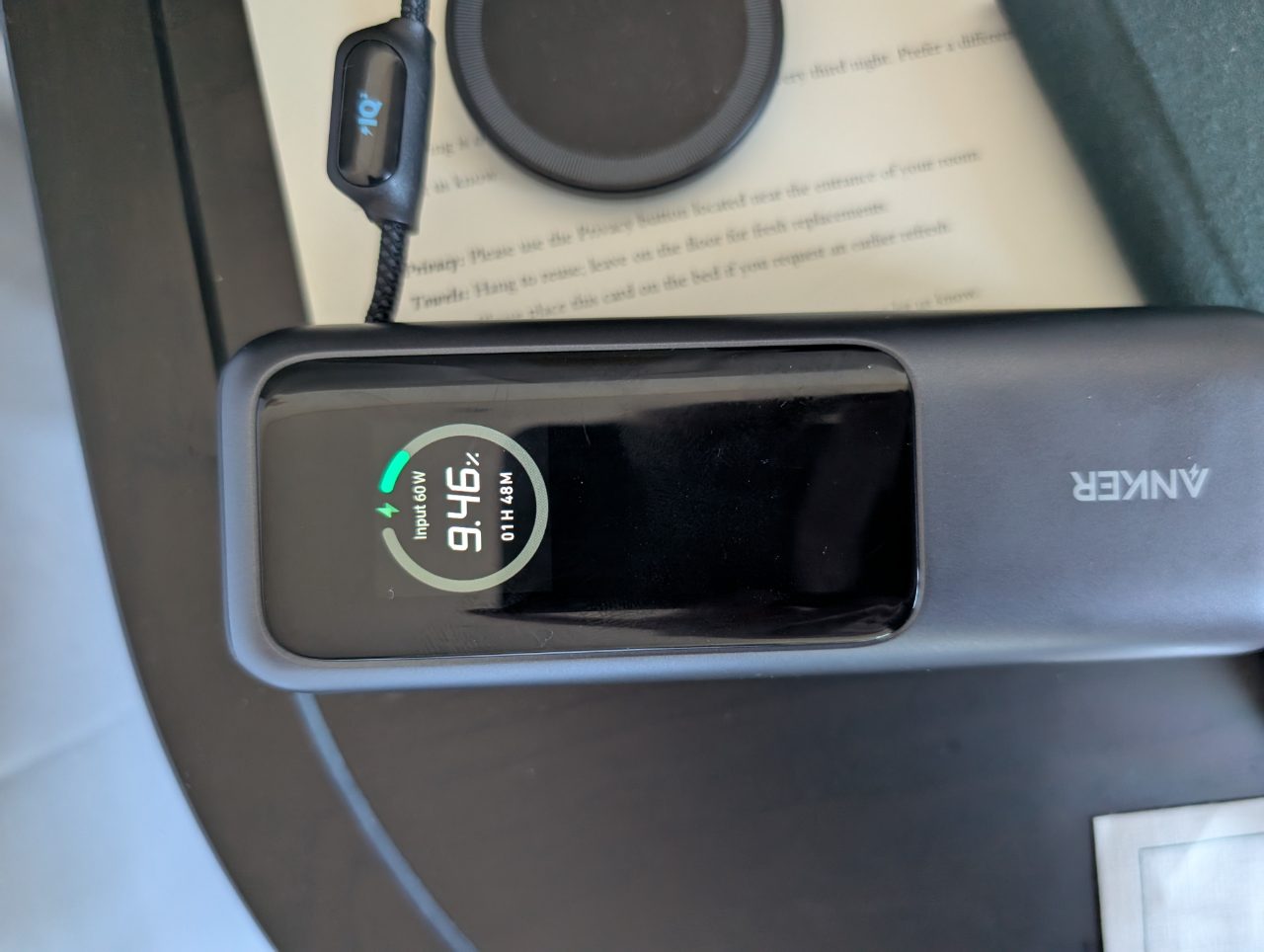
Each bedside had lighting controls, a universal power socket, a wireless charging pad, and a USB-A & USB-C port. There was also a small Bang & Olufsen Beosound Bluetooth speaker.
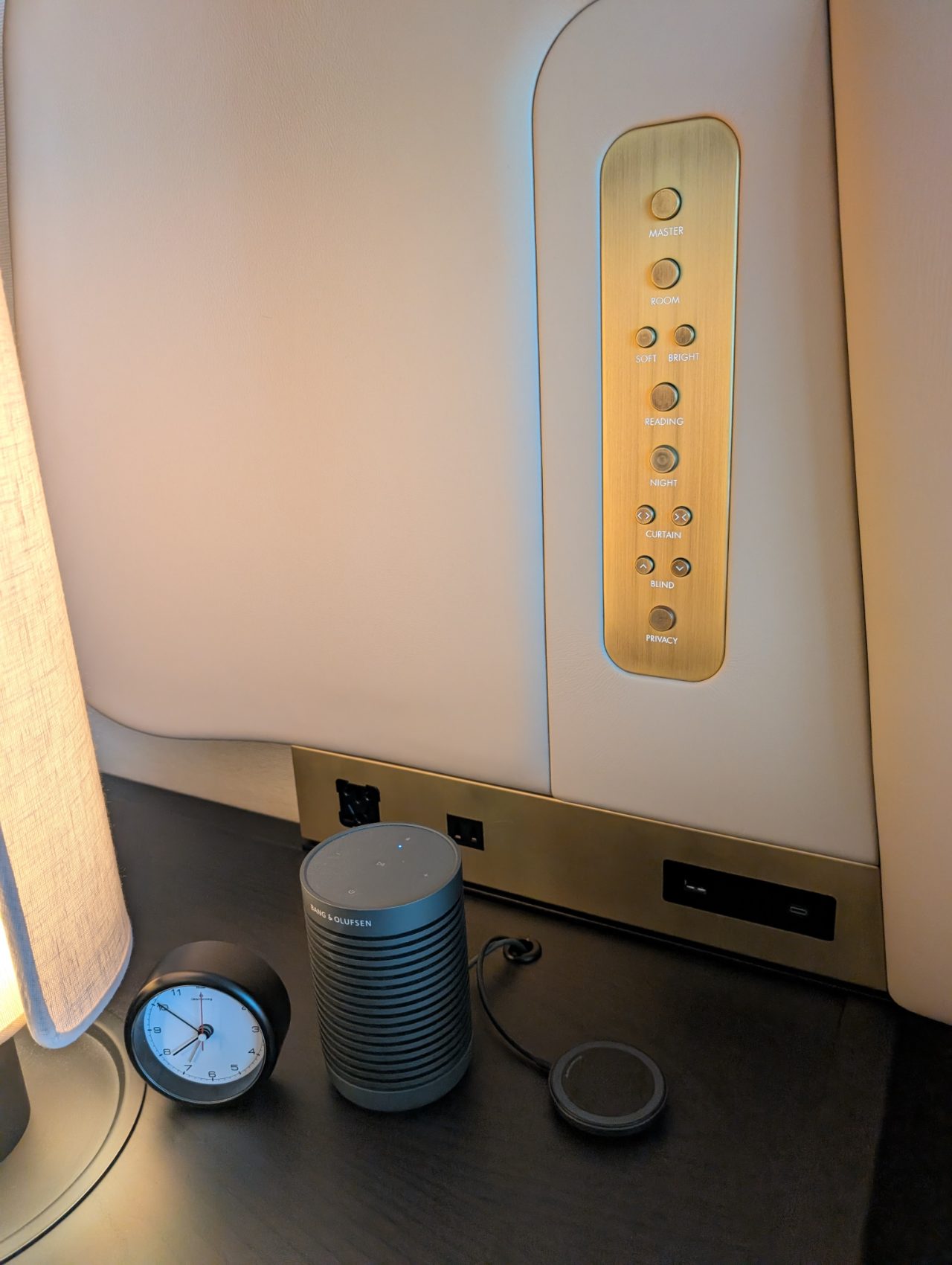
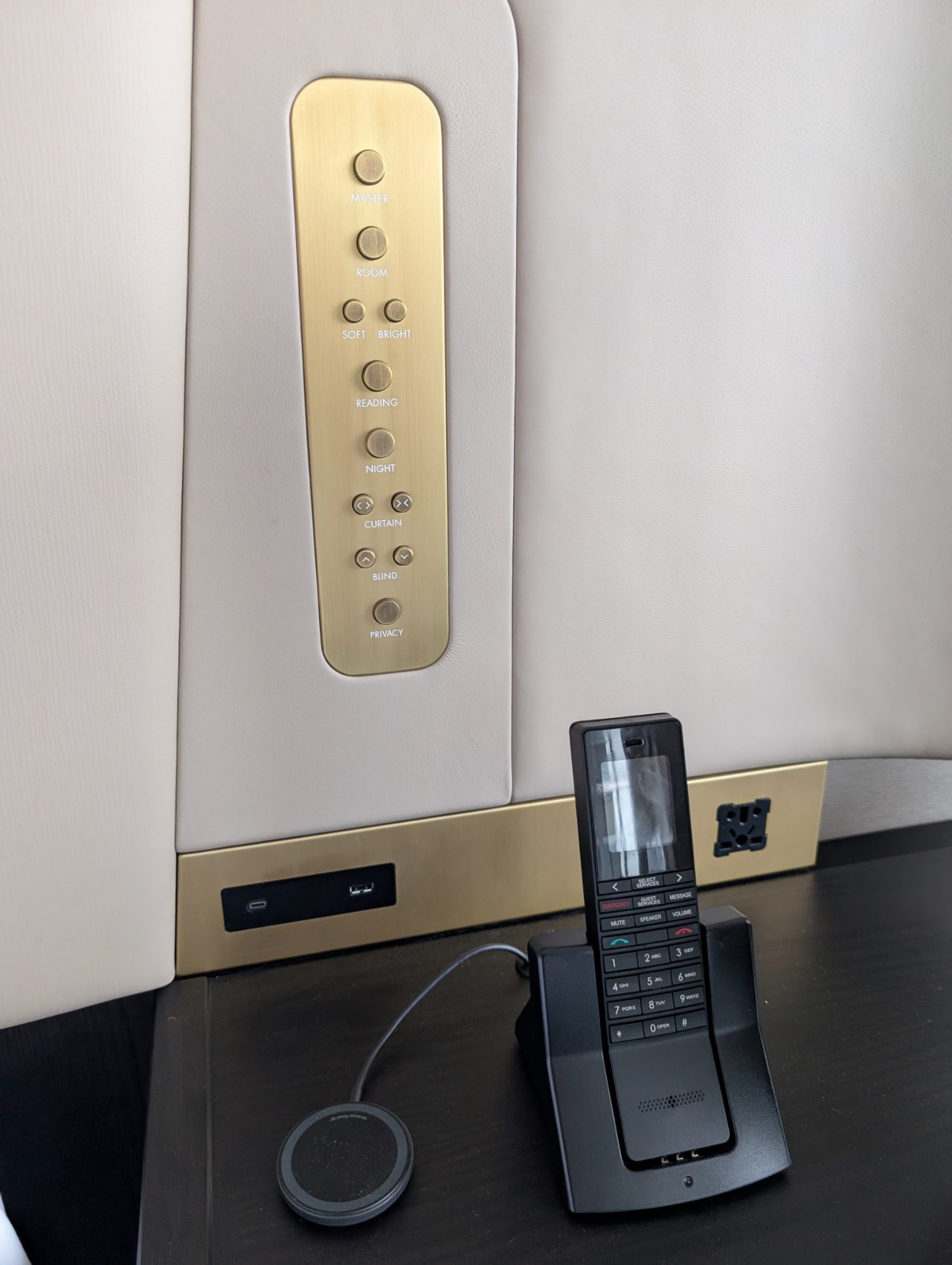
I was pleasantly surprised to find that the USB-C ports had sufficient wattage to charge a laptop, removing the need for a bulky power brick (at some hotels they max out at 15W, which is only sufficient for phones).
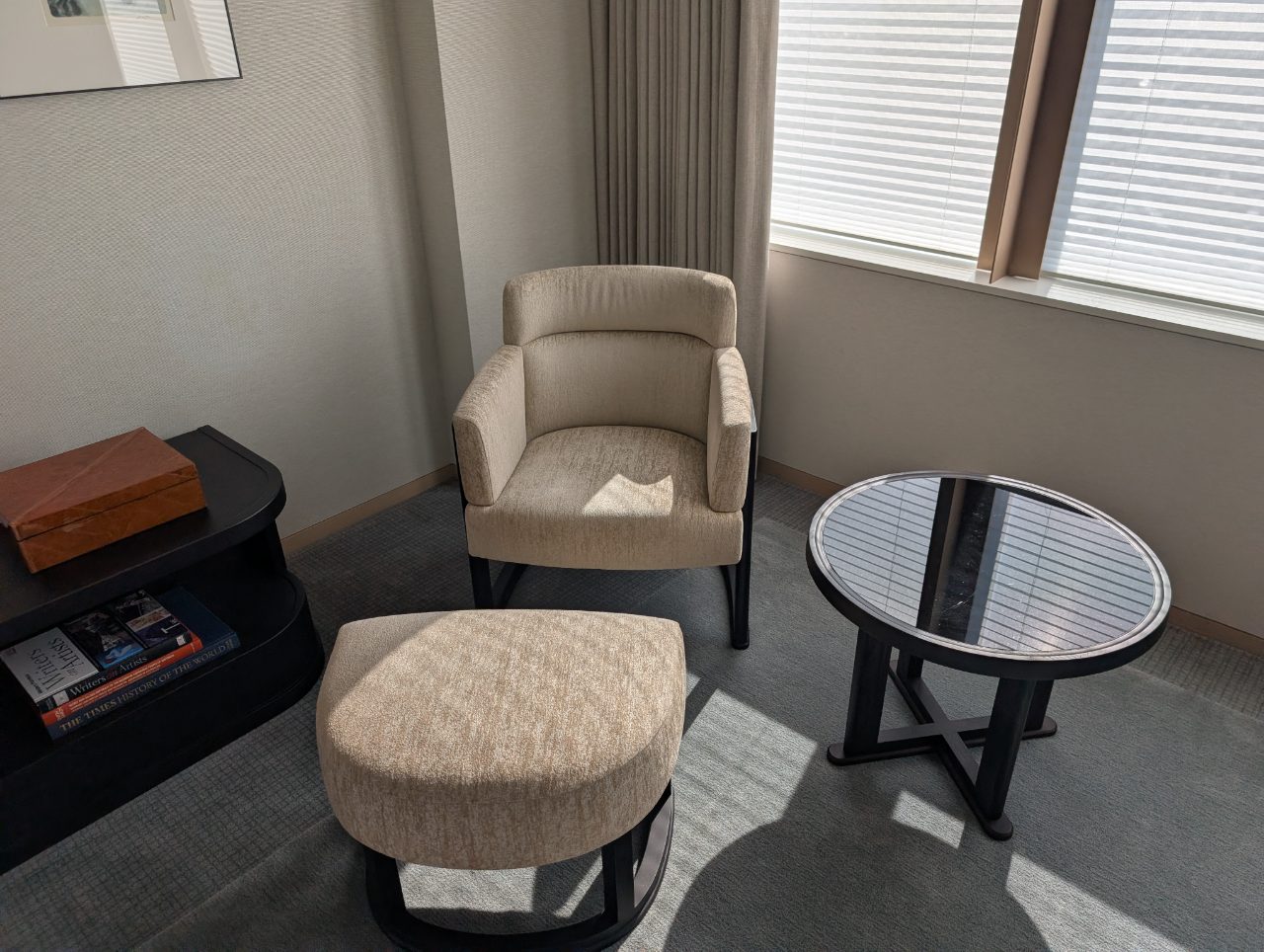
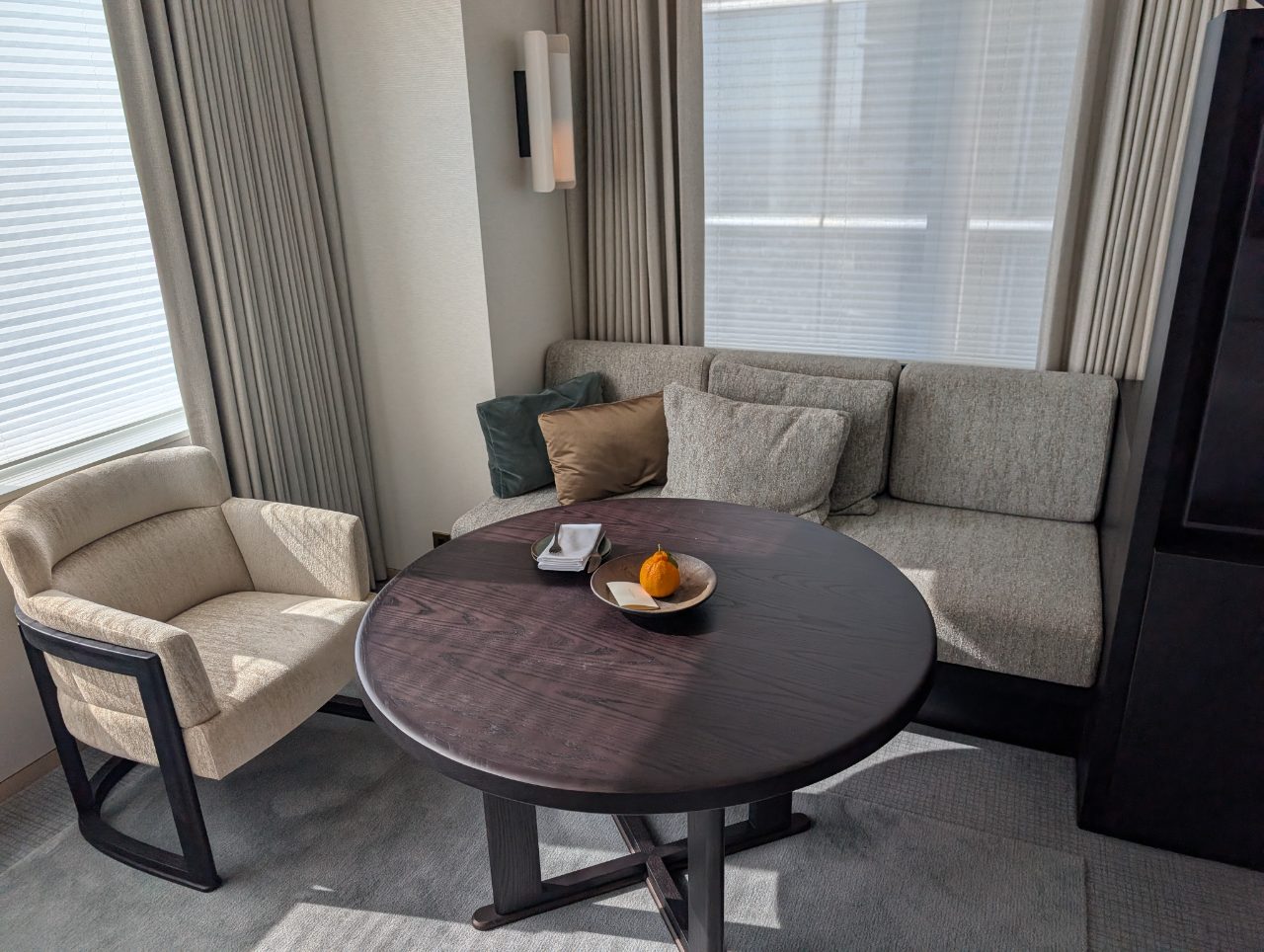
By the windows was a seating area with a couple of chairs, round coffee tables and a sofa.
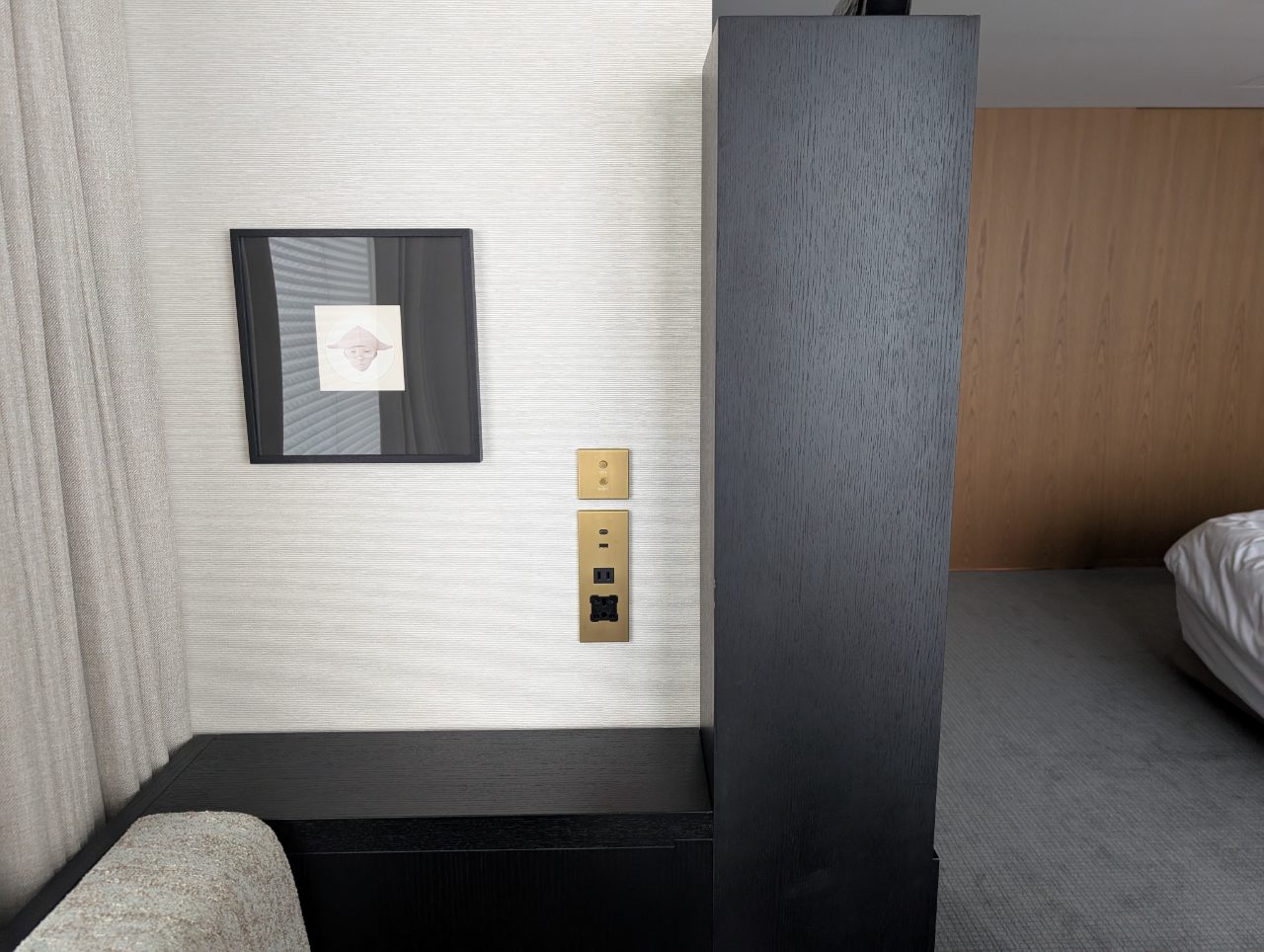
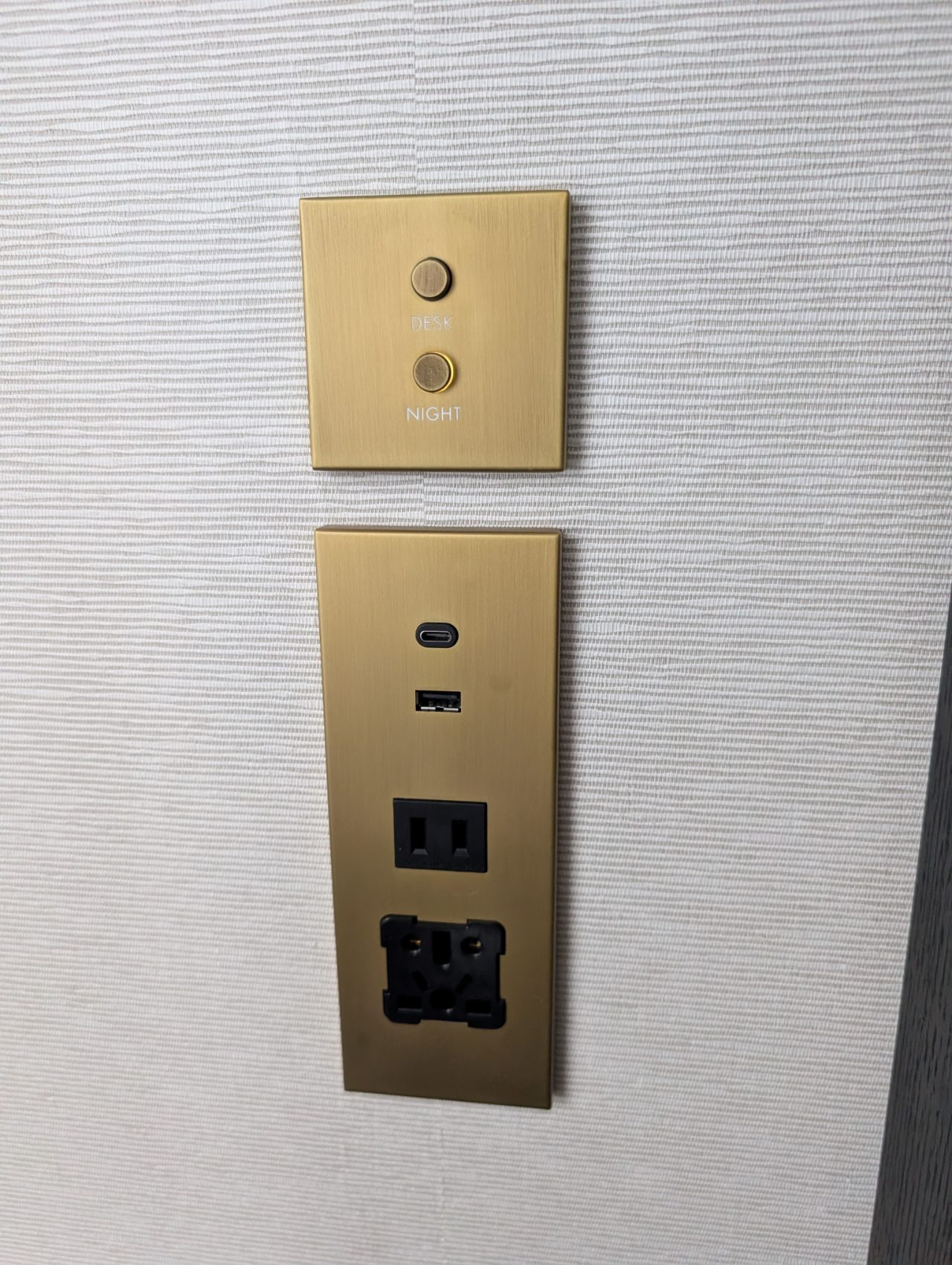
Nestled into the side panel were power sockets and USB-A & USB-C ports, together with additional lighting controls.
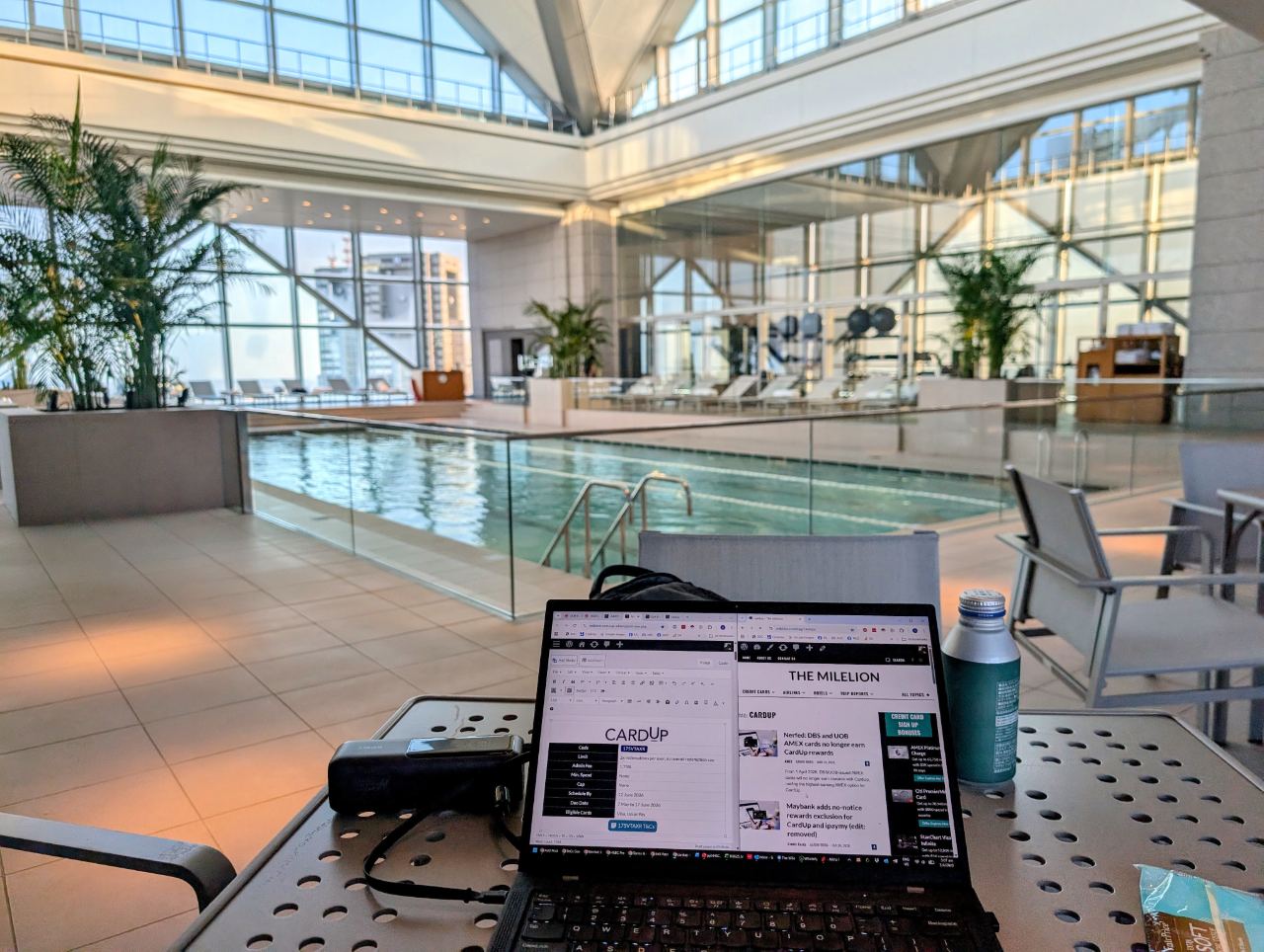
However, the circular table and lack of a proper chair meant this wasn’t a great place to do work. If you need to do that, I recommend going to the quiet area of the spa, or even the swimming pool, where there are proper tables and chairs.
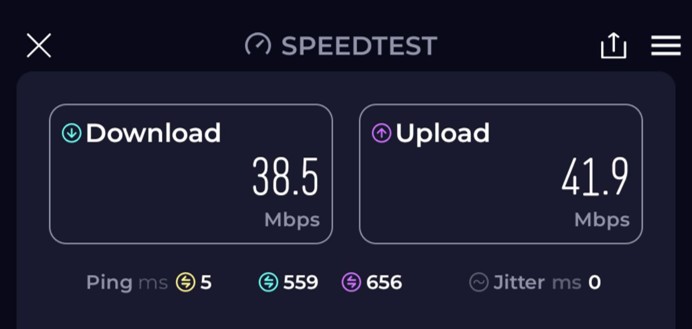
Speaking of work, the Wi-Fi network clocked in at 39 Mbps down and 42 Mbps up, effortlessly handling video calls and 4K streaming.
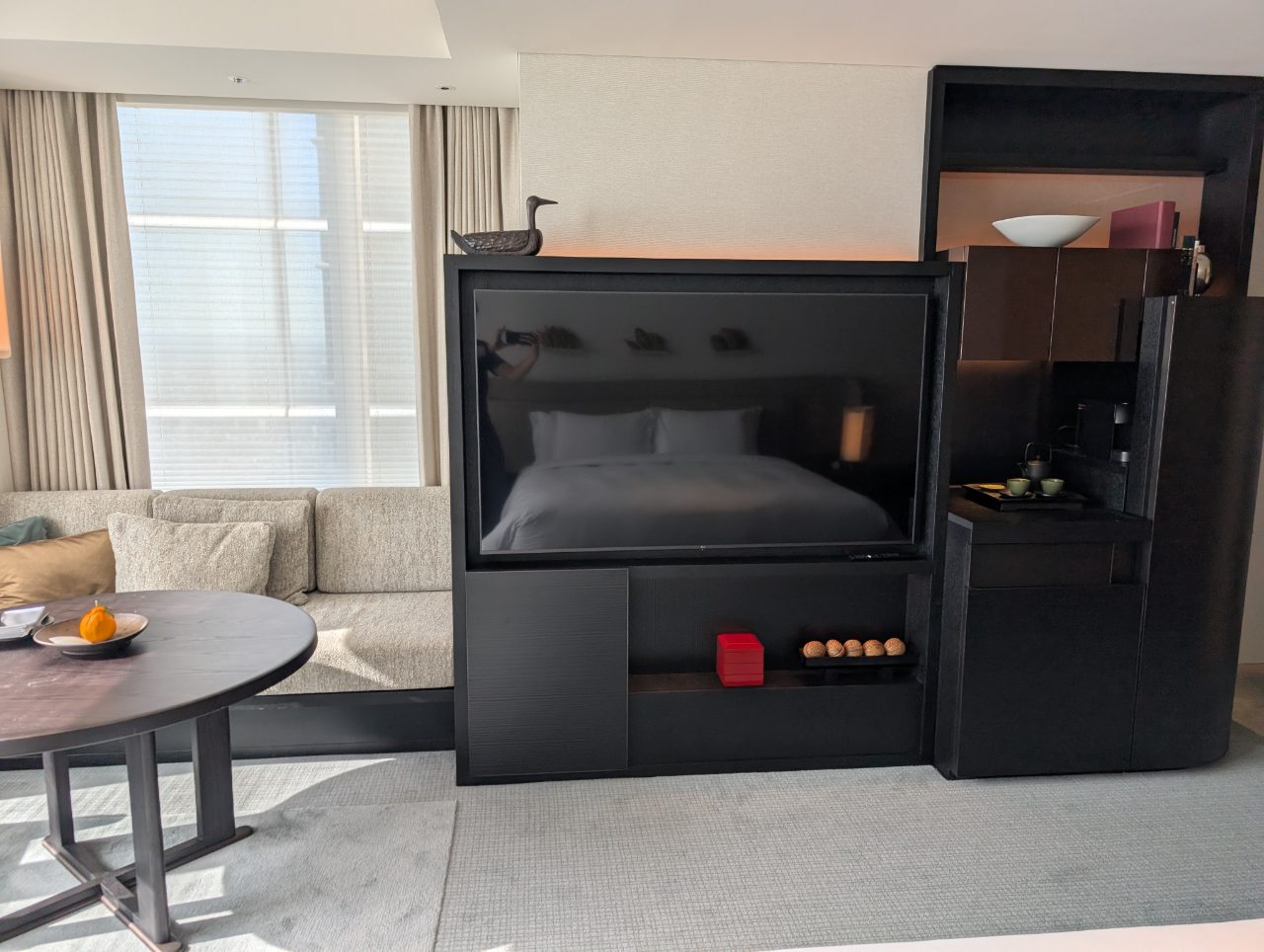
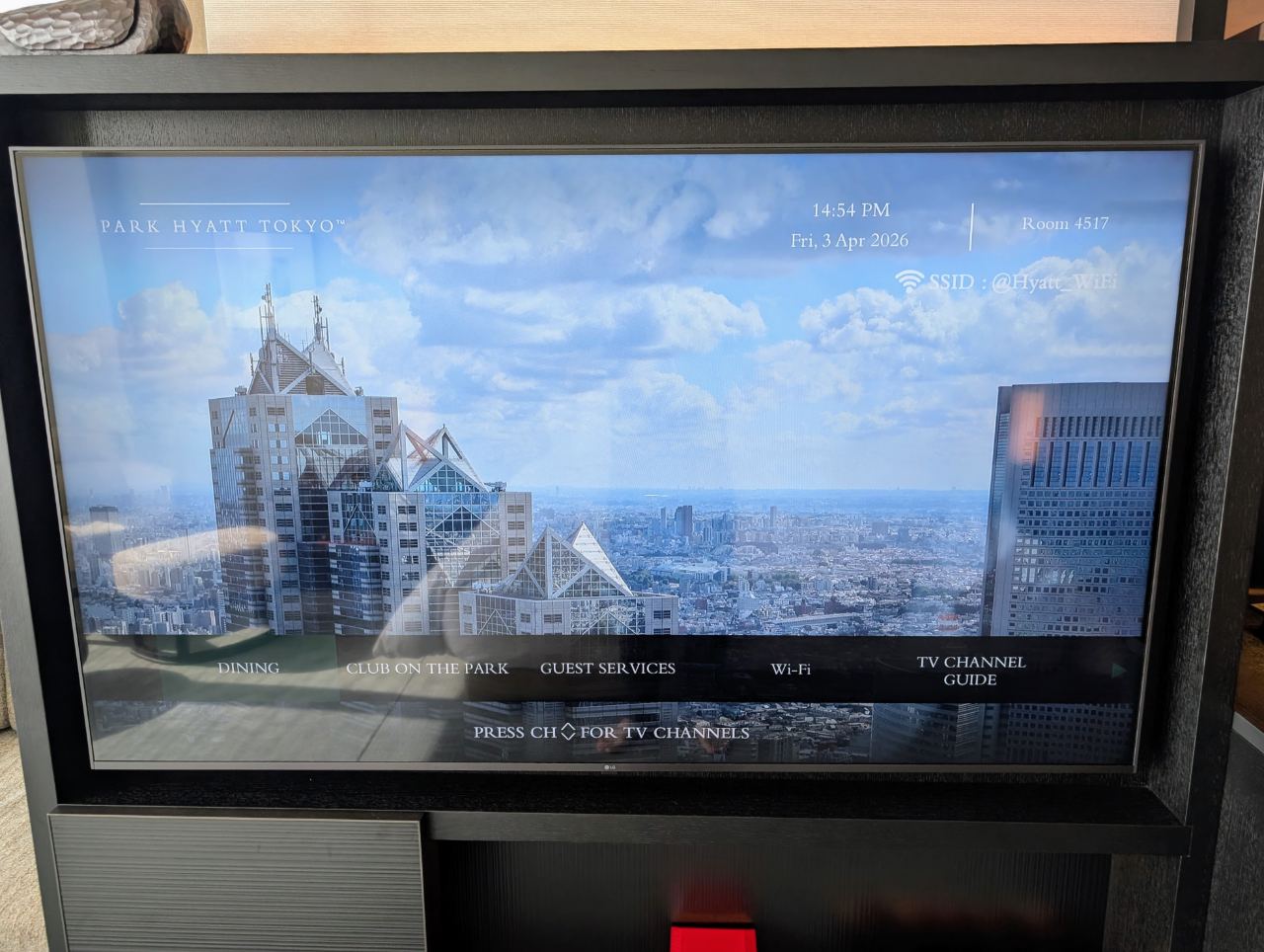
The TV was a massive 65 inches (most non-suite rooms usually max out at 55 inches) and supported Netflix and various streaming services. I didn’t test it out, but I believe it’s also possible to cast content from your phone.
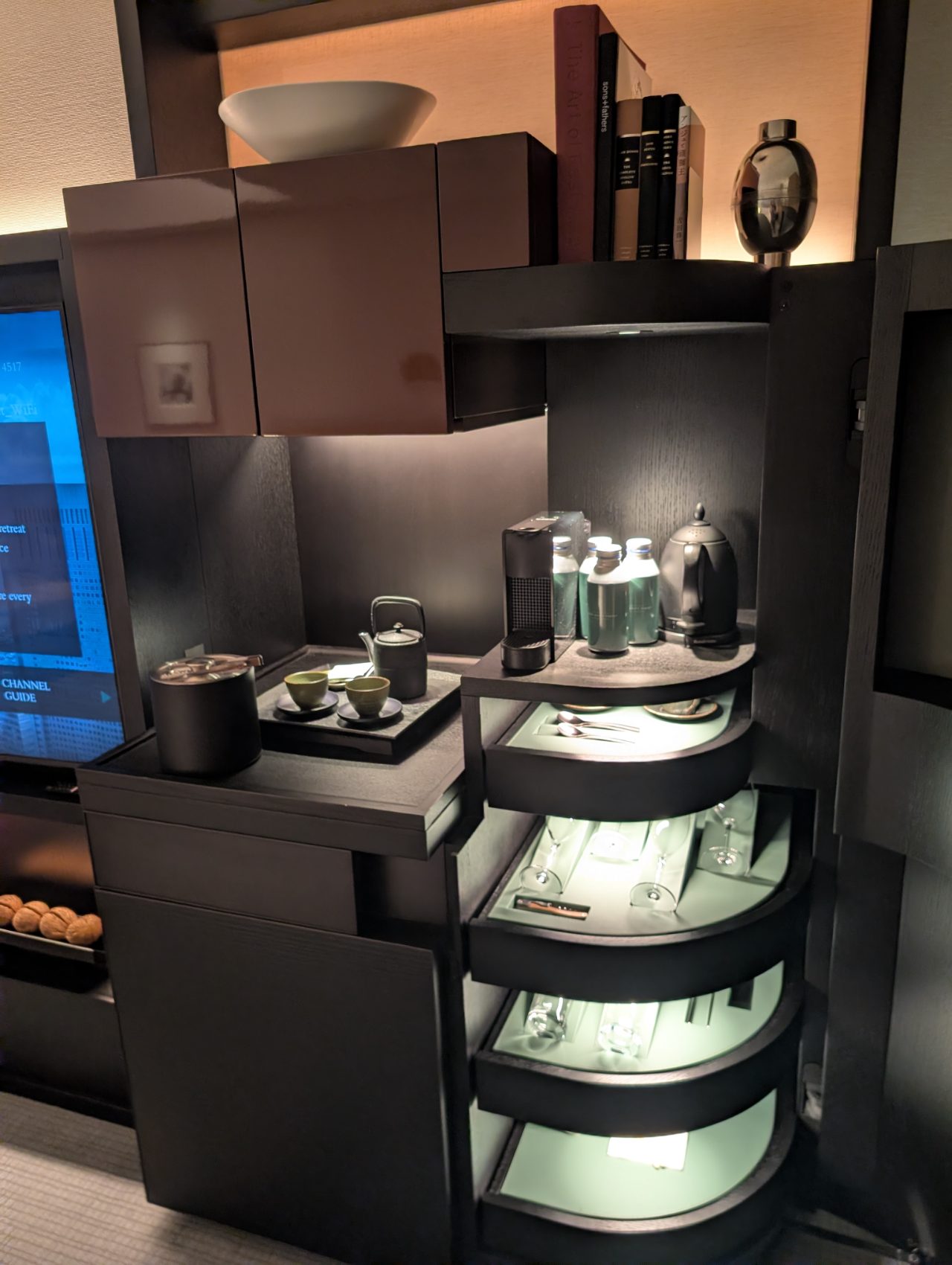
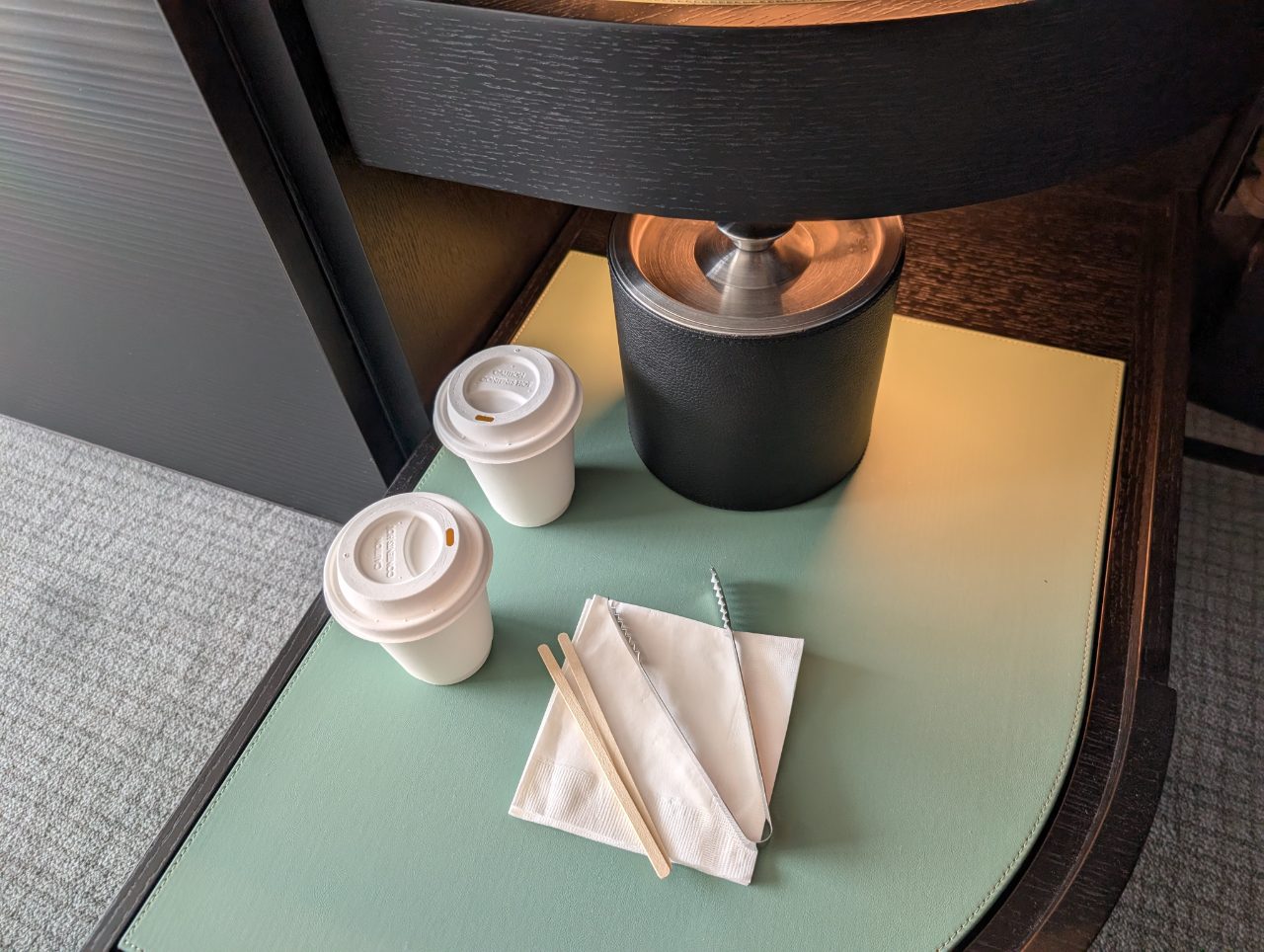
The room’s minibar had a Nespresso capsule machine, tea set, and aluminium water bottles. These felt more premium than your standard plastic bottles, though we did learn later on that Tokyo Disneyland had a strict no metal bottles policy — even if the metal in question was highly malleable aluminium!
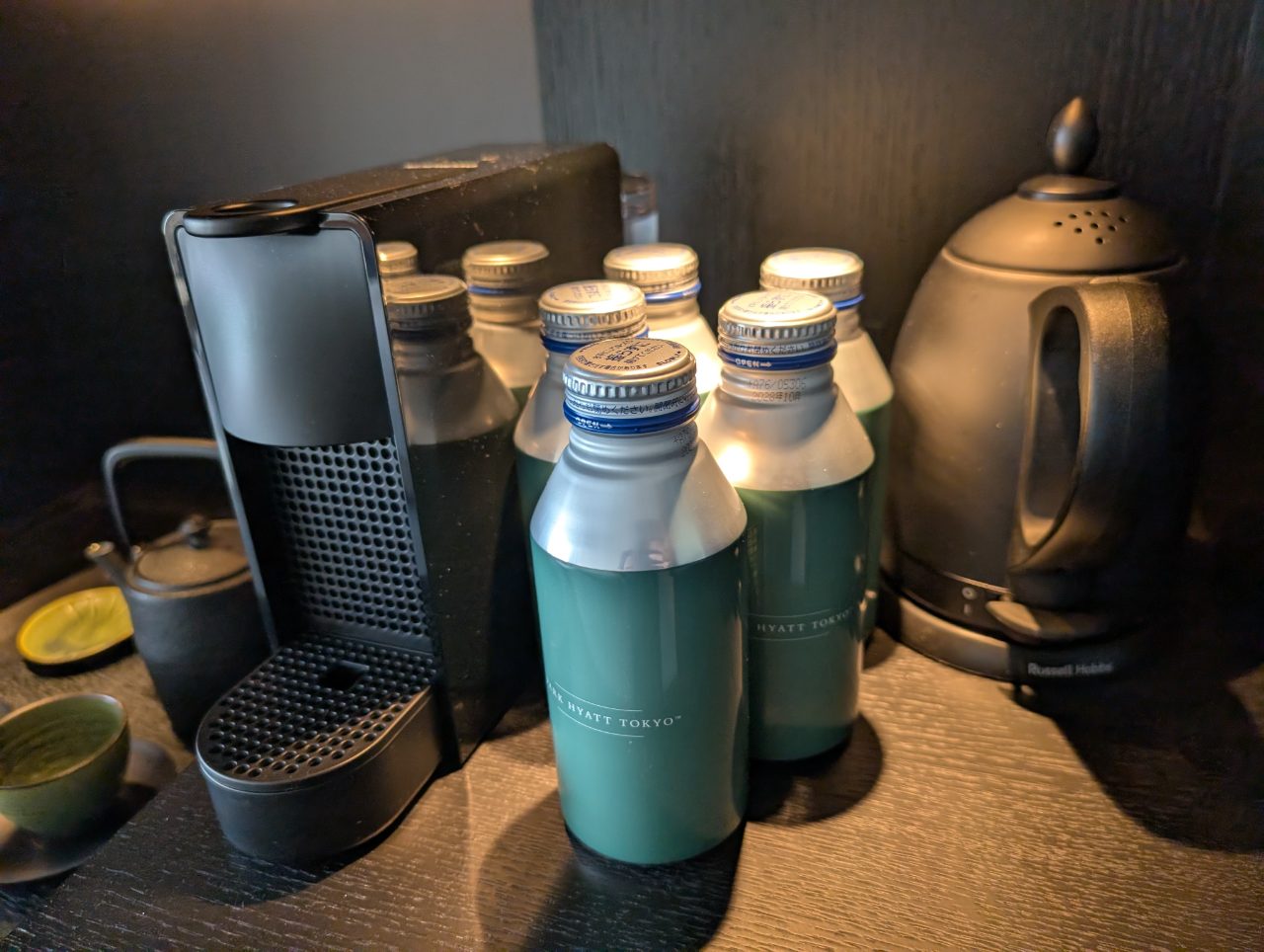 Coffee machine and water bottles
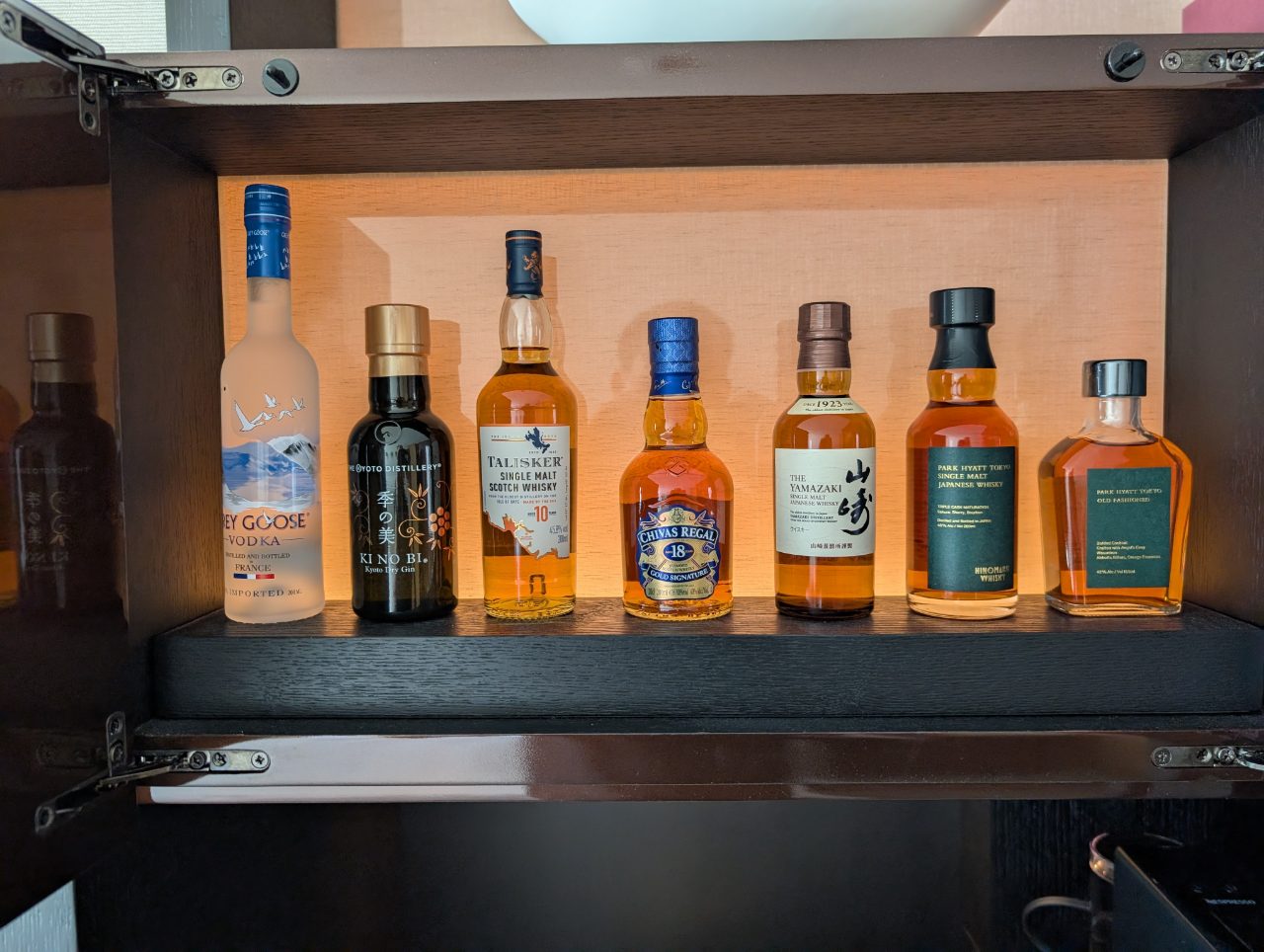
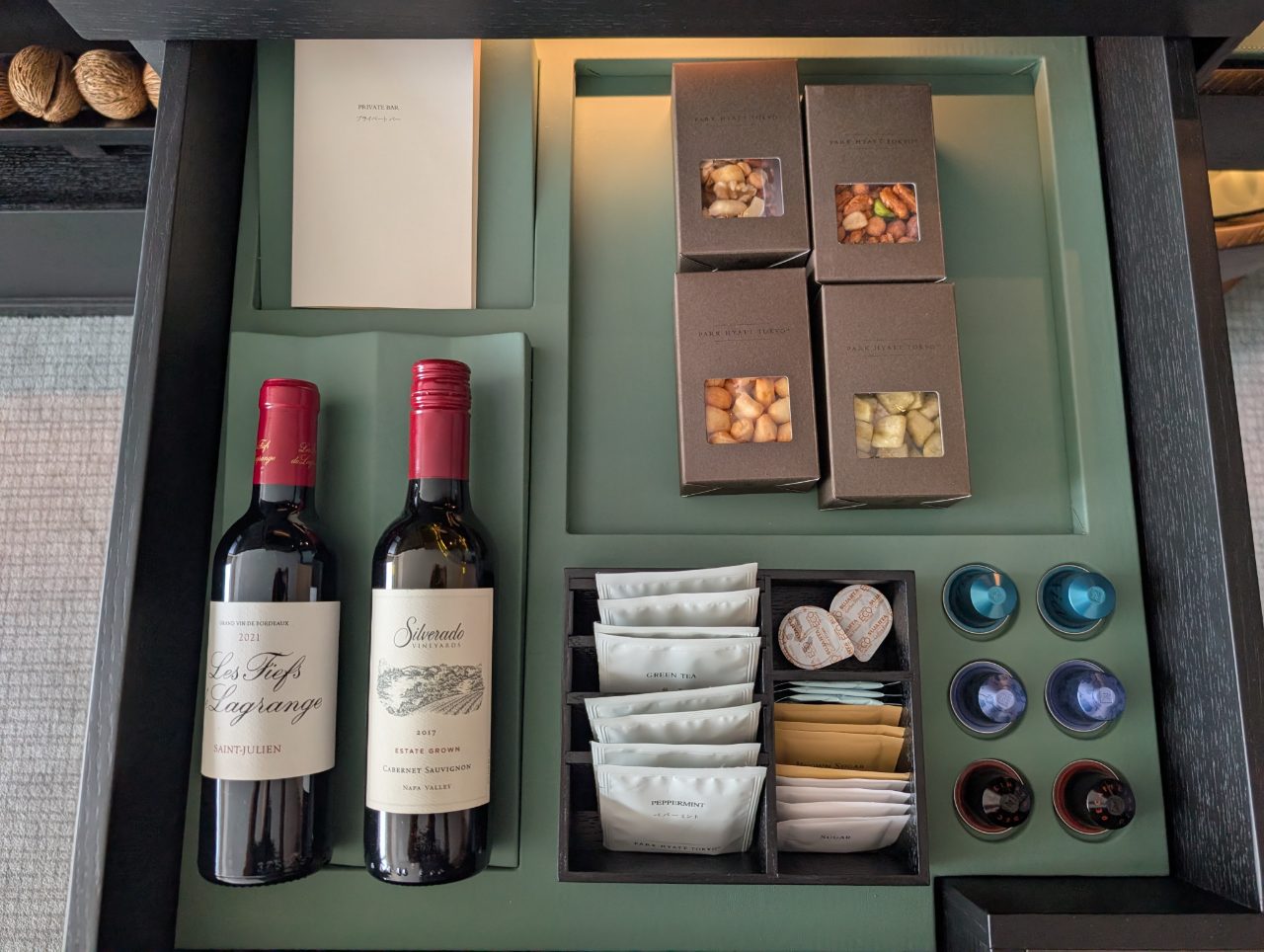
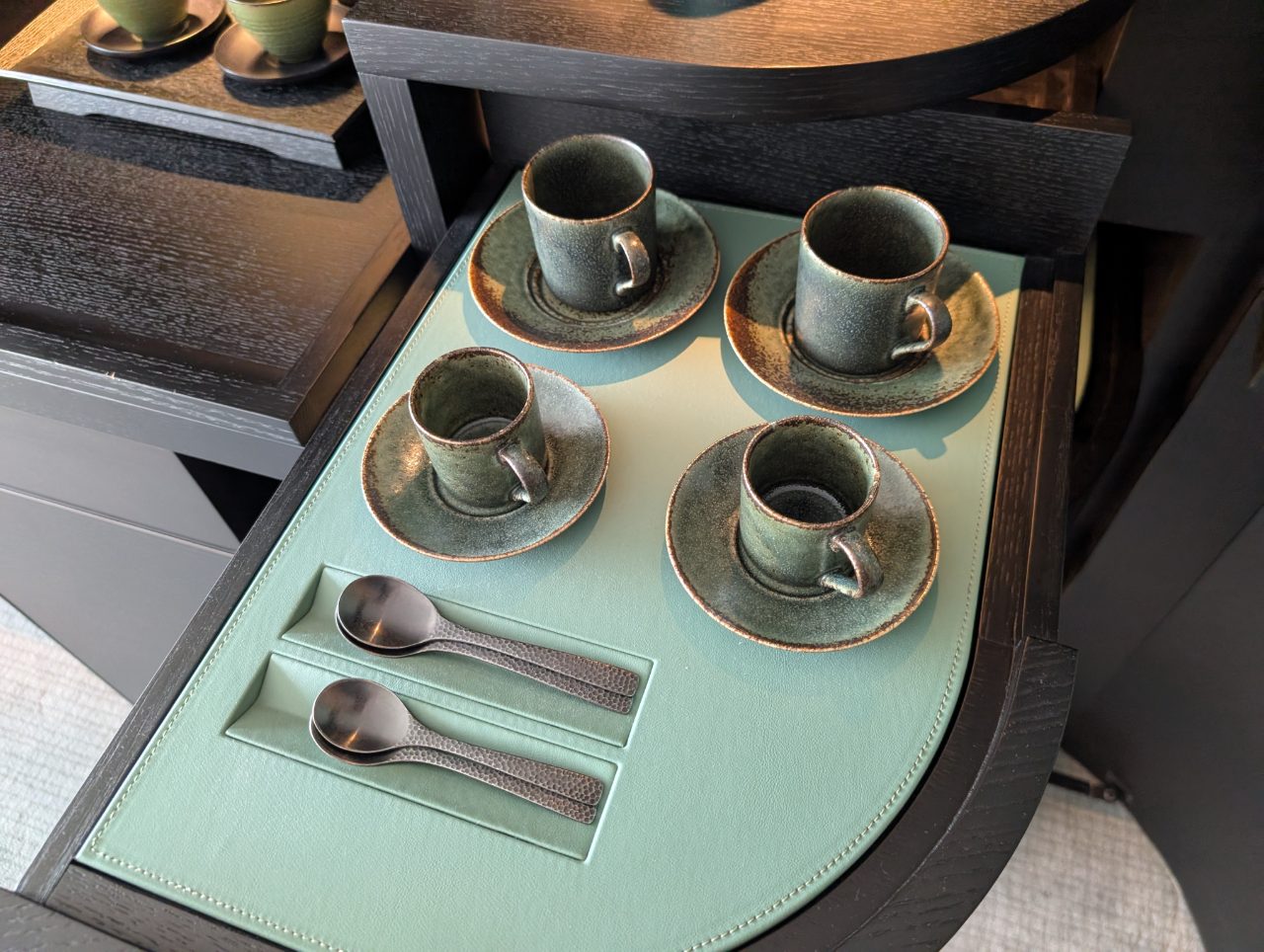
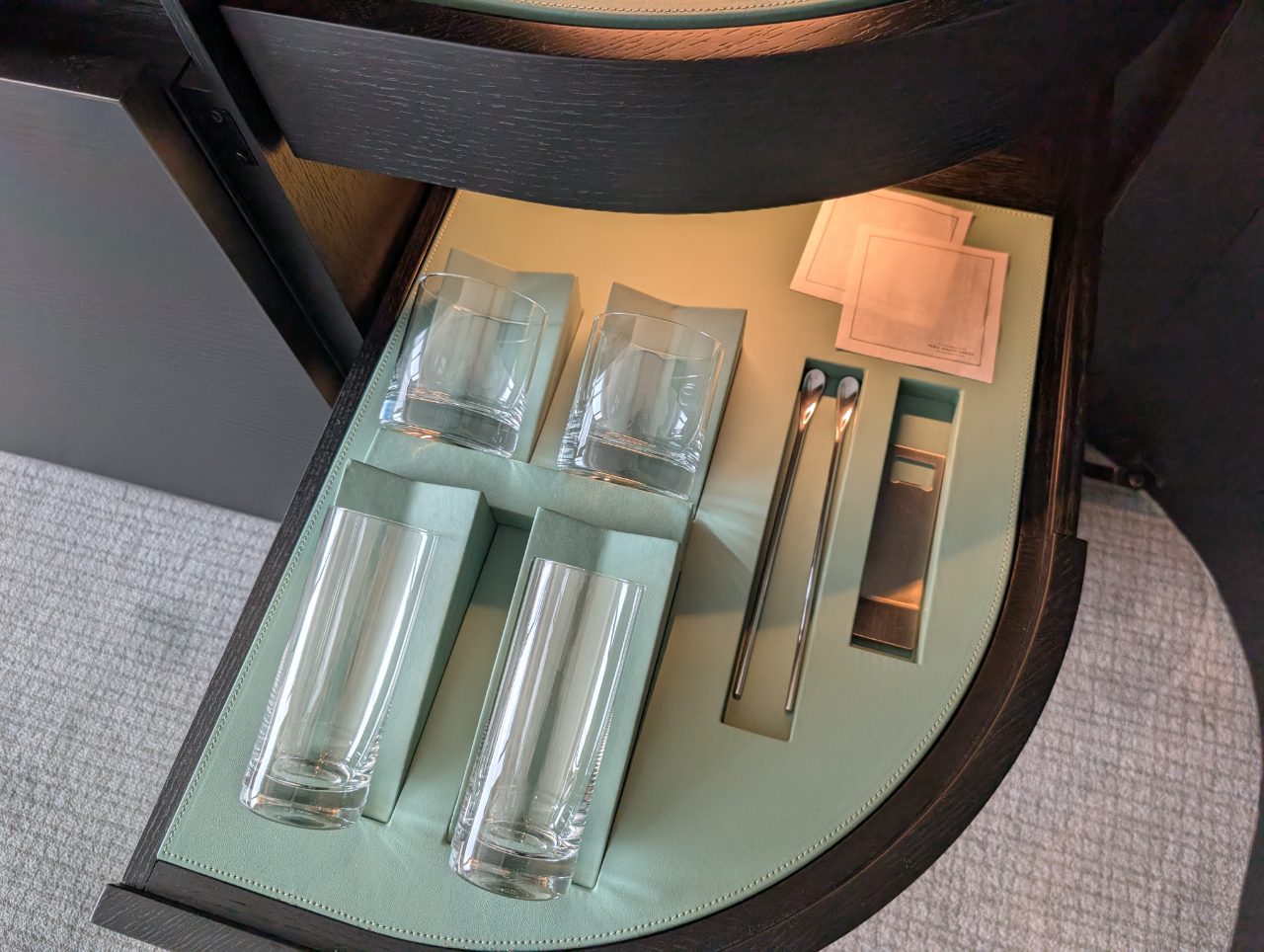
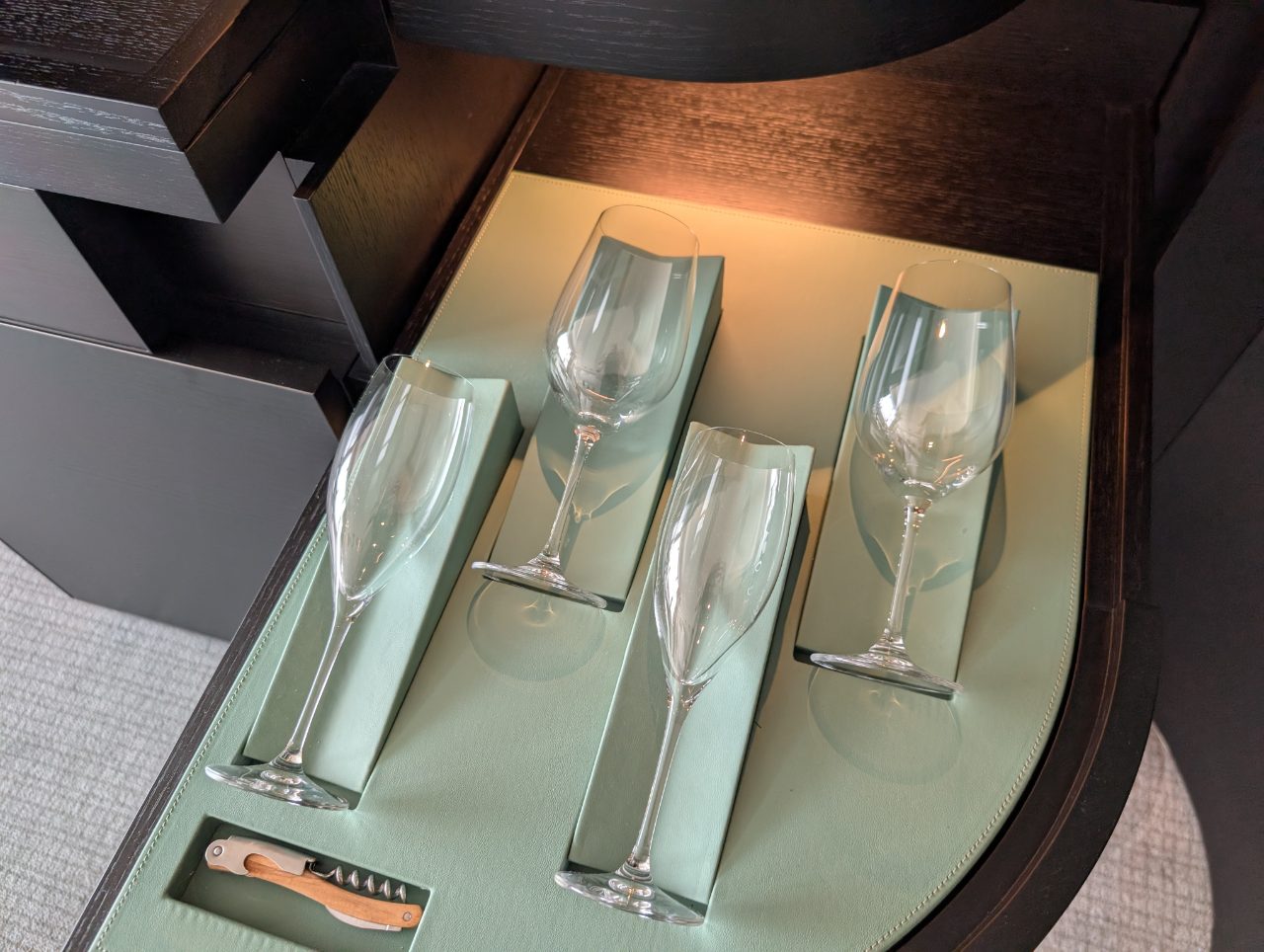
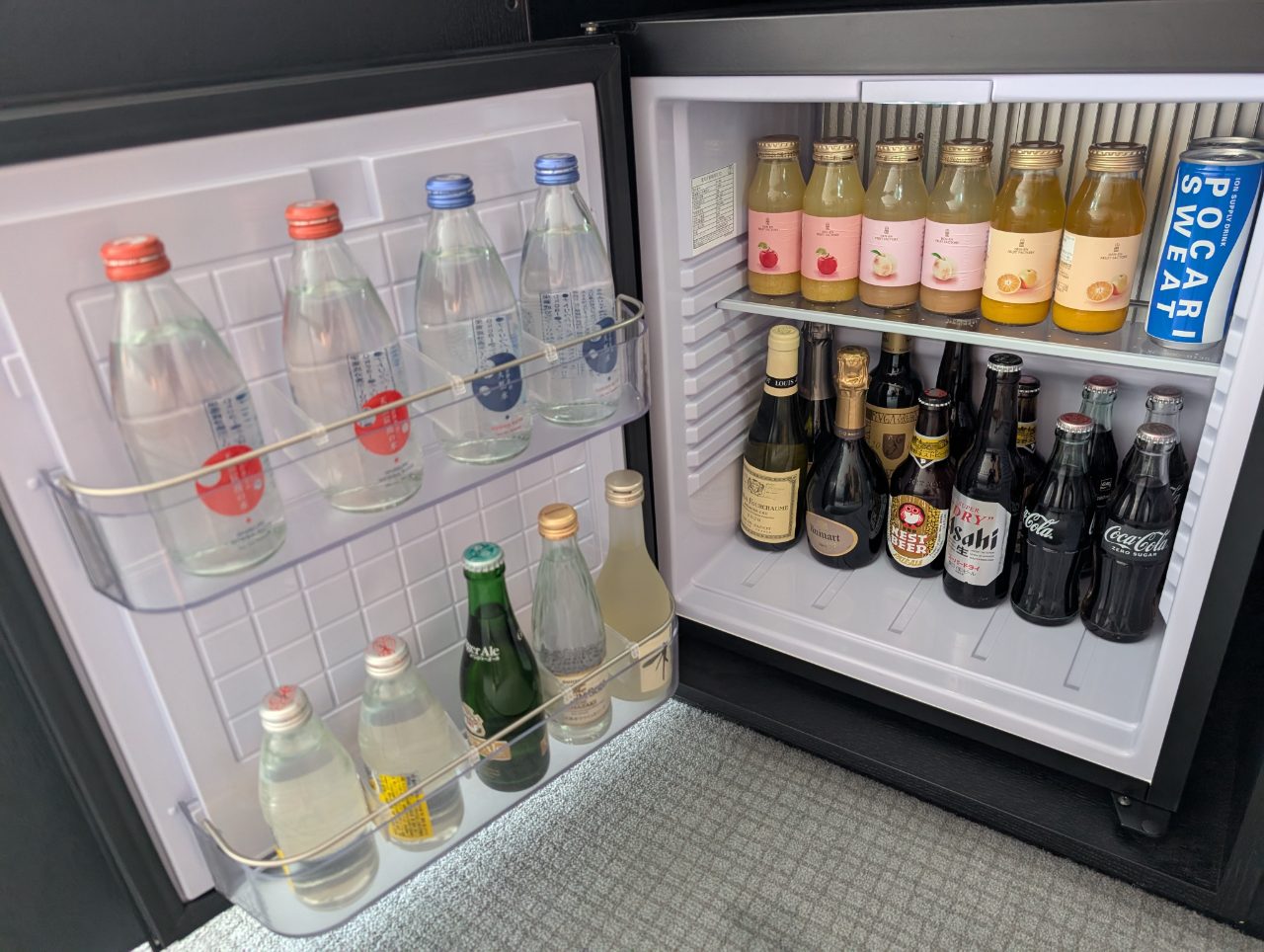
There was also a mini-fridge with the usual assortment of overpriced drinks. Luckily, it wasn’t one of those “booby-trapped” ones which automatically bill you if you touch anything. You could empty it out and put your own drinks and snacks in here if you wanted.
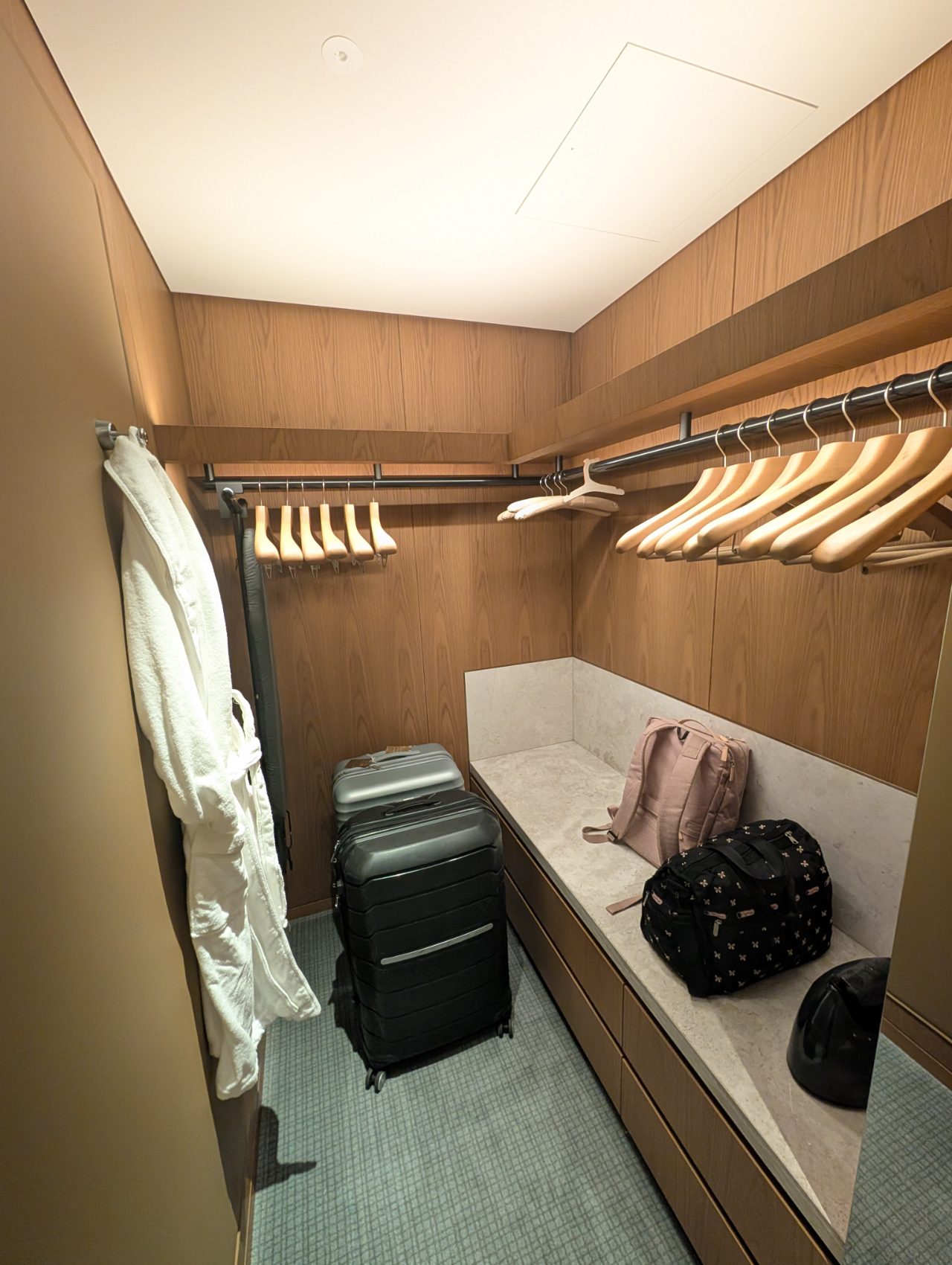
The walk-in wardrobe had adequate space for luggage and clothes. The bathrobes were disappointing though, nowhere near the silky smooth Boca Terry robes at the Waldorf Astoria Bangkok.
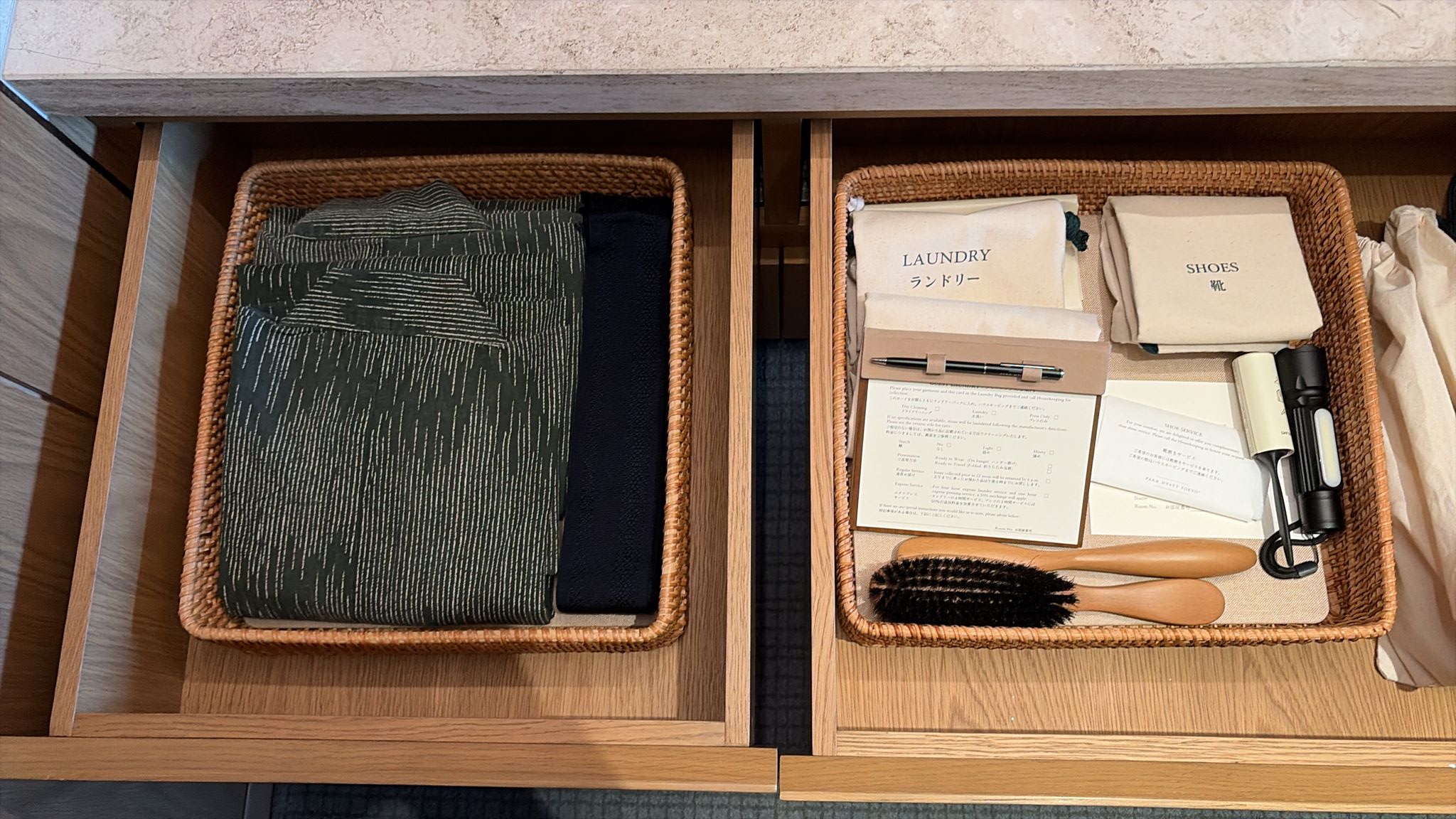
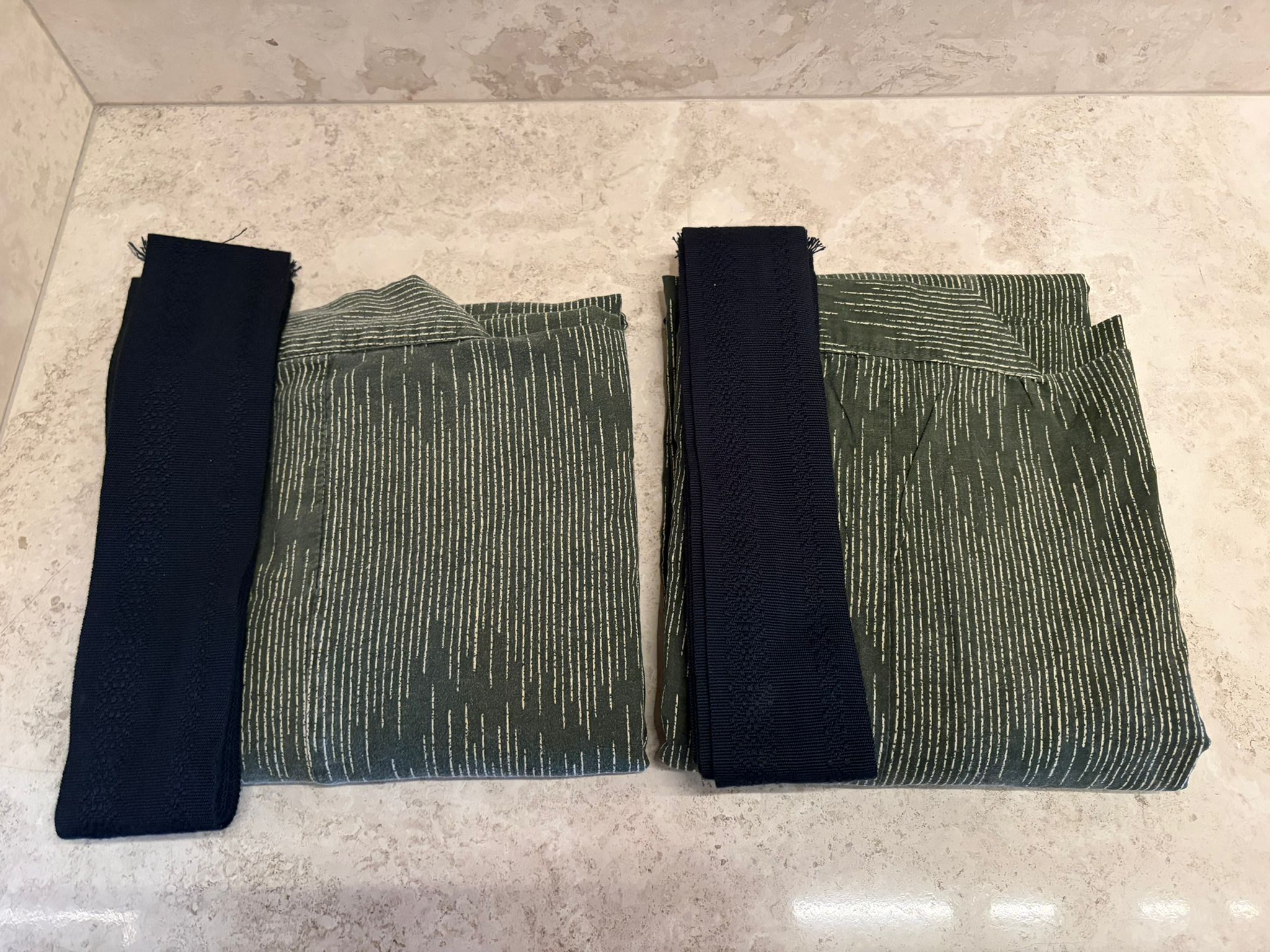
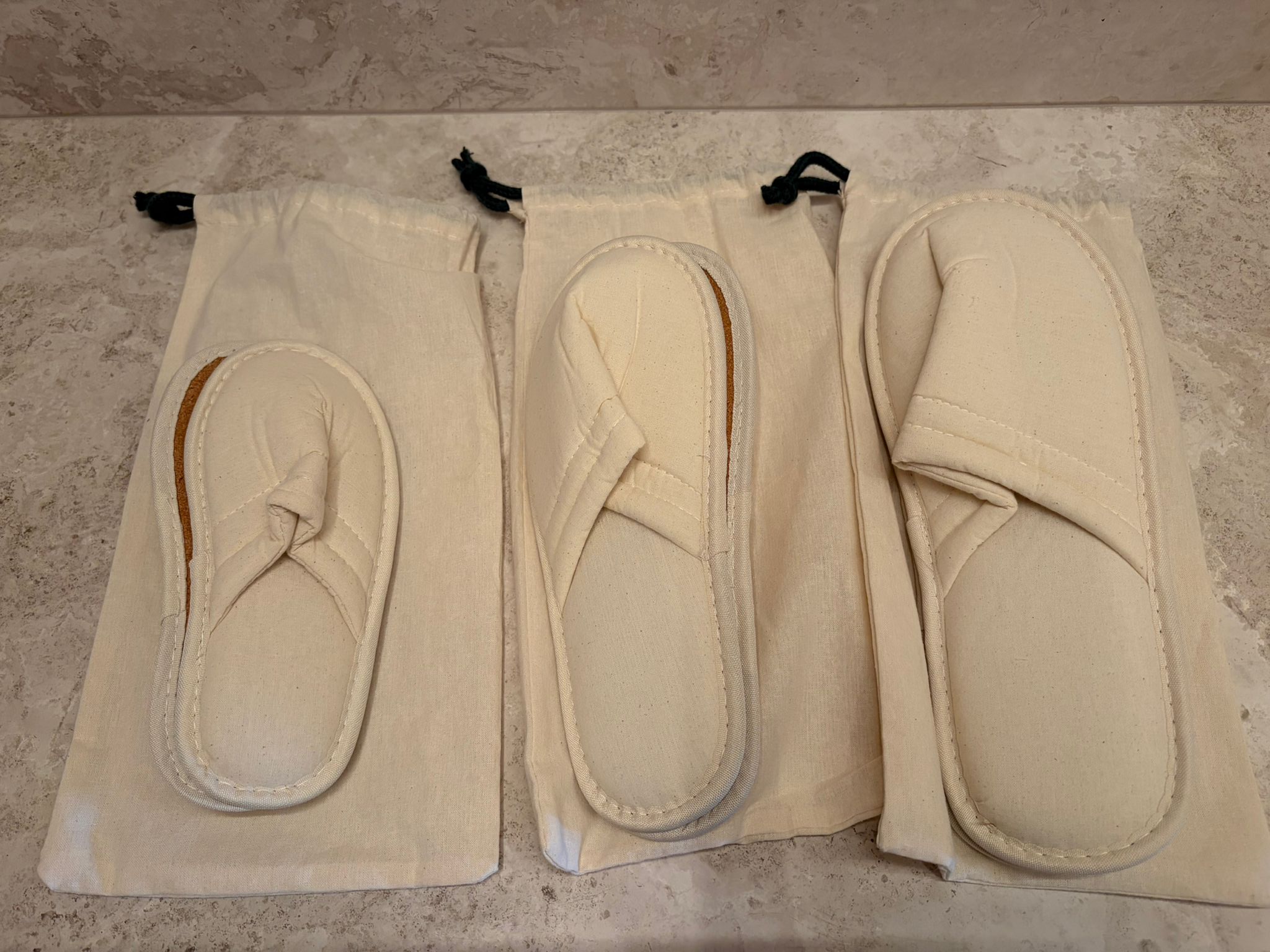
Inside the drawers were a pair of sleeper suits, which we didn’t wear because they felt scratchy. But I loved that they even included a small pair of slippers, just for the little one.
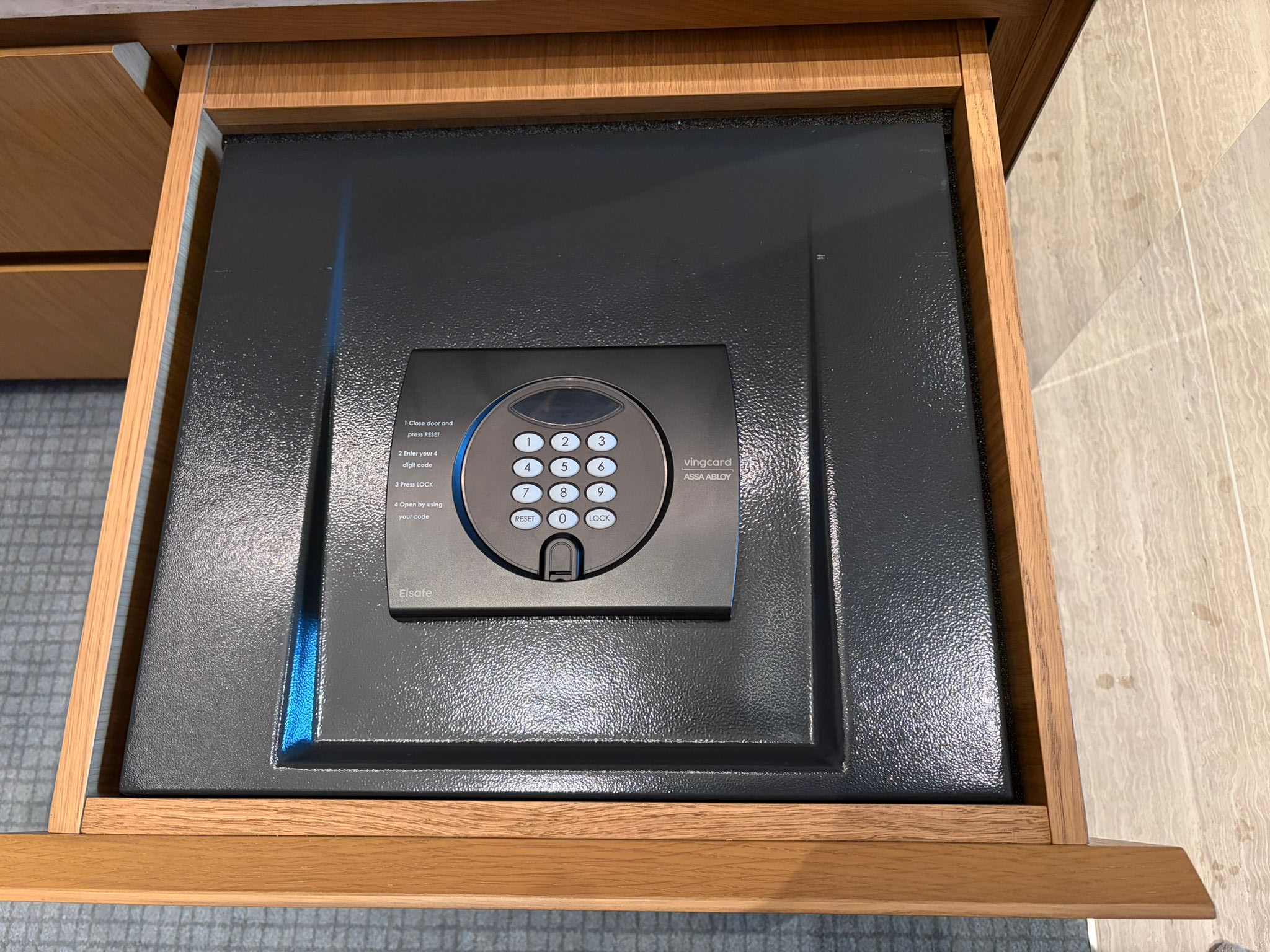
The bathroom had his and her sinks with plenty of countertop space, though I would have preferred a single-handed faucet, as the double-handed setup makes adjusting the temperature more troublesome.
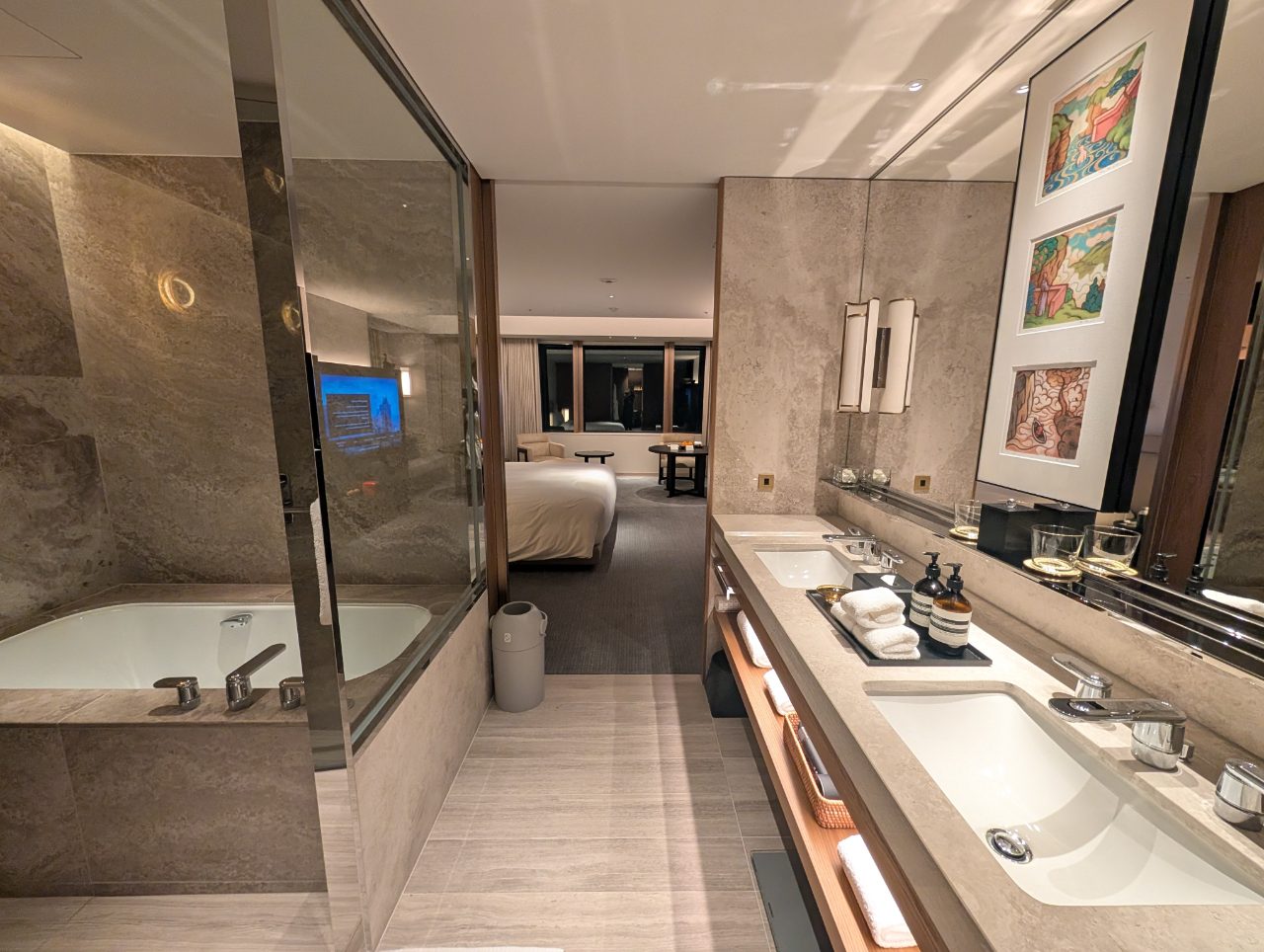
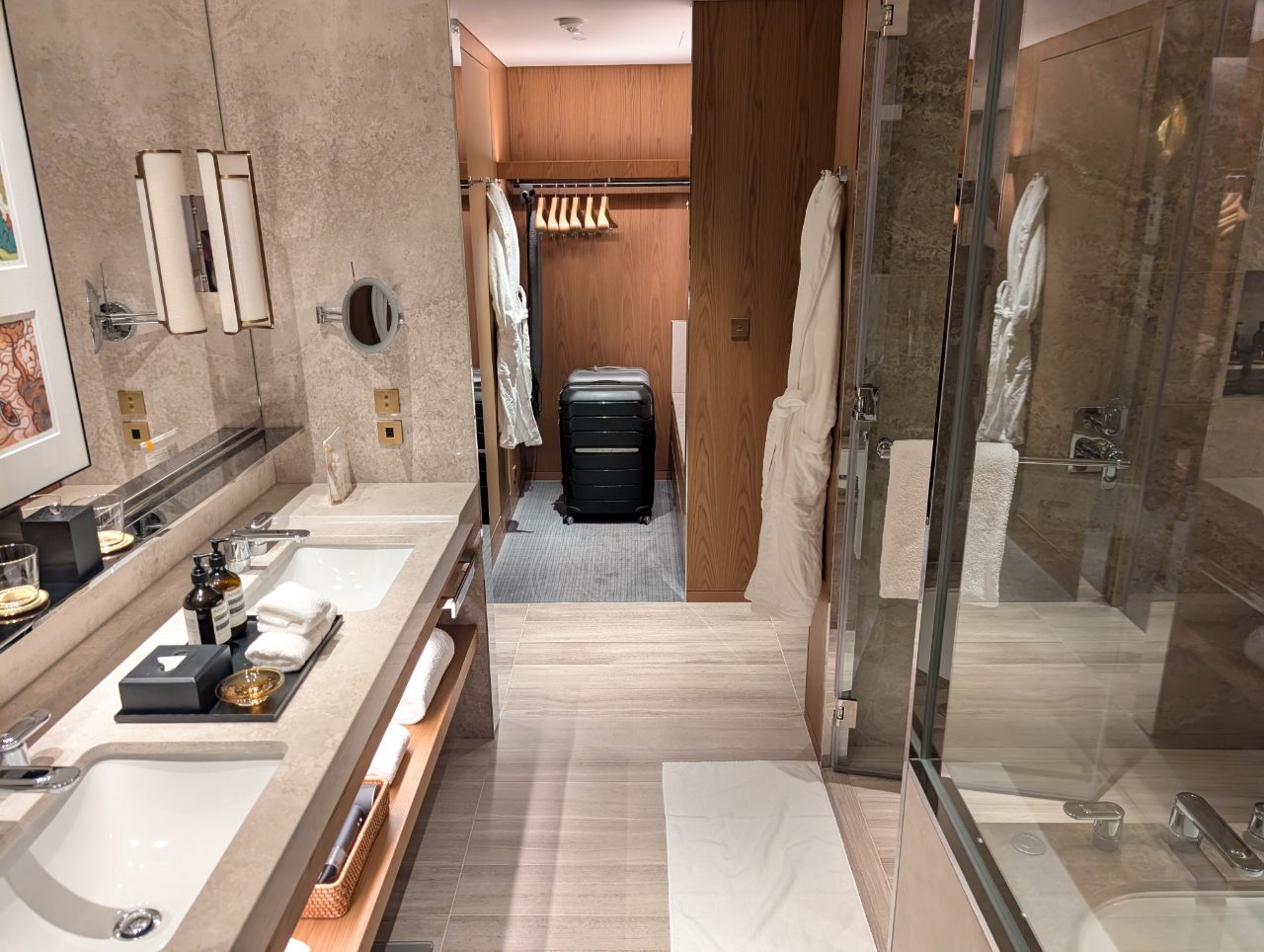
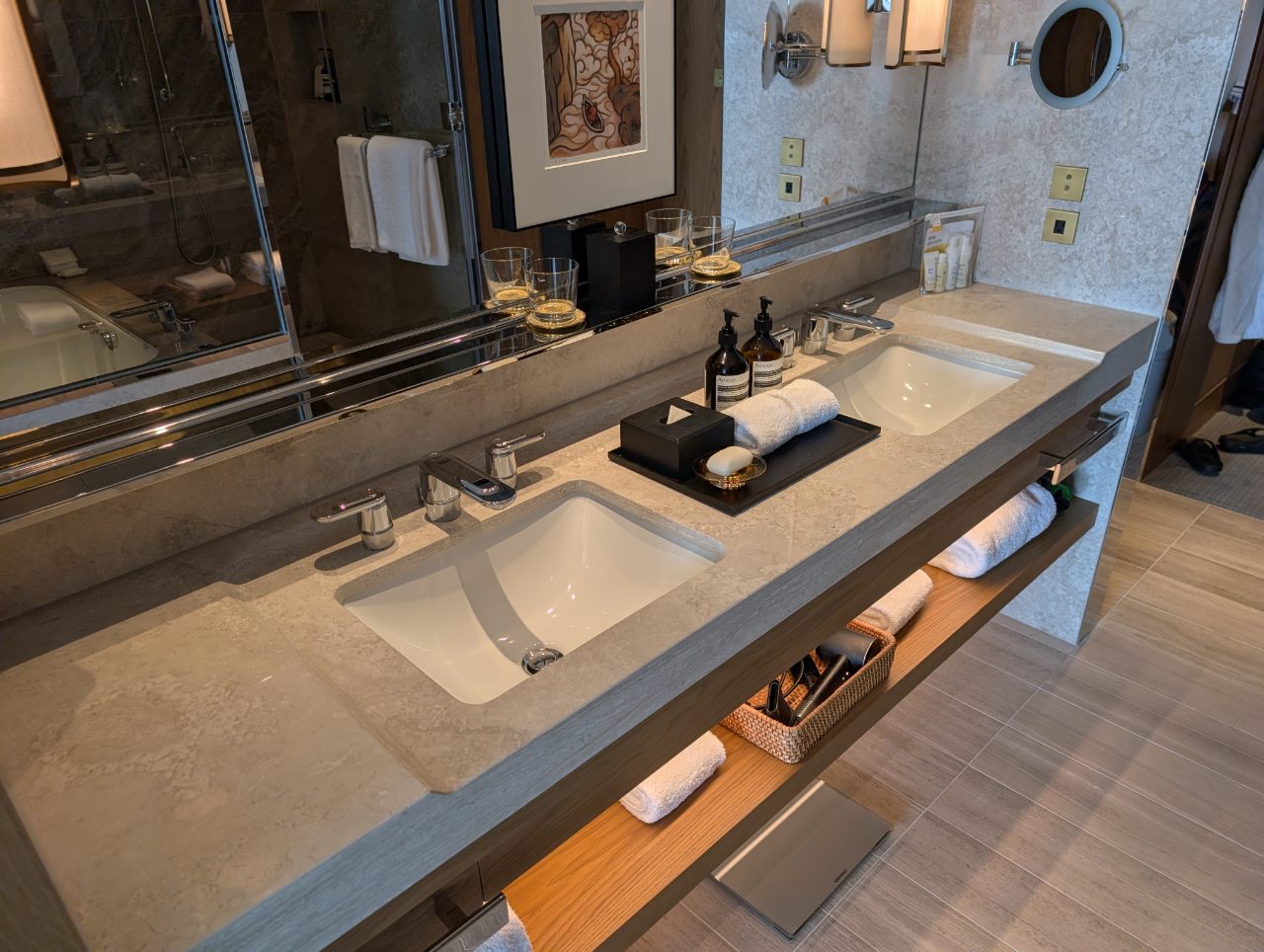
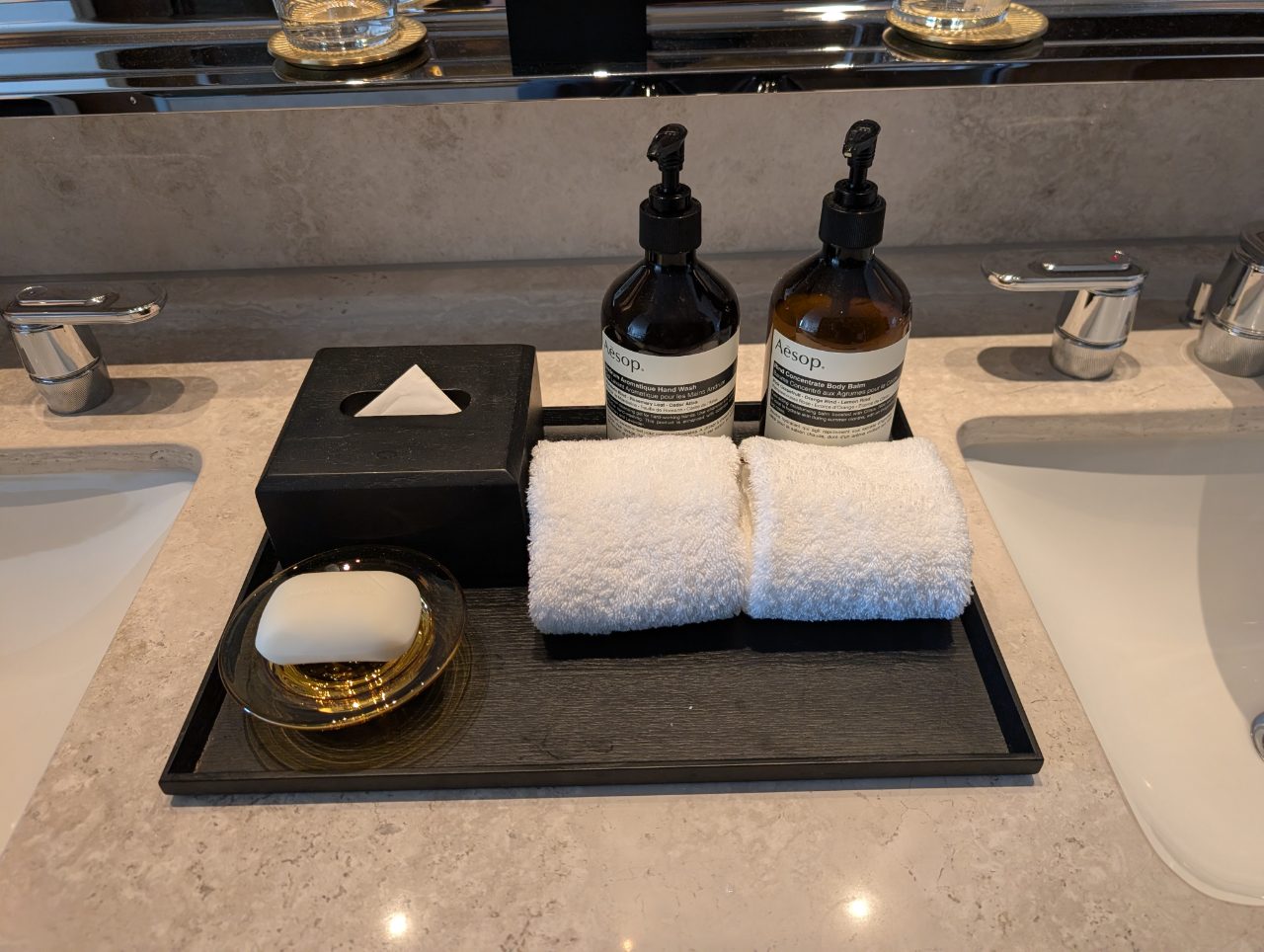
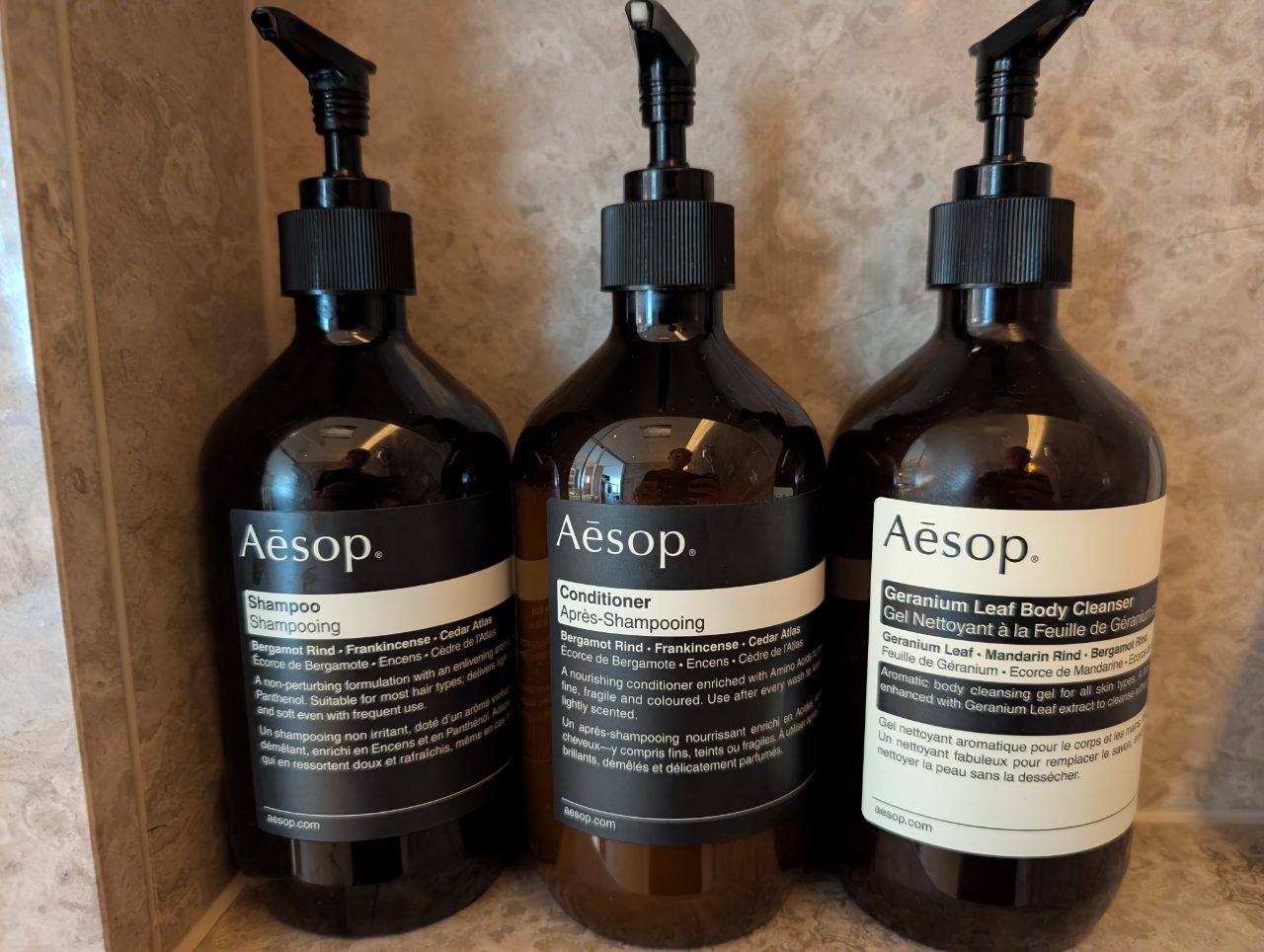
The bathroom had a fully-stocked amenities drawer, a Dyson hairdryer, and full-sized bottles of Aesop hand wash and lotion. Le Labo may be the brand standard for Park Hyatts, but the Park Hyatt Tokyo has received special dispensation to use Aesop instead (indeed, they were the first hotel to introduce the brand in Japan).
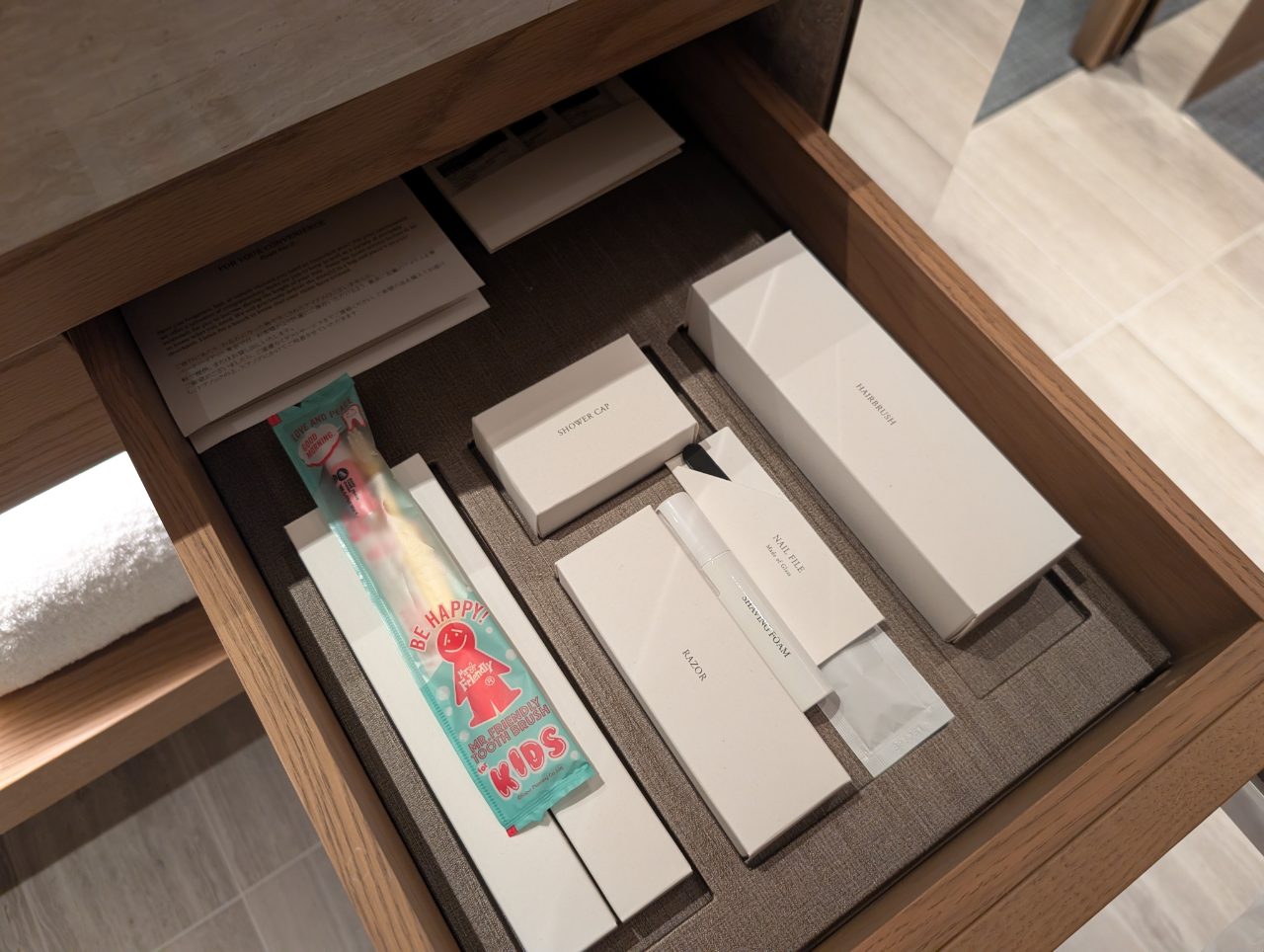
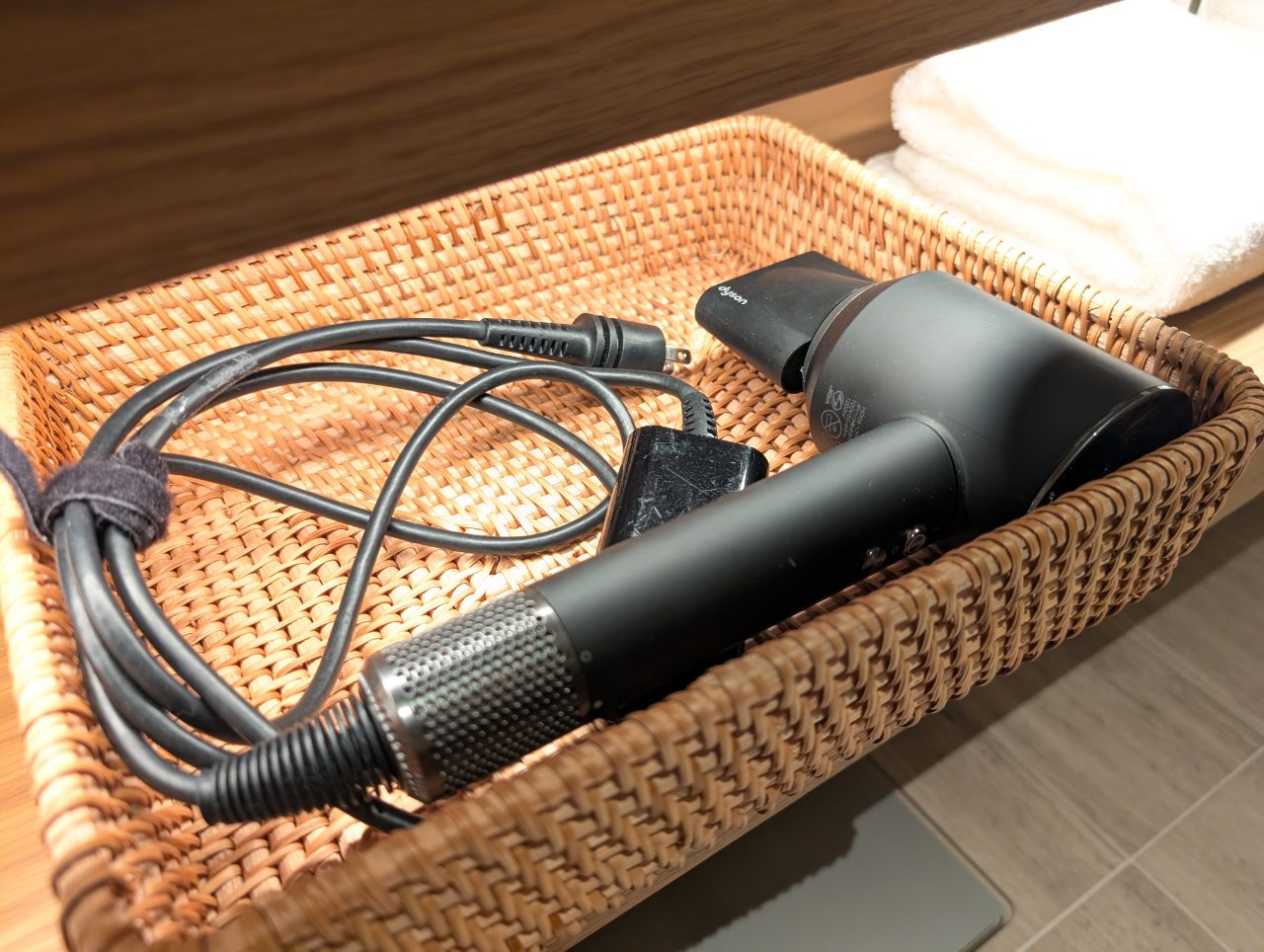
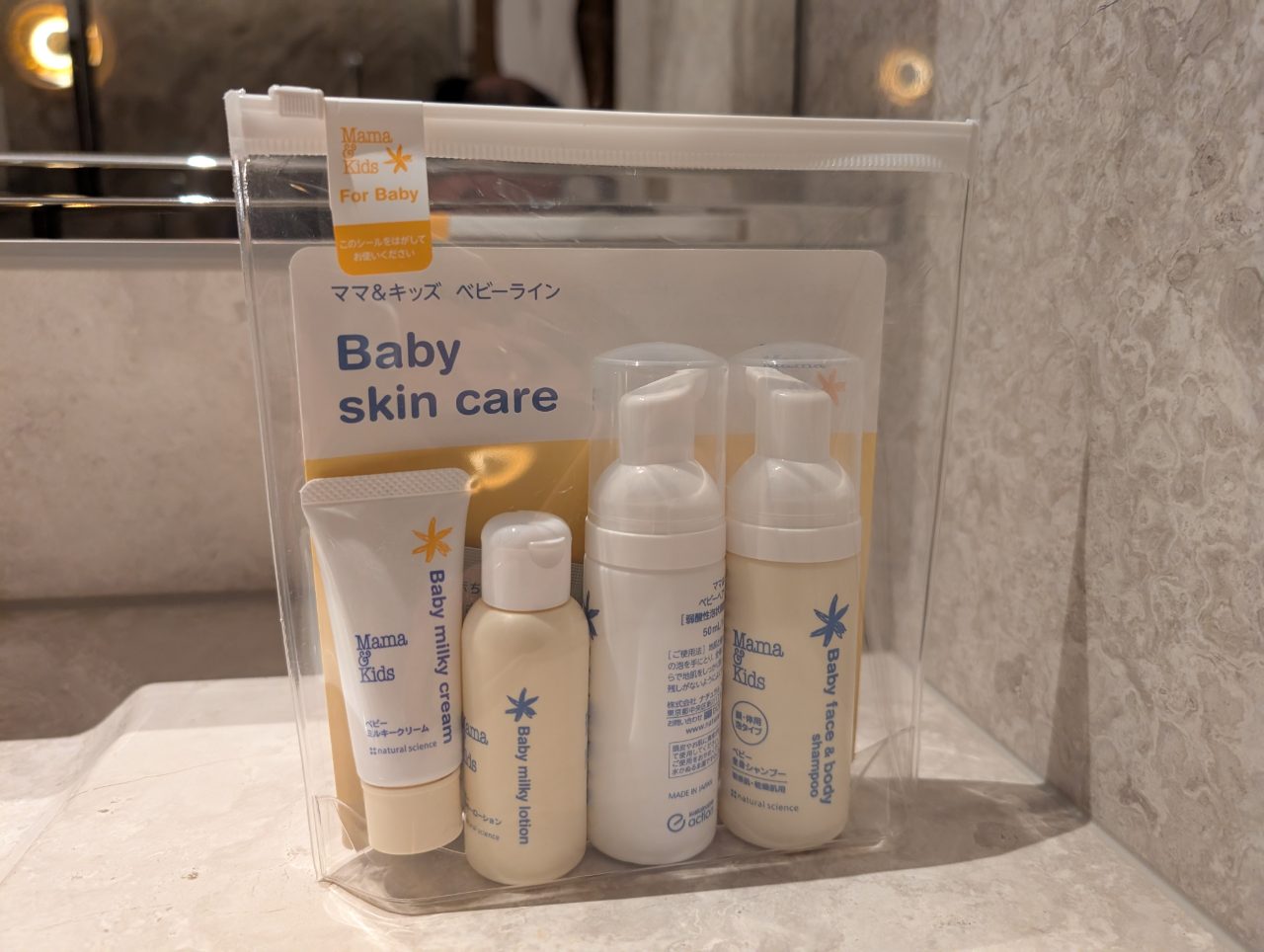
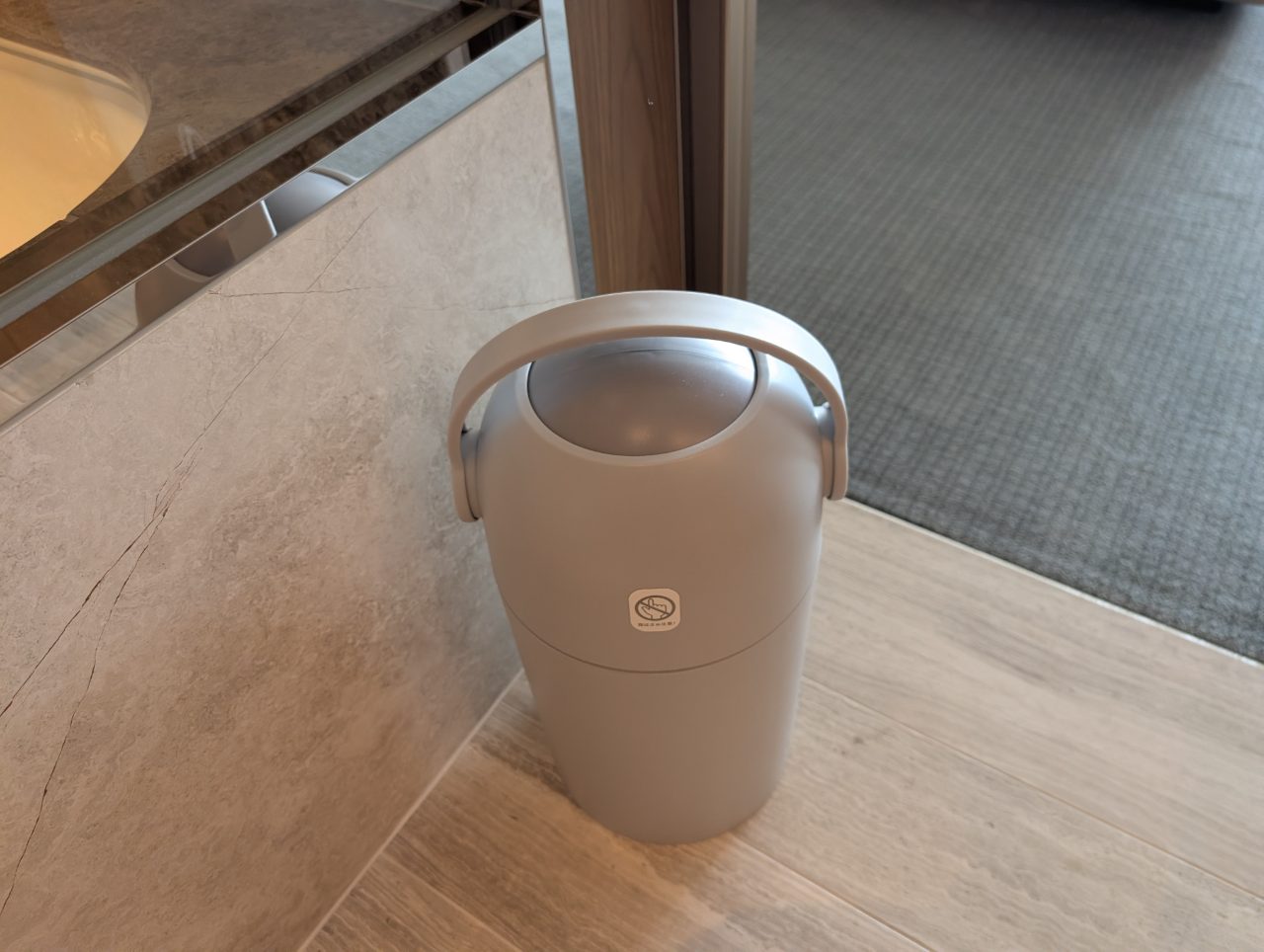
The hotel was also thoughtful enough to provide an amenities kit with baby-friendly toiletries, together with a diaper pail.
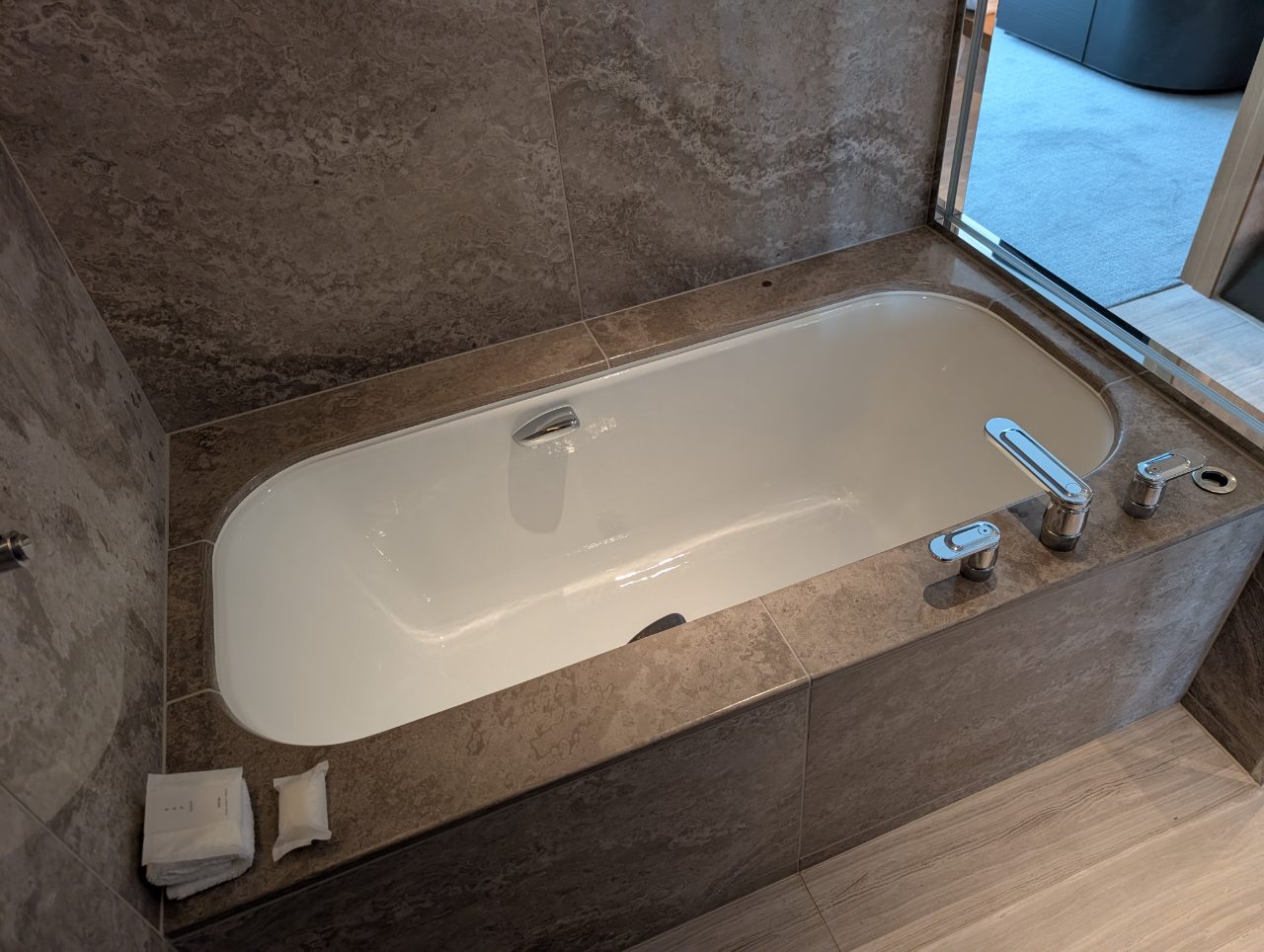
The bathtub and shower were in a single wet area, intended to be a homage to Japanese onsen. The area was illuminated by a blown glass light, with both a handheld and rain shower. The water pressure wasn’t the strongest I’ve had at a hotel, but it was decent enough.
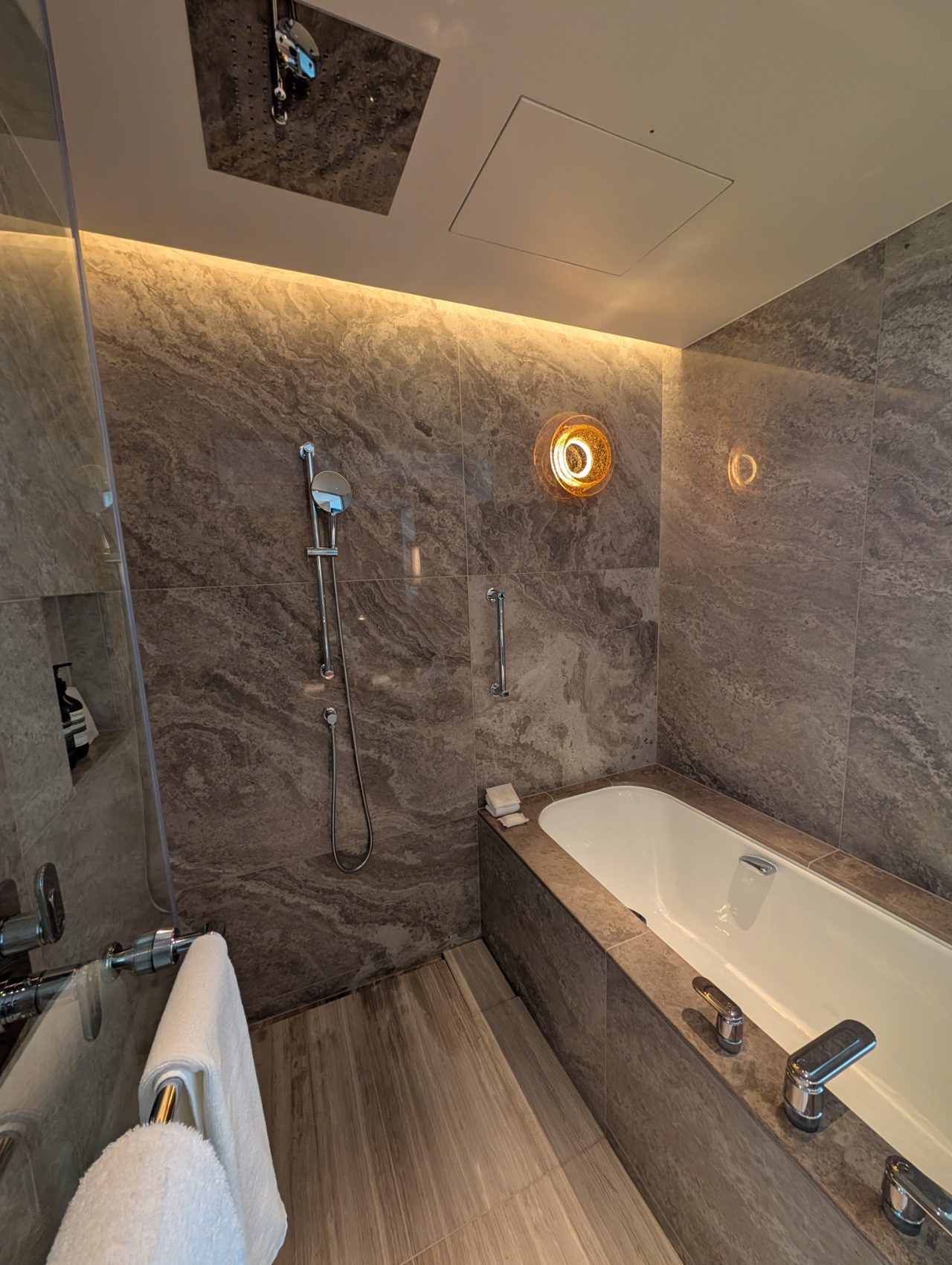
The bathtub was only large enough for one person at a time, but I did appreciate that the tap was offset to the side. This allowed you to lie at either end without something poking your head.
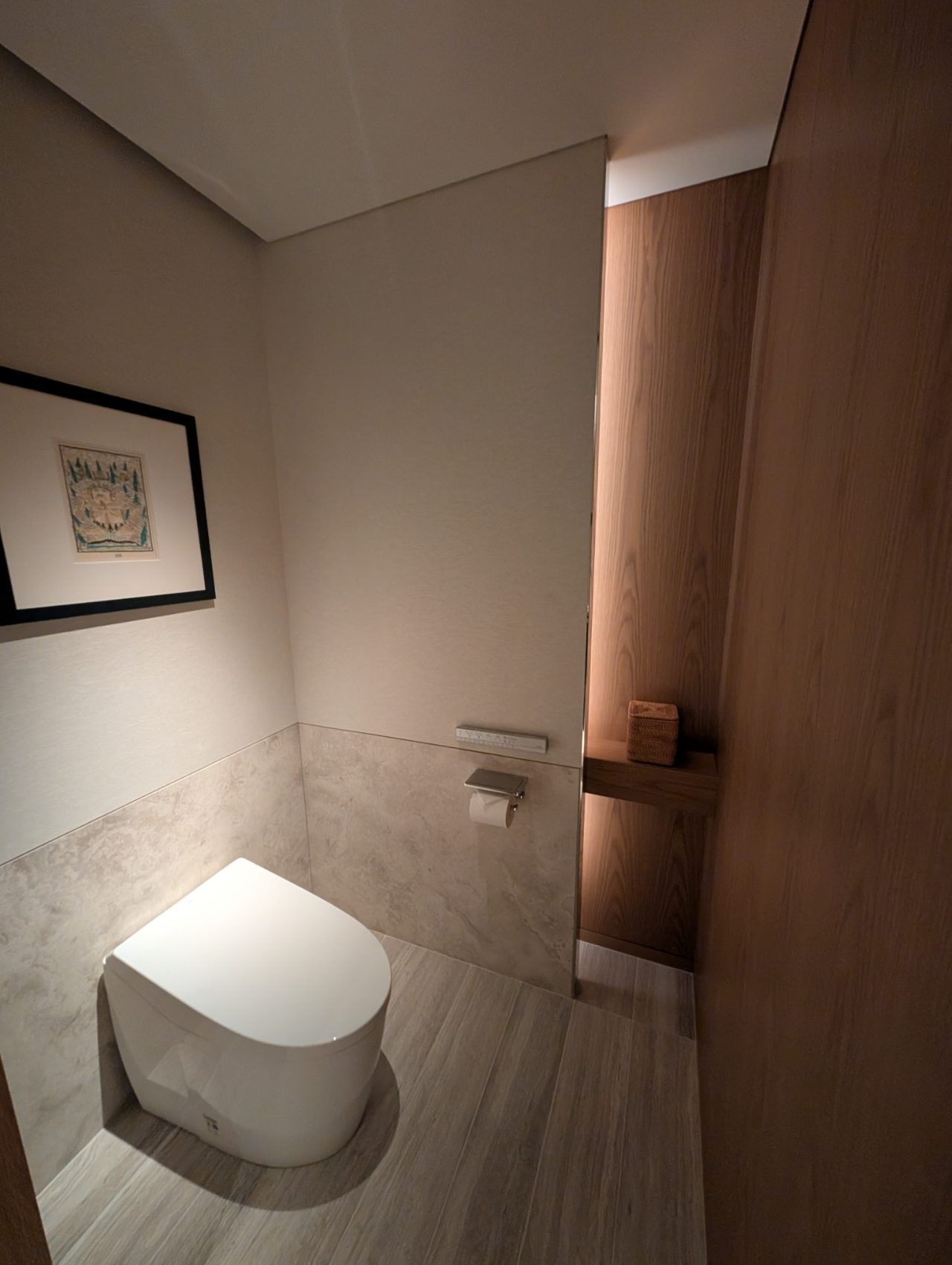
The toilet was located in a separate room. As is standard for Japan, this was a Toto bidet with a wall-mounted control panel.
Park Hyatt Tokyo: Spa & Wellness
The Park Hyatt Tokyo’s spa facilities are located on the 45th floor. Access is complimentary for Globalist members, suite guests, or those who book a treatment. Otherwise it costs 5,500 JPY (S$44) per adult, for which you’ll get access to steam and dry saunas, a heated whirlpool, cold plunge pool and relaxation lounges.
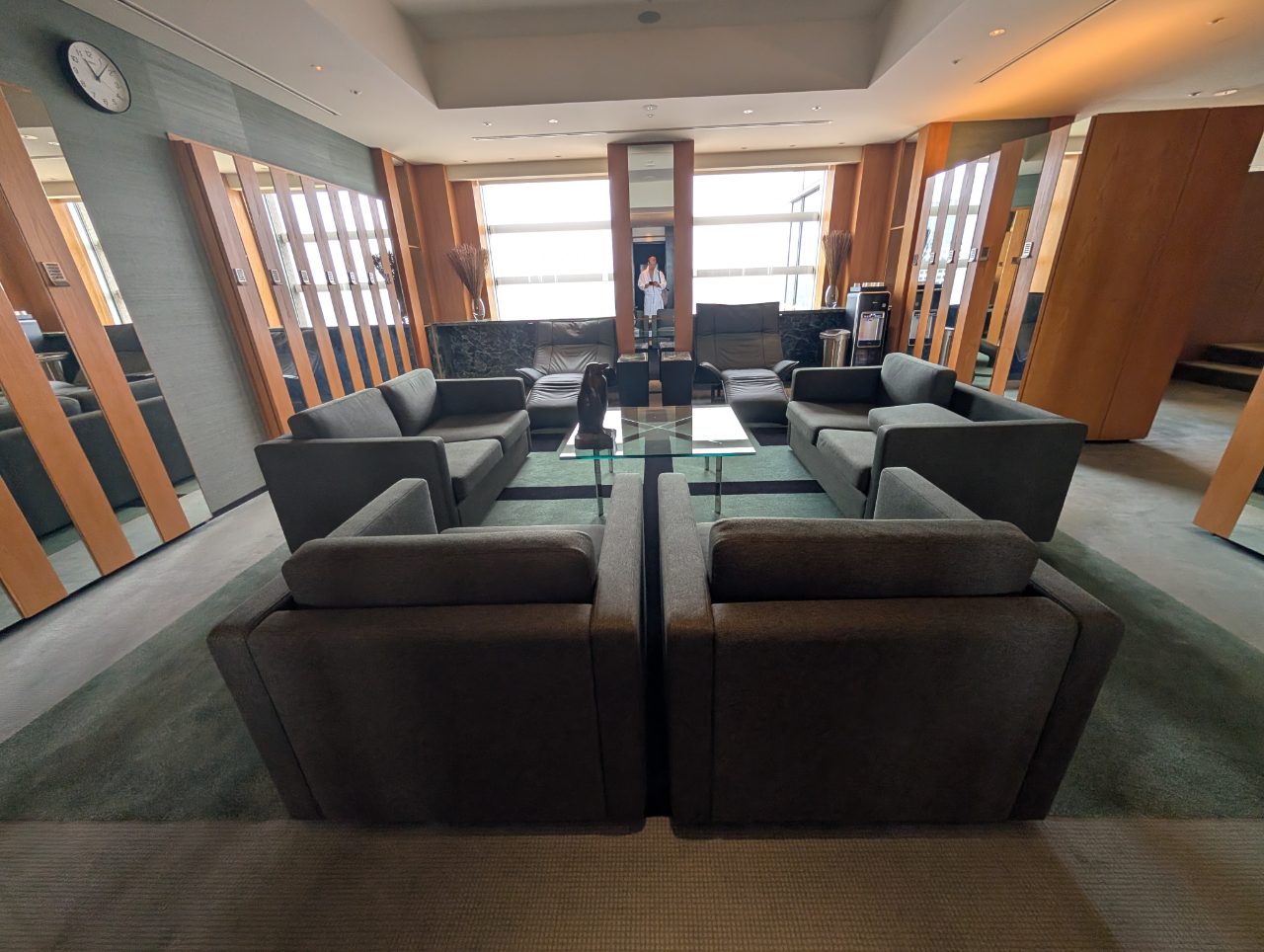
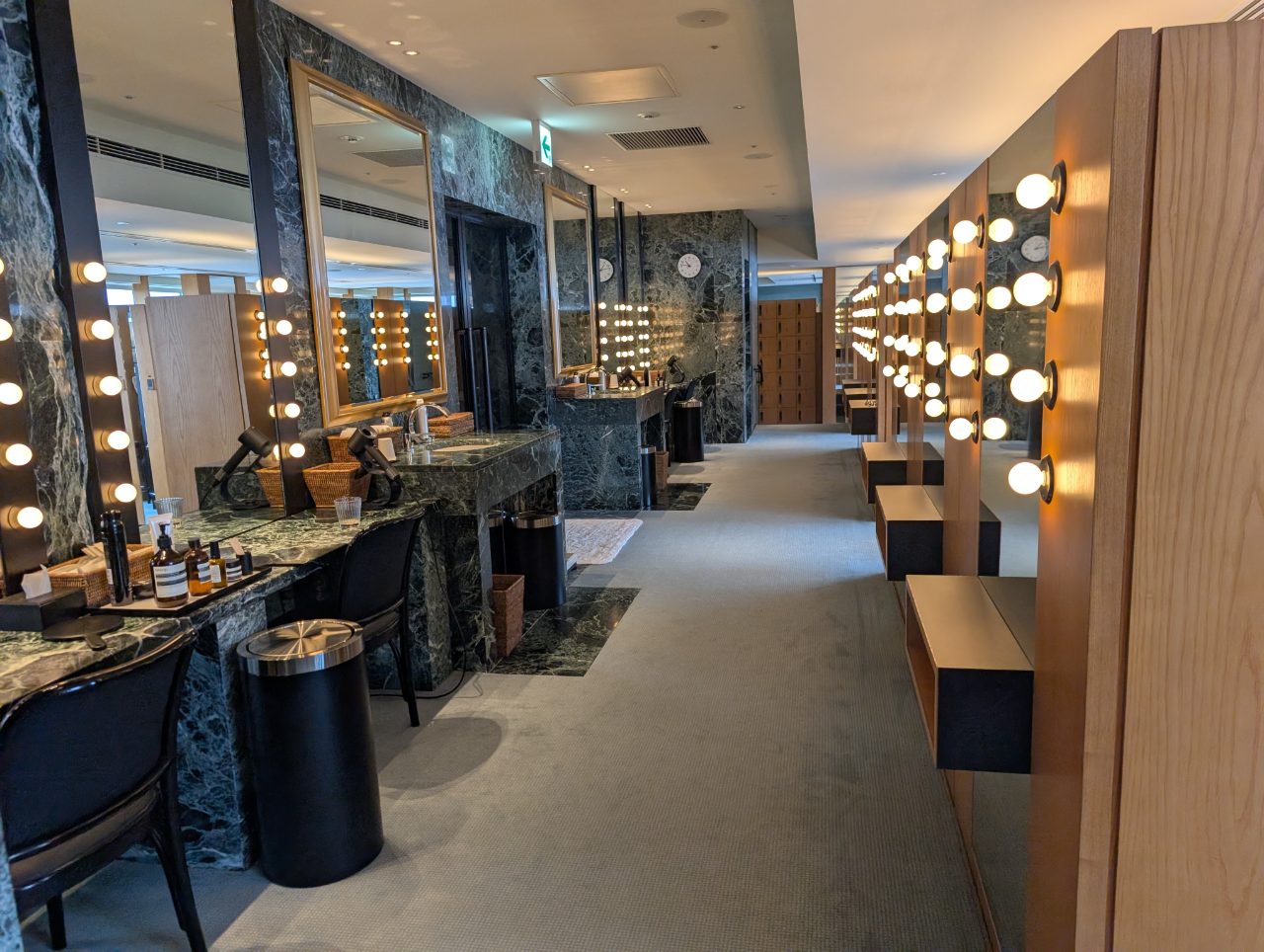
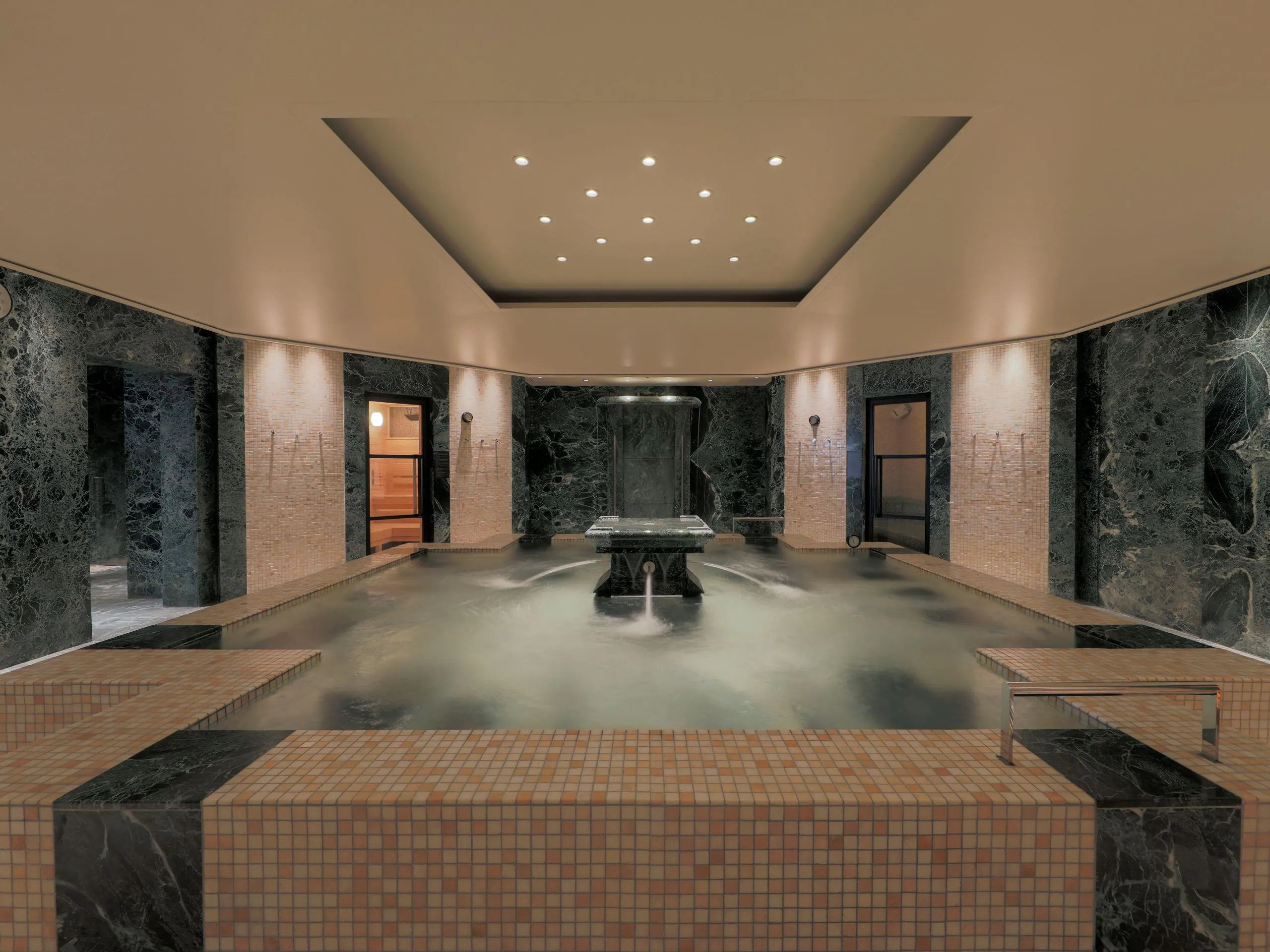
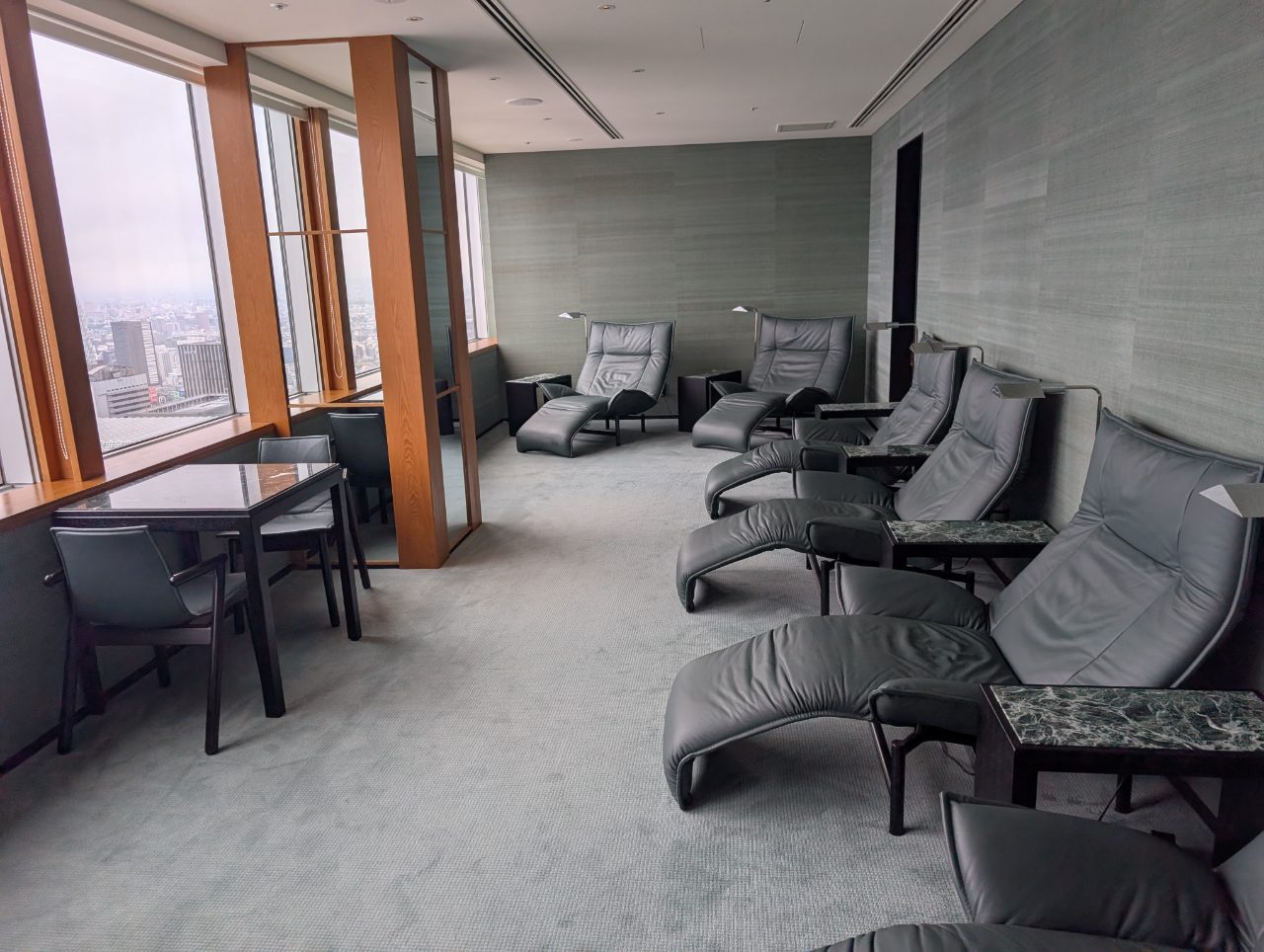
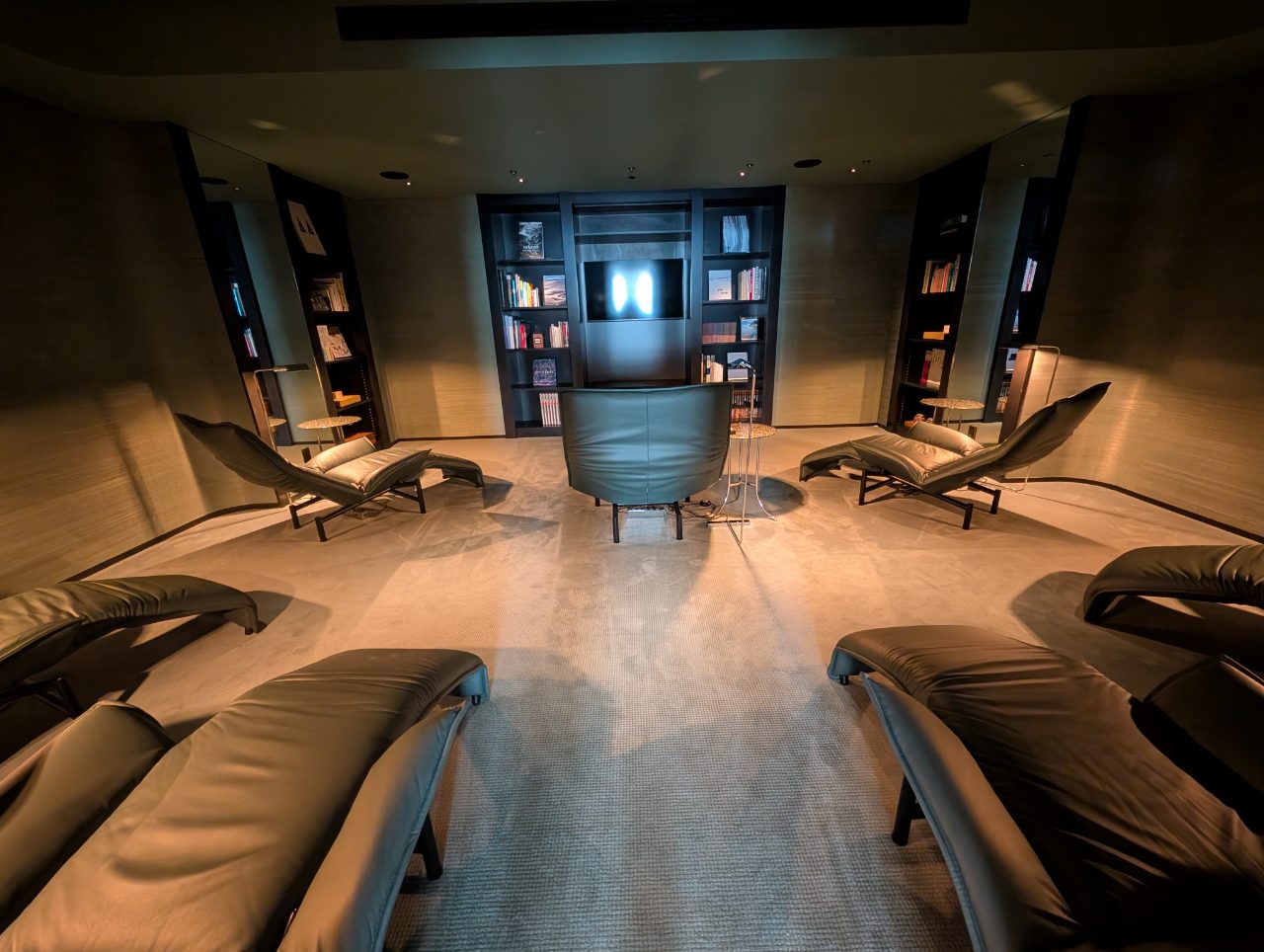
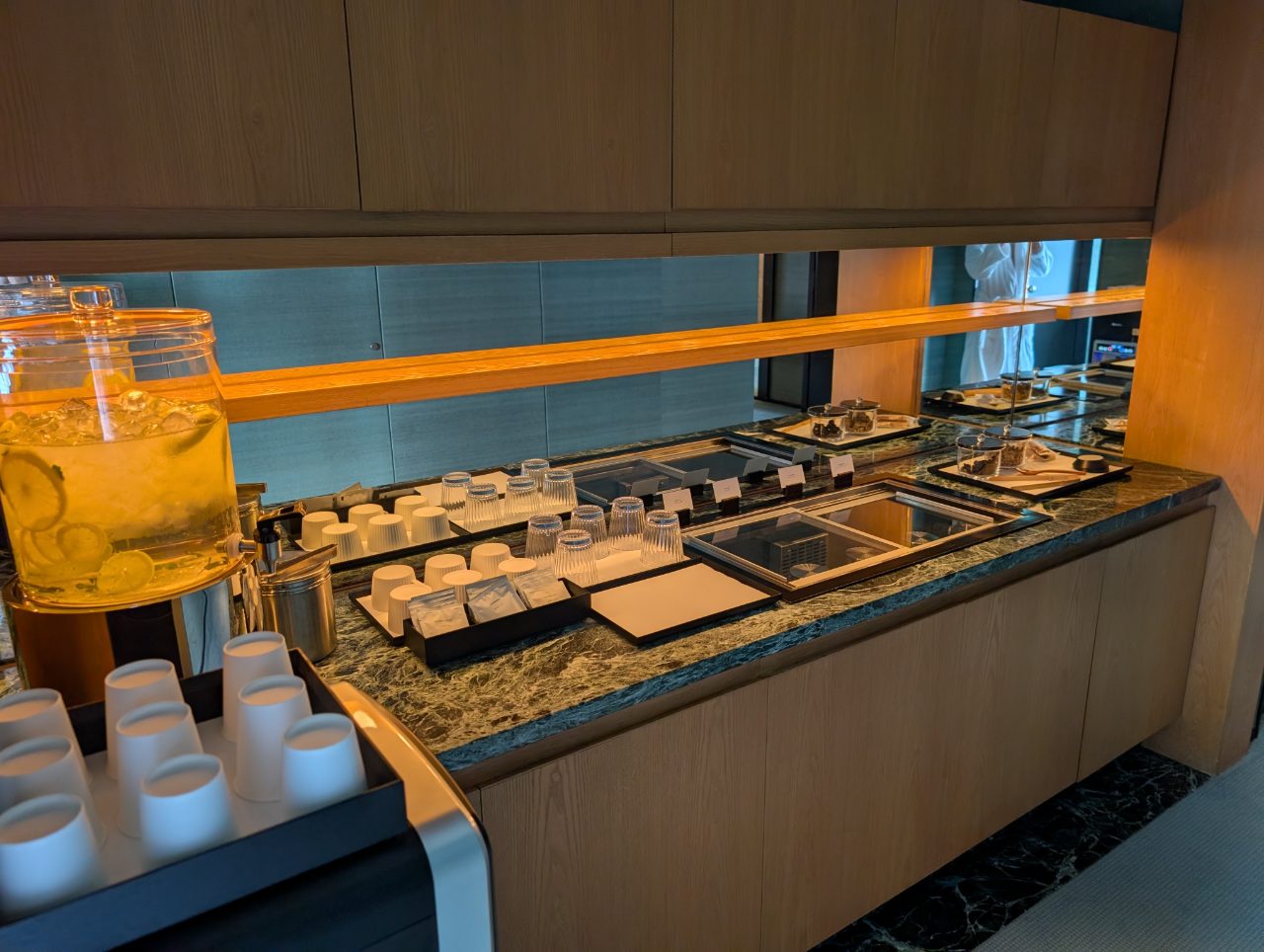
Complimentary juices and snacks are available.
Park Hyatt Tokyo: Swimming pool
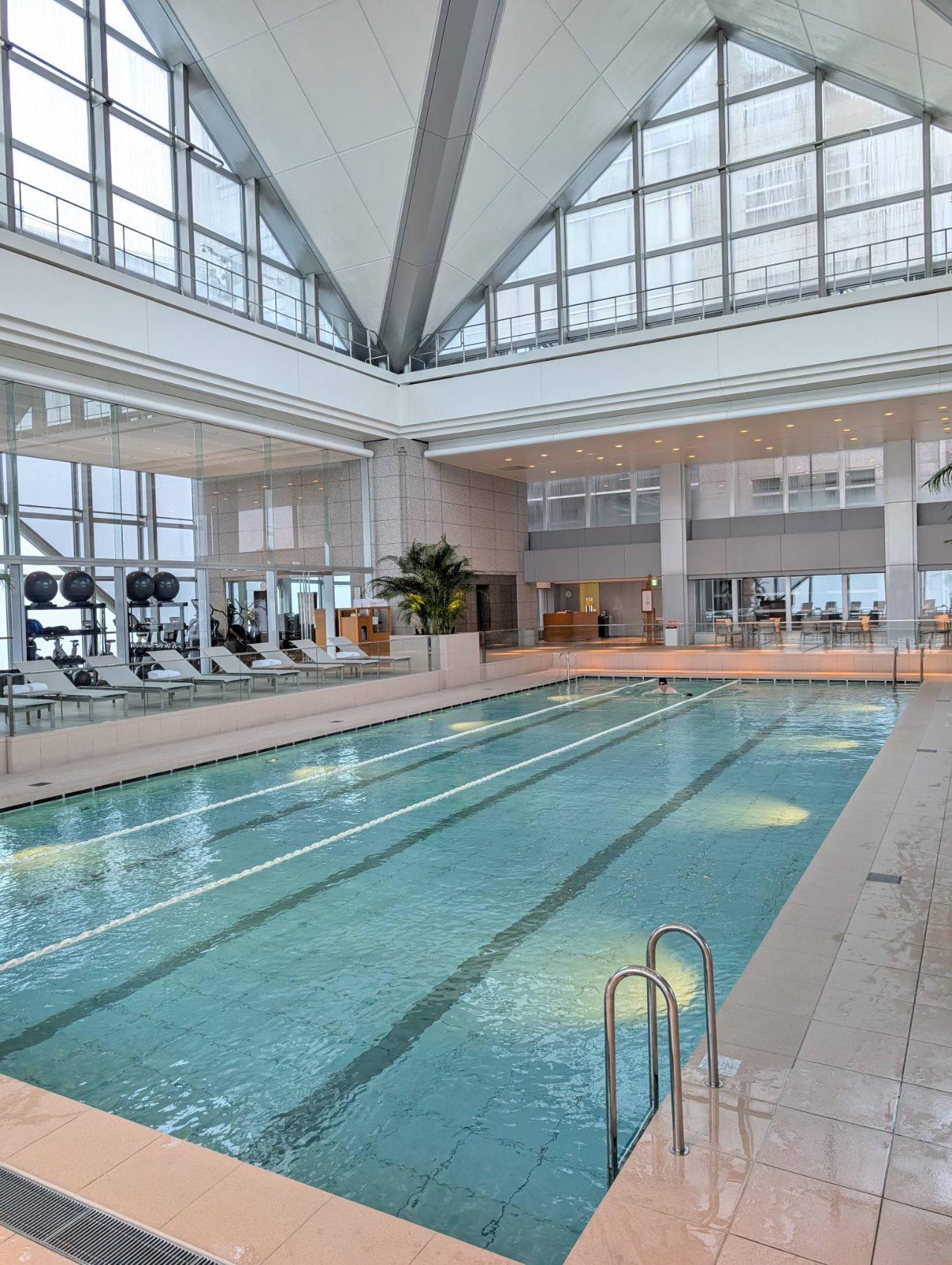
The 20-metre heated swimming pool is located on the 47th floor, and open from 6 a.m to 10 p.m daily.
The soaring glass ceiling evokes comparisons with a cathedral, and it seems like the designers certainly treated it as sacred, because very little has changed from the pre-renovation days. That feels like a missed opportunity to me, because the functional pool resembles something you’d find at the local YMCA, rather than a hotel that costs four digits a night. It lacks any kind of wow factor, and I wish they’d taken some lessons from the Park Hyatt Kuala Lumpur on how to create a breathtaking pool experience.
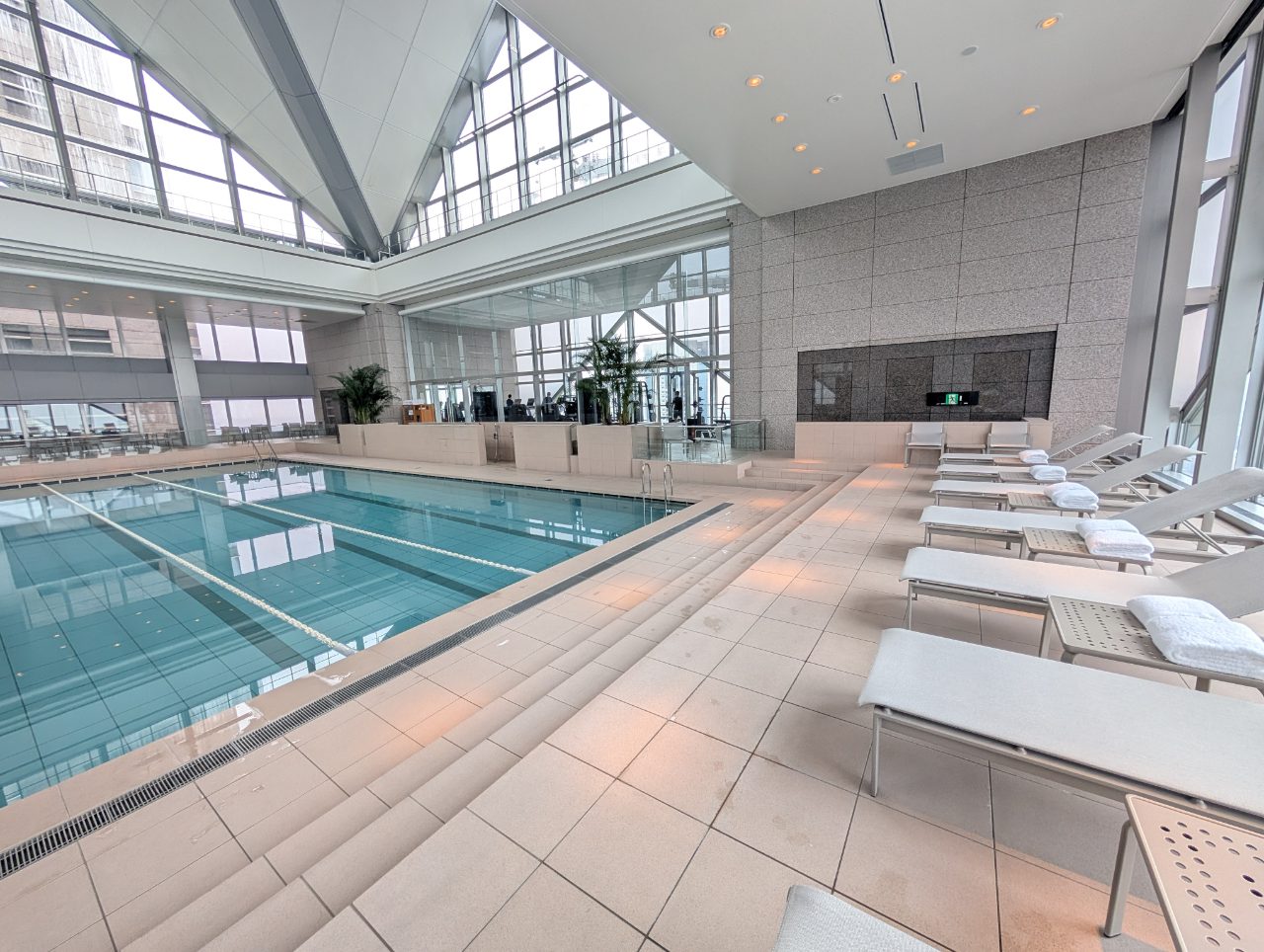
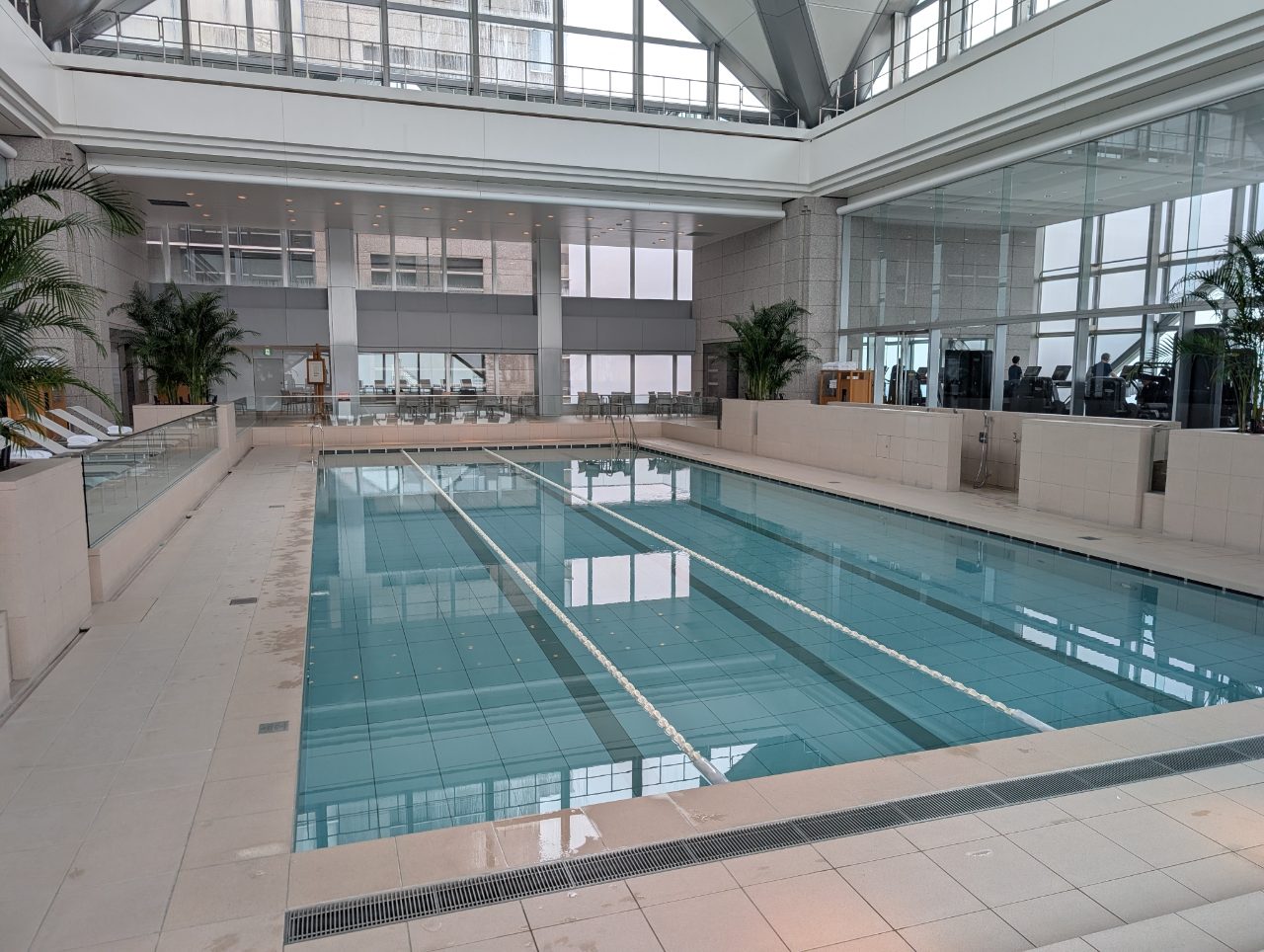
Children between the ages of 3-12 are allowed to use the swimming pool from 8 a.m to 6 p.m. They must be fully toilet trained, as swim diapers are not allowed.
As with all pools in Japan, swim caps are required, but the staff will happily loan you one for free. Also available are kick boards, hand paddles, flotation belts and pull buoys.
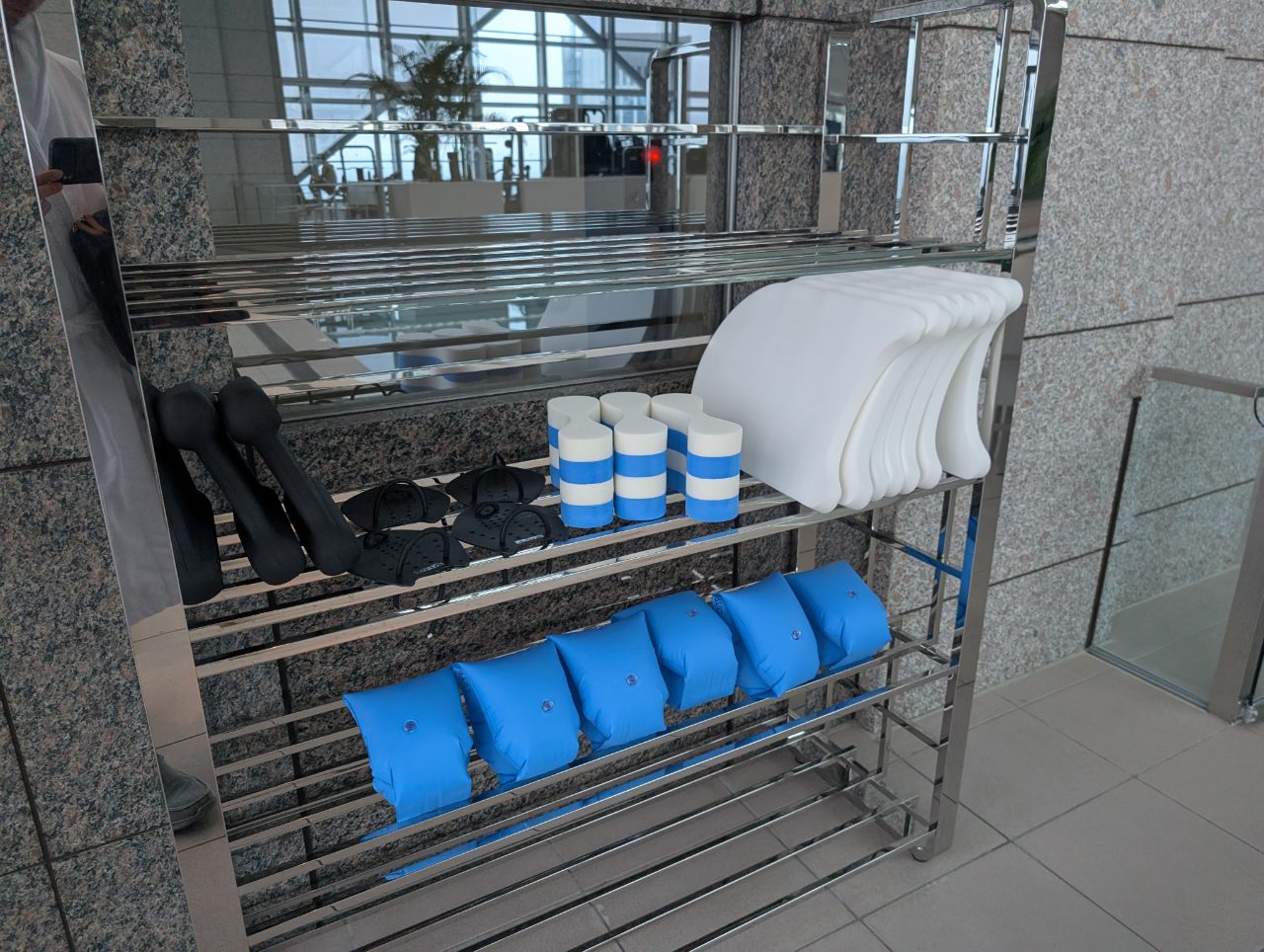
According to the website, you can order poolside light fare and drinks, but I didn’t see any QR codes for ordering, and no one seemed to be taking advantage of the option.
Park Hyatt Tokyo: Gym
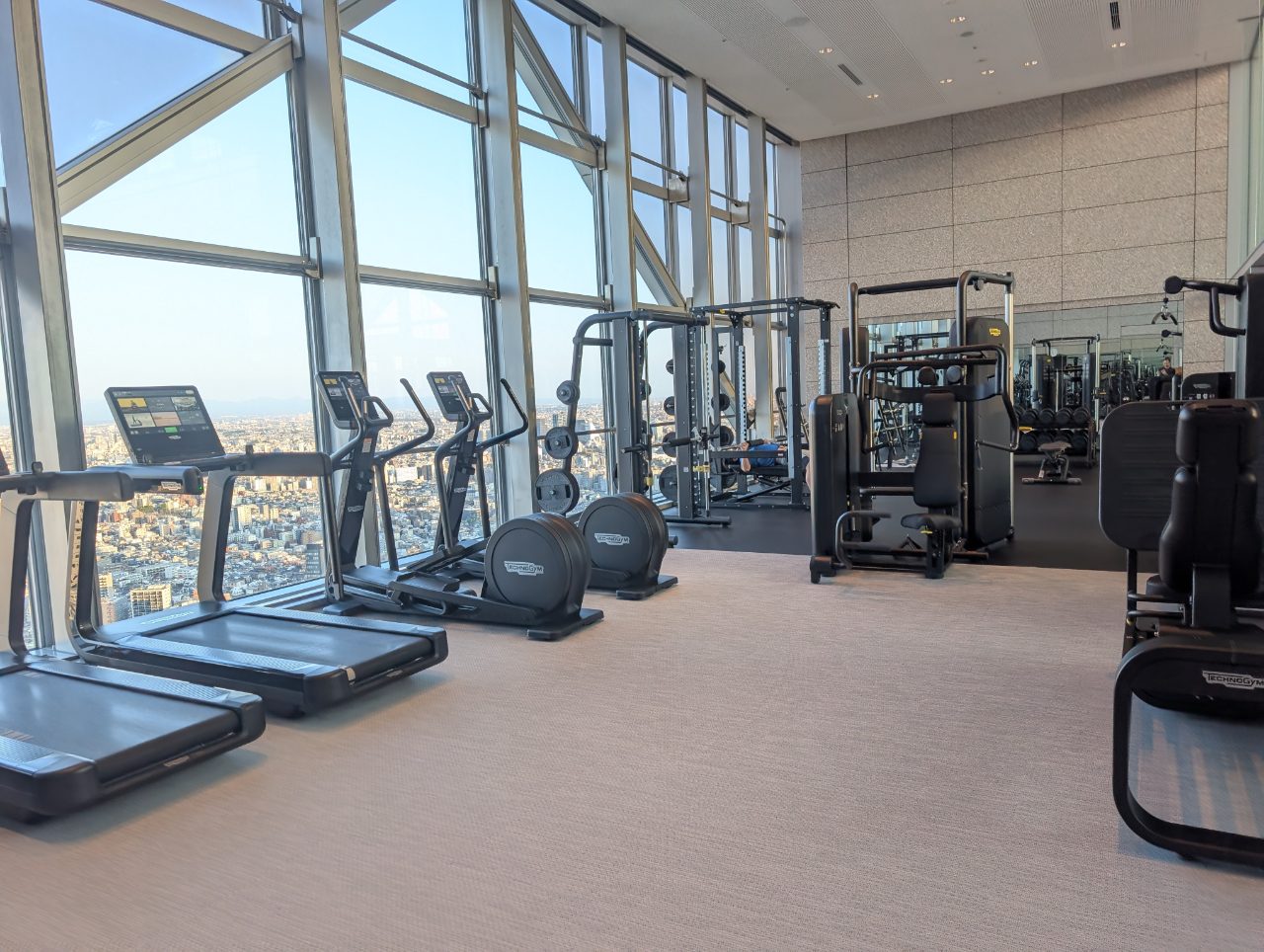
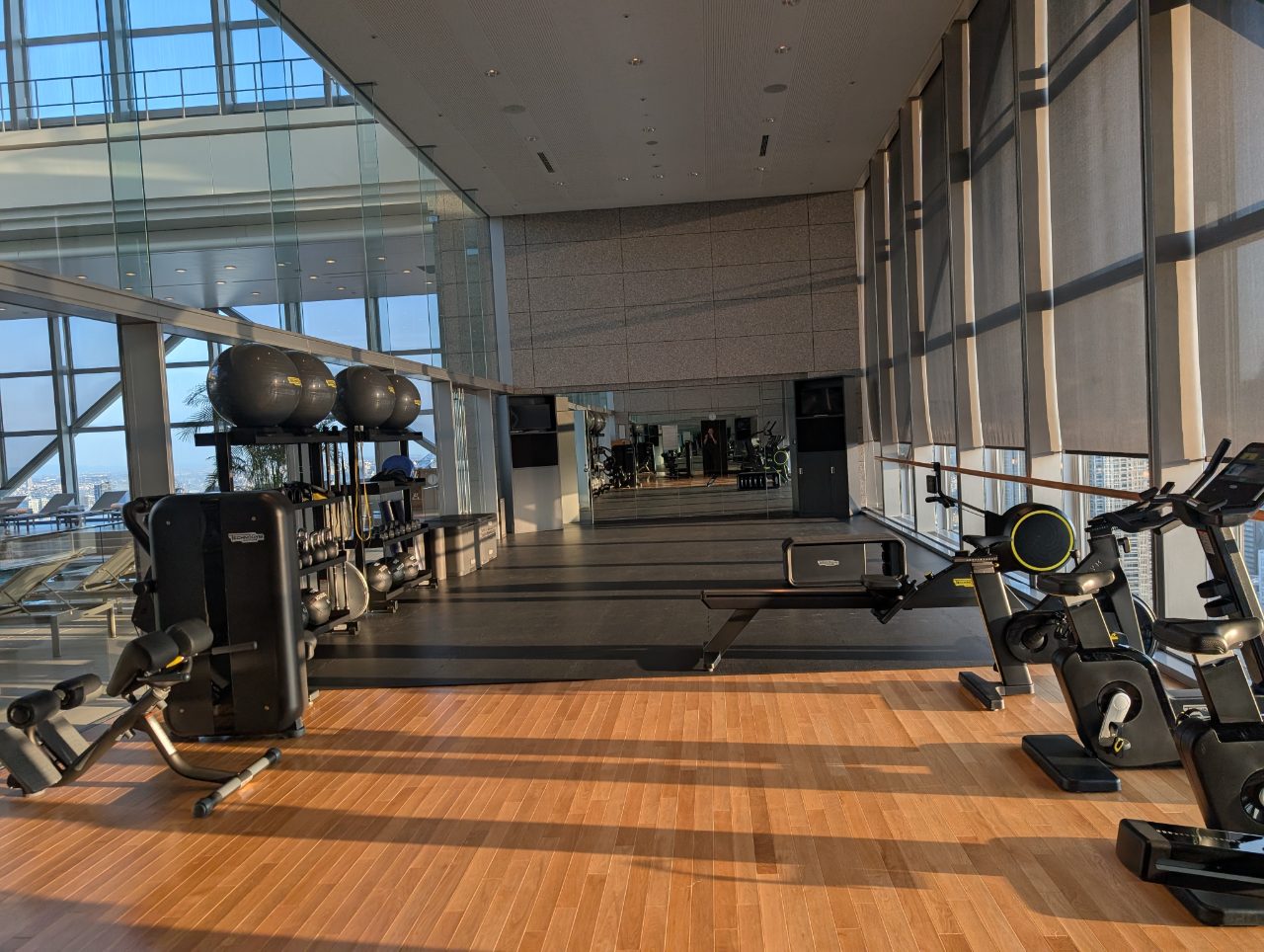
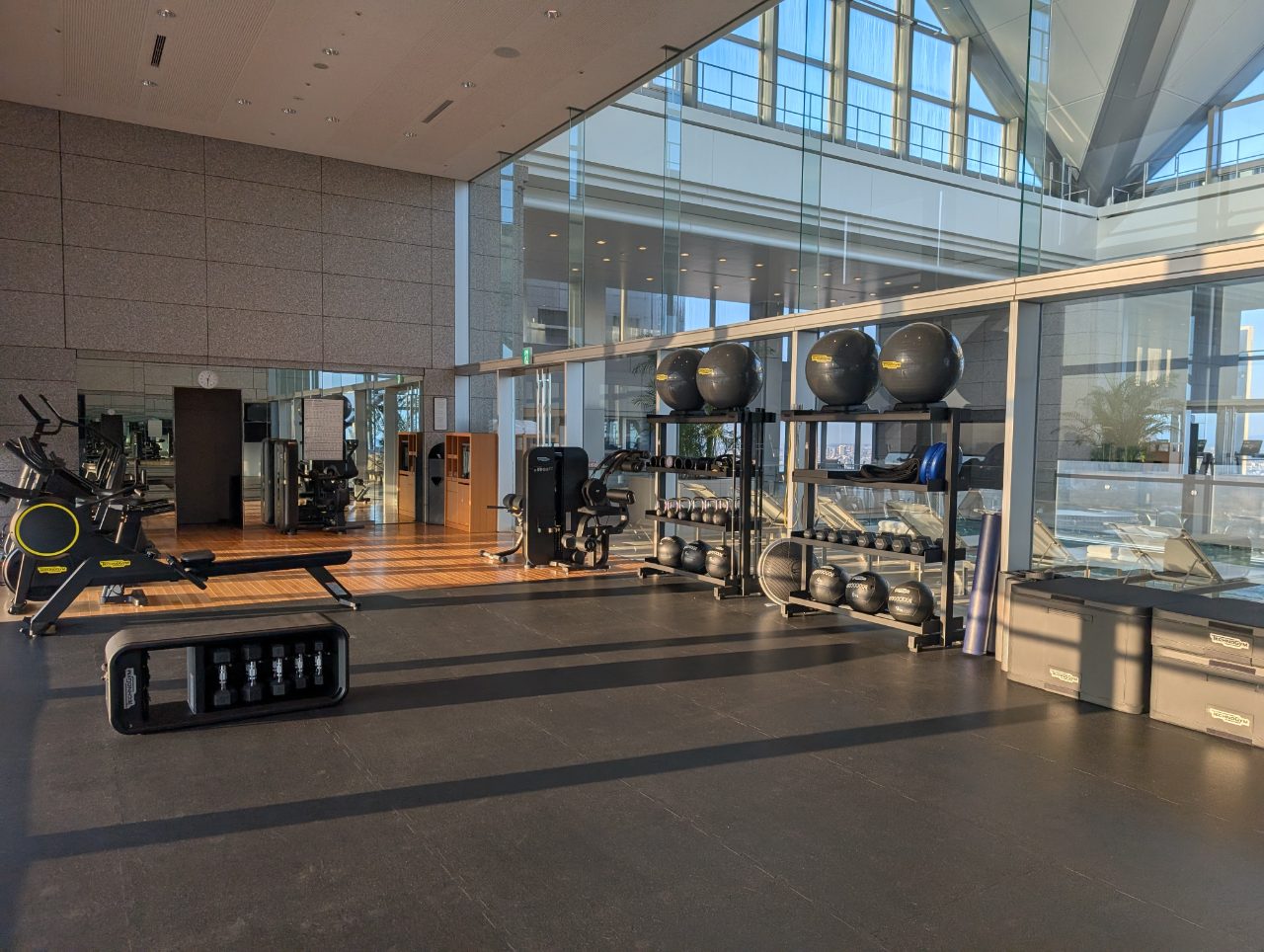
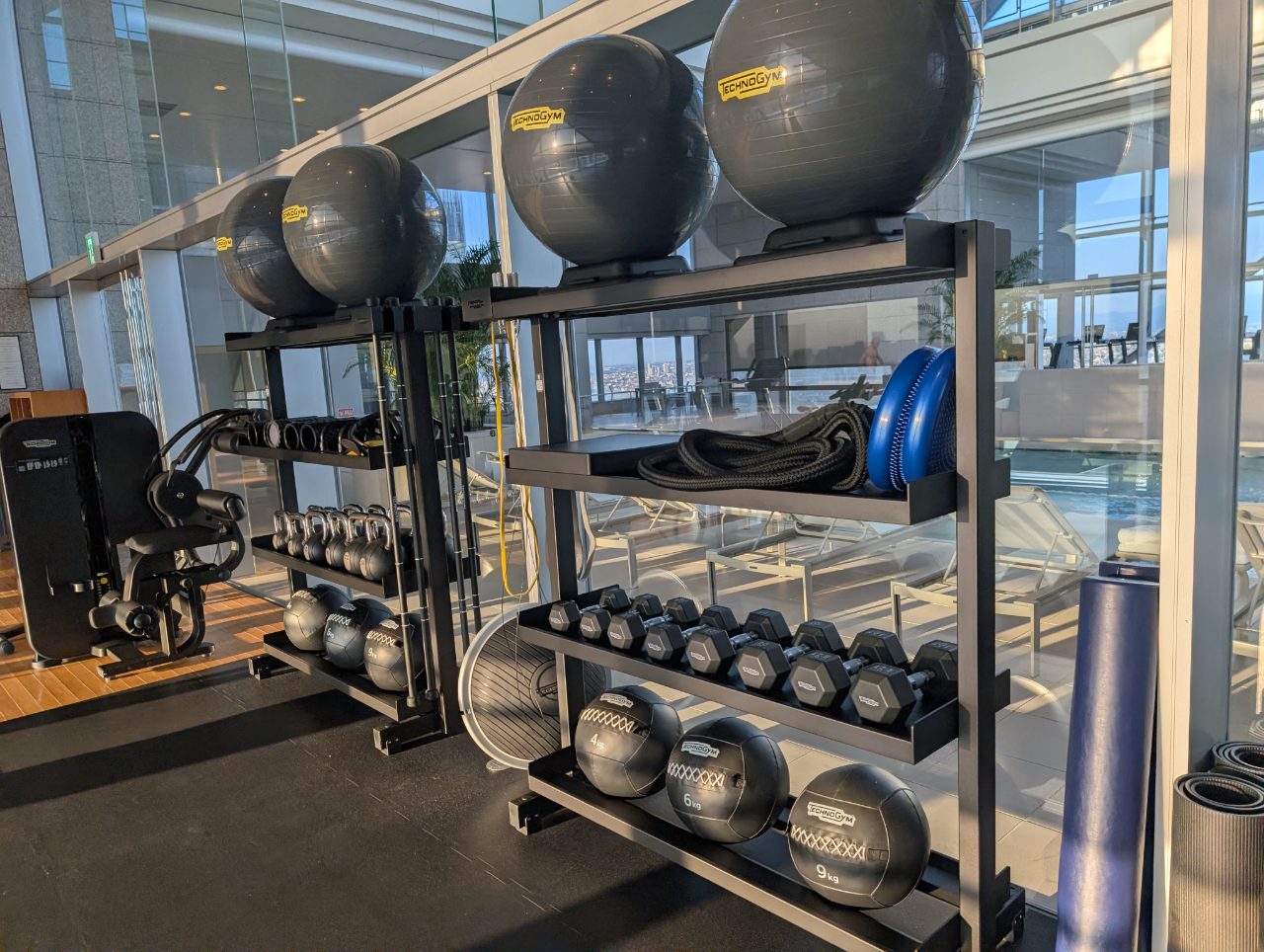
The gym is located next to the swimming pool, and is open 24/7 (if you want to visit after 10 p.m or before 6 a.m, you need to contact the front desk to get access).
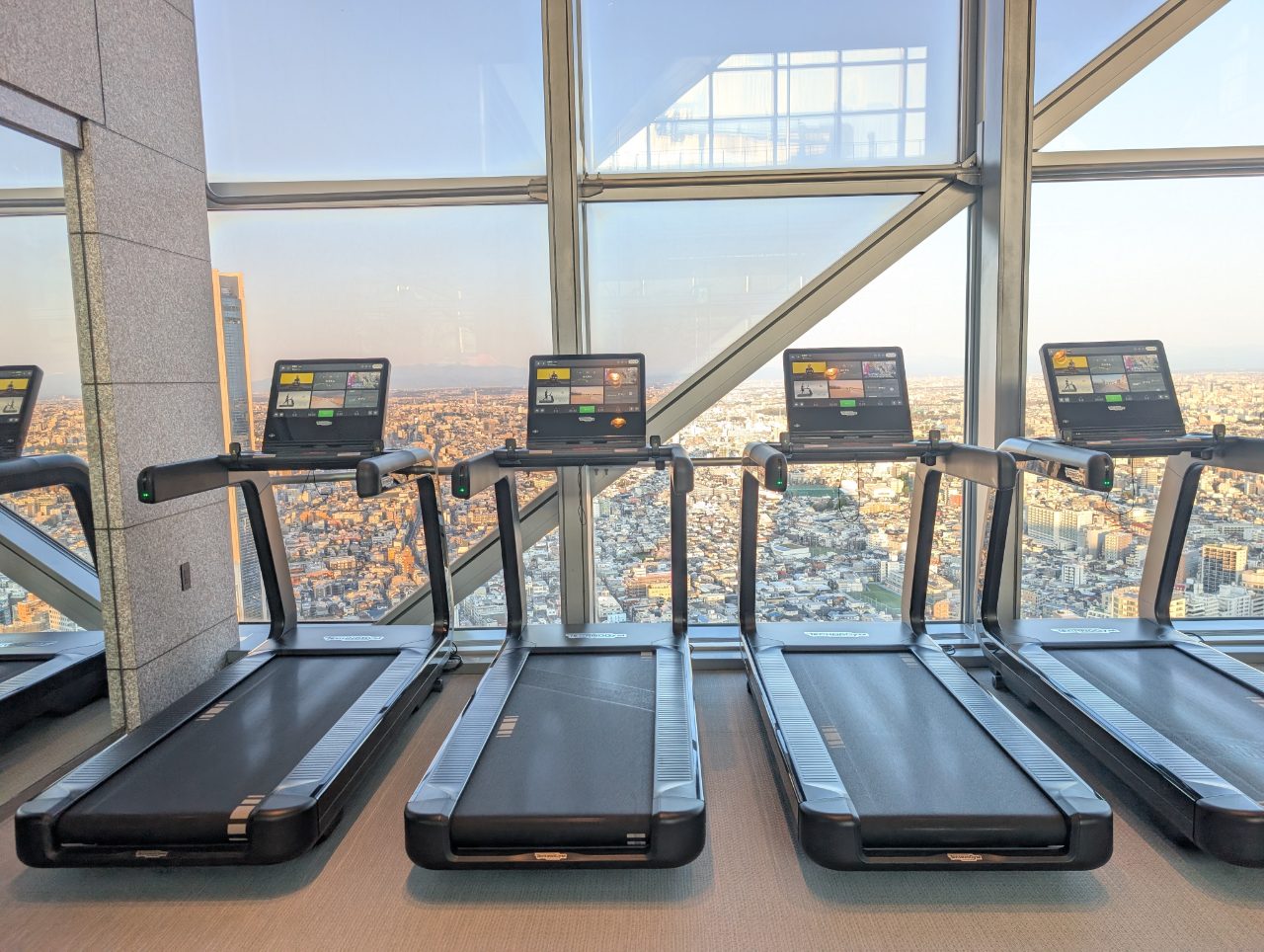
The layout consists of two rooms on opposite sides of the pool, with Technogym strength and cardio equipment. The first room has treadmills, stationary bikes and a squat rack.
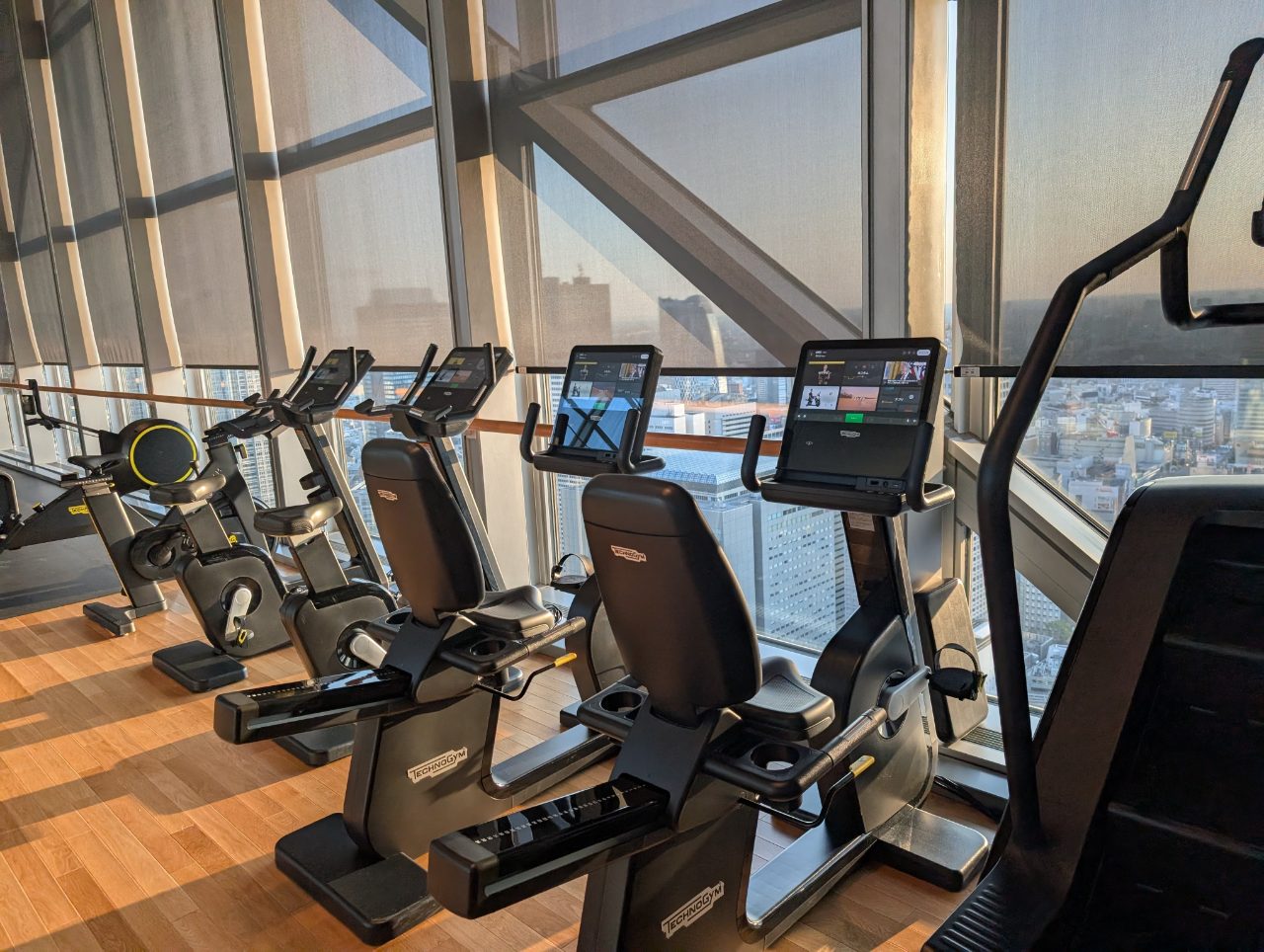
The other side is more of an open space for stretching, mobility and personal routines, though it also has free weights, medicine balls, kettlebells, and resistance bands. Personal trainers are available by appointment.
Park Hyatt Tokyo: Breakfast
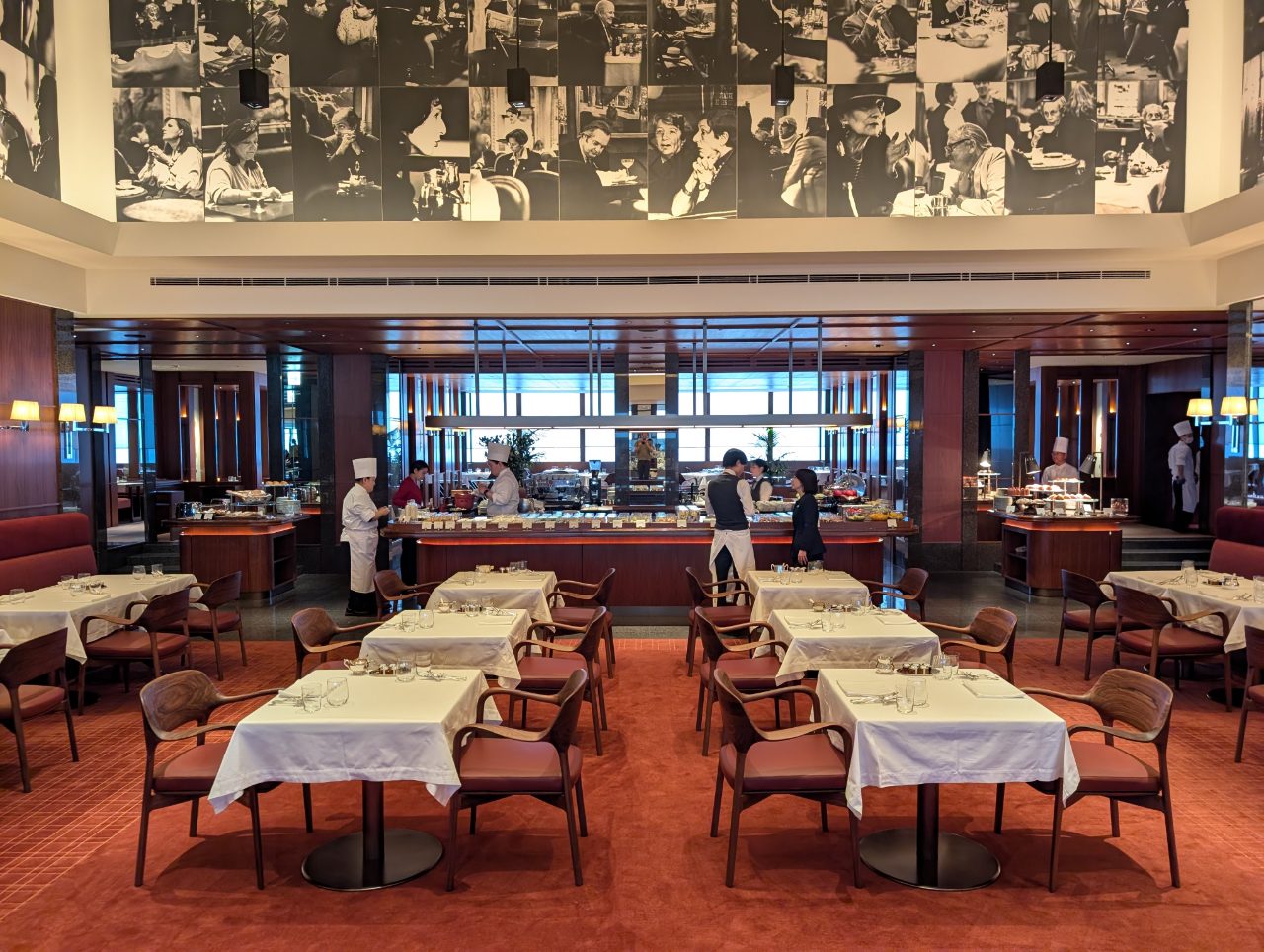
Breakfast is served at Girandole by Alain Ducasse from 7 a.m to 10.30 a.m daily. It is complimentary for Globalist members, and will cost 7,150 JPY if not included with your room rate.
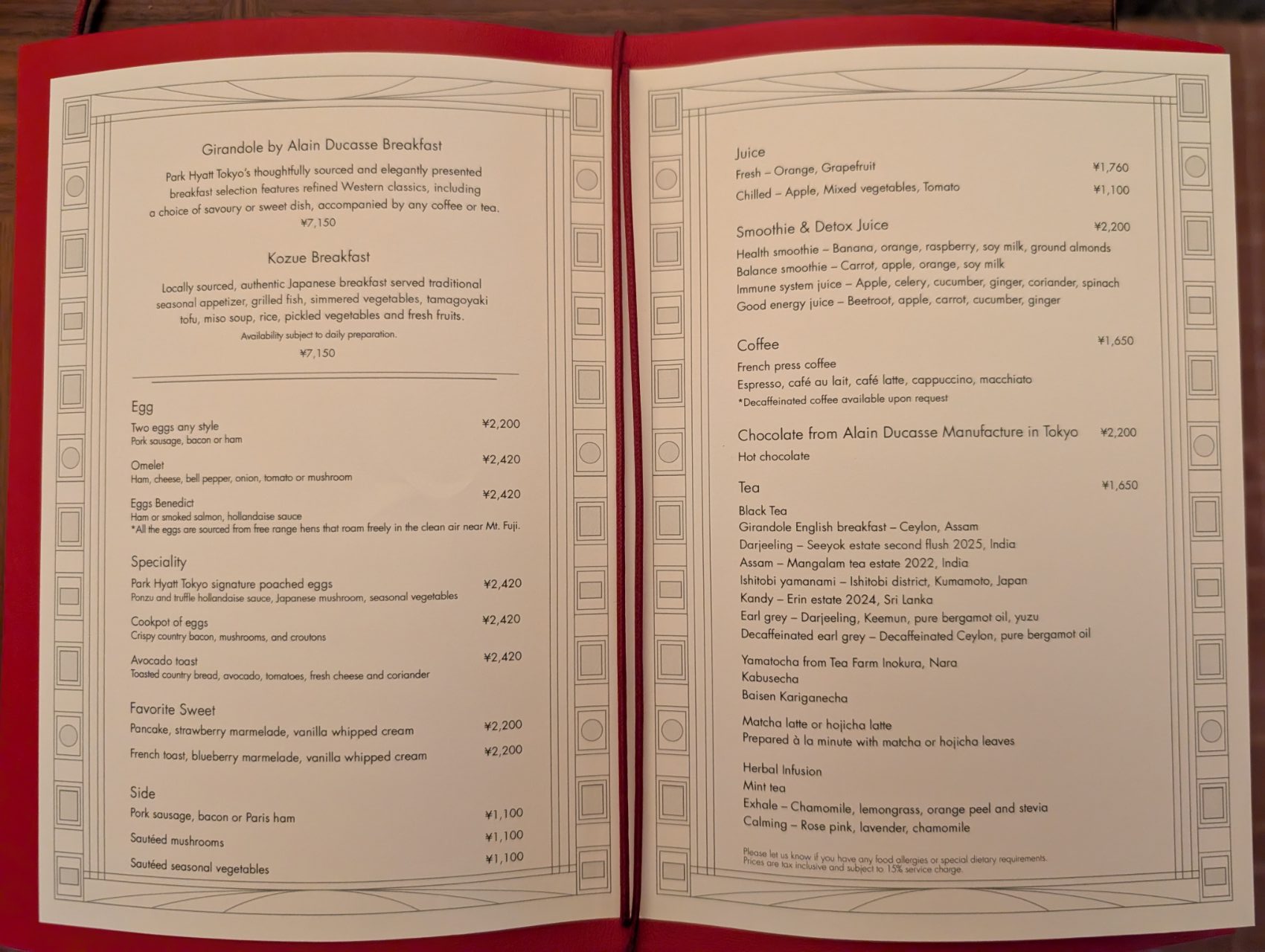
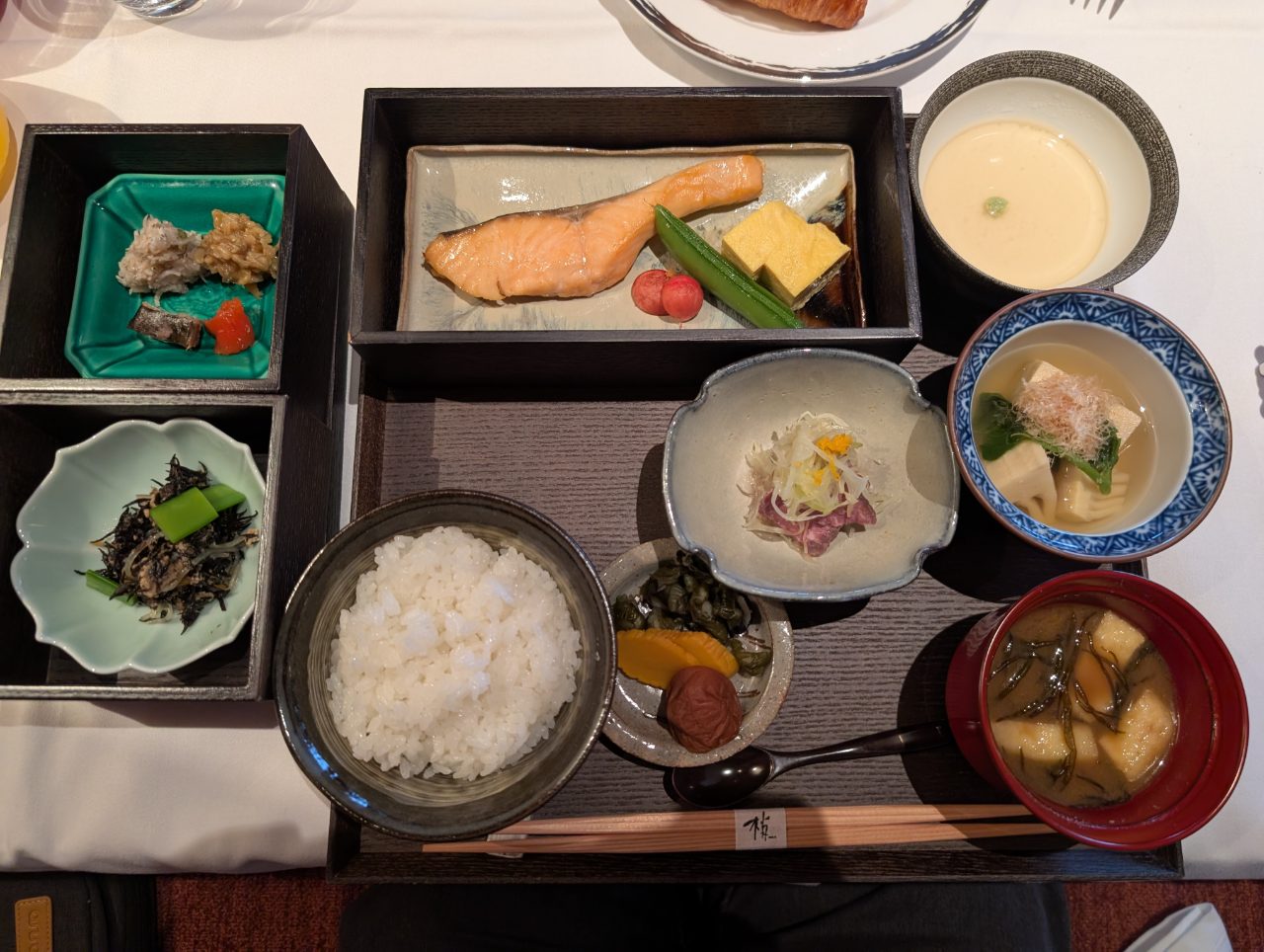
Guests have a choice of a Japanese or Western breakfast. The Japanese breakfast — which you must pre-order the day before — is served teishoku style, with a grilled fish, rice, miso soup, pickles and seasonal side dishes.
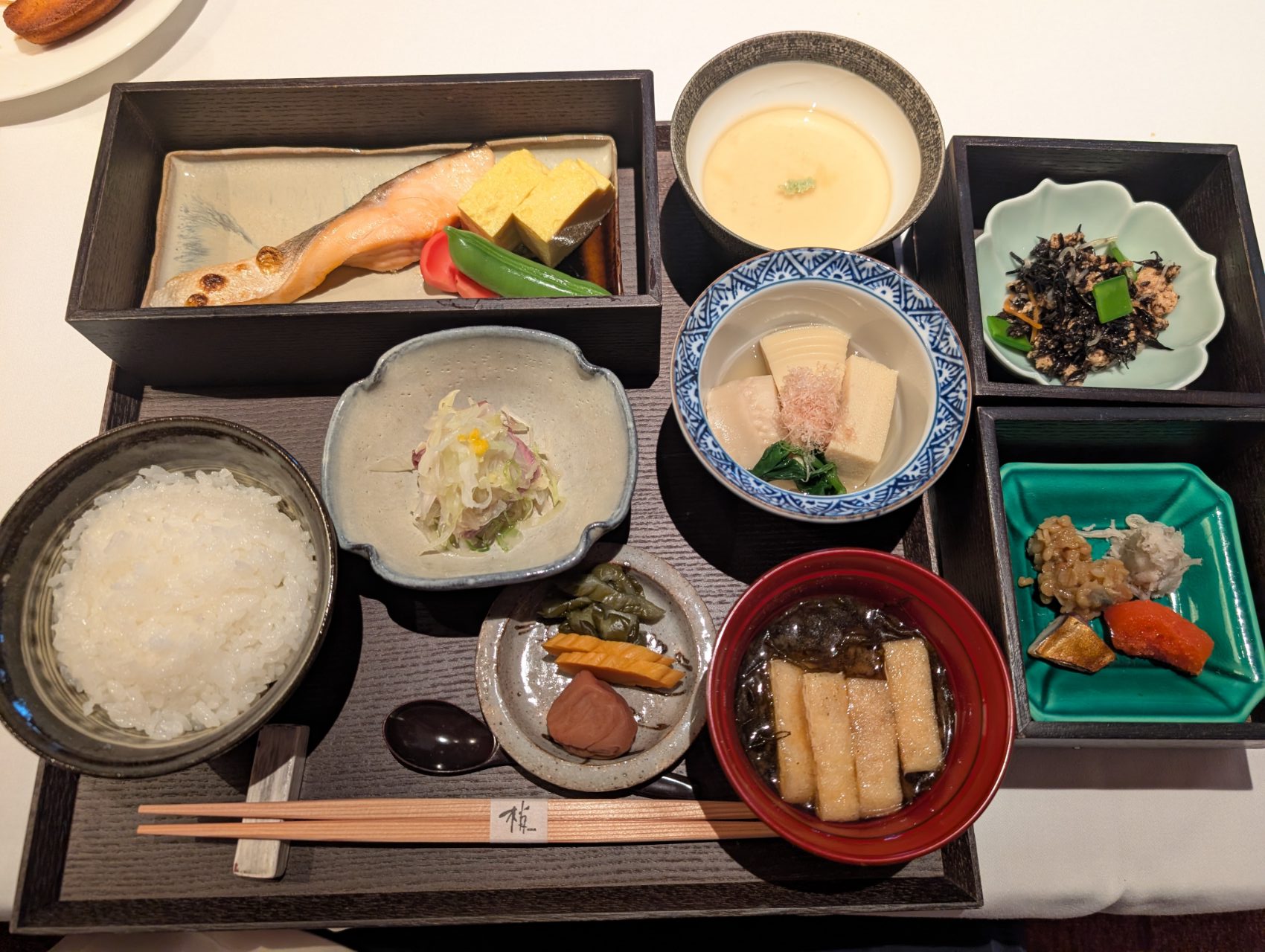
I was a little surprised this selection didn’t rotate daily, because we ordered it again on the third morning and it was exactly the same.
The Western breakfast doesn’t need to be pre-ordered; in fact, if you just show up at the restaurant, the default assumption is that you’ll be taking the Western option (you can supplement it with a limited number of Japanese items at the buffet).
Over the three mornings we tried all the specialty dishes and sweets, and they were all very good, though I do think they could have gone with better presentation for the pancakes and French toast.
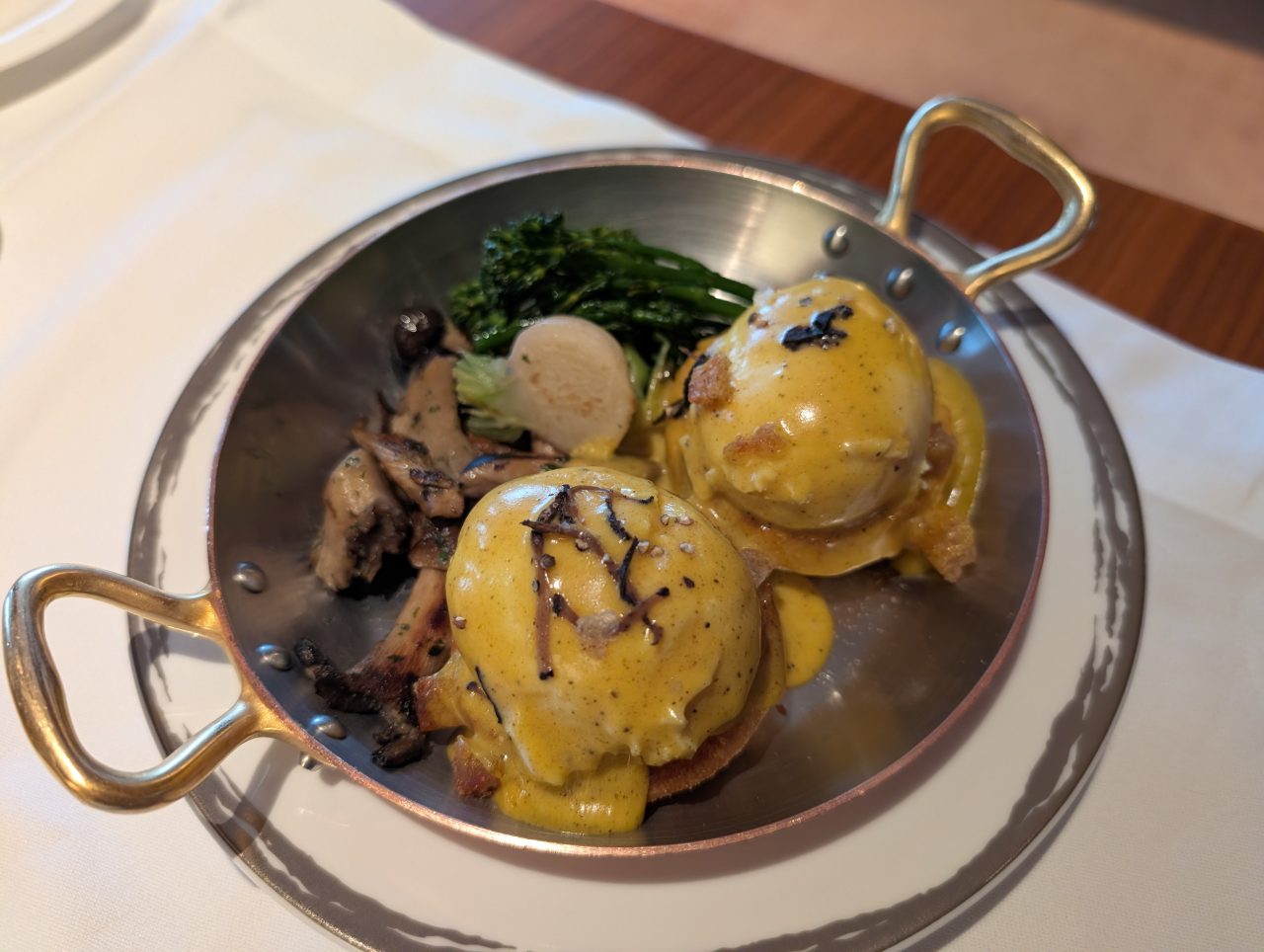
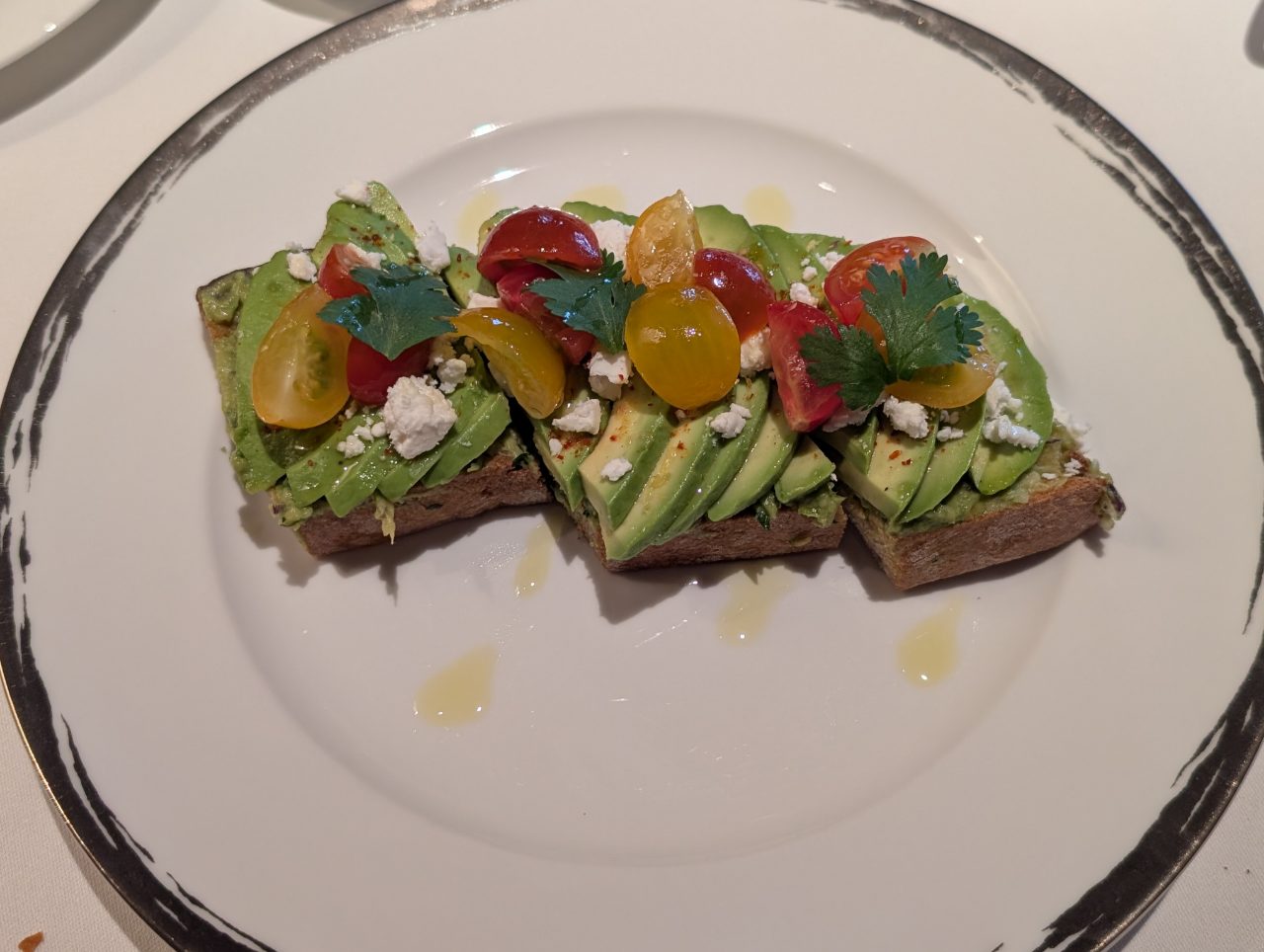
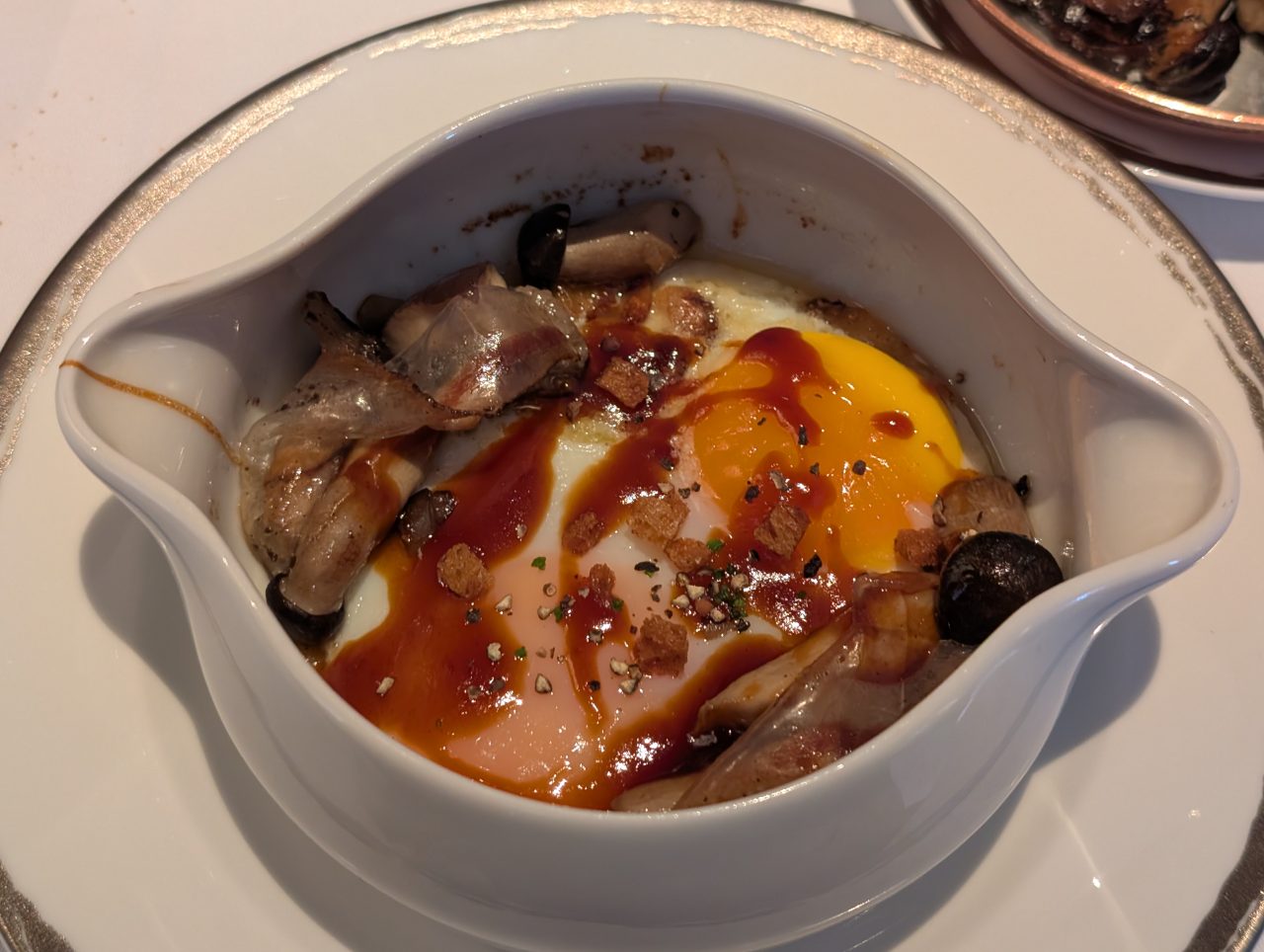
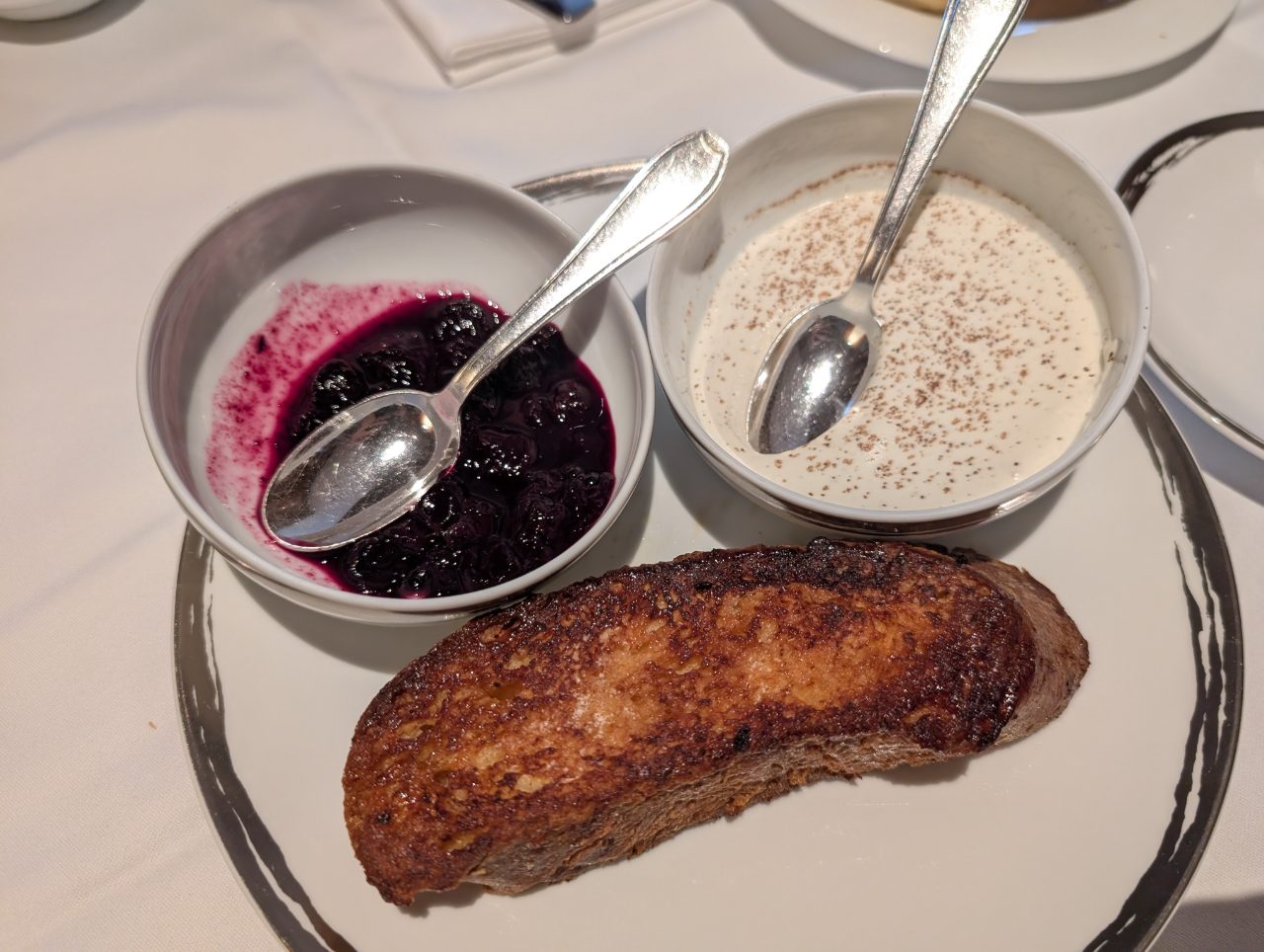
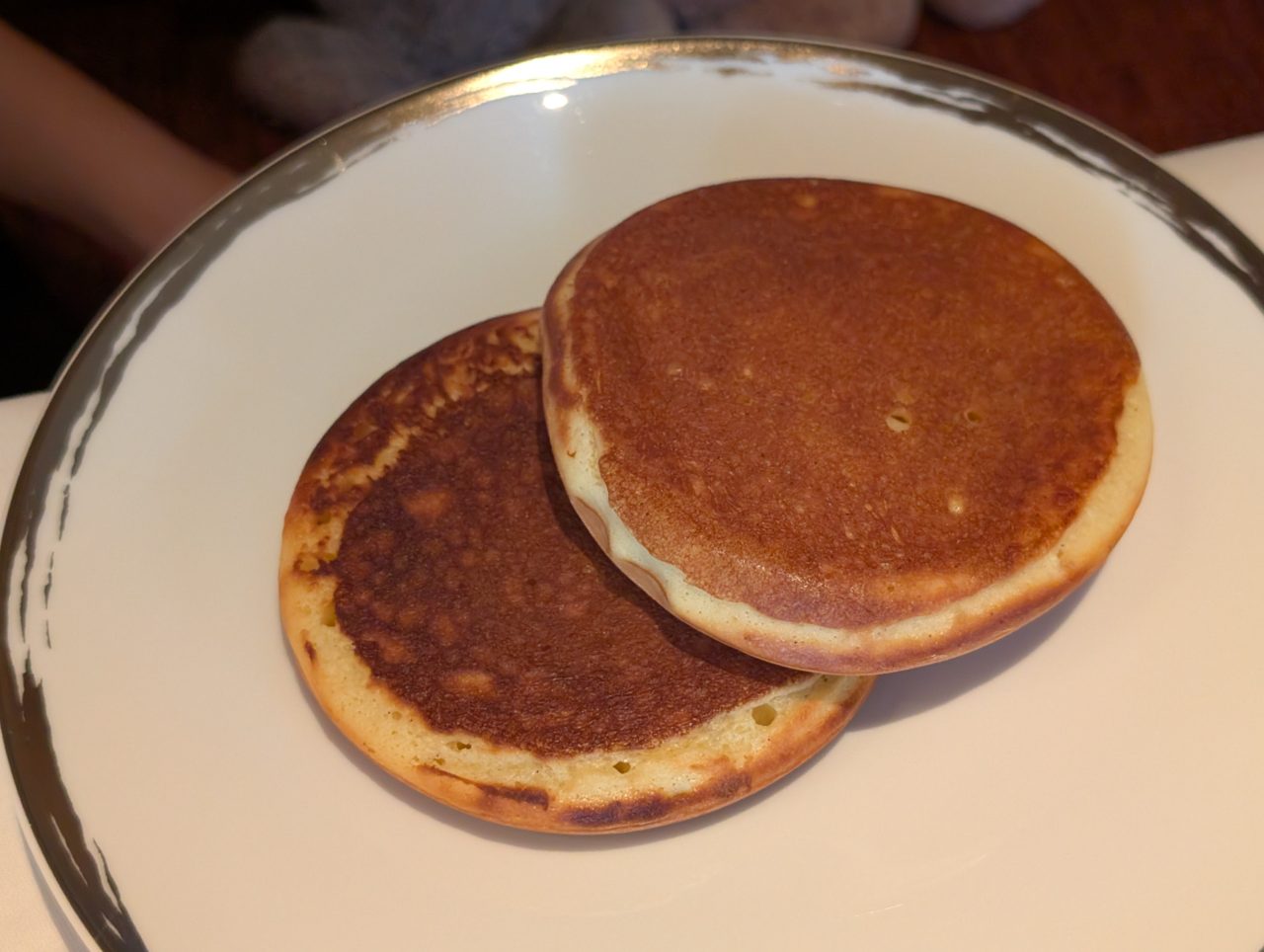
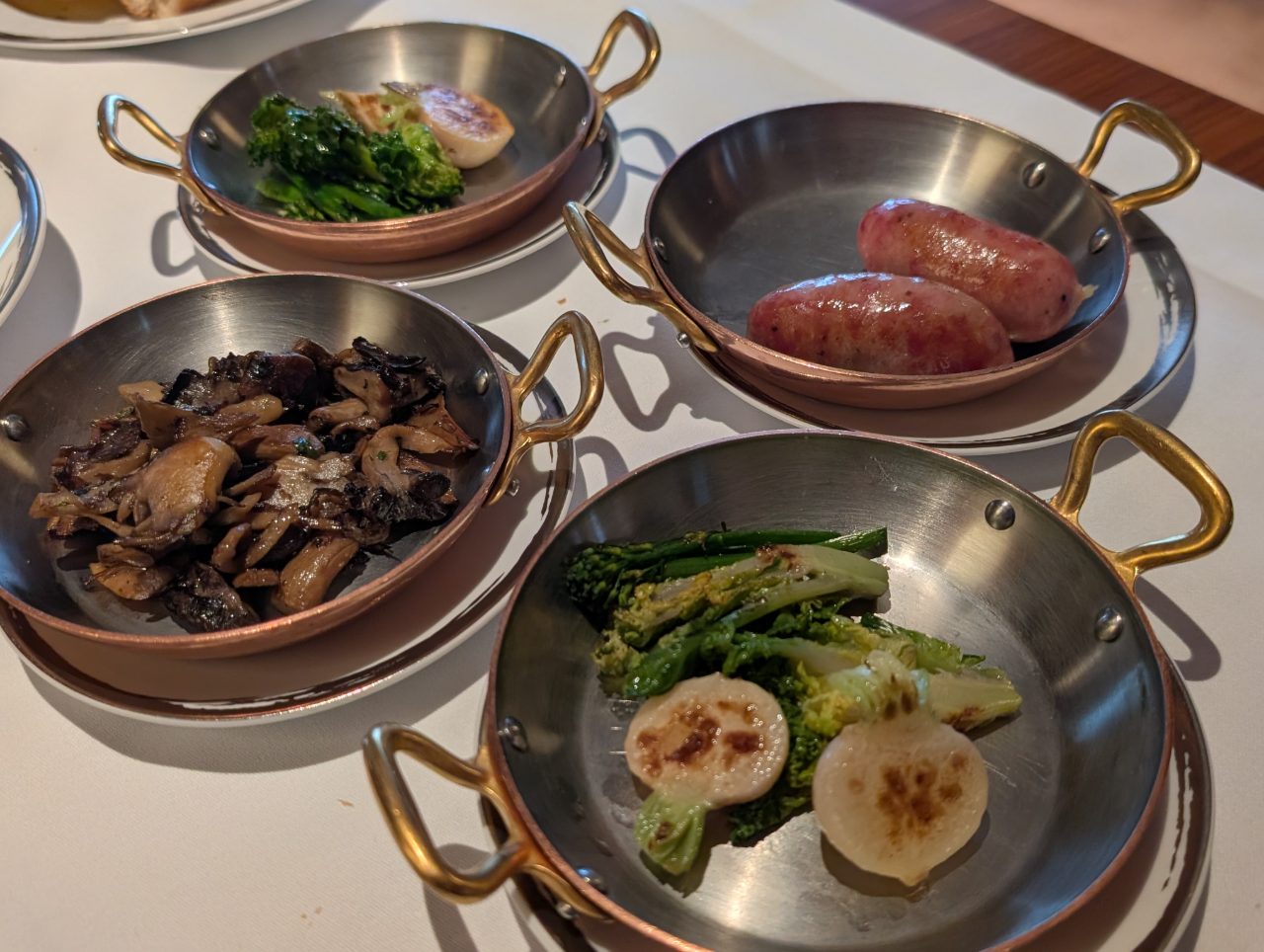
From what I read online, it used to be that guests were strictly limited to one a la carte item only. However, in recent times, the rules seem to have been relaxed somewhat. They won’t proactively offer it, but we had no issues ordering one Western main each, sides, and an additional serving of pancakes.
In any case, you can supplement your main with the buffet selection. Again, it used to be that choosing the Japanese breakfast option meant you weren’t allowed to take the buffet. This always struck me as overly rigid and somewhat petty (overly rigid rules, in Japan, really?!), so thankfully it’s no longer the case.
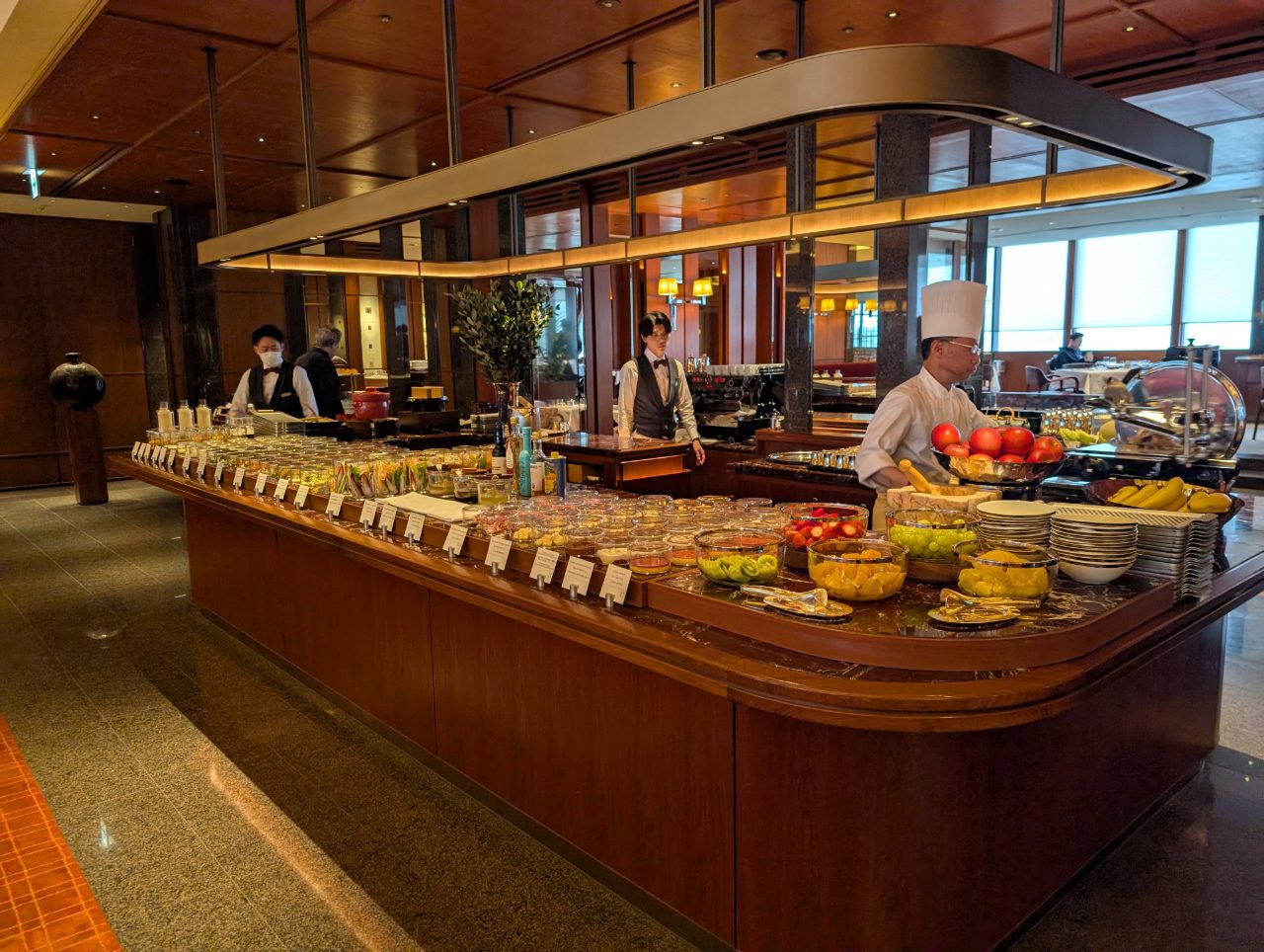
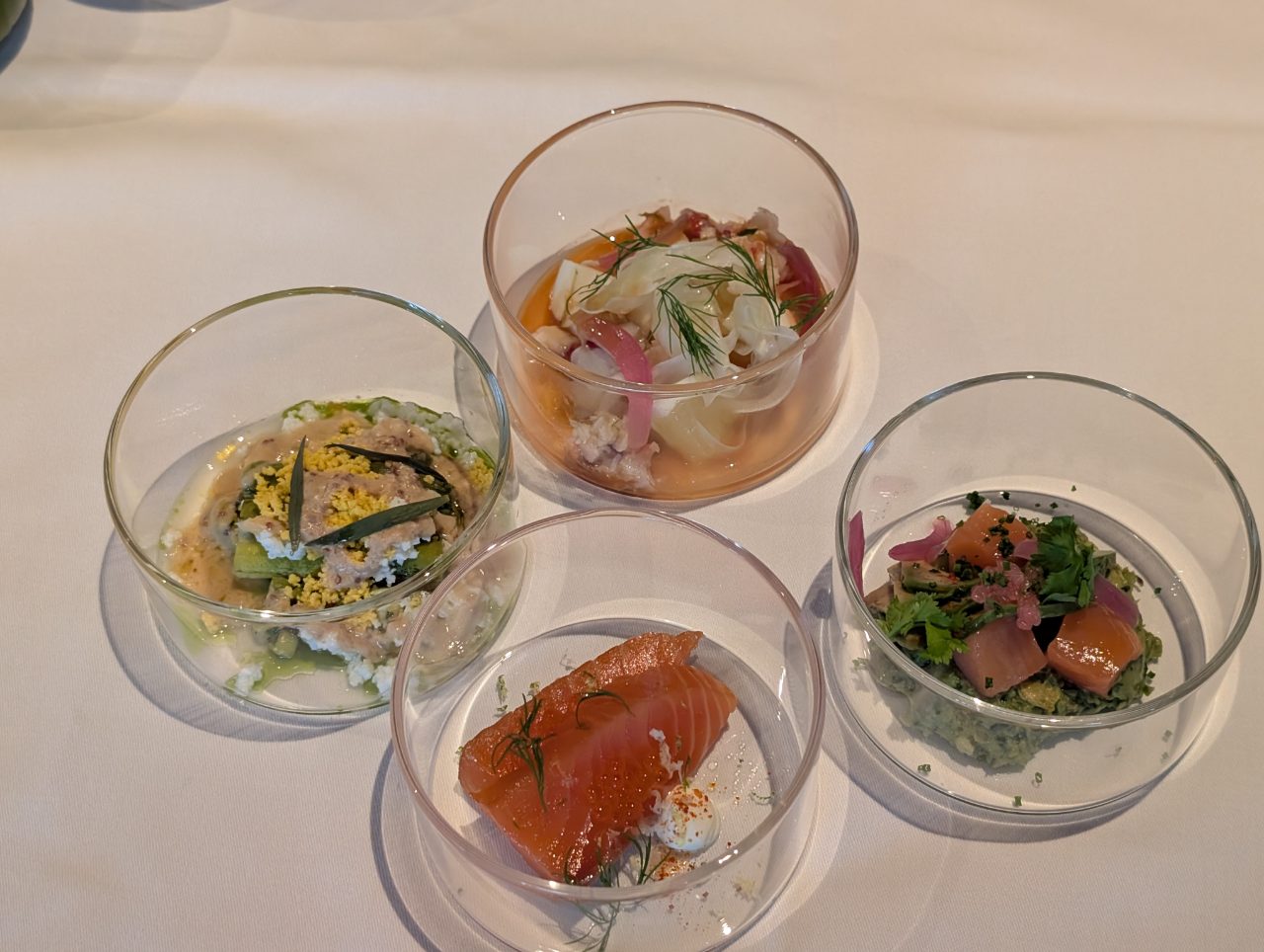
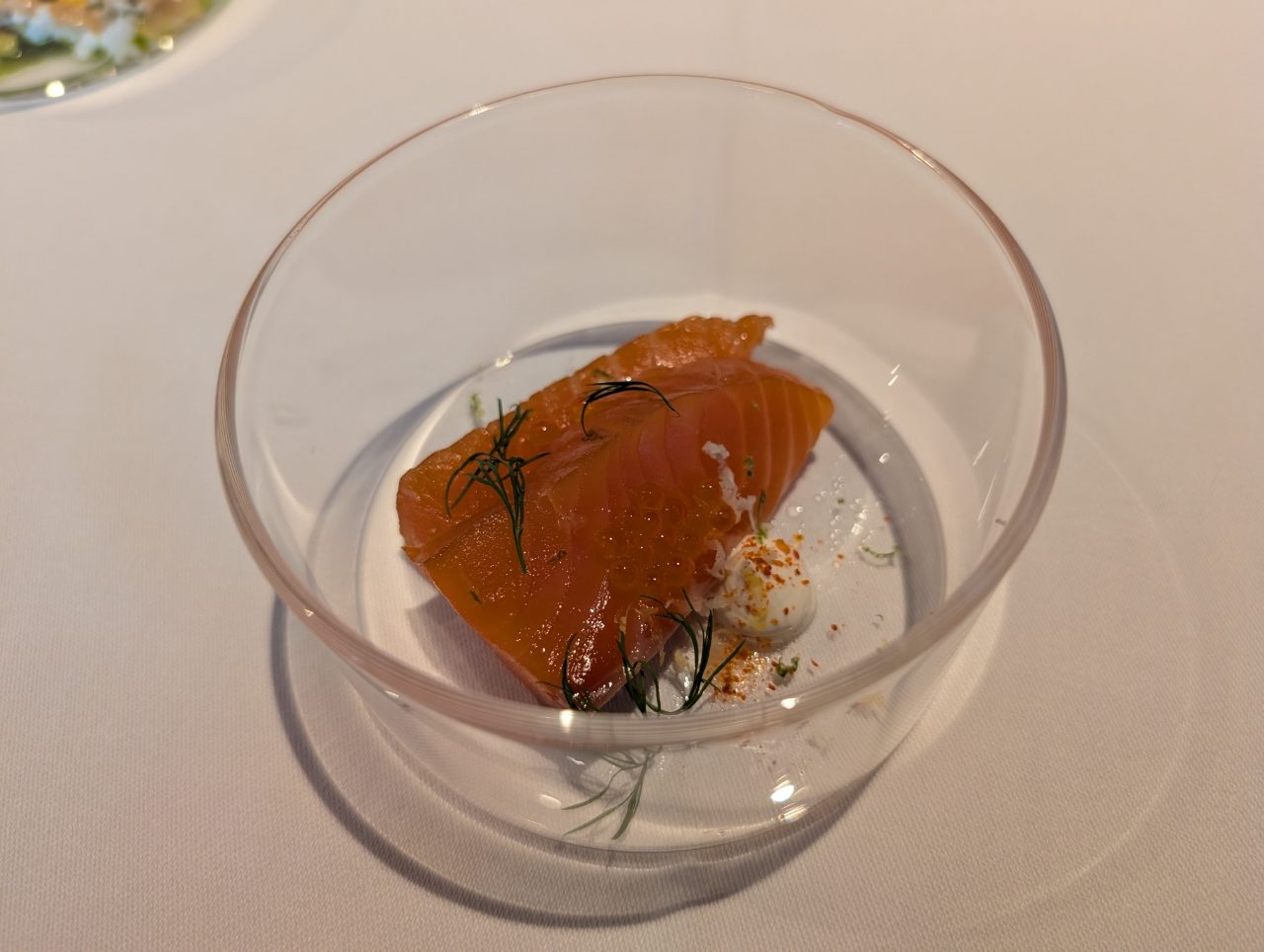
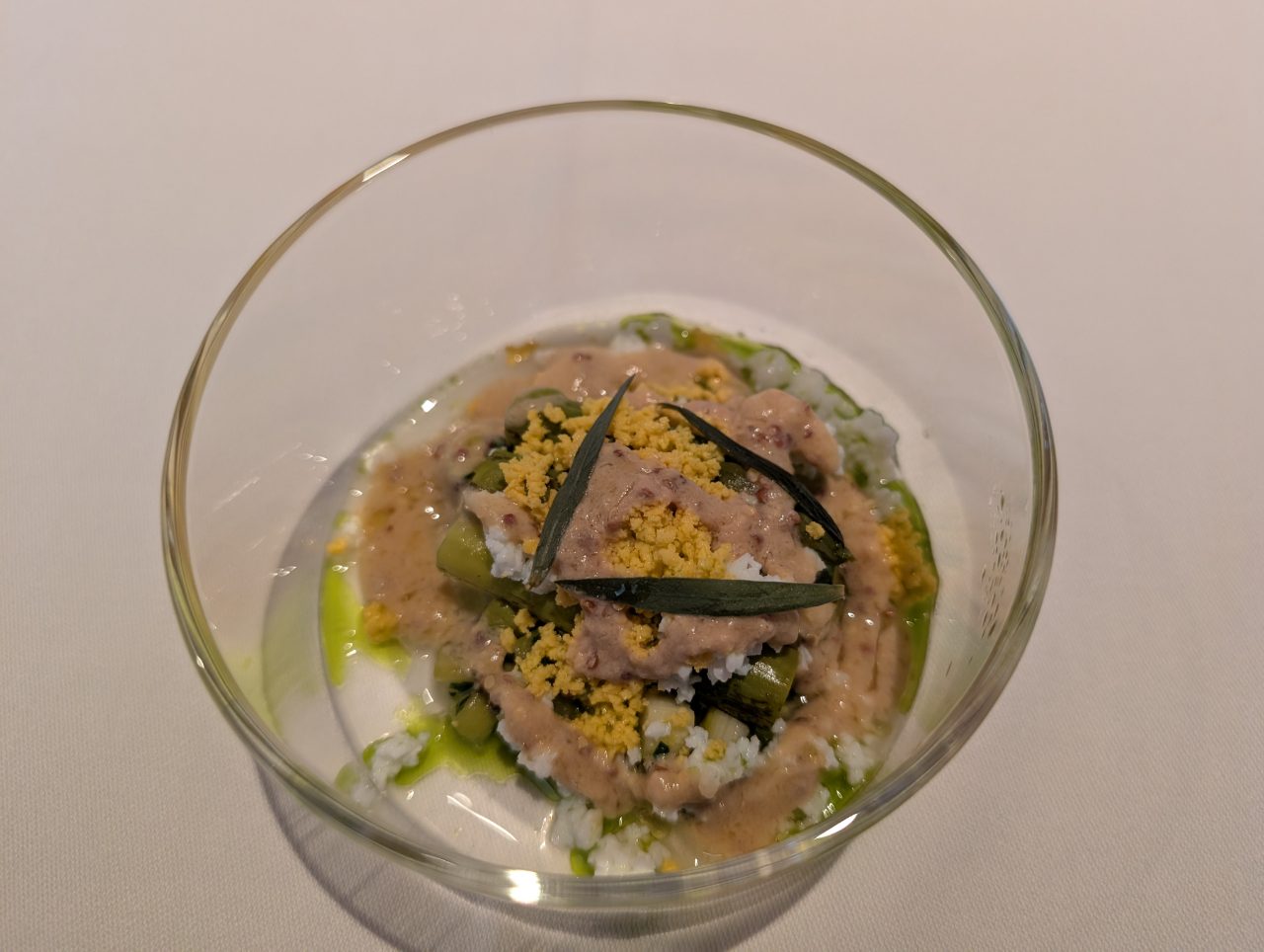
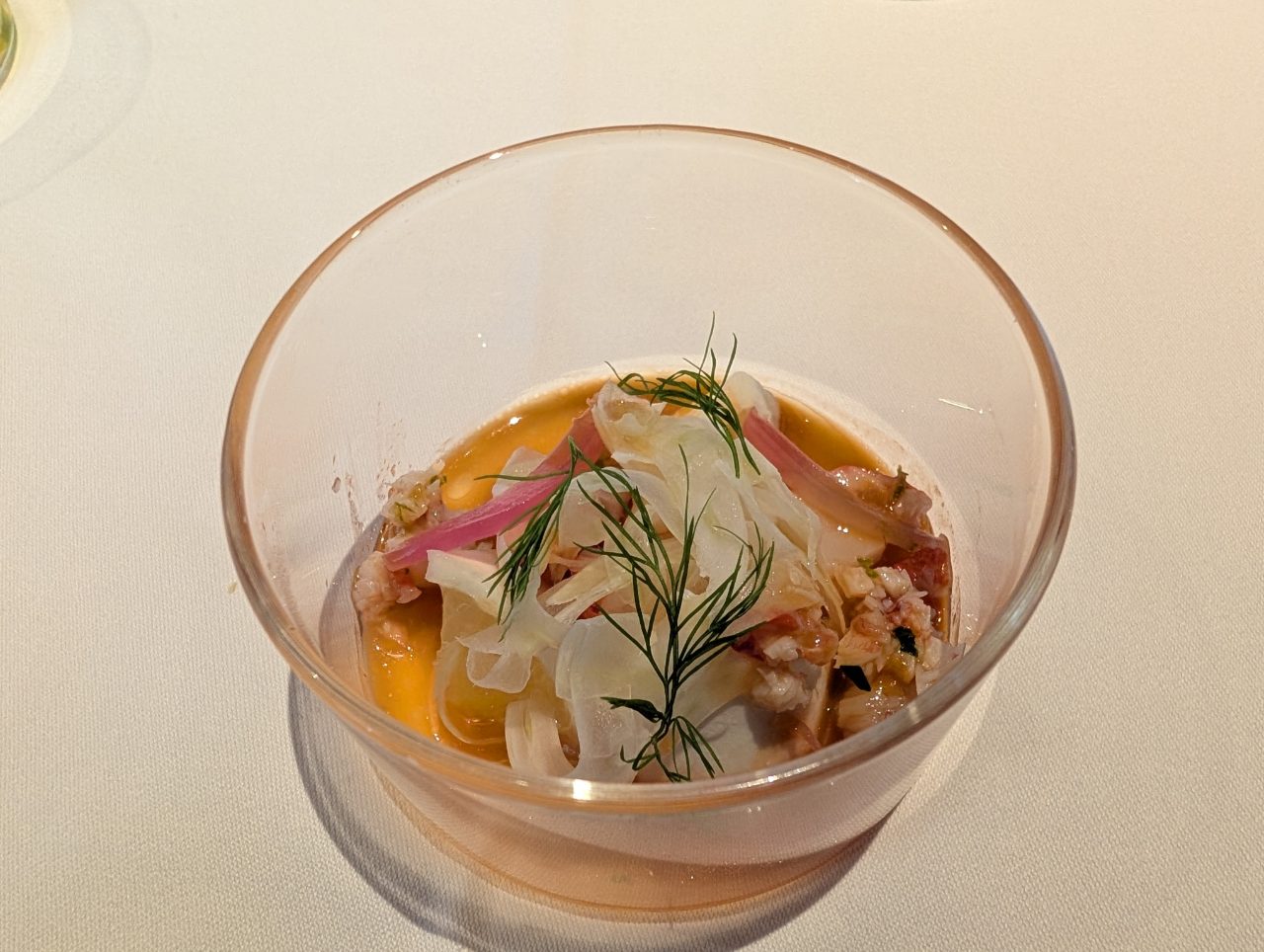
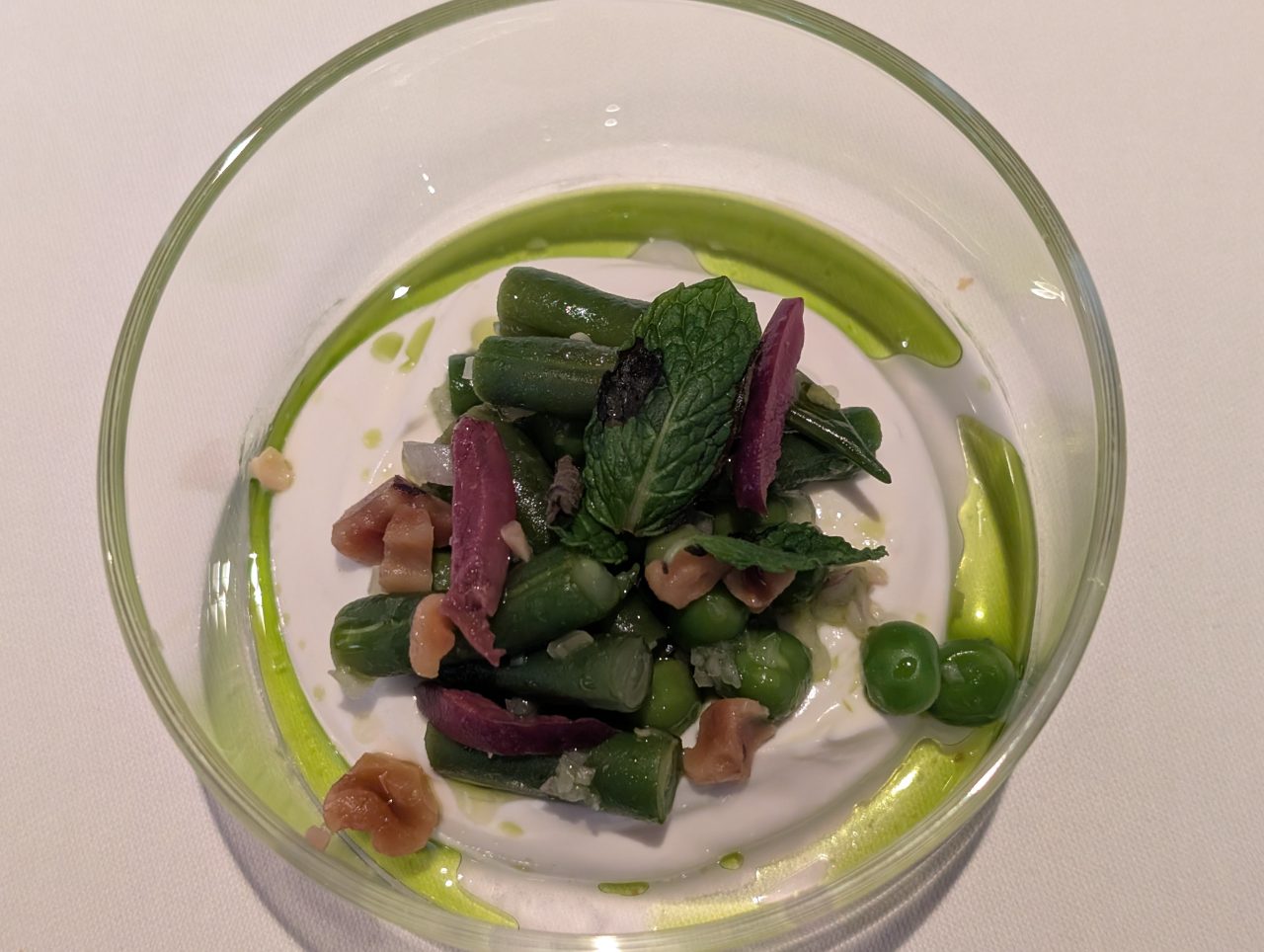
The focal point of the buffet spread was a collection of small plates, each individually portioned in clear glass dishes. You’d take a tray and help yourself to as many as you liked, with the staff vigilantly collecting the glass tops to prevent a build-up at your table.
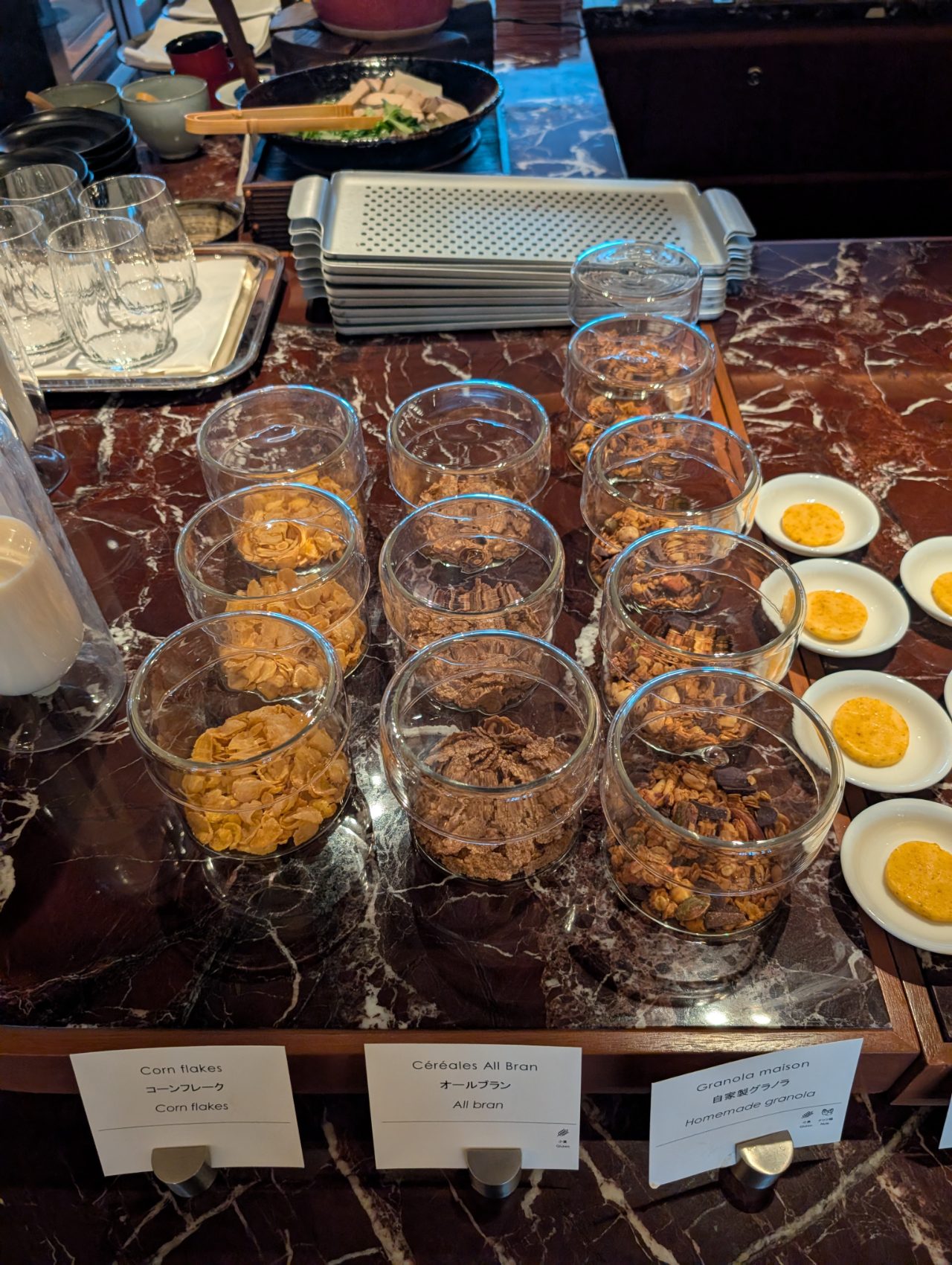
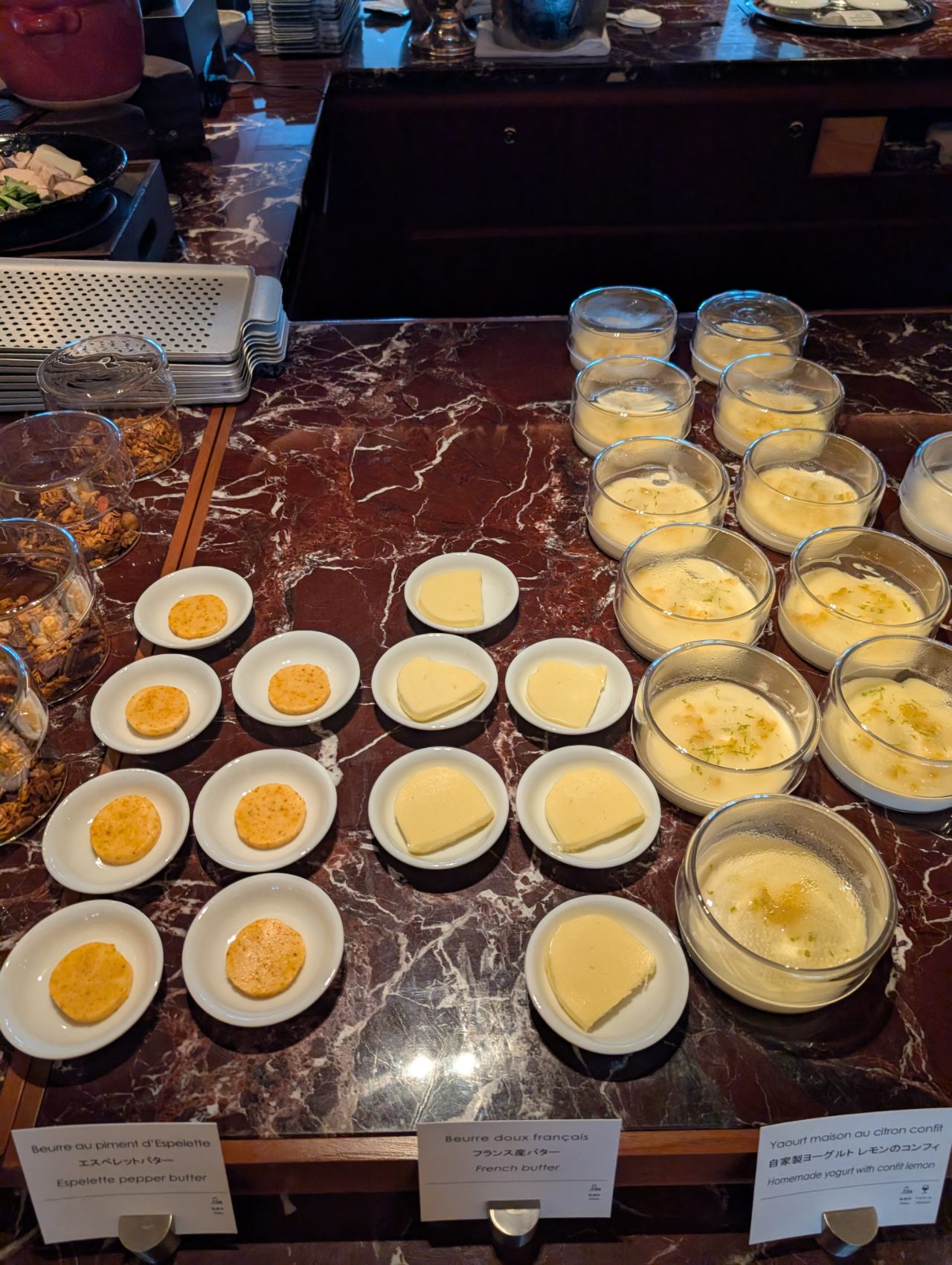
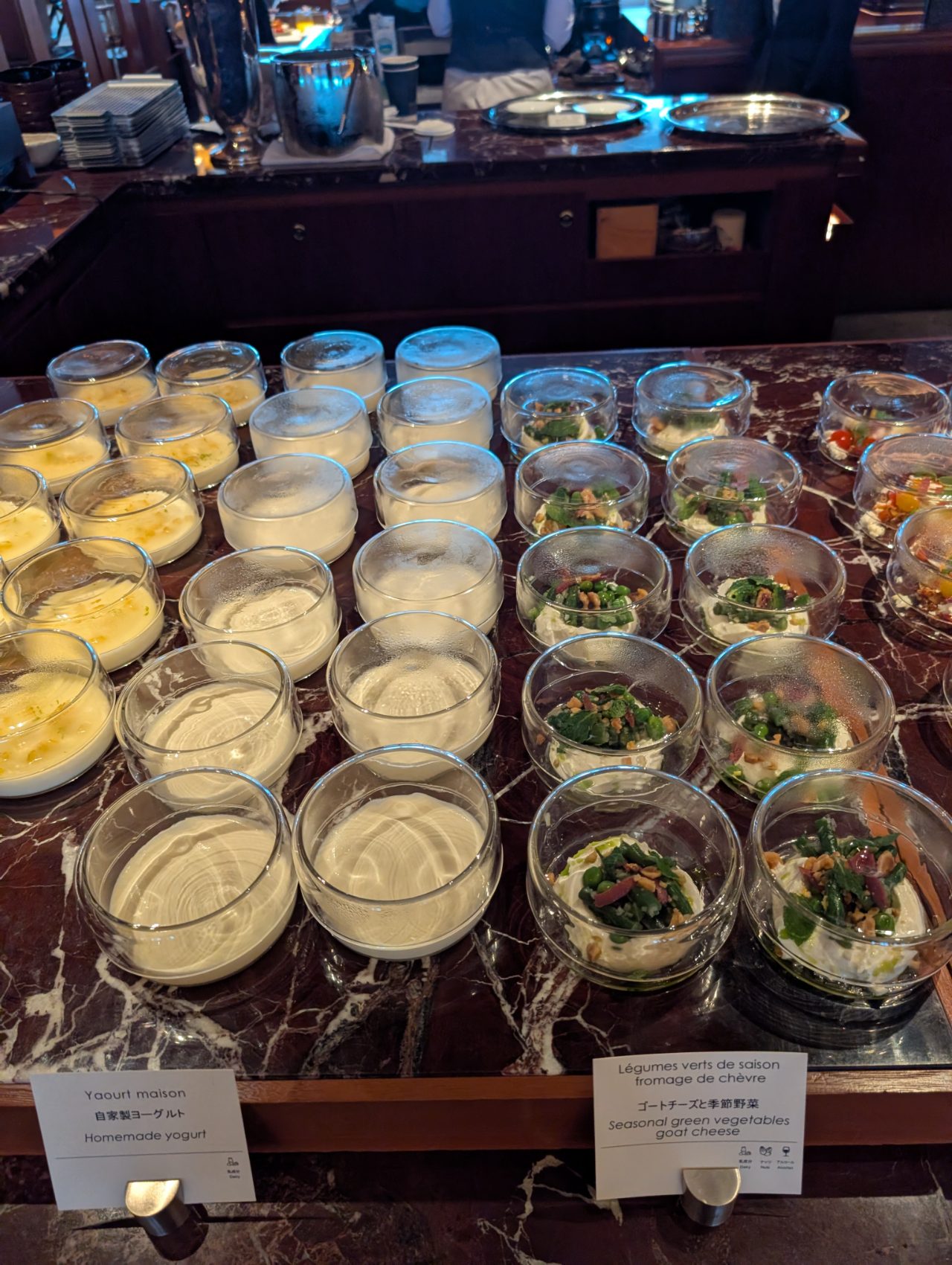
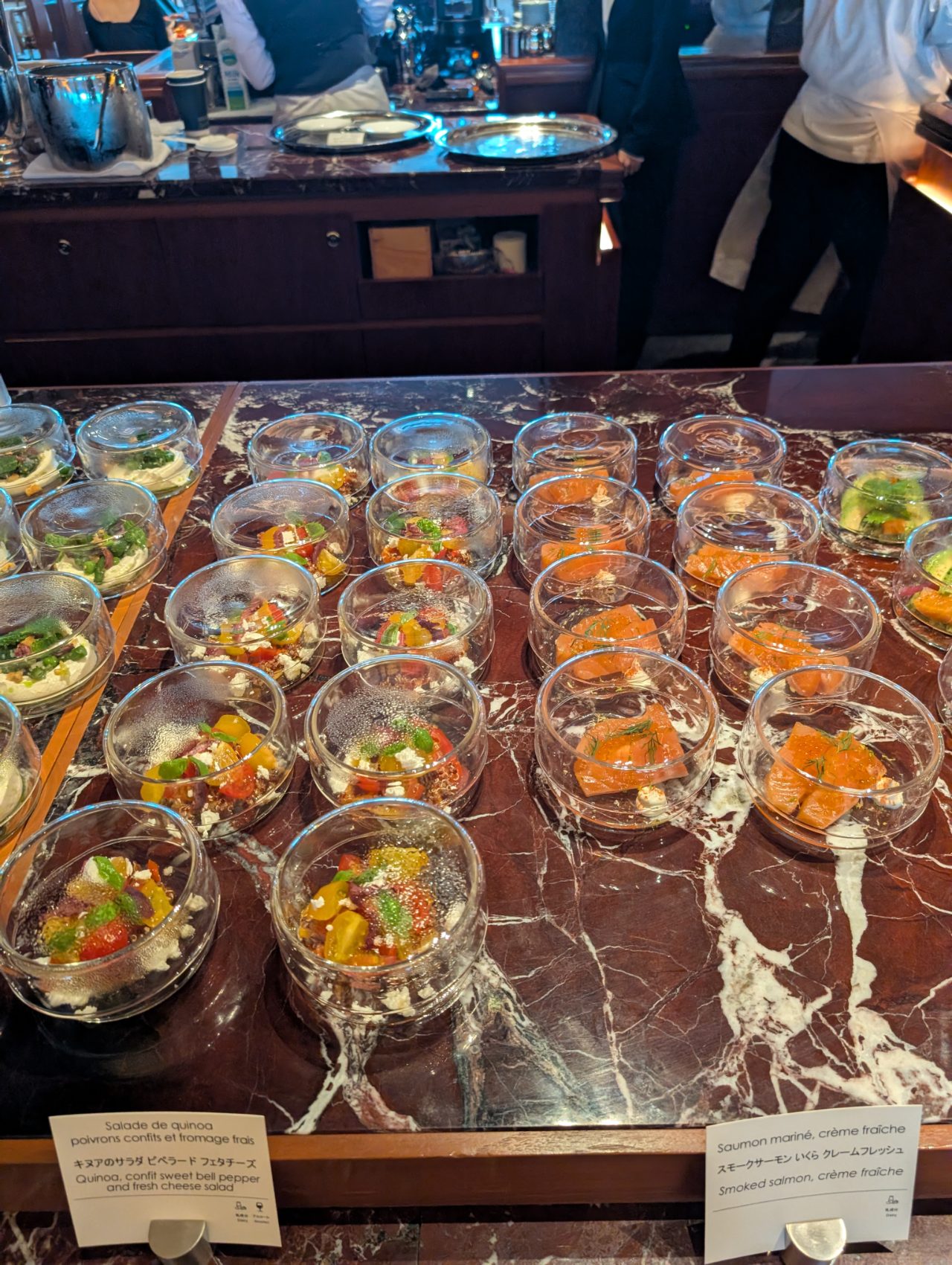
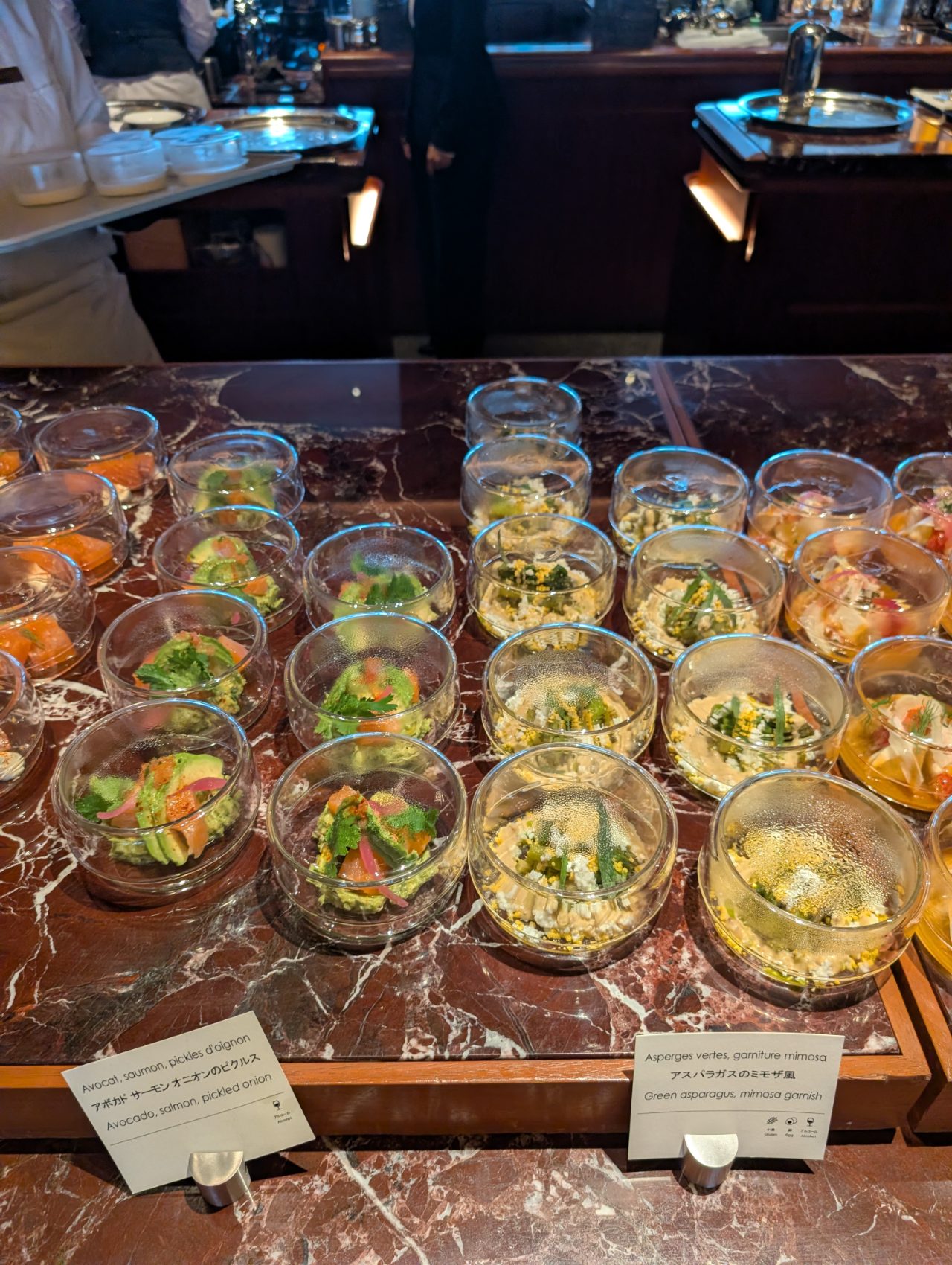
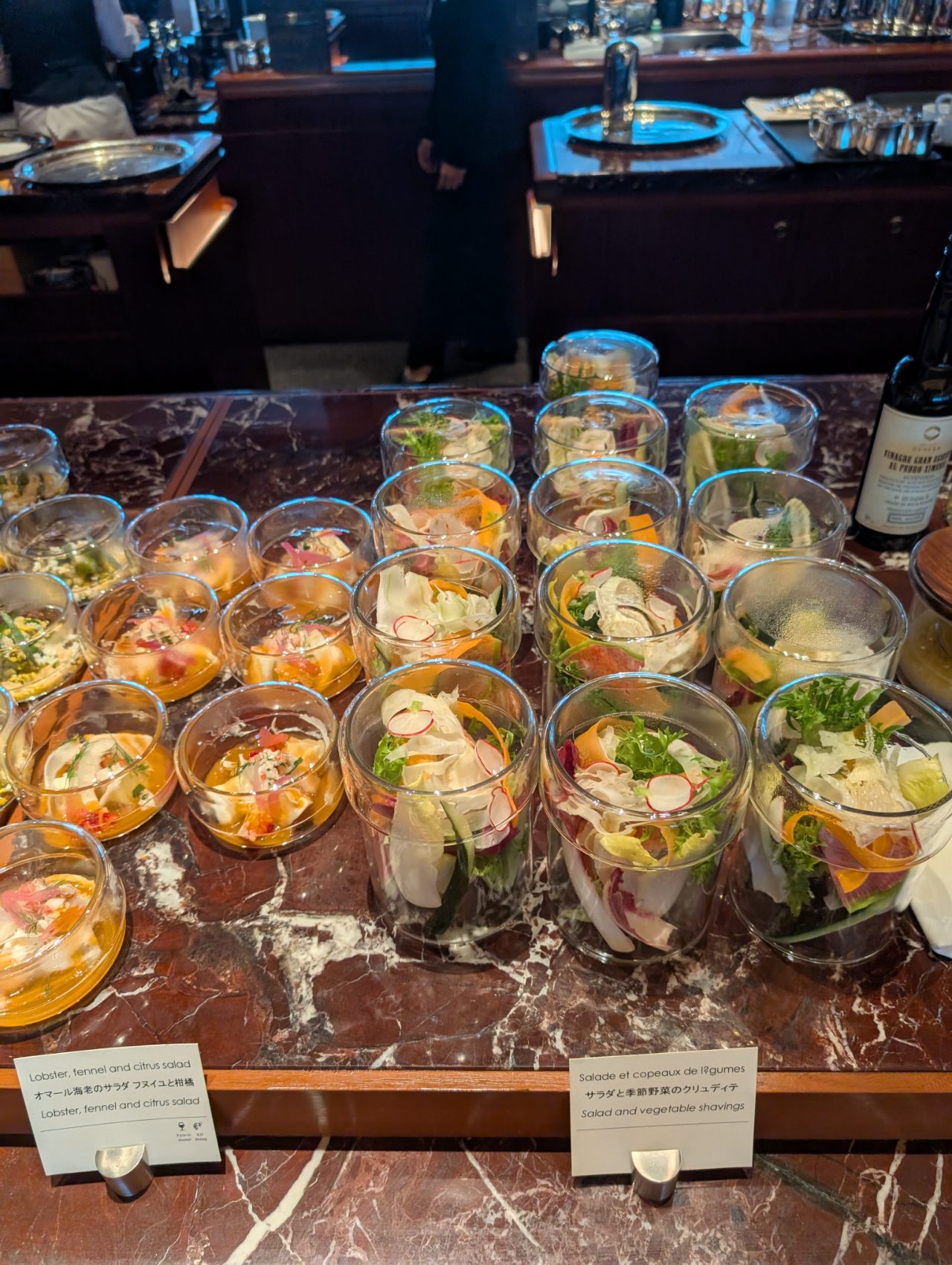
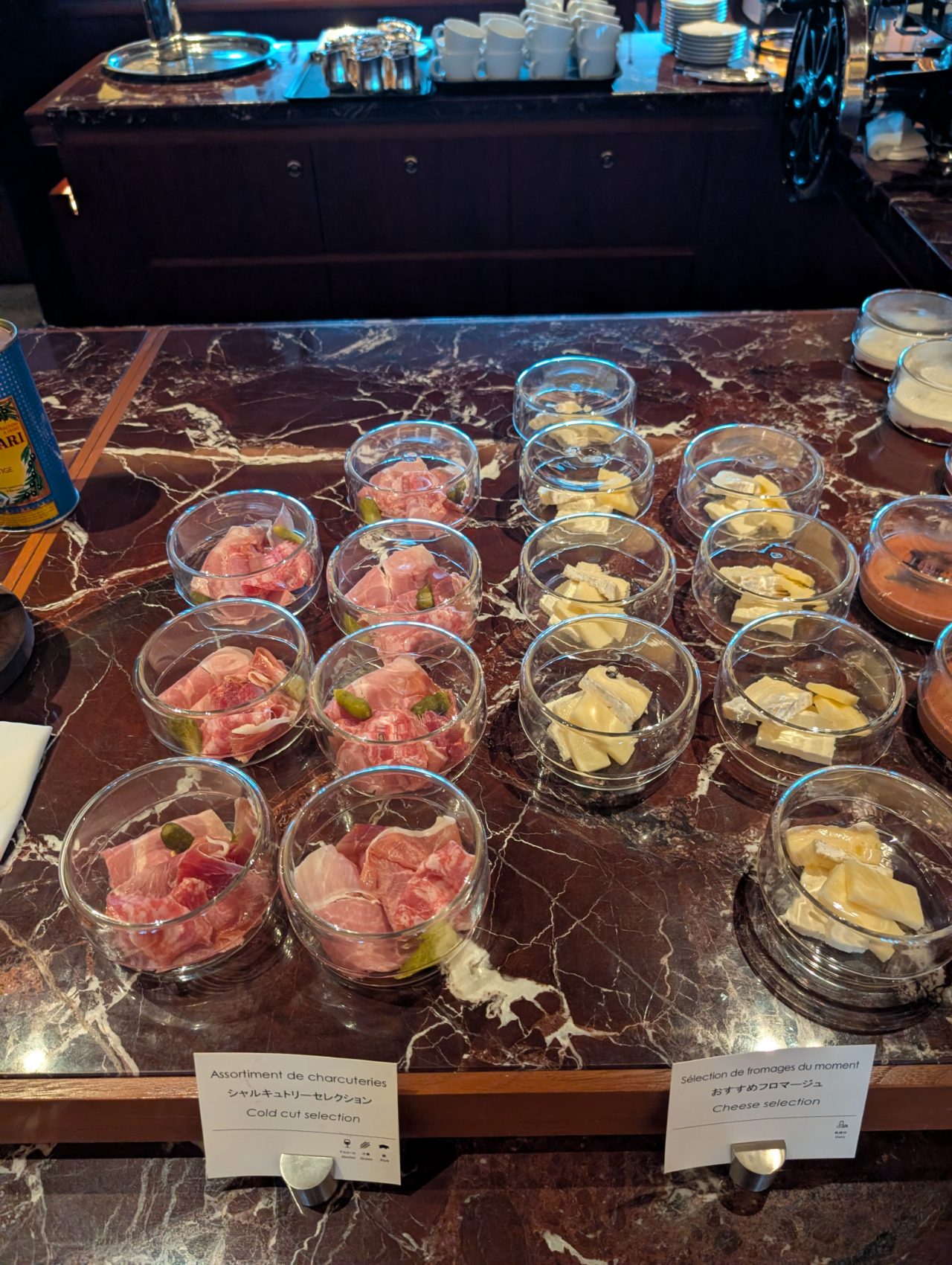
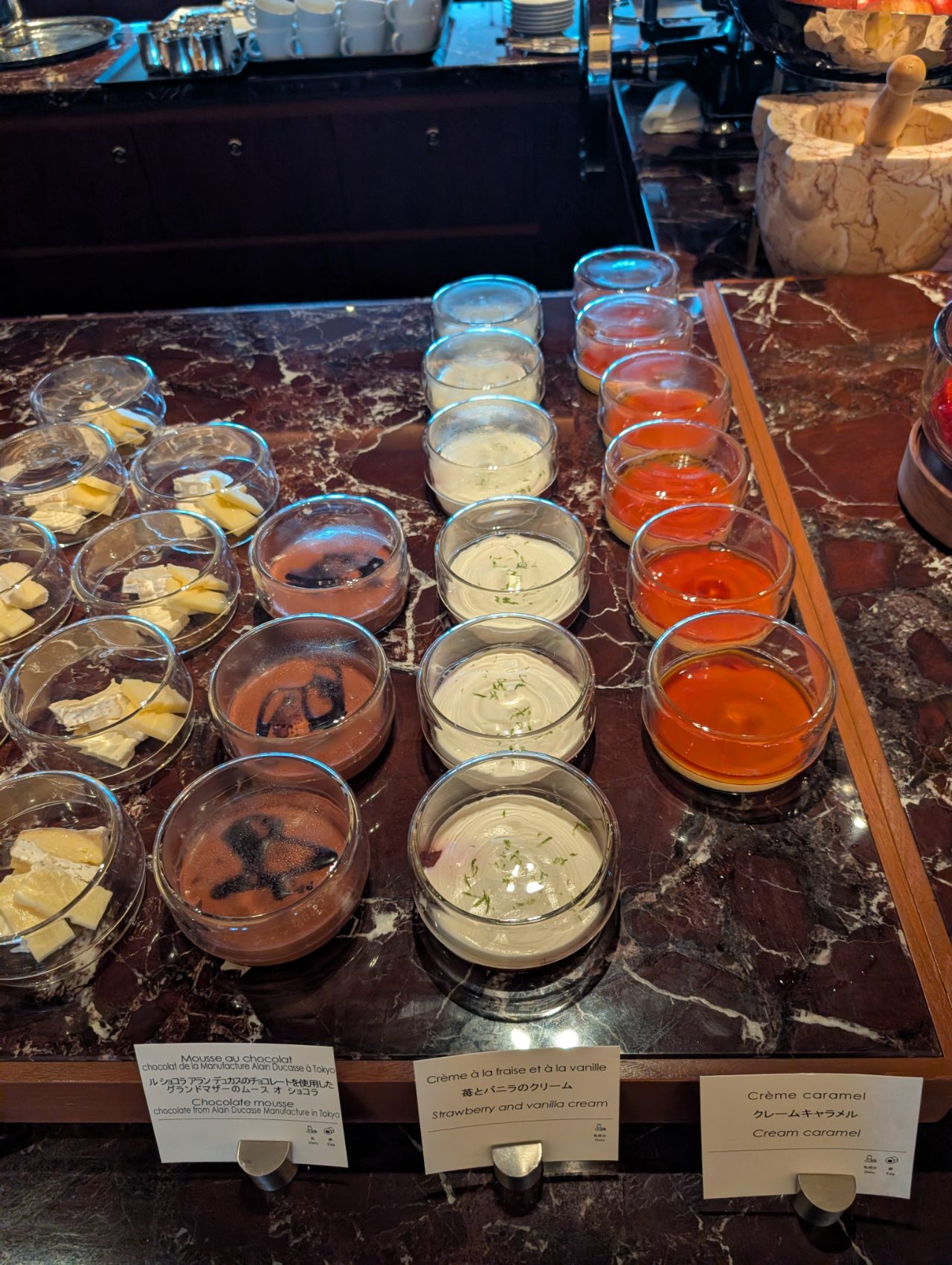
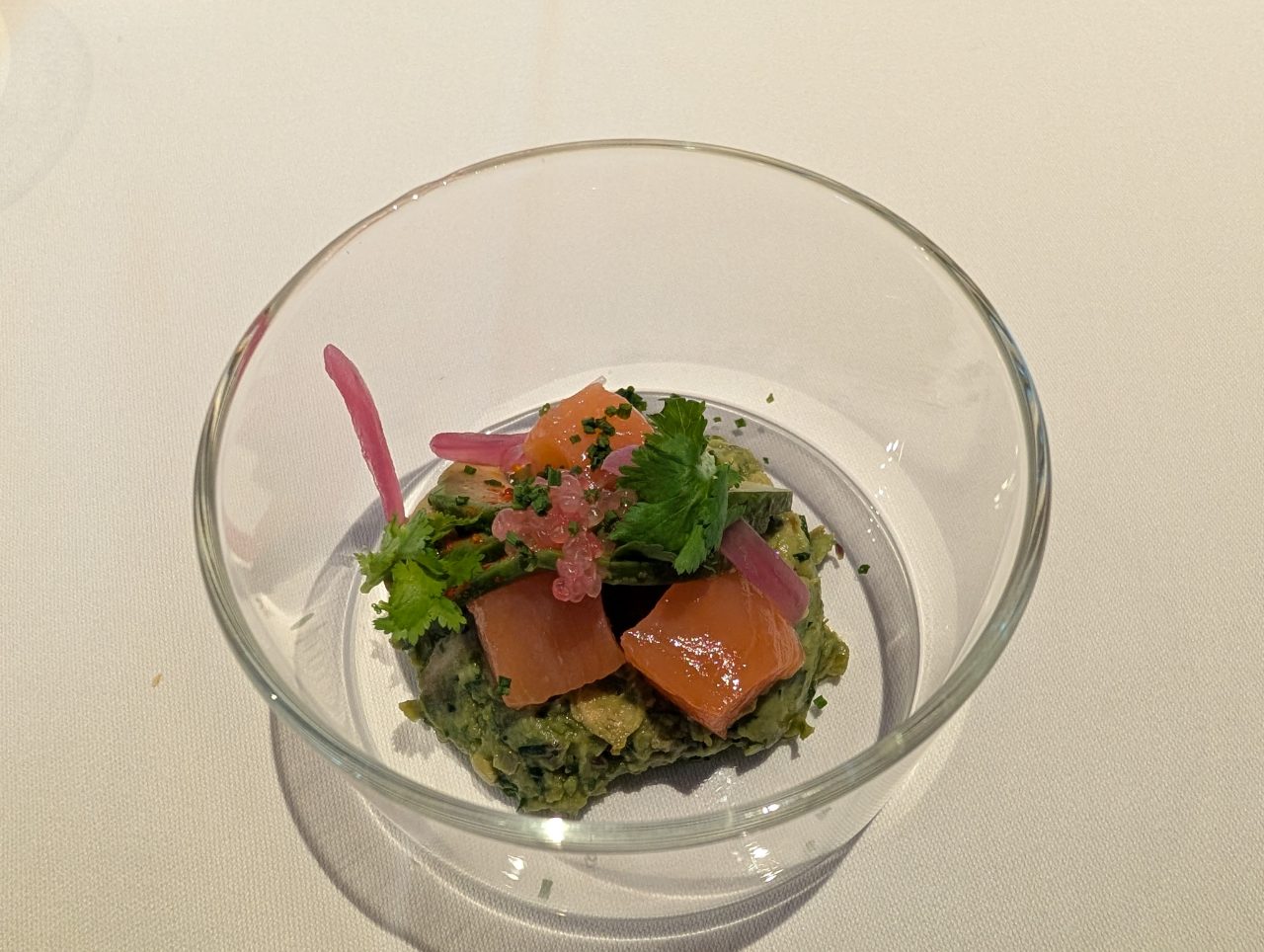
The small plate selection included:
- Green asparagus with mimosa garnish
- Avocado, salmon and pickled onion
- Lobster, fennel and citrus salad (our favourite)
- Seasonal green vegetables with goat cheese
- Smoked salmon with creme fraiche (they used to serve this with caviar!)
- Charcuterie selection
- Cheese selection
- Chocolate mousse with Alain Ducasse chocolate (definitely try this)
- Creme caramel
There was also a small Japanese section with amazing steamed rice (and what Japanese rice isn’t amazing?), miso soup, and a fish and vegetable dish.
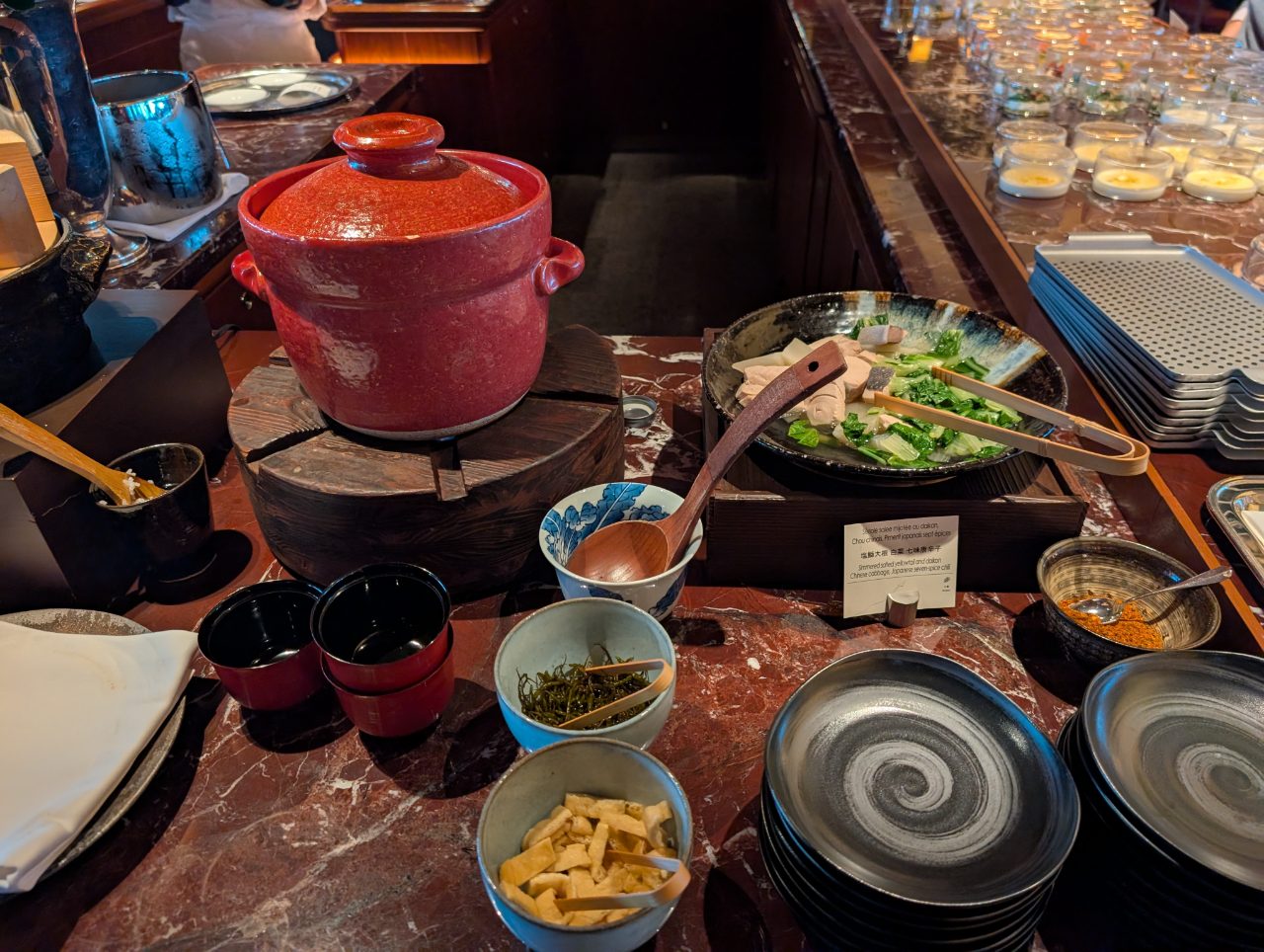
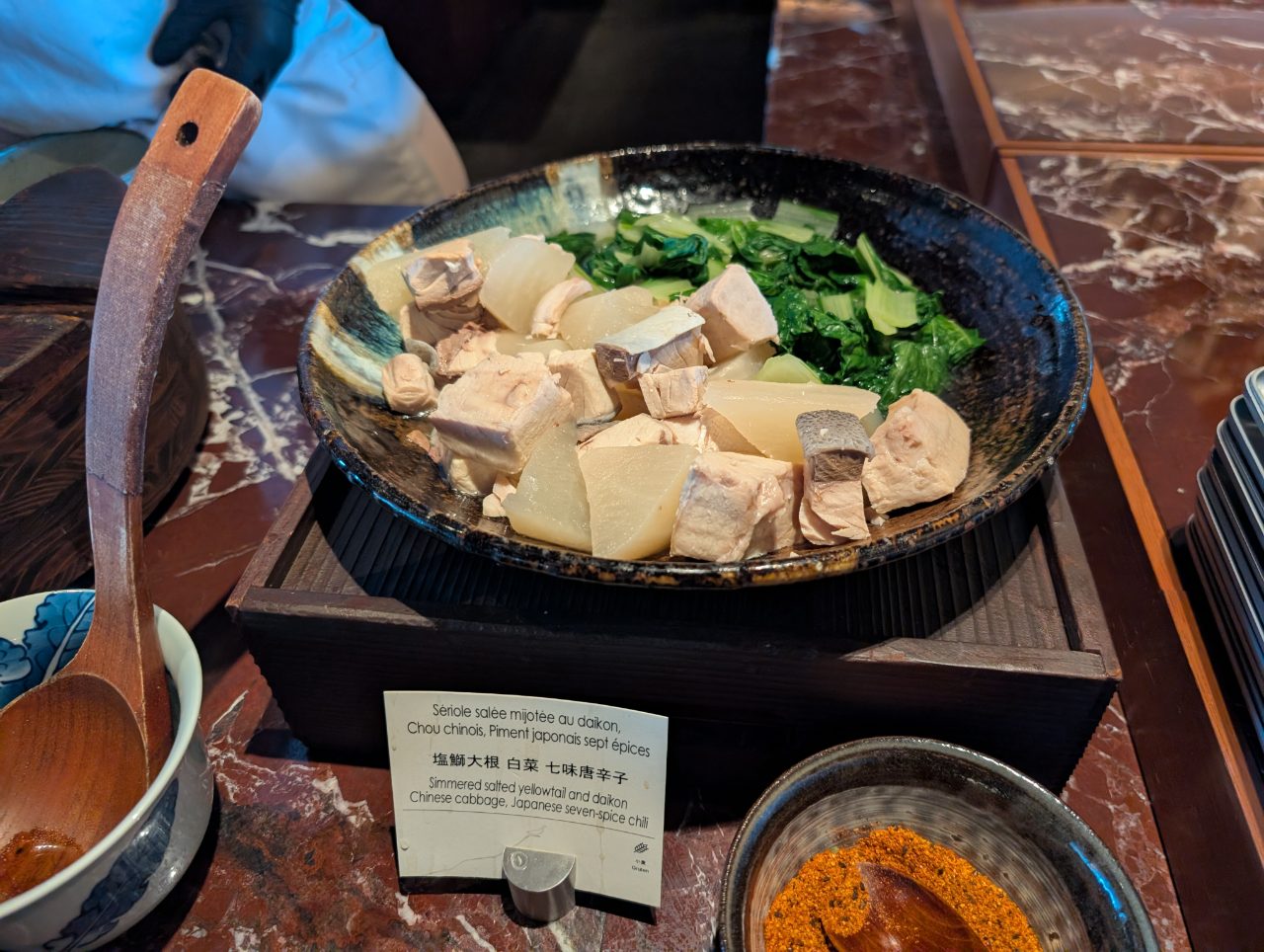
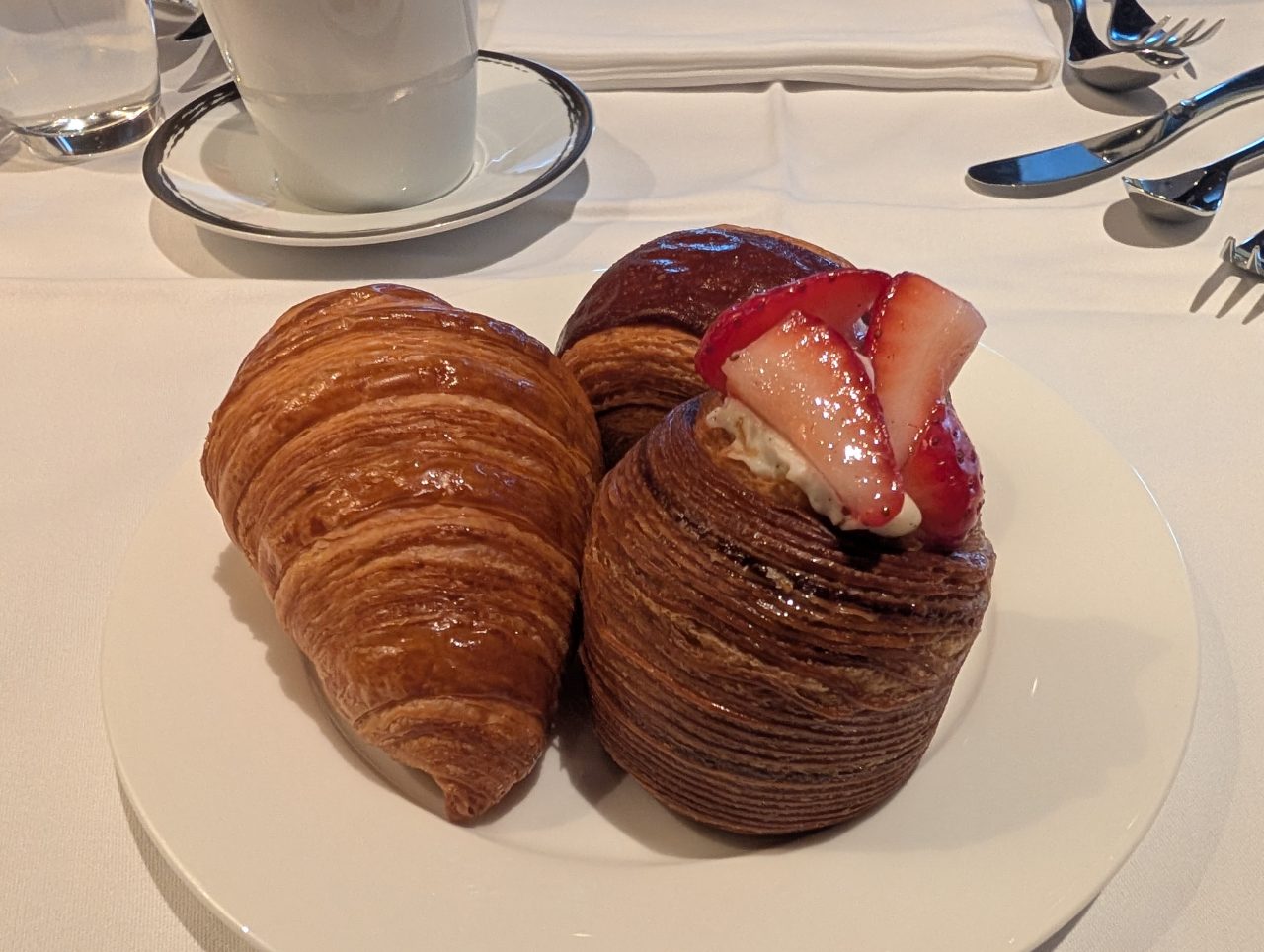
All the breads and pastries were made in-house, and they were seriously impressive.
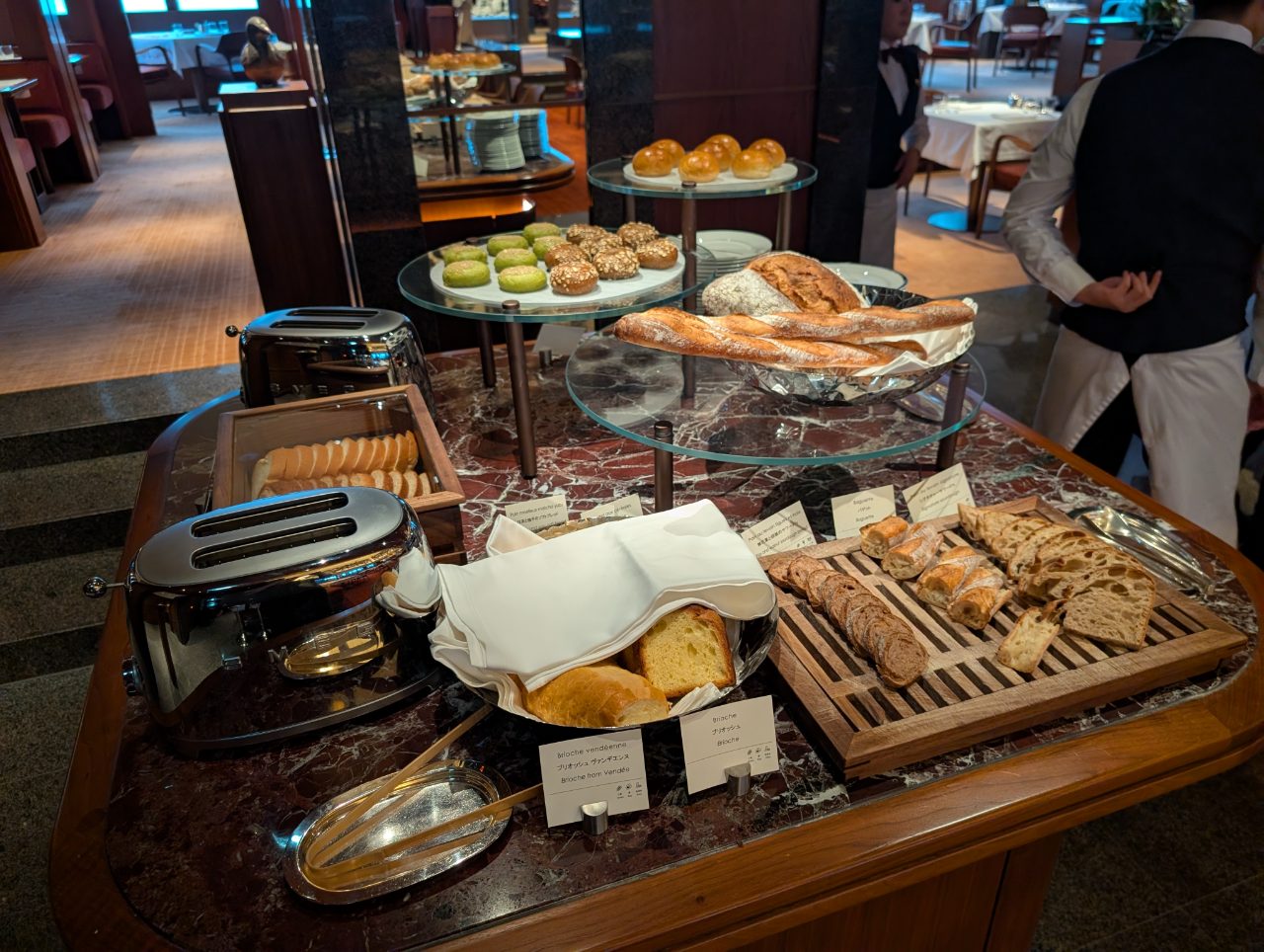
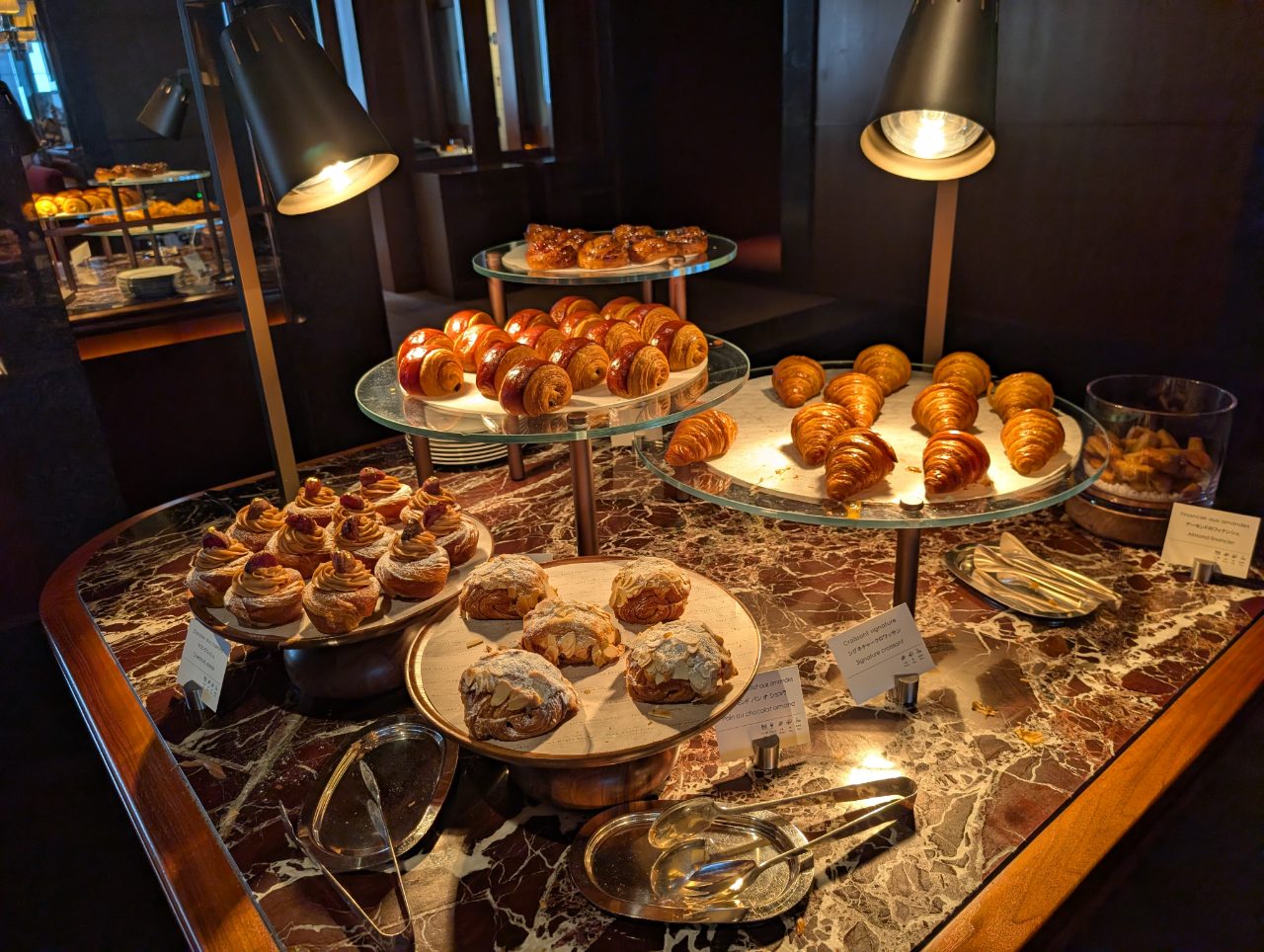
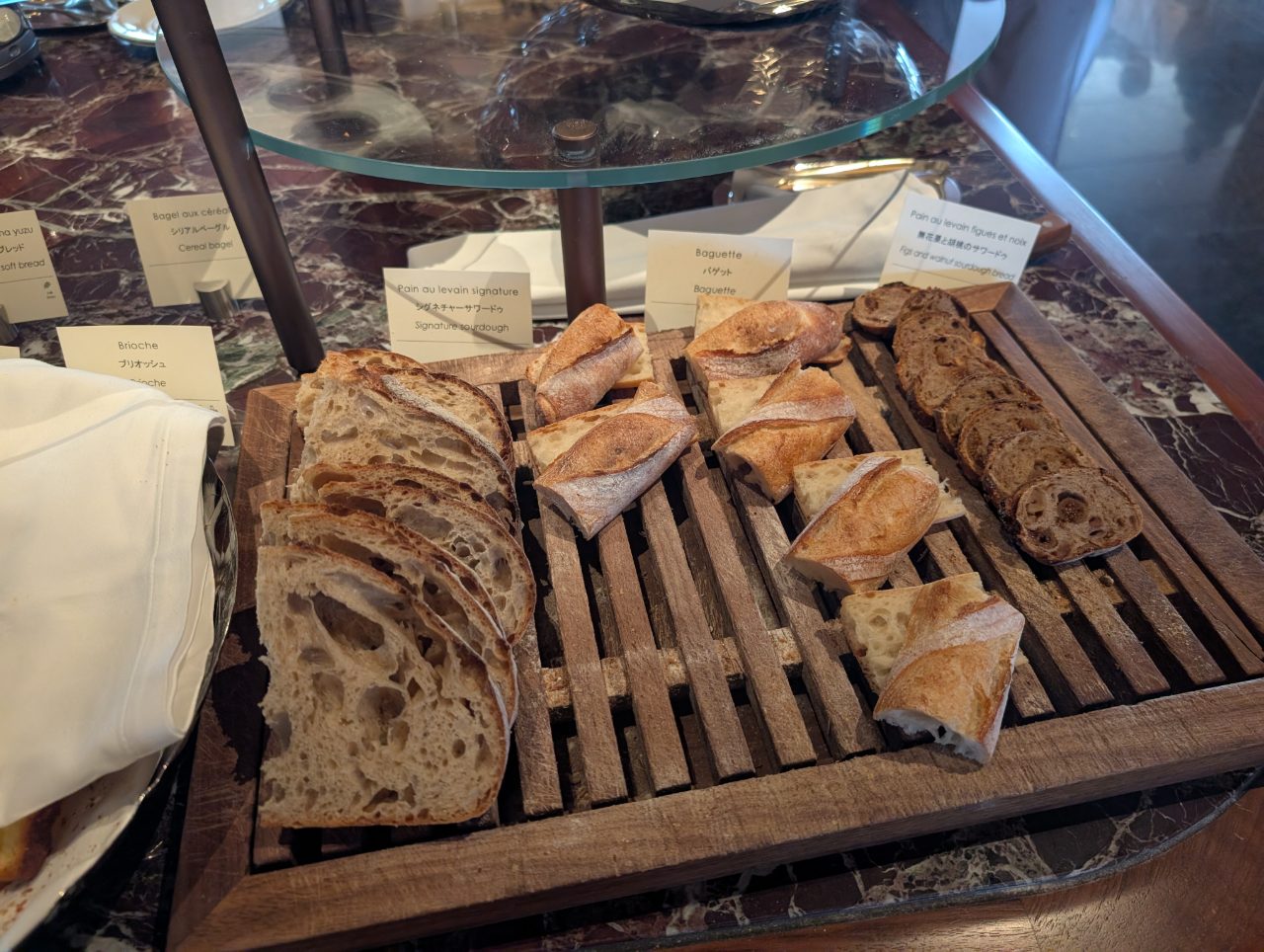
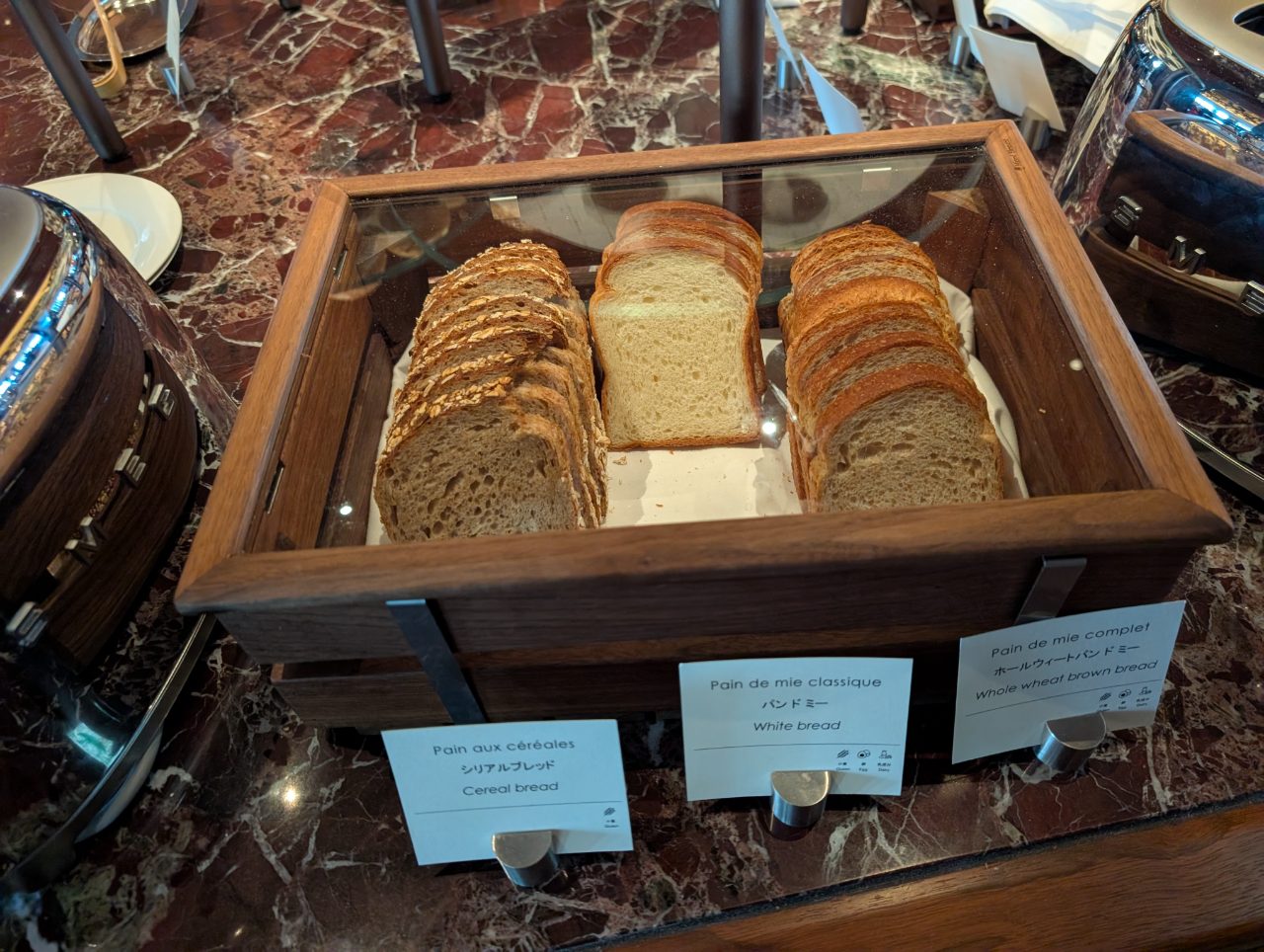
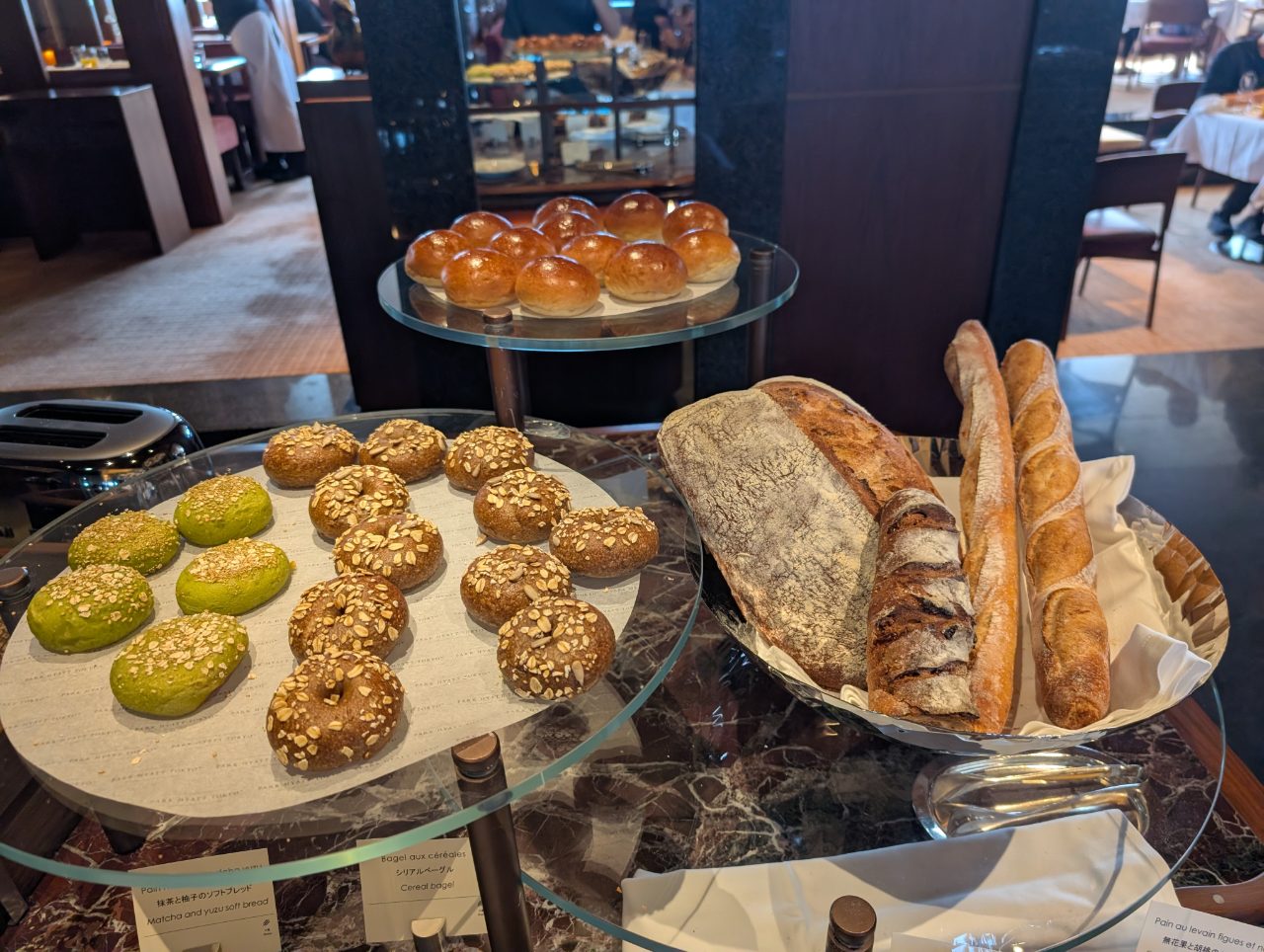
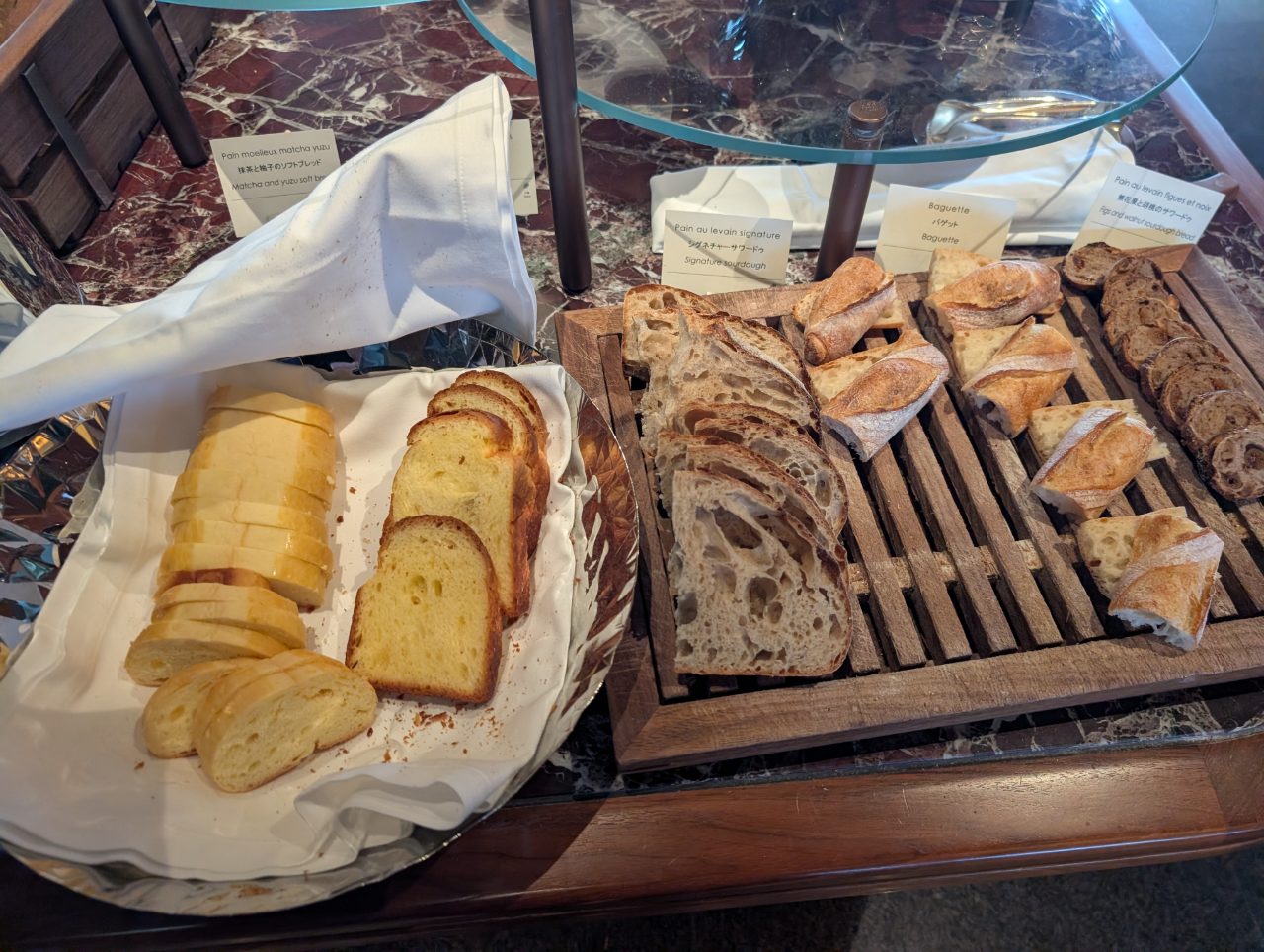
I cannot say enough good things about the baked goods here, and the strawberry cruffin (a croissant-muffin hybrid) is a must-try. The cream they fill it with is instantly addictive, and I still dream about it. To top things off, the chef also comes around with freshly-baked Madeleines!
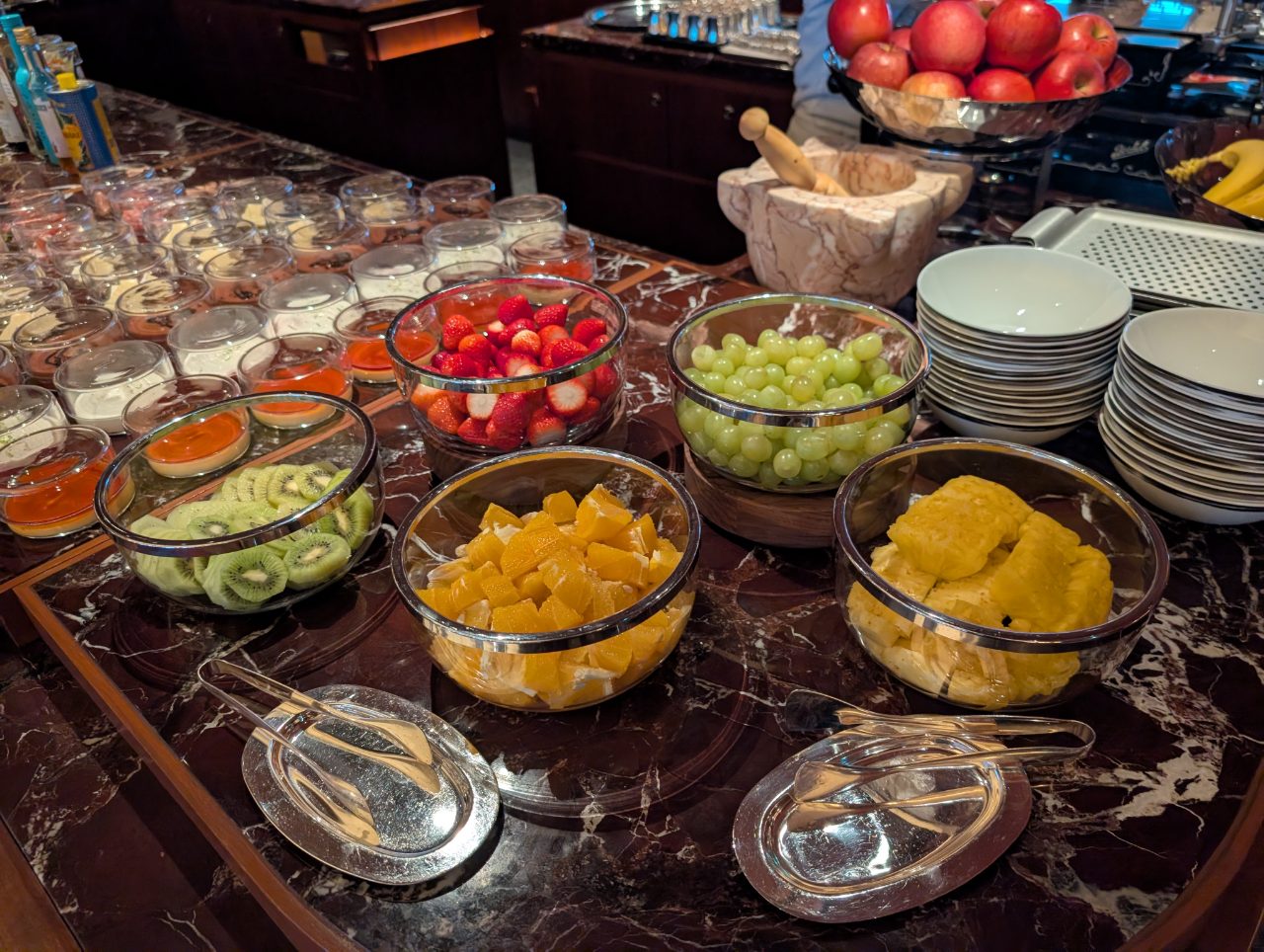
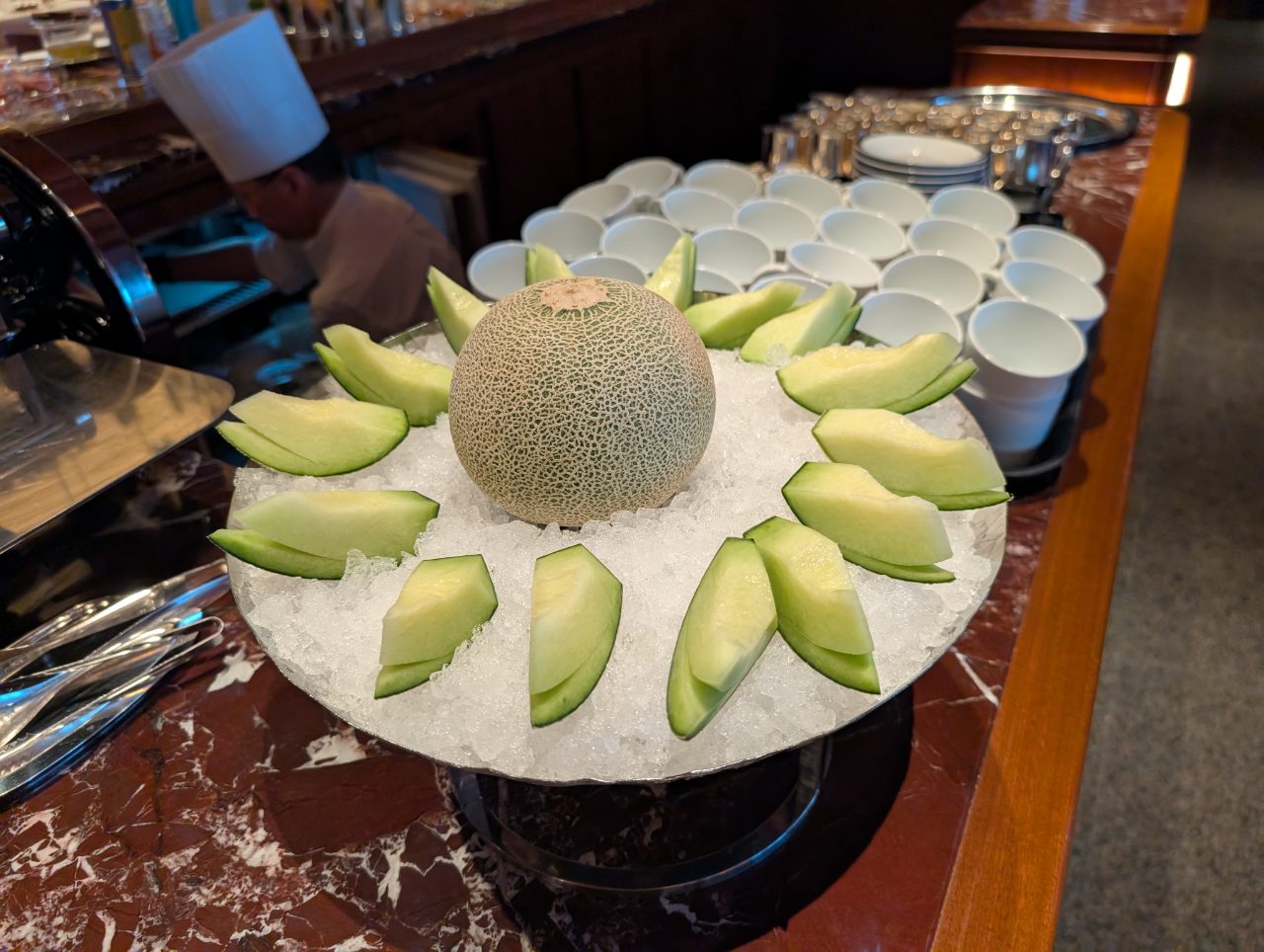
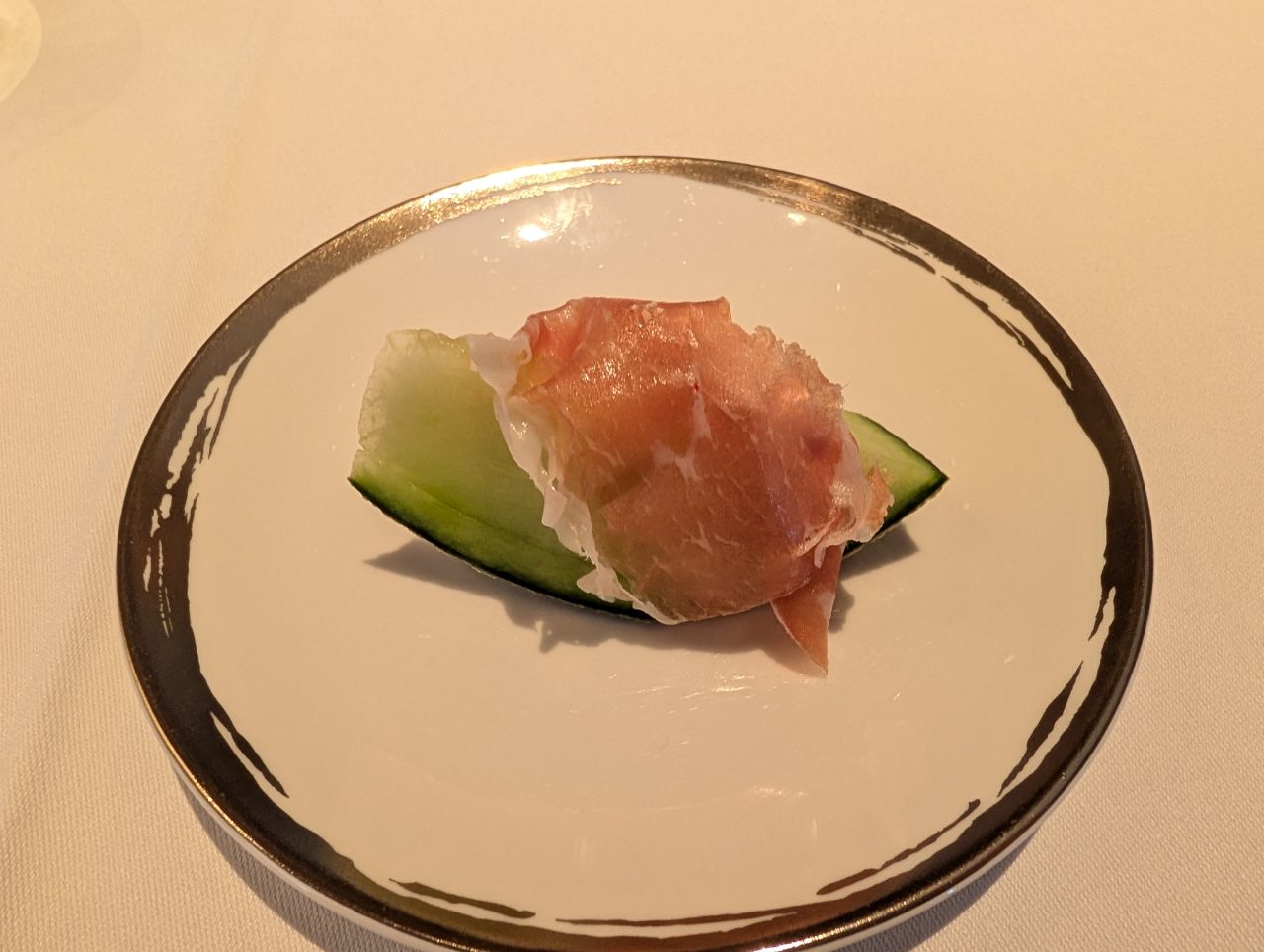
Speaking of fruits, I also loved the muskmelon that they’d top with a piece of freshly sliced Parma ham. You can, of course, just have the melon by itself.
I have a sneaking suspicion that old-timers will say it used to be better, but to me, this was still one of the best hotel breakfasts I’ve ever had. If I had to criticise something, it’s that the selection didn’t rotate at all during the three days we were there, and could get a bit monotonous for those on longer stays.
Park Hyatt Tokyo: Other Dining Options
We didn’t eat at any of the hotel’s restaurants outside of breakfast, but I did drop by New York Bar to try out their cocktails.
Verdict: Atmospheric, and worth doing if you’re a fan of Lost in Translation, but I found the cocktails extremely average (and at JPY 2,640 a pop, not cheap). The wait staff weren’t very good with recommendations either, when asked, they simply read back the ingredients of each cocktail to me.
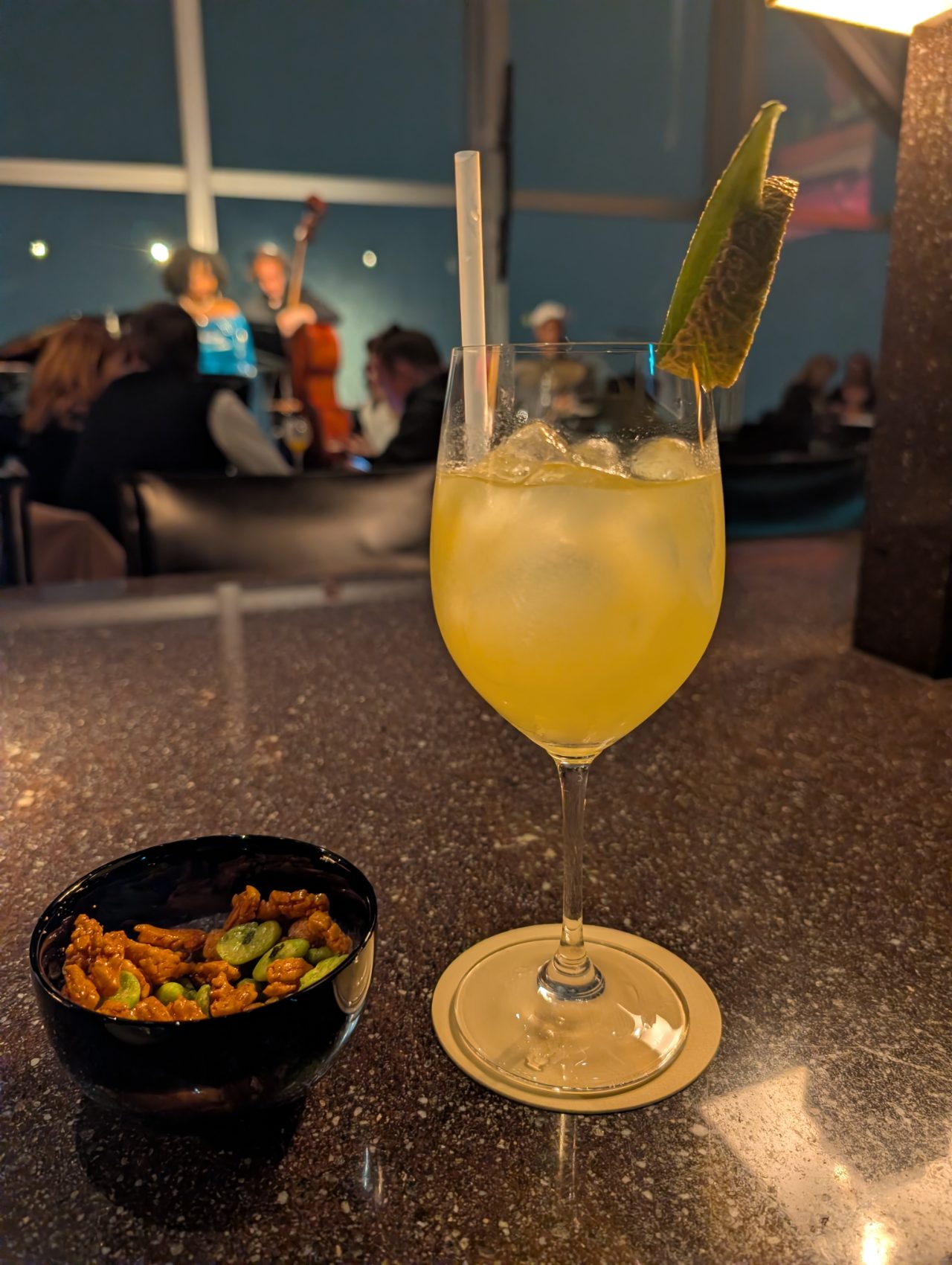
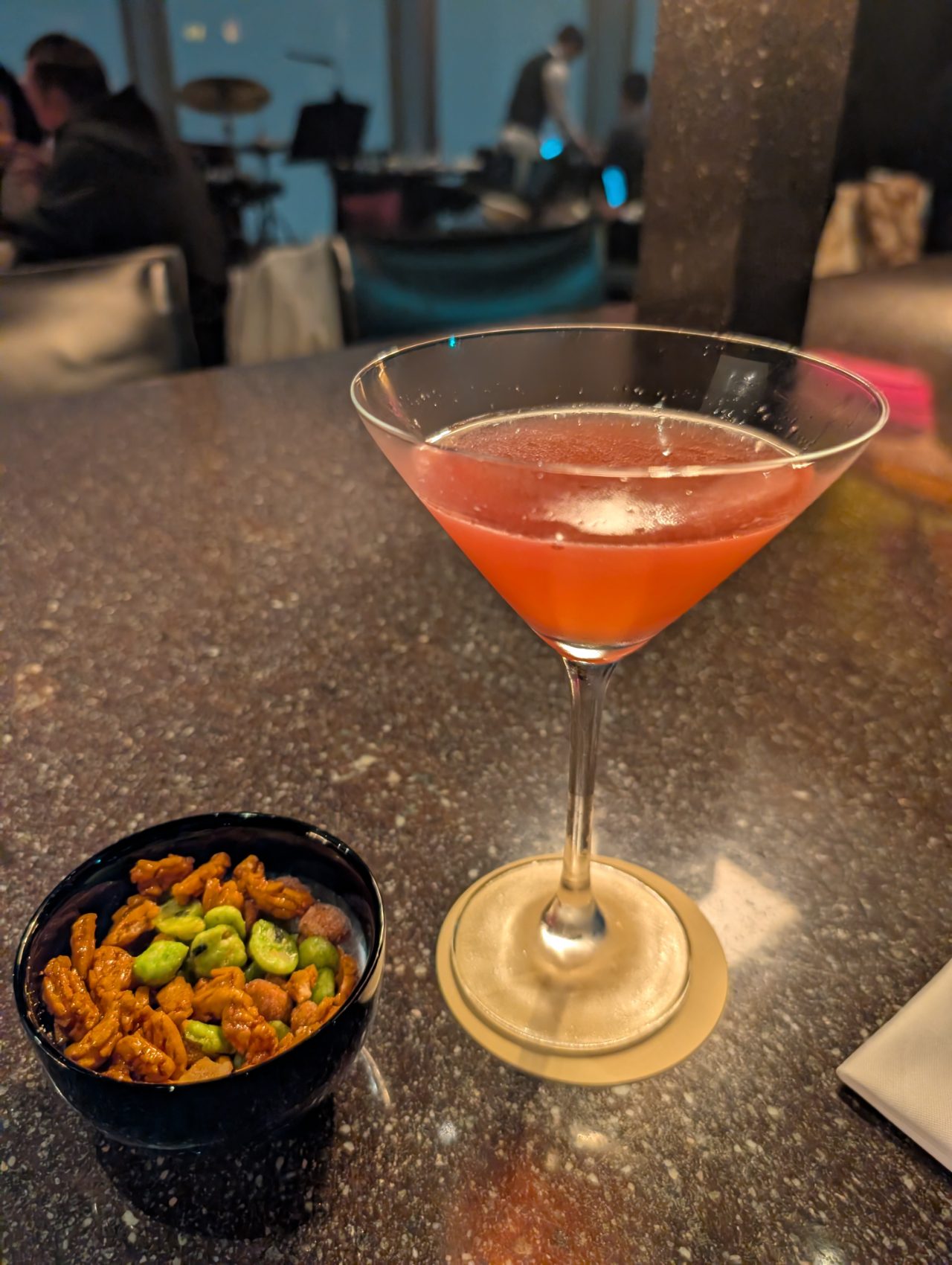
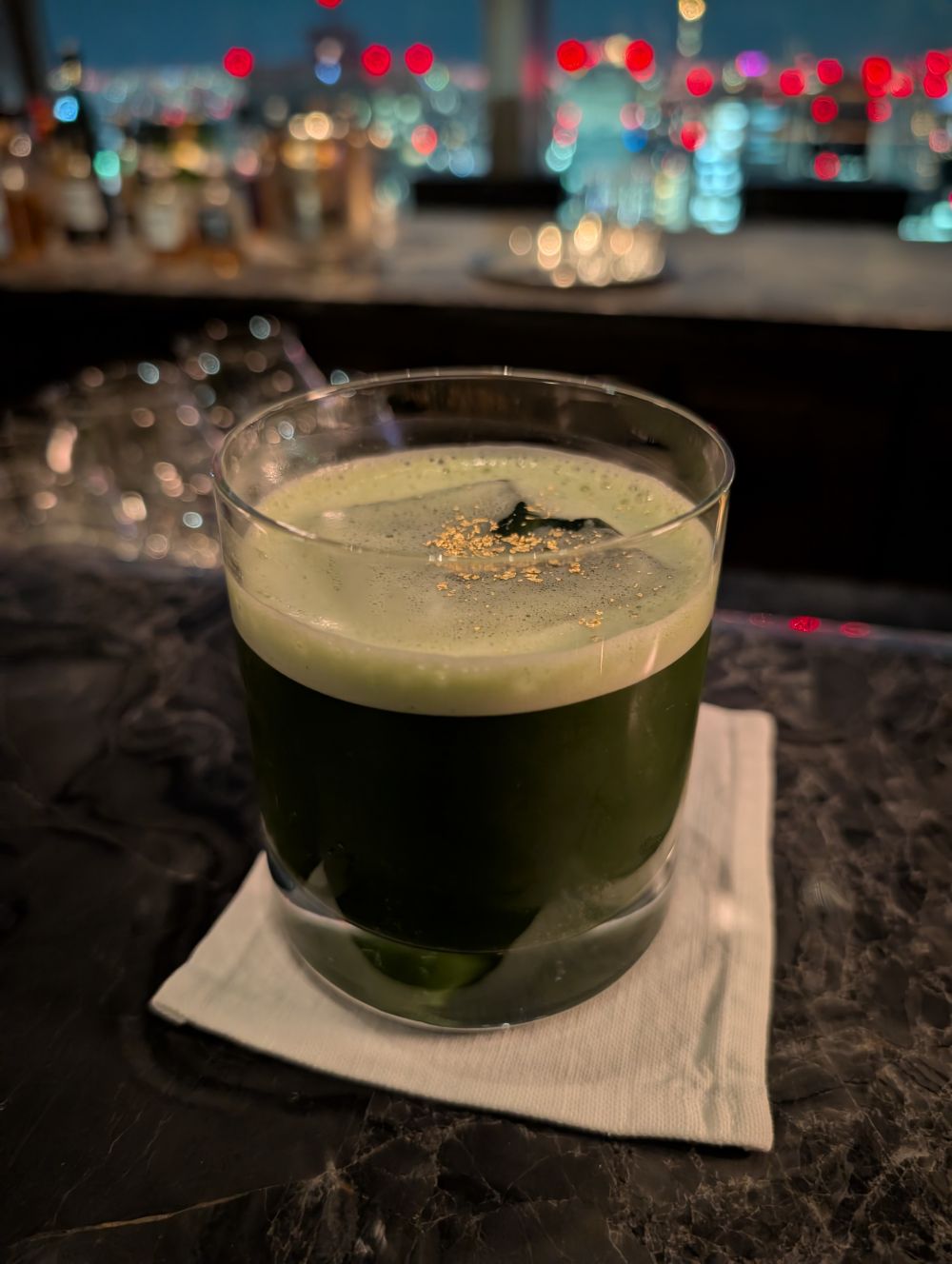
Still, it was better than the awful matcha-based cocktail I had in the Lobby Lounge, which was so bitter to the point it was undrinkable.
At the concierge’s recommendation, I took the train to Shibuya and managed to get a walk-in seat at The SG Club, where I had some of the best cocktails of my life — at a much lower price at around 1,800 to 1,900 JPY!
Park Hyatt Tokyo: Service
The service at the Park Hyatt Tokyo ranged from excellent to forgettable.
Highlights included the lovely concierge, who found us kid-friendly places and that lovely SG Club (though I did wince when I asked for teppanyaki recommendations and he warned me that teppanyaki in Japan wasn’t like Benihana — the poor man had probably received one too many complaints). The shuttle bus drivers were courteous to a fault, and always eager to help with bags or strollers.
Otherwise, most of the interactions were largely forgettable. It’s not that the staff were rude or anything, but service interactions seemed rather cold and mechanical, rather than warm and personable. That said, I think it’s somewhat inevitable that in a place like Japan, the language barrier means that staff might lack the confidence to proactively interact with guests, or to take the initiative with problem solving.
Finally, given that it’s a small property with just 171 rooms, it would have been nice if the staff made small gestures like addressing guests by name, remembering room numbers (so you don’t have to keep repeating yourself every time you go to the spa or pool), or dining preferences (especially for guests on multi-night stays). This doesn’t require a photographic memory- it could simply be jotted down on the computer, for whoever’s serving you to refer to.
Conclusion
How you view the Park Hyatt Tokyo’s renovations is almost a Rorschach test for where you stand on tradition versus modernity. Is this a respectful update that honours its heritage, or a missed opportunity to reinvent an icon?
At a basic level, the makeover gets plenty right. Few will miss the tired furniture or yellowing bathroom fixtures, and the modernised rooms now offer the hygiene factors that today’s guests expect, like USB-C ports, wireless charging pads and seamless phone casting.
At the same time, however, there’s a lingering sense that the designers were so wary of ruining a pop culture artifact that they tied their own hands, imposing restraint where a bolder vision might have been called for (most notably the swimming pool, which was practically unmolested). The hotel promised at the outset that the philosophy underpinning the renovation would be “restored, not transformed”, and in that sense, no one can accuse them of not keeping their word.
To put it another way: if you came here hoping to cosplay your favourite scenes from Lost in Translation, you’ll be pleased to know that the hotel isn’t all that different from its portrayal in the 2003 film. On the other hand, if you were expecting something in line with the sleeker, more contemporary Park Hyatts elsewhere in the world, you’ll be sorely disappointed.
Ultimately, there was a lot I liked about my stay. The standout breakfast, extensive wellness facilities, and million-dollar views were worth the price of admission alone. Moreover, I’m glad to have checked this hotel off my bucket list, especially since I’d probably never be able to do so once the price goes to 75,000 points per night.
But a return visit? As Charlotte says, “Let’s never come here again, because it will never be as much fun.”


