There’s a fight now in Europe over carry-on bags and whether airlines should be able to charge exra for a standard sized bag that goes in the overhead bin. The European Union has been in the process of declaring carry-on bags a human right for several years. This is getting much closer to resolution.
The European Parliament adopted a position in late January that passengers should receive:
- one free personal item
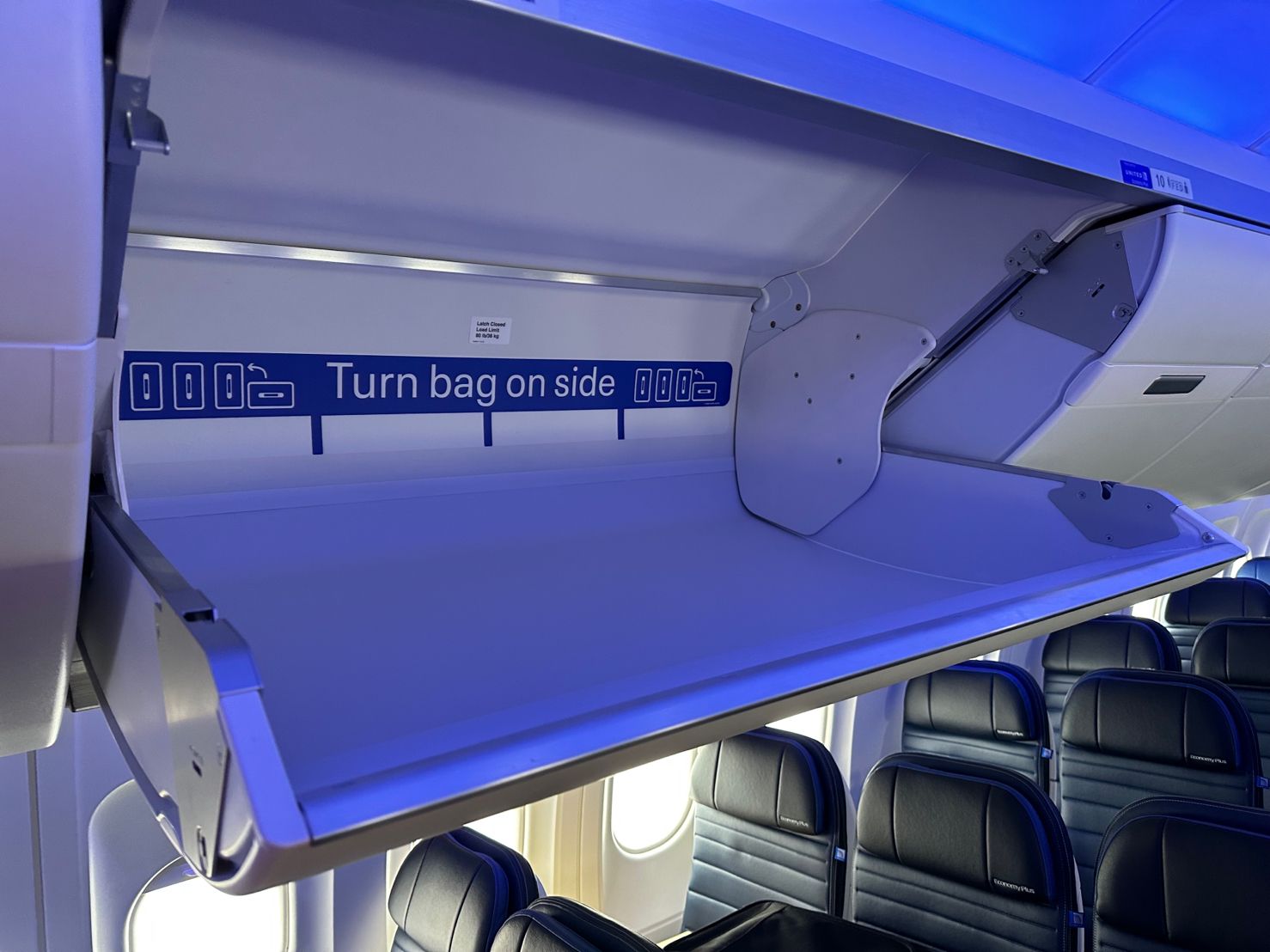
- one free carry-on up to 100 cm total and 7 kg
- Airlines could still charge for larger or additional cabin bags.
The European Council, though, had adopted a narrower position:
- a free personal item up to 40×30×15 cm or something that fits under the seat
- airlines can charge for larger bags
- the right of airlines to gate check bags
This is a split similar to House versus Senate in the U.S. Either way, this would apply at a minimum to all flights to the EU on European airlines, and all flights departing the EU (including, for instance, on U.S. airlines). The European Parliament would extend this to all flights, even on U.S. airlines, flying to the E.U.
European Member States would have to set sanctions that are effective, proportionate and dissuasive, with national enforcement bodies responsible for adjudication.
This has been a live issue for 13 years. It’s been in play since 2013. The European Council reached a political agreement on 5 June 2025. Parliament adopted its second-reading position on January 21, 2026. The European Council failed to approve Parliament’s amendments on March 24, 2026, with every delegation except Portugal agreeing not to approve Parliament’s amendments. A Conciliation Committee meeting begins on Monday, April 20.
- If conciliation fails, the proposal falls.
- If a final text is agreed on the current Council timetable, it would apply 2 years after entry into force
Supporters say the European Court of Justice already held in the Vueling case that hand baggage is, in principle, a necessary aspect of airline passenger transportation and cannot be surcharged if it meets reasonable size, weight, and security requirements. So Parliament wouldn’ tbe inventing a new right – the Court already did that.
And since baggage rules vary by airline, they’re confusing to consumers who don’t know what to expect. Standardizing the free minimum would make fares easier to compare and improve competition. (Odd, since airlines could no longer compete over the product they’re offering – it reduces competition only to price, and standardizes at higher price offerings.)
This matches what customers want though – they always want more without paying more – 90% of European consumers think hand luggage should be included, and 92% want standardized rules, because they’re European. None of which makes this good policy.
- Forcing a bundled product raises the base fare and makes price-sensitive leisure travelers who fly light subsidize everyone else. It precludes airlines from segmenting customers, which means everyone pays more.
- One standard rule for hand luggage doesn’t make sense when different airlines operate different fleets with different overhead bin capacity.
- The proposed 100 cm total dimension cap is smaller than paid carry-on bags today, so this may not guarantee a full rollaboard. And it could standardize what passengers can bring even on higher fares to a more limited size than what they bring on today. That’s not a win for passengers.
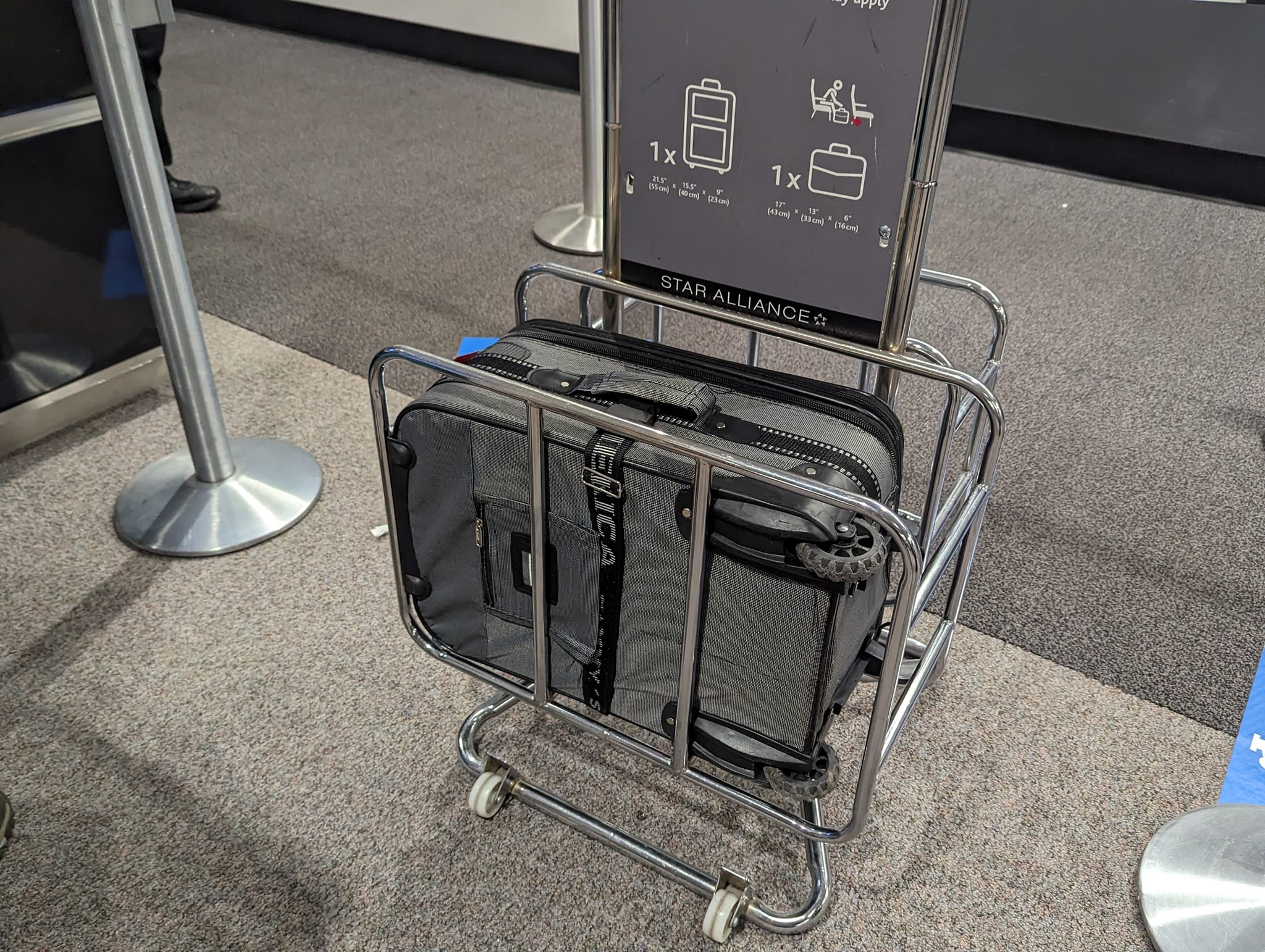
What this rule would do is ban the pricing model of the low fare airlines. The carriers and fares most out of conformance today are Ryanair, Wizz Air, Vueling, Transavia, and Volotea.
Other carriers have specific fare options that don’t include full-sized carry-ons, like Air France Basic, KLM Basic, Finnair Superlight, and British Airways “Hand Baggage Only” (Economy Basic).
The carry-on rule is wraped up in debates over over delay compensation changes. Parliament wants to keep the current 3-hour trigger for EU261 compensation, while the European Council is looking to water down protections to 4 hours for shorter intra-EU journeys, and 6 hours for longer ones.


