MONTREAL- Air Canada (AC) will suspend all flights to New York John F. Kennedy International Airport (JFK) for nearly five months starting June 1, as the ongoing conflict in Iran sends jet fuel prices soaring.
The Montreal-based carrier confirmed that services from Toronto Pearson International Airport (YYZ) and Montreal-Trudeau International Airport (YUL) to JFK will remain grounded until October 25.
Air Canada (AC) will continue operating 34 daily flights to LaGuardia Airport (LGA) and Newark Liberty International Airport (EWR) from six Canadian cities.
The airline stated it will contact affected passengers with alternate travel options across the New York metropolitan area.
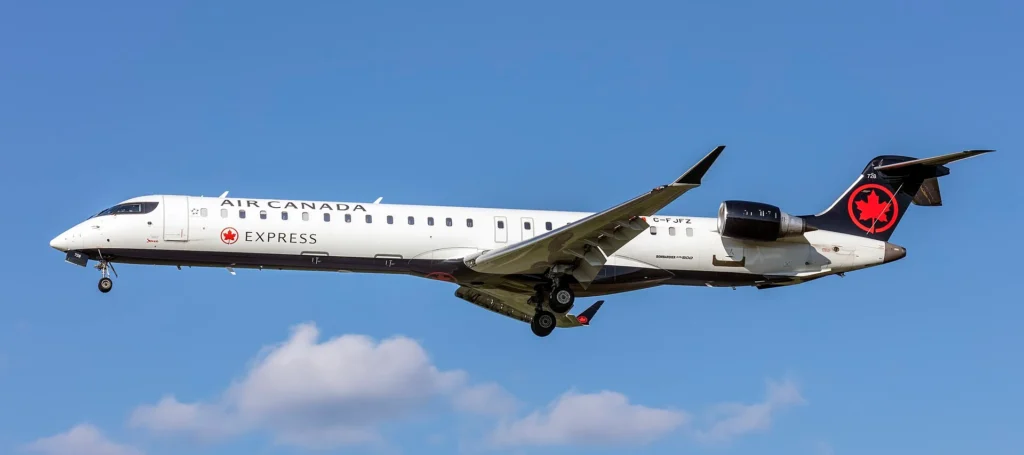
Air Canada to Ground JFK Operations
Air Canada’s decision to pull out of JFK reflects the severe financial pressure airlines face as jet fuel costs double in a matter of weeks.
A spokesman for the carrier confirmed that lower-profitability routes are no longer economically viable under current fuel pricing conditions.
According to data from Argus Media, the average price of jet fuel reached $4.32 per gallon on Thursday. This marks a sharp increase from $2.50 per gallon recorded the day before the Iran conflict began.
The near-doubling of fuel costs has forced carriers worldwide to reassess their route networks and operating margins.
Air Canada (AC) is not alone in making these adjustments. The suspension signals a broader industry trend where airlines are prioritizing high-demand, profitable routes while cutting services on competitive or lower-yield sectors like JFK, which is already served by numerous domestic and international carriers.

Global Airlines Respond to Rising Fuel Expenses
The ripple effects of surging fuel prices extend well beyond Air Canada. Delta Air Lines (DL) disclosed earlier this month that higher fuel costs would add approximately $2 billion to its second-quarter operating expenses.
JetBlue Airways (B6) and United Airlines (UA) have introduced increased baggage fees to offset the financial burden of skyrocketing fuel prices.
European carriers face similar challenges. Lufthansa (LH) and KLM Royal Dutch Airlines (KL) have scaled back services on routes that are no longer profitable under current fuel economics. These reductions highlight the global nature of the crisis, with airlines on both sides of the Atlantic forced into difficult scheduling decisions.
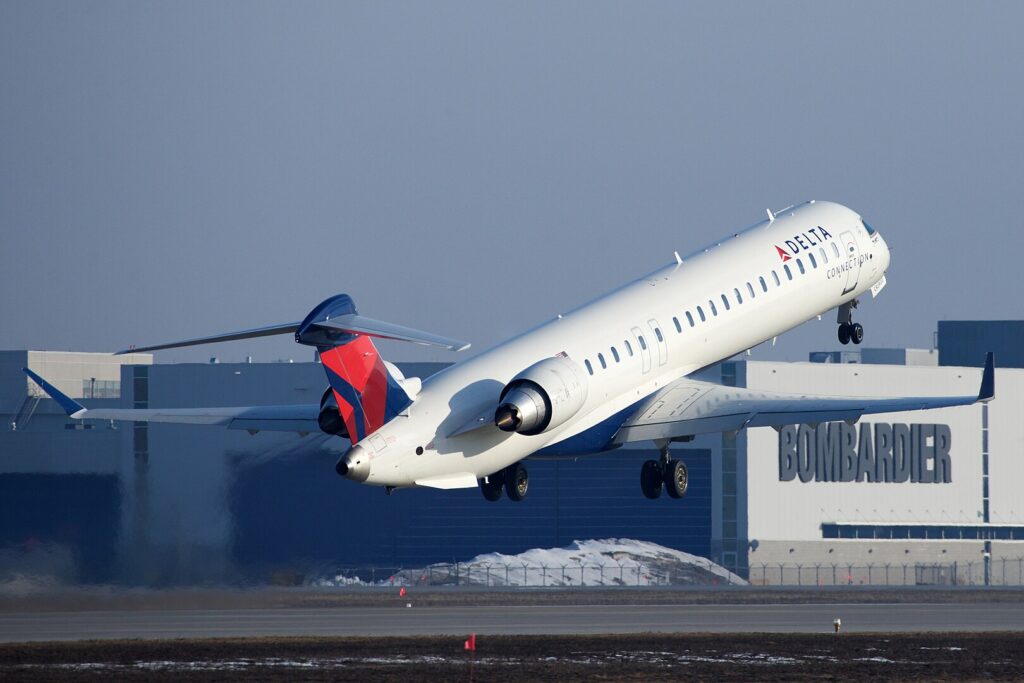
Energy Supply Concerns
The fuel price surge is part of a larger energy supply disruption linked to tensions in the Persian Gulf.
International Energy Agency (IEA) Director Fatih Birol warned in an exclusive interview with the Associated Press that Europe has roughly six weeks of remaining jet fuel supplies. Birol described the situation as the “largest energy crisis” facing the global economy.
Oil prices dropped more than 10% on Friday after Iran announced that the Strait of Hormuz is open again for commercial tankers.
This corridor is critical for oil shipments from the Persian Gulf to global markets. However, the temporary price relief has not yet translated into lower jet fuel costs for airlines, and the long-term supply outlook remains uncertain.

What JFK Route Suspension Means for Travelers
Passengers holding Air Canada bookings on the Toronto-JFK and Montreal-JFK routes between June 1 and October 25 should expect direct communication from the airline regarding rebooking options.
Air Canada’s continued service to LaGuardia (LGA) and Newark (EWR) ensures that travelers still have access to the New York metropolitan area through the carrier’s network.
The suspension is a temporary schedule adjustment rather than a permanent route cancellation. Air Canada has set October 25 as the planned resumption date, though this timeline could shift depending on fuel market conditions and geopolitical developments in the months ahead.
Stay tuned with us. Further, follow us on social media for the latest updates.
Join us on Telegram Group for the Latest Aviation Updates. Subsequently, follow us on Google News


