IATA has joined a growing chorus of voices warning that European flights could start to be cancelled in the coming weeks due to a jet fuel shortage as a result of the Iran War.
Last week, concerns about jet fuel shortages in Europe hit the headlines when the head of the International Energy Agency (IEA) told the Associated Press that Europe had only six weeks of jet fuel supplies before shortages would start to result in flight cancellations.
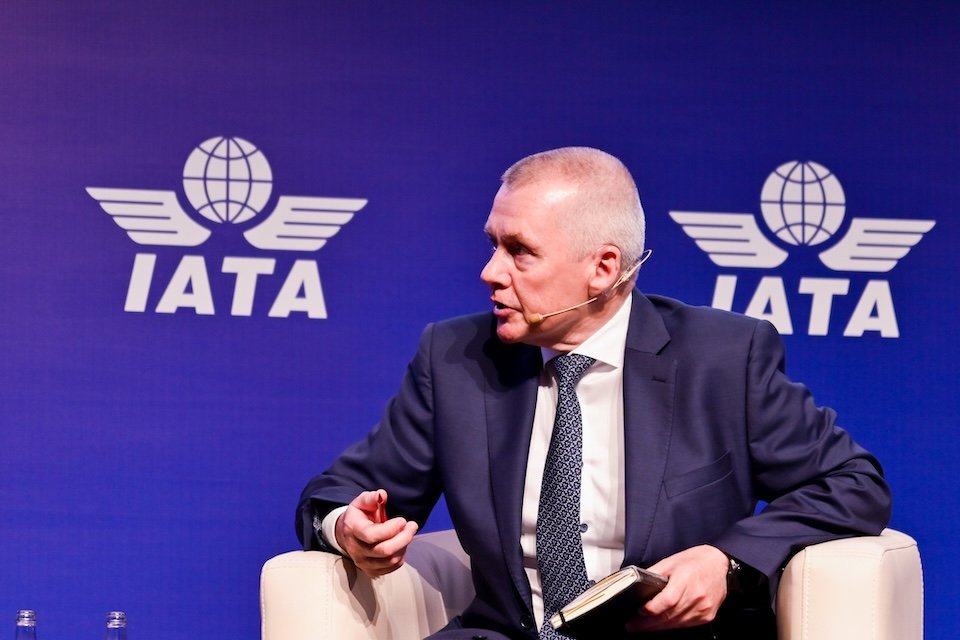
Following the reports, IATA director general Willie Walsh said the association also foresaw shortages in the coming weeks.
“The IEA’s assessment of potential jet fuel shortages is sobering,” said Walsh. “We have also estimated that by the end of May we could start to see some cancellations in Europe for lack of jet fuel.
“This is already happening in parts of Asia. Along with doing everything possible to secure alternative supply lines, it’s important that authorities have well-communicated and well-coordinated plans in place in case rationing becomes necessary, including for slot relief.”
The shortages are being caused by the closure of the Strait of Hormuz as a result of the Iran War. Around 20% of oil passes through the strait.
Last week, airline group Airlines for Europe (A4E) called on the European Union (EU) to implement a series of temporary measures to help carriers manage the impact of the Middle East conflict.
A4E, which has 16 airline members representing 80% of European air traffic, has called on the EU to implement monitoring of jet fuel availability and the provision of legal clarity on existing legislation.
Meanwhile, airport association Airports Council International (ACI) Europe had written to the EU to warn that airports could start running out of jet fuel in the coming three weeks unless the Strait of Hormuz opens soon.
ACI called for the creation of an EU monitoring platform to help coordinate the response and map availability.
The organisation would also like to see imports from alternative locations and joint procurement across member states.
Dutch carrier KLM has already started adjusting its flight schedules as rising fuel prices had made certain flights “no longer financially viable to operate”.
However, it added that “there is no kerosene shortage”.
Meanwhile, Lufthansa sped up the retirement of aircraft operated by its CityLine subsidiary in view of increased kerosene prices, which it said had more than doubled compared to the period before the Iran war.
As a result, Lufthansa Cargo’s A321 freighters that had been operated by CityLine have temporarily been grounded.


