SEATTLE- Boeing remains on track to certify the 737 Max 10 and 737 Max 7 this year, with initial deliveries of both narrowbody variants expected in 2027.
The airframer delivered 143 commercial aircraft in Q1 2026, up from 130 in the same period last year, with the 737 Max family accounting for 114 units. Key customers, including Delta Air Lines (DL), Aviation Capital Group, and Air India (AI), placed significant orders during the quarter.
Boeing also reaffirmed its timeline for first deliveries of the 777-9 widebody in 2027, with Lufthansa (LH) at Frankfurt Airport (FRA) expected to serve as the launch operator. The company reported commercial aircraft revenue of $9.2 billion for the quarter, a 13% year-over-year increase.
Boeing posted an adjusted loss per share of $0.20, significantly better than the $0.68 loss analysts had projected, sending BA shares up roughly 4% in pre-market trading.
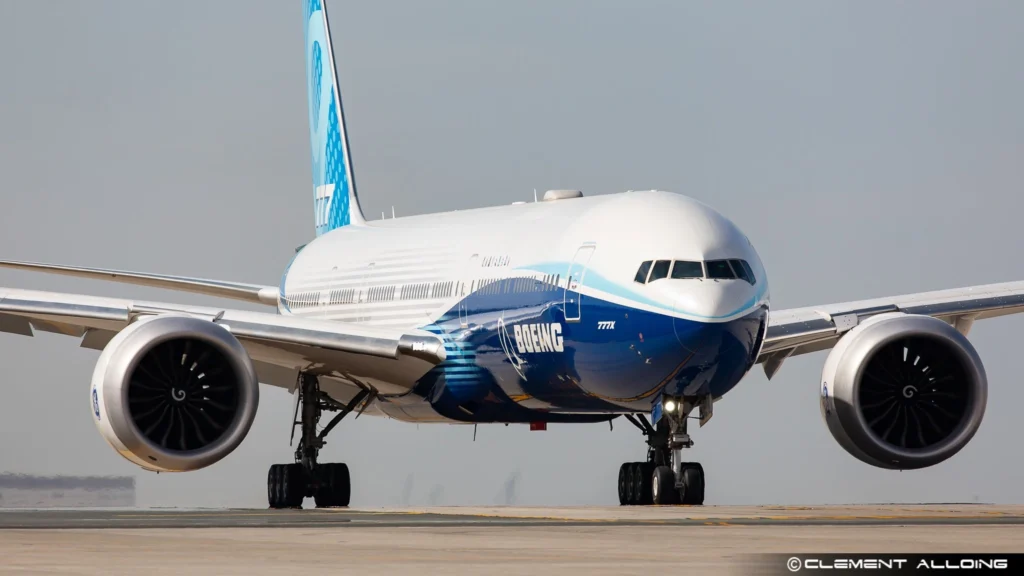
Boeing Targets 777-9 Deliveries in 2027
Boeing secured FAA approval during Q1 to begin Type Inspection Authorization Phase 2 for the 737 Max 10, marking the final stage of its certification process, Flight Global reported.
Ryanair (FR) CEO Michael O’Leary stated in March 2026 that Boeing expects Max 10 certification in the third quarter of this year. FAA Administrator Bryan Bedford confirmed that regulators have not identified issues that would delay certification of the Max 7 or Max 10 beyond 2026.
On the widebody front, Boeing obtained FAA clearance for Phase 4A of the Type Inspection Authorization process for the 777-9 during the quarter.
This represents the fourth stage in a five-phase certification framework. Boeing currently conducts multiple certification phases in parallel using separate test aircraft, though only four of the more than two dozen 777-9 airframes built are actively used for testing.
Southwest Airlines (WN) has indicated it expects the smaller Max 7 to receive certification by August 2026, with Southwest serving as the launch operator.
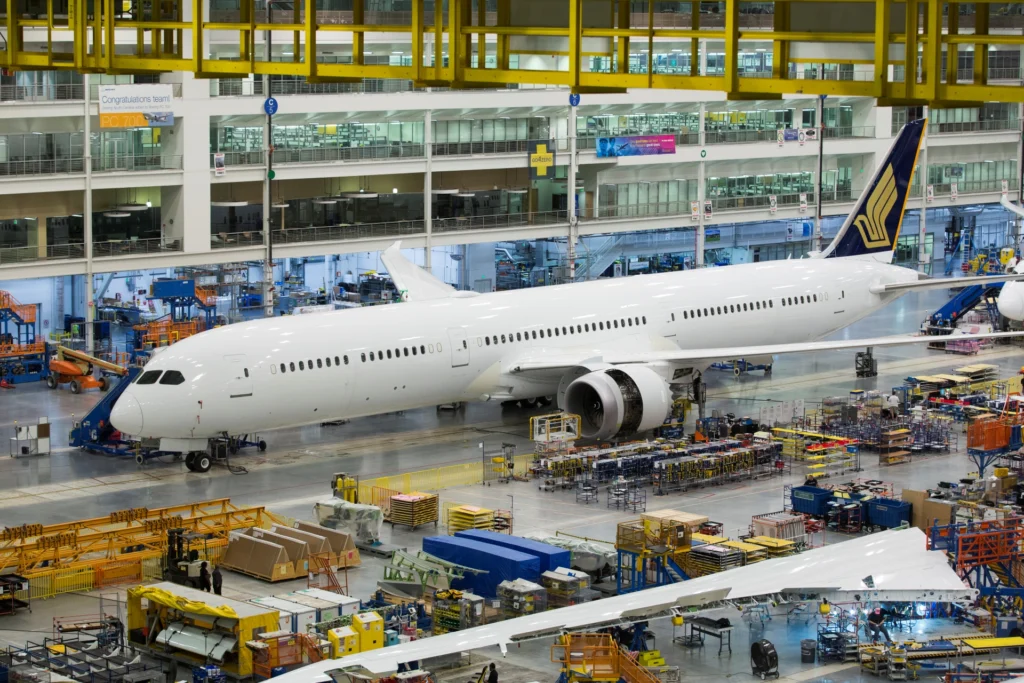
Q1 2026 Delivery and Financial Performance
Boeing delivered aircraft across all four commercial programs in Q1 2026. The 737 family led with 114 units, followed by 15 Boeing 787 Dreamliners, eight 777s, and six 767 freighters.
This marked the company’s highest first-quarter delivery total since 2019 and allowed Boeing to surpass Airbus in quarterly deliveries for the first time since approximately Q1 2019.
Commercial aircraft revenue rose 13% year-over-year to $9.2 billion, driven by the higher delivery volume. The division’s operating loss narrowed slightly to $563 million, reflecting a margin of negative 6.1%.
Total company revenue reached $22.2 billion, a 14% increase from the prior year. CEO Kelly Ortberg stated that the company maintains its focus on safety and quality while increasing production to uphold customer commitments.
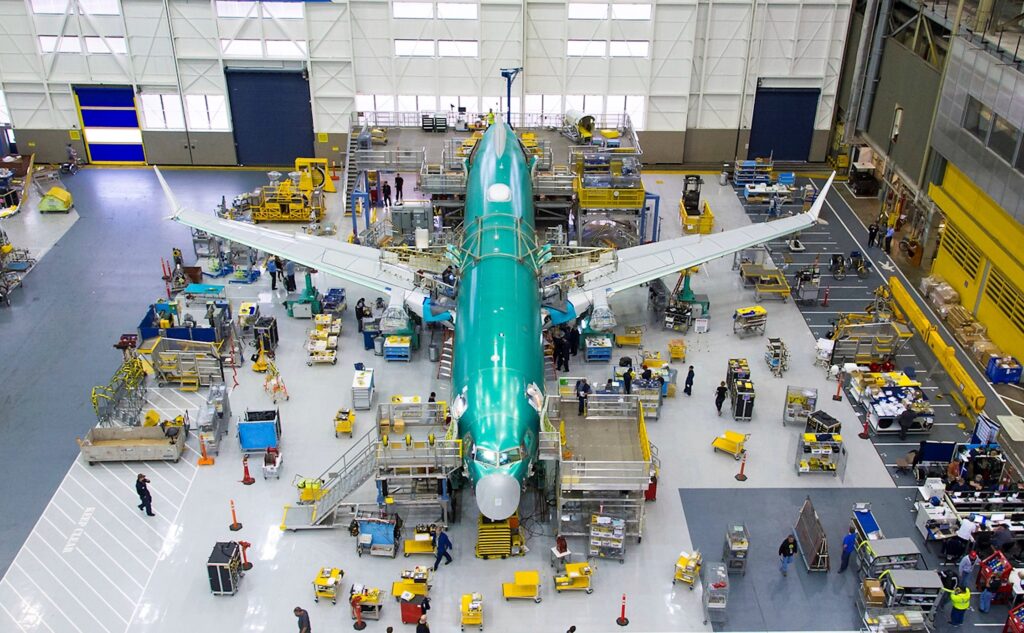
Production Rates and Backlog
Boeing holds the 737 production rate at 38 aircraft per month as of late March 2026, with plans to increase output at five-per-month intervals.
A fourth 737 assembly line at the Renton, Washington, facility is expected to open this summer, potentially pushing combined narrowbody output toward 53 aircraft per month by year-end. The 787 Dreamliner production rate stands at eight per month.
During Q1, the FAA also approved a higher maximum take-off weight for the 787-9 and 787-10 variants, expanding the operational flexibility of these widebody aircraft for operators worldwide.
Boeing took net orders for 140 commercial aircraft in the quarter, including 30 787-10s for Delta Air Lines (DL), 25 737 Max 10s and 25 Max 8s for lessor Aviation Capital Group, and 20 Max 8s for Air India (AI). The company’s commercial backlog now exceeds 6,100 jets valued at $576 billion.
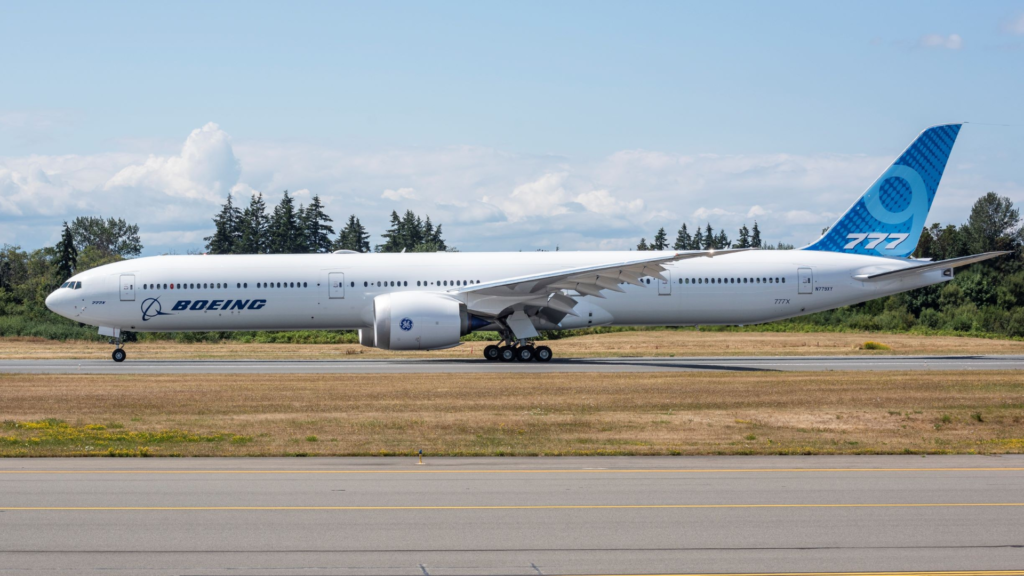
Airlines Adjust Fleet Plans Around New Deliveries
The prolonged delay of the 777-9 program has forced airlines to extend the service life of older widebody fleets. Lufthansa (LH) reactivated Airbus A340s, Boeing 747-400s, and Airbus A380s to meet rising travel demand while awaiting 777-9 deliveries.
The airline plans to retire its 747-400 fleet by the end of the decade. Emirates (EK), the largest 777X customer with orders for 270 aircraft, launched a large-scale retrofit program across its Boeing 777 and Airbus A380 fleets to manage capacity during the wait.
For the 737 Max 10, WestJet (WS) serves as the designated launch customer but expects the aircraft to enter service in late 2026 or early 2027. United Airlines (UA) disclosed that it expects its first Max 10 delivery in 2027 or later.
Alaska Airlines (AS) similarly adjusted its Max 10 delivery expectations to late 2026 or early 2027. The Max 10 has accumulated approximately 1,290 orders from airlines worldwide, with United Airlines holding the largest commitment at 277 aircraft.
GE9X Engine Fix
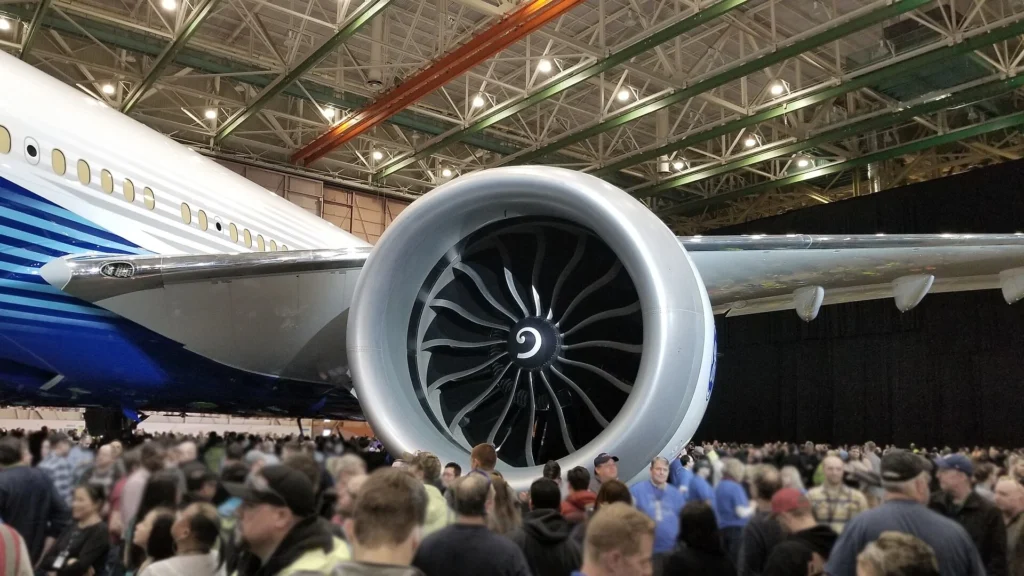
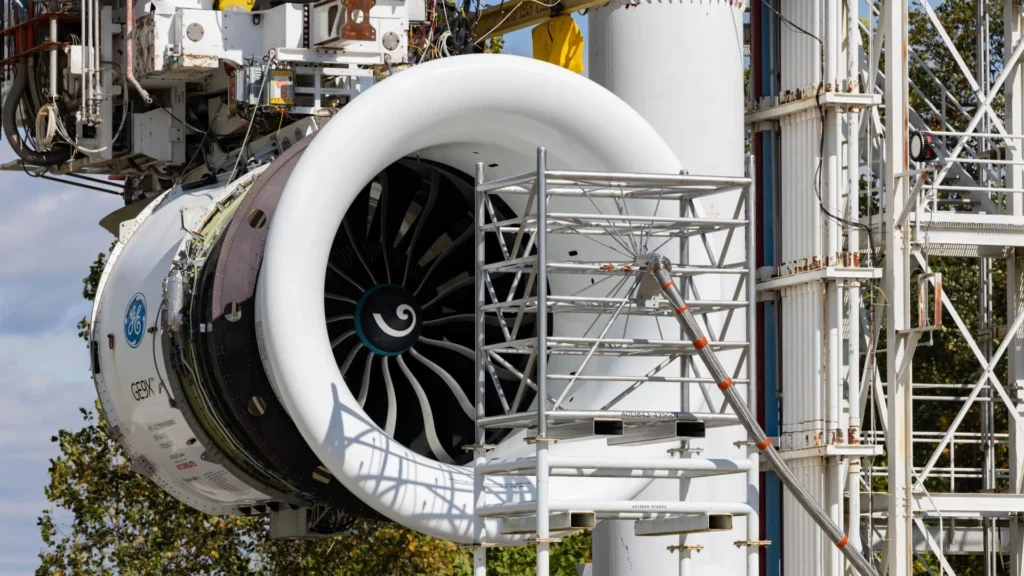
GE Aerospace (GE) is finalizing a modification to address a durability issue in the mid seal of its GE9X engine, which exclusively powers the Boeing 777-9.
CEO Larry Culp confirmed during the company’s Q1 2026 earnings call on April 21 that engineers have identified the root cause and are now ramping supplier production for the redesigned component.
Despite the setback, GE Aerospace maintains that the fix will not push the Boeing 777-9 certification beyond its current timeline. Boeing has committed to delivering the first 777-9 to customers in 2027.
The Federal Aviation Administration (FAA) granted the GE9X its type certificate in September 2020, and the engine remains the largest and most powerful commercial turbofan ever built.
GE9X Mid Seal Crack Found During Flight-Test Engine Shop Visit
The mid seal issue first came to light in January 2026 during a shop visit involving a GE9X engine from Boeing’s 777-9 flight-test program. Mid seals are critical components that balance temperature and pressure between turbine stages inside the engine core.
A crack discovered in one such seal prompted GE Aerospace to launch a full investigation into the component’s durability.
Culp addressed the matter directly during the Q1 earnings call, stating that the crack found during the shop visit is a type of issue GE has encountered before.
He confirmed that the company believes it has reached the root cause and is now finalizing the modification. GE Aerospace is also modifying its tooling and working with suppliers to produce the updated part at scale.
The issue led to fewer GE9X deliveries than planned in the first quarter of 2026. GE Aerospace now expects to deliver a larger share of GE9X engines in the second half of the year but does not anticipate any impact on its full-year delivery targets.
What the GE9X Mid Seal Fix Means for Airlines
The GE9X is rated at 110,000 pounds of thrust and delivers 10% better fuel efficiency compared to its predecessor, the GE90. It holds the Guinness World Record for the most powerful commercial engine test, producing 134,300 pounds of thrust during a 2017 test run at GE’s Peebles, Ohio facility.
Airlines with large 777-9 orders, including Emirates (EK), Lufthansa (LH), Cathay Pacific (CX), and Singapore Airlines (SQ), are closely monitoring the program’s progress. Any further delays to the 777-9 would force carriers to extend the operation of older wide-body fleets and adjust long-haul network planning.
GE Aerospace’s ability to finalize the mid-seal modification and ramp production of the updated part will be a key factor in maintaining Boeing’s 2027 delivery commitment. The company’s track record of resolving prior GE9X issues provides some confidence, though the engine’s history of recurring durability challenges remains a point of concern for the industry.
Stay tuned with us. Further, follow us on social media for the latest updates.
Join us on Telegram Group for the Latest Aviation Updates. Subsequently, follow us on Google News


