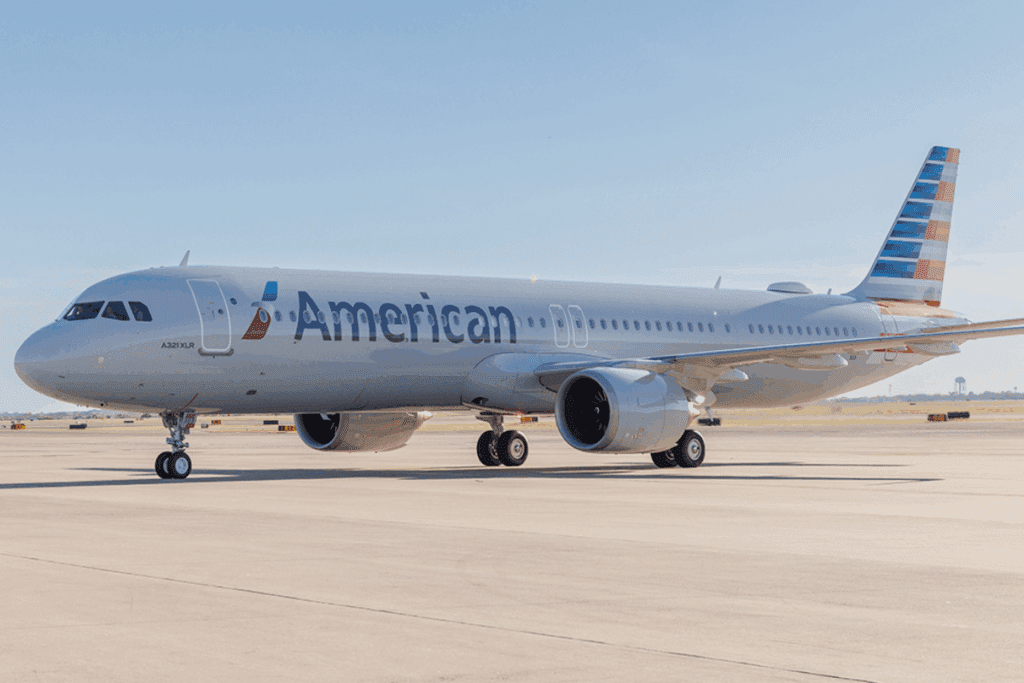
An American Airlines flight attendant has revealed what it’s really like to operate on the carrier’s new Airbus A321XLR narrowbody planes that have been specially adapted to operate long-haul flights like New York JFK to Edinburgh.
The plane has already proven to be pretty controversial, with some commentators believing that the new era of narrowbody planes like the A321XLR, which are able to operate long-haul flights, represents a downgrade in the passenger experience.
Now for XLR update: I smelled fumes before takeoff on both legs so that is still an issue on Airbus, the bathroom situation is ridiculous (1 in front & 3 in the back of coach) so we’re constantly moving carts to let people pass by, tight galley, trash management is difficult,… pic.twitter.com/M4x7JNs7Di
— @Heather_Poole (@Heather_Poole) April 27, 2026
Heather Poole, a veteran flight attendant who has been involved in a class action suit against American Airlines over a ‘toxic’ uniform scandal that left her unable to work for several years, has now shared her thoughts on the A321XLR.
Based out of American’s New York JFK, Poole will no doubt be a regular on the A321XLR given that the airline is operating the aircraft type on transatlantic flights from New York to Edinburgh, as well as transcontinental flights between New York and Los Angeles.
Unfortunately, Heather’s assessment of the A321XLR does not read as a good one.
Taking to X, Heather made a couple of immediate observations after a recent trip on the aircraft:
- The bathroom situation is “ridiculous” with just one lavatory at the very front of the plane and three located close to the rear galley.
- Flight attendants therefore have to reposition beverage and meal carts constantly to allow passengers to pass in order to get to the bathrooms.
- The galley from where food is prepared and served is “tight” and the space constraints are so bad that trash management is difficult.
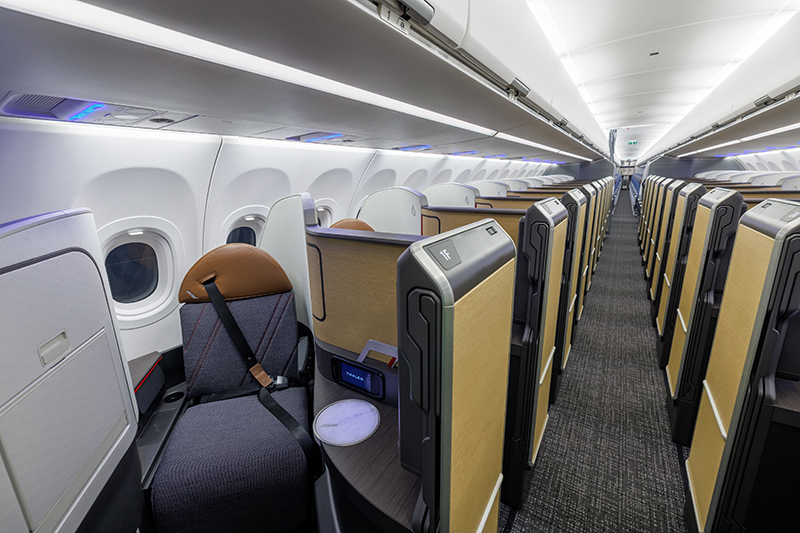
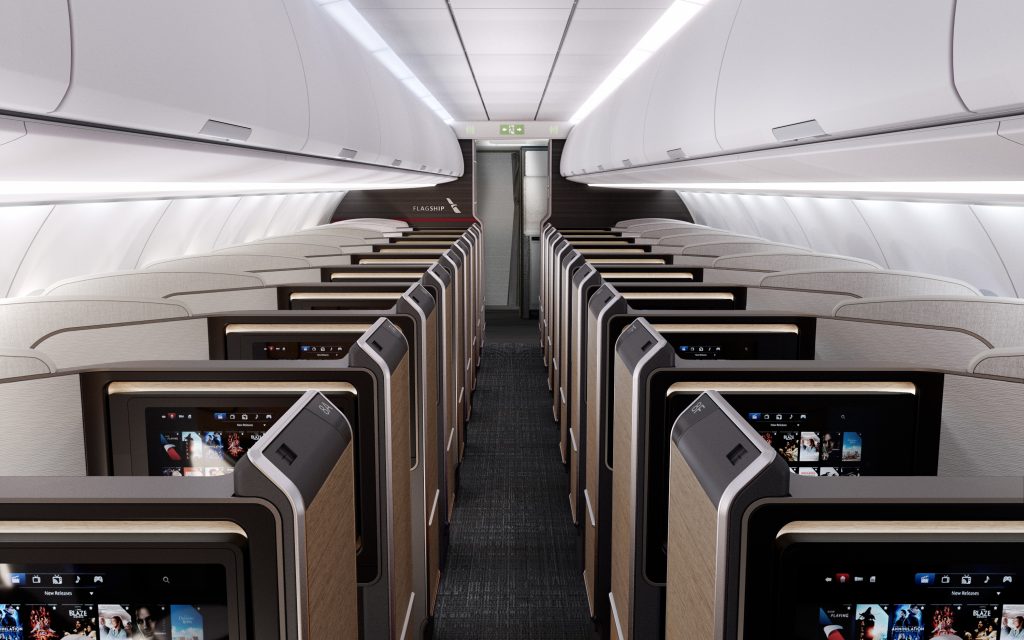
- The aisle in First Class, which features a new direct-aisle access suite, is so tight that people can’t pass one another in the aisle.
- Due to the shrunken tray tables in Economy, the meal trays are tiny, and passengers end up stacking everything up to make more room.
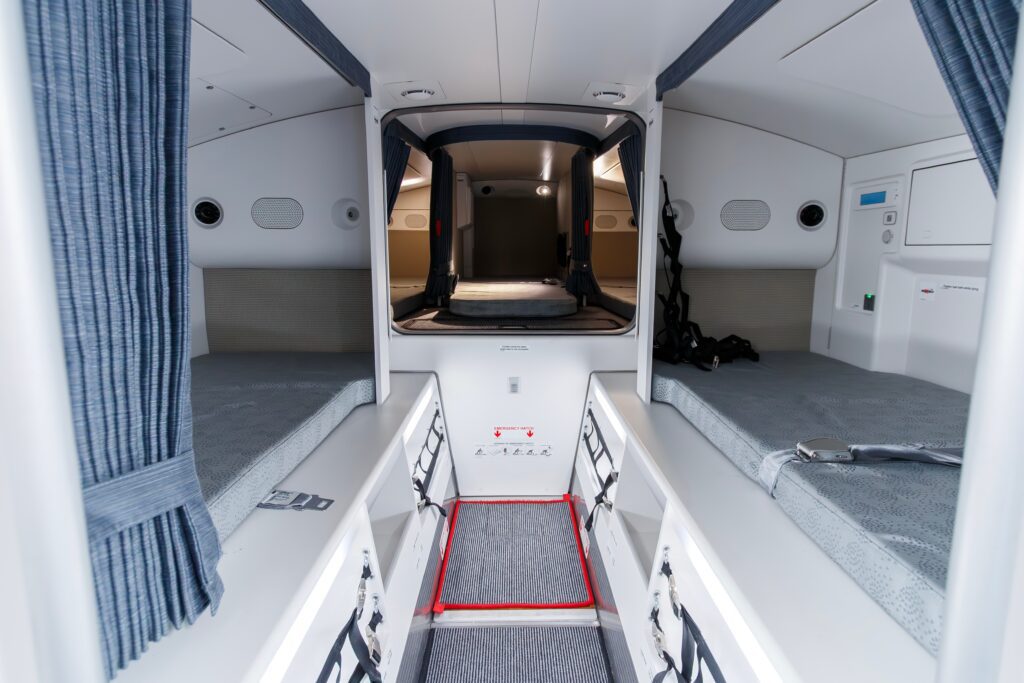
Heather also shared a video of the ‘crew rest’ facilities on the A321XLR. Unlike most widebody planes, the A321XLR doesn’t have a special crew rest compartment with lay-flat bunks.
Instead, during long-duty days like transatlantic flights, crew members are simply assigned three passenger seats right at the back of the cabin and immediately in front of the bathrooms.
In order to provide a modicum of privacy, the flight attendants are made to assemble a crew rest ‘tent’ which is essentially some thick fabric that is strung up around the seats.
Heather’s overall assessment of the A321XLR can be summed up as follows: “It’s not flight attendant-friendly. Hard to work, especially in first class, where you’re dealing with the entertainment screens that have to be pushed aside every time you serve someone.”
This isn’t the first time that Heather has raised concerns about the A321XLR after she revealed that American Airlines had chosen to install miniature tray tables on Economy seats.
When people saw Heather’s photos, they refused to believe that what they were seeing was in fact the full tray table, arguing that the tray tables folded out and effectively doubled in size.
This, however, is not the case: the tray tables are around half the depth of the tray tables you would find on an Economy seat on a widebody plane.

As a flight attendant, I’ve long been a critic of the A321XLR and its slightly shorter range variant, the A321LR. To me, these aircraft immediately seem like a nightmare for cabin crew to work on, and I would echo all of the concerns that Heather has raised.
Tiny galleys with little room to work, not enough bathrooms, no space for passengers to move around, a lack of adequate rest facilities, and a potentially uncomfortable ride in even light turbulence make this a plane that I would not enjoy working on for long-haul missions.
Capable of flying 4,700 nautical miles or 11 hours non-stop, the A321XLR is certainly capable of some pretty long flights, which could make for a miserable experience for both crew and passengers.
For now, long-haul flights operated by American Airlines A321XLRs is just between New York JFK and Edinburgh, although more destinations are expected to be announced soon.
American Airlines has ordered 40 A321XLRs, so these planes will start featuring quite heavily in the carrier’s schedules over the coming years. You have been warned.
Related
Subscribe to our newsletter
No spam, just a weekly roundup of the best aviation news that you don’t want to miss



