DELHI- Tata Group-owned Air India (AI) will reduce around 100 flights per day as rising jet fuel prices and operational pressures force the airline to scale back capacity across its domestic and international network.
The cuts will affect a significant portion of its scheduled operations, particularly long-haul services.
Air India (AI), operating from Indira Gandhi International Airport (DEL), Delhi, has confirmed that the reductions will be implemented across June schedules, with Europe, North America, Australia, and Singapore emerging as the most affected markets.
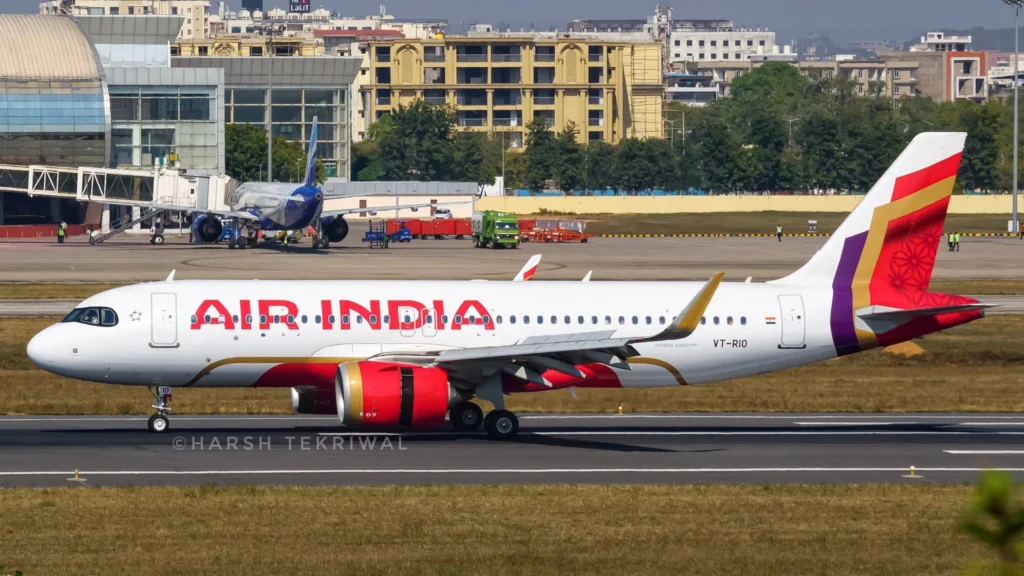
Air India to Cut Around 100 Daily Flights
Air India has taken the decision as jet fuel costs continue to rise sharply, significantly increasing operating expenses across the aviation sector.
With fuel accounting for nearly 40% of airline costs, even marginal price changes have had a severe financial impact.
Oil marketing companies are expected to revise jet fuel prices, a move that industry stakeholders fear could further intensify cost pressures.
Global jet fuel prices have already surged significantly compared to earlier this year, placing additional strain on carriers operating long-haul routes.
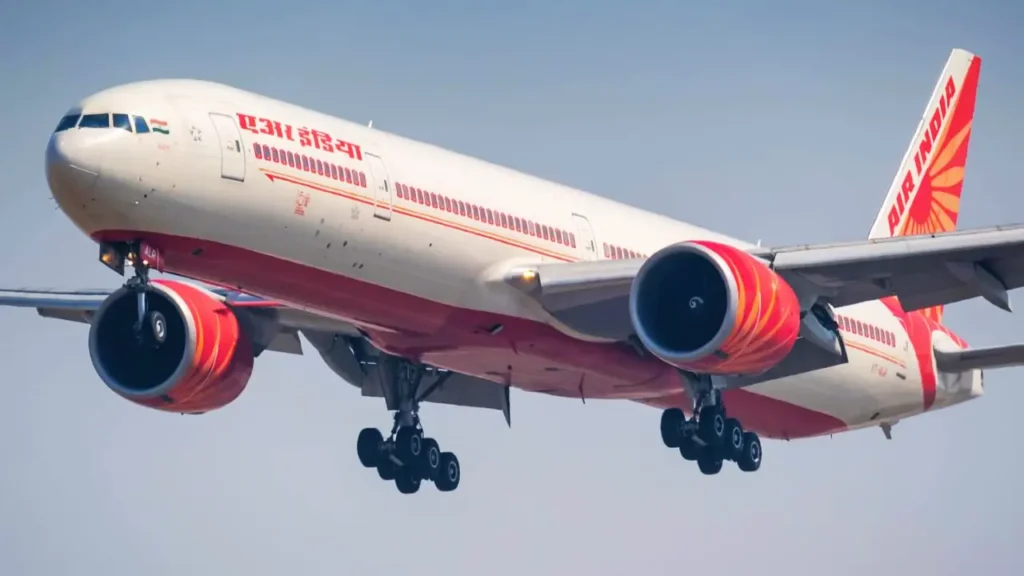
Impact on Air India’s International Route
The airline’s international network will face the deepest cuts, especially on services to Europe, North America, Australia, and Singapore.
These routes involve higher fuel burn and longer operational cycles, making them more vulnerable to cost escalation.
A senior Air India official stated that many flights are currently operating below break-even levels, ET flagged.
The airline indicated that sustained fuel increases could force additional capacity reductions if conditions do not improve.
Rise in AI’s Financial Strain
Air India is facing a heavier financial burden compared to domestic competitors due to its extensive long-haul network. The ongoing closure of Pakistani airspace has forced the rerouting of flights to Europe and North America, increasing flight times and fuel consumption.
Flights to North America now require technical or operational stops in cities such as Vienna or Stockholm, adding further cost layers in crew duty time and fuel usage. The airline’s cumulative losses have exceeded ₹20,000 crore, increasing pressure on Tata Sons and Singapore Airlines to improve efficiency.
Industry associations, including the Federation of Indian Airlines (FIA), have warned that continued cost escalation may lead to further service suspensions if regulatory relief is not provided.
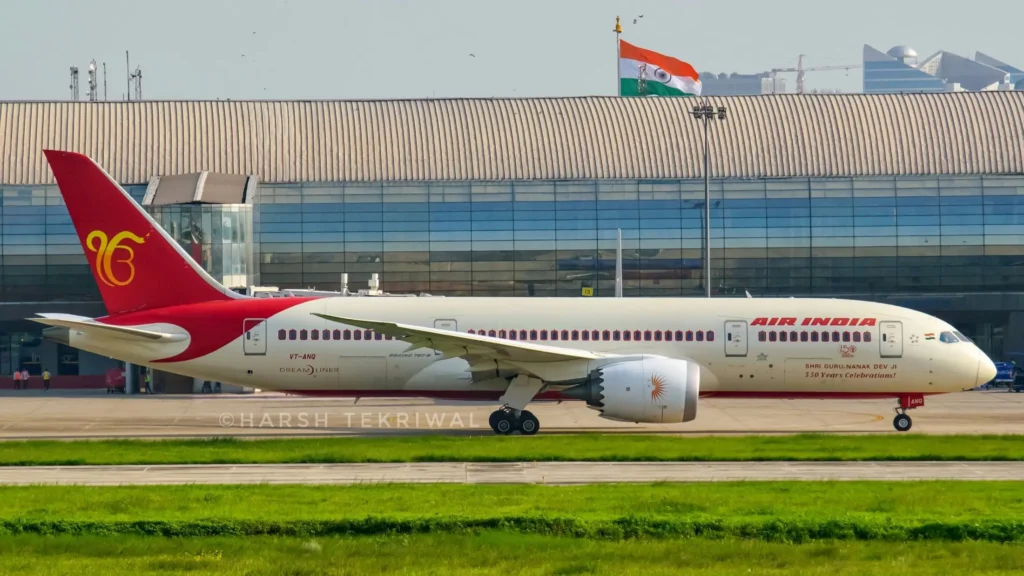
Air India’s Operational Outlook
Air India’s capacity rationalisation reflects broader challenges facing global aviation amid volatile energy markets.
Airlines worldwide are adjusting schedules to protect profitability while maintaining network connectivity.
The current cuts indicate a shift toward cost-driven route optimisation, particularly on long-haul sectors where margins remain under severe pressure.
Further adjustments may depend on fuel price movements and regulatory responses in the coming months.
Stay tuned with us. Further, follow us on social media for the latest updates.
Join us on Telegram Group for the Latest Aviation Updates. Subsequently, follow us on Google News


