The CEO of United Airlines does not understand how airfares work. That may seem like a strange claim, but the things that he says about fares are just wrong.
- You might be loath to question the CEO of an airline over airfares!
- Especially a CEO that is highly successful. He is largely credited with turning United Airlines around.
- But he claims – and predictions – frequently turn out to be wrong.
Scott Kirby keeps insisting airfares should rise, and that airlines are too timid to charge what passengers will pay. But after years of predictions that have not panned out, the flaw in his theory is simple: airlines hate empty seats, and supply and demand still set fares no matter how badly CEOs want prices higher.
Probably because everyone just assumes he knows what he’s talking about, and has short memories, they rarely question Scott Kirby’s pronouncements. What’s great about listening to him is that he does not shy away from bold claims about the world. But those claims do not always stand up to scrutiny.
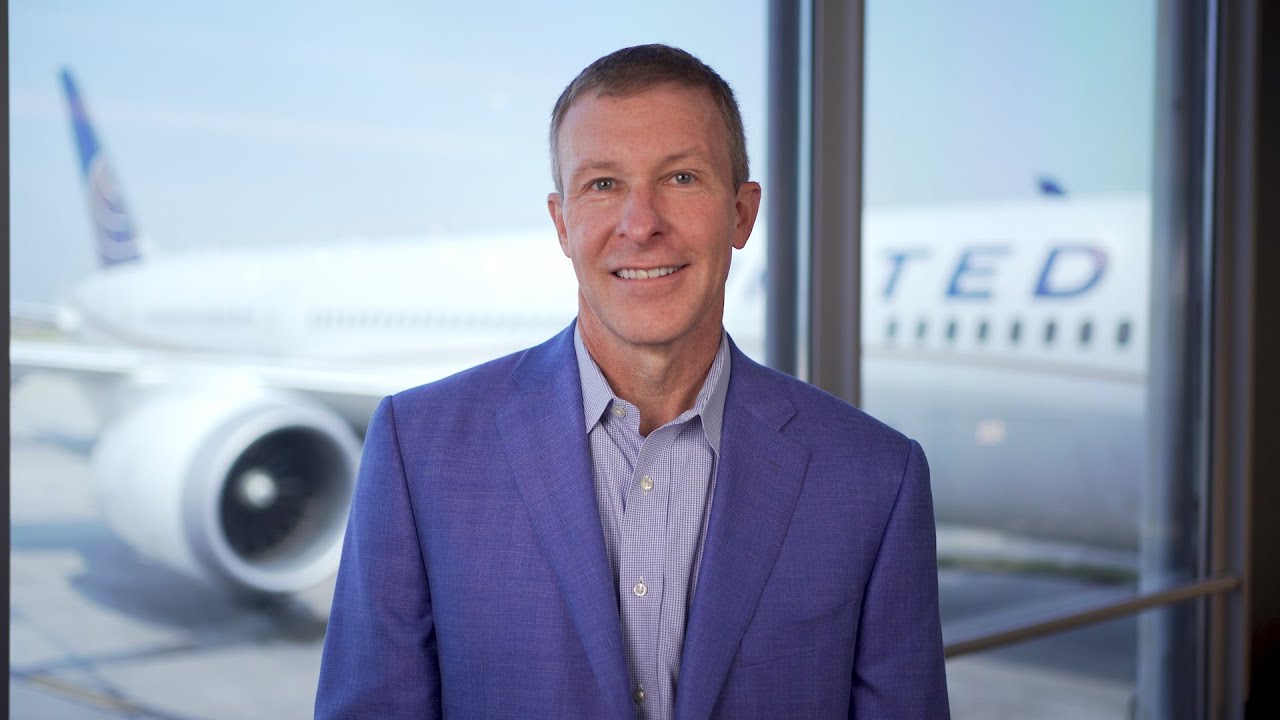
Right now he’s predicting higher fares and says that other airlines are just too shy to raise them because of dysfunction in their own organization (United is much bolder!). His model, though, for how fares are determined appears unmoored from relaity.
- Brian Sumers’ excellent airline earnings call wrap up asks the question, ‘if Scott Kirby says airlines can raise fares in a crisis, why not when there’s no crisis?’
- The United CEO’s claim was that there’s a push and pull between different factions inside the airline, and revenue management loses out to the political and marketing folks. All you need is to be a better-run airline and you can raise fares!
- Kirby says passengers are willing to pay more, if you just raise prices: “Air travel demand is inelastic, and there’s room to price more appropriately for our cost of capital.”
Kirby’s story about fare increases being unpopular, so marketing and government relations people become naysayers, makes little sense. American’s CFO Devon May in their call said that head of government relations Nate Gatten doesn’t involve himself in revenue management at all.
Sumers says “I know better than to question Kirby about airline economics” while expressing skepticism. I don’t know better! His predictions do not always come true! For instance, he’s told analysts that he’s given MileagePlus a goal to grow revenue by 50% in the next four years. Maybe everyone forgets, or is afraid to call him out, but he said that same thing in 2021 and it did not happen.
Kirby is always predicting higher fares. He laid out his theory for higher fares way back in 2018 that lowering fares is self-defeating, doesn’t bring in more sales it just lowers the revenue earned from each ticket, and that airfares would double because they should be a fixed percentage of GDP. Except this has never happened for as long as he’s been predicting it.
And in 2024 he said:
- “I think that absolutely the airline revenue to GDP ratio is going to trend back upwards.. every time capacity gets ahead of demand this ratio [declines]… demand for air travel is inelastic.”
- “It really is just as simple as this ratio goes down when supply exceeds demand…I am incredibly encouraged to see the rapid response that is happening..beginning mid-August.”
He argued in 2018 that airfares should double, because they had fallen to half their historic share of GDP.
Of course, United has been consistently lowering prices for years along with the rest of the industry. Is Kirby the one that’s just been listening to government relations and marketing, not revenue management? Meanwhile, Delta thinks they can do revenue management better precisely by offering targeted lower prices using AI.
However, GDP is rising for reasons different than they had in the past, that doesn’t involve airfare. We’re seeing billion dollar companies with just half a dozen employees. AI data center capex and chips do not require travel spend proportionate to what hyperscalers pay Nvidia and TSMC. That’s just the continuation of a long-run trend.
And the idea that airlines just set fares and consumers pay them is a monopoly story, but surely Kirby would not argue the current industry is capable of monopoly pricing.
- Prices are set by supply and demand. United has been growing seat supply and this pushes down prices!
- When an airline seat is going to go empty it costs almost nothing to fill it, so airlines compete with low fares to put a passenger in this seat. $99 is better than $0 when the marginal cost is pennies.
- If airfares doubled leisure travel would plummet. Some business trips would be replaced with conference calls. Some conference events that involve large numbers of people flying wouldn’t make sense.
- There’s a point at which total revenue falls when airfares rise. It’s tough to know exactly where that is in advance, but it varies significantly by customer type and route.
It is not just about having the will to raise prices even when it’s unpopular, or avoiding listening to the wrong people.
Costs to not directly determine airfares, either. Airlines do not take their average cost of a trip and add a profit margin to it to reach price.
The actual way that fuel price increases translate into higher fares is that airlines cut back on the number of seats they fly. Marginal routes are no longer profitable, so they reduce their plans for flying. Holding passenger demand constant, price goes up.
Of course passenger demand doesn’t stay constant. If high fuel prices lead to reduced economic growth or recession, you’ll get less demand for air travel too. If people lose jobs they’ll fly less for leisure (or if they’re less confident in their income stream). If markets decline, there are negative wealth effects.
So it’s possible to have higher fuel prices and lower fares. Nobel laureate economist Vernon Smith showed competitive prices can emerge with just four buyers and sellers. And as long as airlines have excess capacity they’ll compete down price.
The long-run cost of air travel is clearly down:

It’s not yet clear what will happen to fares. Some predictions Kirby makes turn out to be very correct. His predictions about fares over the past 8 years have not been among those.


