To be clear, that question in the title doesn’t at all reflect my beliefs, but that is a ridiculous explanation that is being thrown around.
Here in the United States, we’ve just seen Spirit Airlines cease operations, and of course there’s a political blame game going on. But the simple reality is that Spirit failed to turn a profit for seven years, and lit many billions of dollars on fire.
There’s one question that often comes up — why do ultra low cost carriers in the United States struggle so much, while some foreign ultra low cost carriers are extremely profitable? For example, Ryanair is one of Europe’s most profitable airlines, and has among the best margins in the entire global industry.
What drives that disconnect? Well, let’s talk about that…
Spirit’s failure has nothing to do with Americans being “rich”
Dumb takes online are hardly worth calling out, because there are so many of them. However, Blake Scholl, the founder of Boom (which wants to bring back supersonic travel, or something), has a real skill for having obnoxiously bad takes (he also thinks airport security should be eliminated altogether).
His take on Spirit going out of business is so unbelievably bad that I can’t help but call it out.
Scholl suggests that the reason that ultra low cost carriers in the United States fail is because Americans are “more productive and wealthier than Europeans,” and “can afford nicer things,” and he points out how the UK is poorer than any of the 50 states. In other words, Americans don’t want cheap airfare, they want to pay for nice things… like American Airlines economy!
THAT IS SO FLIPPING STUPID and out of touch, as a vast majority of Americans struggle with affordability. But anyway, let’s ignore tech bro God complex logic, and talk about what’s actually going on. Though I do hope that before European airlines order Boom’s imaginary plane, they remember that their customer base is too poor to actually afford to fly on it. 😉
Why ultra low cost carriers struggle in the US market
Let’s talk about what’s really going on in the US airline industry, and what has caused the massive profitability divide that we’ve seen. I don’t really like the term “ultra low cost carrier,” because even airlines that used to be referred to as that are going upmarket, introducing premium cabins, bundled fares, and more.
But let me frame this largely in the context of Spirit vs. Ryanair, and why Ryanair continues to thrive, while airlines like Spirit fail.
Loyalty programs & credit cards rule US airlines
Simply put, the United States has the most robust credit card industry in the world (thanks to high interchange fees), and airlines have done a phenomenal job tapping into that, given how addictive loyalty programs can be.
Even among the most profitable airlines in the US, like Delta and United, they don’t actually transport passengers with great margins (just compare their cost per air seat mile to their revenue per air seat mile). Instead, every passenger is viewed as a new opportunity to sell a credit card. Just listen to any airline earnings call, and you’ll hear them talk about the extent to which loyalty programs drive decisions across the company.
So, why can’t smaller low cost carriers leverage credit cards in the same way as big airlines? Well, think about it. Airlines all want people spending hundreds of thousands of dollars per year on their cards. Those people generally want to redeem their miles to fly to Paris or Tokyo or Venice in a premium cabin, and not Baltimore or Houston or Orlando in economy. Or at least they’d like to think those are their aspirations.
The dynamics are completely different in Europe, where interchange fees are lower, and therefore credit card revenue also doesn’t contribute as much to airline profitability. In other words, in Europe, airlines actually have to compete on… transporting passengers! Novel concept, eh?
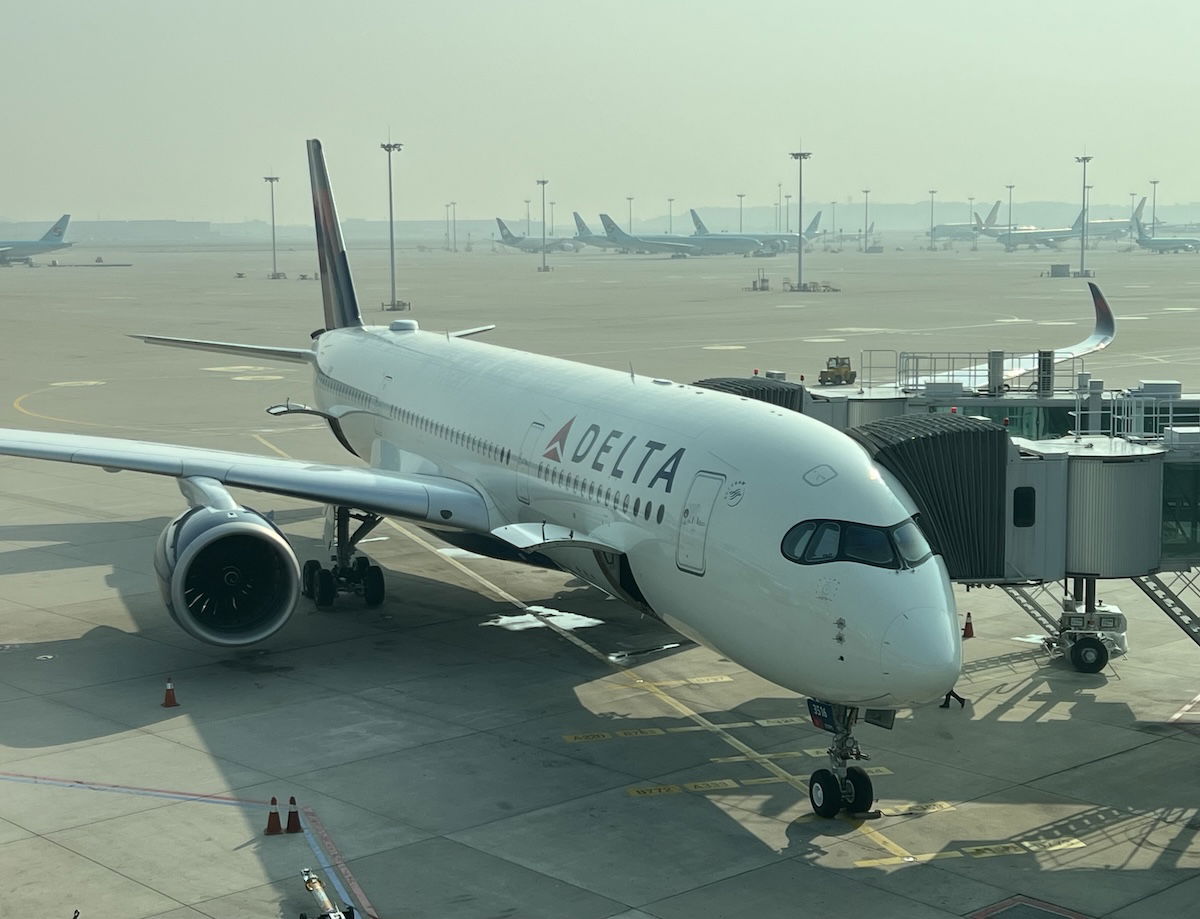
European low cost carriers are actually low cost
In the United States, the issue is that “ultra low cost carriers” are no longer actually ultra low cost. Their cost advantage has decreased over the years, between increases in labor costs, airport charges going up, product investments, and much more.
Don’t believe me, let’s look at numbers. Ryanair’s cost per air seat mile is somewhere around seven cents (in USD), while Spirit’s was closer to 12 cents. That’s right, Ryanair’s cost per air seat mile is around 40% lower, which is massive. How is the airline able to do that?
- Europe has some huge labor advantages, and Ryanair is known for using every labor loophole possible, from hiring crews through third parties, to setting up bases in very low cost markets, to avoiding unionization
- Ryanair primarily operates to secondary markets, in order to reduce airport costs, and the company is also a ruthless negotiator with regulators, vendors, etc.
- Ryanair doesn’t spend a dime on the passenger experience, unless it has to (unlike Spirit, which has been adding premium seating, Wi-Fi, etc.)
When your costs are about half those of competitors, it gives you a huge advantage, and that can’t be overstated.
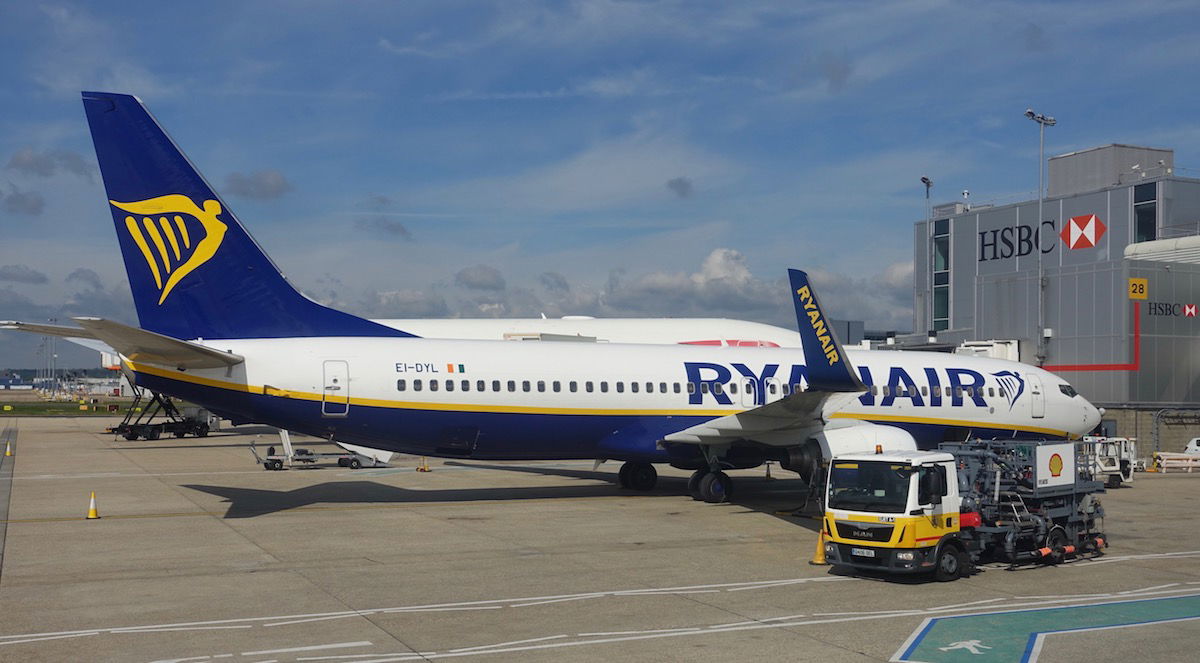
Europe has different point-to-point competition dynamics
For so long, Spirit’s business model has primarily been to replicate routes operated by the legacy airlines, by trying to undercut them on cost. That’s totally different than the reality of aviation in Europe, where most of the major airlines have one, or maybe two, hubs.
Ryanair doesn’t try to compete in markets served by legacy airlines. You won’t find the airline flying from London Heathrow (LHR) to Paris Charles de Gaulle (CDG), and saying, “oh, maybe we can offer a fare that’s a little cheaper.” Instead, the airline flies nonstop in markets that other airlines don’t bother serving, because it’s not part of the legacy airline hub-and-spoke model.
If you want to fly from Aberdeen (ABZ) to Alicante (ALC) or Krakow (KRK), you can fly Ryanair. Like, why would you connect through Heathrow on British Airways, only to possibly misconnect, and still have to purchase food and drinks onboard? The average sector length in Europe is also much shorter than in the US, so most people are willing to tolerate a basic experience on a 60-90 minute flight.
We know this is also true because of how Ryanair treats its customers. Just look at the carrier’s X account, where it basically tells customers to bugger off, because it knows they’ll come back the next time they want to fly, and are looking for the most convenient flight and best fare.
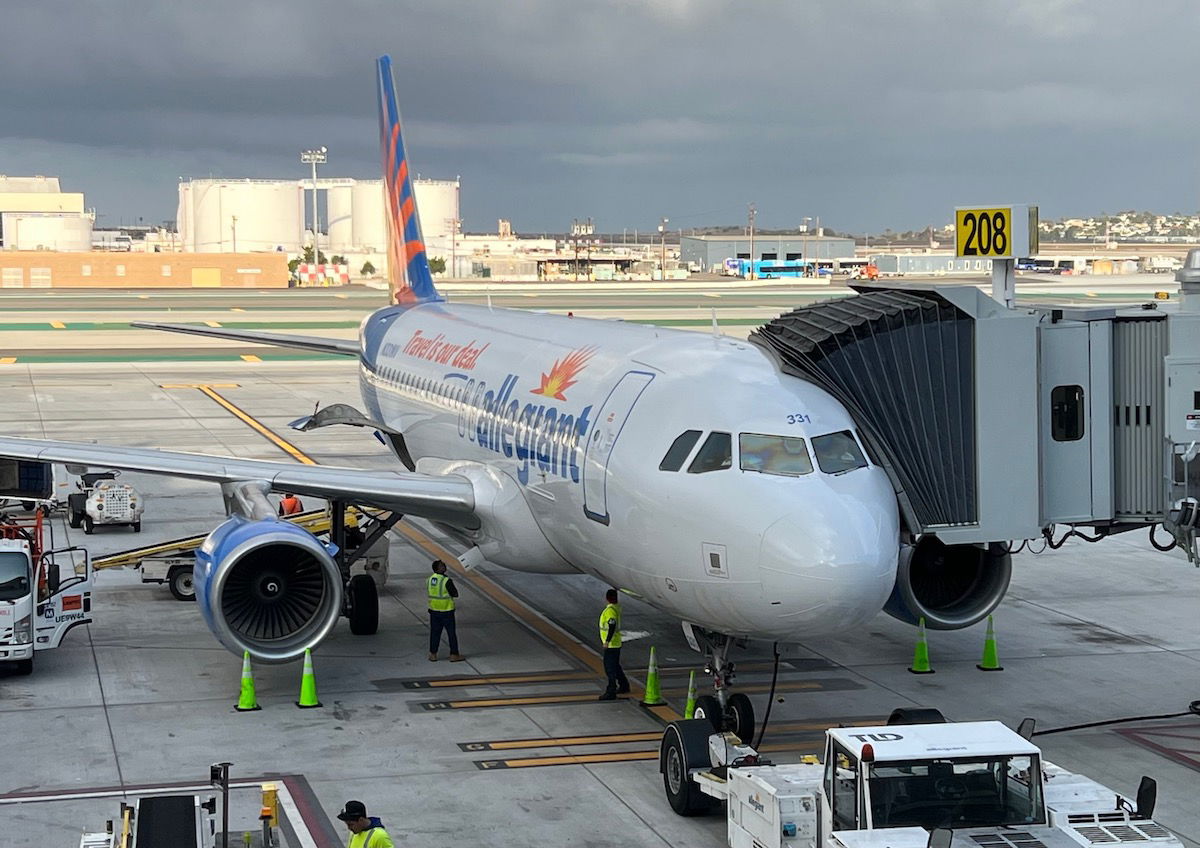
By the way, I’d point out that the US ultra low cost carriers that actually do reasonably well are those that don’t compete directly with the legacy airlines. For example, Allegiant has maintained decent profitability, by focusing on unserved point-to-point markets. Want to fly from Flint (FNT) to St. Petersburg (PIE)? Allegiant is for you… and the business model works!
US legacy airlines have been relentlessly upgauging
When it comes to airline fleet planning, one big decision airlines face is whether to get smaller or larger variants of an aircraft. For example, take the Airbus A319 vs. the A321. The A321 gives you several dozen more seats, and the incremental operating costs are minimal. The issue is, there’s only so much demand in a given market, and you don’t want to have too many seats, or else you’ll have to discount tickets too much, and you don’t want to destroy your yields.
Among the “big three” US carriers, we’ve seen a massive amount of upgauging, whereby airlines are increasingly acquiring larger narrow body planes, particularly the Airbus A321neo. This plane has great economics on a per seat basis, the challenge is just filling all those seats.
But this is where US airlines have transformed themselves, by aggressively rolling out basic economy, and essentially viewing those fares as an opportunity to market their loyalty program to travelers. It’s very different in Europe, where this increase in aircraft size isn’t happening in the same way.
For example, take Air France, which is standardizing its regional fleet with Airbus A220s. Air France is quite literally trying to skim the market and be a premium airline, not competing for cheap connecting traffic.
Bottom line
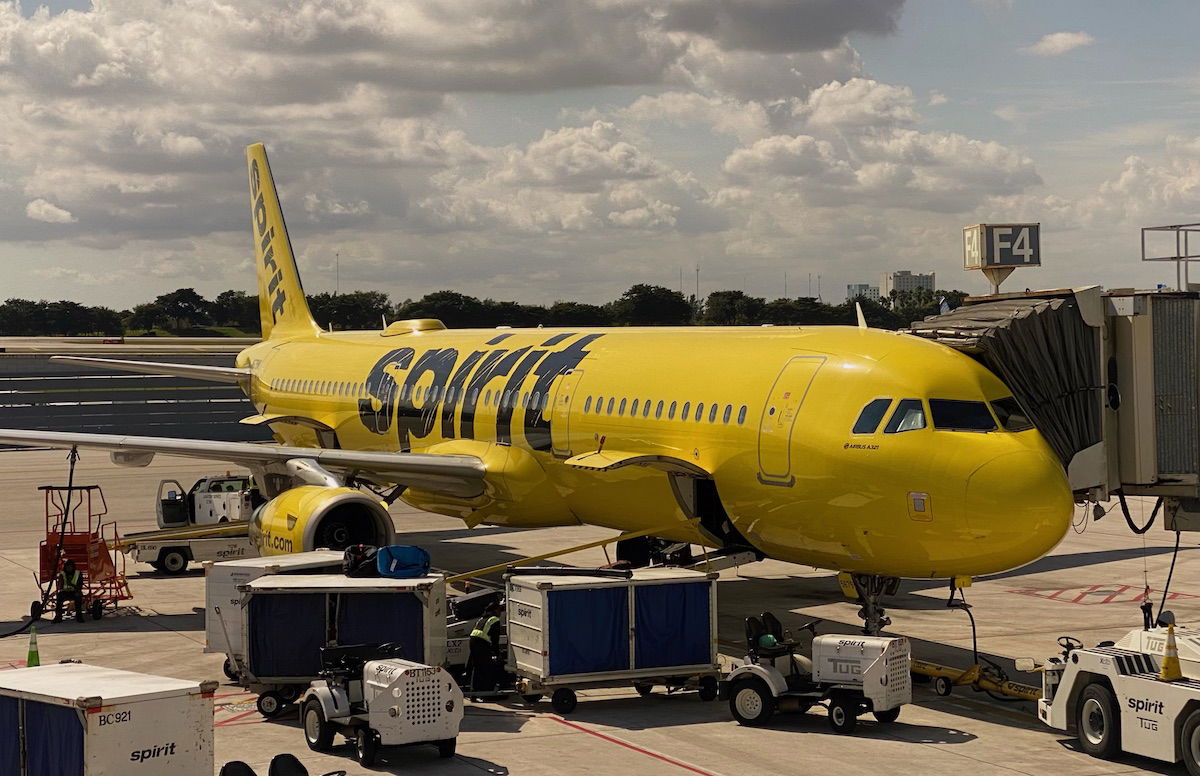
No, Spirit Airlines didn’t fail because Americans are too rich to want cheap airfare. Spirit failed because the US airline industry has evolved massively over the years, while some ultra low cost carriers failed to update their business models to reflect the times.
As US airline industry profits have increasingly become about loyalty programs, it has made it tough for ultra low cost carriers to compete. For that matter, the ultra low cost carrier cost advantage has largely been eroded, due to higher labor costs and higher airport costs.
For airlines like Spirit, the business model was so much about going head-to-head against legacies and undercutting them on cost, but unfortunately airlines like Delta and United got the last laugh there.
What do you make of the disconnect in economics between value carriers in Europe and the US?


